I've been meaning to do this for a while now, but here is a walkthrough of what is effectively my 'home' zoo. It is actually a relatively large zoo in terms of area, at over 800,000 m2 (80ha, ~200 acres), an area putting it not too far off the Bronx Zoo in terms of area. However, comparatively little of that area is used, with the central area of the zoo being the only area where exhibits are dense and frequent.
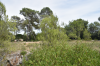
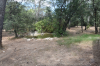
The zoo is set in typical Mediterranean woodland, with the landscape maintained where there are no exhibits. About a quarter of the zoo is given up to a long nature trail that weaves through an area of untouched forest on the Eastern side of the zoo, where one can spot woodpeckers, buzzards and treecreepers with a bit of luck.
The zoo is also free (other than the rainforest house), making it a popular place for runners and families but also meaning that it is almost entirely subsidised by the council. While the zoo has, in recent years, suffered from a lack of funding, the council recently pledged 30 million euros for the zoo to reinvent itself, with which the zoo plans to make significant development towards massive mixed species exhibits and a European exhibit, to be completed around 2023 (work started a few years ago).
Anyway, onto the walkthrough - I will be going around the zoo starting with the South American area and then moving on upwards into the African area. Since the zoo has a fair few exhibits and I will be adding images, it will be in several parts.
Zoo de Montpellier
The zoo entrance is straightforward as the zoo is free, and immediately visitors have the Rainforest House to their right and the gift shop to their left. On the end of the gift shop is a tall aviary for macaws and amazons, with the species present being Great green macaws and Orange-winged amazons. I don't have any photos of the aviary but it could perhaps be made better by offering the birds more privacy in some way or another.
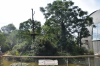
The next exhibits are for Vicunas. They are fairly simplistic, combining to an area of around 6000 m2. A nice touch is that the exhibit is planted with South American cacti in the foreground as shown below:

Then follows a monkey island serving as the outdoor exhibit for Bearded emperor tamarins, Goeldi's monkeys and Black howler monkeys. The island itself is around 150 m2 in size, with multiple climbing opportunities and lots of hiding opportunities for the monkeys. The moat contains lots of Koi fish. The island is shown below:

Moving on, visitors pass a path leading south to a small building surrounded by lots of small aviaries. This is the Madagascar pavilion. Currently closed for renovation, the pavilion is home to three species of lemur as well as tenrecs and tortoises. It houses uniquely Madagascan fauna. As you walk around the building, visitors can see Red ruffed lemurs, Crowned lemurs and Lac Aloatra bamboo lemurs as well as (only seen once and may have been temporary) Greater vasa parrots.
Once visitors enter the building they can see all four species mentioned above indoors as well as a breeding group of Radiated tortoises (if I remember correctly) and the only Lesser hedgehog tenrecs in France. The infrastructure of the exhibits had been antiquated and in need of repair for several years now so I am glad renovations are occurring. Nevertheless, the Madagascar area is rather charming and one of my favourite areas of the zoo.
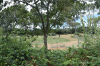
Having rejoined the main path, the South American zone continues with a large mixed exhibit for Lowland tapirs, Greater rheas and Southern screamers. The exhibit is punctuated with large succulent plants but otherwise is mainly planted with tall grass and the occasional tree, with a pool for the tapirs. The exhibit is just over 6300 m2 (around 1.5 acres).

To the visitors' left is also a Maned wolf exhibit, home to a breeding pair and their two pups currently. The exhibit is generally well-planted and it is often quite difficult to detect the wolves' presence at all other than the pungent smell they give off.
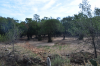
This is where the South American Zone ends and visitors move into the African area, which consists of the vast majority of the zoo. Since the terrain is very similar to that of the Sahel region of Africa, the zoo focuses on species from this region. First up is the Addax, housed in a fairly barren, rocky exhibit with a few trees.

The zoo is home to at least 7 or 8 addax and has been very successful in the past with breeding the species, with another group in a nearby exhibit mixed with Arabian oryx.
Next up is the African plain exhibit. It has an area of around 13,000 m2 (3.2 acres) and holds Nile lechwe, Cape eland, Blesbok, Ostrich and Marabou storks. The exhibit that accommodates this fairly unusual mix is of similar terrain to the above exhibit for addax, though perhaps with a few more trees.
What follows is a long loop of exhibits devoted to African ungulates. First up is a surprisingly large exhibit for Kirk's dik-diks:

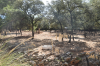
Followed by an exhibit for Scimitar-horned oryx:

Then comes another exhibit for an oryx species, this time Arabian oryx, followed by an exhibit for a last oryx species, the Beisa oryx. Opposite the oryx is a nice exhibit for African wild dogs: (the exhibit continues significantly further back than is shown)

I will pause there for now because of the length of the post but hopefully that already gives you a taste of the zoo. This is perhaps the more 'obscure' side of the zoo. Next will be lions, bears, lots of ungulates and cheetahs hopefully.
If you have any questions, don't hesitate, I know this zoo quite well so hopefully I can answer most questions about it .
.
Thanks for reading
AL
The zoo is set in typical Mediterranean woodland, with the landscape maintained where there are no exhibits. About a quarter of the zoo is given up to a long nature trail that weaves through an area of untouched forest on the Eastern side of the zoo, where one can spot woodpeckers, buzzards and treecreepers with a bit of luck.
The zoo is also free (other than the rainforest house), making it a popular place for runners and families but also meaning that it is almost entirely subsidised by the council. While the zoo has, in recent years, suffered from a lack of funding, the council recently pledged 30 million euros for the zoo to reinvent itself, with which the zoo plans to make significant development towards massive mixed species exhibits and a European exhibit, to be completed around 2023 (work started a few years ago).
Anyway, onto the walkthrough - I will be going around the zoo starting with the South American area and then moving on upwards into the African area. Since the zoo has a fair few exhibits and I will be adding images, it will be in several parts.
Zoo de Montpellier
The zoo entrance is straightforward as the zoo is free, and immediately visitors have the Rainforest House to their right and the gift shop to their left. On the end of the gift shop is a tall aviary for macaws and amazons, with the species present being Great green macaws and Orange-winged amazons. I don't have any photos of the aviary but it could perhaps be made better by offering the birds more privacy in some way or another.
The next exhibits are for Vicunas. They are fairly simplistic, combining to an area of around 6000 m2. A nice touch is that the exhibit is planted with South American cacti in the foreground as shown below:
Then follows a monkey island serving as the outdoor exhibit for Bearded emperor tamarins, Goeldi's monkeys and Black howler monkeys. The island itself is around 150 m2 in size, with multiple climbing opportunities and lots of hiding opportunities for the monkeys. The moat contains lots of Koi fish. The island is shown below:
Moving on, visitors pass a path leading south to a small building surrounded by lots of small aviaries. This is the Madagascar pavilion. Currently closed for renovation, the pavilion is home to three species of lemur as well as tenrecs and tortoises. It houses uniquely Madagascan fauna. As you walk around the building, visitors can see Red ruffed lemurs, Crowned lemurs and Lac Aloatra bamboo lemurs as well as (only seen once and may have been temporary) Greater vasa parrots.
Once visitors enter the building they can see all four species mentioned above indoors as well as a breeding group of Radiated tortoises (if I remember correctly) and the only Lesser hedgehog tenrecs in France. The infrastructure of the exhibits had been antiquated and in need of repair for several years now so I am glad renovations are occurring. Nevertheless, the Madagascar area is rather charming and one of my favourite areas of the zoo.
Having rejoined the main path, the South American zone continues with a large mixed exhibit for Lowland tapirs, Greater rheas and Southern screamers. The exhibit is punctuated with large succulent plants but otherwise is mainly planted with tall grass and the occasional tree, with a pool for the tapirs. The exhibit is just over 6300 m2 (around 1.5 acres).
To the visitors' left is also a Maned wolf exhibit, home to a breeding pair and their two pups currently. The exhibit is generally well-planted and it is often quite difficult to detect the wolves' presence at all other than the pungent smell they give off.
This is where the South American Zone ends and visitors move into the African area, which consists of the vast majority of the zoo. Since the terrain is very similar to that of the Sahel region of Africa, the zoo focuses on species from this region. First up is the Addax, housed in a fairly barren, rocky exhibit with a few trees.
The zoo is home to at least 7 or 8 addax and has been very successful in the past with breeding the species, with another group in a nearby exhibit mixed with Arabian oryx.
Next up is the African plain exhibit. It has an area of around 13,000 m2 (3.2 acres) and holds Nile lechwe, Cape eland, Blesbok, Ostrich and Marabou storks. The exhibit that accommodates this fairly unusual mix is of similar terrain to the above exhibit for addax, though perhaps with a few more trees.
What follows is a long loop of exhibits devoted to African ungulates. First up is a surprisingly large exhibit for Kirk's dik-diks:
Followed by an exhibit for Scimitar-horned oryx:
Then comes another exhibit for an oryx species, this time Arabian oryx, followed by an exhibit for a last oryx species, the Beisa oryx. Opposite the oryx is a nice exhibit for African wild dogs: (the exhibit continues significantly further back than is shown)
I will pause there for now because of the length of the post but hopefully that already gives you a taste of the zoo. This is perhaps the more 'obscure' side of the zoo. Next will be lions, bears, lots of ungulates and cheetahs hopefully.
If you have any questions, don't hesitate, I know this zoo quite well so hopefully I can answer most questions about it
. Thanks for reading
AL