Any more information on their yellow-cheeked Nomascus gabriellae (regularly called buff-cheeked) gibbon group? I know they should have 3.1 at Johannesburg. The last offspring of the breeding pair was born March 8th, 2013.
NOTE:
South Africa is interesting in that both Pretoria Zoo (3.3) an Lory Park (0.1) have buff-cheeked gibbons too. Would be interesting to know how related these all are.
Anyone local with more information?
Hi Kifaru Bwana, South Africa has a rather interesting history with this species with a Pretoria Zoo as key player in getting this species to the country.
The first Buff-cheeked Gibbon to arrive in South Africa was a female loaned from Hong Kong Zoological and Botanical Gardens to
Pretoria Zoo. She was joined two years later by a male from Zoo Mulhouse.
0.1 Cheyane, born 1988; Transferred 1992
1.0 Pierre, born 1991; Transferred 1994
1.0 "Pierre" was caught in the wild at age two and kept at Mulhouse before moving to Pretoria.
The first buff-cheeked gibbon born in South Africa occurred in 1997 to great surprise as Pierre was considered to be too young to reproduce at the time.
0.1 Gaby, born 1997 (Pierre x Cheyane)
In addition to Gaby the Pretoria pair had several more offspring between 1997 and 2008 and likely further forward. Notably, a set of twins were born in 2008.
1.0 Unknown, Born 2001
1.0 Unknown, Born 2003
1.0 Franzi, Born 2005 (Note: Hand-reared)
1.0 Chane, Born 2006
1.0 Kerron, Born 2008
1.0 Neema, Born 2008
The second institution to obtain Buff-cheeked Gibbons in South Africa was a private park most well-known for being the final destination of Europe's last Purple-faced langurs:
Induna Primate and Parrot Park.
Induna recieved a pair in 2008, a female from Hong Kong and the hand-reared male from Pretoria.
0.1 Unknown, Born 2000
1.0 Franzi, Born 2005
I could find no further information on Induna, but so is the way things go with Private parks.
Johannesburg Zoo first got the species in 2009, a male from Zoo Ljubjana and a female from Pretoria, specific details aren't available to me at the moment. It's worth noting Johannesburg has bred this with decent success, most recently in 2024.
An additional Male was imported in lockdown in 2020, affectionately named "Mel Gibbon"
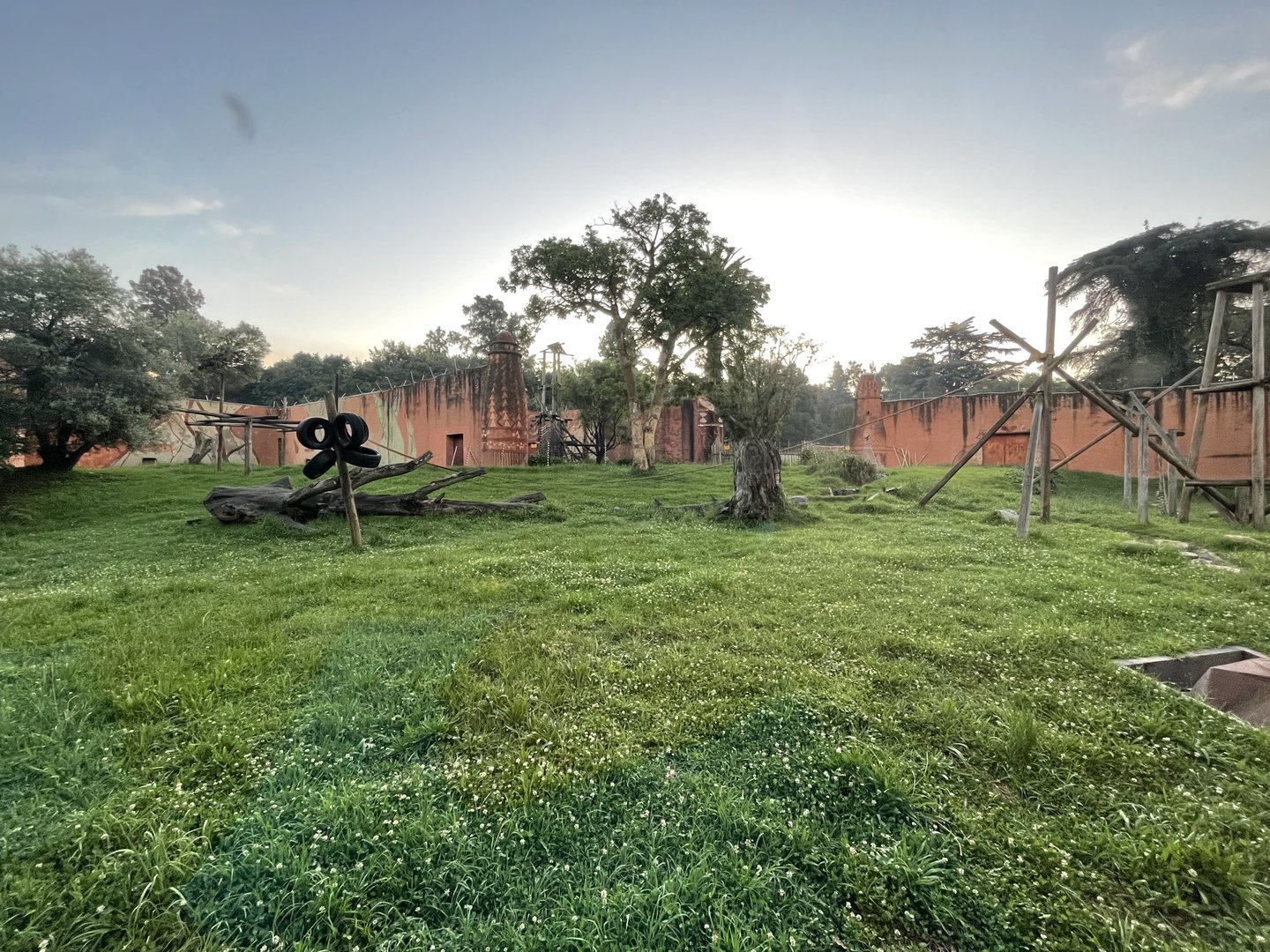
I visited Lory Park in 2021 and noted two gibbons, a photo is availabe in the gallery.
Though not a full comprehensive history of the species in the country, solely due to gaps in information available on the internet. It does serve a purpose of showing that new import of Buff-cheeked Gibbon to South Africa are happening - last year a male named "Sylvester" was imported from France to Pretoria to prove this fact. Zoo management from both Johannesburg and Pretoria seem to be interested in continuing with the species.
I've always found it interesting how certain species establish themselves in zoos in this country and others not. Due to a economic crisis and major shift in management, both major zoos rarely import exotic new species choosing to only expand populations / replacing of already present species.
The current populations of exotic mammals in South Africa, dwindling as it may be, is owed in large part to the former director of Pretoria Zoo, Willie Labuschagne, who imported most of the exotic species seen today to Pretoria in the 1980s and 90s. When he stepped down in 2006 few import have happened.
Now only geriatric animals of his imports remain and the far and few between animals from breeding programs current management chose to continue remain, i.e and tying all this back together, the buff-cheeked gibbon.