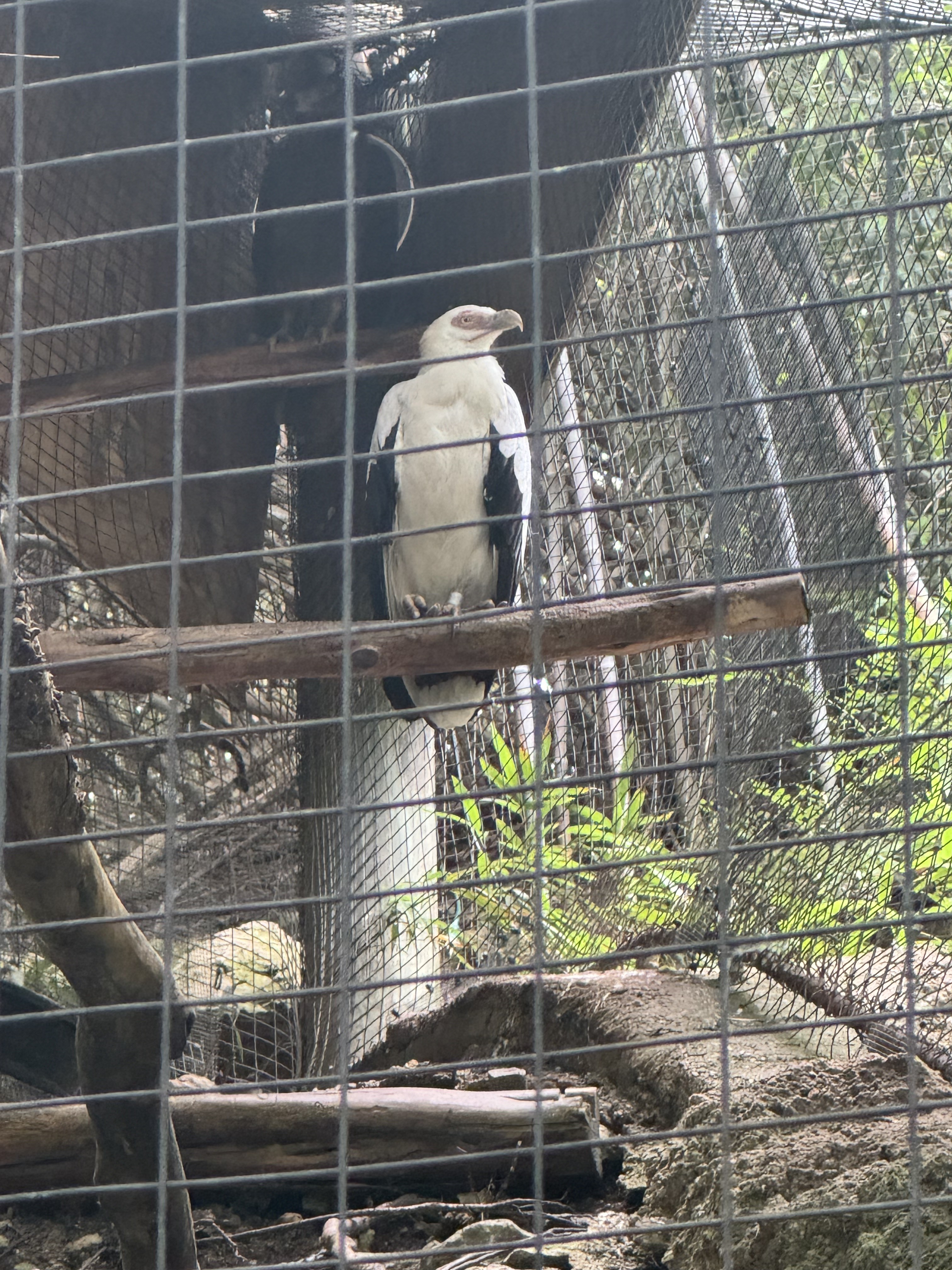
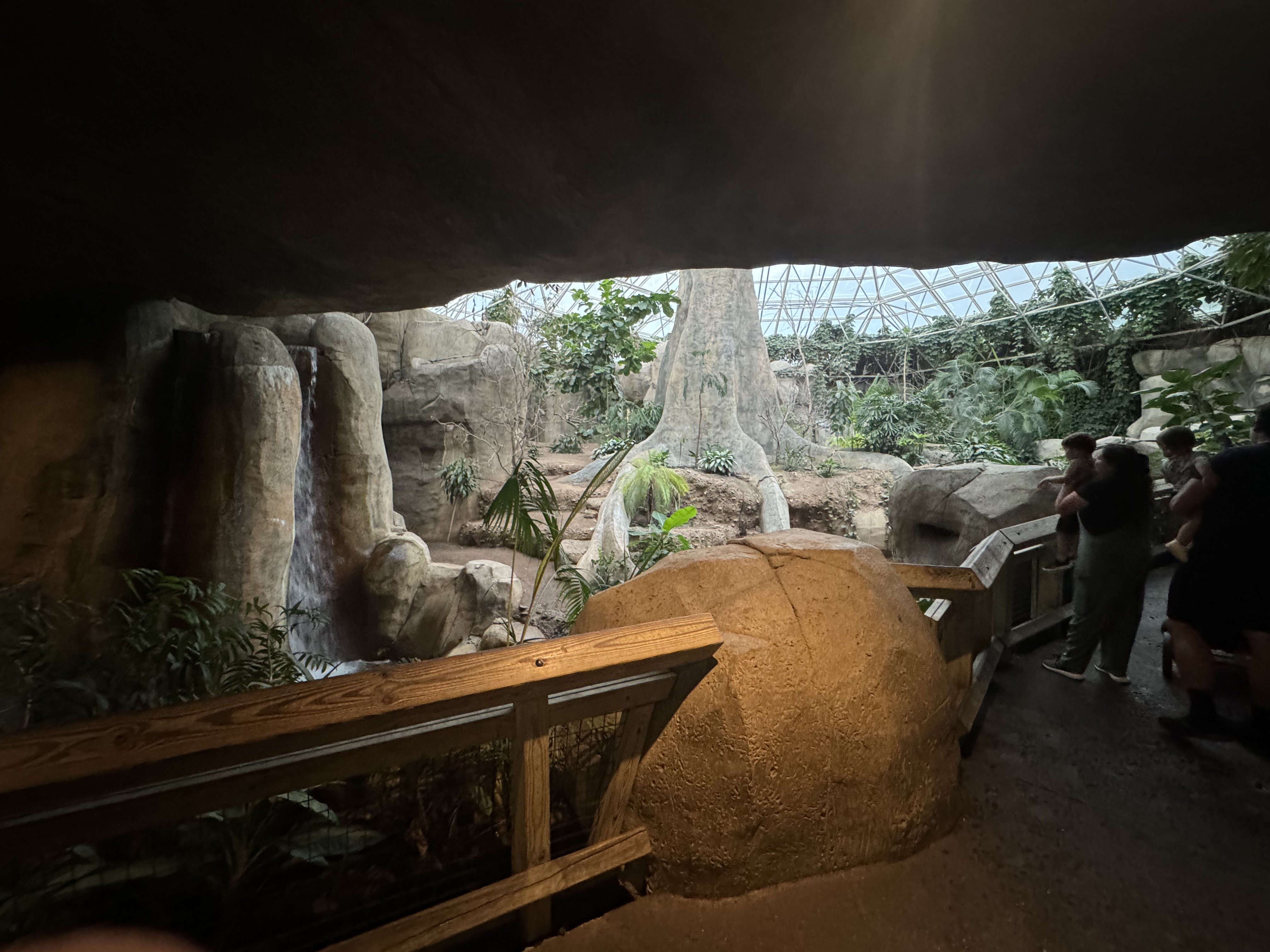
July 2024 Texas Zoo Mini-Road Trip Mini-Review

I'm broadly not thrilled that I went here, that much should be apparent. The only possible situation in which I could recommend stopping by is if you're eager to see a Bornean bearded pig before they're gone from the US for good, and can stomach wading through depressing exhibits. I've posted before about how after revisiting Waccatee as a young adult after not really going to zoos throughout my teens, I was so aghast that I had little interest in visiting zoos period for several years. I eventually, thankfully, walked this stance back to letting myself visit AZA facilities, and then a few years ago I opened back up to unaccredited facilities that I felt I had properly vetted in advance. I knew about this place's reputation and went anyway to see the pig, and see if maybe the few voices who insisted that its reputation was overblown or that the facility was on the mend were right. That sure wasn't the case, but I got what I wanted and I'm not sure if I intend to keep dumpster diving in the interest of species hunting like this. I know they're not all this bad, but man, you really hate to see a place like this.

Non-AZA zoos are really a mixed a bag, as you are discovering. I personally would never recommend having a hard and fast rule about never going to them, as there are plenty that are worth a visit and at least appear to have good husbandry practices. That being said, sometimes it is easier to just avoid them. Personally, I tend to go to any zoo I can possibly hit as I have a bit of a "gotta catch them all" type attitude, but many people understandably struggle with supporting such places financially. It is a decision each person needs to make when it comes to that. At 250+ zoos & aquariums and counting, I of course have a number of places I would recommend people avoid.

As the ZooChatter much of the info you share here comes from, it is definitely disappointing to hear not much has changed since my visit over 2 years ago. The places reputation is definitely justified and my comments in that thread were not trying to argue against that. They were more my overall impressions that came from my conversation with the owner versus commentary on the actual state of the zoo. I was mostly just trying to give some insight into the place/owner like another commenter on that thread had asked about. As another ZooChatter pointed out after my initial post, the owner could very well just be saying "what he thinks people want to hear" after receiving a critical citation from the USDA just a few months before my visit. With that, at some point a persons actions speak louder than their words. As well intentioned as the owner might appear to be to multiple of us here on ZooChat, there doesn't seem to be significant changes being made at the zoo and the lack of money excuse can only go so far.
 
Nope, the fanaloka's been gone for a few years now, unfortunately. I did see its former enclosure, which had a little memorial marker in front.
That makes sense, when I was there where their african civets had been was a memorial marker labeled "KIMMY," wasn't sure it was a memorial marker, but I guess that means I was right

Most of the people here on ZooChat also seemed pretty confident that the bearded pig had been dead for a few years now too, but after I noticed that it was still showing up on recent USDA reports I messaged the zoo on Facebook earlier this year. I very quickly got a response and whoever was responding to me, again, very clearly had a lot of love for the pig, telling me that he was bottle-raised and enjoyed getting scratches behind his ears.
Yeah, when I went and someone else after me, there was no bearded pig. I didn't talk to anyone, for similar feelings you had.. but the enclosure labelled for it housed a wild boar (still an interesting animal to see in captivity in the US), sad I missed out on the bearded pig, but definitely don't think I'd go back for it.
IMG_3559.jpg
 
I started typing up my next full post, but I realized there were a few more things about Capital of Texas I was curious about. First off, the wild boar, which I would've been happy to see but totally forgot about during my visit - no idea where it would've been. If it was shacked up with the bearded pig, I assume it would've also come out at the promise of breakfast. Perhaps it was in with the potbelly pigs? I immediately passed by them without much thought. I guess the alternative is that it was in its own enclosure somewhere that I totally missed.

Same deal with the Morelet's and Madagascan Nile crocodiles, if they're still there. I have no idea where they could've possibly been kept. Looking over the most recent USDA report, other animals I didn't even see a potential exhibit for include fishing cat, two species of bats, kinkajou, raccoon, nilgai, blackbuck, dromedary, and their 25 guinea pigs. I mean, who knows. There's probably an entire wing of the zoo I overlooked due to the almost total lack of signage or a comprehensible layout.

I did, however, see the hippo in a horribly undersized pool. I know that there are hippos and rhinos out there outside of the AZA, but it always blows my mind a bit every time I'm reminded of it.
 
I'm enjoying reading these reviews and the last couple of zoos have unfortunately been disappointing for you. Gladys Porter Zoo is a place I visited in 2010, but even then it had stagnated in terms of its exhibit quality and was primarily a lure for zoo nerds due to the long list of rarities it had. Much of the original zoo infrastructure from the 1970s remains and you were correct to be critical of the state of many of the animal enclosures. The rarities have decreased significantly, many of the exhibits have not been upgraded, and the zoo is far out of the way. One highlight for me was seeing several Gorillas literally jumping into their water moat, an extraordinary behaviour that is famous at this zoo.

full


As for Capital of Texas Zoo, I was stunned to see how awful some of the exhibits were when I was there in 2015. I saw the Fanaloka and several other rarities, but the hodgepodge creation of the enclosures showcased a lack of money and I worried about long-term investment. Almost a decade later and it seems that almost nothing has changed and that's truly unfortunate. So often when I've visited mediocre, roadside zoos in the past, I'd be one of the first ZooChatters to tour a particular facility and I didn't really ever know what to expect. Now, with photos and reviews on this site, people know what they are getting at many of these tiny places and we all just wish that some of the junky American privately-owned zoos would get their act together and actually become half-decent...but it rarely happens. :(
 
Same deal with the Morelet's and Madagascan Nile crocodiles, if they're still there. I have no idea where they could've possibly been kept. Looking over the most recent USDA report, other animals I didn't even see a potential exhibit for include fishing cat, two species of bats, kinkajou, raccoon, nilgai, blackbuck, dromedary, and their 25 guinea pigs. I mean, who knows. There's probably an entire wing of the zoo I overlooked due to the almost total lack of signage or a comprehensible layout.

when I went, the Morelet’s crocodile was also gone, the rest of what you mentioned I either saw or didn’t see signs of being there, there was this really small box-like building that had a window and it was full of red lights inside, I saw something fly past the window (it was really hard to see through it) and I assume that’s supposed to be the fruit bats. Fossa, fishing cat, and raccoon I think are long gone, the maps I saw with those on it were pretty old. The nilgai and blackbuck were pretty close together to the deer and domestic animal area, if you didn’t see them, they’re almost certainly not there anymore then. It is probably the hardest exhibit in the zoo to miss outside of the wild ass one. When I went they had a female only herd of both.
IMG_3552.jpg

The guinea pigs were fully outside, they had a roof and mesh surrounding them so predation probably didn’t occur, but the enclosure was clearly made for something else. Wouldn’t be surprised if you saw something entirely different in that enclosure, the zoo was being heavily worked on when I was there, but from what you said it sounds like the same was true still.
IMG_3537.jpg
 
Wednesday, July 3 continued
Desperately in need of a palate cleanser, I headed onwards to Houston Zoo.

Prior to the trip I'd seen a few mentions of how it's not super uncommon to see just herds of privately kept antelopes along the side of the road when driving around Texas. By this point I assumed that since I was mostly sticking to major highways connecting major cities I wouldn't see any. But sure enough, on this drive I saw a few gazelle in a pasture. I didn't get a long enough look to definitely say the species, but they were something like Thomson's or springboks. Maybe not the most exciting thing in the world, but I'm still glad I got this part of the Texas experience.

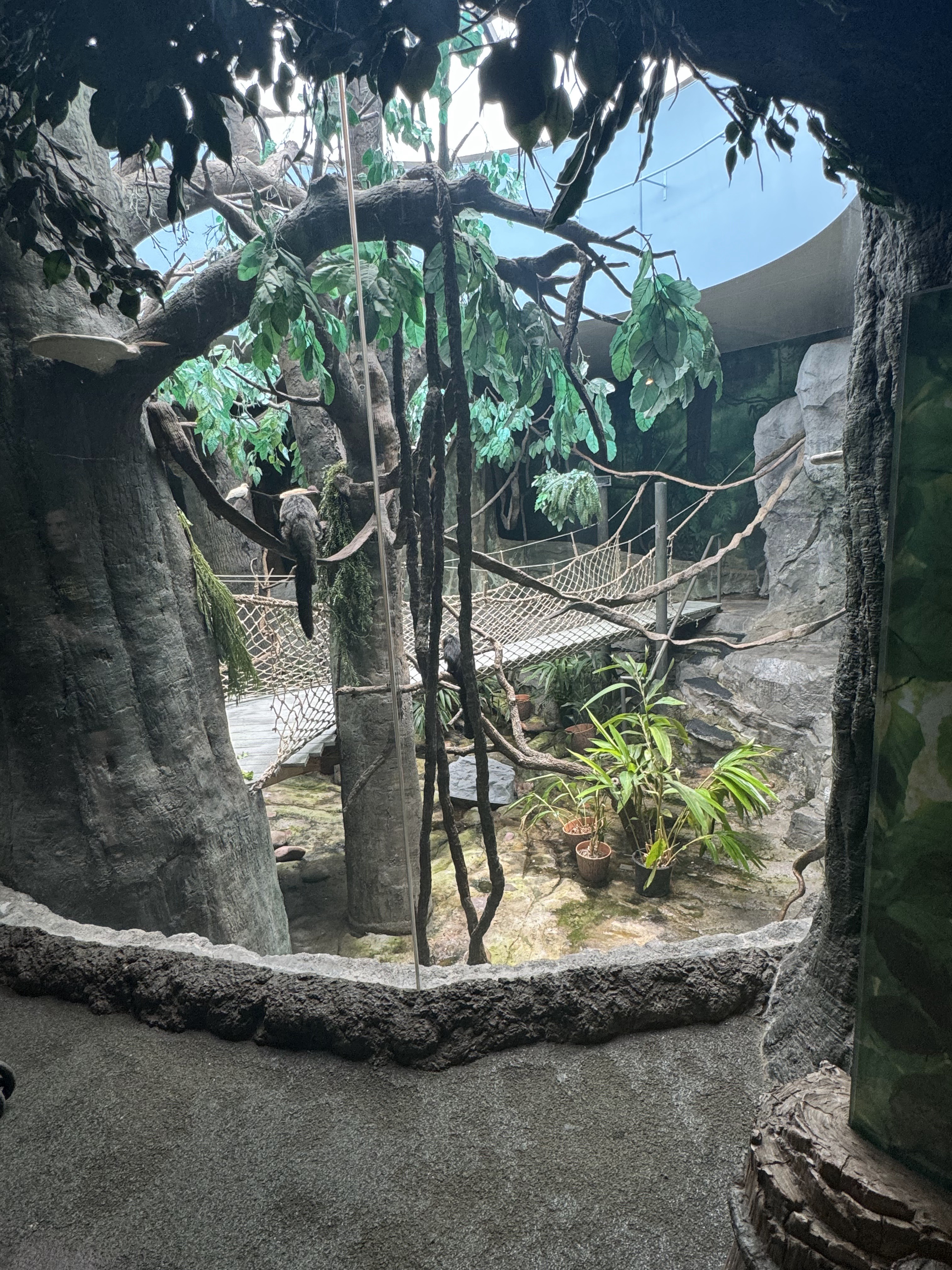
Houston Zoo wastes no time impressing the visitor with the loosely-themed but impressively designed Carruth Natural Encounters building which I guess you'd just call a small animal house. Meerkats, white-faced saki, two mole rat species, small-clawed otters, two-toed sloth, northern snake-necked turtle, and pied imperial pigeon were found here.

-vAGZcqkSHeQMMUiYYgPDW-IEIkMeLNnCMkJvg.jpg


From here I made my way to the state of the art Galápagos Islands section. Every inch of this complex was impressive, making incredible use of lighting and, oddly, automatic sliding doors that made it very leisurely to stroll through this unique area. Disappointingly, the sea lions weren't on exhibit today, and seeing as they're the first thing you should see from outside as you enter and later pass through an underwater tunnel, it did feel like something was missing. With this absence, I wound up going this entire trip without seeing a single pinniped, which seems really odd. I'd think that sea lions would do alright in Texas. As odd as it is, though, I think my favorite part of this complex was the Sally Lightfoot crabs. I love crabs, and it's not often you see them treated like their own thing and not just a bonus inside an aquarium tank.

full


My next destination was the primate loop, one of the zoo's weaker areas, but by no means a bad one. The primates weren't very active today, but I did manage to add Allen's swamp monkey to my life list after missing it at both Lincoln Park and Brookfield a few years back. The Coquerel's sifaka was less obliging, however. I then headed through the new Texas Wetlands area, another very modern and enjoyable complex, if rather small. Bald eagle, American alligator, and whooping crane were the only inhabitants here - I can't help but wonder if they should've tried to work in perhaps beavers, some freshwater aquariums, or a collection of native passerines to really seal the deal.

full


The South American Pantanal complex, which I was perhaps most excited to see, didn't disappoint one bit. We started off with a mixed howler and red-rumped agouti, giving me my second chance on this trip to see the latter... nope, another no-show. Giant otters followed, letting me glimpse this one sunning itself like a doofus

full


I saw several otters of the three usual species (NA river, small-clawed, giant) over the course of this trip, but it wasn't until day 7 that I'd actually see one touch the water. Was it too warm even for them? Further ahead still was the Pantanal's showstopper exhibit, the massive mixed enclosure featuring Baird's tapir, giant anteater, capybara, greater rhea, and southern screamer (supposedly coscoroba swan too, but they didn't pop up). It kept going, and going, and the sheer novelty of seeing this quantity of species that weren't from the African savannah living together was a sheer delight.

full

full


The Pantanal wrapped up with a lovely pair of aviaries, which I've found myself becoming more and more enamored by as I've gotten older.

full


Very large enclosures for Masai giraffe (the only such sighting in a very giraffe-heavy trip), white rhino, and chimps followed. Next came an absolutely massive mixed gorilla and red river hog enclosure, my first time seeing either of these species in a mixed exhibit. The gorillas were posted up inside but the hogs were enjoying a refreshing wallow through their waster feature. Neat!

full


At this point, unfortunately, it became immediately clear that Houston Zoo was actually a bit lopsided. They really put their best foot forward, and there's a very appreciable drop off in the exhibit quality and presentation as you approach the final western third of the zoo. And that's not to imply whatsoever that I found anything here subpar! But with how astronomically high the bar was set by the small animal house, Galápagos Islands, Texas Wetlands, and Pantanal, the merely "good" spacious paddocks and grassy grottos of this last stretch just can't quite compare. Even the pooches couldn't quite get the pooch pile right, instead opting here for something more of a spread out line:

pRK3qc10f5b6y3WhgT2Fd-BsDXdoNbjApAKdQw.jpg


I definitely don't intend to come across harshly here: nothing about this zoo was unimpressive. It's just hard to stand up against the truly amazing rest of the zoo. In this final section, I saw quite a few wild rabbits (eastern cottontails, I believe), and I believe the only standalone exhibit I've ever seen for Ankole-Watusi - usually they're in mixed savannahs. I wrapped things up with a spacious Asian elephant exhibit and the herpetarium. Thinking back to it, I barely remember this reptile house! I even documented but a mere six species here (caiman lizard, dwarf crocodile, Henkel’s leaf tailed gecko, emerald alligator lizard, Greek tortoise, prehensile-tailed snake)... I think what it was was that the signage was really not great/visible from a distance so I was hesitant to get close enough to figure out what much of anything was, less I break down into a panic attack from seeing an accidental snake. I really, really hate having this phobia.

w12N9lRwphT8fScHugPcdjbhAzWz6JG_UYvKhg.jpg


So that was Houston Zoo! I didn't actually eat anything at this zoo, because the vegetarian options were so dismal. I made up for it with a great dinner back at the hotel, at least.

Up next is Waco!
 
Thursday, July 4
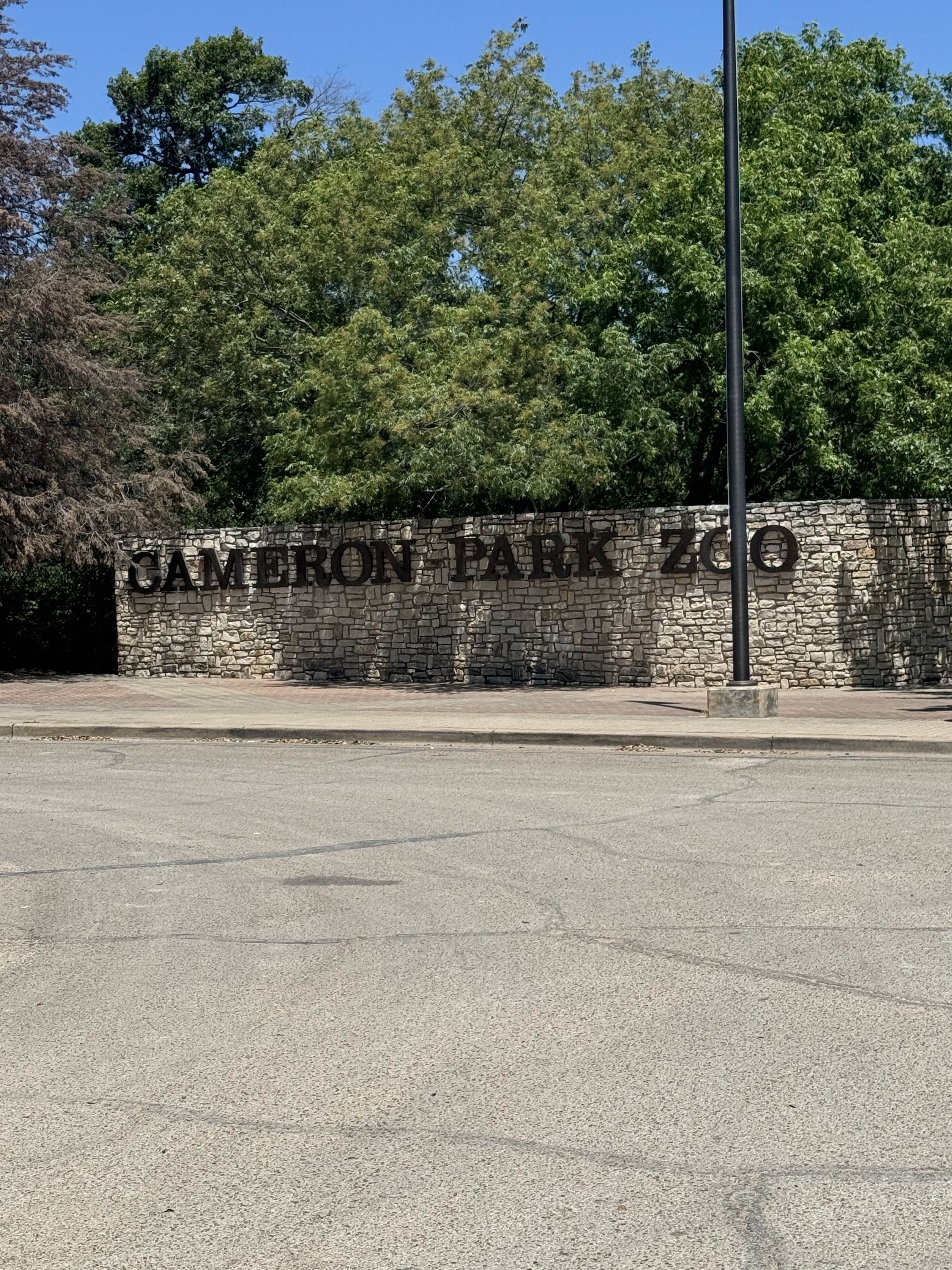
The fact that this trip would involve spending the most patriotic holiday of the year in what I perceive to be one of the most patriotic states in the country was always on my mind from the early planning stages of this trip. I assumed that traffic would be excessive, that anywhere in public would be crowded, and that this would be better spent as either a rest day or a day to visit some safari parks since I figured they'd be less pack than proper zoos for whatever reason. I went from thinking I'd just do Natural Bridge, to maybe Natural Bridge and one or two other safari parks as I could fit them in, to thinking that since my intended route would lead me to Waco I may as well swing by Cameron Park Zoo, and then ultimately dropping the safari parks altogether and just sticking with Cameron Park. Funny that this was basically added on in the week before the trip compared to so many of the others that were locks from day 1.

pA0adCgRXjNPrisiFbZcTutlccdLBWSHPz5YGA.jpg


I had looked into Cameron Park Zoo early on, but decided right away that it wouldn't be a priority. It didn't have the reputation for either rarities or exhibitry that my other destinations had, so it's actually still a bit strange to me that I even bothered sticking with it over one of the nearby safari parks with even worse reputations but more enticing species. After having visited, though, I can say unequivocally that I'm glad I did. Cameron Park Zoo may not have been a heavy hitter in the same way that Oklahoma City, Dallas, Fort Worth, or Houston are, but this zoo had soul. It had the exact same sort of je ne sais quoi that made Florida's Brevard Zoo so memorable for me and allowed it to effectively punch above its weight in my rankings. And thankfully, above all else, there was effectively no traffic or crowding whatsoever.

zu0wJGGGo8UixsIIRS6NFEjAkYHJMkVNBKE_lw.jpg


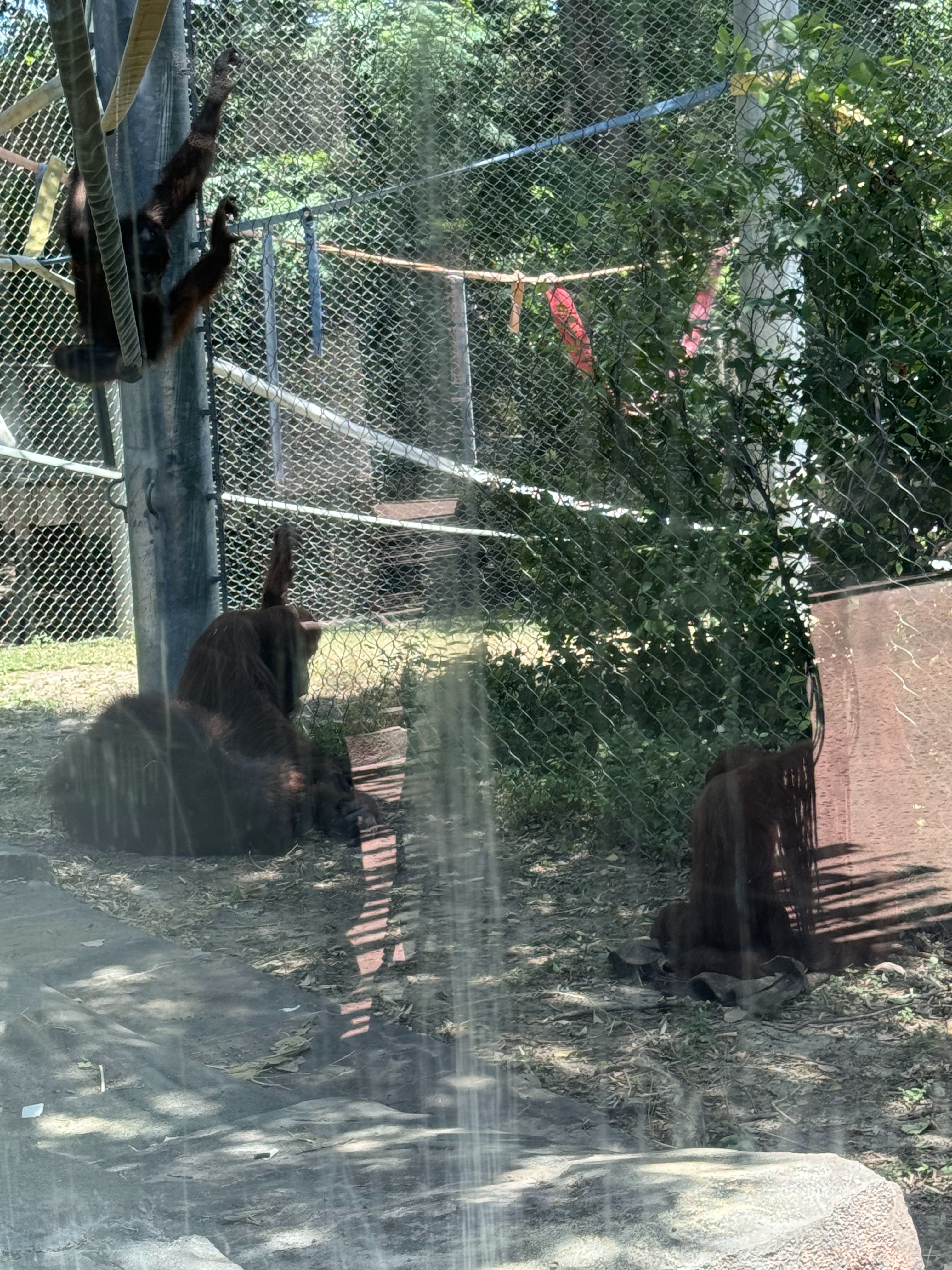
We start off with an Asian section that's small in species count (exactly Komodo dragon, Sumatran tiger, and Bornean orangutan) but still manages to provide expansive exhibits for each of them. The orangutans had a setup very similar to my nearby Greenville Zoo, with firehose climbing rigs everywhere, but with easily five times the space, if not more.

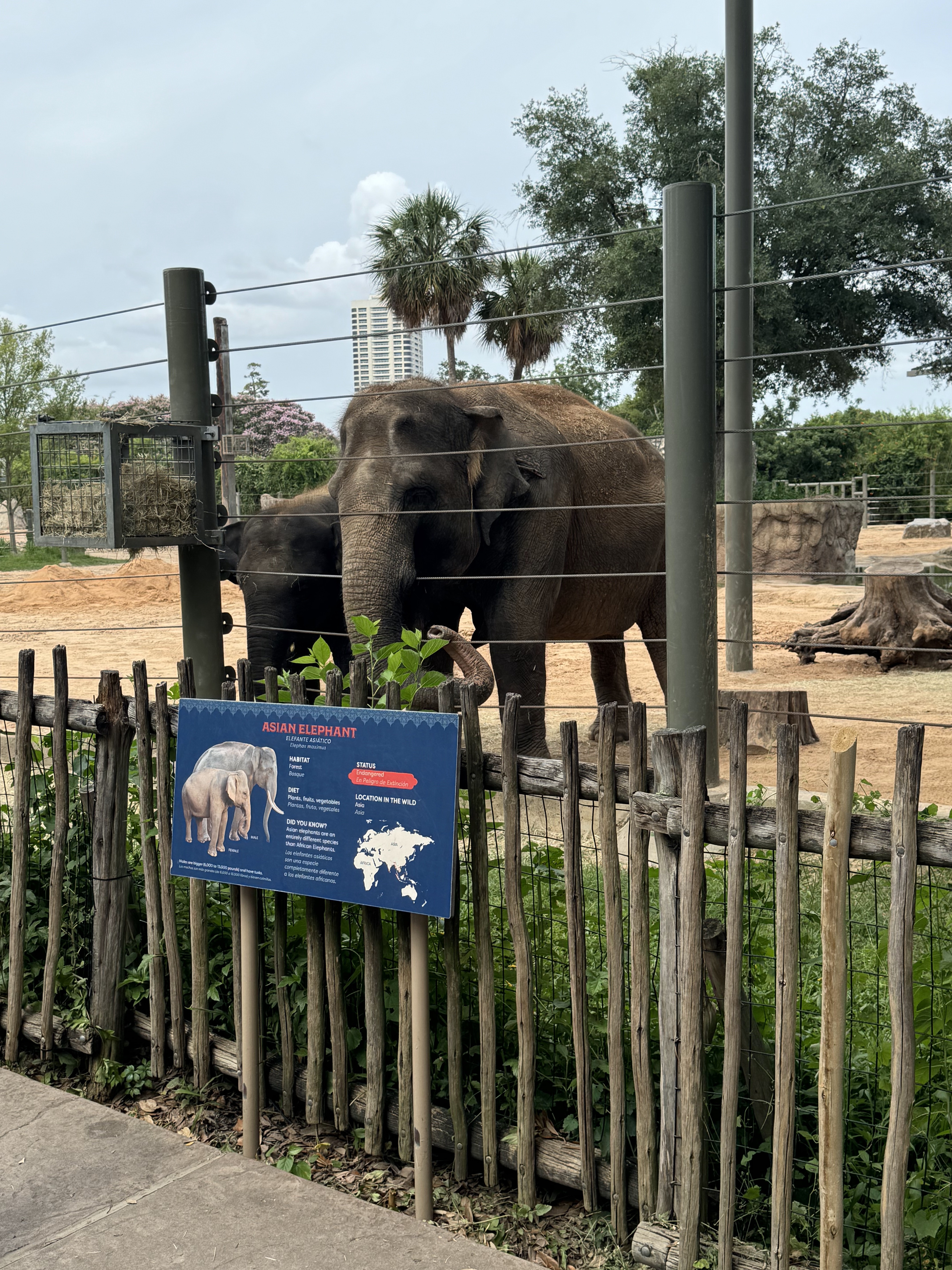
This is followed up with an African section containing a lot of the usual suspects (lions, meerkats, elephants, white rhinos, a mixed giraffe/antelope savannah, flamingos, African spurred tortoise). I think it was largely this samey-ness of the African lineup that initially had me focus elsewhere when planning this trip, but there's actually a few notable gems here, too. The flamingos are lesser, the second rarest of the species found in US zoos but probably my favorites to look at. And then this section also holds Kirk's dik-dik and gerenuk - unfortunately, both were off exhibit today. This makes the third zoo where I've missed the increasingly rare oddity that is the gerenuk. I should also note that it seemed to be one of the elephants' birthdays on the day of my visit, something that resulted in large amounts of fruit and streamers being set up in the exhibit while the elephants were being kept backstage. This drew a large crowd, certainly more people than I actually saw at any other point in the day, but I didn't bother sticking around to see the elephants come out. I did circle back to see them on my way out, though. I also passed the upcoming penguin house, which had just received the African penguins from Fort Worth Zoo in the days prior to my visit, but it was still closed off.

6dbhtvAdgZOQvcL5PywQMNblfZEV-jWOr65qUw.jpg


Following on from Africa, we get a small but really impressive row of South American exhibits. One particularly long one felt like the junior version of Houston's massive Pantanal exhibit - I saw scarlet ibis, Inca tern, sun conure, white-faced whistling duck, squirrel monkey, and Patagonian mara all together with signage further suggesting king vulture, two-toed sloth, capybara, and red-rumped agouti would be in the same enclosure. And of course, this meant the third and final missed shot at seeing the agouti on this trip. I know they're not terribly rare or anything, but it's still a bit of a letdown to repeatedly miss out on seeing a new species.

BCWdoKitH7BLLpno2VJ9S7FA4vsPLmAKZFxQow.jpg


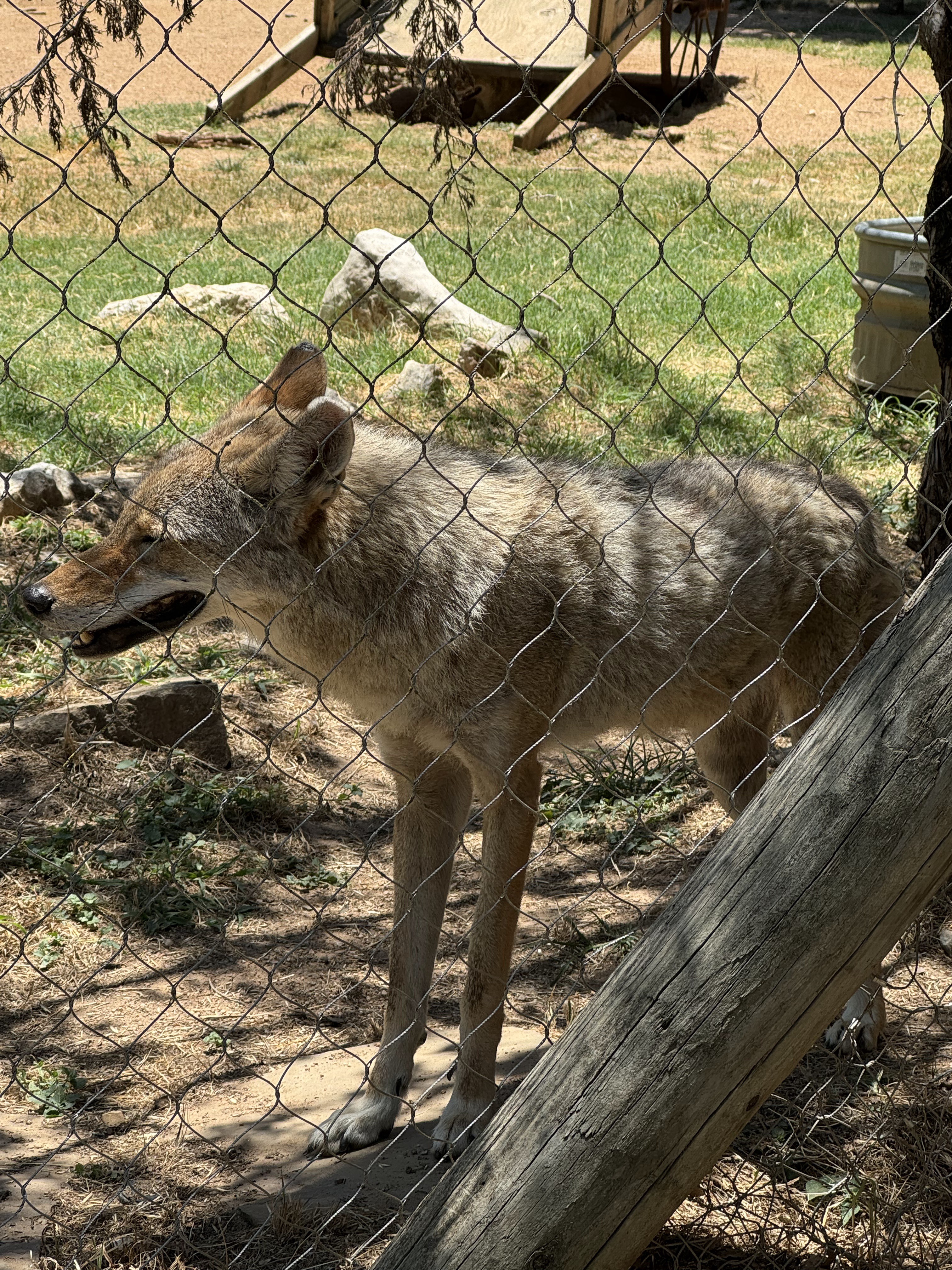
Moving onward, we hit the final section of the zoo, and by far the largest in terms of walking distance (per the map it seems to be on par with Africa, but the latter has far larger habitats and less connective path as a result). The long, winding Brazos River Country was absolutely the highlight of this zoo for me, making a serious reach for the crown I had recently given Oklahoma City Zoo for its North American section. After passing through a small aquarium, you're led through a fantastic shorebird aviary. The path then loops through various other exhibits including bison, white-tailed deer, river otter, American black bear, coyote, bobcat, cougar, and jaguar. It still trips me up a bit that some Texas zoos include jaguars in their native complexes. I know that they historically ranged into the southwest and there are still occasional vagrants, but in my mind they should be squarely rainforest animals.

omvFlHr4E7UYorubTHdB8VLv1uH66m1eobQgLg.jpg


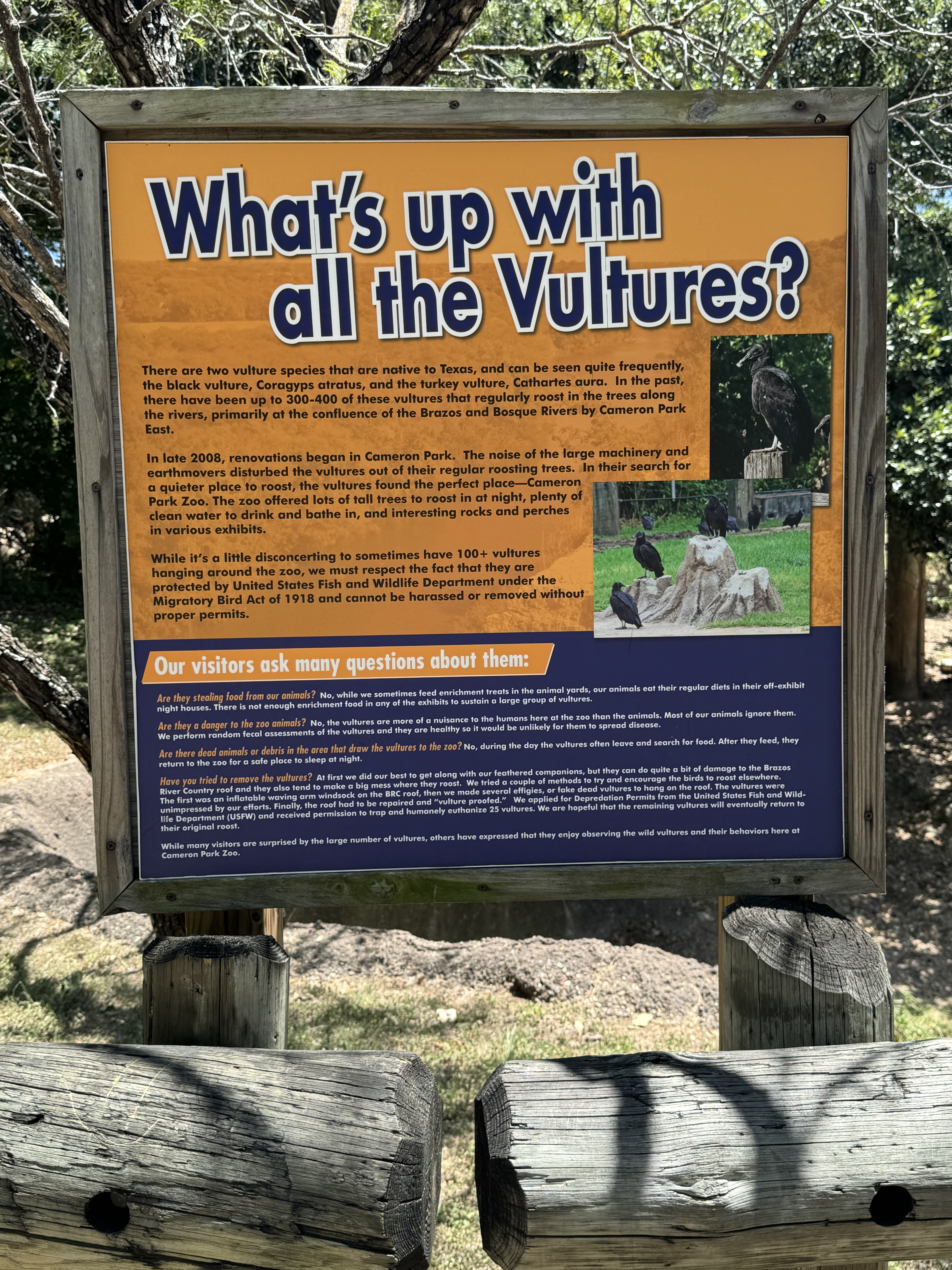
Something that already stood out to me a bit was made very explicit as I wandered through this area: there were probably two or perhaps even three wild black vultures in this zoo for every captive species. They were everywhere. When I first saw the black bear exhibit I was initially convinced it wasn't in use because it was covered with dozens of vultures. The zoo seemed to be well aware of this as well, offering some signage to explain their presence.

SuW-abu0tyr-9avPqoJtSPq7K2TJwmyMk5ct0Q.jpg
SoeQ0eYgs-onzx25qNXVM1FbB7g0HePwN1aluw.jpg

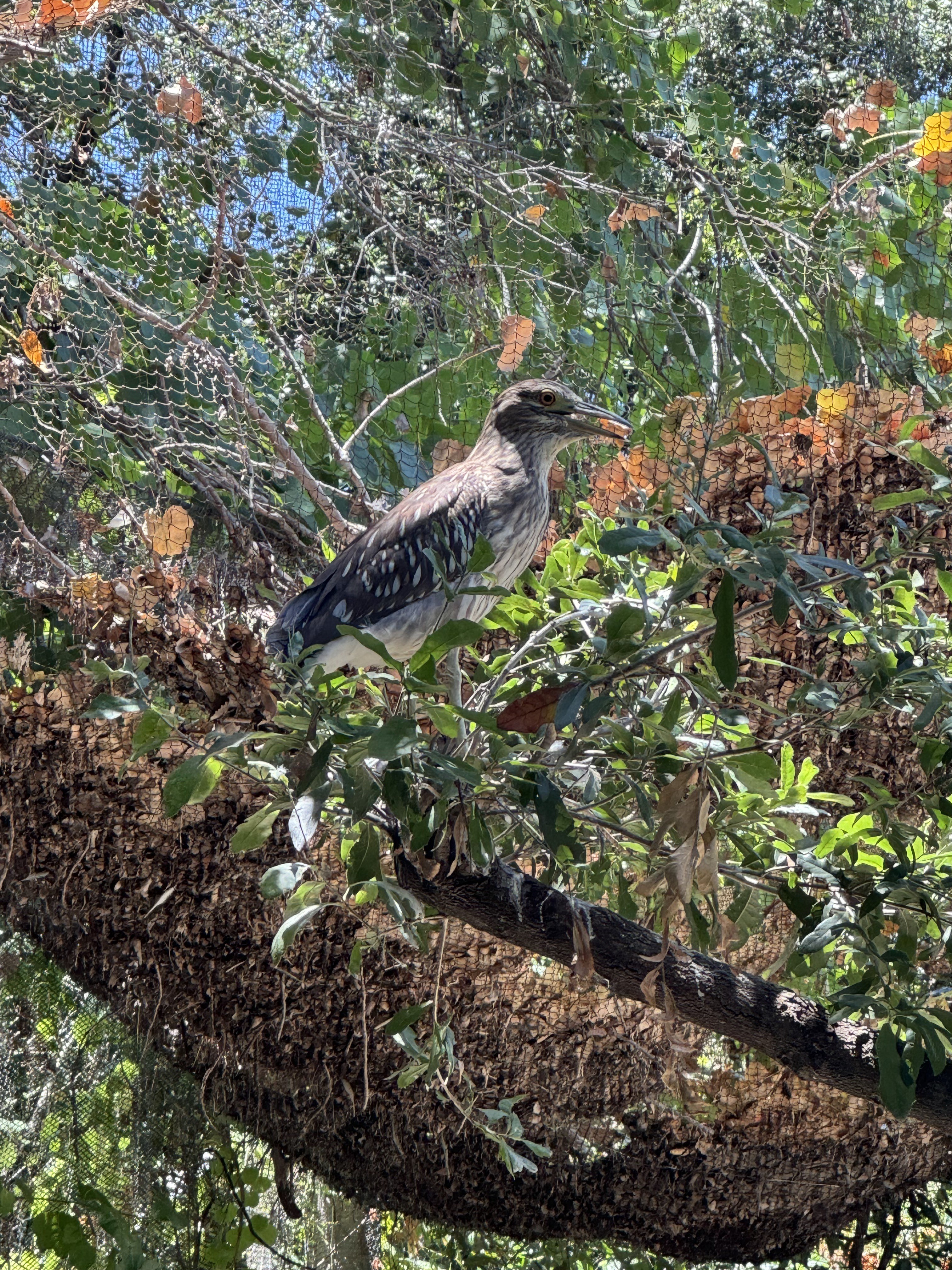
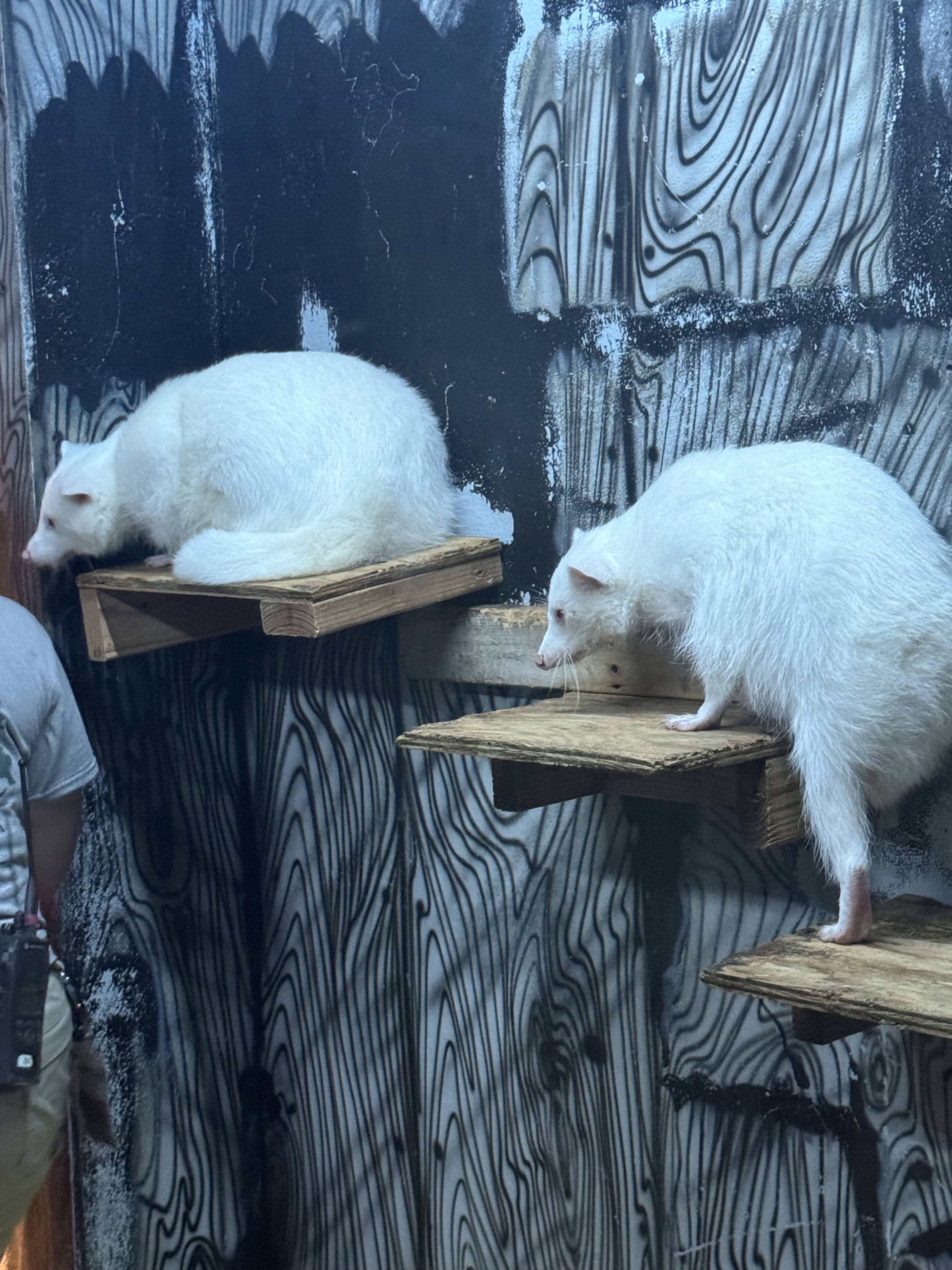
My favorite part of this section, though, was the small nocturnal house near the end. North American porcupines, striped skunks (who were running inside a "hamster" wheel!), four species of owl, Jamaican fruit bat, another barely visible and motionless ringtail, and three of the fattest and most endearing raccoons I have ever seen (two albino!) filled it out. The skunks and especially raccoons absolutely stole my heart. I could hear from the keepers who kept poking inside the raccoon exhibit that it seemed like the poor goofy raccoons had gotten themselves stuck on the shelves somehow? I couldn't make out the entirety of it, but it seems like they needed to put up a ramp so these doofuses could even get down.

8p3CLwUOXKp7zL3SKzmRAMsha_PurLWBEjaujA.jpg


In short, I adored Cameron Park Zoo. Even with the main draw, the gerenuks, being no-shows, I'm so happy I didn't skip it. I wouldn't necessarily call it "unmissable" in the same vein as Oklahoma City, Houston, San Antonio, Dallas World Aquarium, or the upcoming Fort Worth Zoo, but there was just something about this place that had me leaving happy. It was a very feel-good zoo.

Of course, Cameron Park Zoo isn't the only AZA facility in Waco. The other one is a bit unique, however...

FOe6dloZGnq_UfuHOcBHpAepA2H1WTNhspXiYw.jpg


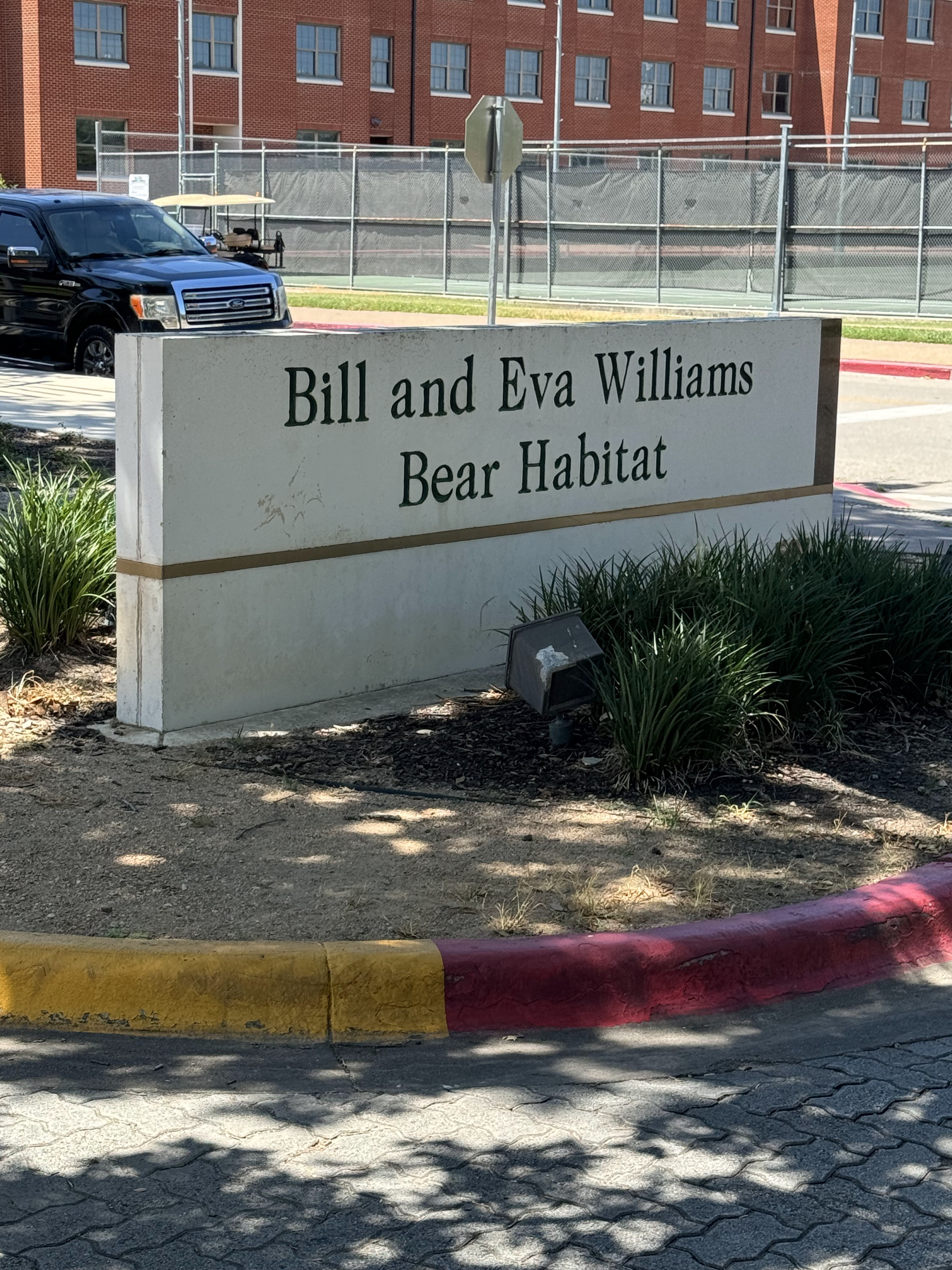
Waco's Baylor University keeps a pair of American black bears, on account of their mascot being the bears, and they have for quite some time. This single habitat containing exactly two individuals of a single species is AZA accredited. It's a really nice habitat - my (bad) picture of the bears here doesn't do it justice, it's several times larger than this and divided into multiple segments. I have no doubt that these bears have it very well off (and they don't have dozens of vultures crowding their back yard like their cousins up the road).

full


I only spent a few minutes here, since the bears were content to hang in the corner and that's really all there is to it. I just thought it would be a neat novelty to check out considering its proximity to the zoo (less than 10 minutes away), and I was again able to leave very pleased with what it was. I think more universities should invest in on-site habitats for their mascots! I know I'd be ecstatic to have some actual bearcats at my local college (although I've always wondered how much "bearcat" universities actually had binturongs in mind when selecting their mascots and how much of it was just opting for something that sounds cool).

Tomorrow brings us to the last day of my trip, a visit to Fort Worth Zoo. Anyone who was following the Forth Worth Zoo news thread when I was there already got a sneak peek of that one with my frantic liveposting trying to locate a single elusive bird...
 
Last edited:
Friday, July 5
I'm really awful at wrapping things up. It's only gotten worse as I've gotten older. I couldn't tell you how many video games I'll finish up to the 75-90% point, enjoying every second, and then just never touch them again for literally no reason. I guess I just have some innate desire to not let things end. It kind of really sucks. But I'm not going to let that happen with this thread!

Going into Friday, the last day of my trip, I was really apprehensive about whether or not I'd be able to make it to a zoo, any zoo. The weather was not looking to be in my favor, and even my "backup" zoos seemed to be in the storm's path. I heavily debated just calling it quits after Thursday, but I ultimately decided to roll the dice, and if the weather got worse as I was en route then I could just turn around. Thankfully this paid off, and I was able to view just about the entirety of the zoo before the rain rolled in.

Lpse2KOoHGV3ULOyvIpFD399o0-heL-7oW-UQQ.jpg


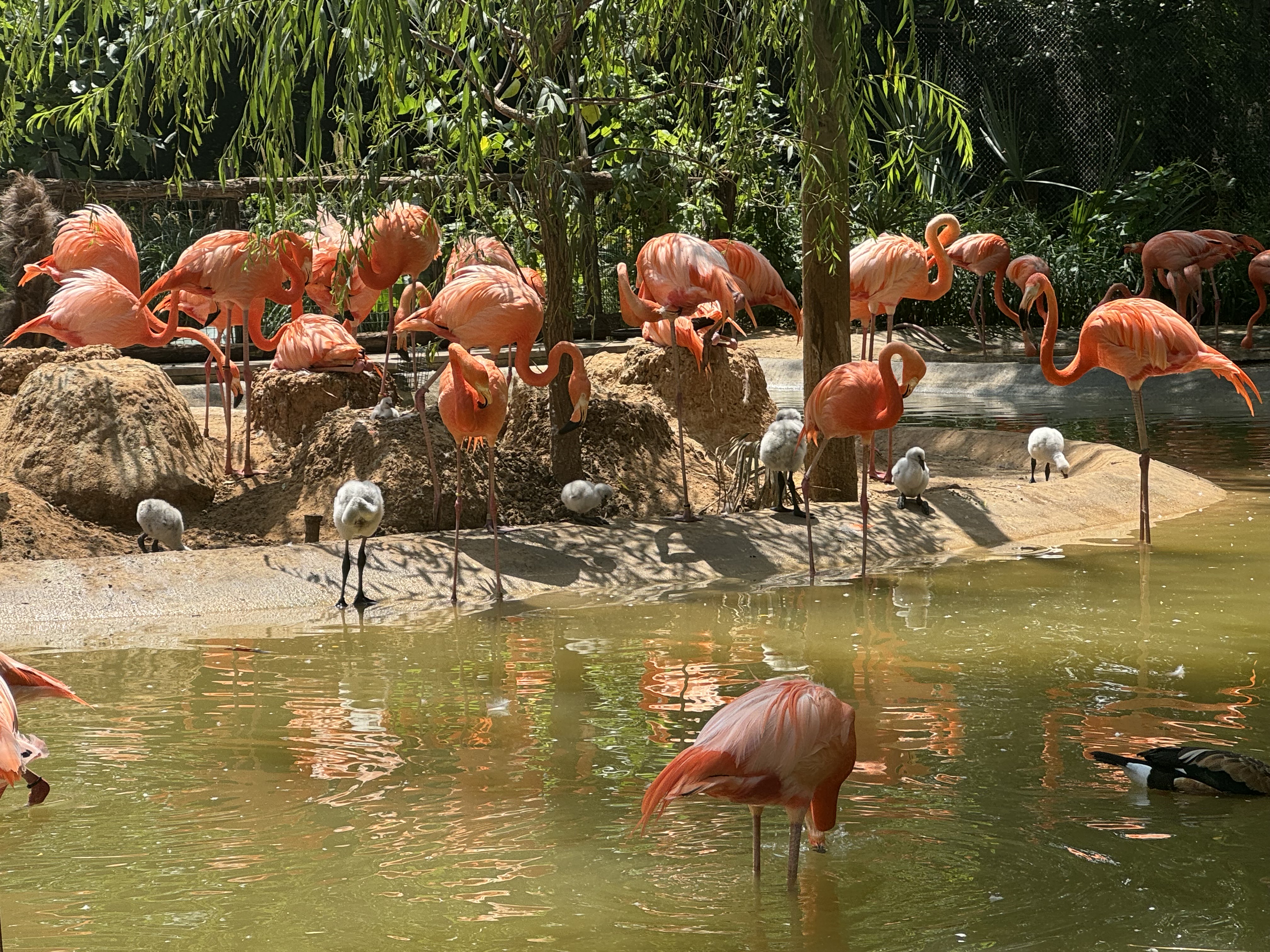
Lots of zoos use flamingos as an entrance animal, for good reason. They're iconic, visually striking, and just really set a nice tone. Fort Worth decided to one up this convention by having Chilean flamingos visible as you approach, but then by the time you enter the designated flamingo viewing area, you're looking at American flamingos in the further back of two connected exhibits. This tripped me up, because I was sure that I saw Chileans before the switcheroo. But this wasn't even the end of it, because the zoo goes on to boast both lesser and greater flamingos as well - all four species found in the US. I've mentioned before how much I adore comprehensive or "postage stamp" type collections, so for as minor as all the flamingos were in the grand scheme of things, they left a really strong impression on me.

maeHHXJ750ga2y7kPrOBwBtQEffK2EcCvmTEPw.jpg


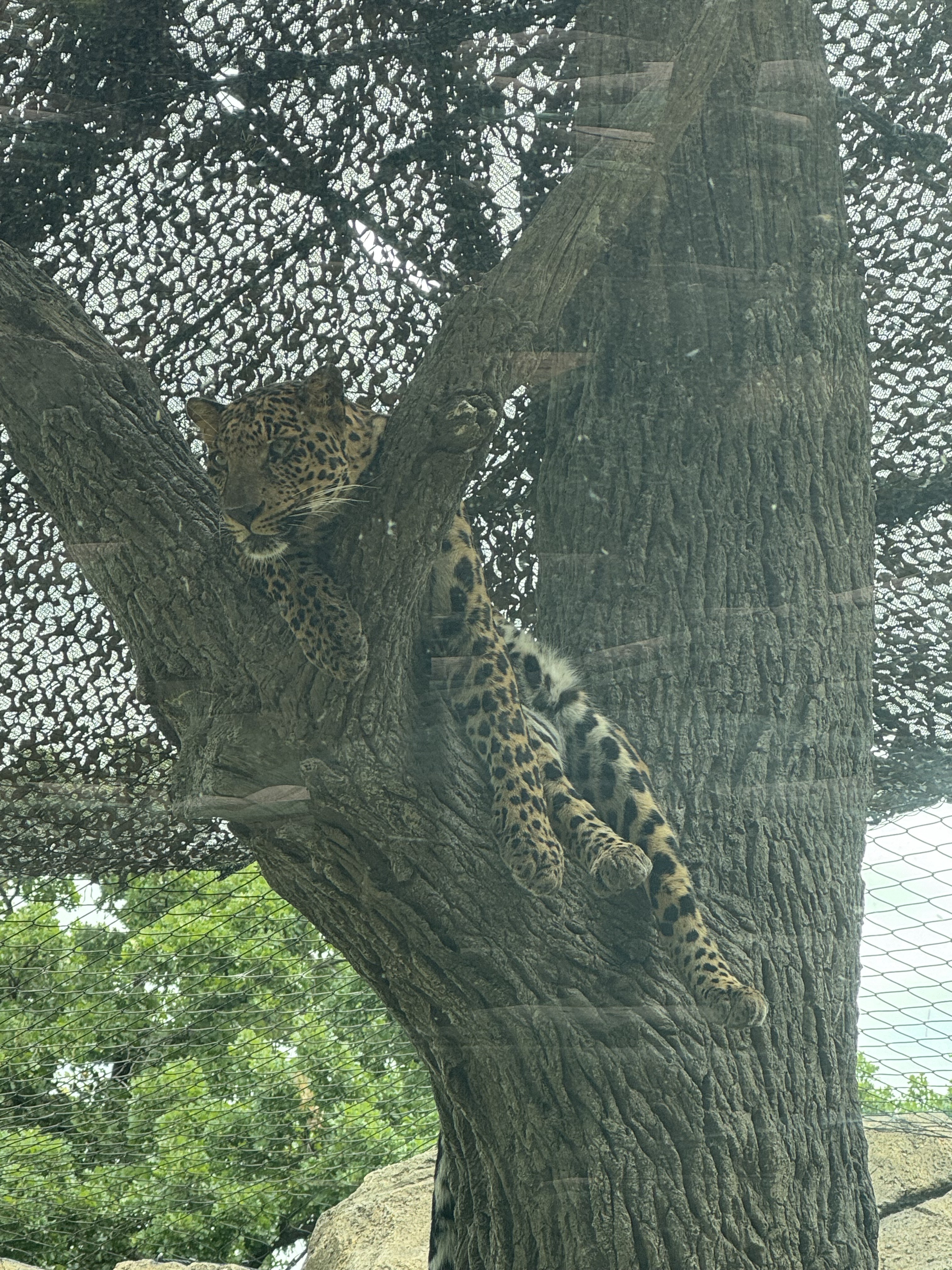
My first destination was the new Predators of Asia & Africa complex, which opened just over a year ago. My main goal here was to catch the striped hyenas, and while I did see them, they were little more than furry lumps sticking out over a short hill. This area served largely as a quick checklist of several of your most common carnivorans - lion, tiger, clouded leopard, cheetah, African wild dog, the aforementioned striped hyenas, and perhaps most notably a pair of "African" leopards, which would be a true rarity if they actually were that. I've read that this pair was sourced from Tanganyika Wildlife Park, meaning they're essentially guaranteed to be generics, but looking at them you can definitely tell why these leopards were used as an African stand-in instead of using Amurs. I'm not some leopard superfan, but to me, they distinctively looked like they had the African phenotype, at least. And while I do wonder if this was the right call as opposed to being another holder for the critically endangered Amur leopard, I can't deny that it was nice seeing this duo (one of which was melanistic) lounging in and around their tree. Actually, thinking about it for half a second longer, would Amurs even do well in the Texas climate? I sort of doubt it.

kaU2b61cpDT6hdqtg966KONov-eep13Y2GREmQ.jpg


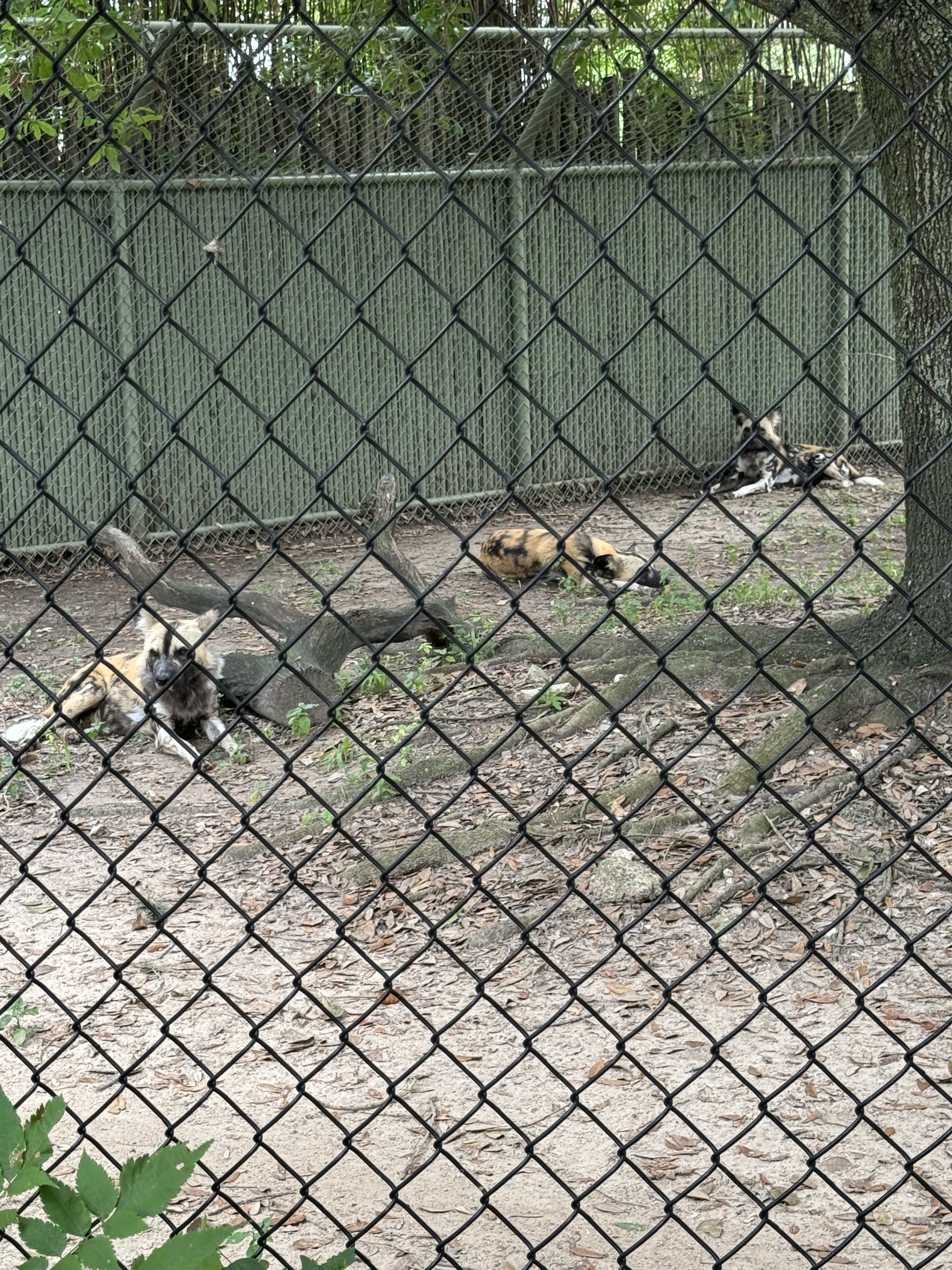
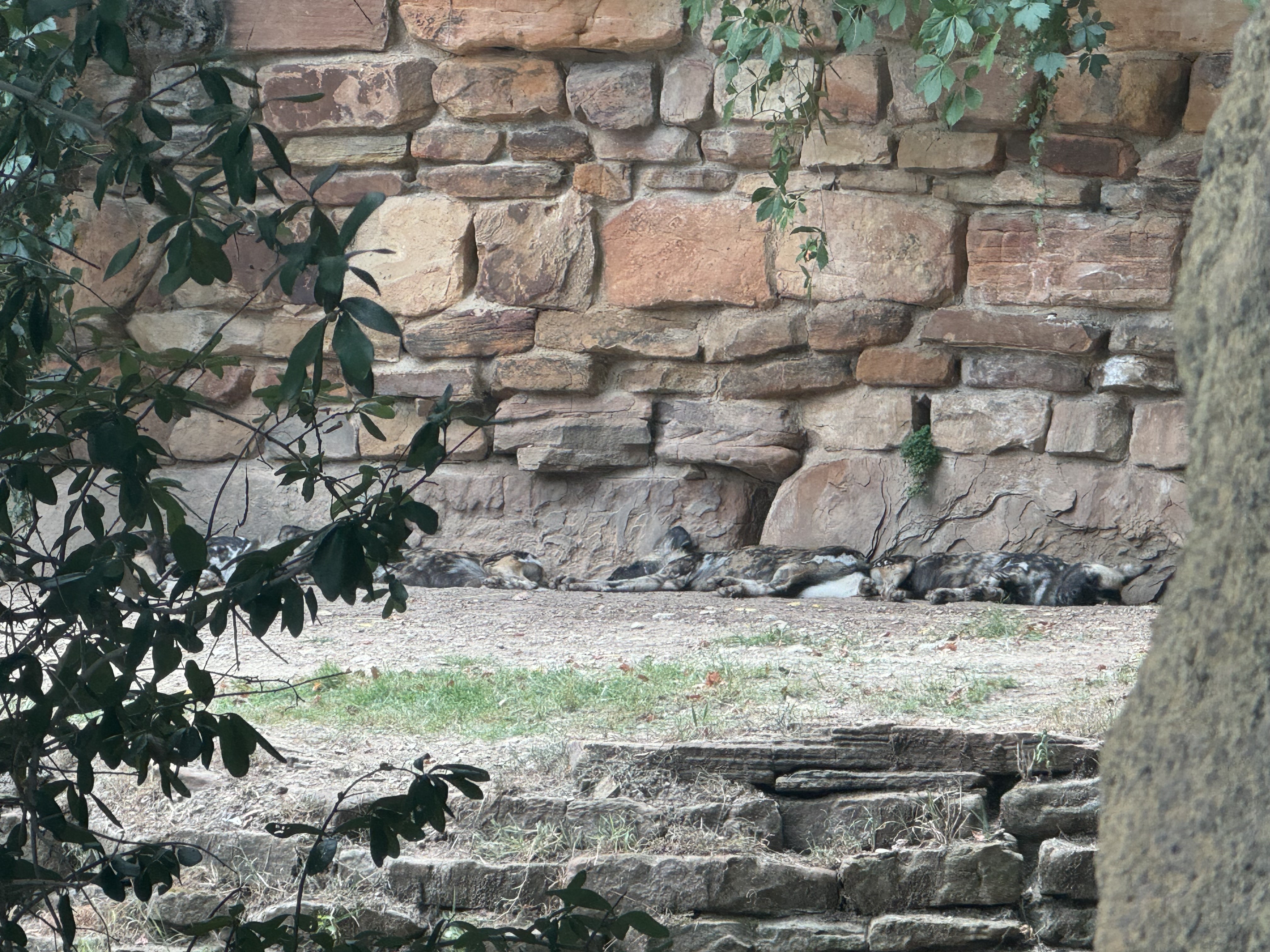
Today's pooch pile formed a straight line, but still distinctively more pile-like than Houston's scattered array. That puts us at 4 for 4 African wild dogs in something resembling a pile. I just adore their consistency.

-DvYQ_vjEZ8ynlZPop8rpWfnbalCawIPkm1MUw.jpg


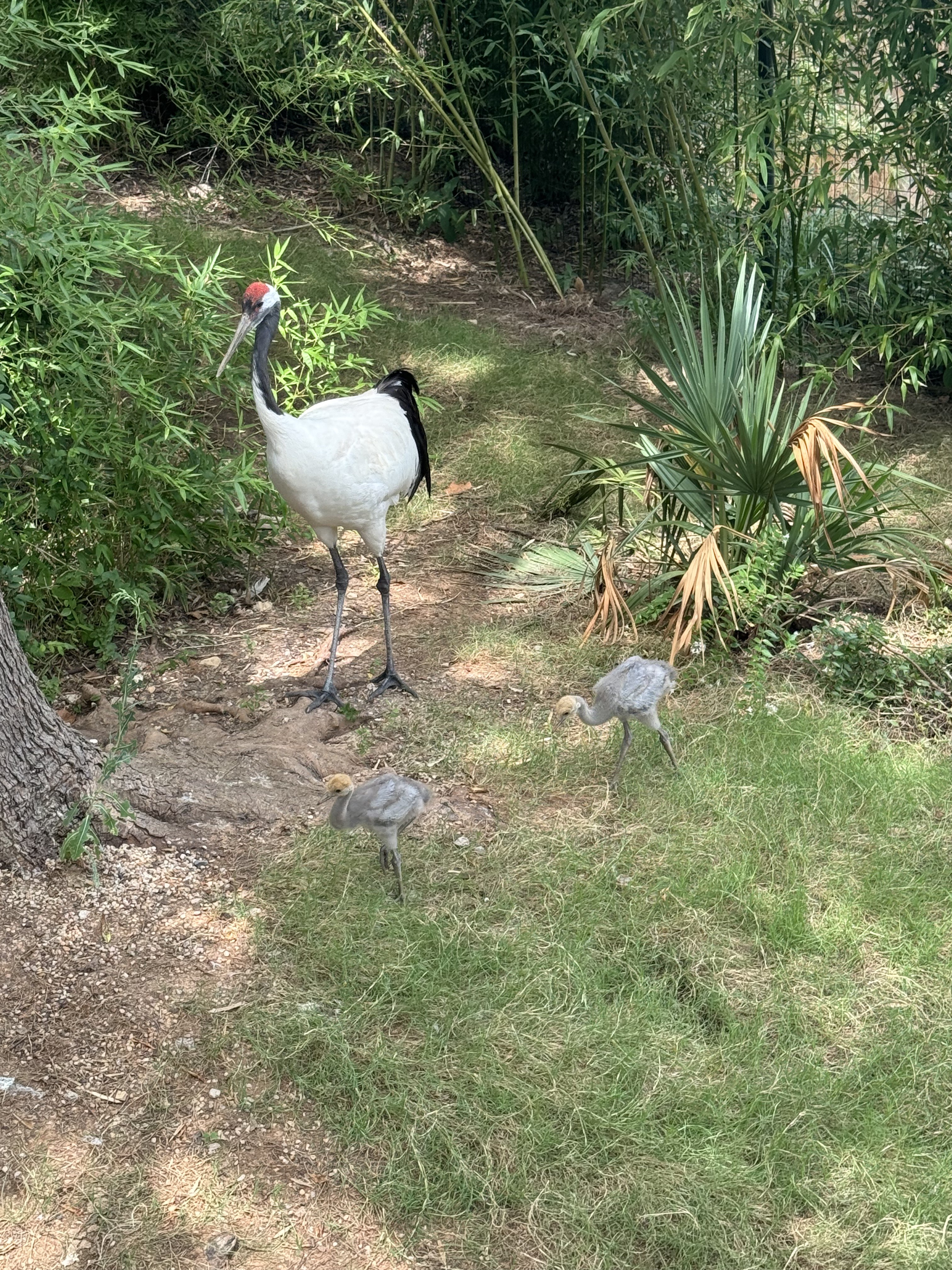
The predatory mammals gave way to predatory birds. Technically there were various birds scattered throughout the mammals, including red-crowned cranes, Storm's storks, a pygmy falcon, and a nice walk-in aviary focusing on the lesser flamingos, but the proper raptor row proved to be as captivating as it was vertical. This led to what was definitely the weakest part of the zoo, the Australia section, which I mostly hurried through as the only compelling species, the Australian brushturkey, was a no-show on both passes by.

full


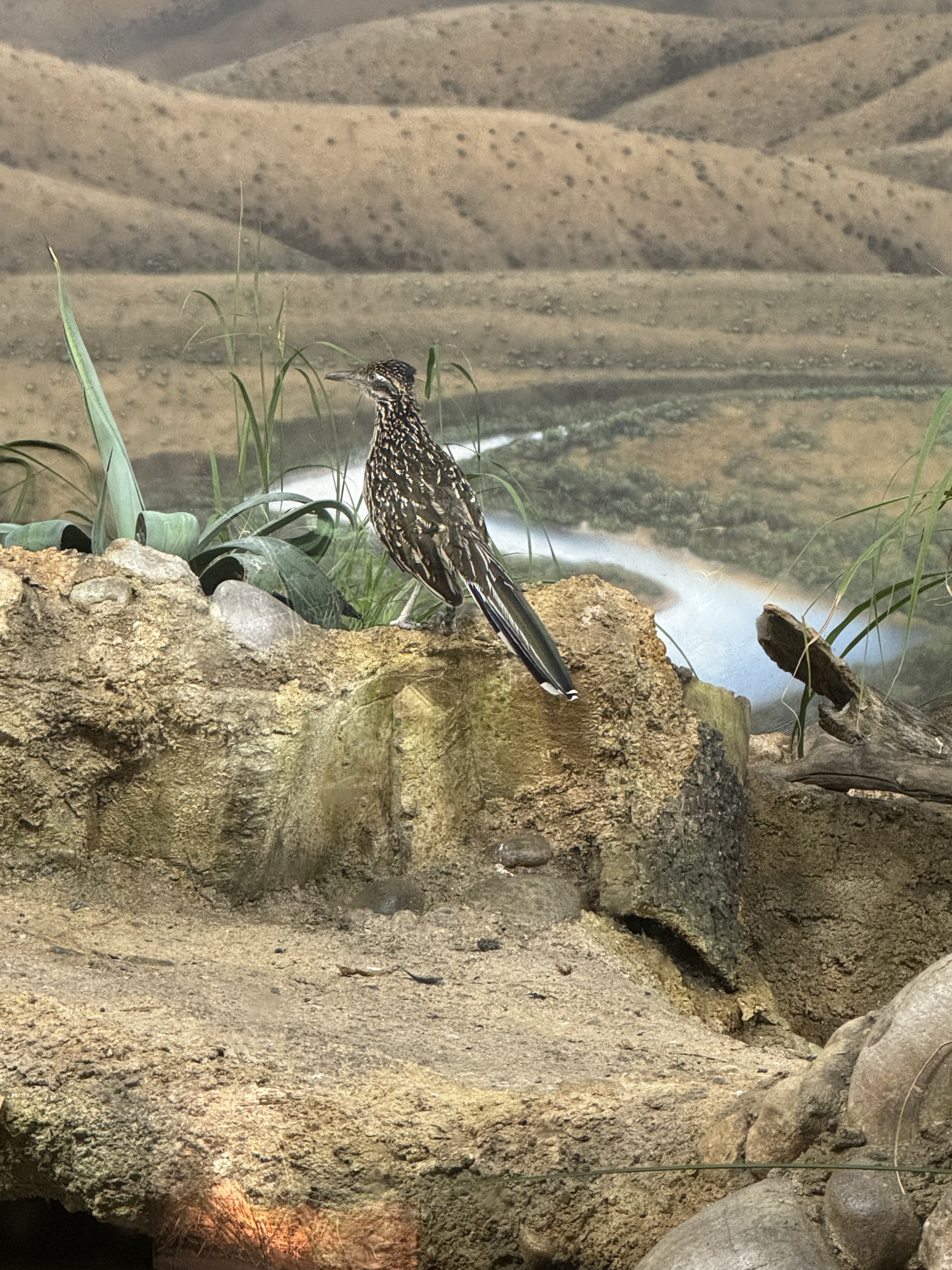
The next area felt out of place, like someone grabbed Disney World's Frontierland and dumped it in the middle of the zoo. It reminded me a bit of how Zoo Tampa so desperately wants to grab the Busch Gardens crowd. Old timey sweet shops and I believe shooting arcades and tons of domestics didn't entice me to stick around (although I did appreciate that they had three wildly different domestic rabbit breeds on exhibit), but I did grab lunch here - a veggie pan pizza from Pizza Hut. If I'm eating Pizza Hut, I want my slices to be large and the crust to be stuffed, so this really did nothing for me. Not the worst zoo pizza I'd had this week, though. My face unintentionally wrinkles a bit whenever I think back to Gladys Porter's pizza. Perhaps I was too kind in my initial commentary on it. Still, for as large as the wild west section felt, it didn't take long before I was back on track to see more of the good stuff. Pictured above is one of the first exhibits you see once you get past the amusement park vibes, a cozy little mix of burrowing owl, greater roadrunner, and black-tailed prairie dog. Their neighbor, a swift fox, was MIA, making me all the more thankful for the nice appearance I got from the one at OKC.
-KdELh6LYK5rU-B5DI_CsyPSg2sRiB6oBHMB5A.jpg


Speaking of OKC, this Texas Wild! area makes a serious attempt at the native section crown that I'd previously given them, but I think OKC still takes it. Barely. I have to give it the nod due to having larger exhibits and a few more standout mammals (elk, bison, and brown bear for large and visually striking species, everything about the nocturnal house for smaller and cozier species). Fort Worth clearly takes the cake in terms of birds, though, so I could easily see someone who's more into birds preferring this one. The real standout exhibit here was the newly renovated Mountains & Desert building, which had reopened just about two weeks prior to my visit. It was very impressive, very modern, which a big showstopper tank containing various fish and turtles, with a roadrunner hanging out in the back as a true cherry on top.
uU0DjEvwqca3qMwWff-2A7AfYjmtw_EbNpi6cA.jpg


By skipping straight to Predators of Asia & Africa at the beginning and progressing from there, I had left myself in a bit of an awkward position. Texas Wild! serves as a dead end at the far side of the zoo, and it's quite a trek to get back to the start. Thankfully, there's a train that you can ride for a small fee. And with this train I start the end of my journey, which would see me running laps around the entire zoo trying to locate a single species.

See, according to the zoo's map as well as the collective prior knowledge of ZooChatters, the train should take you past bonus enclosures for kori bustards and secretarybirds, which weren't visible anywhere else in the zoo. Secretarybirds were one of the Big Ones for this trip, an exciting species that's growing increasingly rare in the US that I wasn't sure when I'd have another opportunity to see, especially after missing them in San Antonio earlier this week. So riding the train was a no-brainer, until the cashier explicitly stated that there were no animals visible from the train. Dejected, I began my walk back towards the front of the zoo, and posted here in the Fort Worth Zoo news thread asking if anyone knew what had become of the secretarybirds. The response was quick and unanimous: they're still visible from the train, and the cashier has always said there's nothing back there. Okay, I'd gotten almost all the way back to the MOLA at this point, but if there's really secretarybirds back there, it's worth doubling back for. I did notice kori bustards on exhibit on the way back, but didn't think much of it at the time, thinking that perhaps the zoo had two enclosures or that the train would allow viewing from the rear.

So I awkwardly paid the cashier after initially declining to ride the train, waited nearly 30 minutes to board as the sky grew increasingly dark, finally rode the train, and... nothing. No birds, secretary or otherwise. I could see a few areas that looked like they may have been former exhibits in the process of being dismantled, but absolutely no birds or anywhere that a bird might be kept. So I disembarked, relayed my frustration back here to ZooChat, and did the MOLA properly.
9y8NUJYSpgmLW00w363KOJT9EyNEjcGuT2215w.jpg


The MOLA was impressive and absolutely lived up to its reputation, although there were quite a few more snakes than I would've liked, meaning I had to tread carefully. Using its outdoor section to house non-reptiles as commonplace as ring-tailed lemurs and toco toucans seems like a bit of an odd choice, but overall I absolutely got the hype. This carried over to the World of Primates, whose interior reminded me a bit of Brookfield's Tropic World with its gratuitous mock rock and free flying birds, but here at least the primates (by my count: gorilla, Sumatran orangutan, bonobo, northern white-cheeked gibbon, mandrill, mantled guereza) all got outdoor access. It was a nice little complex that I wish I got a bit more time to enjoy, but the storm was rolling in fast and I still had the savannah to check out.

KXw9IrNBwmKxENqmd3uwqPtRIc1ZdgZ7W7LeJQ.jpg


I only just reached the savannah when I saw some more updates to the Fort Worth Zoo news thread. According to the site gallery, the secretarybirds had recently been spotted in the area that was currently under construction for the upcoming Forests & Jungles of the World area. I figured that at best I had time to either fully check out the rest of Africa (including the elephants which I'd only seen from a distance, the savannah, hippos, and what would've been my only black rhino sighting on this trip) or double back and try and hunt down the secretarybirds with only a vague idea of where they'd be found. I opted for the latter, but not before getting to very briefly appreciate the impressive giraffe savannah.

The construction area was somewhat large and I didn't really understand where I was supposed to be looking, or from where I was supposed to look. I initially vastly overshot and wound up back next to the kori bustards again, almost all the way back to the train. Then I double checked the map and honed in a bit more closely to the correct area. I probably looked sketchy trying to peer around all of the construction signage, but thankfully no one said anything. After a bit of this I spotted some black-necked swans, which I hadn't seen elsewhere in the zoo, so I felt like I was on the right track. I had to walk halfway back around the raptor row before finally, finally catching a glimpse of the fruits of all my doubling back and forth and back again.

full


I feel like it's not very often that after that degree of effort in hunting for something that you actually find it. But there they were, exactly what I was hoping to see. While peeking past a fence and taking pictures, I caught another guest's attention, who also checked them out, but they didn't seem all that interested and quickly moved on. I then walked just a bit further up to see if I could get a different angle a bit further ahead, but they weren't visible from there and were gone entirely by the time I had returned to my original vantage point. Still, all of my efforts had paid off, it made for an incredibly memorable encounter, and a perfect capstone to the week. Satisfied, I left the zoo and felt the rain start to kick in just moments before I got in my car. Sure, I would've loved to see those last few African savannah exhibits, but between those and the secretarybirds, I would pick the birds every time. Thanks again to everyone who helped me track them down!

And that officially wraps up my trip. I hate it took me so long to do this final post, but better late than never I suppose. I think this zoo featured the fewest notable misses for me (really just the Texas kangaroo rat and Australian brushturkey, I think), and overall everything looked and felt phenomenal. I feel pretty comfortable in saying that Fort Worth Zoo was actually my favorite facility I visited this week. If I were to rank them, now that the dust has settled...
  1. Fort Worth Zoo
  2. Oklahoma City Zoo
  3. Dallas World Aquarium
  4. San Antonio Zoo
  5. Houston Zoo
  6. Cameron Park Zoo
  7. Dallas Zoo(???)
  8. Natural Bridge Wildlife Ranch
  9. Baylor Bear Habitat
  10. Gladys Porter Zoo
  11. Capitol of Texas Zoo
Really, the top 8 are all fantastic facilities in their own right. I could wholeheartedly recommend them all with few to no caveats, and they could easily shuffle around a few spots in either direction. Even the Baylor exhibit was fantastic for what it was, it's just that what it was is very small. It's just those last two that have major, major asterisks next to them.

I'll probably make one more post focusing on the trip as a whole and the various animals I saw, but who knows when that'll happen. Maybe tomorrow? Or maybe two months from now. Who knows. But overall I'm so, so grateful I was able to take this trip, see all these zoos, and see so many new species for the first (and for some, quite possibly only) time. Next year's trip, which I'm hoping I'll be able to take, will put us in Norfolk, Virginia. There's a whole lot less compelling facilities nearby than there were this year, as I found out while making this thread, but I still think it will make for a nice trip. I'm ready for it already.
 
Congratulations on finding the secretary birds! Adds a nice piece of storytelling to boot.
 
Back
Top