Kinds of Birds Not Seen in Captivity

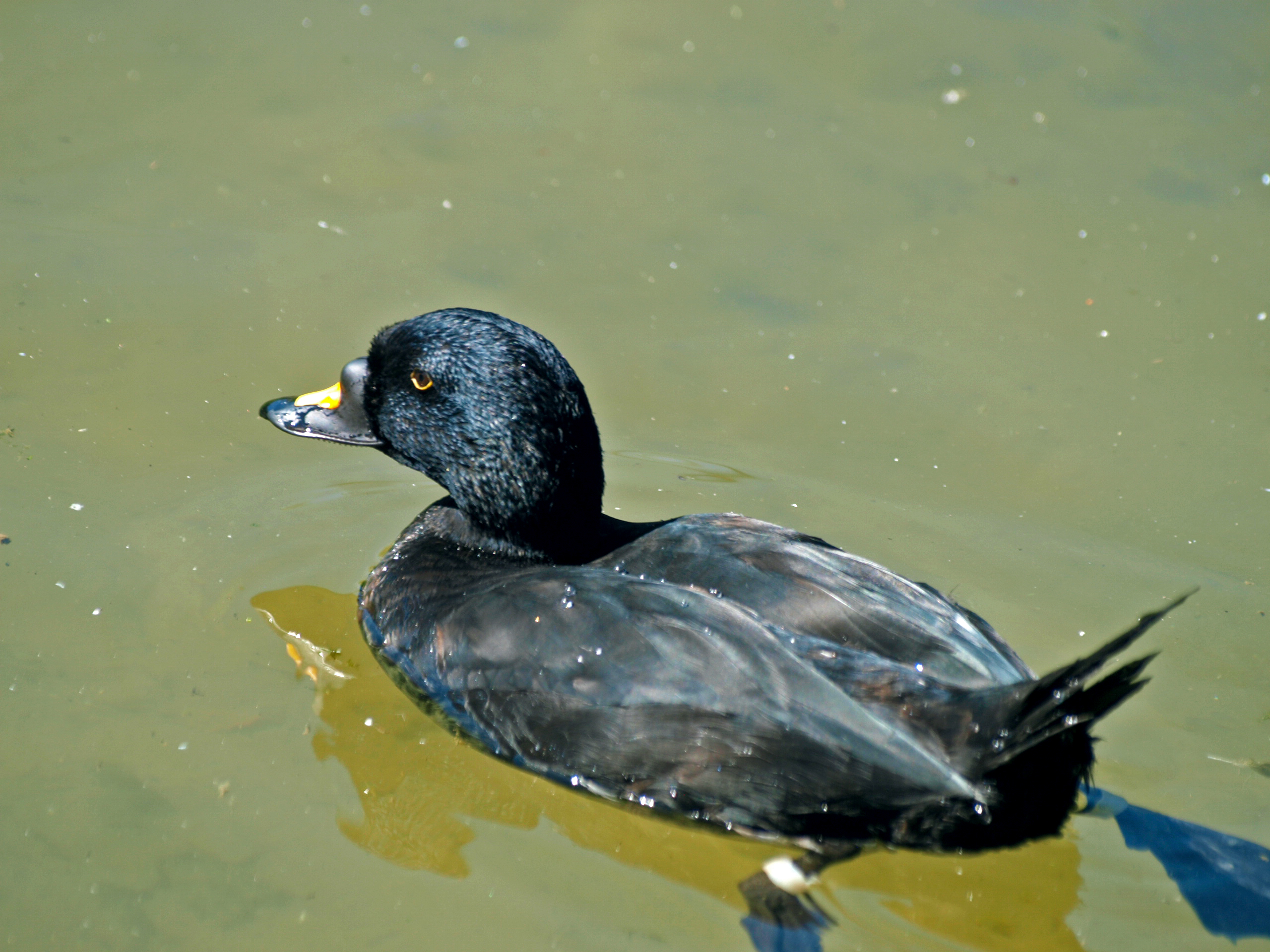
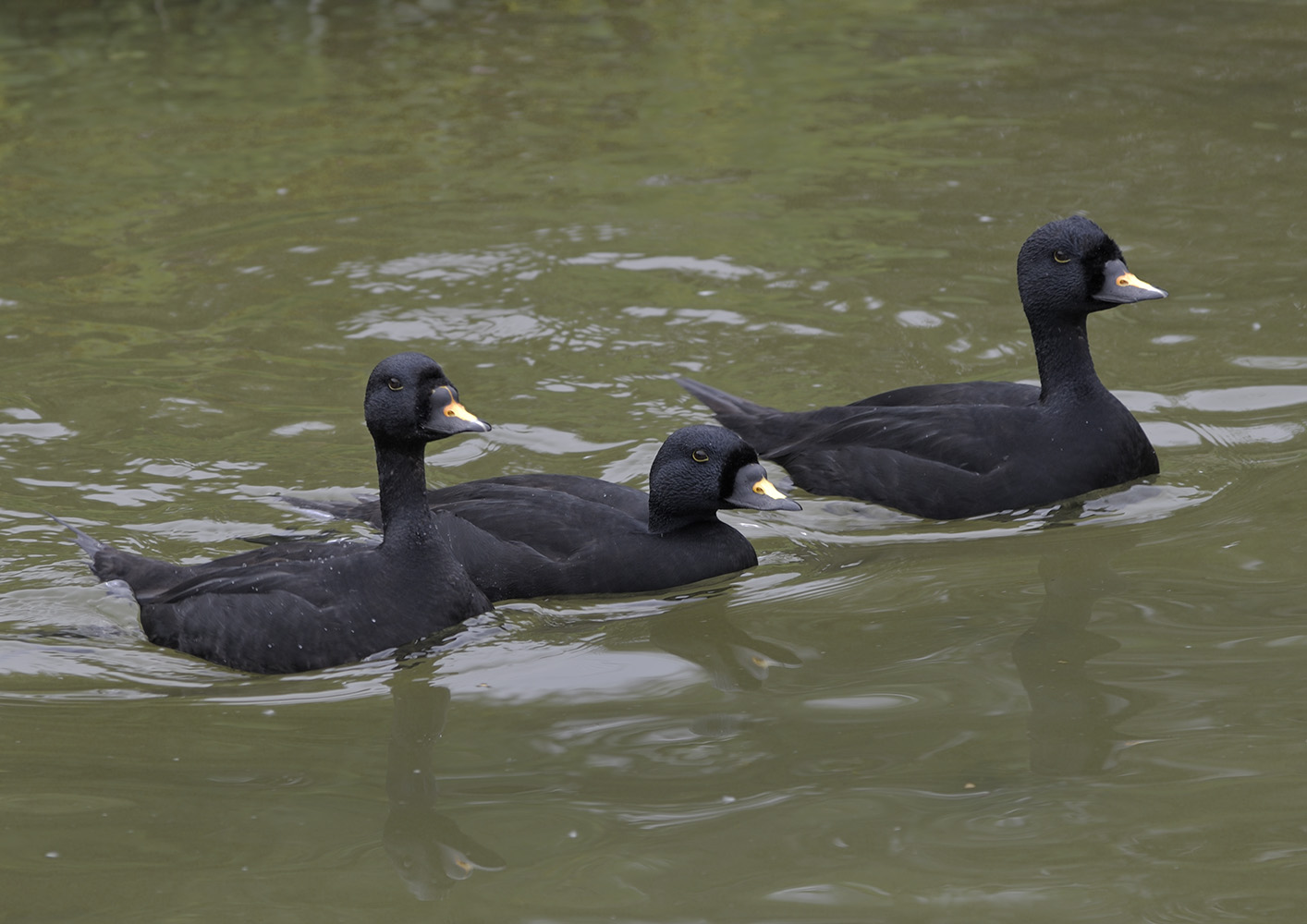
Do scoters do well in captivity? Eiders of course do, they're in a fair few collections...

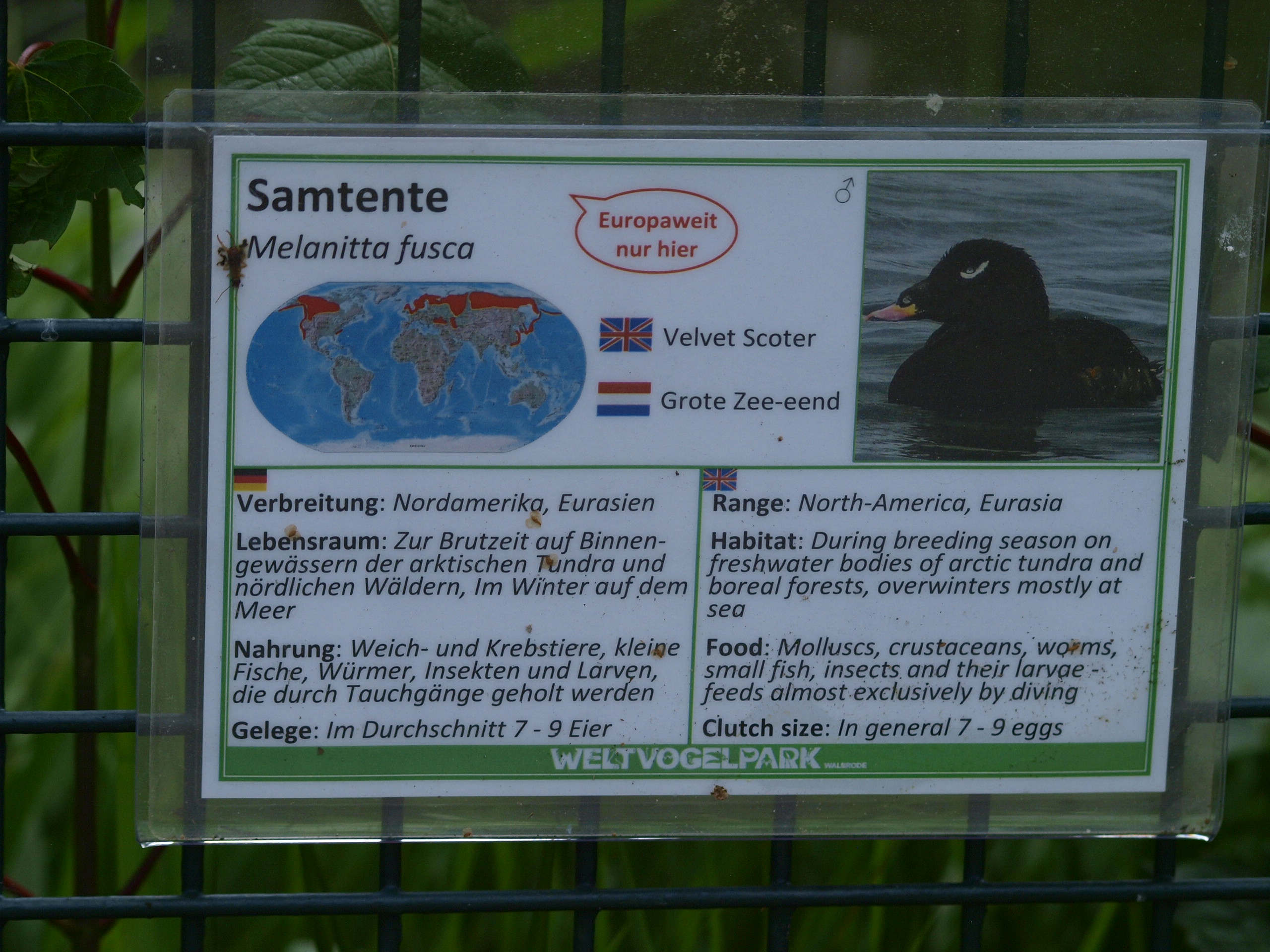
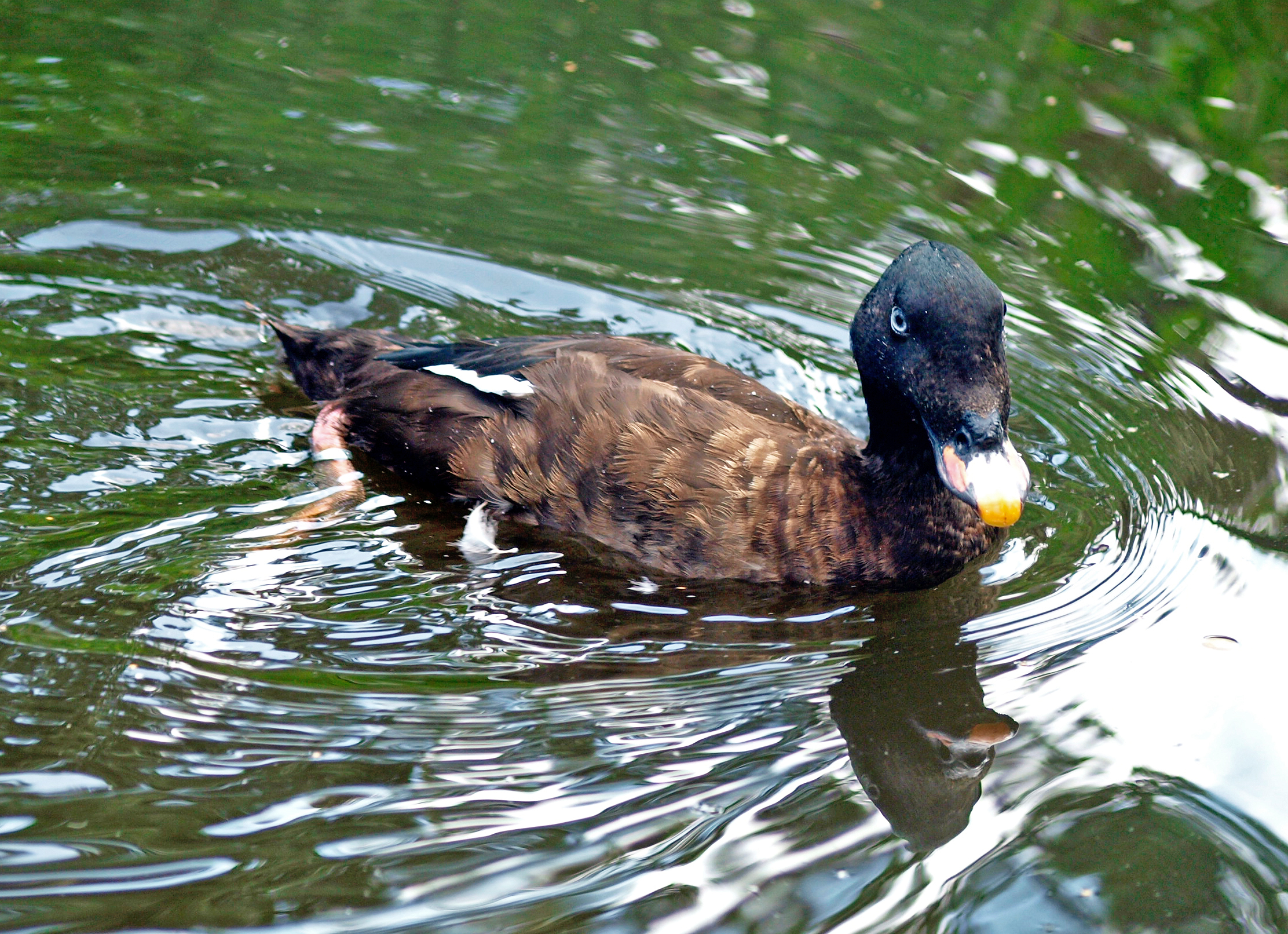
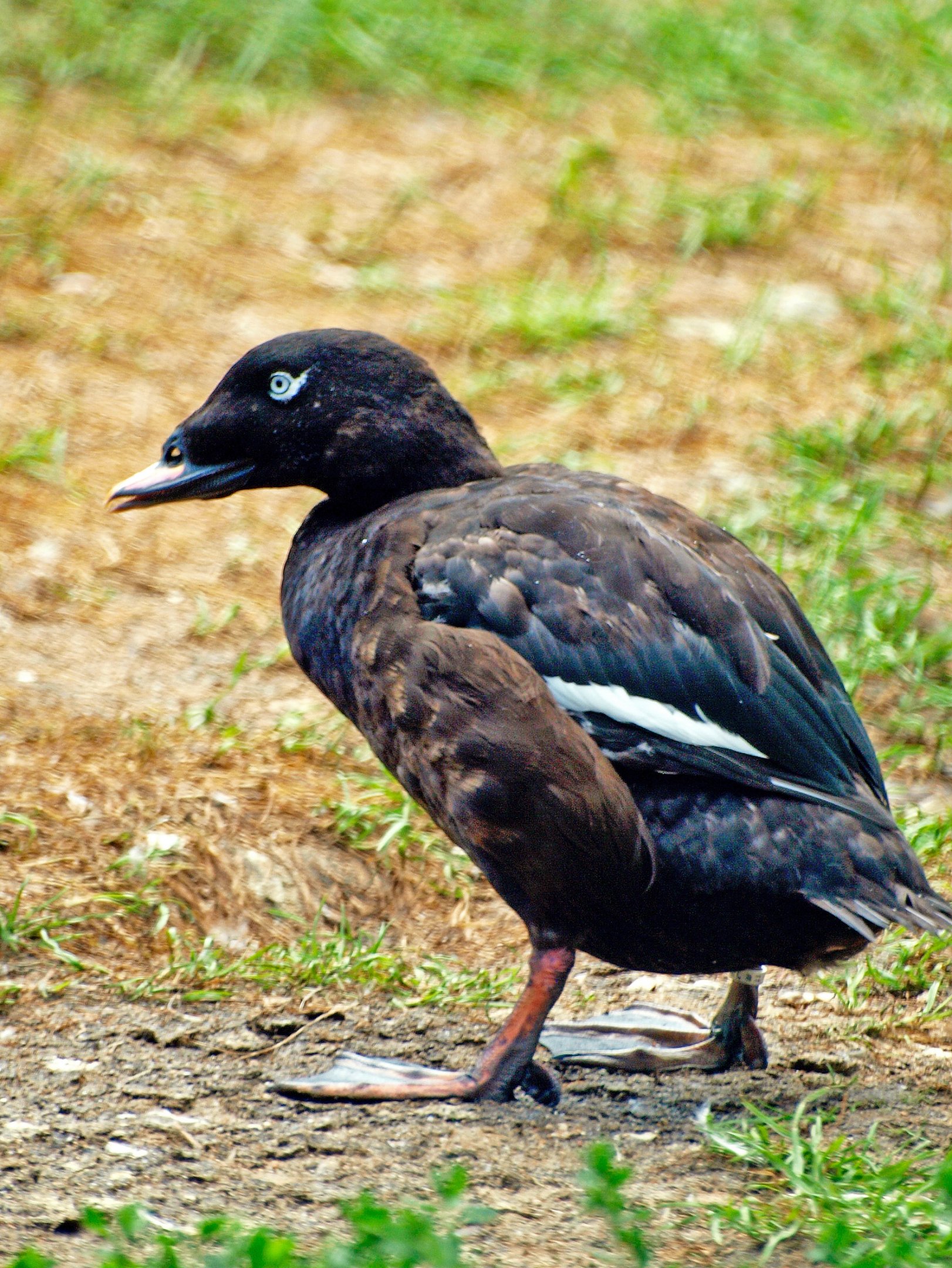
Livingston Ripley Waterfowl Conservancy keeps a small flock of American White-Winged Scoters in a seabird aviary with various eiders, mergansers, and goldeneyes. They seem to do well, but I don't know if they've ever bred them or anything. I know Walsrode also kept a scoter species for a long time, though it had died within a year or so before my visit. Pretty sure it was eaten by a wild bird of prey, though, as opposed to having died due to being in captivity.

~Thylo
 
Any clue why they're short lived?
I can perhaps offer a clue. Short lived might refer to the time they are kept?
I was involved in the rehab of dozens of common loons. At least in the cases I was involved in 100% of them were for one reason. They would land on areas that were not water. This was also very common for grebes. They have to run along a body of water before they can fly. No doubt they saw a mirage of water and land unable to do anything but flop. People would find them and bring them in. If kept overnight or for a day or two they would never eat dead fish.
After a check over I would take them to a local lake and plop them in the water. End of rehab ;)
 
I can perhaps offer a clue. Short lived might refer to the time they are kept?
I was involved in the rehab of dozens of common loons. At least in the cases I was involved in 100% of them were for one reason. They would land on areas that were not water. This was also very common for grebes. They have to run along a body of water before they can fly. No doubt they saw a mirage of water and land unable to do anything but flop. People would find them and bring them in. If kept overnight or for a day or two they would never eat dead fish.
After a check over I would take them to a local lake and plop them in the water. End of rehab ;)

That's interesting, thanks! Based on your experience, do you think it might even be possible to keep loons long-term in captivity? It sounds like only if you kept a large covered lake stocked with fish might you have any luck.
 
I would think if they had the opportunity to catch live fish it would be possible. Like I said
they would never eat dead fish. The grebes neither. The species we would get were pied billed and western grebes. But we never kept them for any more than a few days. Dozens and dozens of grebes we got too but all of them and the loons only had minor scrapes so we never tried to keep any long term.
 
I would think if they had the opportunity to catch live fish it would be possible. Like I said
they would never eat dead fish. The grebes neither. The species we would get were pied billed and western grebes. But we never kept them for any more than a few days. Dozens and dozens of grebes we got too but all of them and the loons only had minor scrapes so we never tried to keep any long term.

I'm surprised you saw that many! Might I ask in what part of the country you were working?

Why would they do worse than any other kingfisher?

~Thylo

I think sourcing stock is the problem there. :p
 
Found them!
I can't open the links to those photos.
Scoters do reasonably well but just like eiders and other marine birds they are extremely prone to illnesses.
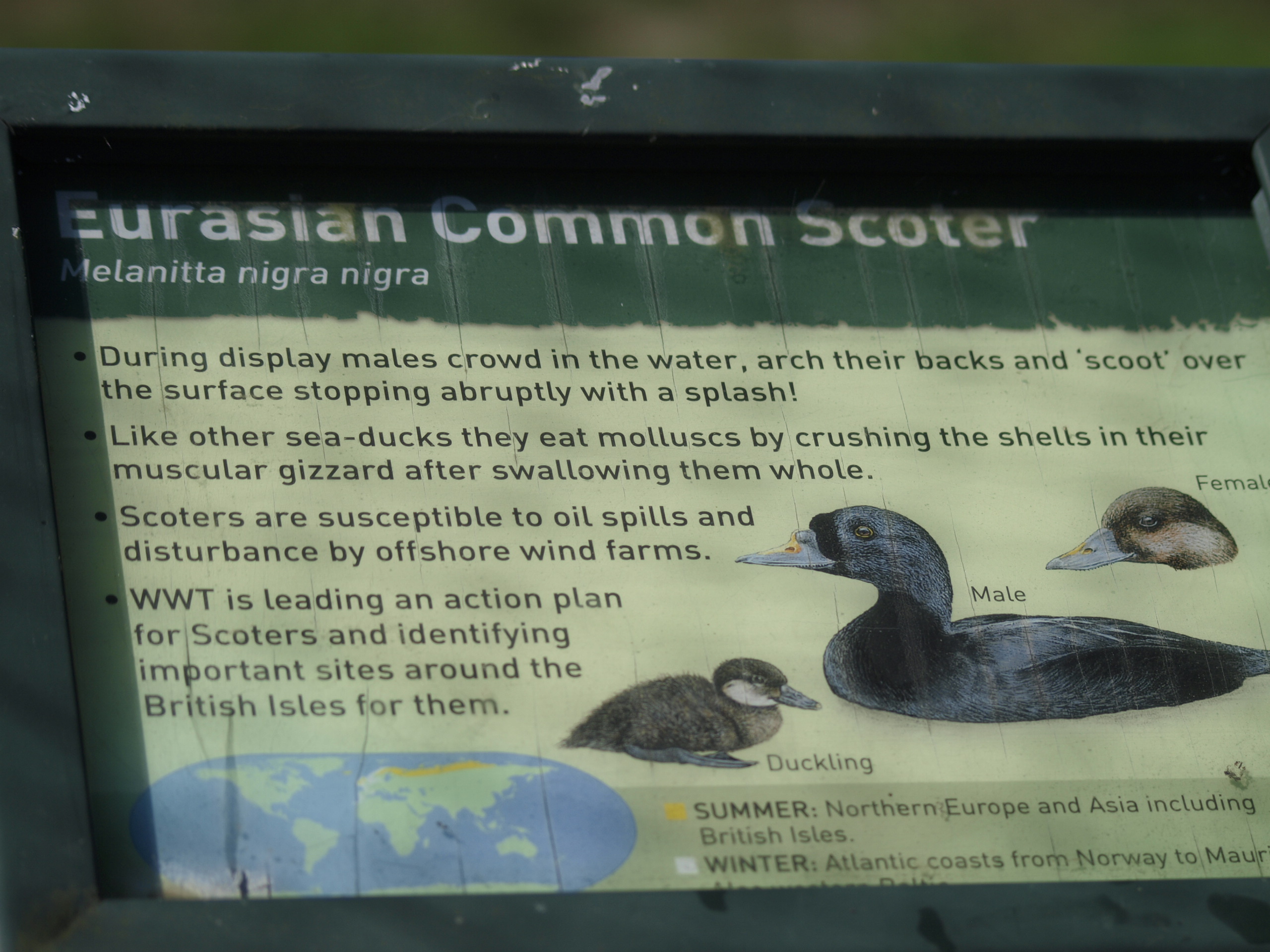
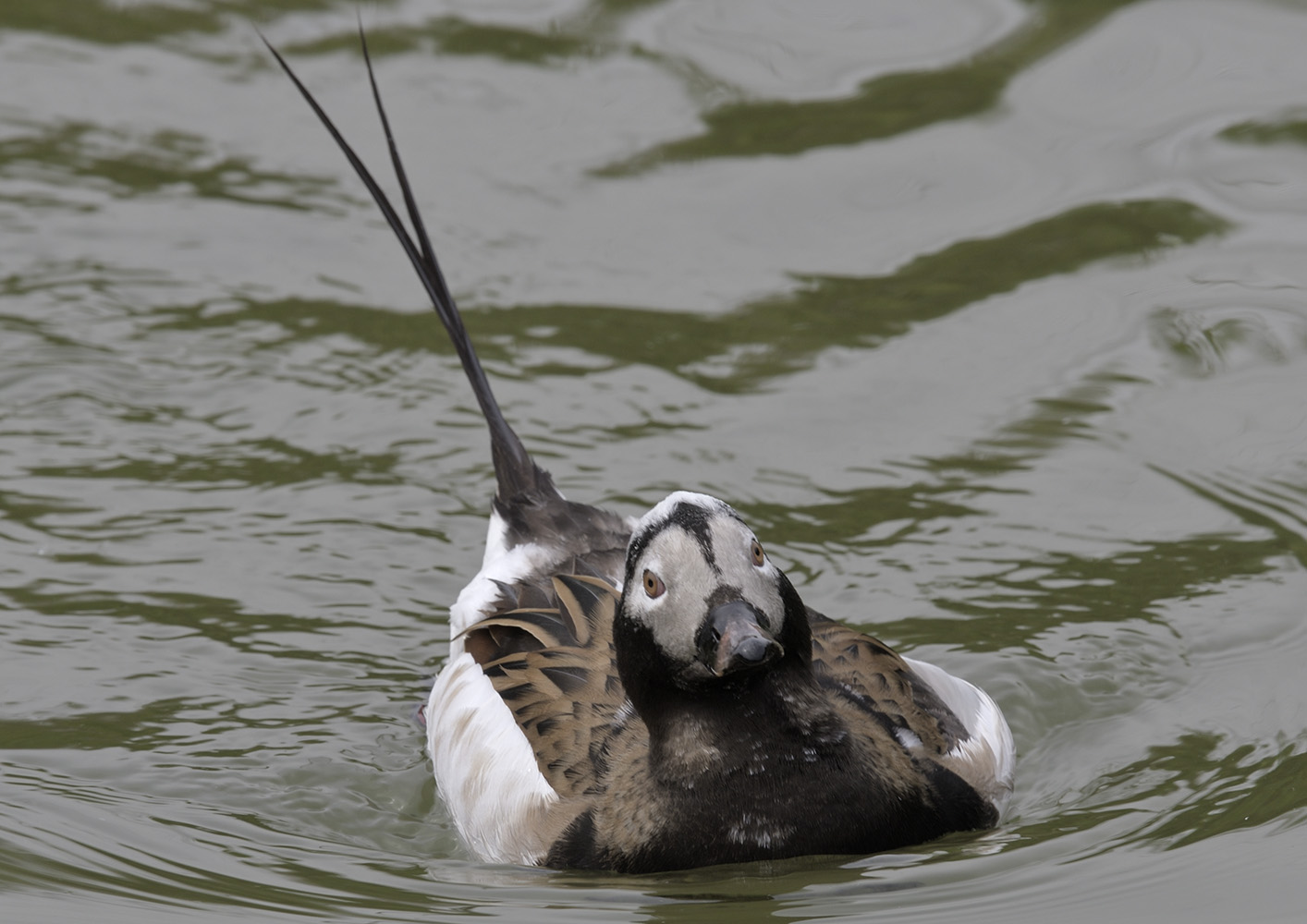
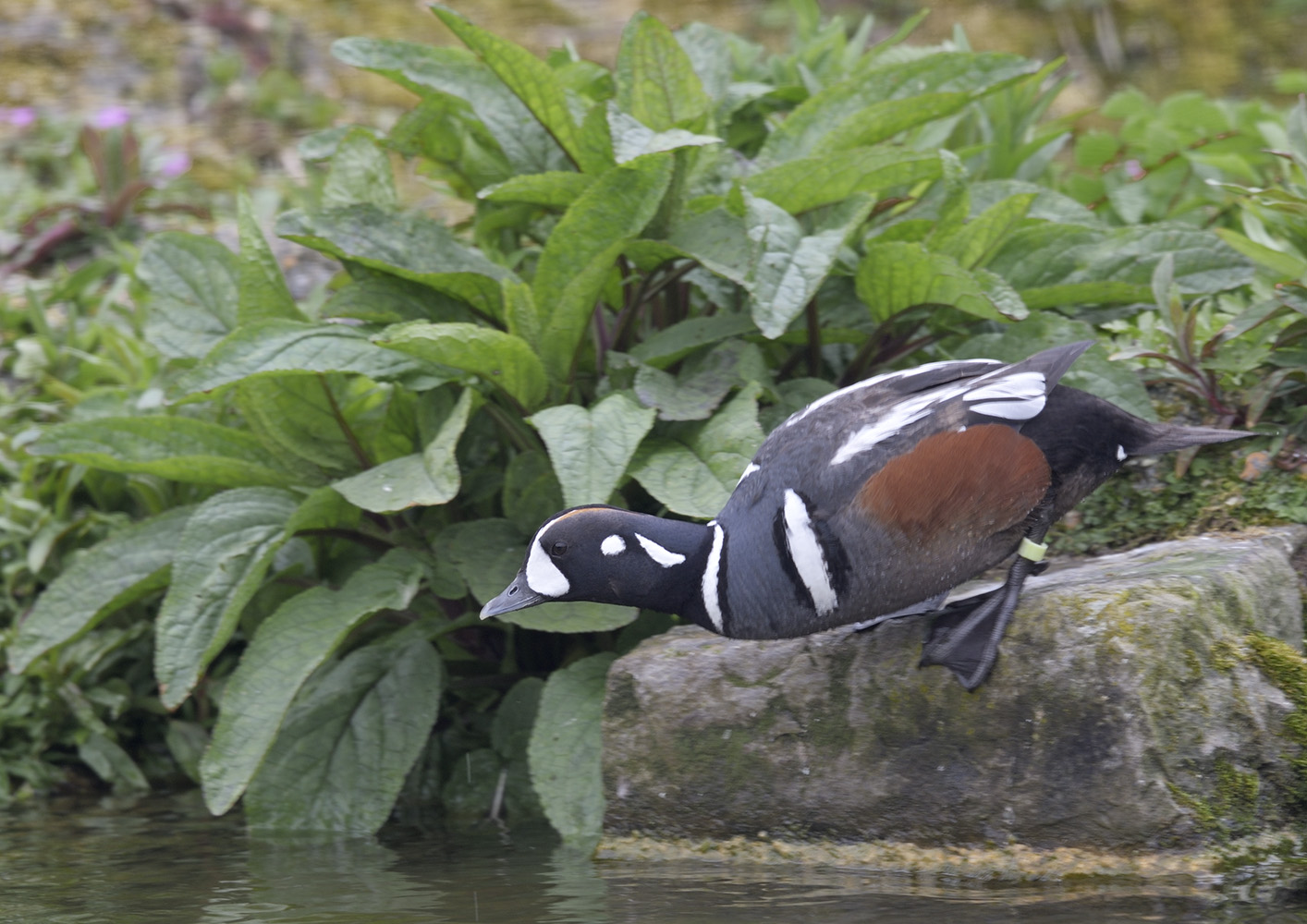
As @Guora has mentioned, The Wildfowl & Wetlands Trust keeps its sea-ducks at Arundel (except for eiders) because that centre has a constant supply of very clean water pumped from an aquifer below the chalk downland. The Icelandic Lake aviary has quite a few common scoters and long-tailed ducks and a couple of pairs of harlequins. The scoters have produced fertile eggs, but I am not sure about the others.
The Trust also kept their last New Zealand blue ducks there and if they ever have other delicate rarities, such as kelp geese or torrent ducks, I expect they would go to Arundel too.
 
I can't open the links to those photos.
The photos are in a private folder I'm building - but I can give you access to it although it isn't populated very much yet. By the way, lucky you for seeing the harlequins and especially the long-tailed ducks in full breeding plumage! I wasn't so fortunate
 
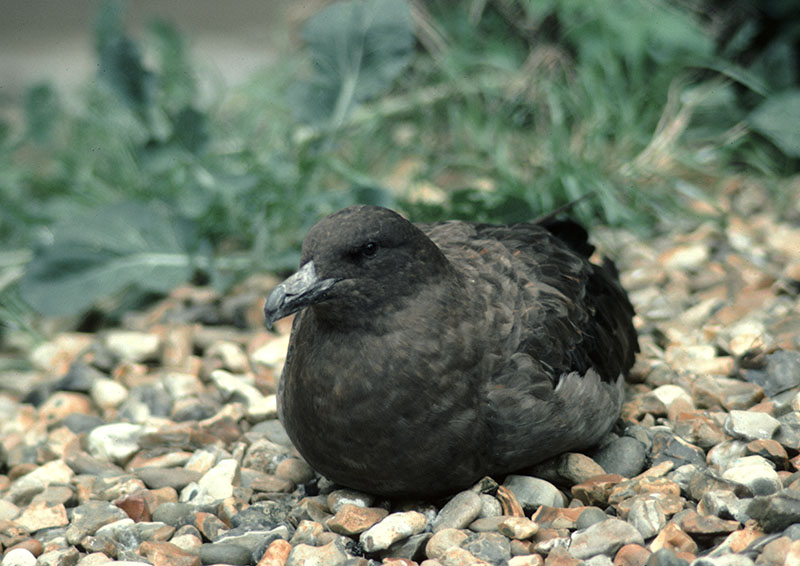
London Zoo had Antarctic skuas during the 1970s and 1980s. (I remember them best housed in one of the old Birds-of-Prey Aviaries but they were also kept in the Eastern Aviary too.)
Personally I would love to see both species of Picathartes again but, regrettably, I doubt I ever will.
I posted a photo of one of the skuas in the Eastern aviary some time ago. I doubt if there would be many problems maintaining great or Antarctic skuas in zoos, although they are not particularly attractive birds. The smaller skua species are amazing in flight, but this would make them hard to display well.
Another Antarctic species kept at London Zoo in those days was the sheathbill. I have a photo, but it will need some work before I can post it.
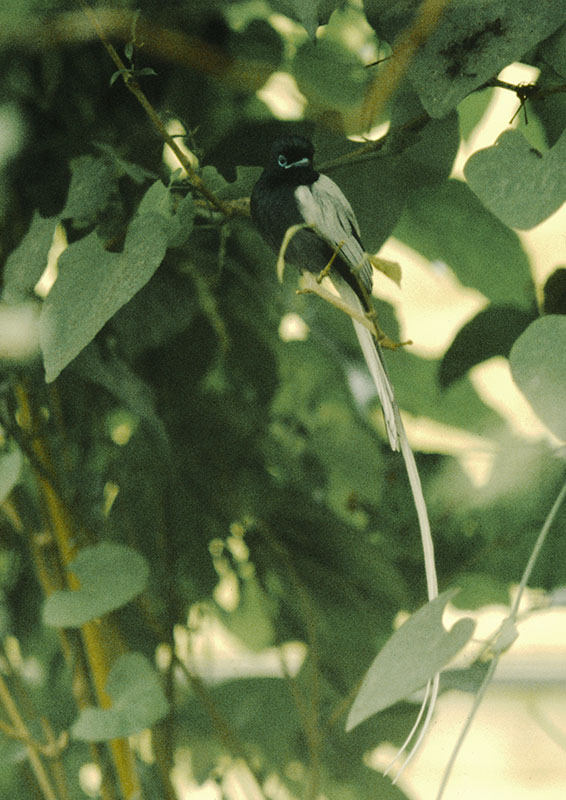
I agree about the Picathartes, several collections had some success with the white-necked species in the early '70s, but they didn't quite become established. I would also like to see some flycatchers doing well in captivity, particularly paradise flycatchers and wattle-eyes, which are amazing birds.
 
Back
Top