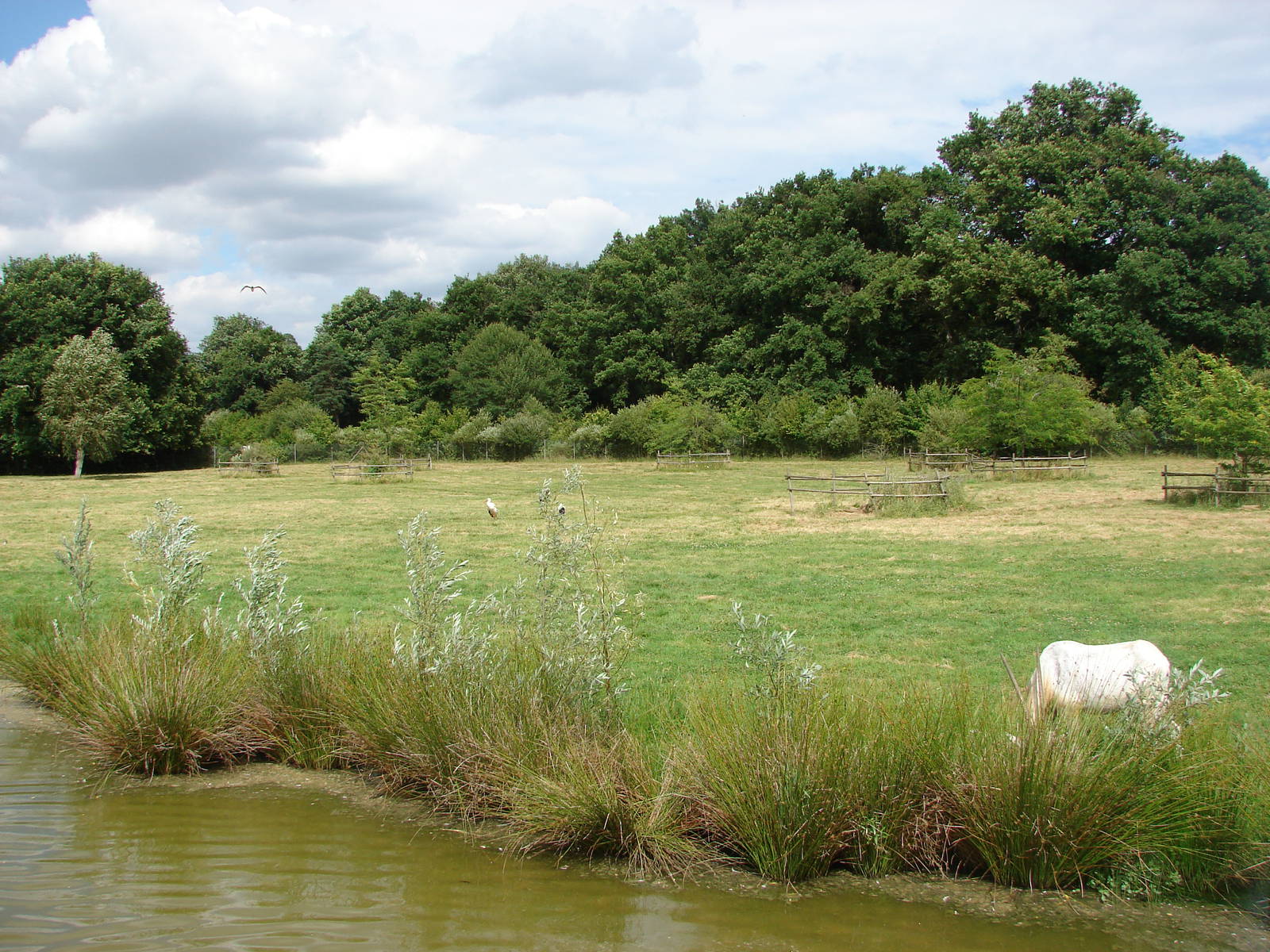
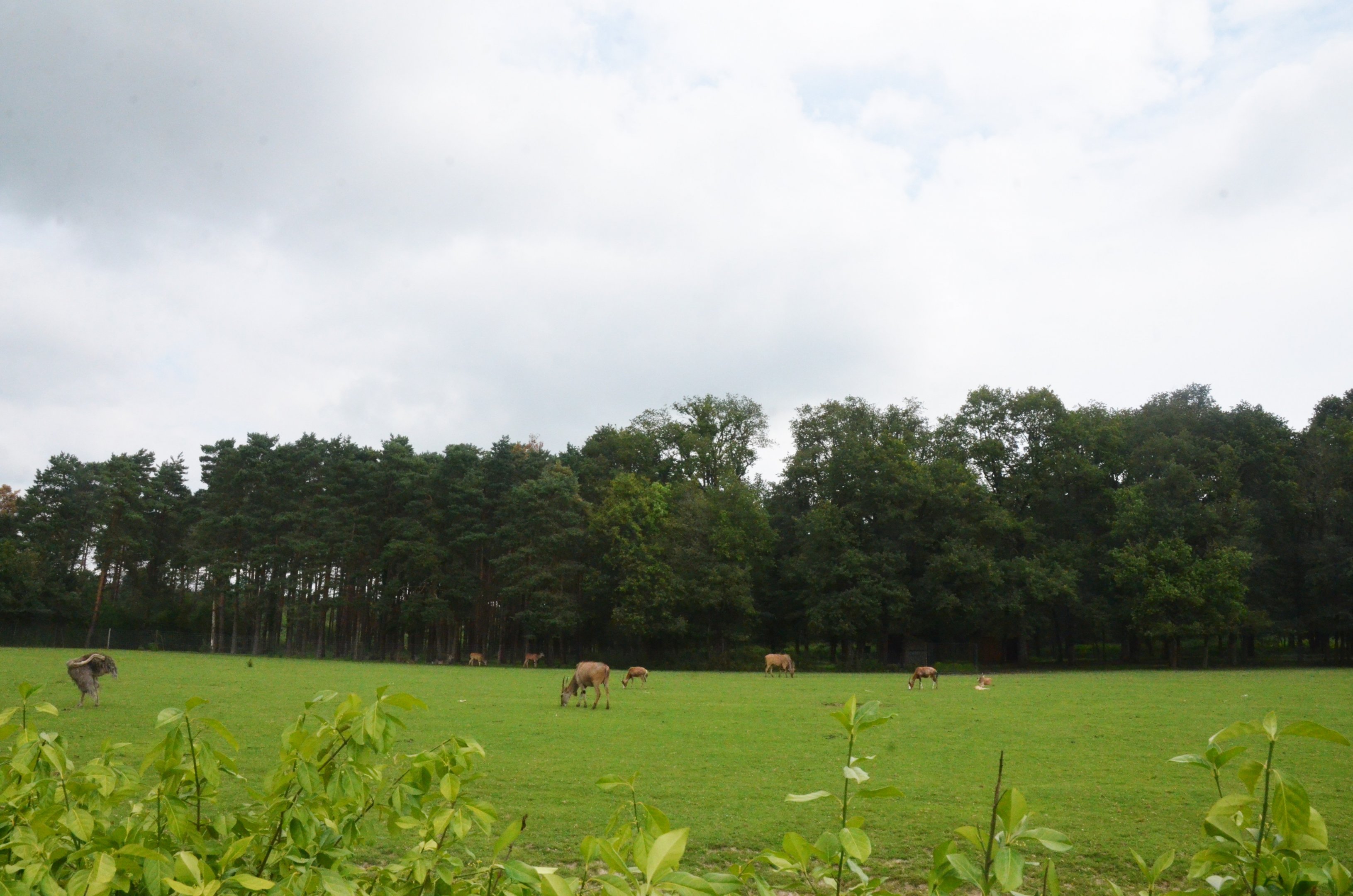
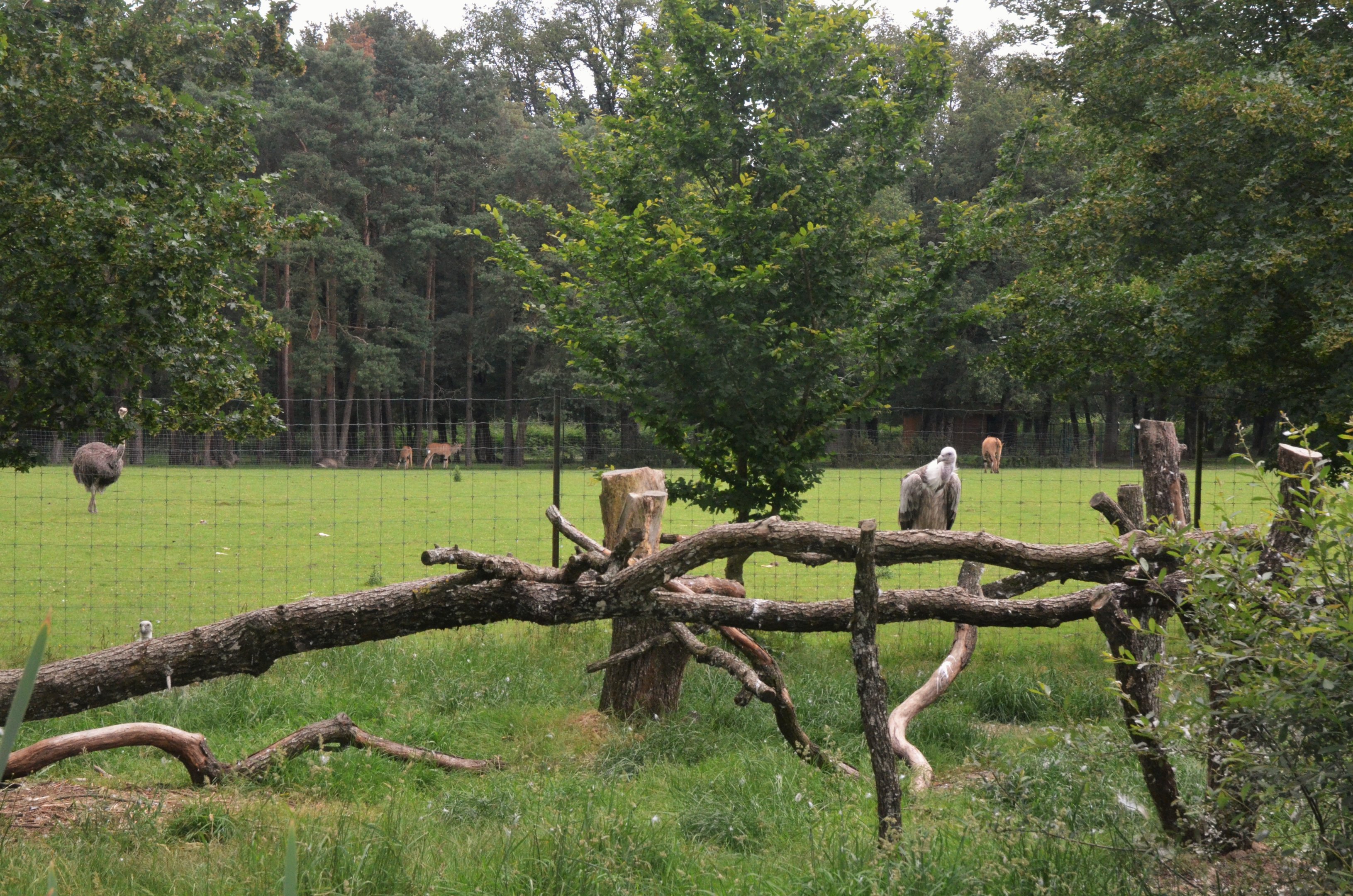
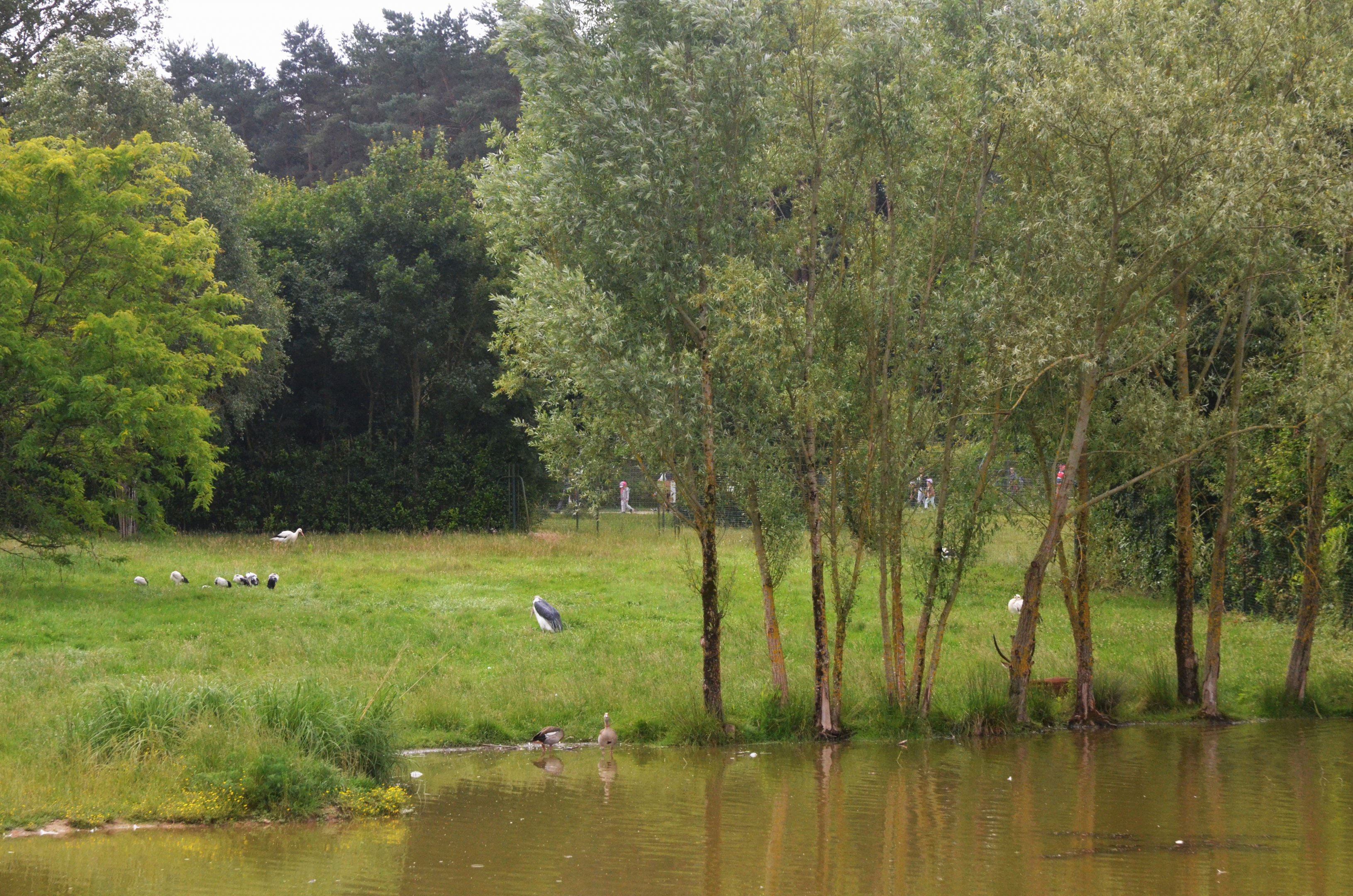
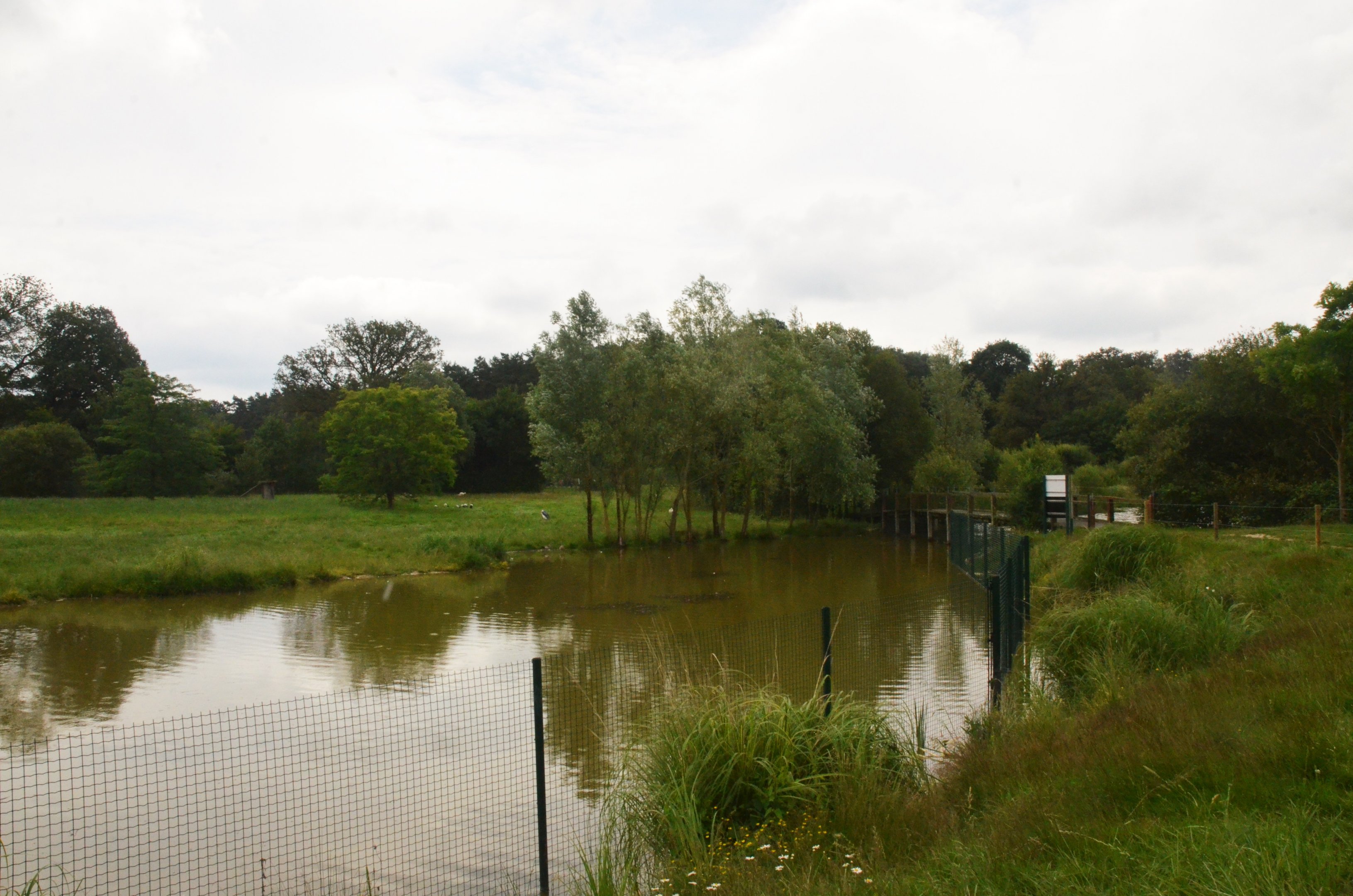
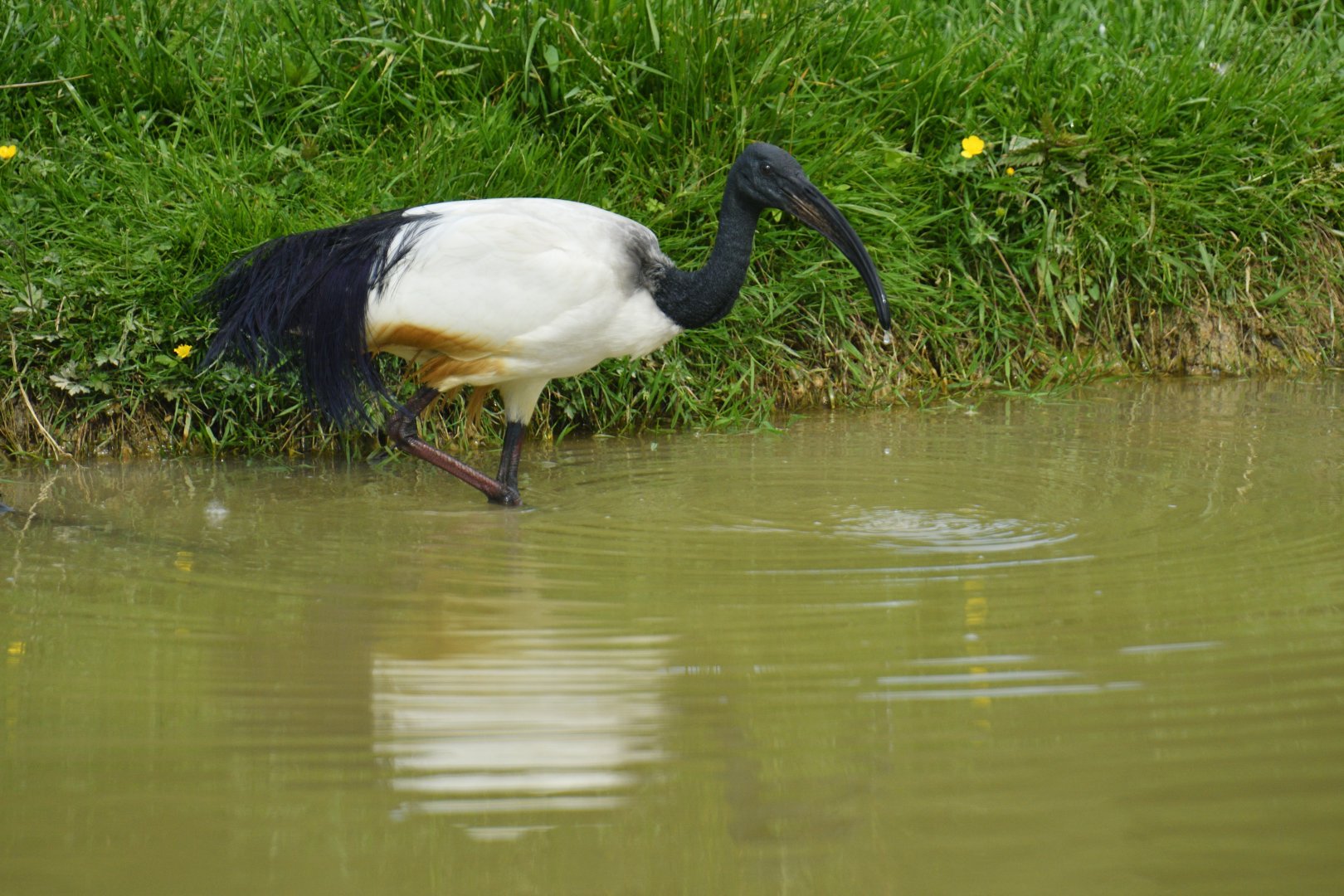
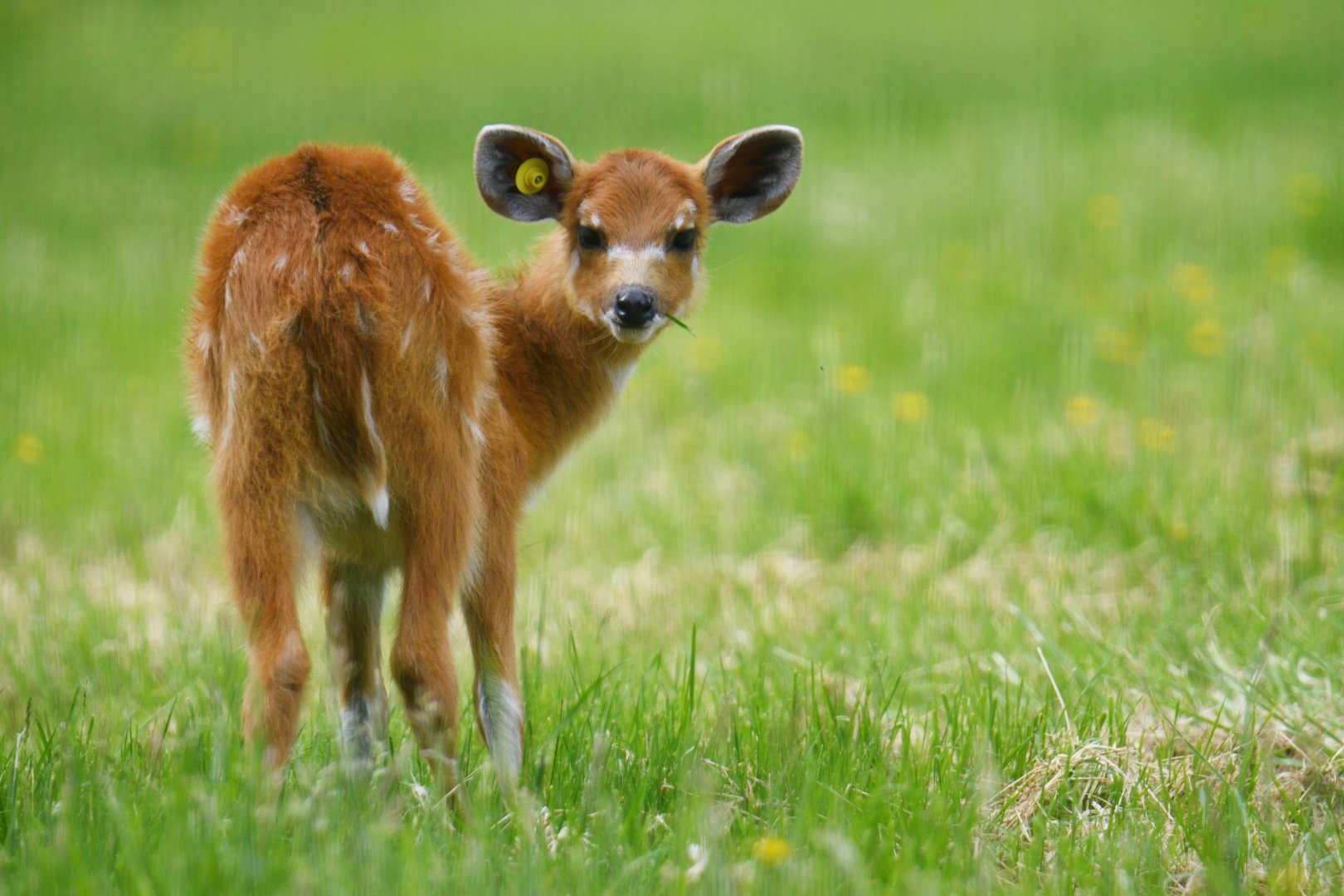
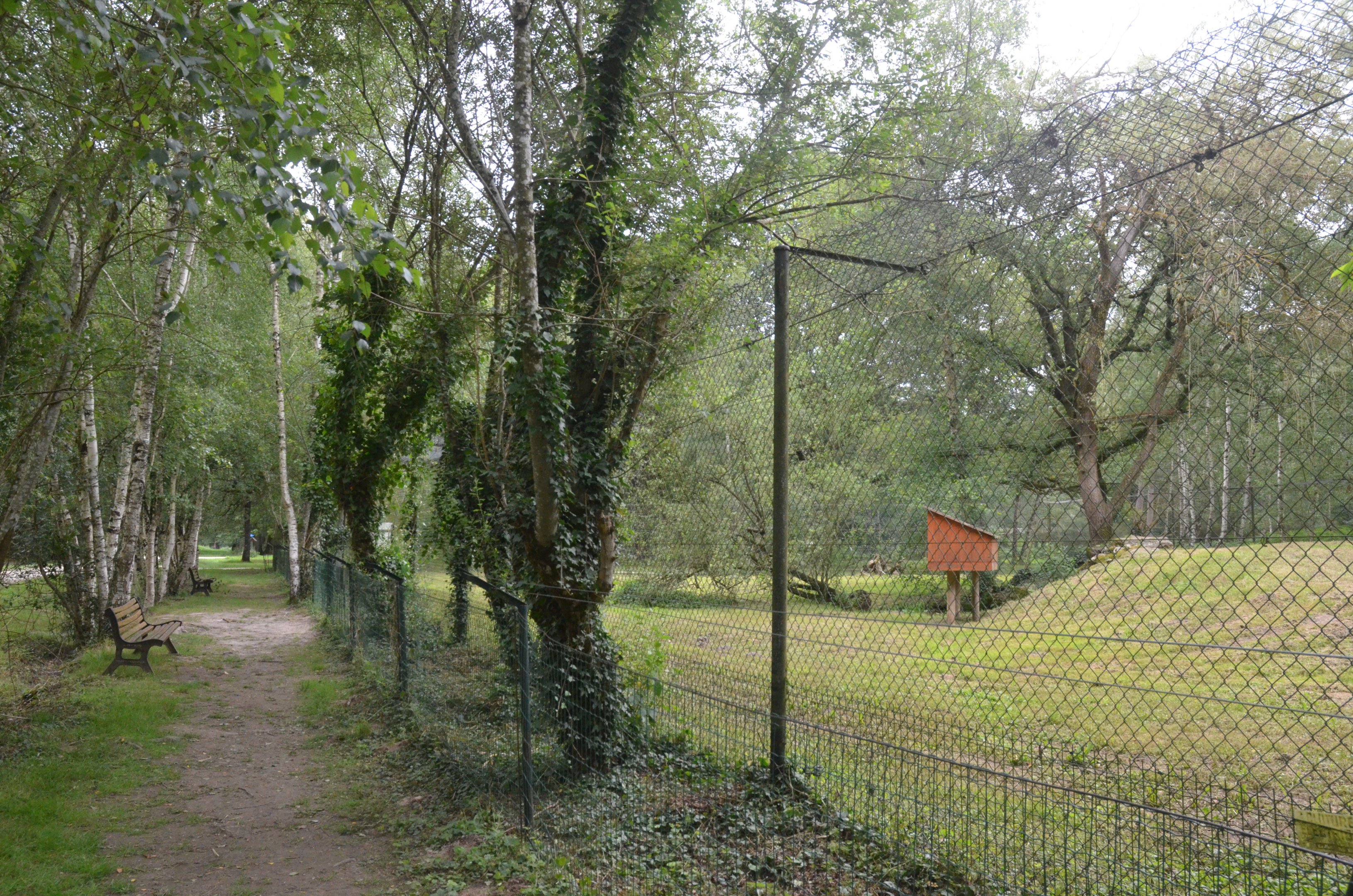
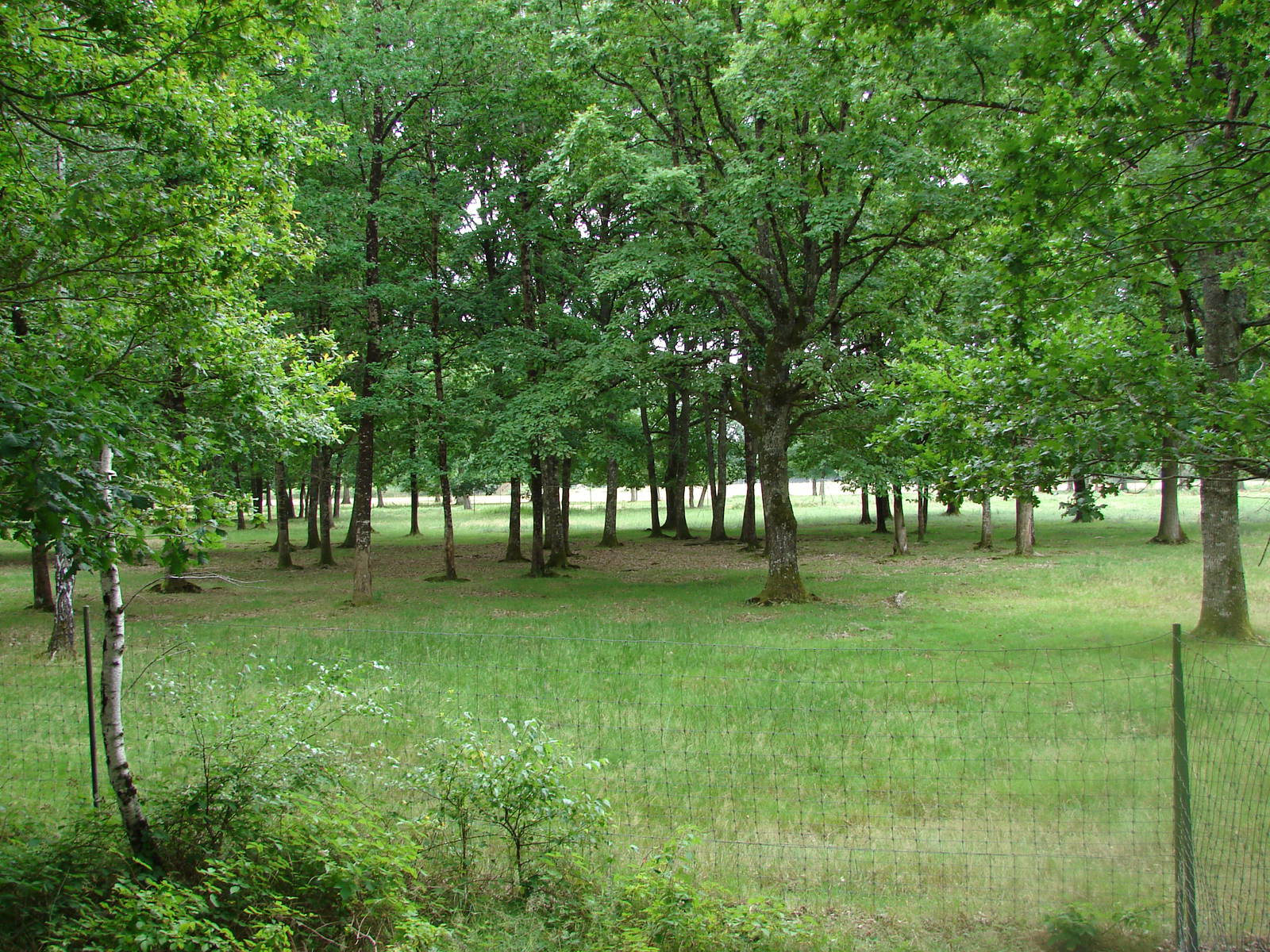
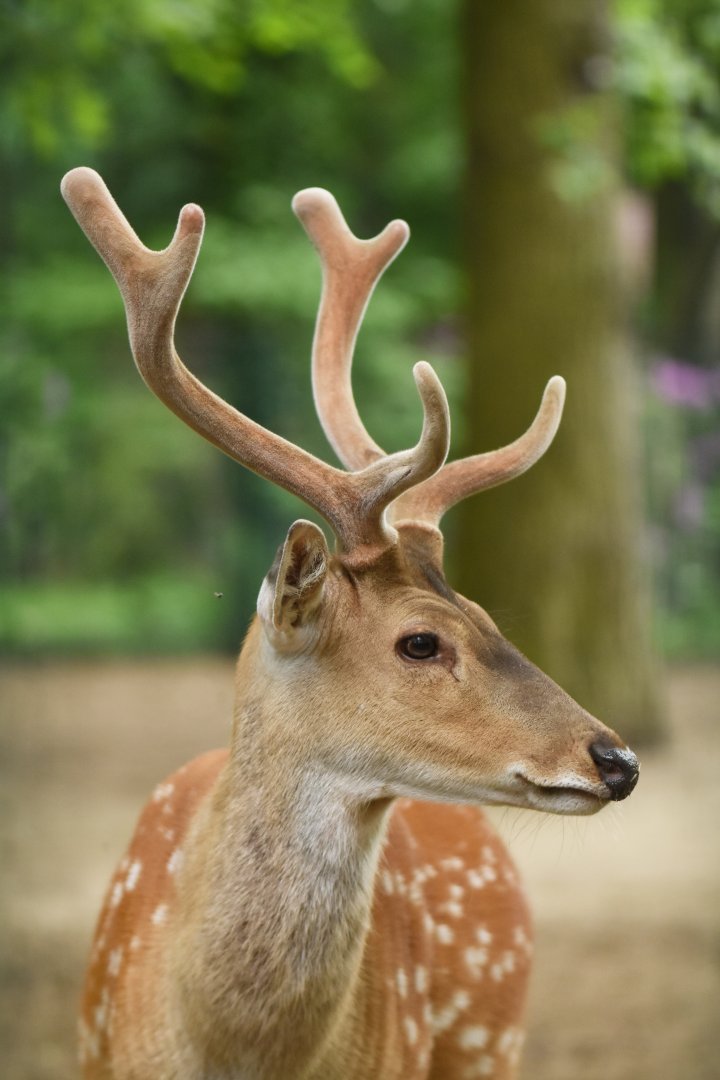
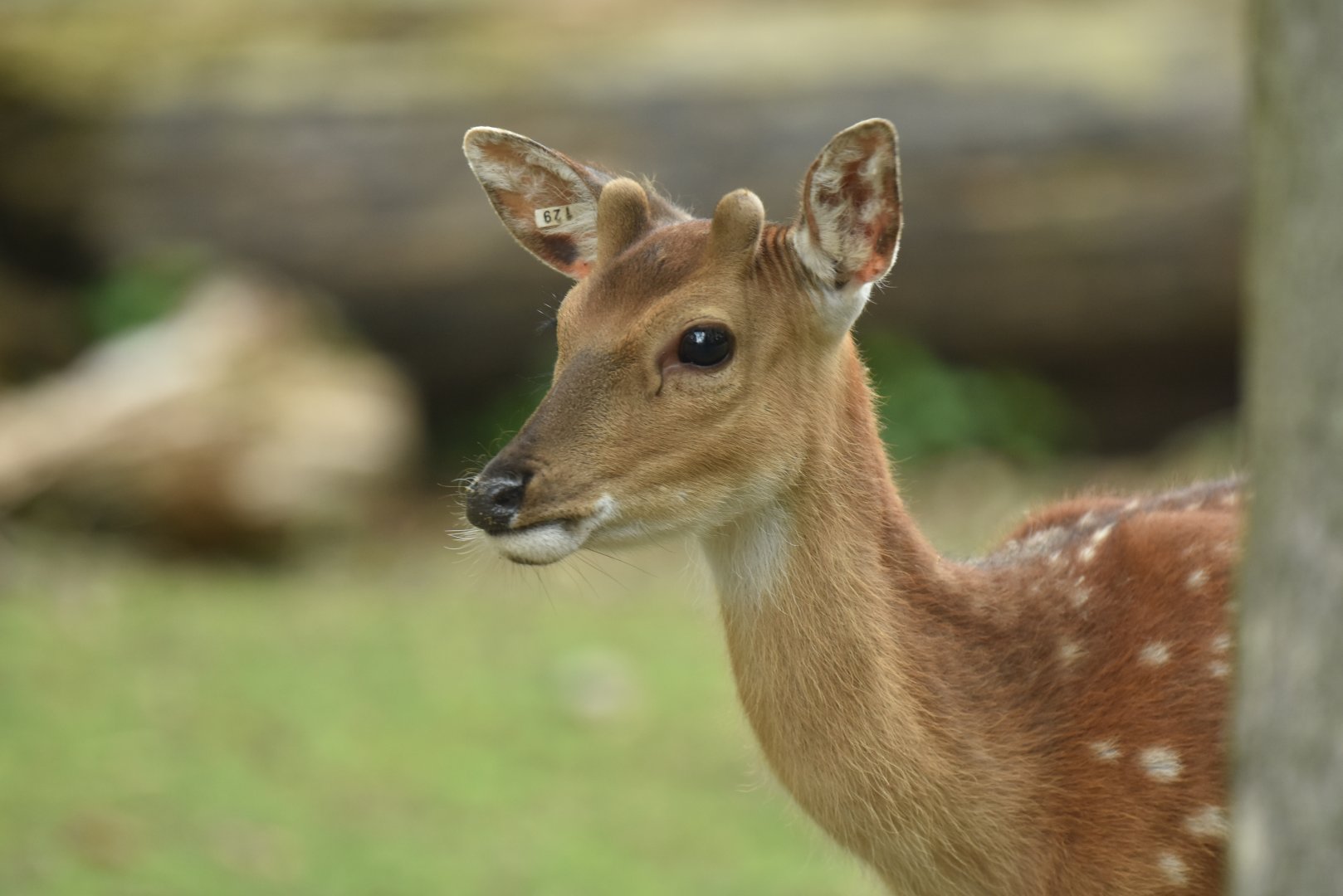
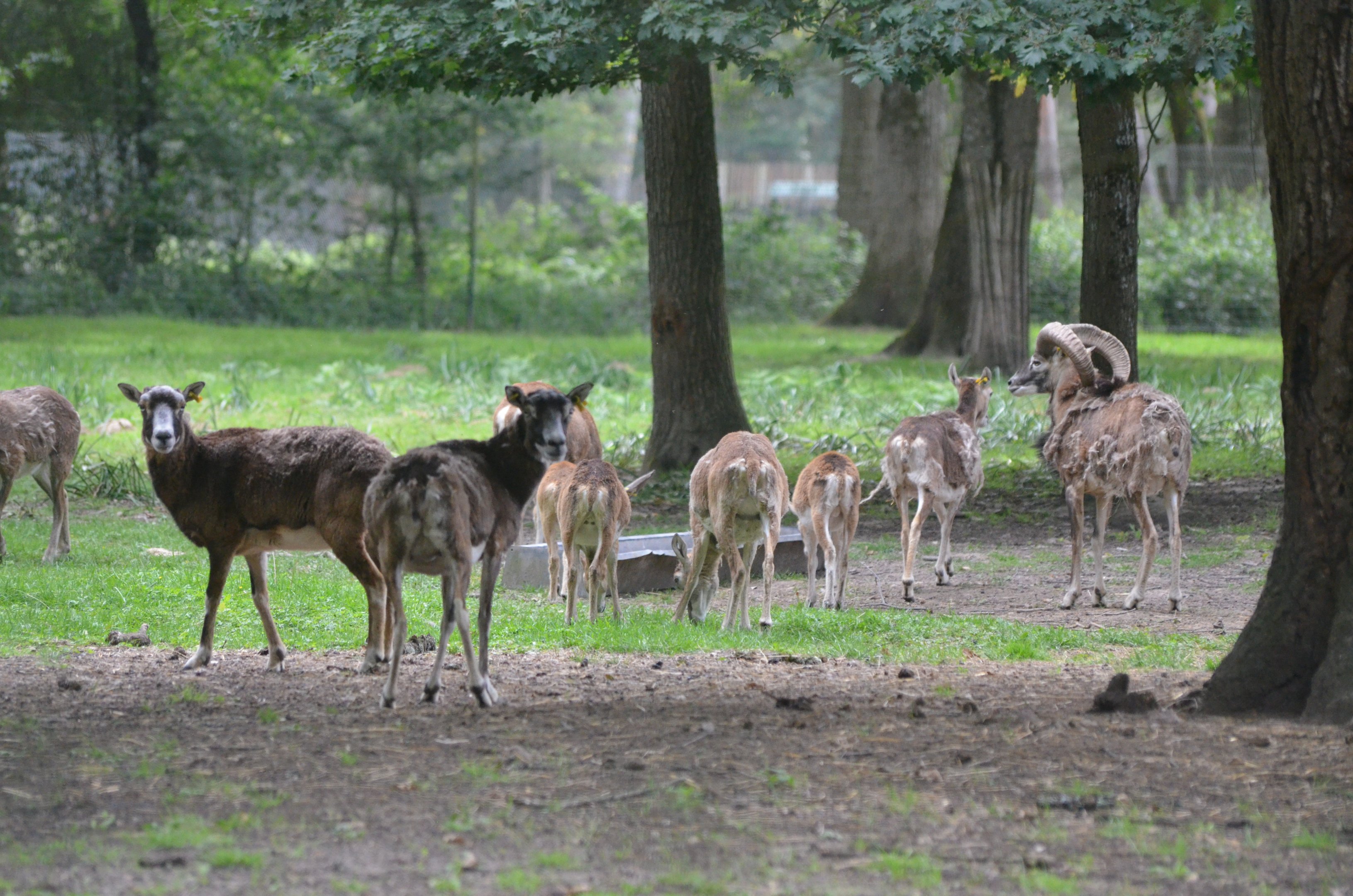
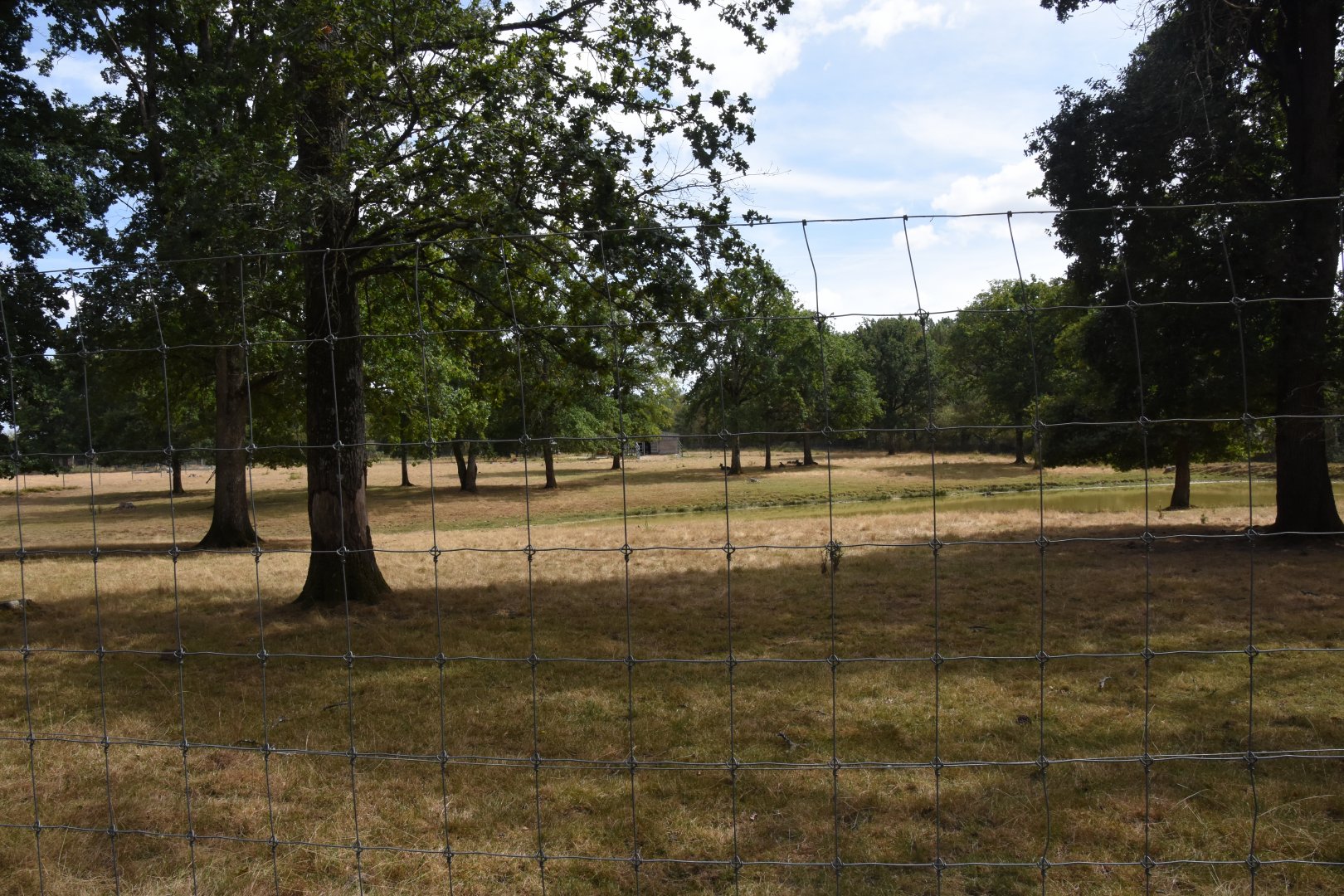
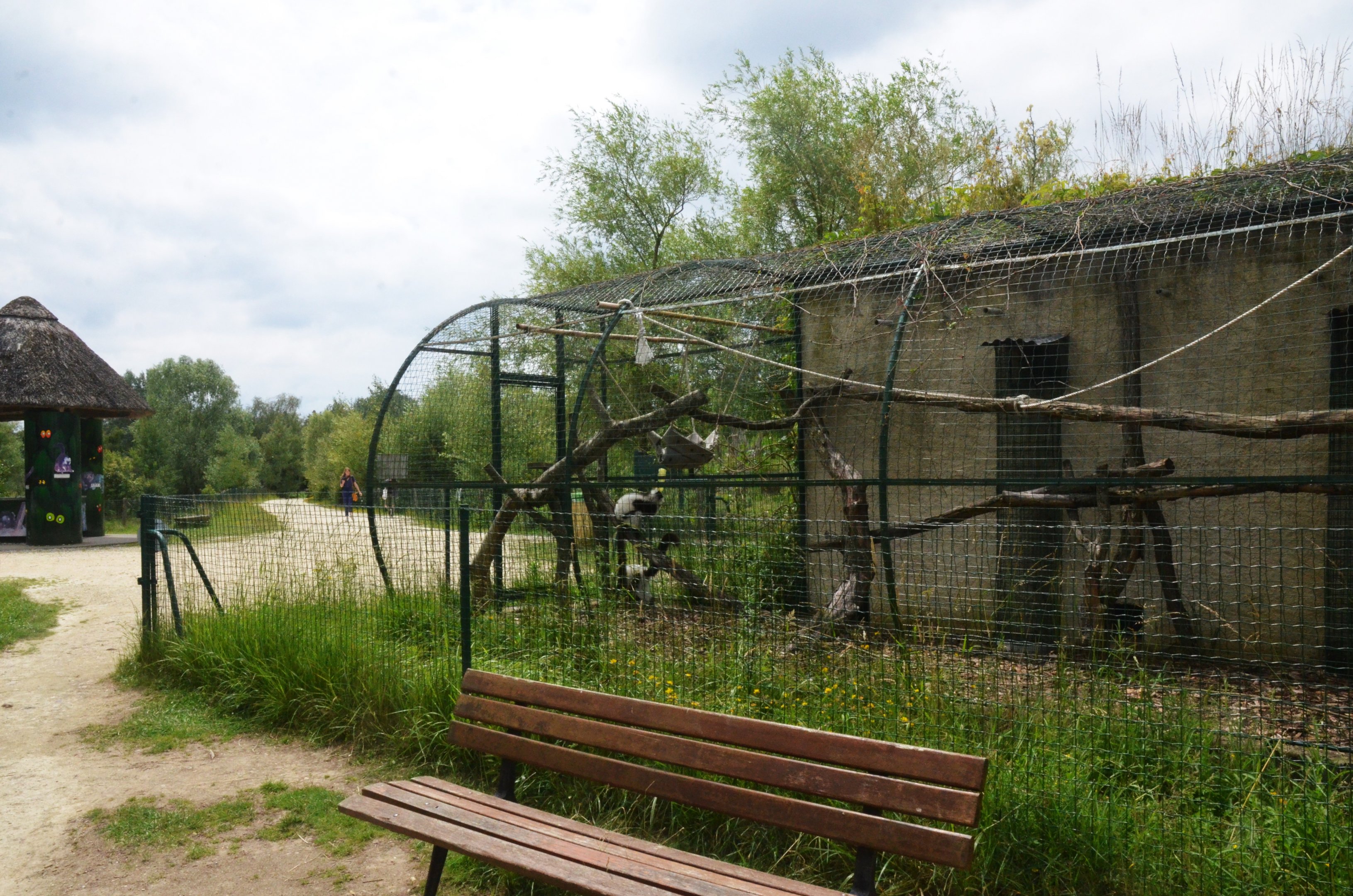
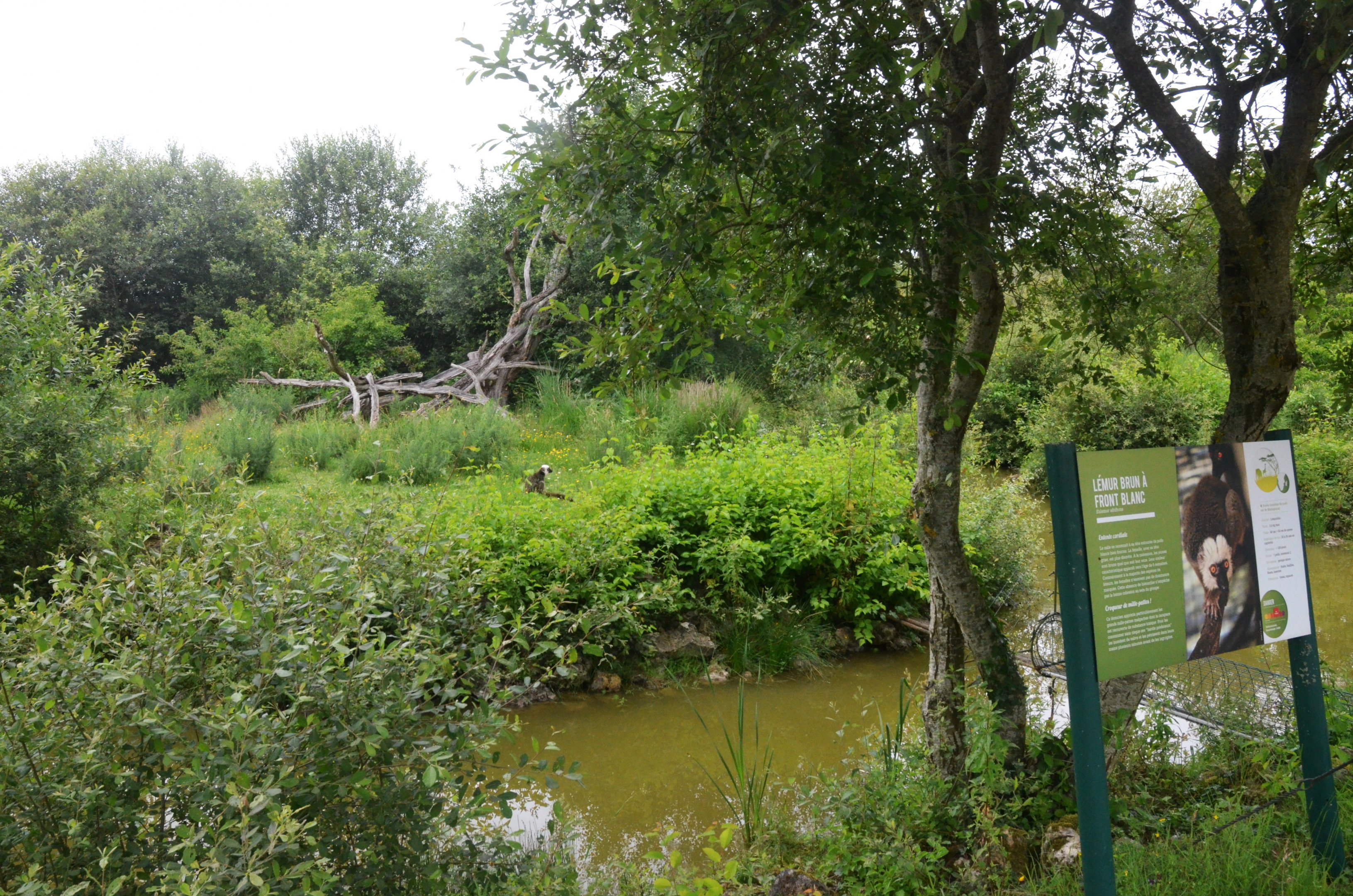
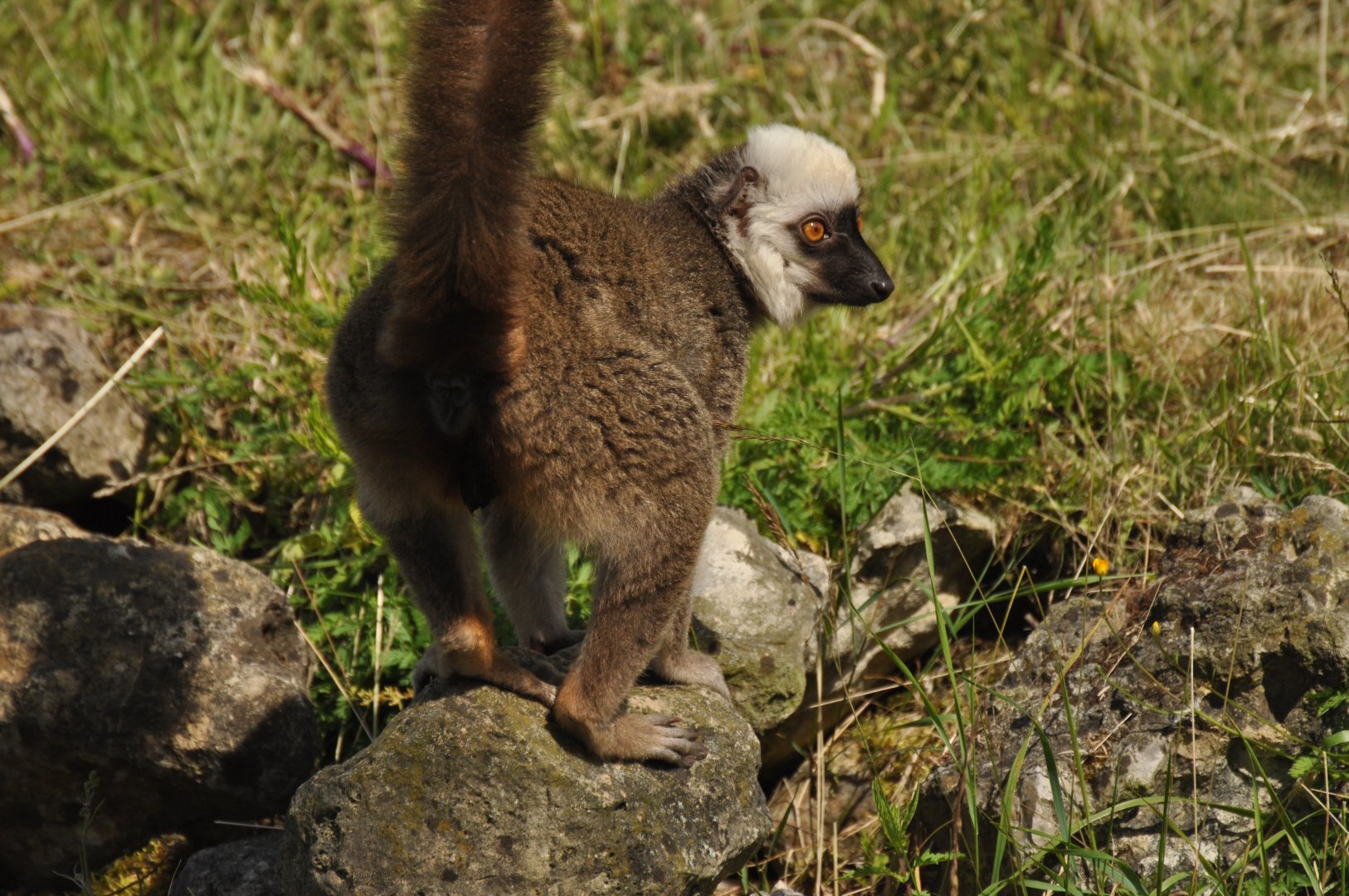
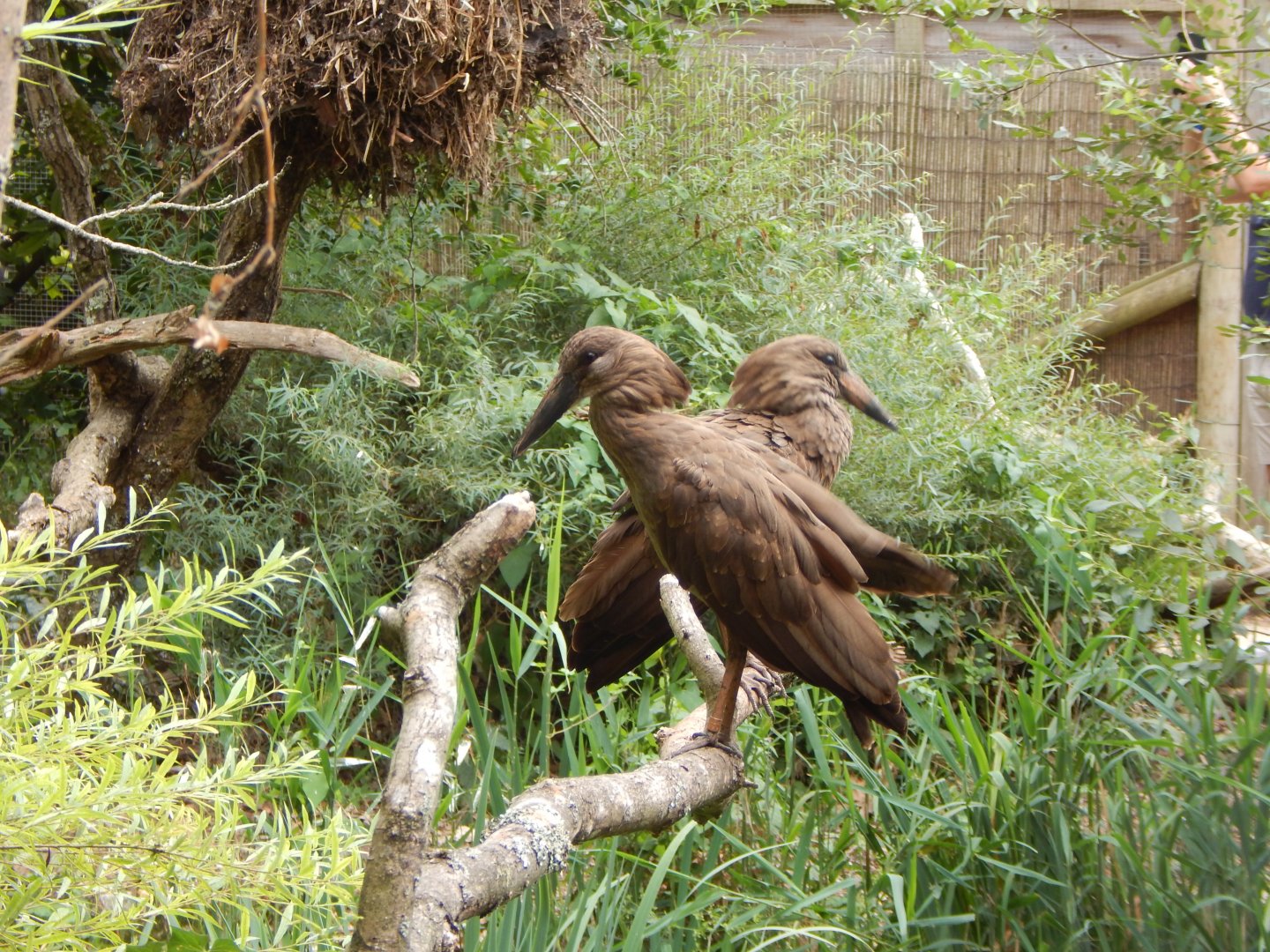
As the thread that covers this park in the dedicated section of the forum name it, la Haute Touche is a rather curious zoo. Public-owned by the Museum, same as the Paris zoo and Ménagerie du Jardin des Plantes, it was initially a research station and was later opened. Situated in the middle of nowhere, even by French standards, it is 436 hectares large, of which only 100 are opened to the public.
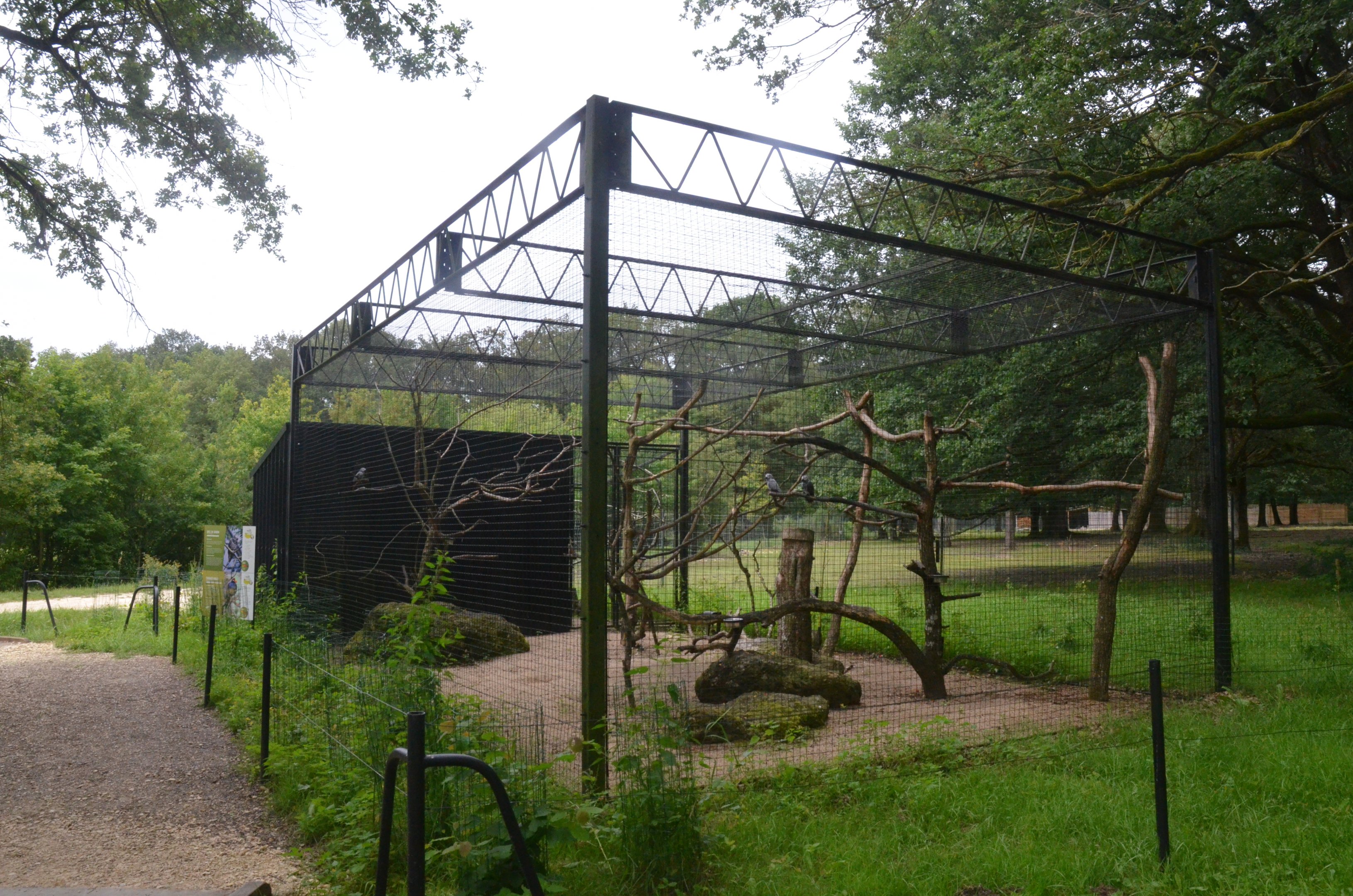
Recent evolution of the park have on one side enlarge the collection with native reptiles, birds and small carnivores. A little bit of care have been introduced in the conception of enclosures to look more naturalistic and go a little bit beyond the simple huge square of forest or grassland fenced.
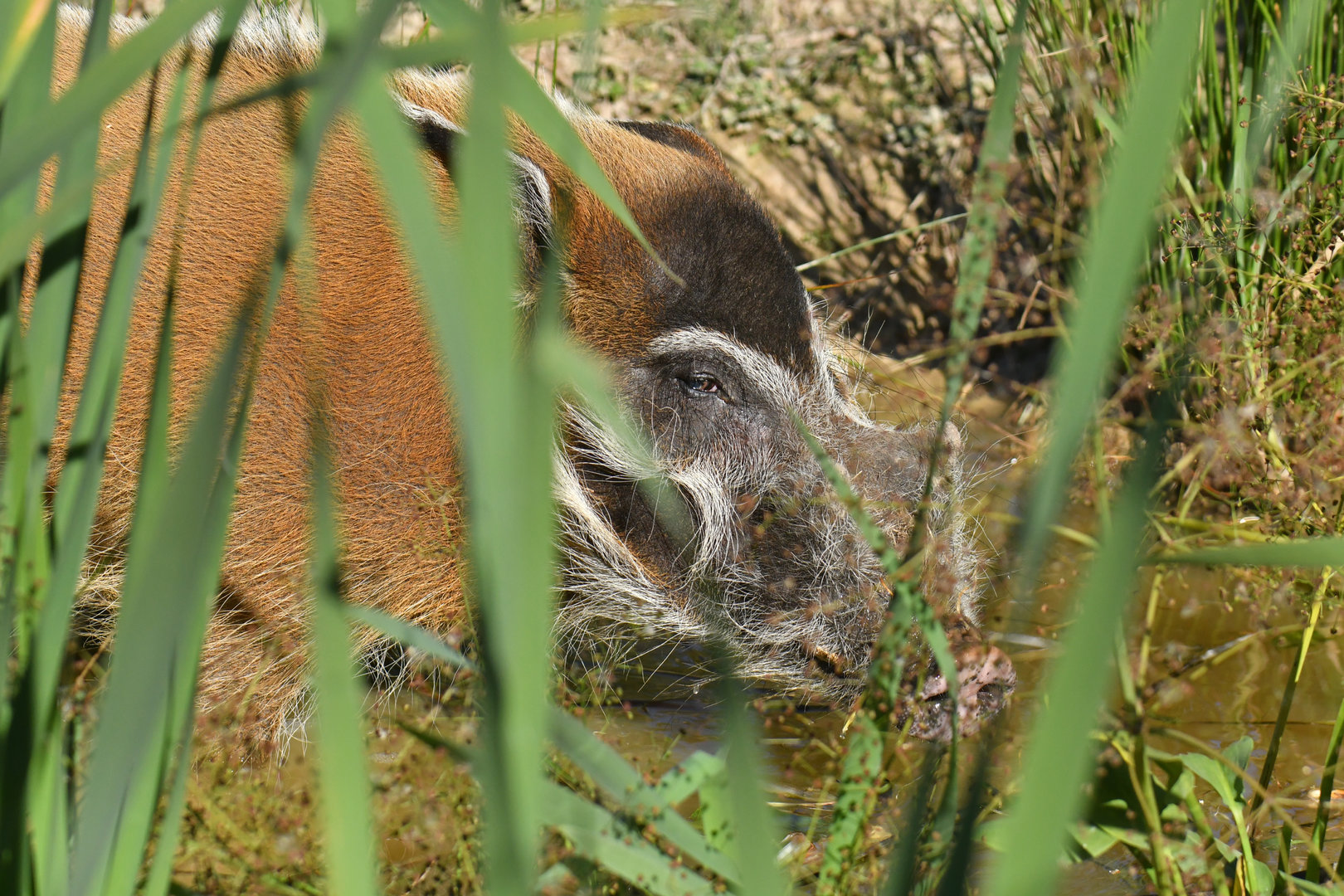
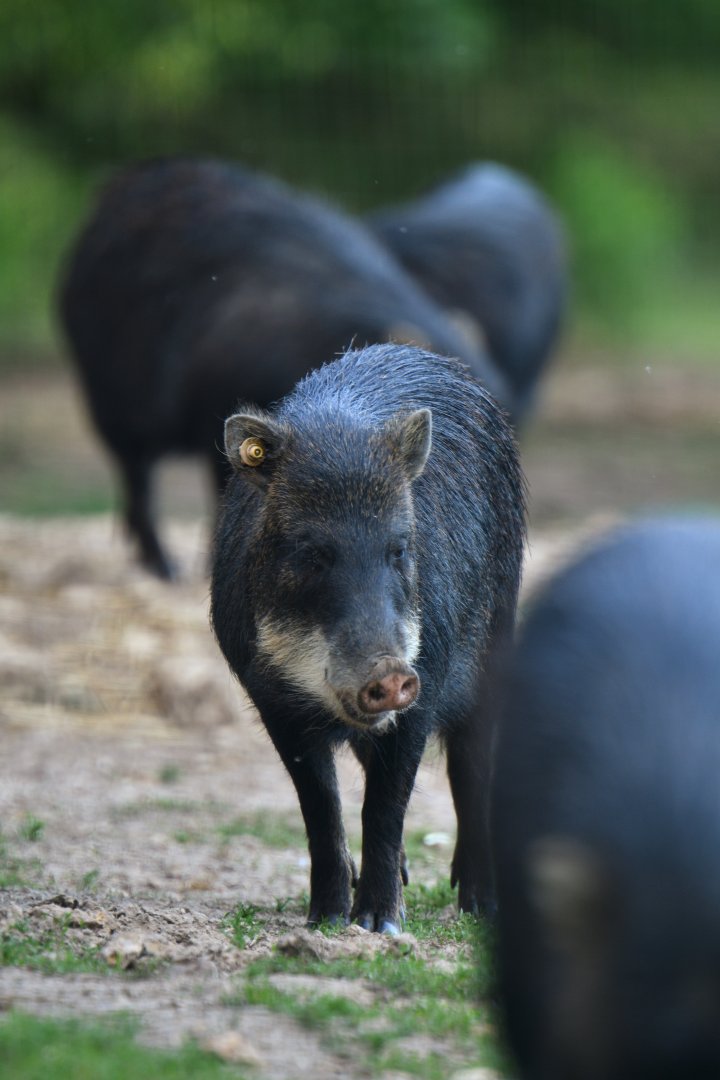
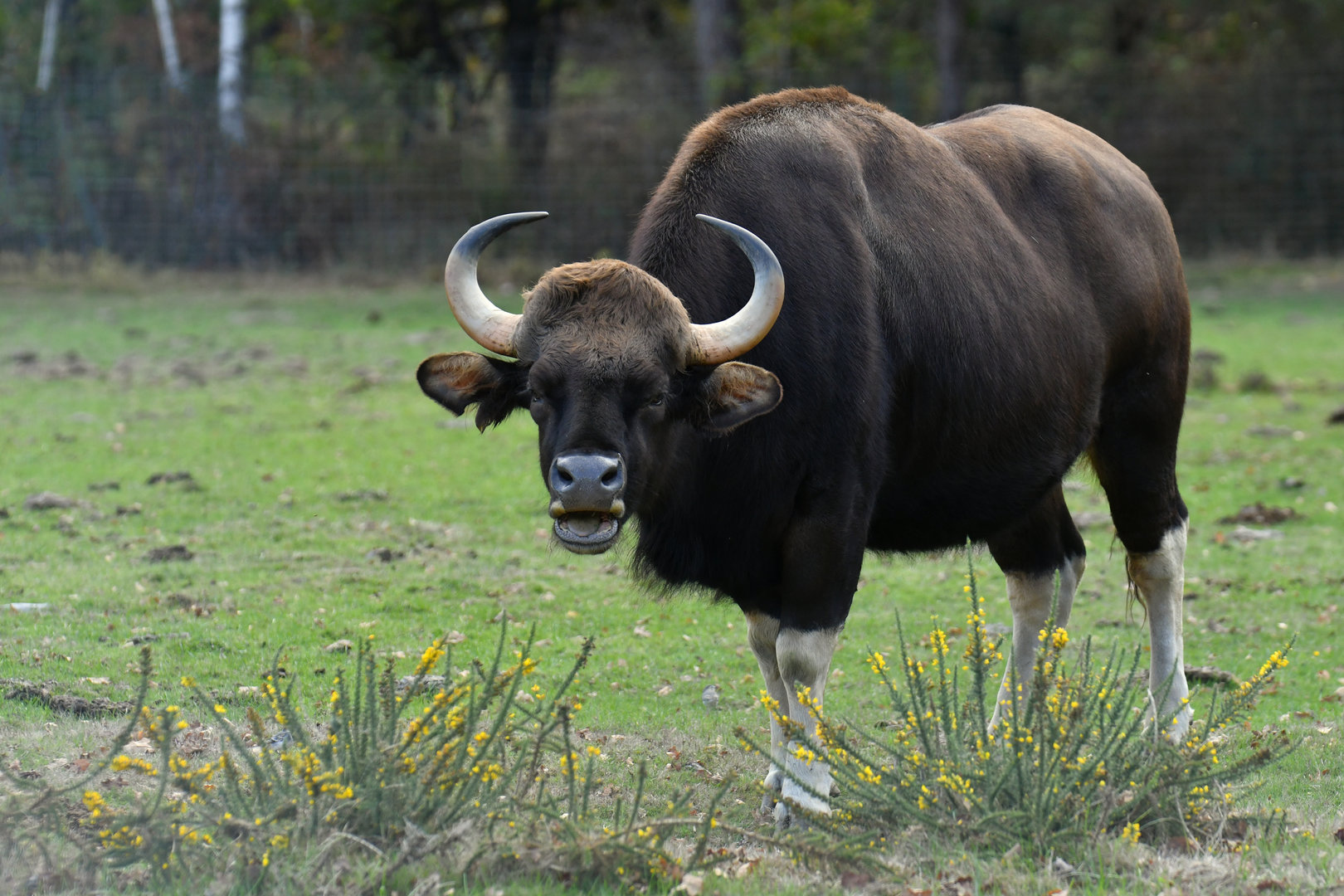
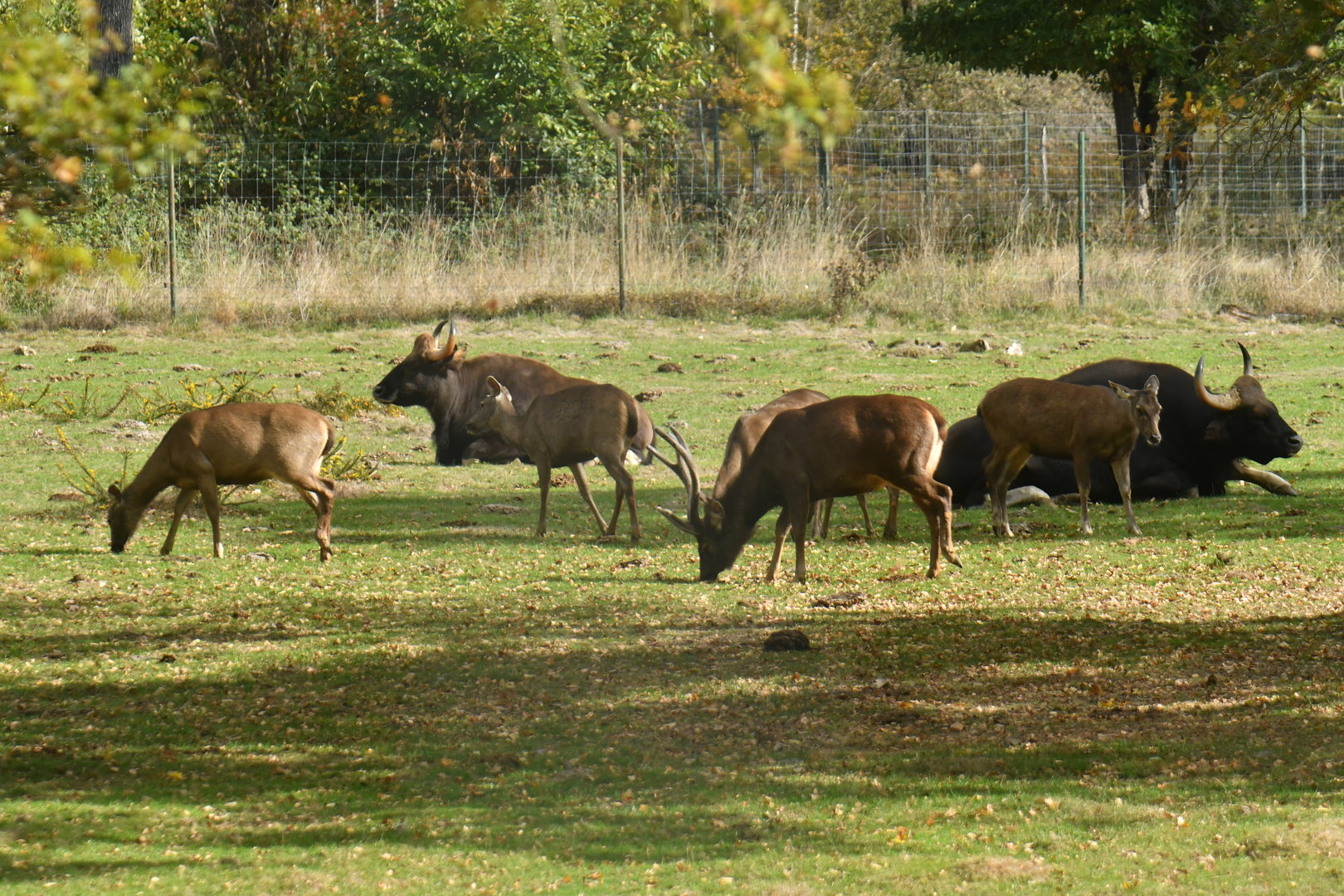
Its initial purpose is research and breeding of herds of endangered species for conservation, not being profitable and attract thousands of visitors per year. However recent additions seem to deviate from this orientation with nilgai, red river hog or coati as beneficiaries of newer investments.
Therefore I suggest this masterplan for la Haute Touche. This is meant to be as realistic as possible meaning following constraints need to considered :
- la Haute-Touche is situated in the countryside and far from any city. On top of that, 40 minutes away, the zooparc de Beauval is without any doubt the biggest and most dynamic zoo of the country. With this in mind, it is hard to imagine more than 2 or 3 hundred thousands visitors. Therefore, fixed cost (staff, heating...) need to be kept at a very reasonable level.
- Current attendance is very low, in my opinion, mainly due to lack of communication and marketing. However, the park lacks a few big attractive animals that would bring him a little bit more in the light.
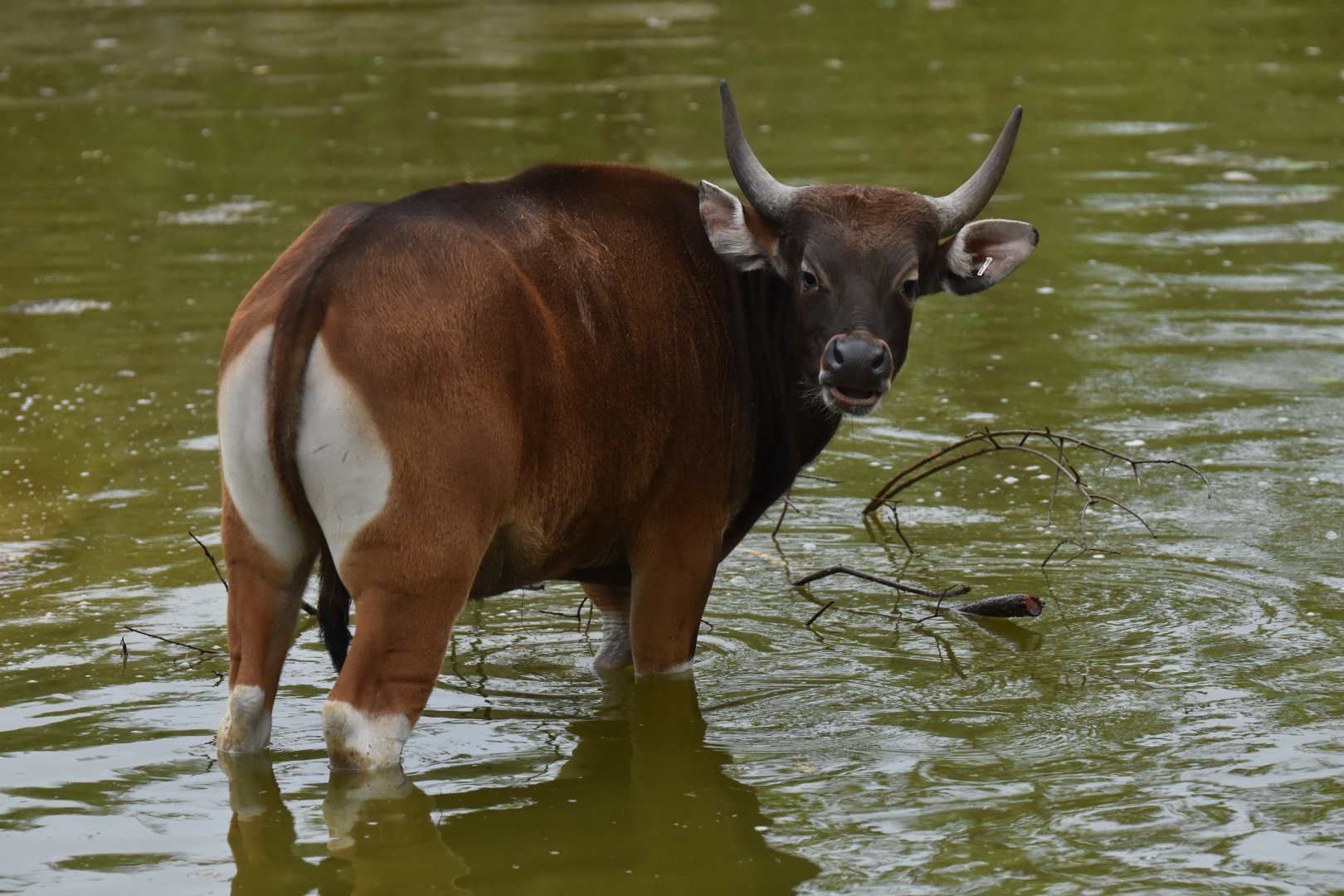
- The park is situated in a region of marsh, lakes and forests, so it is rather humid. Some arid species seem to thrive here without developing sickness but that need to be considered as well when bringing in new species. It needs to be mainly hardy species that do not need heating (or just a little at some degree). I was actually surprised by the ability of some species to get along without any heating (gaur for example). Girafes were brought at some point but the animals did not fare well.
- In order to develop a new kind of visiting experience, I have tried to cluster together species of the same regions, to develop consistent species mix while also trying to find the right specie for the topography of the area (existence of water body, woodland or grassland).
- Of course conservation and needs of breeding programs are strongly considered for building the collection plan.
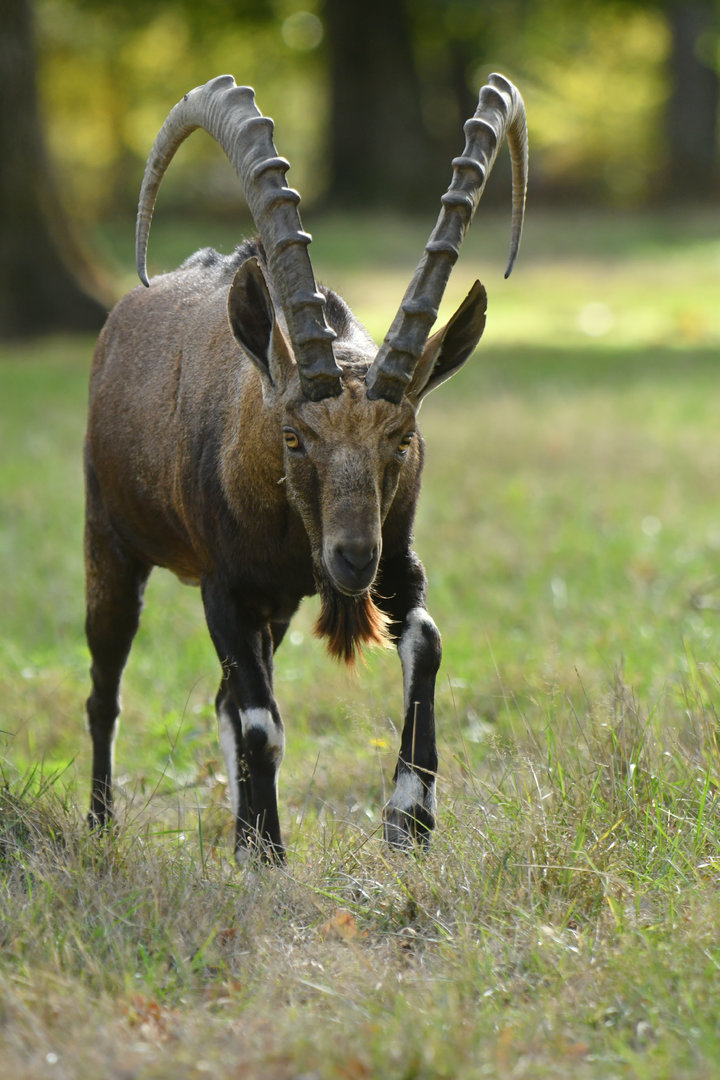
I have purposefully not covered the "safari" part. I understand the idea of the European safari, even though it houses only least concern species. I thought it could be changed with similar species, such as West-Caucasion tur instead of Alpine ibex, Mesopotamian fallow deer instead of common fallow deer (currently occupying 3 enclosures for each morph), or Visayas warty piginstead of wild boar (does the specie really need heating in oceanic climate ?).
Let's move to the heart of the subject with the main map (open in full screen to see better)
Pedestrian (and cyclable) park with a colour for each region of the world covered
After parking (left to the yellow area), the visit starts with the African trail. It actually covers several regions of the continent.
Sahel savannah
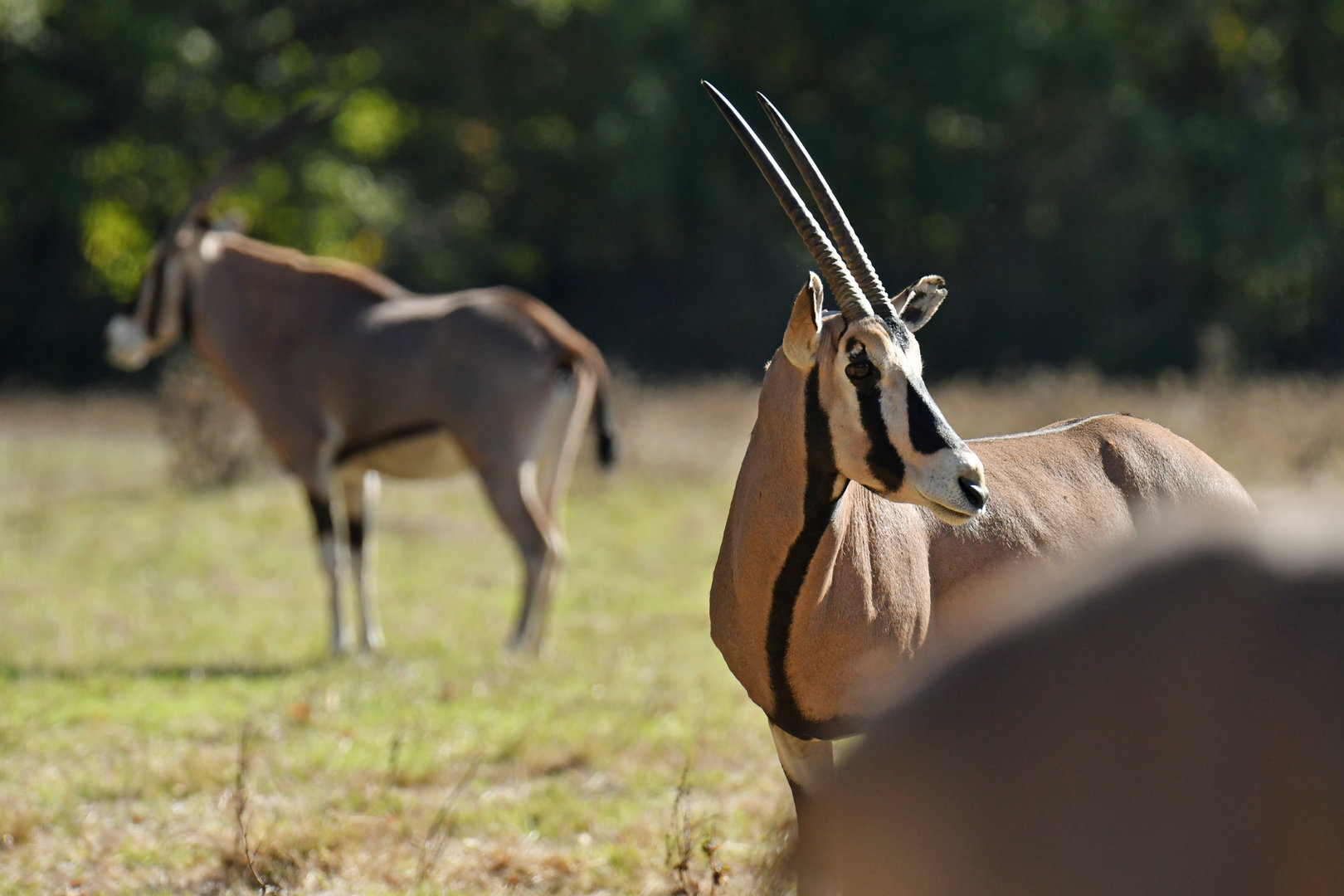
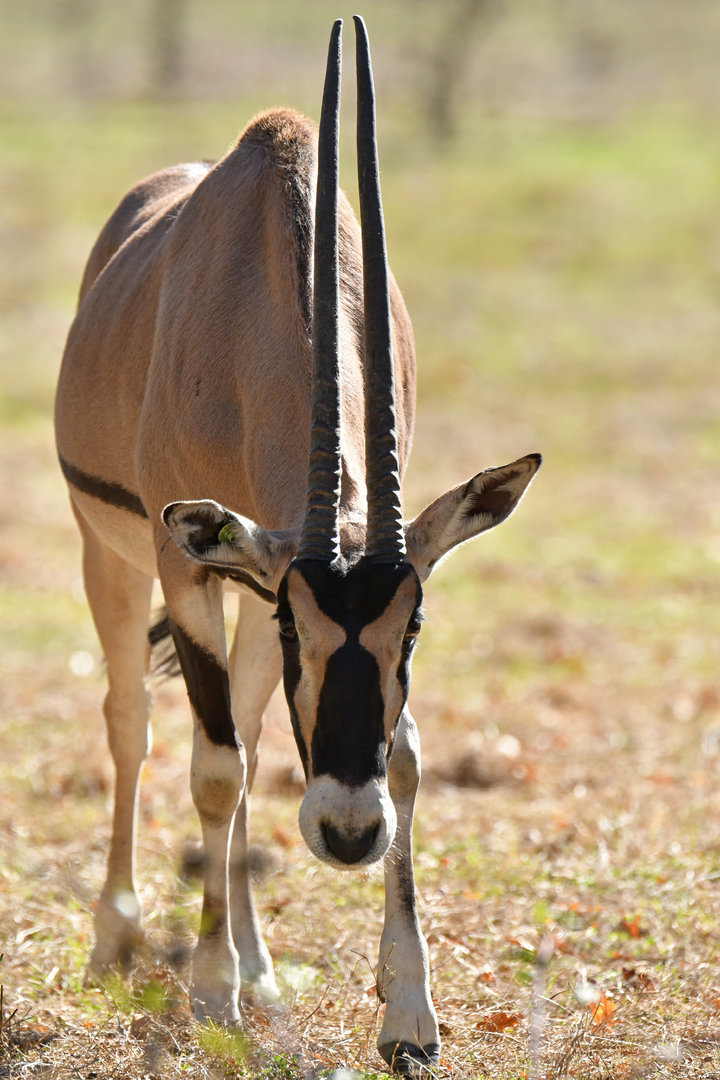
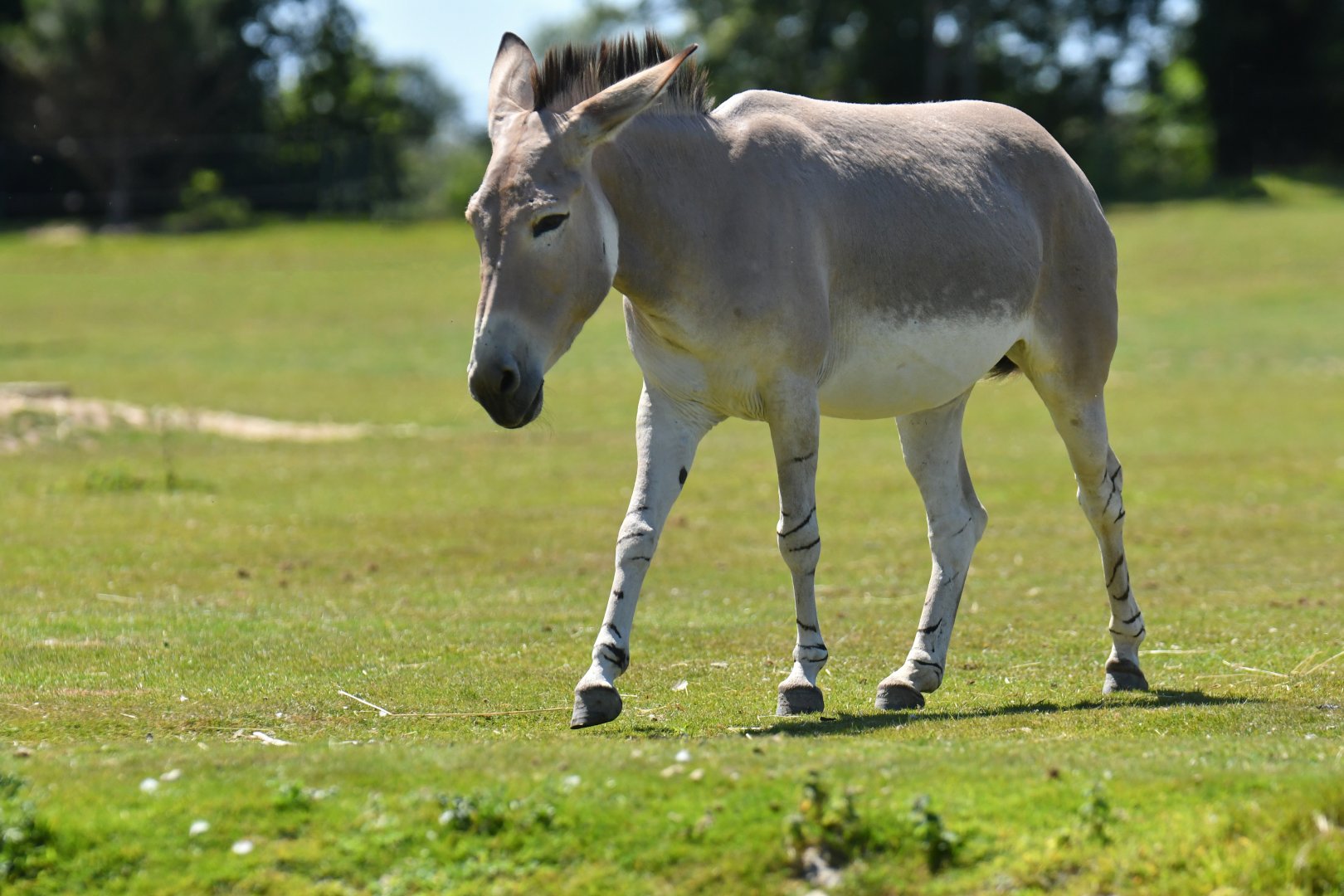
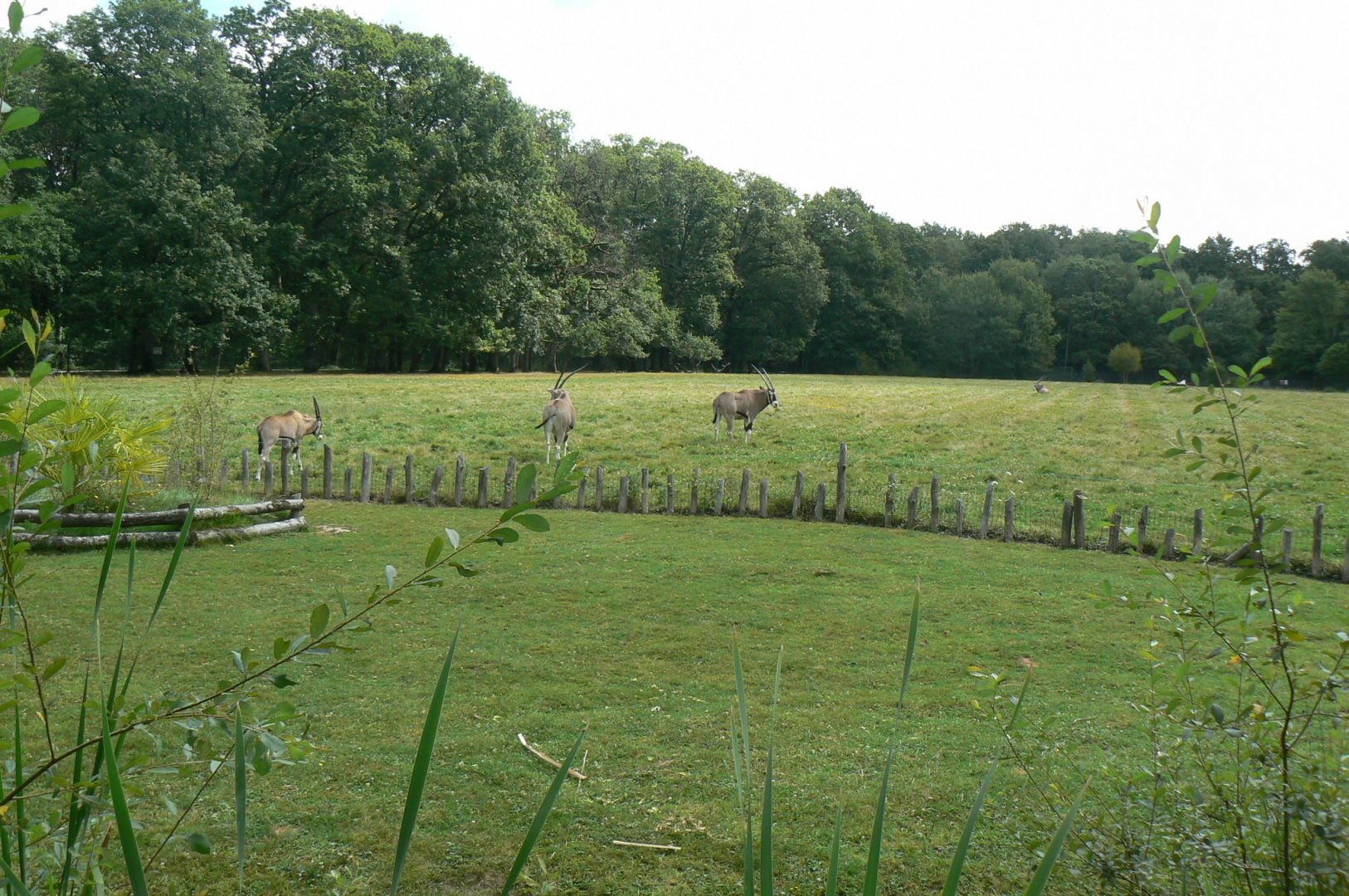
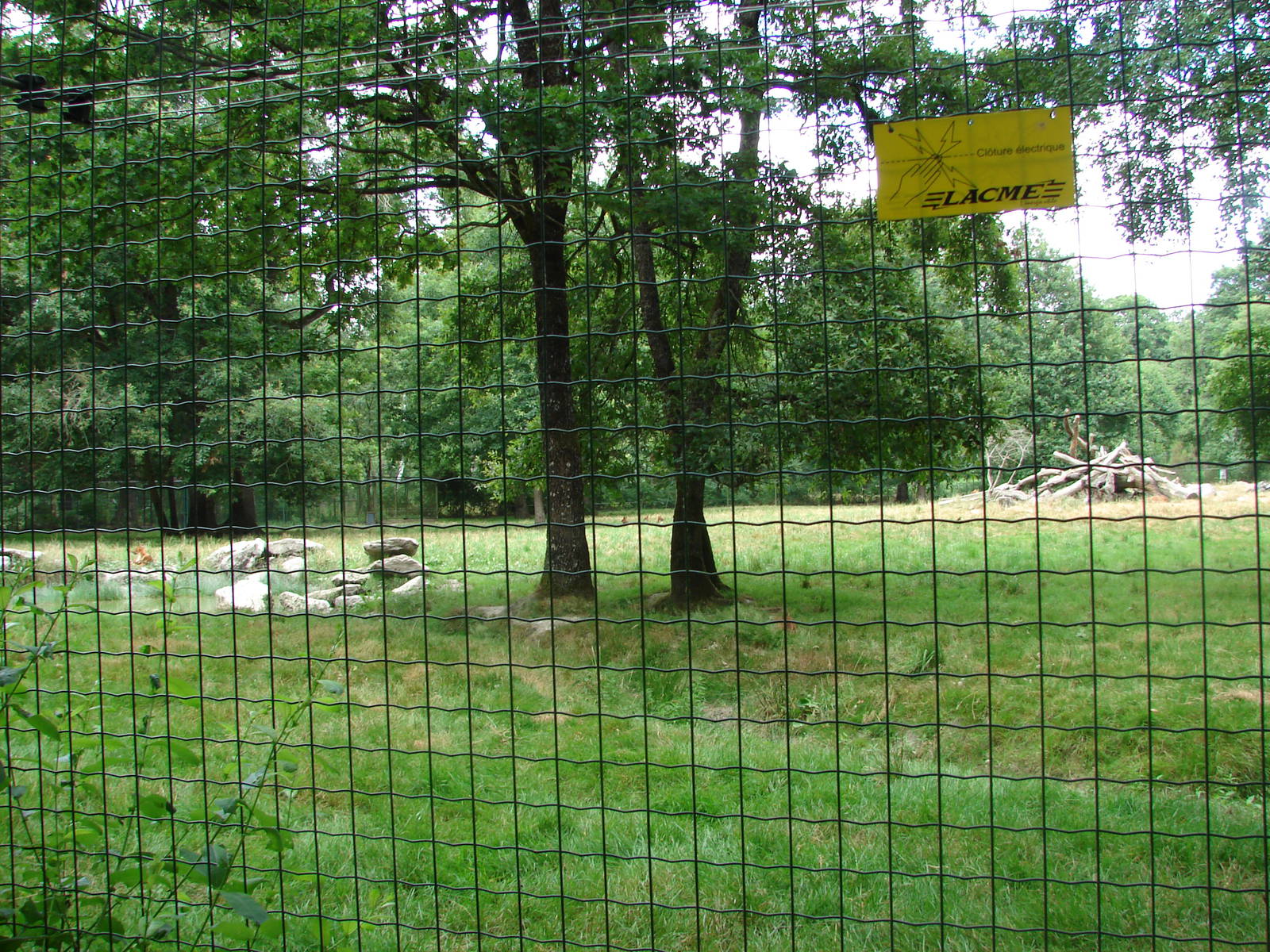
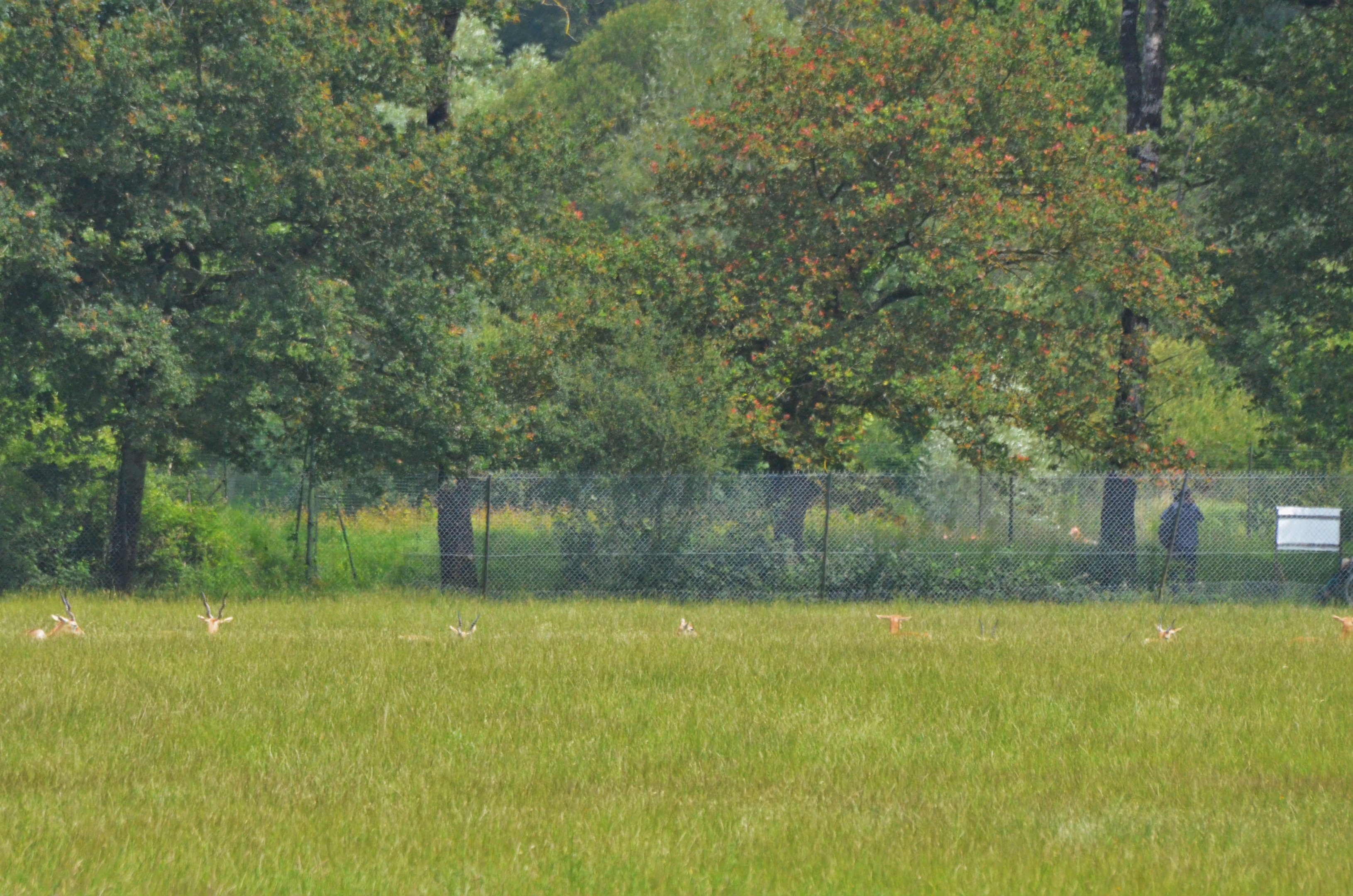
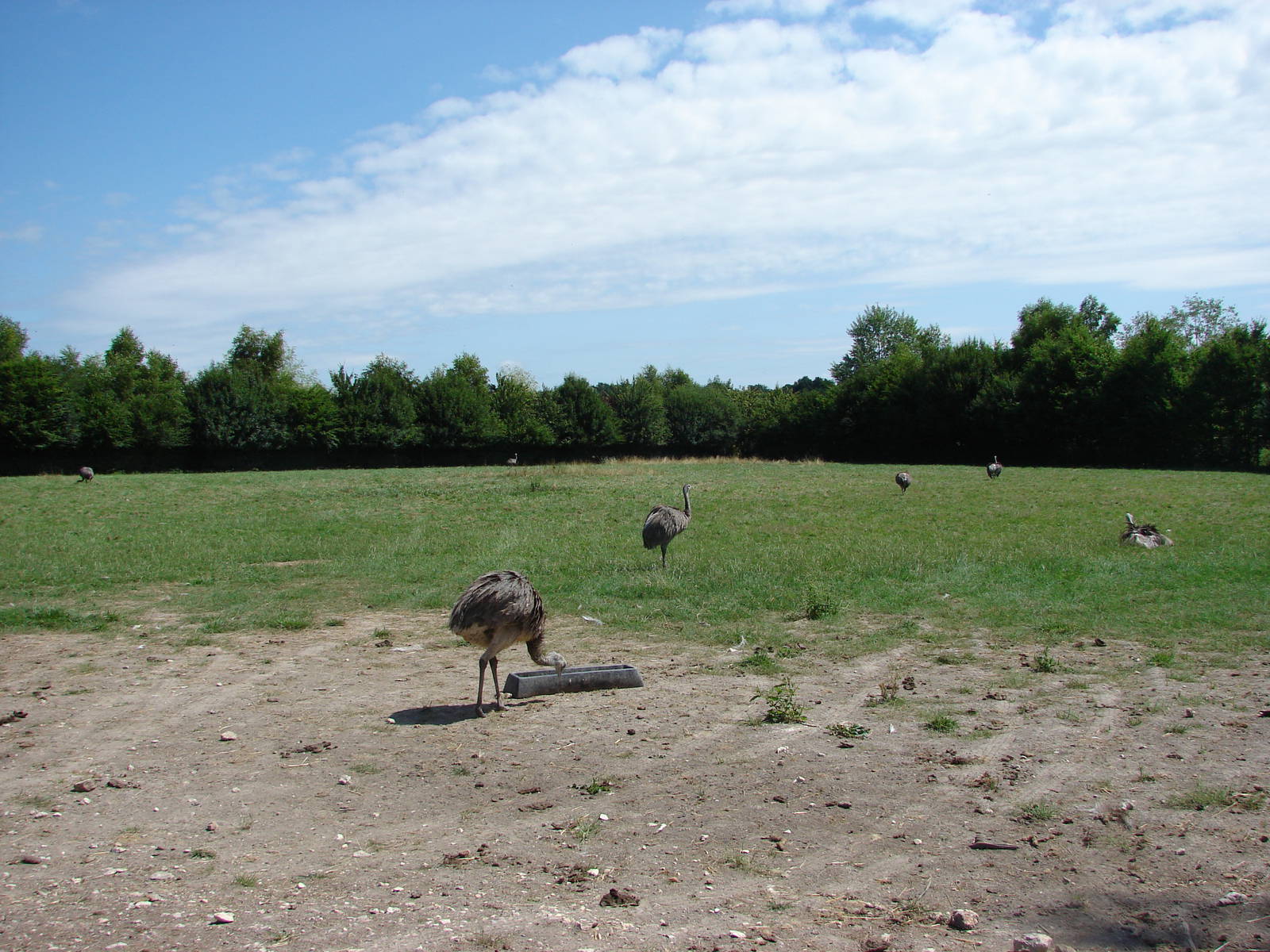
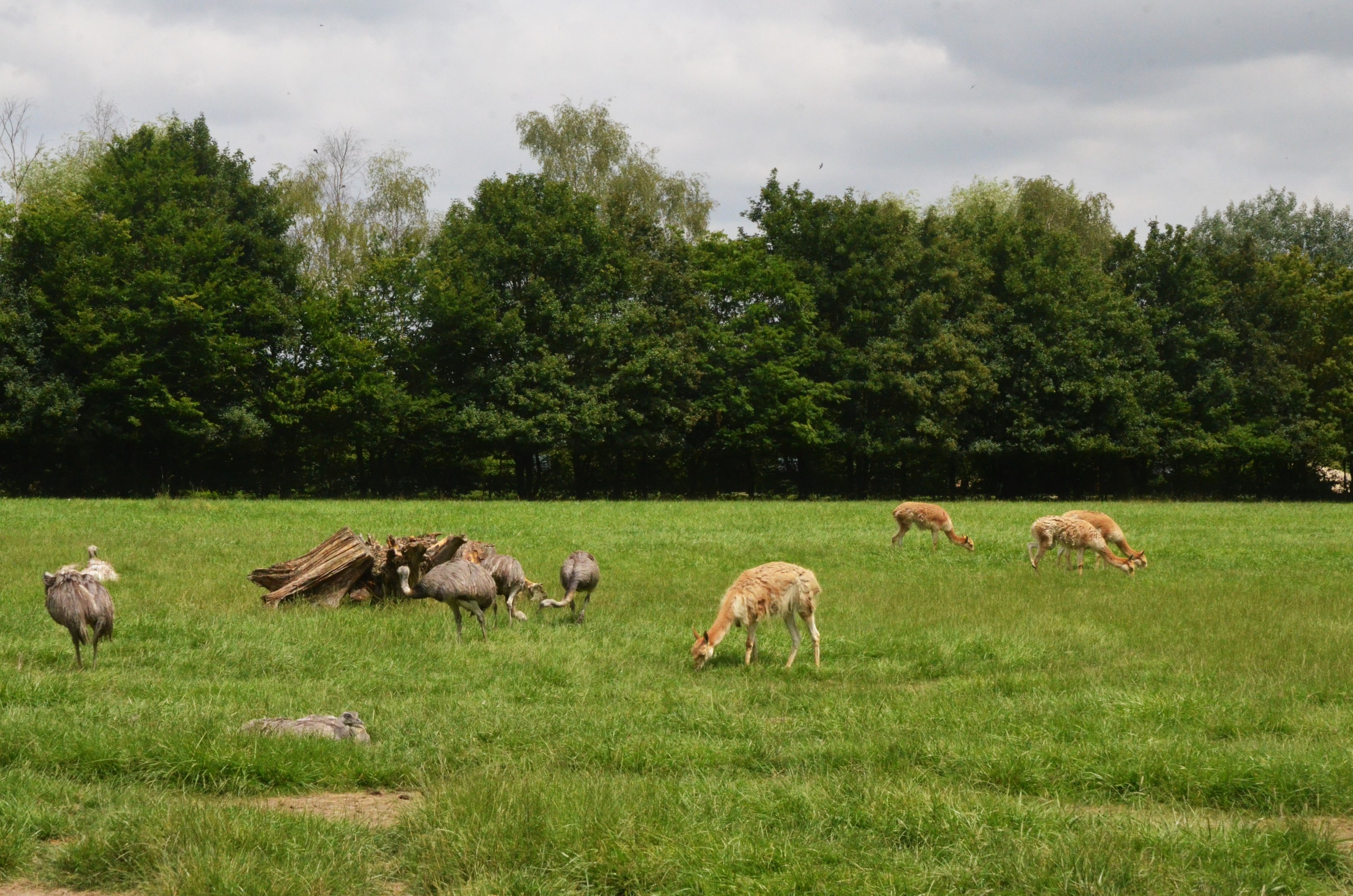
This first part cover the transition area between savannah and semi-desert. Its main enclosure used to house girafe, European bison and now common zebra and watusi. A large community of small svannah species coexist here with scmittar-horned oryx as the largest. They live with warthog, patas monkey for which electric fence had to be installed, red-necked ostrich and possibly a desert-dwelling gazelle (dorcas, Mhorr). Here arid-country species are living in an open enclosure where they can enjoy the sun and that actually recall their environnement better than wooded areas of the park.
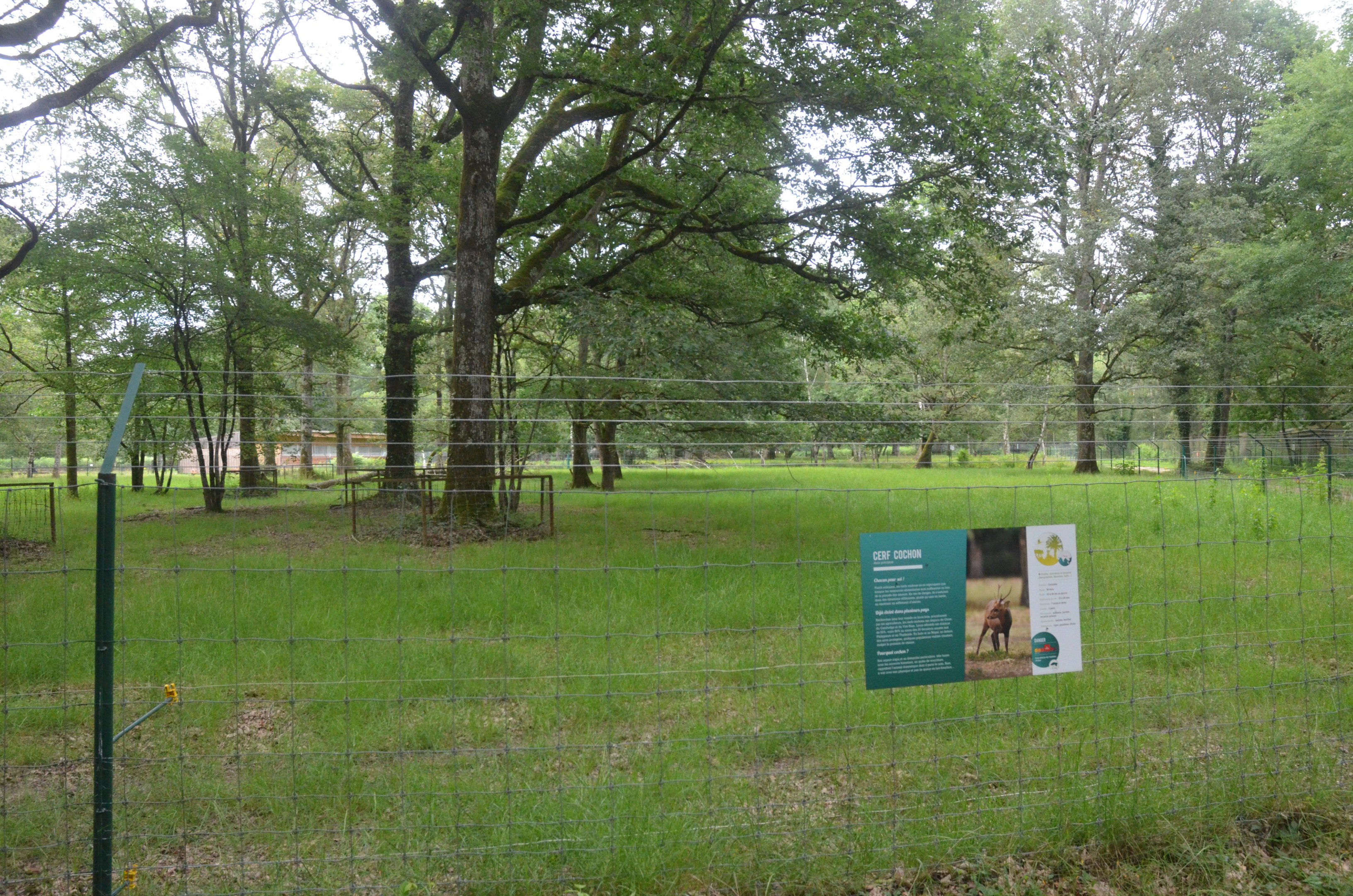
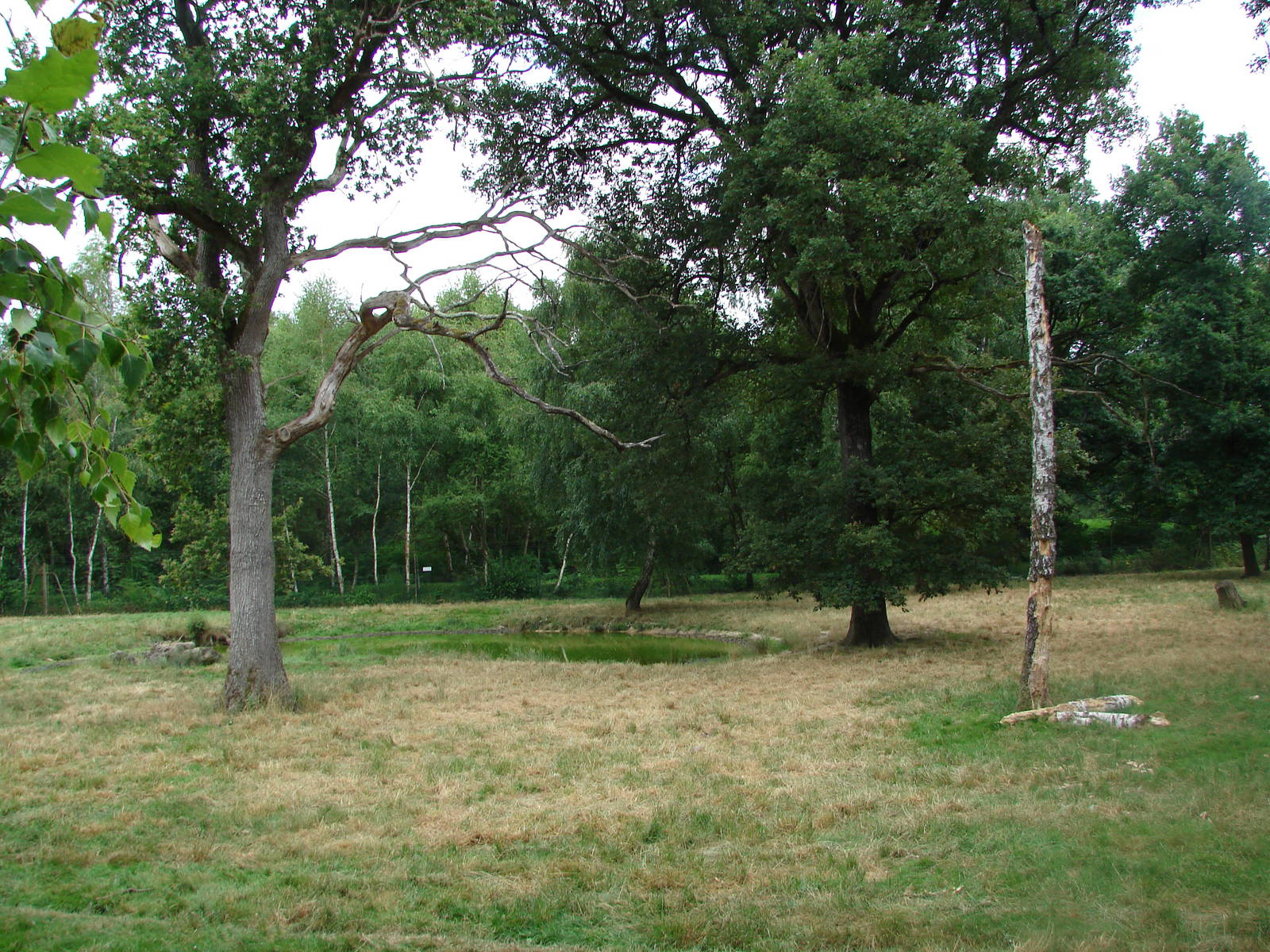
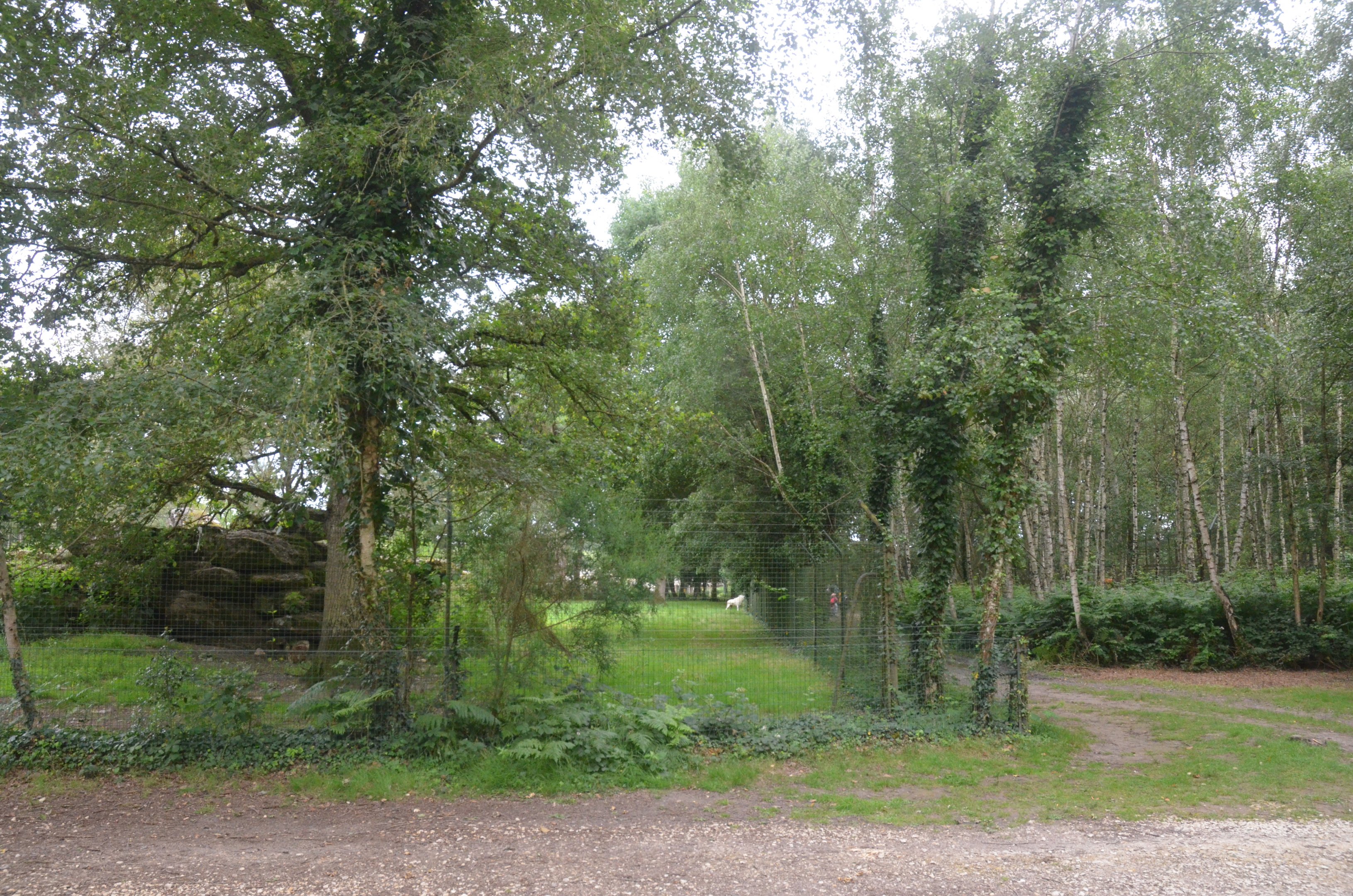
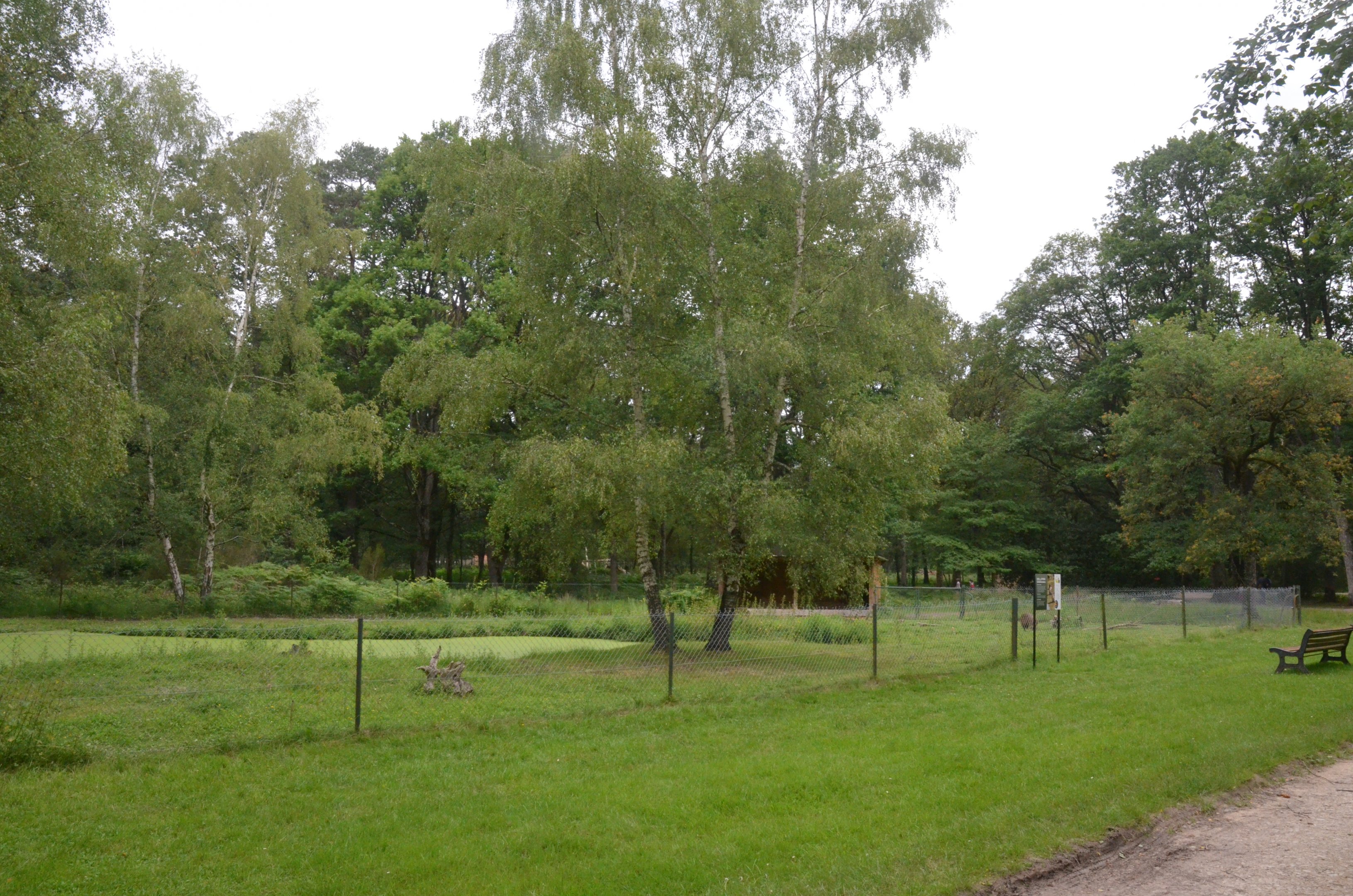
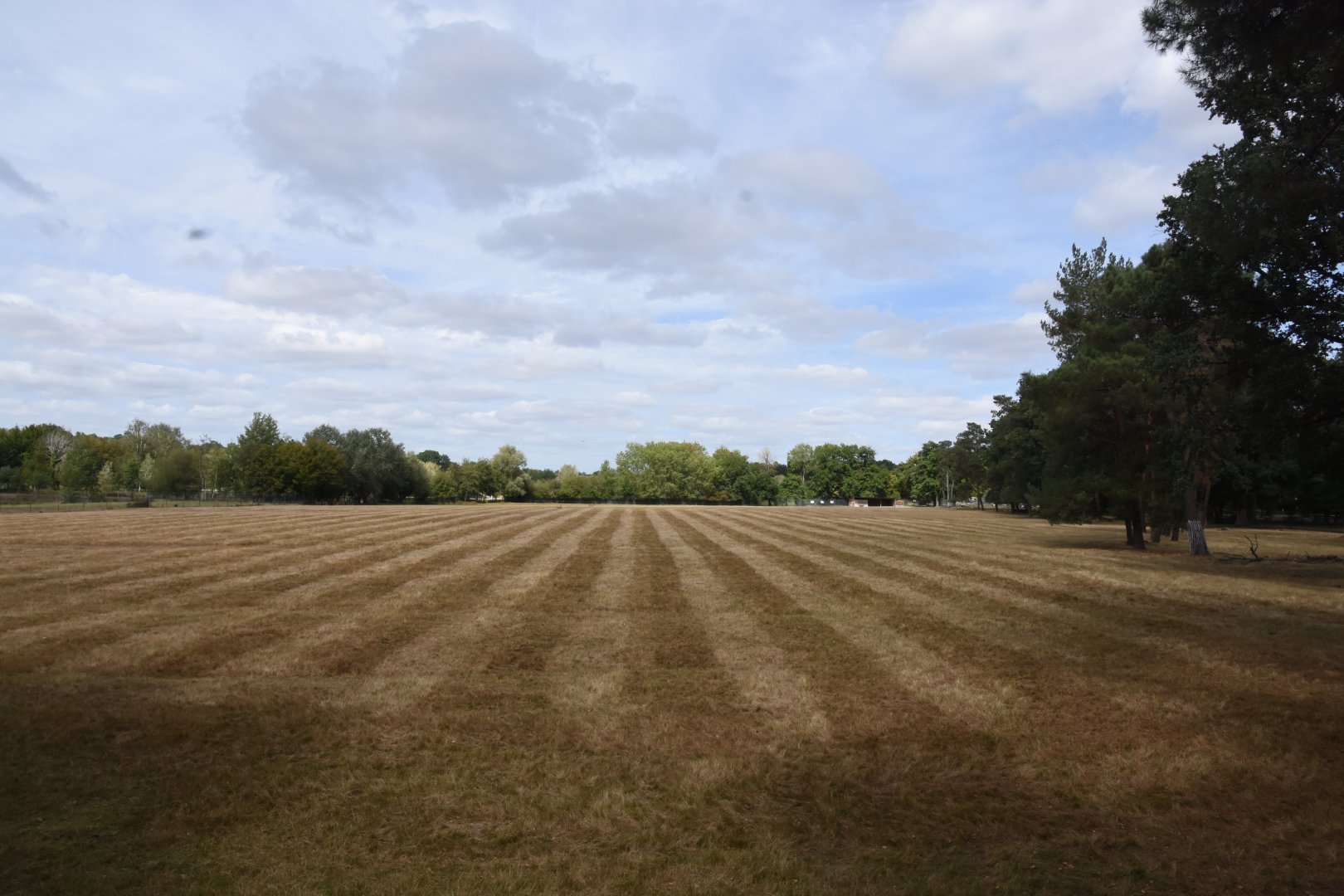
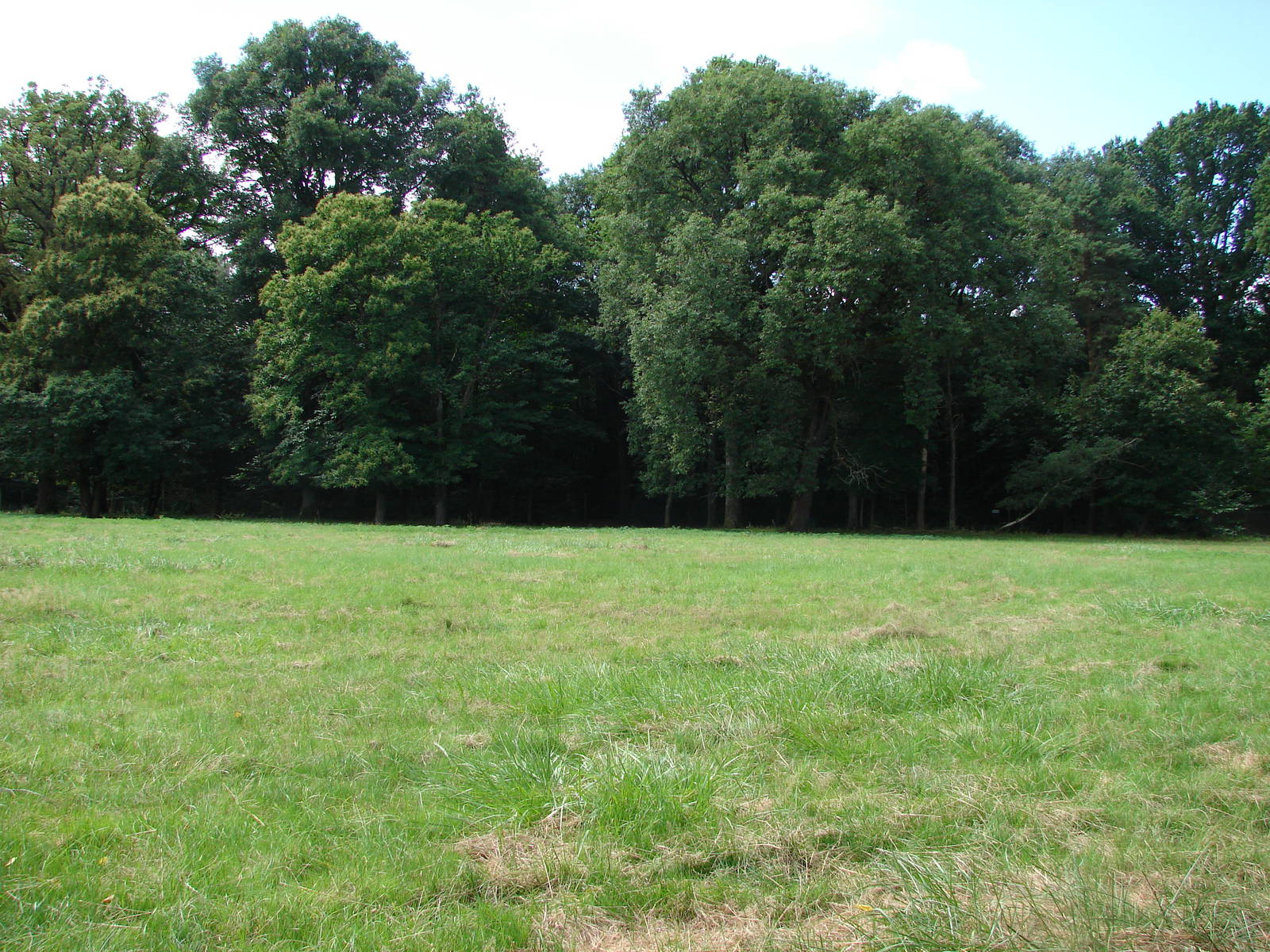
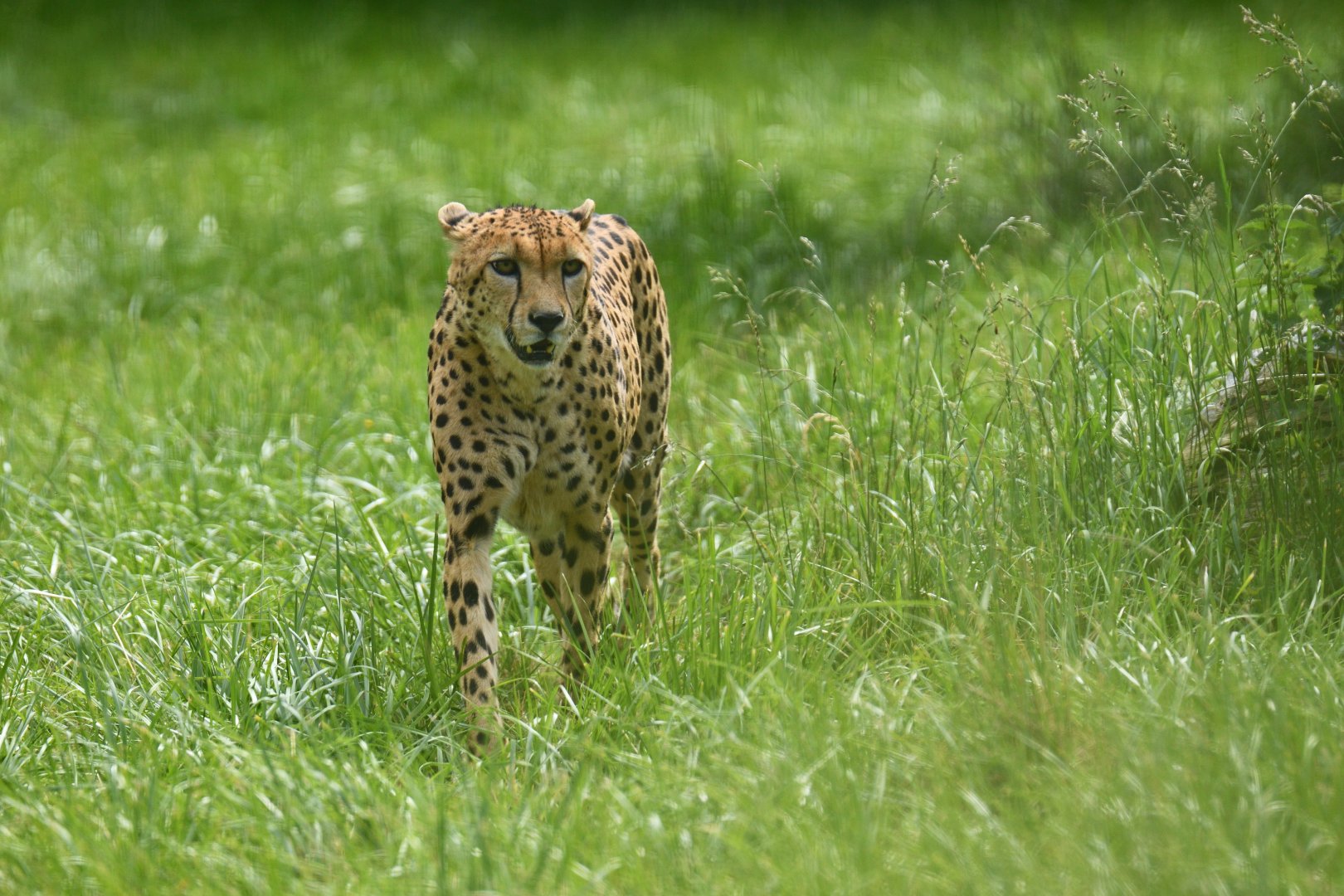
Just before, a currently under-used grassland is converted as a double-cheetah enclosure which overlook the herbivores in the nearby enclosure. African spurred tortoise are moved here in a small enclosure designed in front of the cheetah prairie and that currently house Hermann and greek tortoises.
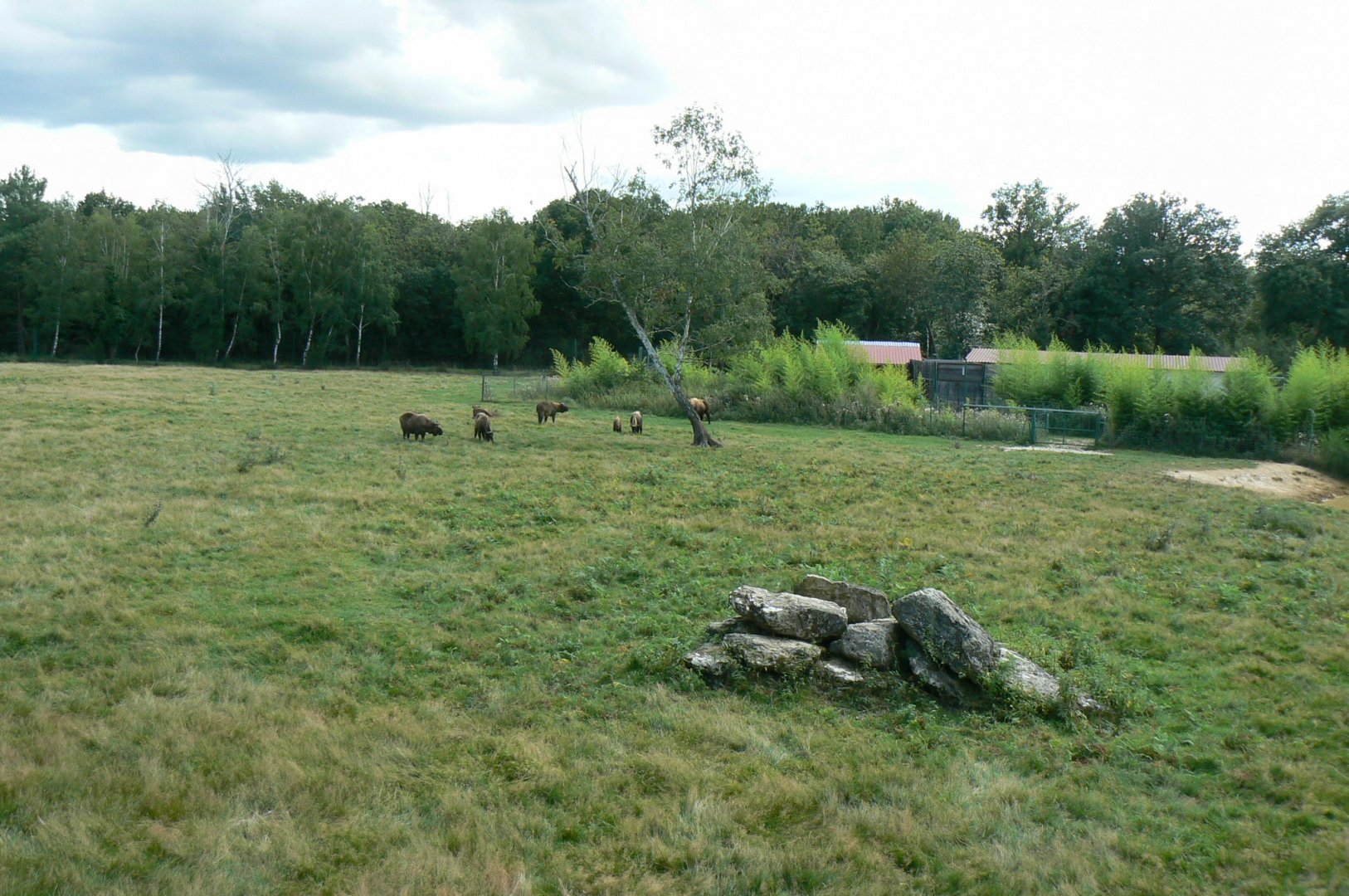
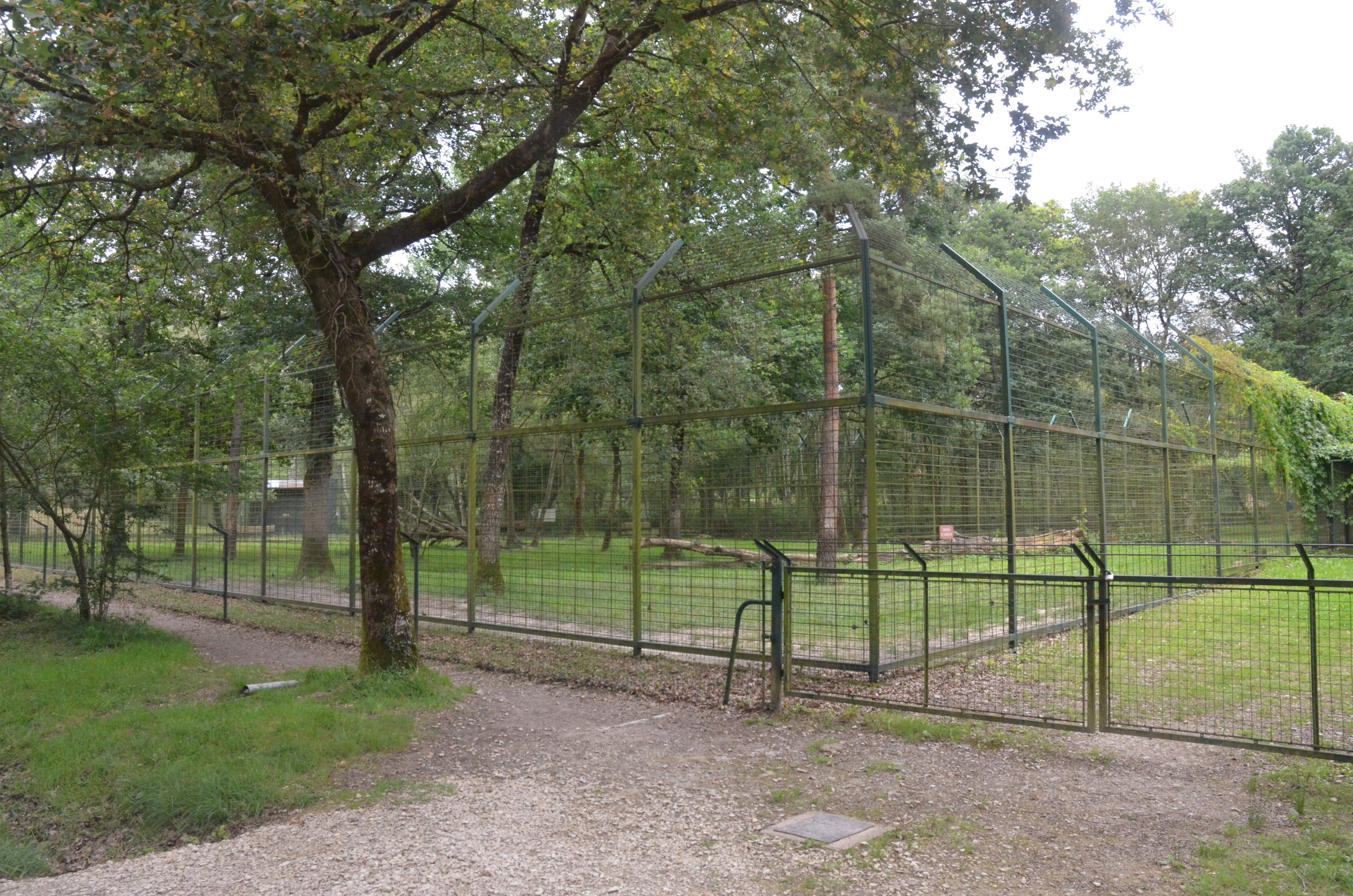
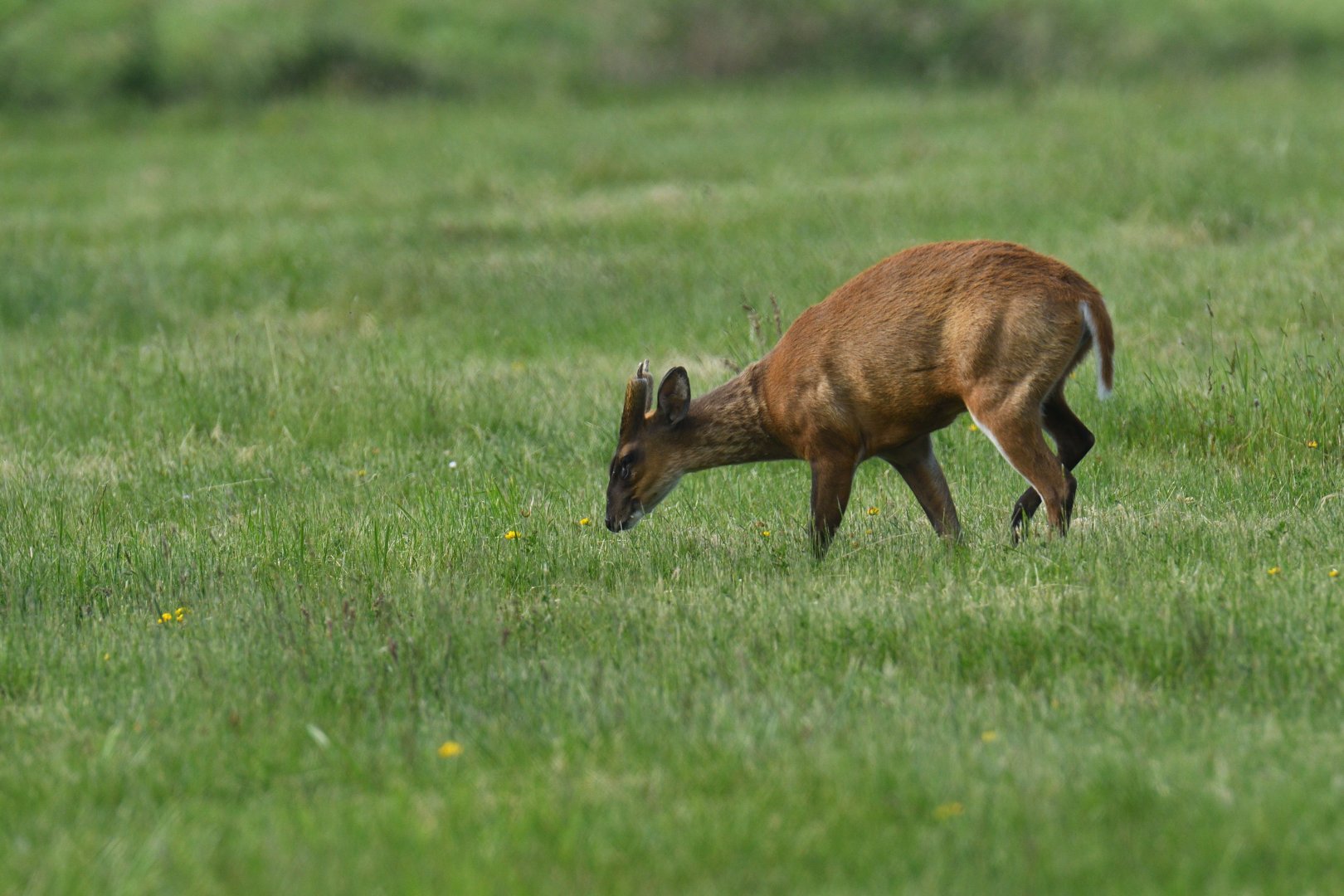
Current tortoise enclosure and muntjack grassland behing to be converted in a new cheetah complex
Cheetah
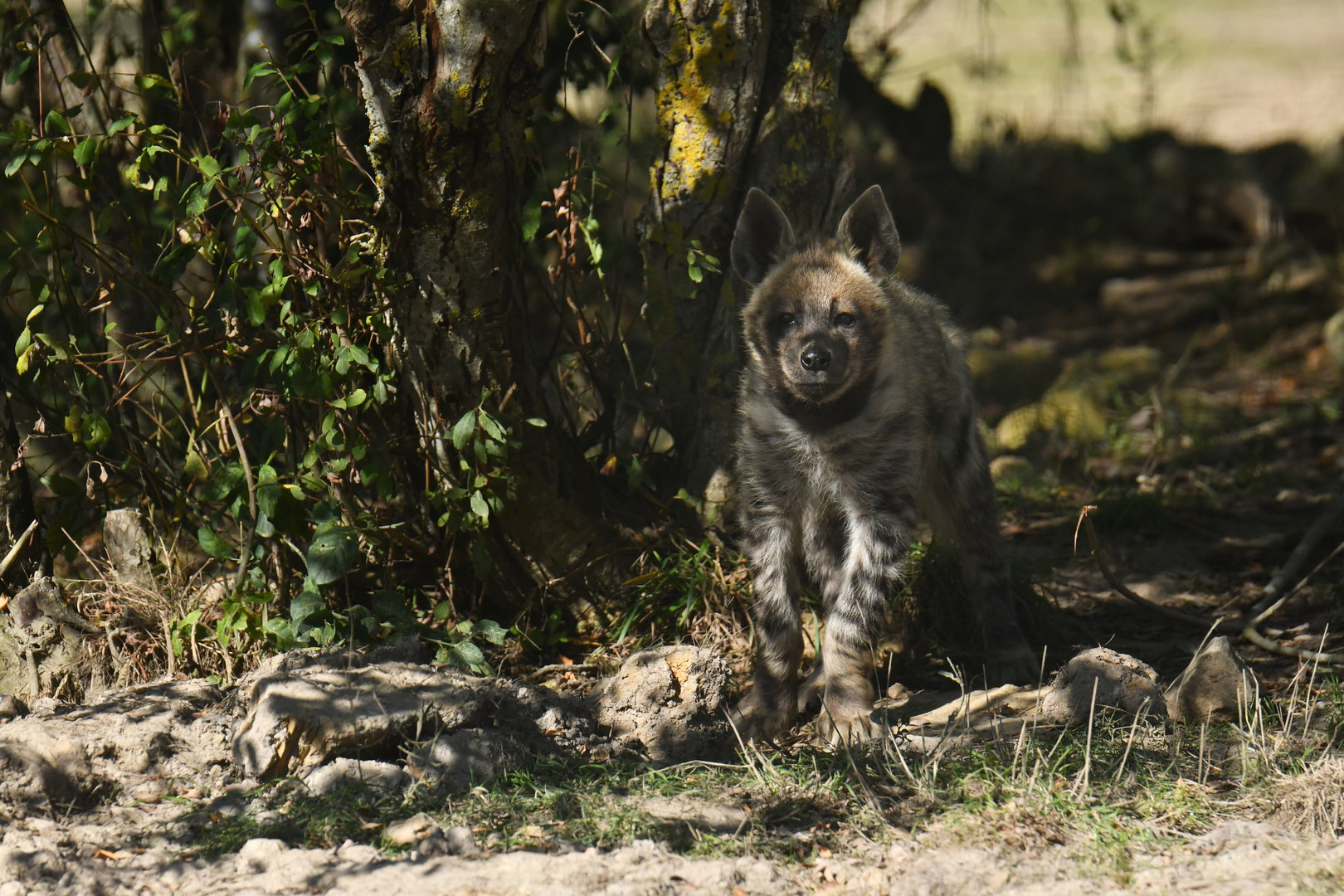
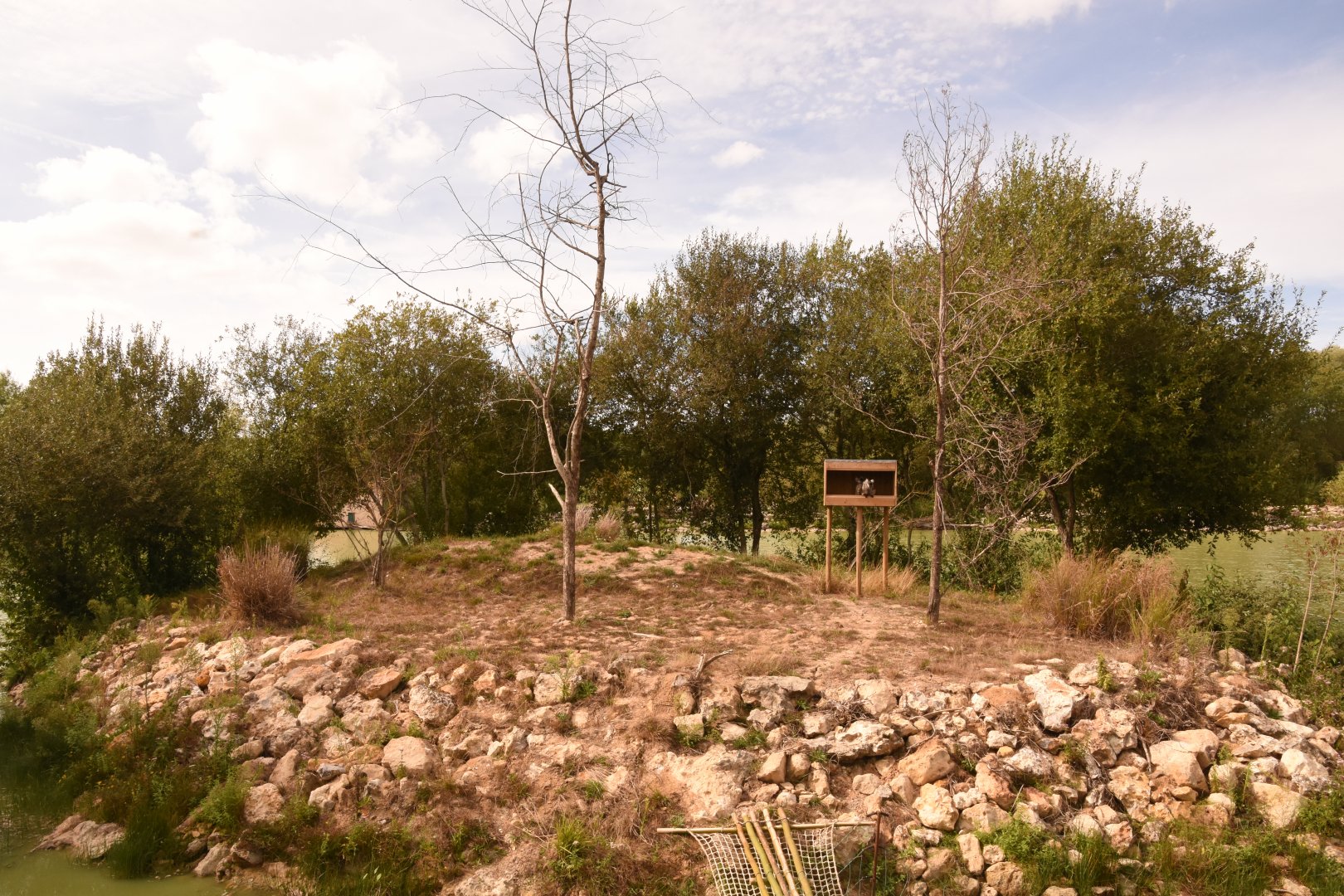
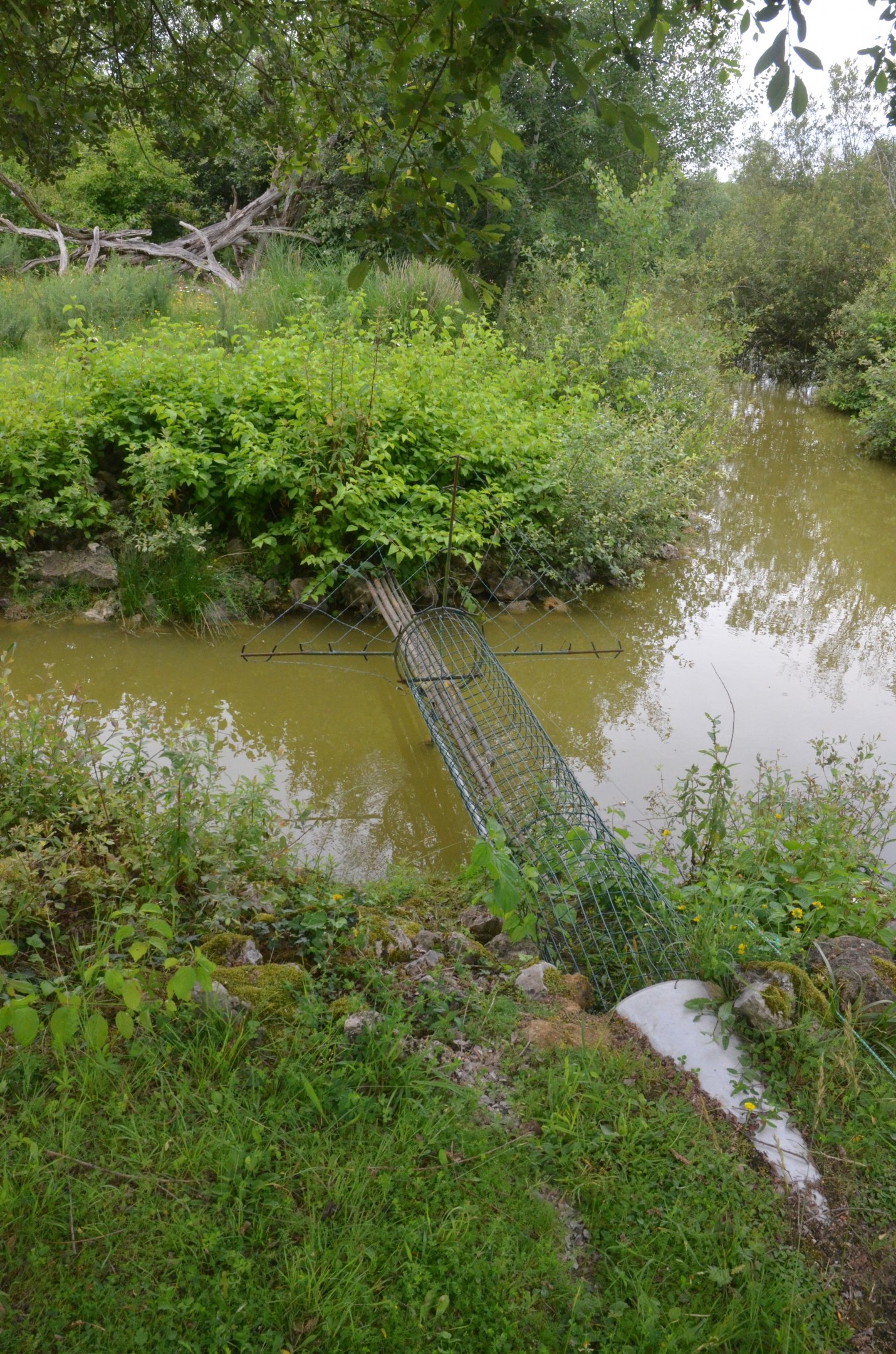
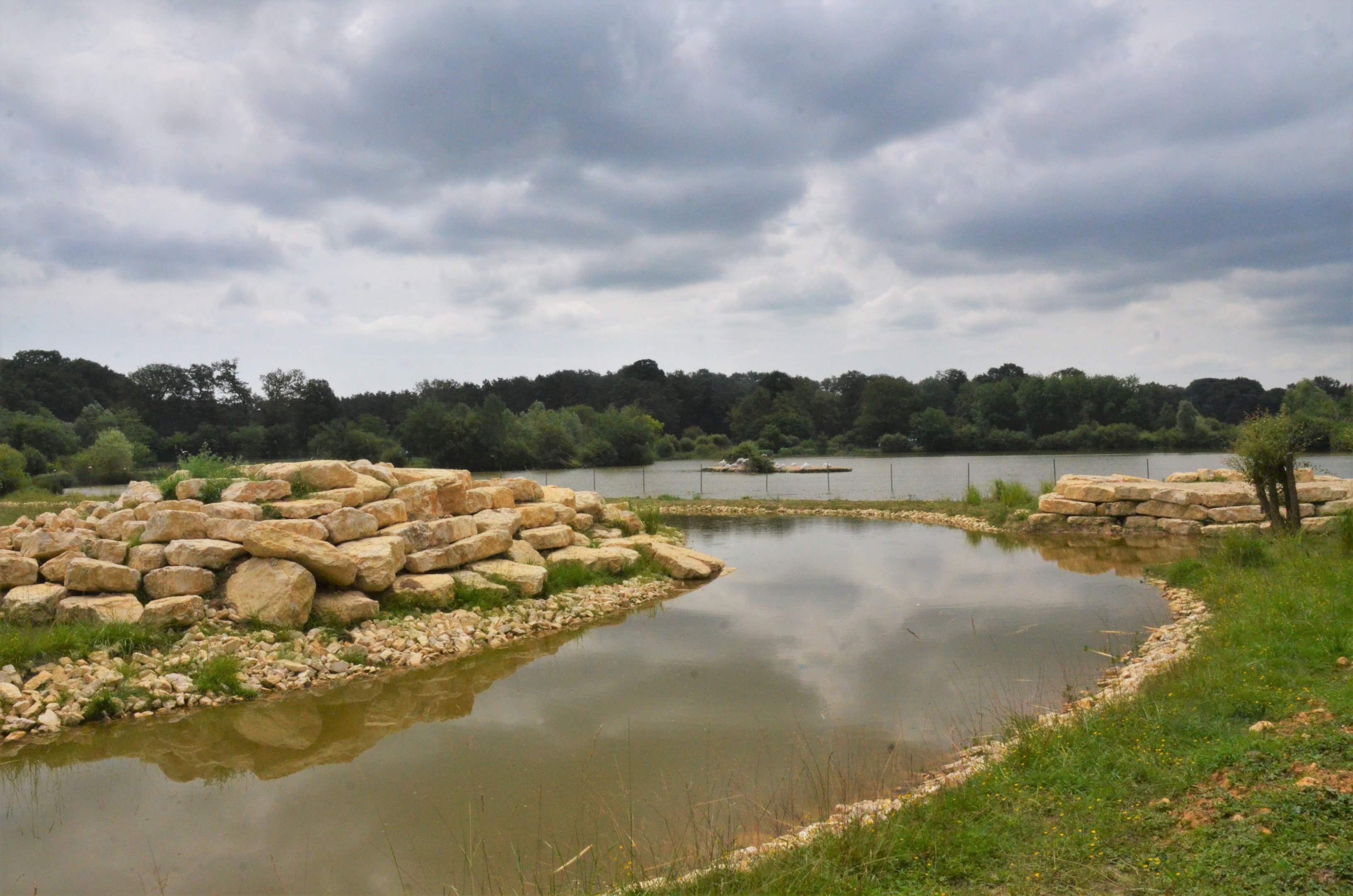
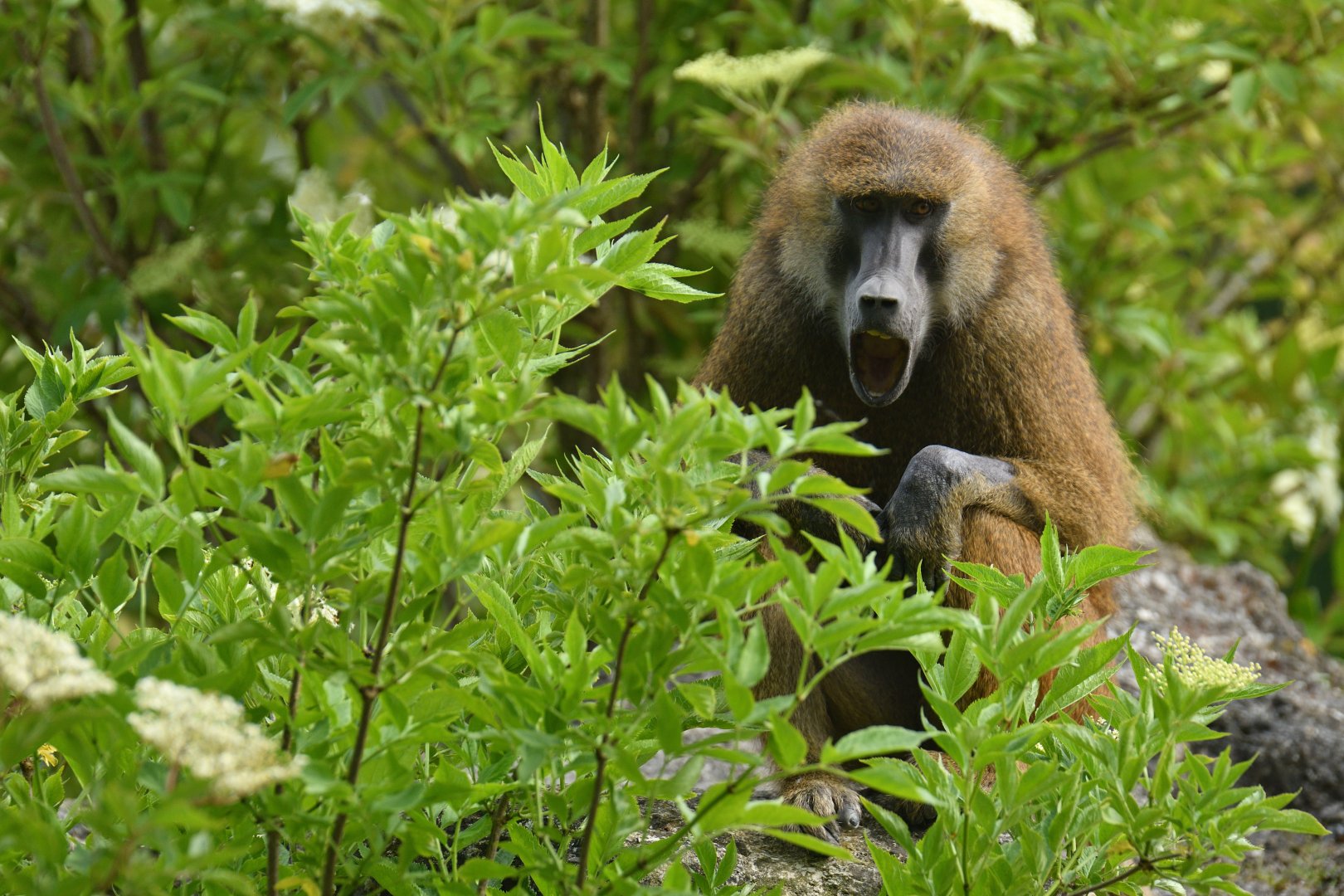
A little bit more far away we continue the theme of the Sahel region with crested porcupines, banded mongooses (instead of meerkats) who both enjoy recently developed and naturalistic exhibits on the side of the lake. Close by, is the historic rocky island for Guinea baboon that is kept as a separation enclosure for management of separated individuals. A bigger island is currently being build on a corner of the big lake for housing a surplus group coming from Vincennes. On the other side of the path, one can see the former-cheetah enclosure transformed as a bigger and upgraded striped hyaena enclosure.
Crested porcupine enclosure by @Maxime
Mongoose enclosure by @Maguari
by @Maxime
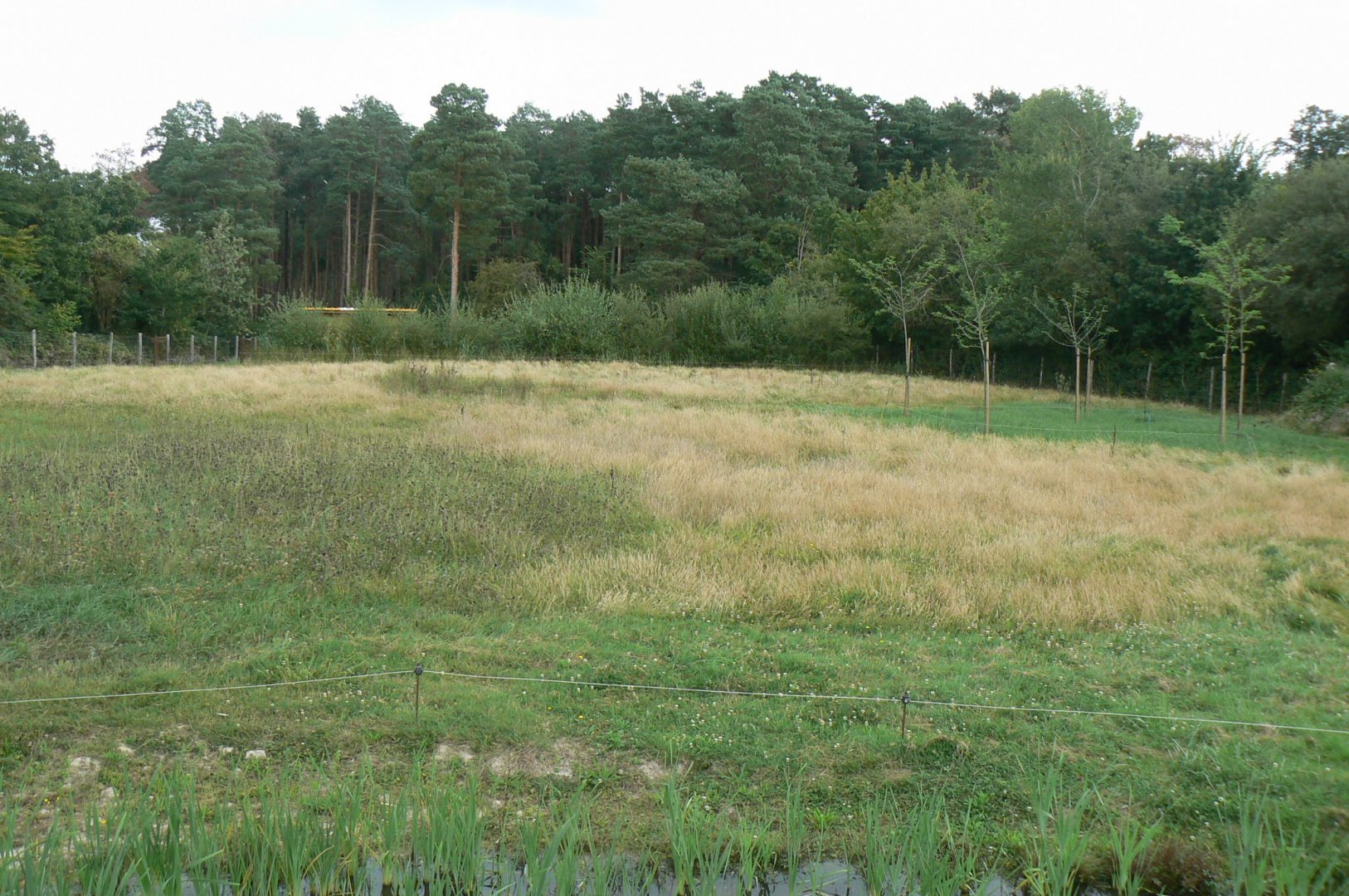
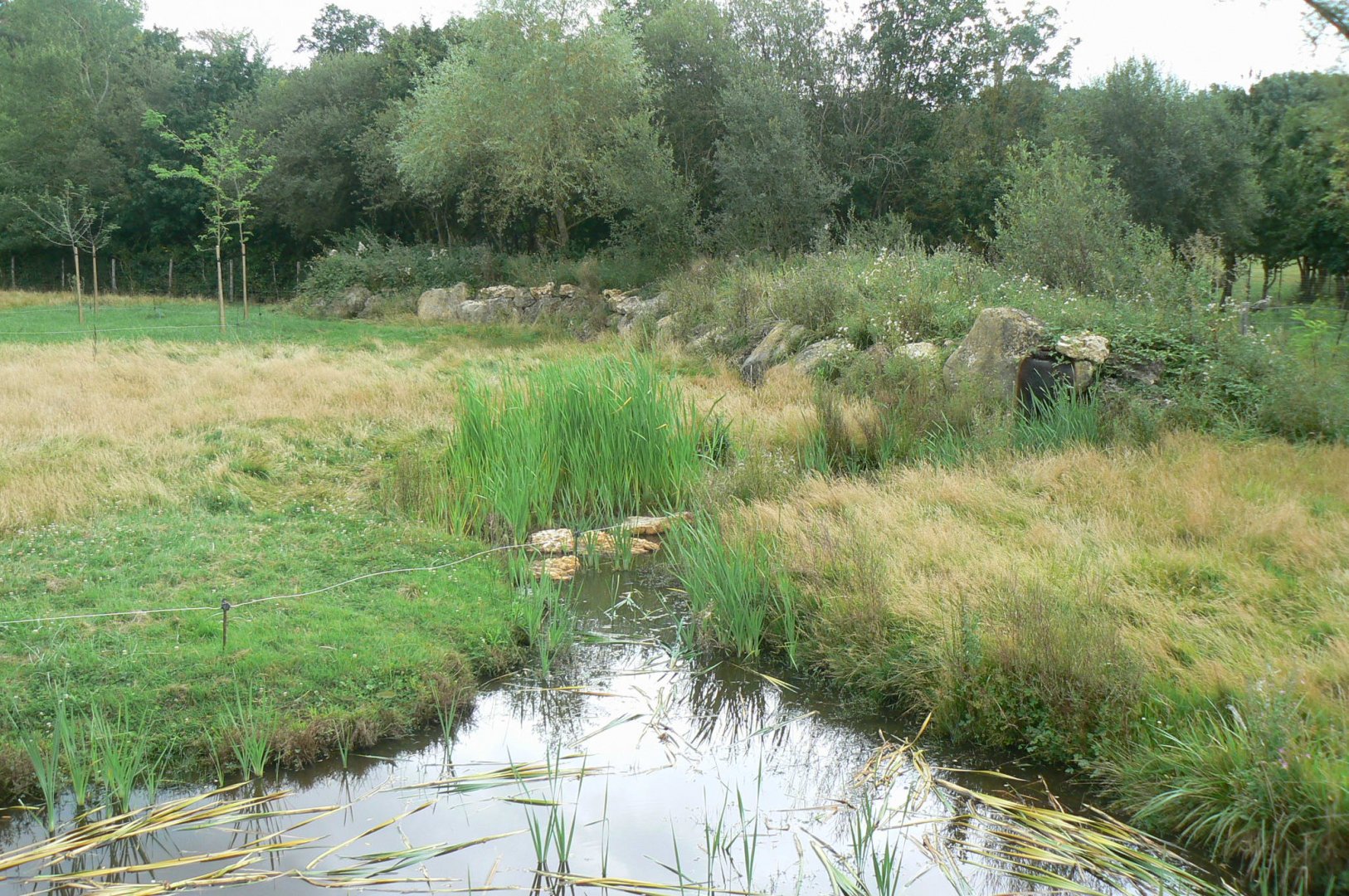
Current cheetah enclosure where striped hyaena move
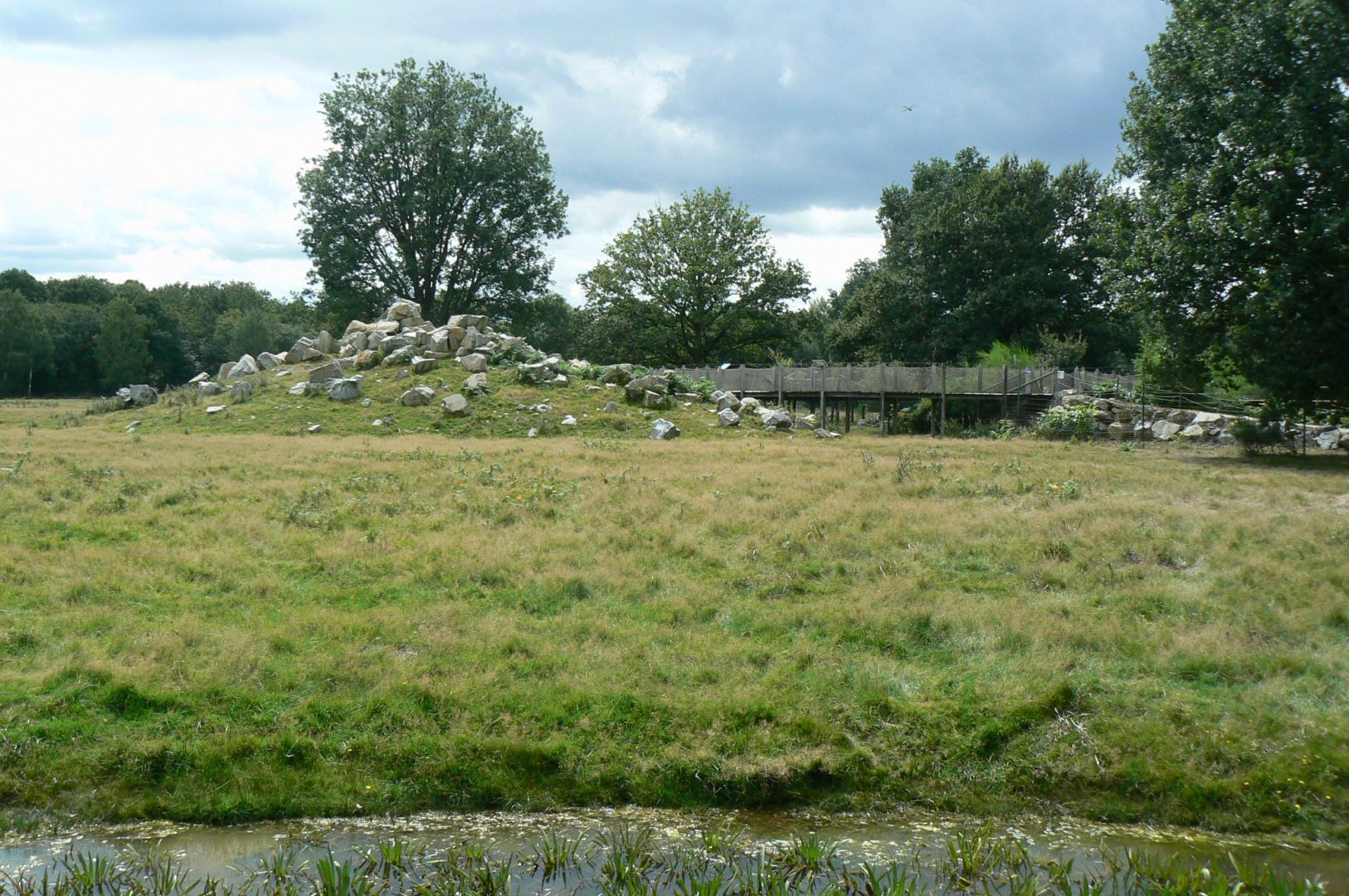
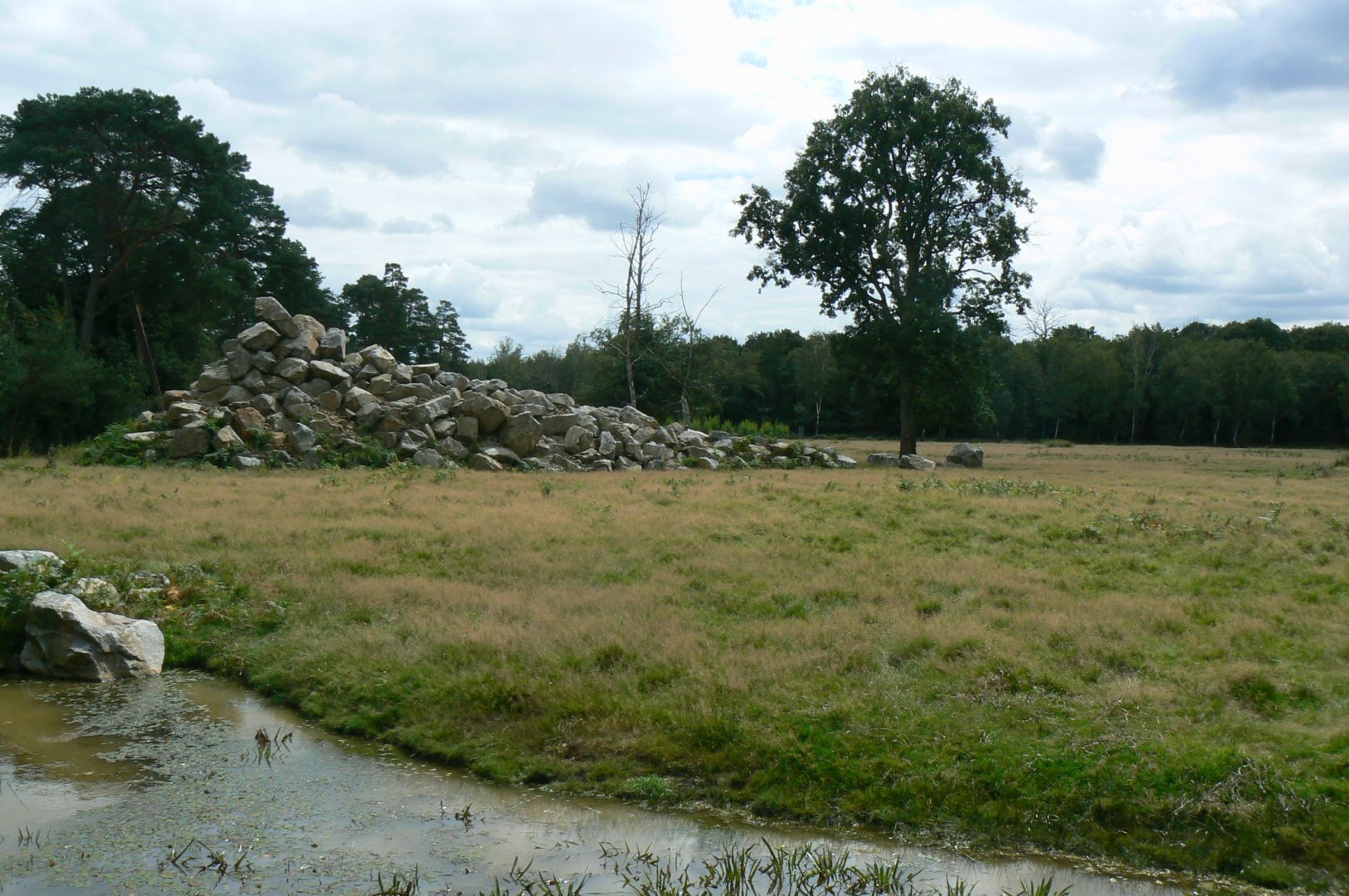
Current Guinea baboon island
Works for the future baboon territory
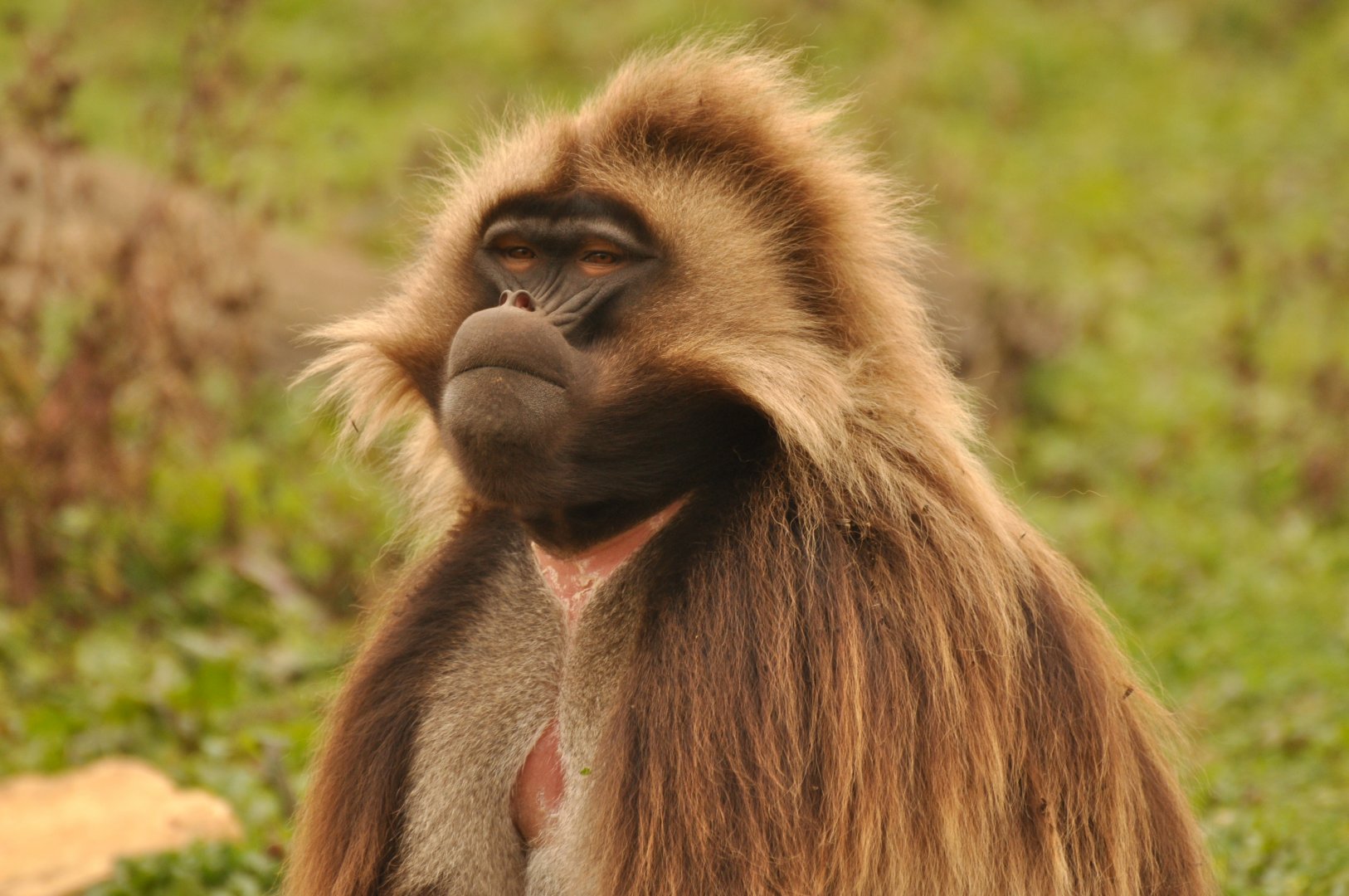
Near-threatened Guinea baboon
Striped hyaena enjoy a larger enclosure that allow to continue breeding
Recent evolution of the park have on one side enlarge the collection with native reptiles, birds and small carnivores. A little bit of care have been introduced in the conception of enclosures to look more naturalistic and go a little bit beyond the simple huge square of forest or grassland fenced.
Its initial purpose is research and breeding of herds of endangered species for conservation, not being profitable and attract thousands of visitors per year. However recent additions seem to deviate from this orientation with nilgai, red river hog or coati as beneficiaries of newer investments.
Therefore I suggest this masterplan for la Haute Touche. This is meant to be as realistic as possible meaning following constraints need to considered :
- la Haute-Touche is situated in the countryside and far from any city. On top of that, 40 minutes away, the zooparc de Beauval is without any doubt the biggest and most dynamic zoo of the country. With this in mind, it is hard to imagine more than 2 or 3 hundred thousands visitors. Therefore, fixed cost (staff, heating...) need to be kept at a very reasonable level.
- Current attendance is very low, in my opinion, mainly due to lack of communication and marketing. However, the park lacks a few big attractive animals that would bring him a little bit more in the light.
- The park is situated in a region of marsh, lakes and forests, so it is rather humid. Some arid species seem to thrive here without developing sickness but that need to be considered as well when bringing in new species. It needs to be mainly hardy species that do not need heating (or just a little at some degree). I was actually surprised by the ability of some species to get along without any heating (gaur for example). Girafes were brought at some point but the animals did not fare well.
- In order to develop a new kind of visiting experience, I have tried to cluster together species of the same regions, to develop consistent species mix while also trying to find the right specie for the topography of the area (existence of water body, woodland or grassland).
- Of course conservation and needs of breeding programs are strongly considered for building the collection plan.
I have purposefully not covered the "safari" part. I understand the idea of the European safari, even though it houses only least concern species. I thought it could be changed with similar species, such as West-Caucasion tur instead of Alpine ibex, Mesopotamian fallow deer instead of common fallow deer (currently occupying 3 enclosures for each morph), or Visayas warty piginstead of wild boar (does the specie really need heating in oceanic climate ?).
Let's move to the heart of the subject with the main map (open in full screen to see better)
Pedestrian (and cyclable) park with a colour for each region of the world covered
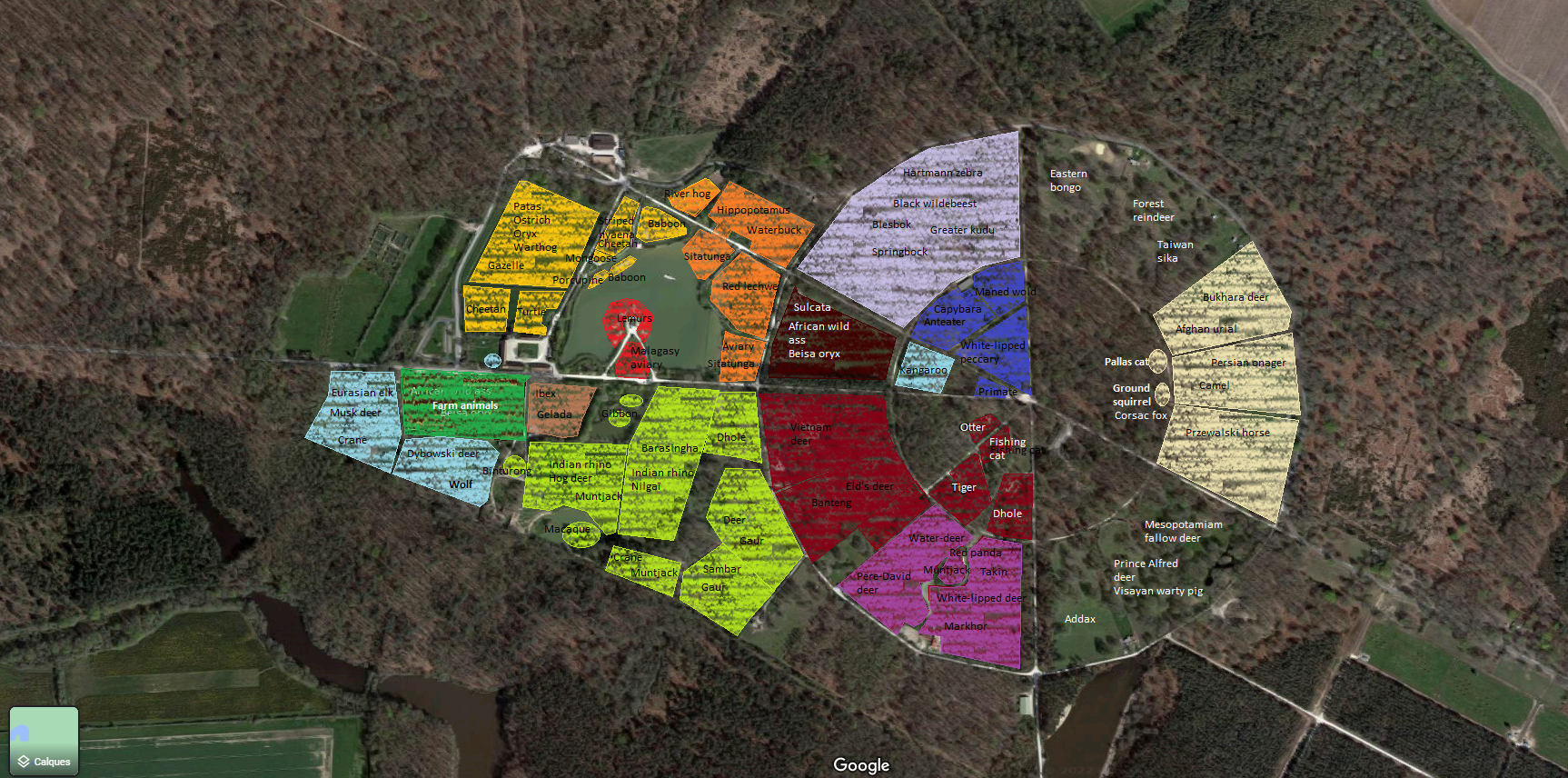
After parking (left to the yellow area), the visit starts with the African trail. It actually covers several regions of the continent.
Sahel savannah
This first part cover the transition area between savannah and semi-desert. Its main enclosure used to house girafe, European bison and now common zebra and watusi. A large community of small svannah species coexist here with scmittar-horned oryx as the largest. They live with warthog, patas monkey for which electric fence had to be installed, red-necked ostrich and possibly a desert-dwelling gazelle (dorcas, Mhorr). Here arid-country species are living in an open enclosure where they can enjoy the sun and that actually recall their environnement better than wooded areas of the park.
Just before, a currently under-used grassland is converted as a double-cheetah enclosure which overlook the herbivores in the nearby enclosure. African spurred tortoise are moved here in a small enclosure designed in front of the cheetah prairie and that currently house Hermann and greek tortoises.
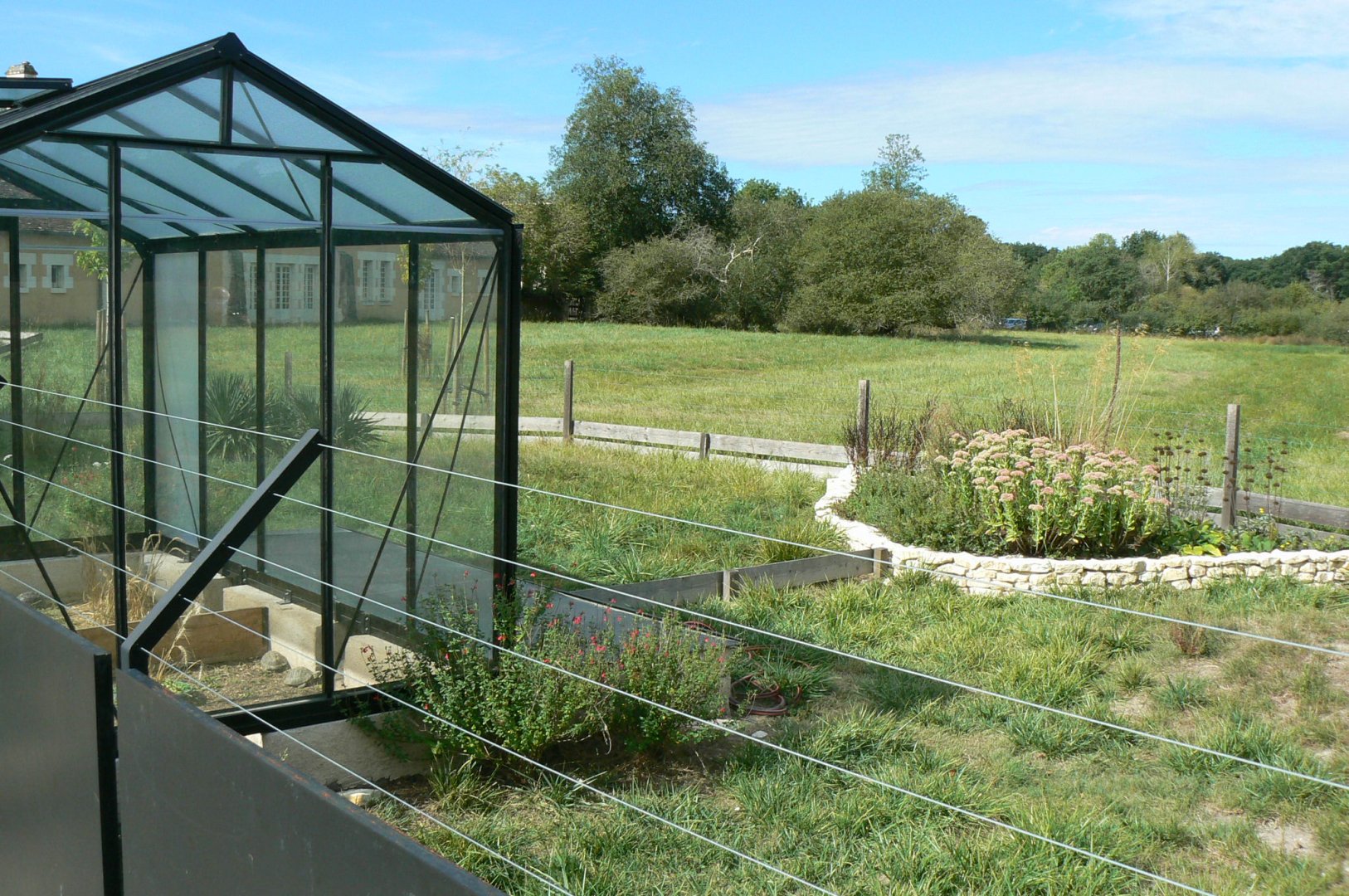
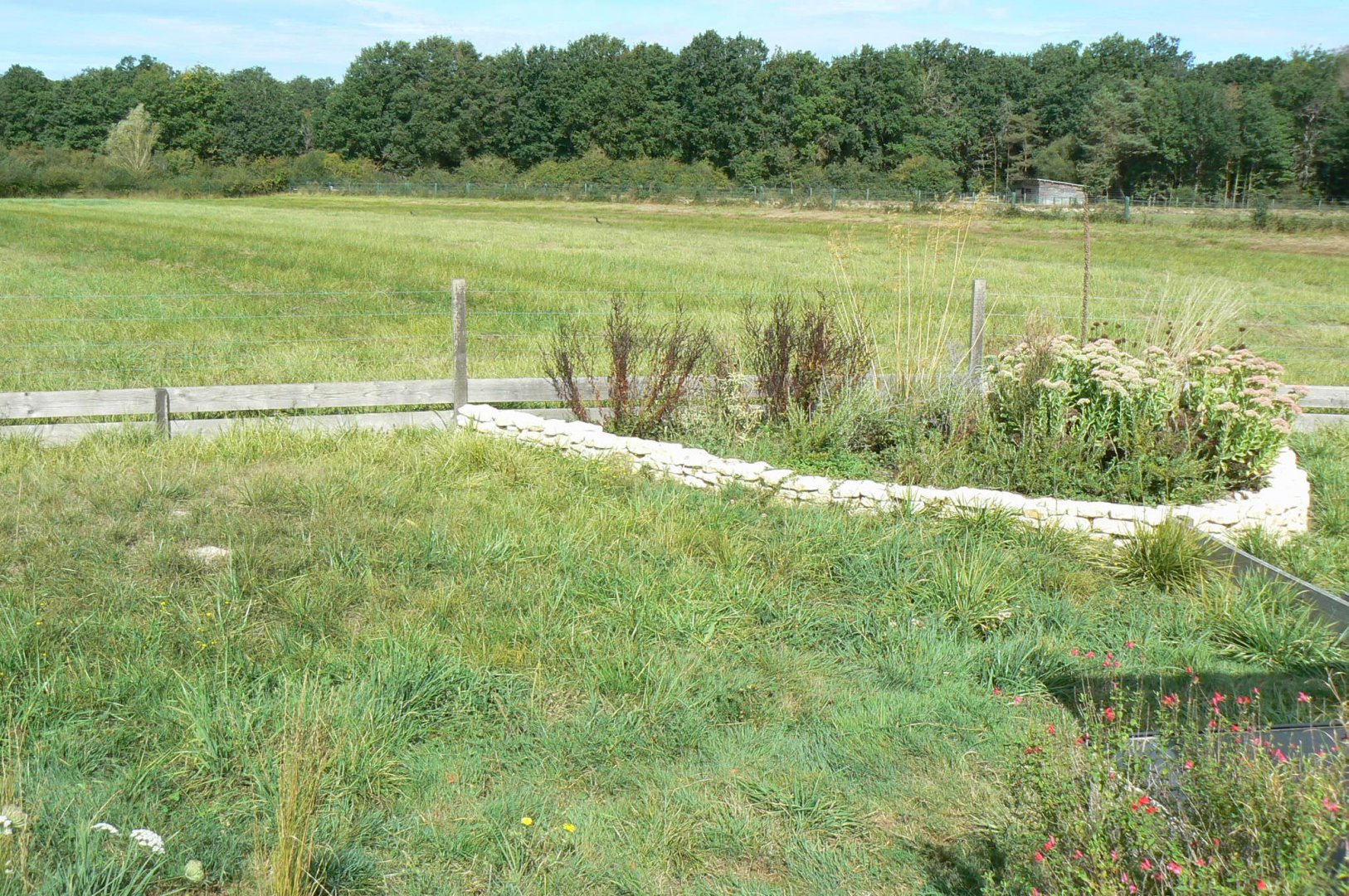
Cheetah
A little bit more far away we continue the theme of the Sahel region with crested porcupines, banded mongooses (instead of meerkats) who both enjoy recently developed and naturalistic exhibits on the side of the lake. Close by, is the historic rocky island for Guinea baboon that is kept as a separation enclosure for management of separated individuals. A bigger island is currently being build on a corner of the big lake for housing a surplus group coming from Vincennes. On the other side of the path, one can see the former-cheetah enclosure transformed as a bigger and upgraded striped hyaena enclosure.
Crested porcupine enclosure by @Maxime
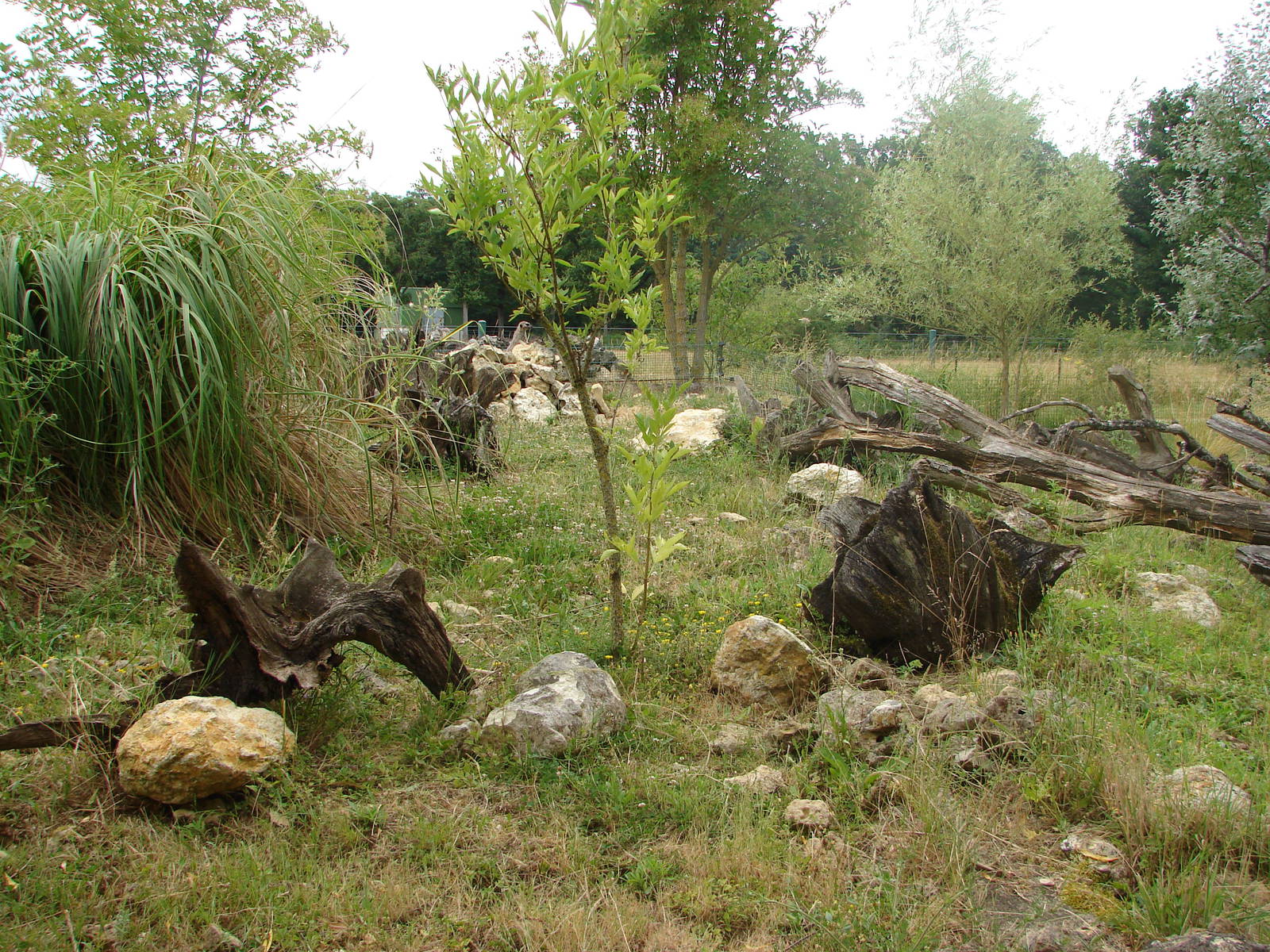
Mongoose enclosure by @Maguari
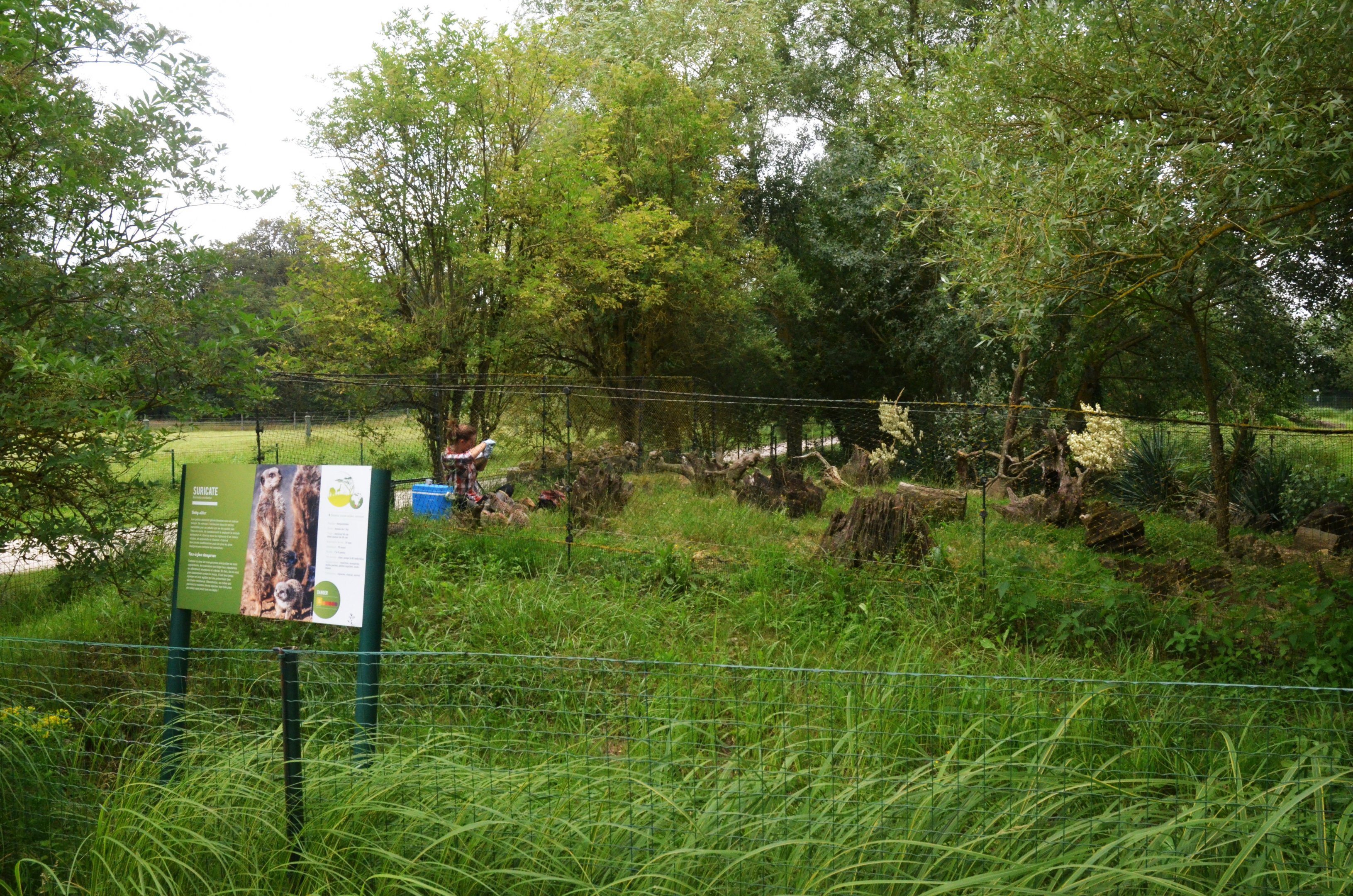
by @Maxime
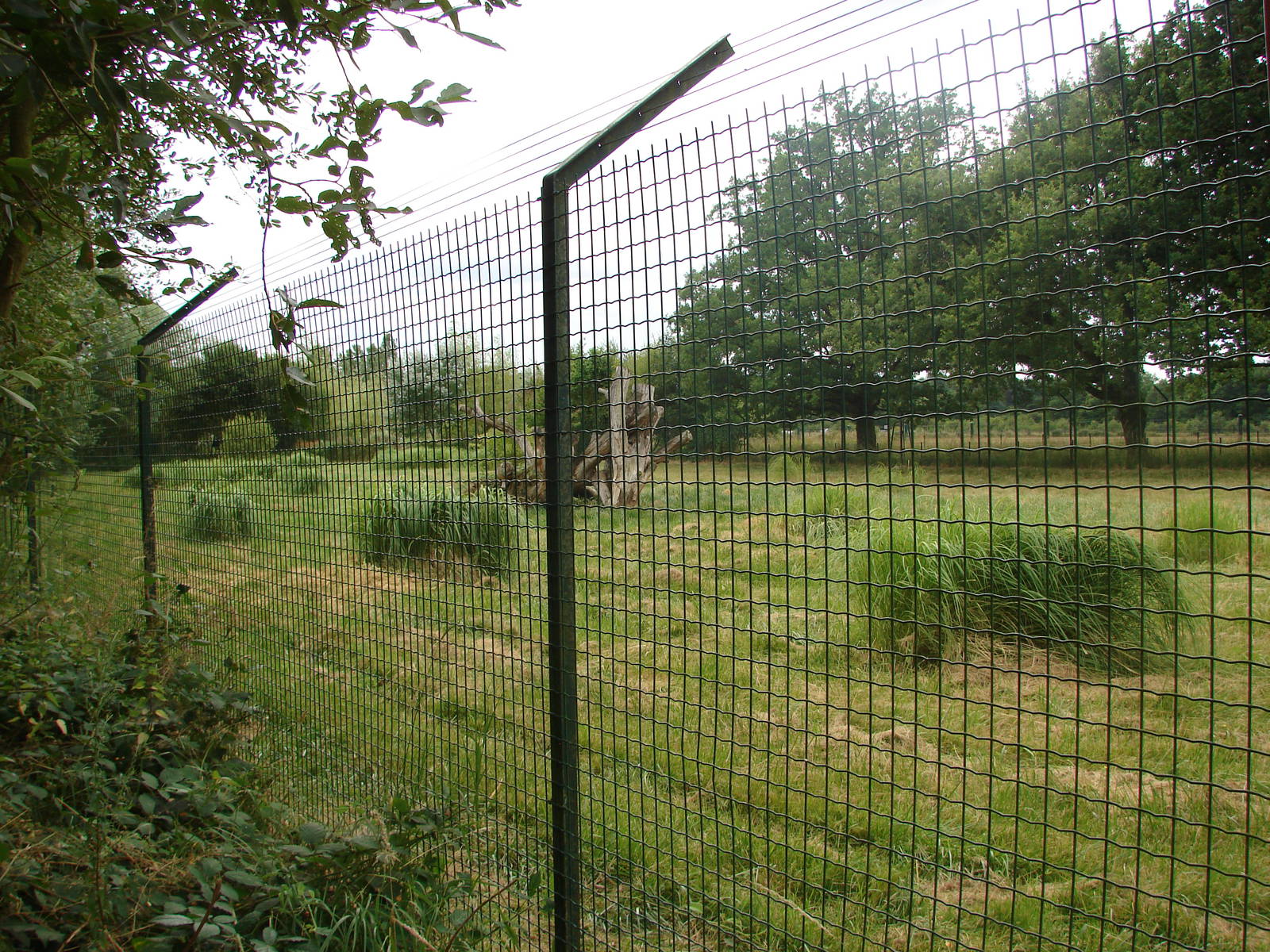
Current cheetah enclosure where striped hyaena move
Current Guinea baboon island
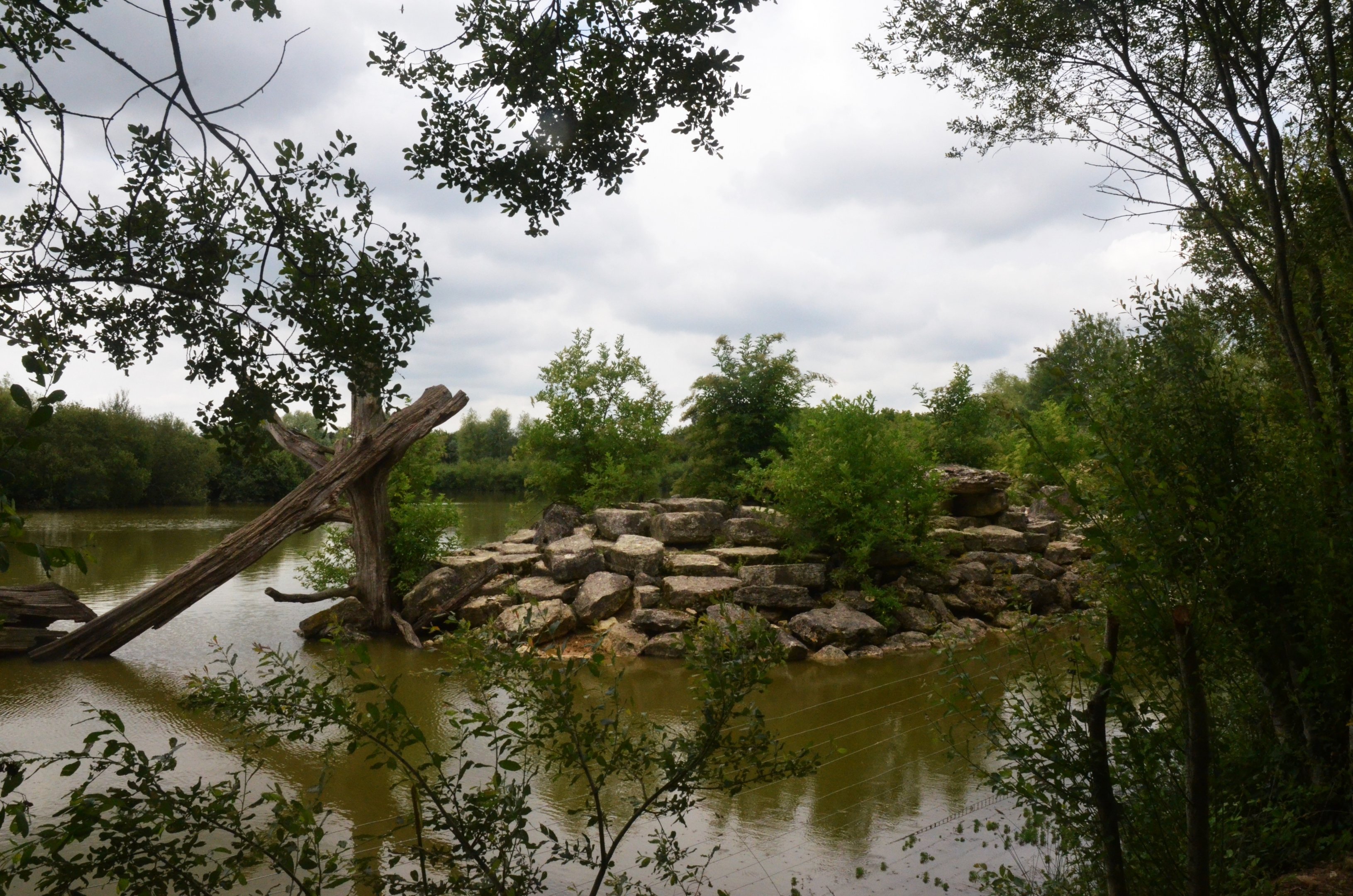
Works for the future baboon territory
Near-threatened Guinea baboon
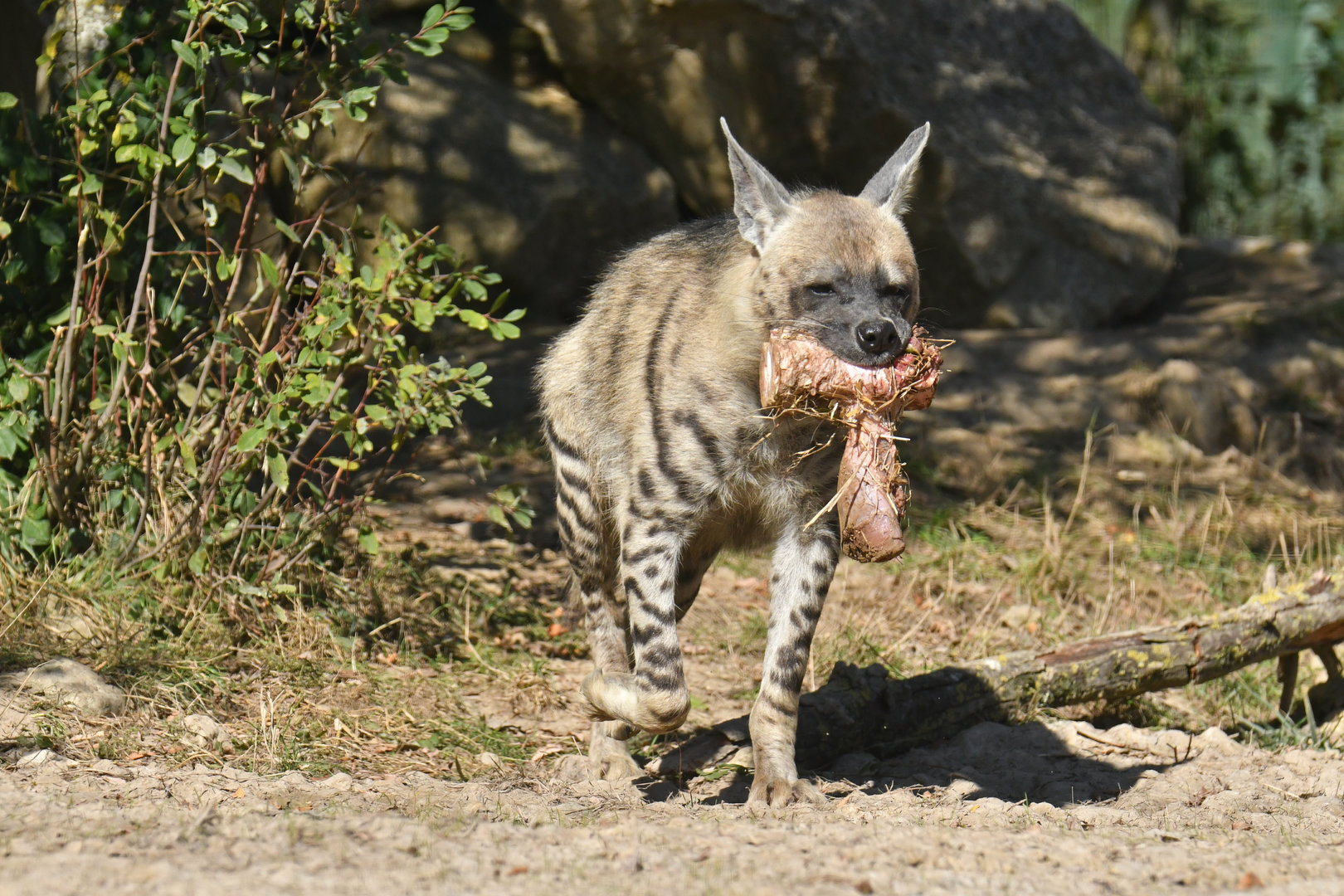
Striped hyaena enjoy a larger enclosure that allow to continue breeding