In a word, yes, I believe so.

This is in large part due to their folivorous diet in captivity which is very hard to replicate and species specific illnesses which often prove fatal.

They're not harder to keep they're just more expensive then. I think I read somewhere on the forum that Chleby imports leafs from a farm in Vietnam. If I recall correctly, it's a ficus species native to south-east asia.
 
They're not harder to keep they're just more expensive then. I think I read somewhere on the forum that Chleby imports leafs from a farm in Vietnam. If I recall correctly, it's a ficus species native to south-east asia.

Yes, you are correct that a lot of it is about sourcing the right kind of diet to replicate their folivorous feeding ecology but there have been historic problems with keeping them alive in captivity due to gastro-intestinal illnesses and also high infant mortality.
 
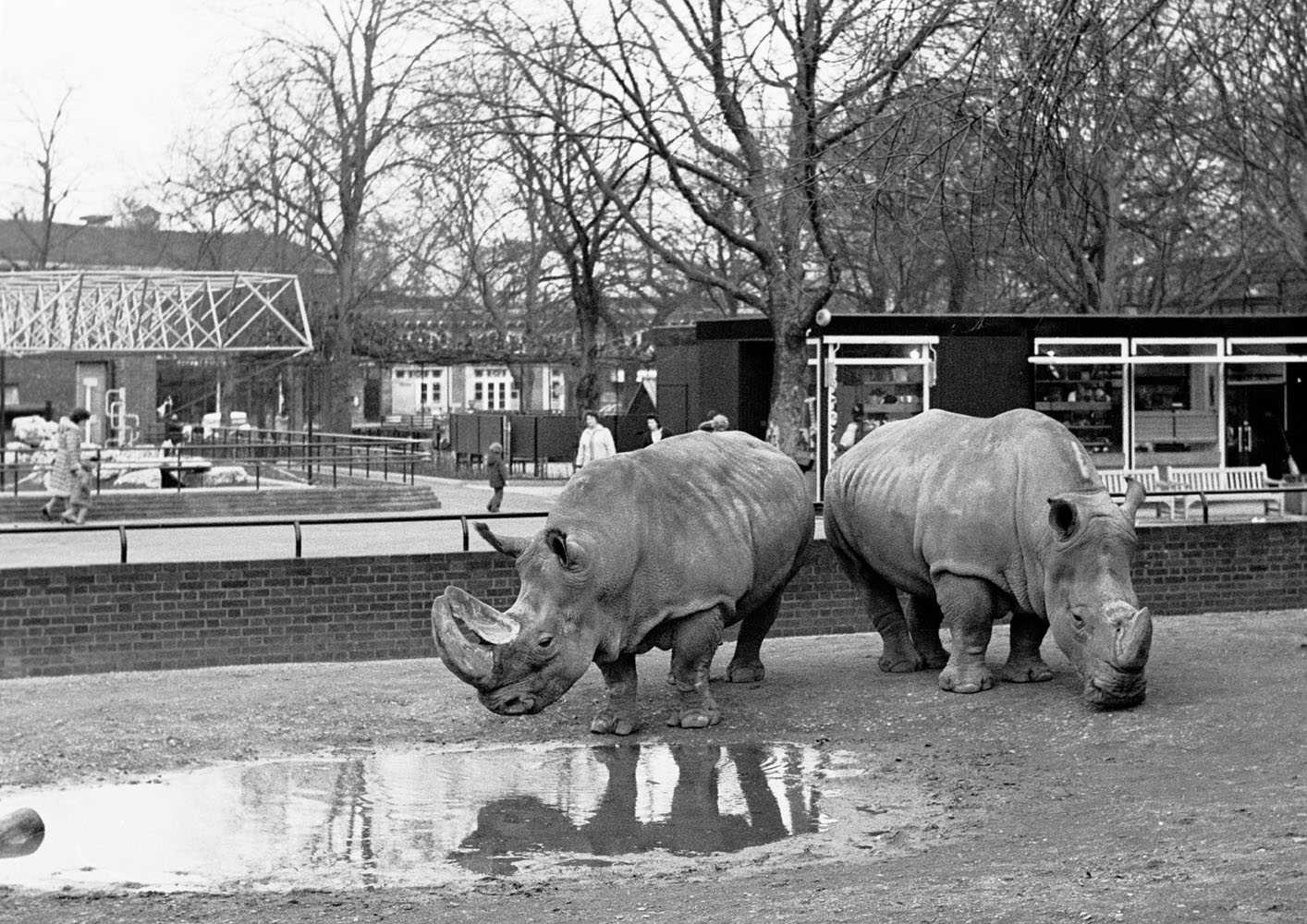
I saw London Zoo's northern white rhinoceros "Ben" literally hundreds of times over a thirty year period; he was probably my favourite individual zoo animal and it's incredibly sad that this taxon is now functionally extinct. Consequently, for me, this must be the most poignant example on my original list. (I've also seen northern white rhinos in Antwerp, Dvur Kralove and San Diego and it's a depressing thought that I'll never see another one.)

I agree, it is very sad what has happened with the Northern white rhino indeed and I'm sure it is even more shocking given how many times you saw this particular individual rhino, are there any photographs of him in the gallery by the way ?

Like most UK ZooChatters, I have seen many animals that were the last if their kind in the UK. What follows are just a few notable examples that particularly interest me and which immediately came to mind; there are, of course, a great many others that could be added to this list.
  • West Indian manatee at London Zoo (died early 1960s)
  • Barton’s long-beaked echidna at London Zoo (three were sent to Taronga in 1994)
  • Sumatran rhinoceros “Torgamba” at Port Lympne 1986 - 1998 (sent to Indonesia)
  • northern white rhinoceros “Ben” at London Zoo 1955 – 1986 (sent to Dvur Kralove)
  • African forest elephant “Jumbo III” at Whipsnade 1973 – 1988
  • mountain gorilla “Reuben” at London Zoo 1960 – 1962
  • red uakari at Twycross Zoo 1968 - 2000
  • Kloss gibbon at Twycross 1979 - 2006

Not sure I understand but in the case of the Barton's long-beaked echidna were these animals sent from ZSL London to Taronga ?
 
Are douc langurs hard to keep and breed or something?
Yes, as @Rayane and @Onychorhynchus coronatus have commented already. In the 1970s and 80s they were kept by a number of European and American zoos and they bred in some of them, but the numbers dwindled away and the last of the long-term zoo animals died quite recently in Cologne and Philadelphia. The more recent importations at Chleby and Beauval may benefit from the experience gained in South East Asian collections.
Douc are not the only delicate Asian leaf-eaters, if anything, proboscis monkeys are even harder to keep.
 
I agree, it is very sad what has happened with the Northern white rhino indeed and I'm sure it is even more shocking given how many times you saw this particular individual rhino, are there any photographs of him in the gallery by the way ?
The northern white rhino bull 'Ben' is on the left, the female was a southern white rhino. With hindsight , Ben was sent to Dvur Kralove far too late. But it must be remembered that in the early 1970s very few white rhinos had been born in captivity. The importation of larger groups from South Africa to San Diego and Whipsnade advanced knowledge about their management considerably.
 
Last edited:
Yes, you are correct that a lot of it is about sourcing the right kind of diet to replicate their folivorous feeding ecology but there have been historic problems with keeping them alive in captivity due to gastro-intestinal illnesses and also high infant mortality.

I believe the illnesses probably came from non appriopriate diet?
But anyway, it is nice to see at least two zoos in Europe are giving another try to Doucs as the husbandry and the knowledge is better than it was in the past.
Just did a quick search on the Zoo Chleby news thread, the langurs get fresh leaves twice a week from Vietnam, the rest of the time raspberry leaves and other (mint, zuchini, vietnamese bananas) work fine.

One species of leaf-monkey that qualifies for this thread, although only in Europe as there are still many in the US, is the last Silvered leaf-monkey - Trachypithecus cristatus in Zoo Usti.
 

Thank you for sharing @gentle lemur ! Much appreciated!

Ben would be the animal on the left I assume ?

He looks like a very charismatic and placid invidual, this would have been in the enclosure which is currently occupied by the bearded pigs wouldn't it ?
 
I believe the illnesses probably came from non appriopriate diet?
But anyway, it is nice to see at least two zoos in Europe are giving another try to Doucs as the husbandry and the knowledge is better than it was in the past.
Just did a quick search on the Zoo Chleby news thread, the langurs get fresh leaves twice a week from Vietnam, the rest of the time raspberry leaves and other (mint, zuchini, vietnamese bananas) work fine.

One species of leaf-monkey that qualifies for this thread, although only in Europe as there are still many in the US, is the last Silvered leaf-monkey - Trachypithecus cristatus in Zoo Usti.

Yes, true, the biggest challenge to maintaining a species successfully ex-situ / in captivity often comes from working out what the adequate nutrition is.

To give a case in point, it took a long time and a huge learning curve to establish the buffy tufted marmoset in captivity here in Brazil but thanks to the staff at zoo Guarulhos things are now looking up, they are not perfect but the species is doing far better than it ever did historically.

I also totally agree that it is good that Chleby zoo are getting back into keeping the Douc langur. I think this goes for all challenging species that with enough persistence and research the majority of them can indeed do well in zoos and ex-situ.
 
Last edited:
Thank you for sharing @gentle lemur ! Much appreciated!
Ben would be the animal on the left I assume ?
He looks like a very charismatic and placid invidual, this would have been in the enclosure which is currently occupied by the bearded pigs wouldn't it ?
Sorry I was editing my post while you were asking these questions. You can see the comments from the Gallery above. The oudoor enclosure became half of the bearded pig enclosure: the other half was used by a pair of black rhinos, and each rhino had an indoor section inside the building. The enclosure behind, one of Sobell Pavilions, has been remodelled externally and now holds mangabeys.
 
Sorry I was editing my post while you were asking these questions. You can see the comments from the Gallery above. The oudoor enclosure became half of the bearded pig enclosure: the other half was used by a pair of black rhinos, and each rhino had an indoor section inside the building. The enclosure behind, one of Sobell Pavilions, has been remodelled externally and now holds mangabeys.

Yes, I can faintly remember seeing the black rhino within that enclosure in the mid 1990's (remember the elephants too, which seems very strange).

When I last visited ZSL in 2019 there were a couple of bearded pigs there and I definitely remember the enclosure for the white naped mangabey too which I spent quite some time watching.
 
Should note, London no longer holds bearded pigs.

I saw them there in Autumn of 2019 in the enclosure which held the Northern white rhino o_O why are they no longer held ? what happened ?

If I remember correctly there were a pair that I saw (there may have even been more) and they seemed fine and healthy rooting around the substrate of the enclosure.
 
I saw them there in Autumn of 2019 in the enclosure which held the Northern white rhino o_O why are they no longer held ? what happened ?

If I remember correctly there were a pair that I saw (there may have even been more) and they seemed fine and healthy rooting around the substrate of the enclosure.
The bearded pigs were euthanized A year or two ago, and replaced by red river hogs.
 
If I'm remembering right, currently the former bearded pigs side holds red river hogs and the former tapir side holds babirusa.

I visited a couple of times in the summer and Autumn of 2019, roughly around the time when I joined this site.... and I saw both Malayan tapir, bearded pigs and muntjac using those enclosures.

I can say with 100% certainty that I didn't see any red river hogs or babirusa in those enclosures during those visits.
 
The two in London died in 2019, maybe not long after your visit (since London does not have warty pigs - but I thought they did), the last one in Europe is in Berlin and is doing well.

Well then I was very lucky to have seen those suids then I think and of course I had no idea that they were on the brink of disappearing from European collections.

Do you know why were they euthanized ?
 
Back
Top