Lembang Park and Zoo Lembang Park & Zoo

I could not quite discern from the feature article if the 2 cow Sumatran elephants came from Taman Safari Bali or the Bali Zoo, allthough I presume the former is more likely. Do you know what the long term or future plans are with elephants at Lembang? Do they plan to create a breeding program with these 2 cows as basis for a matriarchal family group?

The article also alludes to their ambition to acquire desert fox (anjing padang gurun) and tree kangaroo (kangaruh pohon)!


FYI: TS Bali maintains 31+ Sumatrans (the last available figures are 31 with 3 births - I figure that number may be incomplete/incorrect and 7.21 individuals originally imported from Way Kambas around 1997). Further, Bali Zoo reportedly holds 4 elephants (of origins unknown ...).

Apparently the "anjing padang gurun" is the Prairie Dog and the "kangguru pohon" is the Grizzled Tree Kangaroo. Both species are displayed at LPZ.
 
I could not quite discern from the feature article if the 2 cow Sumatran elephants came from Taman Safari Bali or the Bali Zoo, allthough I presume the former is more likely.
The elephants came from Bali's BKSDA due to the population of the elephants at the conservation center there exceed capacity.
Tidak Sembarangan, Begini Cara Pemindahan 2 Gajah dari Bali ke Lembang

Do you know what the long term or future plans are with elephants at Lembang? Do they plan to create a breeding program with these 2 cows as basis for a matriarchal family group?
There is no information about it yet.
 
Siberian tigers in an outdoor enclosure in an Indonesian zoo? Hmh. Wouldn't it make more sense to exhibit Sumatran tigers instead? I'm not entirely against keeping animals from a different climate zone, as far as they can be kept appropriately species wise. But in this case is seems to be kind of.... weird.
 
Siberian tigers in an outdoor enclosure in an Indonesian zoo? Hmh. Wouldn't it make more sense to exhibit Sumatran tigers instead? I'm not entirely against keeping animals from a different climate zone, as far as they can be kept appropriately species wise. But in this case is seems to be kind of.... weird.

Batu Secret Zoo had Siberian tigers back in 2014, and Lembang's climate is good for Siberian tigers since the montane air emulated their natural habitat.
 
Batu Secret Zoo had Siberian tigers back in 2014, and Lembang's climate is good for Siberian tigers since the montane air emulated their natural habitat.
The entire arc mountain range from Bogor east over the central part of the island has a more subdued tropical climate.
 
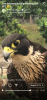
Lembang Park and Zoo acquired the peregrine falcon (Ernesti subspesies), kind of curious of where Faunaland and LPZ acquired this species, could probably be from BKSDA.
 

Attachments

  • Screenshot_2021-08-08-18-49-14-39.png
    Screenshot_2021-08-08-18-49-14-39.png
    450.7 KB · Views: 1
Lembang Park and Zoo apparently keep an cheetah. It was keep in a rather spacious exhibit. It's origin is unknown. Not bad for a new zoo.
https://www.instagram.com/reel/CTM6ocLptDE/?utm_medium=copy_link
They actually have a pair. Apparently, the pair, including the zoo's white lions, was originally bought as a pet when they were a baby, but arrived late as COVID-19 cases rises and flight schedules were postponed. So, when they arrived, they're already too big for the buyer to keep, so he/she gave it to the zoo. Atleast the cheetah can live in a somewhat nicer life in the zoo and hopefully breed if they were different sexes, but judging on how they were used for private photoshoots by the zoo, their life would be no different than the ones that do ended up in someone's estate.
 
Last edited:
It seems like LPZ have a pair of brown hyena instead of just one, I'm curious of where they acquired this species. Although not as special as a brown hyena, LPZ acquired the onagadori, a long-tailed chicken from the Japanese island of Shikoku.
Login • Instagram
I would say they have close contacts yo South African wildlife traders, allthough I find the trade in Brown hyena a little peculiar given their threatened status in the wild! Same goes for some of the larger African Carnivora.
 
Back
Top