Los Angeles Zoo & Botanical Gardens Los Angeles Zoo News 2024

Status
Not open for further replies.
What are you talking about?
in the original children’s zoo 2000s plan the zoo was originally supposed to have cali se sitters but got replaced with sea lions instead I’m talking about the exhibit in front of the caves with now houses no animals
 
in the original children’s zoo 2000s plan the zoo was originally supposed to have cali se sitters but got replaced with sea lions instead I’m talking about the exhibit in front of the caves with now houses no animals

Your information is incorrect. The sea lions were part of the children's zoo area since the 1980s when it was constructed as Adventure Island.
 
I visited the zoo today and noticed that the children’s zoo caves and Muriel ranch are a complete failure nowdays
 
The red-fronted macaw that had been on exhibit at the entrance to the South America section near the Andean condor has moved behind-the-scenes to the Avian Conservation Center and a scarlet macaw is now on exhibit instead. (New location of the red-fronted macaw is per a random keeper I saw and asked.)
Coming back to the macaw discourse.

Do you @Elena or @LoriPatton know how old both the red-fronted and scarlet macaw are?

I would imagine also that given its conservation concern status a red-fronted macaw would perhaps strategise for integrating the red-fronted macaw into the ex situ conservation breeding program.

NOTE: I have read somewhere and ... for the love of self peculiarly forgotten ... that even scarlet macaw Ara macao are part and parcel of reintroduction programs breed for release within part of their home range. Same with other thought of as very common macaw species in captivity, the blue and yellow Ara ararauna.

Some blue and yellow macaw reintroduction projects (Trinidad and Tobago, Brasil):
1) Blue and gold macaws released in Pointe-a-Pierre - Trinidad and Tobago Newsday
2) Blue & Yellow Macaws - Bird Recovery International

Scarlet macaw release programs (Brasil and Mexico):
1) Reintroduction of the Great Scarlet Macaw in the Atlantic Forest - Brazilian NR
2) Scarlet macaws taking wing again in Mexico
 
Coming back to the macaw discourse.

Do you @Elena or @LoriPatton know how old both the red-fronted and scarlet macaw are?

I would imagine also that given its conservation concern status a red-fronted macaw would perhaps strategise for integrating the red-fronted macaw into the ex situ conservation breeding program.

My understanding from my earlier discussion with the keeper about the red-fronted macaw moving to the Avian Conservation Center is that the move was made for breeding purposes. I believe the male red-fronted macaw that was moved there is in his 20's.

The LA Zoo is involved in wild macaw conservation efforts:

Field Work & Grants - Los Angeles Zoo and Botanical Gardens

American Bird Conservancy / Bird Endowment, Inc.
Native to Bolivia, the blue-throated macaw is critically endangered due to habitat loss and heavy collection from the wild for the pet trade. The L.A. Zoo has successfully bred this rare bird in its Avian Conservation Center and contributes to its conservation in the field. A 2017 grant supported the installation of artificial nest boxes in key nesting areas in Bolivia’s El Beni State. These nest boxes have resulted in an increase of fledglings over each successive breeding season. The current grant will be used to construct, install, and monitor additional nest boxes in the project site.
 
Coming back to the macaw discourse.

Do you @Elena or @LoriPatton know how old both the red-fronted and scarlet macaw are?

I would imagine also that given its conservation concern status a red-fronted macaw would perhaps strategise for integrating the red-fronted macaw into the ex situ conservation breeding program.

NOTE: I have read somewhere and ... for the love of self peculiarly forgotten ... that even scarlet macaw Ara macao are part and parcel of reintroduction programs breed for release within part of their home range. Same with other thought of as very common macaw species in captivity, the blue and yellow Ara ararauna.

Some blue and yellow macaw reintroduction projects (Trinidad and Tobago, Brasil):
1) Blue and gold macaws released in Pointe-a-Pierre - Trinidad and Tobago Newsday
2) Blue & Yellow Macaws - Bird Recovery International

Scarlet macaw release programs (Brasil and Mexico):
1) Reintroduction of the Great Scarlet Macaw in the Atlantic Forest - Brazilian NR
2) Scarlet macaws taking wing again in Mexico
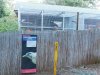
The L.A. Zoo's scarlet macaw, Charlie, was featured on the cover of Zoo View magazine in Spring 2023. He is the zoo's oldest animal resident at 58-years-old and came to live at the zoo as a hatchling in 1966! I'm not sure if the zoo has any other scarlet macaws currently. The zoo keeps macaws in its South America section, the Avian Conservation Center (ACC), and at a holding area for the World of Birds Show. Here is a photo of the ACC that I took in January -- if you look closely, you will see a scarlet macaw in the enclosure just above the fence and yellow post.
Avian Conservation Center - Lori Lee Patton.JPG
The ACC also has a blue macaw visible (either a blue-and-gold or blue-throated) in one of the cages down the path. Except for this row next to the Australia tram stop, the rest of the ACC isn't visible to zoo guests. Here is a link to the zoo's website, which lists their macaws: Macaw - Los Angeles Zoo and Botanical Gardens

In the past, I remember seeing a sign for a red-and-green macaw in the former enclosure for the red-fronted macaw in the South America area. In the most recent animal transaction report for July, it was mentioned that the lone blue-billed curassow will be transferred to another zoo, which leaves the roundhouse it was in with two empty enclosures (the third part holds ocelots). This is the area I believe would be good for the zoo to exhibit more macaws as currently only the scarlet is on display.
 

Attachments

  • Avian Conservation Center - Lori Lee Patton.JPG
    Avian Conservation Center - Lori Lee Patton.JPG
    299 KB · Views: 149
@LoriPatton, thanks for updating on the macaw collection and where these are maintained and how managed. The ACC seems like a nice place to visit ..., I assume though it is out of sounds to the general public for good reasons.
 
In the most recent animal transaction report for July, it was mentioned that the lone blue-billed curassow will be transferred to another zoo, which leaves the roundhouse it was in with two empty enclosures (the third part holds ocelots).

The blue-billed curassow has access to that other enclosure, so it isn't empty. I've seen her sitting in the shadier area in the upper right. I spoke with her keeper on a recent visit and was told the plan is to get a new breeding pair of blue-billed curassows so the exhibits won't be empty.

The World of Birds show is the best place to view macaws at the zoo. The show regularly features their 2 Hyacinth macaws named Venus and Luna along with blue-throated macaws and a scarlet macaw. Sometimes I've seen them fly multiple military macaws at the end of the show.

The USDA Inspection Report from April 16 notes the following macaw holdings:

Scarlet macaw - 4
Hyacinth macaw - 2
Blue-throated macaw - 6
Military macaw - 4
Blue-and-yellow macaw/Blue-and-gold macaw - 1
Red-fronted macaw - 1
Red-and-green macaw/Green-winged macaw - 1

Also on the subject of birds, there is an unsigned breeding pair of sunbitterns in the exhibit with the crested oropendolas in the Rainforest of the Americas.
 
Does anyone know any updates about the saola breeding program.Also does anyone know what happened to the lowland Anoa program at the LA zoo
 
Does anyone know any updates about the saola breeding program.Also does anyone know what happened to the lowland Anoa program at the LA zoo
Are you saying Saola the critically endangered bovid species? I doubt any zoo in the world had any breeding program for them, being the rarest and most endangered of the bovid species that even sightings of them in the wild are almost mythical.

As for the lowland anoa, our last individual passed away a couple years ago. The species considered now a GSMP(global species management plan) and don’t know if the zoo will participate in it again.
 
Are you saying Saola the critically endangered bovid species? I doubt any zoo in the world had any breeding program for them, being the rarest and most endangered of the bovid species that even sightings of them in the wild are almost mythical.

As for the lowland anoa, our last individual passed away a couple years ago. The species considered now a GSMP(global species management plan) and don’t know if the zoo will participate in it again.
The loss of the last anoa from LA Zoo I really do deplore.
(From what I know they held a 5 year old female around 2020).
 
Made a recent visit after a few months, had seen two new species on display at the LAIR:
  • Mexican Jumping Viper
  • Lance Headed Rattlesnake
For any non-locals or non-frequent visitors, the Mountain Yellow Legged Frogs appear to be a permanent exhibit specie in the Care and Conservation section of the LAIR. Originally only to be display for a few months, they’ve remained on exhibit so far and will try to contact the zoo if they will stay on exhibit for the foreseeable future :)
 
Status
Not open for further replies.
Back
Top