Lost, rare, and non-existant media of Indonesian zoos and public aquariums

I'm curious on what in this "African fish" tank, but I would say it's a bunch of Malawi cichlids ;p

Another very interesting details in this video. Aside from another footage of the aquarium's sea snake, it appears that they had crown-of-thorns starfish! A very interesting discovery by you and the others. I recall seeing them in Jakarta Aquarium in what is now the upside-down jellyfish tank all they way in their opening year. Looks like we have another lost media quest ;-)

The main tunnel seems to be way cleaner back then, probably because of the overstocking we see today. Really wish for the saltwater pool to be larger and have that elevated path again, but this time with medium-sized rays and bottom-dwelling sharks, like the wobbegongs.

Yup, all cichlids. AFAIK it housed commonly seen ones like:
  • Pseudotropheus johannii
  • Melanochromis auratus
  • Pseudotropheus socolofi
  • Labidochromis caeruleus
I kinda wish SWA bring back this type of exhibit. Maybe cichlid + lungfish would be nice?
 
I honestly have some doubts about this, as this may just be a sensationalized statement to promote their collection, but there's still a chance that this mean something.

Apparently, Jansen Manansang himself in a interview back in 2019 had said that aside from "Indonesian endemic species", Jakarta Aquarium have a "iguana from Central America" (Referring to green iguana) and also apparently a "salamander/newt from Vietnam and southern China".

These may just be some random choice of word to hype up the aquarium's collection, but why didn't he just say "salamanders from Mexico" to refer to their axolotls instead of from Vietnam and southern China. If Mr. Manansang is genuine, then that means Jakarta Aquarium at some point in 2019 had a Asian species of salamander or newt. I'd say it could be a fire belly newt or Hong Kong warty newt, or even emperor newt.

There's no other information about this supposed Vietnamese salamander that I could find, there also seems to be no footage of it at all. Again, that interview with Jansen Manansang might actually mean nothing, but still interesting to say the least.

Menjelajahi Dunia Bawah Laut di Jakarta Aquarium
 
Last edited:
I honestly have some doubts about this, as this may just be a sensationalized statement to promote their collection, but there's still a chance that this mean something.

Apparently, Jansen Manansang himself in a interview back in 2019 had said that aside from "Indonesian endemic species", Jakarta Aquarium have a "iguana from Central America" (Referring to green iguana) and also apparently a "salamander/newt from Vietnam and southern China".

These may just be some random choice of word to hype up the aquarium's collection, but why didn't he just say "salamanders from Mexico" to refer to their axolotls instead of from Vietnam and southern China. If Mr. Manansang is genuine, then that means Jakarta Aquarium at some point in 2019 had a Asian species of salamander or newt. I'd say it could be a fire belly newt or Hong Kong warty newt, or even emperor newt.

There's no other information about this supposed Vietnamese salamander that I could find, there also seems to be no footage of it at all. Again, that interview with Jansen Manansang might actually mean nothing, but still interesting to say the least.

Menjelajahi Dunia Bawah Laut di Jakarta Aquarium

Probably that plan was scrapped, about the fire-bellied newts. I've been to JAQS twice on 2019 and never seen them. Neither the Instagram photos helped too.
 
Images of Ancol's false killer whale has resurfaced, captured during what appears to be a health checkup for the whale.

Circa 2011

r_TH2011021610.jpg


r_TH2011021609.jpg


Source:
 
A CITES Trade Database report about the imports of Indonesian zoos from other countries from 1980 to 2021.

There's a lot of interesting species imported by many Indonesian zoos during this time, with most I'd say to be lost to time.

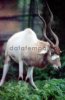
Addax
  • 1985; Imported from Germany; 6
  • 1997; Imported from Czech Republic; 5-7
  • 2010; Imported from Czech Republic; 3
  • 2012; Imported from Czech Republic; 1
Australian lungfish
  • 1995; Imported from Australia; 2
Angulate tortoise
  • 1998; Imported from South Africa; 6
Bateleur
  • 1988; Imported from Canada; Originated in the US; 1
Black-capped squirrel monkey
  • 2009; Imported from Hungary; 2
Black-necked aracari
  • 1997; Imported from Germany; Wild caught; 2
Blue monkey
  • 1991; Imported from Australia; 3
Brown fur seal
  • 2002; Imported from South Africa; Wild caught; 10
Brown-mantled tamarin
  • 1983; Imported from Hong Kong; Originated in Germany; 2
Cape parrot
  • 2008; Imported from South Africa; 1
Clouded leopard
  • 1994; Imported from Vietnam; 2
  • 2017; Imported from Czech Republic; 1
  • 2018; Imported from Poland; Originated in Germany; 1
Common brown lemur
  • 1997; Imported from Singapore; 2
Common kestrel
  • 2010; Imported from Belgium; 1
Crimson rosella
  • 2003; Wild caught; 4
Darwin's rhea
  • 1996; Imported from Japan; 2
  • 1998; Imported from Japan; 3
De Brazza's monkey
  • 1985; Imported from the UK; Originated in Uganda; 2
  • 1986; Imported from the UK; 1
Drakensberg crag lizard
  • 1998; Imported from South Africa; 4
Dumeril's boa
  • 2016; Imported from France; 4
Ferruginous hawk
  • 1988; Imported from Canada; 1
Gaur
  • 2000; Imported from Singapore; 3
Green aracari
  • 2008; Imported from Suriname; Wild caught; 4
Geoffroy's spider monkey
  • 2013; Imported from Australia; 2
Grey wolf
  • 1997; Imported from Germany; 5
Grévy's zebra
  • 1997; Imported from Czech Republic; 4
Grivet
  • 1986; Imported from Australia; 3
  • 1986; Imported from Australia; 3
Harris's hawk
  • 1988; Imported from Canada; 2
Hartlaub's turaco
  • 1997; Imported from Germany; Wild caught; 2
Hartmann's mountain zebra
  • 2000; 3
Keel-billed toucan
  • 1997; Imported from Germany; Wild caught; 2
Lanner falcon
  • 1988; Imported from Canada; 5
  • 2010; Imported from Belgium; 1
Mealy amazon
  • 2008; Imported from South Africa; 1
Meyer's parrot
  • 2008; Imported from South Africa; 4
Mikado pheasant
  • 1984; Imported from Germany; 2
North American river otter
  • 2011; Imported from Germany; 4
  • 2013; Imported from Germany; 1
Przewalski's horse
  • 1997; Imported from Germany; 4
Sandhill crane
  • 2012; Imported from the Netherlands; 4
Senegal bushbaby
  • 2010; Imported from Czech Republic, 4
Striated caracara
  • 2010; Imported from Belgium; Originated in the UK; 1
Swinhoe's pheasant
  • 1990; Imported from Taiwan; 2
White-faced saki
  • 1986; Imported from the UK; 2
  • 2019; Imported from Singapore; 1

Another interesting note is that some species, like the African penguin, clouded leopard, common brown lemur, De Brazza's monkey, Grévy's zebra, and white-faced saki has been acquired way longer than we thought. It's possible that zoos before Batu Secret Zoo (As well as Gembira Loka and Bali Safari for the penguin and zebra, respectively) had them at some point before the aforementioned zoos.

Since the report didn't specified which Indonesian zoo imported these species and also due to time, it will be very challenging to actually discover any media of these listed species, which may has sadly lost forever.

Report link:
CITES Trade Database
 
Last edited:
Images of Ancol's false killer whale has resurfaced, captured during what appears to be a health checkup for the whale.

Circa 2011

r_TH2011021610.jpg


r_TH2011021609.jpg


Source:

Shame that it never got displayed and by the time the new dolphin arena was finished constructing, it has died. I noticed that the new dolphin arena in ODS is larger and probably was intended for the false killer whale too.
 
A CITES Trade Database report about the imports of Indonesian zoos from other countries from 1980 to 2021.

There's a lot of interesting species imported by many Indonesian zoos during this time, with most I'd say to be lost to time.

Addax
  • 1985; Imported from Germany; 6
  • 1997; Imported from Czech Republic; 5-7
  • 2010; Imported from Czech Republic; 3
  • 2012; Imported from Czech Republic; 1
Australian lungfish
  • 1995; Imported from Australia; 2
Angulate tortoise
  • 1998; Imported from South Africa; 6
Bateleur
  • 1988; Imported from Canada; Originated in the US; 1
Black-capped squirrel monkey
  • 2009; Imported from Hungary; 2
Black-necked aracari
  • 1997; Imported from Germany; Wild caught; 2
Blue monkey
  • 1991; Imported from Australia; 3
Brown fur seal
  • 2002; Imported from South Africa; Wild caught; 10
Brown-mantled tamarin
  • 1983; Imported from Hong Kong; Originated in Germany; 2
Cape parrot
  • 2008; Imported from South Africa; 1
Clouded leopard
  • 1994; Imported from Vietnam; 2
  • 2017; Imported from Czech Republic; 1
  • 2018; Imported from Poland; Originated in Germany; 1
Common brown lemur
  • 1997; Imported from Singapore; 2
Common kestrel
  • 2010; Imported from Belgium; 1
Crimson rosella
  • 2003; Wild caught; 4
Darwin's rhea
  • 1996; Imported from Japan; 2
  • 1998; Imported from Japan; 3
De Brazza's monkey
  • 1985; Imported from the UK; Originated in Uganda; 2
  • 1986; Imported from the UK; 1
Drakensberg crag lizard
  • 1998; Imported from South Africa; 4
Dumeril's boa
  • 2016; Imported from France; 4
Ferruginous hawk
  • 1988; Imported from Canada; 1
Gaur
  • 2000; Imported from Singapore; 3
Green aracari
  • 2008; Imported from Suriname; Wild caught; 4
Geoffroy's spider monkey
  • 2013; Imported from Australia; 2
Grey wolf
  • 1997; Imported from Germany; 5
Grévy's zebra
  • 1997; Imported from Czech Republic; 4
Grivet
  • 1986; Imported from Australia; 3
  • 1986; Imported from Australia; 3
Harris's hawk
  • 1988; Imported from Canada; 2
Hartlaub's turaco
  • 1997; Imported from Germany; Wild caught; 2
Hartmann's mountain zebra
  • 2000; 3
Keel-billed toucan
  • 1997; Imported from Germany; Wild caught; 2
Lanner falcon
  • 1988; Imported from Canada; 5
  • 2010; Imported from Belgium; 1
Mealy amazon
  • 2008; Imported from South Africa; 1
Meyer's parrot
  • 2008; Imported from South Africa; 4
Mikado pheasant
  • 1984; Imported from Germany; 2
North American river otter
  • 2011; Imported from Germany; 4
  • 2013; Imported from Germany; 1
Przewalski's horse
  • 1997; Imported from Germany; 4
Sandhill crane
  • 2012; Imported from the Netherlands; 4
Senegal bushbaby
  • 2010; Imported from Czech Republic, 4
Striated caracara
  • 2010; Imported from Belgium; Originated in the UK; 1
Swinhoe's pheasant
  • 1990; Imported from Taiwan; 2
White-faced saki
  • 1986; Imported from the UK; 2
  • 2019; Imported from Singapore; 1

Another interesting note is that some species, like the African penguin, clouded leopard, common brown lemur, De Brazza's monkey, Grévy's zebra, and white-faced saki has been acquired way longer than we thought. It's possible that zoos before Batu Secret Zoo (As well as Gembira Loka and Bali Safari for the penguin and zebra, respectively) had them at some point before the aforementioned zoos.

Since the report didn't specified which Indonesian zoo imported these species and also due to time, it will be very challenging to actually discover any media of these listed species, which may has sadly lost forever.

Report link:
CITES Trade Database

I'm wondering if DAT had Australian lungfish but never documented
 
There are quite a lot of interesting stuffs in Taman Safari Bogor nearly five-decades long history that I can say to be lost on the internet. One of which is the park's greater kudu, which was only mentioned in an older map of the park. The map can be only be found at the park, located near the toilet in the parking area just before the former Rainforest Restaurant, as digital copy seems to be non-existant on the internet while the few pictures of it on the internet aren't helpful. The kudu were apparently used to be part of the African Village in the Safari Journey.

Photo0065.jpg

Another lost species that I actually managed to witness are the lesser mouse-deer in the Bird Aviary. It was located at the very end of the walkthrough aviary. The mouse-deer doesn't seems to be free-roaming, it was in one of the separate smaller aviaries within the larger walkthrough aviary. When I saw it, the individual was at the back of the aviary while eating something. It was around 2011.

The park's laughing kookaburra wasn't really lost, but it was very rare. With only one YouTube video dating back to 2014 which I hadn't managed to find again.

In Kampung Papua back in 2011, I remember clearly that atleast one of the now nocturnal mammal exhibit used to have a brighter lighting and houses apparently a green colored snake, either a green tree python or a trimeresurus viper.

In conclusion, I had quite a long history with Taman Safari Bogor with even back then I was quite interested in the park's rarer species. So, finding the park's lost or rare documentation of their rarer and interesting species is very special for me, as I had the joy of actually seeing atleast some of them in my past.
 

Attachments

  • Photo0065.jpg
    Photo0065.jpg
    249.4 KB · Views: 140
Last edited:
A CITES Trade Database report about the imports of Indonesian zoos from other countries from 1980 to 2021.

There's a lot of interesting species imported by many Indonesian zoos during this time, with most I'd say to be lost to time.

Addax
  • 1985; Imported from Germany; 6
  • 1997; Imported from Czech Republic; 5-7
  • 2010; Imported from Czech Republic; 3
  • 2012; Imported from Czech Republic; 1
Australian lungfish
  • 1995; Imported from Australia; 2
Angulate tortoise
  • 1998; Imported from South Africa; 6
Bateleur
  • 1988; Imported from Canada; Originated in the US; 1
Black-capped squirrel monkey
  • 2009; Imported from Hungary; 2
Black-necked aracari
  • 1997; Imported from Germany; Wild caught; 2
Blue monkey
  • 1991; Imported from Australia; 3
Brown fur seal
  • 2002; Imported from South Africa; Wild caught; 10
Brown-mantled tamarin
  • 1983; Imported from Hong Kong; Originated in Germany; 2
Cape parrot
  • 2008; Imported from South Africa; 1
Clouded leopard
  • 1994; Imported from Vietnam; 2
  • 2017; Imported from Czech Republic; 1
  • 2018; Imported from Poland; Originated in Germany; 1
Common brown lemur
  • 1997; Imported from Singapore; 2
Common kestrel
  • 2010; Imported from Belgium; 1
Crimson rosella
  • 2003; Wild caught; 4
Darwin's rhea
  • 1996; Imported from Japan; 2
  • 1998; Imported from Japan; 3
De Brazza's monkey
  • 1985; Imported from the UK; Originated in Uganda; 2
  • 1986; Imported from the UK; 1
Drakensberg crag lizard
  • 1998; Imported from South Africa; 4
Dumeril's boa
  • 2016; Imported from France; 4
Ferruginous hawk
  • 1988; Imported from Canada; 1
Gaur
  • 2000; Imported from Singapore; 3
Green aracari
  • 2008; Imported from Suriname; Wild caught; 4
Geoffroy's spider monkey
  • 2013; Imported from Australia; 2
Grey wolf
  • 1997; Imported from Germany; 5
Grévy's zebra
  • 1997; Imported from Czech Republic; 4
Grivet
  • 1986; Imported from Australia; 3
  • 1986; Imported from Australia; 3
Harris's hawk
  • 1988; Imported from Canada; 2
Hartlaub's turaco
  • 1997; Imported from Germany; Wild caught; 2
Hartmann's mountain zebra
  • 2000; 3
Keel-billed toucan
  • 1997; Imported from Germany; Wild caught; 2
Lanner falcon
  • 1988; Imported from Canada; 5
  • 2010; Imported from Belgium; 1
Mealy amazon
  • 2008; Imported from South Africa; 1
Meyer's parrot
  • 2008; Imported from South Africa; 4
Mikado pheasant
  • 1984; Imported from Germany; 2
North American river otter
  • 2011; Imported from Germany; 4
  • 2013; Imported from Germany; 1
Przewalski's horse
  • 1997; Imported from Germany; 4
Sandhill crane
  • 2012; Imported from the Netherlands; 4
Senegal bushbaby
  • 2010; Imported from Czech Republic, 4
Striated caracara
  • 2010; Imported from Belgium; Originated in the UK; 1
Swinhoe's pheasant
  • 1990; Imported from Taiwan; 2
White-faced saki
  • 1986; Imported from the UK; 2
  • 2019; Imported from Singapore; 1

Another interesting note is that some species, like the African penguin, clouded leopard, common brown lemur, De Brazza's monkey, Grévy's zebra, and white-faced saki has been acquired way longer than we thought. It's possible that zoos before Batu Secret Zoo (As well as Gembira Loka and Bali Safari for the penguin and zebra, respectively) had them at some point before the aforementioned zoos.

Since the report didn't specified which Indonesian zoo imported these species and also due to time, it will be very challenging to actually discover any media of these listed species, which may has sadly lost forever.

Report link:
CITES Trade Database
Anyone interested in having a discussion and speculation about this CITES Trade report?

Notably a Indonesian zoo had imported addax as recently as 2012, which gave a very small chance to find anything about it on the internet if we are able to pinpoint which zoo had them. My bet are either Surabaya, Ragunan, Batu Secret Zoo, and less likely Taman Safari.
 
All of my photos on ZooChat prior to August 2023 has been deleted, some of them are technicaly lost medias (Most of them aren't even "my own") as I no longer have them anymore though I still have the majority saved on my devices (Original pictures). Though suprising, I honestly somewhat glad that I could kinda start over from the beginning with hopefuly better pictures and information, as opposed to blatant screenshots from unknowning uploaders of the original source which I had no permission to do.

If you like to know, get a hand of, or want to share about these pictures, make sure to contact me on Conversations.
 
All of my photos on ZooChat prior to August 2023 has been deleted, some of them are technicaly lost medias (Most of them aren't even "my own") as I no longer have them anymore though I still have the majority saved on my devices (Original pictures).

It should be noted that the *reason* that your photographs were deleted in-bulk and in their entirety was due to the sheer number of images which you had uploaded having (against forum rules) stolen them from other sources - having been alerted to the scale of the issue, the moderation team didn't have the time to discern which (if any) images were your own.

If, at some point, you are able to indicate how we can detect those images you genuinely took yourself (for instance, by telling us the brand/make of the camera or cameras you used, which may be recorded on the image metadata) we *may* be able to revert these if time allows. I cannot make any promises, however.
 
It should be noted that the *reason* that your photographs were deleted in-bulk and in their entirety was due to the sheer number of images which you had uploaded having (against forum rules) stolen them from other sources - having been alerted to the scale of the issue, the moderation team didn't have the time to discern which (if any) images were your own.

If, at some point, you are able to indicate how we can detect those images you genuinely took yourself (for instance, by telling us the brand/make of the camera or cameras you used, which may be recorded on the image metadata) we *may* be able to revert these if time allows. I cannot make any promises, however.
I understand, thank you for notifying me.

I apologize for the massive inconvenience I made in the past and present. It was never my full conscious intention to smear IP theft on this website. I guess past me was just too ambitious and stupid on "informing" people with what's what regarding Indonesian zoos and aquarias.
 
I understand, thank you for notifying me.

I apologize for the massive inconvenience I made in the past and present. It was never my full conscious intention to smear IP theft on this website. I guess past me was just too ambitious and stupid on "informing" people with what's what regarding Indonesian zoos and aquarias.

For future reference, if you had uploaded the images to your posts directly as attachments (rather than posting them to the gallery) and linked to the original videos which they were screen-shotted from, this would have been permitted and would have served your purposes equally well :)
 
This is actually a very interesting thread, though honestly It'll be more appropriate to call this thread "Indonesian zoos and aquarias history and media" discussion thread rather than a "lost media" discussion since some of these stuffs aren't even rare, let alone "lost" (I.e the small mammal house and jaguar at Ragunan Zoo, you barely even scratched the surface;)).

I wish to see this thread to be revived again more as an actual place of discussion regarding the history, media, and even mysteries surrounding Indonesian zoos and aquarias rather than as a hunt for something that most of the time were already there.
 
Last edited:
So, this are some topics that I hope to see discussed here, some of these can actually be categorizes as a lost piece of Indonesian zoos and aquarias history.

The more I think of it, making an iceberg chart about this topic sounds very neat. Would like to do that at some point in the future, anyone can help if you have relevant informations.

Medan Zoo
  • It's history and development, what factor(s) make it ended up much worse compared to other older Indonesian zoos. (Might be more appropriate for the Medan Zoo thread)
BXSea
  • Their more ambitious plans to acquire sandtiger shark, sawfish, and mobula stingrays, wether it was canned or fully cancelled.

Jakarta Aquarium
  • For only a year, the aquarium hosted a group of Sunda slow loris in a very risky open-topped exhibit that have minimal hiding places, although it was dark with not lighting in and around the exhibit. The slow loris were taken off and replaced by Javan binturongs that were still there to this day. In 2019, Jakarta Aquarium had cooperated with the Center of the Study of Primates of IPB university regarding the care of tarsier, implying that they also have tarsiers atleast off-display. Presumebly the slow loris and possibly also the tarsiers were sent to Taman Safari Bogor sometimes after the other mammals arrived from Cisarua in 2019.
  • It's reported that the aquarium still have their coconut crabs off-display, I don't know what's their future plans with them.
  • Prior to the aquarium's opening, they had planned to add Komodo dragons as part of their collection. This was eventually cancelled possibly due to lack of space and lack of public-appeal.
Ocean Dream Samudra
  • A butterfly aviary that I honestly don't know if its still there currently.
  • A aquarium that I also honestly don't know if its still there currently.
  • To Ming Tse the Nile hippopotamus was once the park's most popular roster and the possibility that he's not the first and only hippo in Ancol. Not only that he's was reportedly came from Japan, an old merchandise I fainlty remember (Either a sticker or a photo) shows a baby hippo and its mother. Though there's possibility that it might be a very much unrelated image that the park just used, its still something interesting to talk about the time there was a hippo in Ancol.
  • The park used to have a pair of beluga whales also among their popular rosters. Though apparently the whales were quitely phased out seemingly during the mid-2010's, either due to being deceased or sent elsewhere.
  • Unlike the belugas, the park's lone false killer whale seems to went a more grimmer fate as it didn't make it out past the habituation period. Several photos of the individual were already available on this thread.
  • The park's wild-caught group of Irrawaddy dolphins were apparently one of the first inhabitants of the park.
SeaWorld Ancol (SeaWorld Indonesia)
  • The validity of the claim that SeaWorld once had coconut crabs and poison dart frogs.
  • It was reported that SeaWorld had multiple cancelled projects. These include a reptile section called HerpetoZone, a Raja Ampat-themed aquarium, a Humboldt penguin exhibit (Eventually moved and built in the neighbouring Ocean Dream Samudra), and the addition of whales sharks, mahi-mahi, and ocean sunfish.
  • SeaWorld used to have a larger freshwater section with more aquariums and more species (Reportedly also include sturgeons), some spaces were taken to make more saltwater tanks or to merge several tanks into one larger exhibit. One of these is the so-called "Innovation Aquarium", which houses the aquarium's crocodiles and reportedly some turtles.
  • The aquarium's sandtiger shark that lasted during the 1999's and possibly into the 2000's. Other interesting sharks are an bull shark and grey reef shark that was there up until the early 2000's. Both the preserved remains of the bull shark and sandtiger shark can be seen in the aquarium's museum, which hold the preserved remains of their former inhabitants (Minus the deep sea section).
Faunaland
  • The zoo used to have Waigeo cuscus, marbled cat, banded linsang, and coconut crab that lasted in the zoo for a short time, with the zoo's great grey owl that didn't last long after their grand opening. These animals came from PT. Faunaindonesia, which supplied the animals at Faunaland and also have a role in management of the zoo.
  • Prior to the opening, the zoo have more ambitious plans to add more species, like the Sulawesi bear cuscus and snowy owl.
  • A plan to add animatronics and live saltwater crocodiles to their river boat ride appears to be cancelled.

Taman Mini Indonesia Indah
  • It was reported that the Komodo Museum once had eastern green mamba as part of their collection in the former venomous snake house. The venomous snake house lasted sometimes until the mid-2010's, where it was renamed Reptile Cave and housed the park's yellow anaconda and some nocturnal reptiles. After the rebranding into Jagat Satwa Nusantara, the former Reptile Cave presumebly turned into a behind-the-screen facility.
  • The pair of wild-caught largetooth sawfish were once kept in Dunia Air Tawar that lasted until the 2000's. A more detailed information and even possibly the only existing video of the pair can be seen here: (Sawfish in TMII [Taman Mini Indonesia Indah])
  • For a limited time in 2018, Dunia Air Tawar held a land crab exhibition with several species of local land crabs. Its unknown if the crabs survived through the rebranding.

Ragunan Zoo
  • The whereabout of their pair of Sri Lankan leopards. They have been taken off somewhere in early 2024 and the zoo have yet to announce the reasoning behind it.
  • For a limited time around 2019, Ragunan set up several small terrariums in the middle of the hallway of one of the two reptile houses. Inhabitants that I faintly remember are green anaconda and coconut crabs. It's not known publicly why they were there for a limited time and if these species are still present off-display.
  • In the Bornean orangutan cave in the Schmutzer Primate Centre, several nocturnal exhibits are present. Out of the four, only one is inhabited with some Sunda porcupines. I'd be interested to know the former inhabitants of these exhibits and also hoped to see it be inhabited again in the future.
  • Zootierliste mentions mandrills being previously kept. While the Ragunan book by Hoffman (1993) mentions Hamadryas baboons and even bonobos as part of the zoo's collection sometimes in the early 1990s. An outdated map in the Schmutzer Primate Centre also mentions Japanese macaques. No known document can be found in the internet regarding their presence and history in the zoo.

Taman Safari Bogor
  • Taman Safari Bogor reportedly once kept greater kudus in the past. The species was only mentioned in the park's older map and was depicted in their older line of merchandises in the form of a t-shirt (The same t-shirt also depict the park's former polar bear). The haven't been no image or video of the kudus at Taman Safari Bogor that I found.
  • For atleast until 2018, Taman Safari Bogor display Java mouse-deer in their walkthrough aviary. I only saw the mouse-deer once in 2011, where it was housed in one of the separate aviaries. It's possible that the species is off-display being focused for breeding, similar to the case of the park's silvery gibbon and dwarf crocodile that are taken off-display also for breeding.
  • The validity of the claim that Taman Safari Bogor once held dingiso, Goodfellow's tree-kangaroo, and echidna (Not at the same time) in Kampung Papua. There's not much information given other than the claim that Cisarua used to have them in Kampung Papua atleast prior to 2015.
  • The validity of the claim that Taman Safari Bogor once held Amur leopard and mainland clouded leopards in the Big Cat Centre. There's not much information given other than the claim that Cisarua used to have them in the big cat centre atleast prior to 2012.
  • An aviary in the Australian Outback was originally set up in 2014 to house several laughing kookaburras. They lasted until 2019, where they were replaced by palm cockatoos and later eleonora cockatoos in 2022. Not really a lost as this species are becoming more common in Javan zoos and bird parks.
  • In the original Rainforest Restaurant, an exhibit housed a pair of cotton-top tamarin was present untuk the restaurant's renovation in 2018. Since the restaurant's have finished renovation, I personally didn't know if they have the tamarins there or even any exhibit. It's possible that the pair of cotton-top tamarins were the same tamarins in Jakarta Aquarium that lasted from 2019 until 2022.
  • The Bornean orangutan exhibit in the Primate Centre used to be a mixed species exhibit with several species of gibbons and even an sambar deer. For some reason they abandoned this idea despite having no reported incidents.
  • Whatever the heck truly happened with the park's infamous alligator snapping turtle. It's signage was always updated though the turtle was never shown. The fact that it was housed in a large pond in Kampung Papua with a lot of vegetations and foliage to hide could be the reason why it never seems to shown itself.

Bandung Zoo

  • Zootierliste mentions Sumatran rhinoceros once being kept at the zoo at some point in the past. I can't find more informations on Bandung's rhino.
  • A old map of the zoo mentions guanaco as one of the zoo's inhabitants, though this are more than likely llamas as the zoo had also kept them in the past.

Baturraden Zoo

  • The history, development, and collection of this zoo up until their closure.

Surabaya Zoo
  • Zootierliste mentions Sumatran rhinoceros once being kept at the zoo at some point in the past. I can't find more informations on Surabaya's rhino.
  • At some point in the past, Ragunan once held atleast one dugong. The individual being a rescue could be a possible origin of how it ended up on the zoo. An skeletal remain of an dugong, possibly the same individual once alive as part of the zoo's collection, is displayed in the zoo's museum.
  • Zootierliste mentions North American badgers as part of the zoo's collection all they way back during the 1930's. This leave some question as what species that are kept way back in the past that never returned today in Indonesian zoos? With even the possibility of Javan tigers and Javan rhinoceros once being kept in Indonesian zoos back then.
  • Unlike the previous information, the zoo's former gorilla have a atleast some information. An male Western lowland gorilla named Makua arrived from Rotterdam Zoo in the 1970's, though its not publicly known how and when he died.
  • In 2006, the South African government had gifted a pair of cheetah to the zoo. The cheetah died after being mixed with the tigers. I don't have much information to give a proper judgement.

Taman Safari Prigen
  • Several exhibits were present around the "Temple of Terror" stage, one of this exhibit reportedly houses southern three-banded armadillo that was first arrived at the park in 2012 alongside several common marmoset. I'm not aware of the armadillo's fate 12 years later.
  • An cheetah was once housed in one of the exhibit in the Baby Zoo. Not much information of the individual I know of other than it being phased out somewhere in the late 2010's.
  • The zoo apparently used to house red pandas, with the only known reference to it being a signage shown in a old video from 2005. The haven't been no image or video of the red panda at Taman Safari Prigen that I found.
Batu Secret Zoo
Several species were present in the zoo that either I have very limited information of and/or being kept for a short time. Some of these species might be off-display, as in the case of lion-tailed macaque, bat-eared fox, and golden takin. These include;
  • Markhor
  • Yellow mongoose
  • Senegal bushbaby (Only referenced in a photo of a sign found on Google)
  • Golden-breasted starling (Used to be in an aviary signed as "Jalak Afrika" or African myna in the entrance, possibly moved to Eco Green Park).

Bitung Zoo
  • Due to the zoo's limited social media presence, its rather hard to know for sure what's going on there currently. Interesting species include Sulawesi flying fox and several species of tarsier that I don't think were ever displayed in Javan zoos. (Might be more appropriate for its own thread)
Miscellaneous
Everything about the CITES trade database with the reports of the imports by Indonesian by Indonesian zoos from the 1980's to 2021. It would've be great if we can try to pinpoint which zoo's acquired these animals and their history and care if its possible.
A CITES Trade Database report about the imports of Indonesian zoos from other countries from 1980 to 2021.

There's a lot of interesting species imported by many Indonesian zoos during this time, with most I'd say to be lost to time.

Addax
  • 1985; Imported from Germany; 6
  • 1997; Imported from Czech Republic; 5-7
  • 2010; Imported from Czech Republic; 3
  • 2012; Imported from Czech Republic; 1
Australian lungfish
  • 1995; Imported from Australia; 2
Angulate tortoise
  • 1998; Imported from South Africa; 6
Bateleur
  • 1988; Imported from Canada; Originated in the US; 1
Black-capped squirrel monkey
  • 2009; Imported from Hungary; 2
Black-necked aracari
  • 1997; Imported from Germany; Wild caught; 2
Blue monkey
  • 1991; Imported from Australia; 3
Brown fur seal
  • 2002; Imported from South Africa; Wild caught; 10
Brown-mantled tamarin
  • 1983; Imported from Hong Kong; Originated in Germany; 2
Cape parrot
  • 2008; Imported from South Africa; 1
Clouded leopard
  • 1994; Imported from Vietnam; 2
  • 2017; Imported from Czech Republic; 1
  • 2018; Imported from Poland; Originated in Germany; 1
Common brown lemur
  • 1997; Imported from Singapore; 2
Common kestrel
  • 2010; Imported from Belgium; 1
Crimson rosella
  • 2003; Wild caught; 4
Darwin's rhea
  • 1996; Imported from Japan; 2
  • 1998; Imported from Japan; 3
De Brazza's monkey
  • 1985; Imported from the UK; Originated in Uganda; 2
  • 1986; Imported from the UK; 1
Drakensberg crag lizard
  • 1998; Imported from South Africa; 4
Dumeril's boa
  • 2016; Imported from France; 4
Ferruginous hawk
  • 1988; Imported from Canada; 1
Gaur
  • 2000; Imported from Singapore; 3
Green aracari
  • 2008; Imported from Suriname; Wild caught; 4
Geoffroy's spider monkey
  • 2013; Imported from Australia; 2
Grey wolf
  • 1997; Imported from Germany; 5
Grévy's zebra
  • 1997; Imported from Czech Republic; 4
Grivet
  • 1986; Imported from Australia; 3
  • 1986; Imported from Australia; 3
Harris's hawk
  • 1988; Imported from Canada; 2
Hartlaub's turaco
  • 1997; Imported from Germany; Wild caught; 2
Hartmann's mountain zebra
  • 2000; 3
Keel-billed toucan
  • 1997; Imported from Germany; Wild caught; 2
Lanner falcon
  • 1988; Imported from Canada; 5
  • 2010; Imported from Belgium; 1
Mealy amazon
  • 2008; Imported from South Africa; 1
Meyer's parrot
  • 2008; Imported from South Africa; 4
Mikado pheasant
  • 1984; Imported from Germany; 2
North American river otter
  • 2011; Imported from Germany; 4
  • 2013; Imported from Germany; 1
Przewalski's horse
  • 1997; Imported from Germany; 4
Sandhill crane
  • 2012; Imported from the Netherlands; 4
Senegal bushbaby
  • 2010; Imported from Czech Republic, 4
Striated caracara
  • 2010; Imported from Belgium; Originated in the UK; 1
Swinhoe's pheasant
  • 1990; Imported from Taiwan; 2
White-faced saki
  • 1986; Imported from the UK; 2
  • 2019; Imported from Singapore; 1

Another interesting note is that some species, like the African penguin, clouded leopard, common brown lemur, De Brazza's monkey, Grévy's zebra, and white-faced saki has been acquired way longer than we thought. It's possible that zoos before Batu Secret Zoo (As well as Gembira Loka and Bali Safari for the penguin and zebra, respectively) had them at some point before the aforementioned zoos.

Since the report didn't specified which Indonesian zoo imported these species and also due to time, it will be very challenging to actually discover any media of these listed species, which may has sadly lost forever.

Report link:
CITES Trade Database
 

Attachments

  • images (11).jpeg
    images (11).jpeg
    7.1 KB · Views: 77
Back
Top