Lost, rare, and non-existant media of Indonesian zoos and public aquariums

An exclusive article on Kompas highlight some informations on the dugong and Irrawaddy dolphins at Ocean Samudra, as well as other informations.
  • The first Irrawaddy dolphins born were on July 3, 1979. This is reported to be the first succesful captive breeding of the species according to Kompas
  • A second Irrawaddy dolphin breeding happened in 1981. The birth occured in an around 2,5 metres of dept pool. The birth of that individual increased the number of Irrawaddy dolphin at that time to 12. The last number of Irrawaddy dolphins at Samudra Ancol are 14.
  • Out of six dolphins transported to Jakarta from East Kalimantan, only three survive the transportation. The date of the capture and transportation is unspecified
  • Following the many death in the early days, since 1978, temperature and water control, as well as veterinarians assistance are enforced during the process of the transport of the dolphins
  • On October 20, 1983, Samudra Ancol received three dugong from Nusa Tenggara Timur, caught around the water off the island of Timor and donated by the governor of that Province.
  • Previously, two dugong were reported to be two of the first inhabitants of the park in 1974-75. These pair were reported to be caught in the Makassar Strait/off South Sulawesi, they lived at the park until their death in early 1983.
  • Since 1980, Samudra Ancol had five California sea lion, reportedly came directly from that State in the US. One of these sea lion gave birth and was named Tripancawati by the Governor of Jakarta at that time.
  • In another interesting revelation, the former beluga whale at Samudra Ancol were sent from Ukraine and arrived on 2006. The pair of whale are aged 6-7 by the time of arrival.
Source
Mengawal Kehidupan Duyung dan Pesut
 
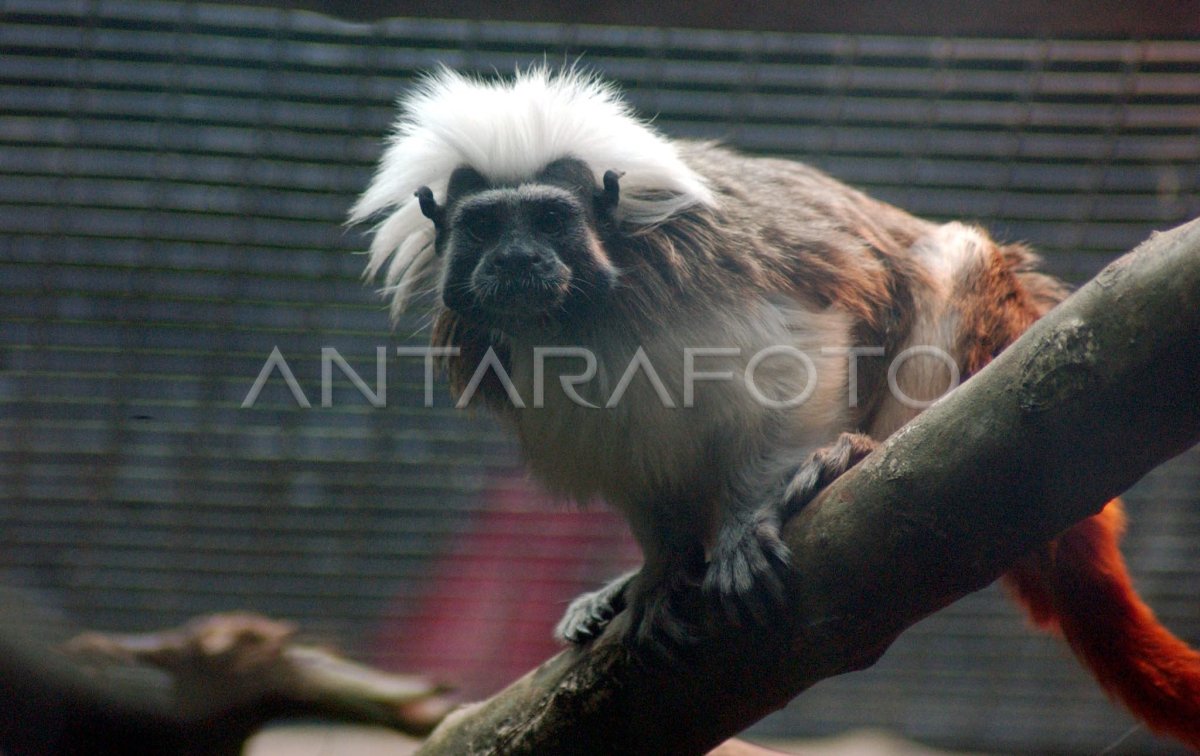
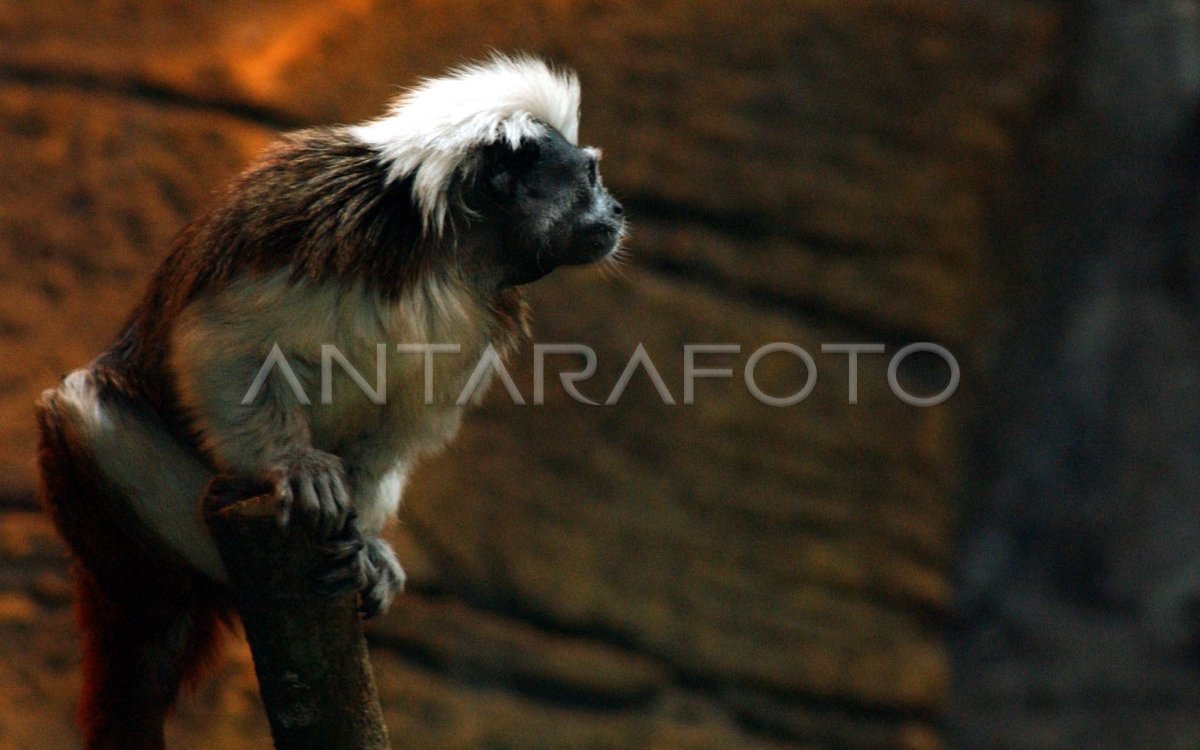
Thanks to archives and photos online, we know that the former cotton-top tamarin at Taman Safari Bogor were first acquired from Zoologische Station Eichberg of Switzerland in 2007. The pair were claimed to be the first of their species to enter Indonesia.

Another points of interest is their former enclosures in the Rainforest Restaurant, which before it was demolished in around 2018, as well as another cotton-top tamarin enclosure in Royal Safari Garden that was located in the original restaurant (Demolished in around 2017-2018). Footages of these two former enclosures are very scarce on the internet.

Photo credit: Jafkhairi/Antarafoto
primata-baru-6vo-dom.jpg


primata-baru-6vp-dom.jpg


Source
PRIMATA BARU | ANTARA Foto
 
Last edited:
Gembira Loka Zoo map from 2012, with a very different layout from today

View attachment 781126
I think Javan banteng could be placed in one of the watusi enclosures, so that 1 paddock only contains 1 species. Similarly, one of the nilgai enclosures should be filled with zebra, and one of the ostrich enclosures should be filled with barking deer.

Also I think the black swan enclosure in the bird park should be replaced with a lesser adjutant stork, because the black swan can be placed in the catch pond area near the petting zoo.
 
Weirdly enough, photos from tripadvisor of Royal Safari Garden shows that the Taman Safari-owned resort had once displayed atleast an Sunda clouded leopard. No more informations has surfaced again. Photo date undetermined.
The post the photo is on says the date of visit was June 2015.
 
Gembira Loka Zoo past animals:
https://media-cdn.tripadvisor.com/media/photo-s/17/5c/86/f2/gembira-loka-zoo.jpg
Red giant flying squirrel (Petaurista petaurista pallas)
https://media-cdn.tripadvisor.com/media/photo-s/17/63/27/62/gembira-loka-zoo.jpg
Roti Island snake-necked turtle (Chelodina mccordi)
https://media-cdn.tripadvisor.com/media/photo-s/17/60/5f/60/gembira-loka-zoo.jpg
Sunda king cobra (Ophiophagus bungarus)
https://media-cdn.tripadvisor.com/media/photo-s/17/5c/87/9b/gembira-loka-zoo.jpg
Piping crow (Corvus typicus)
https://media-cdn.tripadvisor.com/media/photo-s/17/5c/87/0c/gembira-loka-zoo.jpg
https://media-cdn.tripadvisor.com/media/photo-s/17/5c/87/3e/gembira-loka-zoo.jpg
Black-spotted cuscus (Spilocuscus rufoniger)
https://media-cdn.tripadvisor.com/media/photo-s/17/5c/86/e8/gembira-loka-zoo.jpg
Small Indian civet (Viverricula indica)
https://media-cdn.tripadvisor.com/media/photo-s/11/59/ac/2d/photo4jpg.jpg
Southern red muntjac (Muntiacus muntjak)
https://media-cdn.tripadvisor.com/media/photo-s/0e/10/08/64/glzoo.jpg
Clouded monitor (Varanus nebulosus)
https://media-cdn.tripadvisor.com/media/photo-s/0b/f3/78/7b/20160713-141002-largejpg.jpg
Panther chameleon (Furcifer pardalis)
https://media-cdn.tripadvisor.com/media/photo-s/0a/fd/ee/d8/gembira-loka-zoo.jpg
Komodo dragon (Varanus komodoensis)
https://media-cdn.tripadvisor.com/media/photo-s/07/1a/1a/e3/gembira-loka-zoo.jpg
Grant's zebra (Equus quagga boehmi)
https://media-cdn.tripadvisor.com/media/photo-s/06/e7/12/7f/kebun-binatang-gembira.jpg
White Bengal tiger (Panthera tigris tigris)
 
Gembira Loka Zoo past animals:
https://media-cdn.tripadvisor.com/media/photo-s/17/5c/86/f2/gembira-loka-zoo.jpg
Red giant flying squirrel (Petaurista petaurista pallas)
https://media-cdn.tripadvisor.com/media/photo-s/17/63/27/62/gembira-loka-zoo.jpg
Roti Island snake-necked turtle (Chelodina mccordi)
https://media-cdn.tripadvisor.com/media/photo-s/17/60/5f/60/gembira-loka-zoo.jpg
Sunda king cobra (Ophiophagus bungarus)
https://media-cdn.tripadvisor.com/media/photo-s/17/5c/87/9b/gembira-loka-zoo.jpg
Piping crow (Corvus typicus)
https://media-cdn.tripadvisor.com/media/photo-s/17/5c/87/0c/gembira-loka-zoo.jpg
https://media-cdn.tripadvisor.com/media/photo-s/17/5c/87/3e/gembira-loka-zoo.jpg
Black-spotted cuscus (Spilocuscus rufoniger)
https://media-cdn.tripadvisor.com/media/photo-s/17/5c/86/e8/gembira-loka-zoo.jpg
Small Indian civet (Viverricula indica)
https://media-cdn.tripadvisor.com/media/photo-s/11/59/ac/2d/photo4jpg.jpg
Southern red muntjac (Muntiacus muntjak)
https://media-cdn.tripadvisor.com/media/photo-s/0e/10/08/64/glzoo.jpg
Clouded monitor (Varanus nebulosus)
https://media-cdn.tripadvisor.com/media/photo-s/0b/f3/78/7b/20160713-141002-largejpg.jpg
Panther chameleon (Furcifer pardalis)
https://media-cdn.tripadvisor.com/media/photo-s/0a/fd/ee/d8/gembira-loka-zoo.jpg
Komodo dragon (Varanus komodoensis)
https://media-cdn.tripadvisor.com/media/photo-s/07/1a/1a/e3/gembira-loka-zoo.jpg
Grant's zebra (Equus quagga boehmi)
https://media-cdn.tripadvisor.com/media/photo-s/06/e7/12/7f/kebun-binatang-gembira.jpg
White Bengal tiger (Panthera tigris tigris)
It would be pleasant to see any of those species to return on-display. Though here some comments:
  • Petaurista petaurista pallas, from what I'm aware of, is not a true subspecies. The 'Pallas' is a mistake in naming, Pallas likely means Peter Simon Pallas, a Prussian zoologist and botanist who first described petaurista petaurista. A lot of taxonomic or scientific named often paired with the people who first described them.
  • The snake-necked turtles are most likely always been chelodina rugosa/siebenrocki, which are the species of most of the snake-necked turtles in Indonesian zoos. Chelodina mccordi are just so happens to be the more popular name (A lot of mainstream media and the internet cited that species as one of the country's endemic species), it's a common mistake made by a lot of zoos.
  • Photos of the cuscus are present in ZooChat, and it's not an black-spotted cuscus, which in reality was an common spotted cuscus. True black-spotted cuscus are darker in coloration and much larger, and they're almost never present in captivity.
Here are the photo of the cuscus at Gembira Loka years ago.
upload_2025-4-22_8-22-47.jpeg

Here is an black-spotted cuscus
upload_2025-4-22_8-23-24.jpeg

  • The muntjacs aren't really gone, a small group of them live off-display. They're somewhat visible in their off-display pen if you're looking from the new saltwater crocodile exhibit.
  • As I can't stress enough, most if not all "Bengal tiger" in captivity outside of South Asia aren't true Bengal tigers, they're captive hybrid with other mainland tiger subspecies.
 

Attachments

  • upload_2025-4-22_8-22-47.jpeg
    upload_2025-4-22_8-22-47.jpeg
    106.9 KB · Views: 58
  • upload_2025-4-22_8-23-24.jpeg
    upload_2025-4-22_8-23-24.jpeg
    91.1 KB · Views: 66
Last edited:
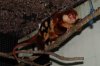
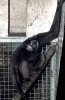
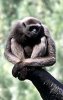
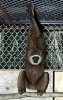
An unsecure website dedicated to identifying the various species of gibbons. Interestingly, the photo showcase several old photos of gibbons seen in Indonesian zoos, ranging from 1998 to 2005. Here's some interesting examples, other photos are present in this website.
Thomas Geissmann's Gibbon Research Lab.: A gallery of photographs of gibbons or small apes (Hylobatidae)

An adult male Bornean white-bearded gibbon, named Raymond, at Taman Safari Bogor. Dated to September 20, 1998. Note the enclosure shown here, it presumebly be a off-display holding, but there's chances that older, stell aviaries has been used before in Cisarua for their gibbons.
upload_2025-5-1_23-18-34.jpeg


An adult male gibbon, labelled as the Abbott's gibbon by the site. Dated to September 16, 1998. Also credited to Taman Safari Bogor, seems to be taken in one of the gibbon islands in the Primate Centre. Taman Safari Bogor currently has a pair of the southeastern Müller's gibbon on-display.
upload_2025-5-1_23-22-10.jpeg


An then-juvenile agile gibbon, named Sheila, at Taman Safari Bogor. Photo dated back to September 20, 1998. Also taken at the same day and presumebly also the same area as Raymond the Bornean white-bearded gibbon, which can either be a off-display holding or old exhibits that had been demolished. According to Zootierliste, Taman Safari Bogor have agile gibbons on their off-display holdings in 2018.
upload_2025-5-1_23-28-5.jpeg


An adult female Kloss's gibbon at Ragunan Zoo. Photo dated back to May 15, 2005. This obviously taken at the horrible primate complex near the bird aviaries. There's thankfuly been a number of pictures and records of the Kloss's gibbon at Ragunan

Ragunan currently have their Kloss's gibbon off-display, with one female gibbon being quite visible just outside the primate holding perimeter in southern part of the zoo.
Quarantine Cages - Kloss's Gibbon - ZooChat
upload_2025-5-1_23-33-0.jpeg
 

Attachments

  • upload_2025-5-1_23-18-34.jpeg
    upload_2025-5-1_23-18-34.jpeg
    23.6 KB · Views: 56
  • upload_2025-5-1_23-22-10.jpeg
    upload_2025-5-1_23-22-10.jpeg
    21.7 KB · Views: 58
  • upload_2025-5-1_23-28-5.jpeg
    upload_2025-5-1_23-28-5.jpeg
    35.5 KB · Views: 56
  • upload_2025-5-1_23-33-0.jpeg
    upload_2025-5-1_23-33-0.jpeg
    64 KB · Views: 58
Photos from Rhino Resource Center
spacer.gif


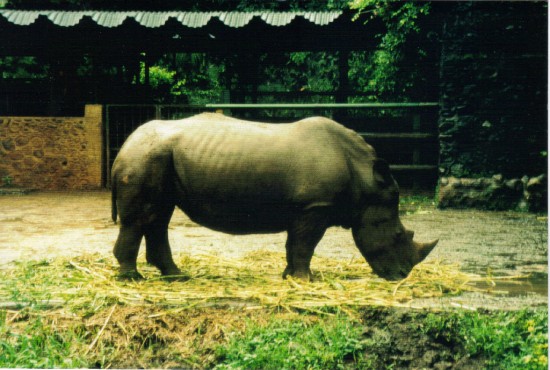
Aside from the pair of Sumatran rhino, Jalu and Dusun, Ragunan once had atleast three southern white rhinoceros. A pair arrived in 1976, with additional female rhino arriving in 1995. Their fate is not publicly known.
Jakarta-1990.jpg


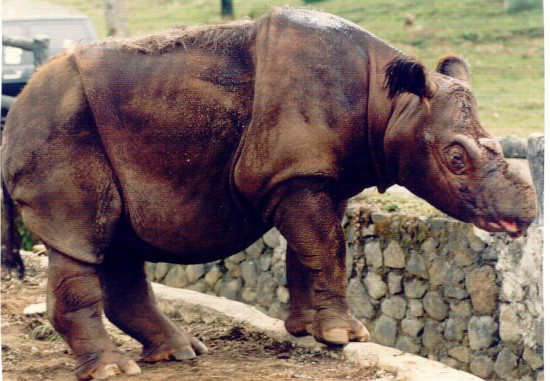
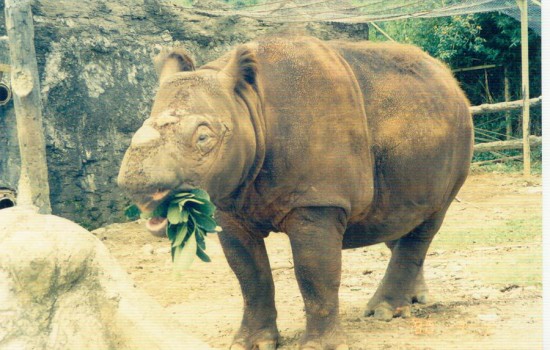
Additionaly, Taman Safari Bogor also once had Sumatran rhinos, known individuals are Romi (M), Dalu (F), and Bina (F). Dalu arrived in 1988 and died in 1993. Both Romi and Bina arrived in 1991, their fate is not publicly known though photo suggest that they're present in 1995. All three of them are wild-caught.
Bogor-1995.jpg

Bogor-1995.jpg
 
Last edited:
Photo and information came from the Rhinoceros Resource Center.

Additionaly, in another very interesting news, the Indonesian Presidential Palace in Bogor, known to house a large group of chitals and one of the residential place of the president, once had another special host, an female Sumatran rhinoceros. The female rhino was wild-caught by a Danish expedition to the Siak River in 1959. She live at the ground of the presidential palace until 1961, where she died on August 8.

Despite this very noteworthy information tied to presidential history of Indonesia, virtually no other informations can be found on the female rhino of the Bogor Palace, including on the role of president of that time, Sukarno. Though it can be infered that he might be aware that an rhino is roaming one of his residential place, or that rhino might be personally given by the Danish explorers to the president.

Bogor-1960.jpg
 
Photos from Rhino Resource Center
spacer.gif


Aside from the pair of Sumatran rhino, Jalu and Dusun, Ragunan once had atleast three southern white rhinoceros. A pair arrived in 1976, with additional female rhino arriving in the 1995. Their fate is not publicly known.
Jakarta-1990.jpg


Additionaly, Taman Safari Bogor also once had Sumatran rhinos, known individuals are Romi (M), Dalu (F), and Bina (F). Dalu arrived in 1988 and died in 1993. Both Romi and Bina arrived in 1991, their fate is not publicly known though photo suggest that they're present in 1995. All three of them are wild-caught.
Bogor-1995.jpg

Bogor-1995.jpg

Gosh I'd love to see the return of Javan or Sumatran Rhinoceros in Indonesian zoos :(
 
Gosh I'd love to see the return of Javan or Sumatran Rhinoceros in Indonesian zoos :(
There are only around 70 known population of Javan rhinoceros in Ujung Kulon, and they're very elusive. It would be unethical to catch them just for zoo exhibition, with potentialy low expectations for breeding. There's never been any report surface of them ever being seen in Indonesian zoos, though there's a planned breeding facility in Ujung Kulon.

Sumatran rhinoceros seems interesting. There's atleast 10 Sumatran rhino in Way Kambas, including Harapan (Who used to be in Cincinnati Zoo) and his children. Despite them being accustomed to human care, it might be more appropriate leaving them be, especially when there's already rhinos being born there just a few years ago in 2022 and 2023, showing the already good breeding success and the well-being of the rhinos there. I feel there's currently no urgency in sending them to zoos in Java.
 
It would be pleasant to see any of those species to return on-display. Though here some comments:
  • Petaurista petaurista pallas, from what I'm aware of, is not a true subspecies. The 'Pallas' is a mistake in naming, Pallas likely means Peter Simon Pallas, a Prussian zoologist and botanist who first described petaurista petaurista. A lot of taxonomic or scientific named often paired with the people who first described them.
  • The snake-necked turtles are most likely always been chelodina rugosa/siebenrocki, which are the species of most of the snake-necked turtles in Indonesian zoos. Chelodina mccordi are just so happens to be the more popular name (A lot of mainstream media and the internet cited that species as one of the country's endemic species), it's a common mistake made by a lot of zoos.
  • Photos of the cuscus are present in ZooChat, and it's not an black-spotted cuscus, which in reality was an common spotted cuscus. True black-spotted cuscus are darker in coloration and much larger, and they're almost never present in captivity.
Here are the photo of the cuscus at Gembira Loka years ago.
View attachment 787278

Here is an black-spotted cuscus
View attachment 787279

  • The muntjacs aren't really gone, a small group of them live off-display. They're somewhat visible in their off-display pen if you're looking from the new saltwater crocodile exhibit.
  • As I can't stress enough, most if not all "Bengal tiger" in captivity outside of South Asia aren't true Bengal tigers, they're captive hybrid with other mainland tiger subspecies.
May I ask where this black-spotted cuscus lives now?
 
There are only around 70 known population of Javan rhinoceros in Ujung Kulon, and they're very elusive. It would be unethical to catch them just for zoo exhibition, with potentialy low expectations for breeding. There's never been any report surface of them ever being seen in Indonesian zoos, though there's a planned breeding facility in Ujung Kulon.

Sumatran rhinoceros seems interesting. There's atleast 10 Sumatran rhino in Way Kambas, including Harapan (Who used to be in Cincinnati Zoo) and his children. Despite them being accustomed to human care, it might be more appropriate leaving them be, especially when there's already rhinos being born there just a few years ago in 2022 and 2023, showing the already good breeding success and the well-being of the rhinos there. I feel there's currently no urgency in sending them to zoos in Java.

Like they said, some things are better left in the wild :D
 
Videos of the Bird Park of Taman Mini Indonesia indah in 2018 that has resurfaced, showing a rather large differences from today.
  • The Bird Park has apparently sold their own birds, even less than 200K rupiah ($12). Birds they offered are fancy pigeons, guineafowl, and even ring-necked pheasant and Indian peafowl. From the video, it can even implied that they even sold their own parrots and passerines.
  • There used to be two separate aviaries just after the entrance, housing black-capped lory and Bali myna.
  • What is now the Javan hawk-eagle tunnel aviary was a small garden within the West Aviary (Now the Greater Sunda Aviary)
  • The collection of the West Aviary side aviaries include;
    • Wreathed hornbill + Chinese ring-necked pheasant
    • Oriental pied hornbill
    • Sunda wrinkled hornbill + crested fireback
    • Rhinoceros hornbill + Lady Amherst's pheasant
    • Black-winged starling
    • Bali myna + white-breasted waterhen
    • Black-naped oriole + pied stilt
    • Javan myna
    • Purple heron + Javan pond heron + black-headed ibis
    • Java peafowl
    • Hair-crested drongo + great argus
    • Malayan crested fireback
    • Greater yellownape + Javan pied starling
  • There even used to be a bird-of-prey exhibition within the West Aviary, housing the usual species (Crested serpent eagle, brahminy kite, white-bellied sea eagle, changeable hawk-eagle, and Javan hawk-eagle).
  • What is now a small portion of the Wallacea and Sahul aviary, with the wompoo fruit dove and pitohui, once simply houses assorted pigeons.
  • The collection of the East Aviary (Now the Wallacea and Sahul aviary) side aviaries include;
    • Nankeen night-heron
    • Papuan hornbill
    • Amboina king parrot
    • Black-capped lory
    • Eclectus sp.
    • Salmon-crested cockatoo
    • Palm cockatoo
    • Eleonora cockatoo
    • Bird-of-paradise (Unspecified)
  • The second video also shows the former ratite complex, housing cassowaries and even an male ostrich prior to the revitalization.
 
Since 2001 up until the revitalization, the Bird Park of Taman Mini Indonesia Indah had some albino hill myna. The bird from 2001 came from East Kalimantan, wether it's a wild-caught bird or captive breed was unspecified. The park planned to get a mate for the bird, which as of now the outcome of it is unknown.

The albino bird was on-display up until the revitalization, in one of the entrance aviary. The fate of the bird as of now is unknown.

upload_2025-8-11_21-44-14.jpeg


Attachments

  • upload_2025-8-11_21-44-14.jpeg
    upload_2025-8-11_21-44-14.jpeg
    205.1 KB · Views: 28
Back
Top