
Rappy
New Member
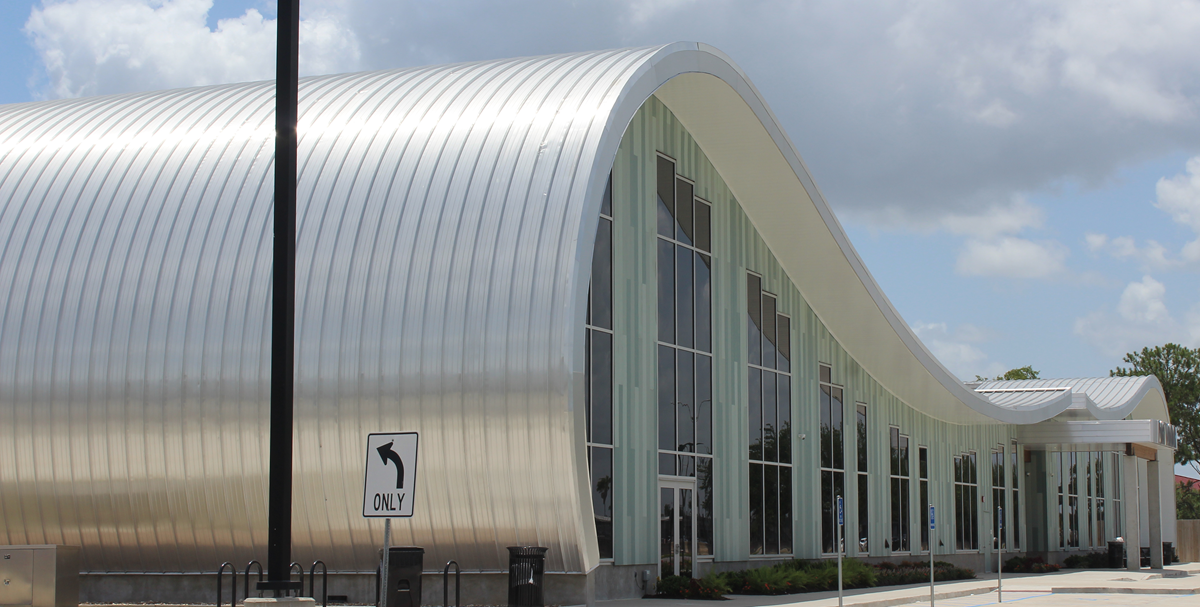
Having opened April 21 of this year, the Louisiana Department of Wildlife and Fisheries Nature and Science Center is part of the Port Wonder building along the lakefront in Lake Charles, Louisiana. Seeing as I'm a local, I figured that despite it being a small facility, it would be worth visiting and taking stock of what was present.
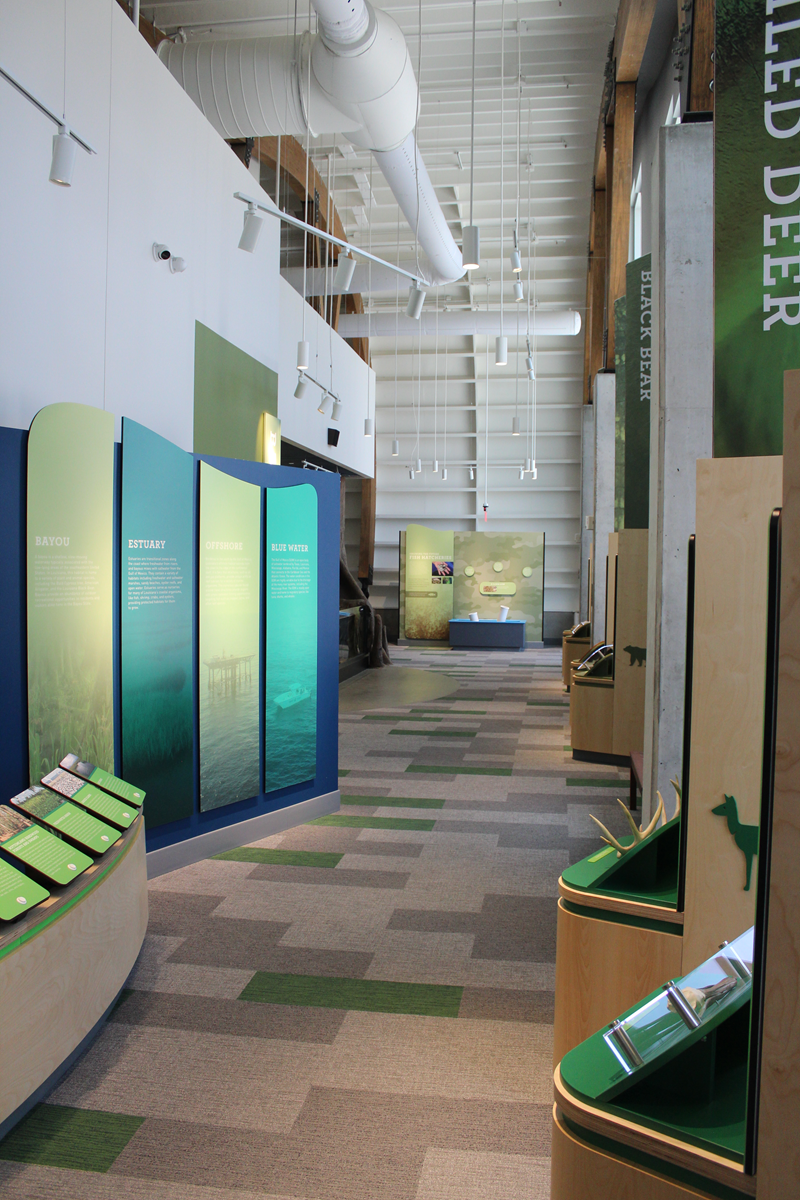
This facility is a little state-run affair solely dedicated to native species, taking up the right half of Port Wonder while the newest incarnation of the Children's Museum of Southwest Louisiana comprises the left half. Upon entering, you first go through two halls. The right-hand side of these halls feature a line of colorful display boards noting several terrestrial animals found in Louisiana, as well as LDWF-relevant topics such as otolith studies and fish hatcheries; more relevant to the interests of this forum, however, are the four display aquaria on the left-hand walls. There are also two touch tanks and display boards focused on offshore fishing in a dedicated room past these hallways, but we're going to start at the start in terms of tanks.
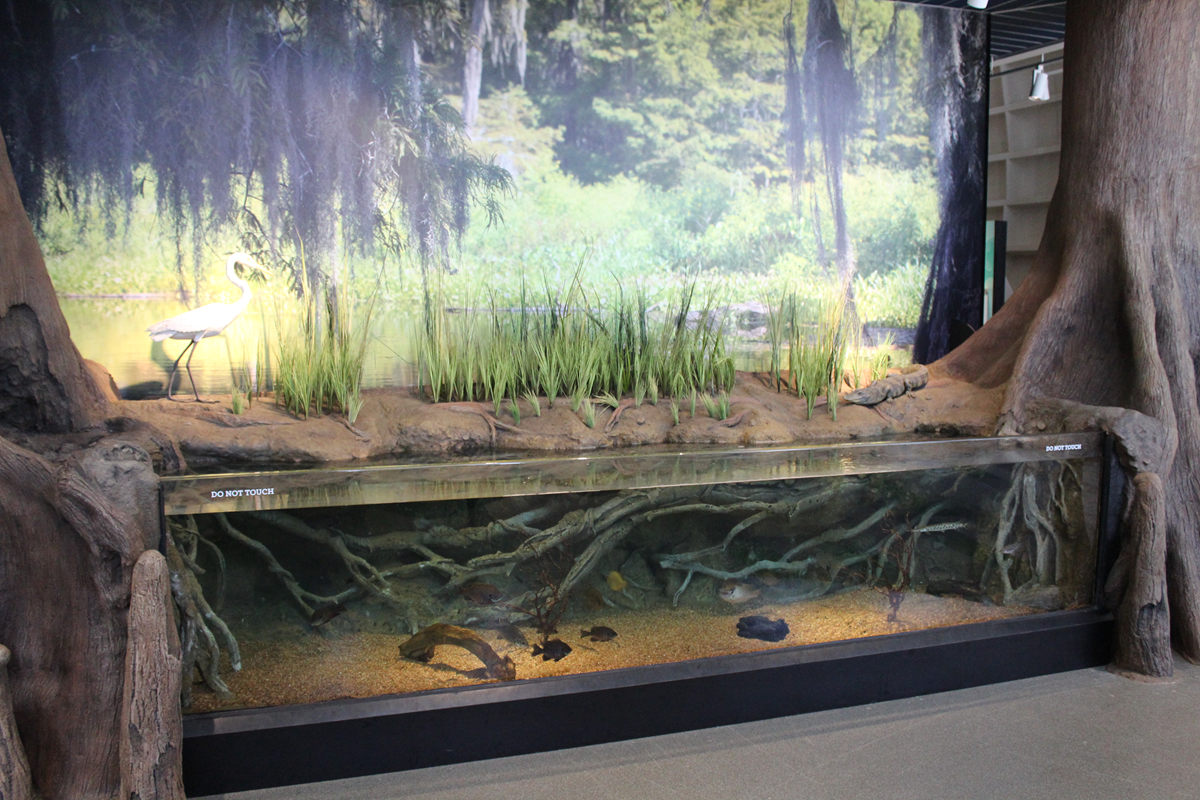
The bayou tank is one of those odd low-to-the-floor aquarium setups I've never really understood the appeal of. Faux cypress trees and a model riverbank strewn with tangled roots (not to mention models of a white egret and young American alligator) cradle a 1,200 gallon setup dominated by various sunfish species and a few unrelated neighbors. I'll be honest: before I visited in person, I had expected this tank to be the stereotypical Deep South tank with the 'big three' of largemouth bass with smaller specimens of blue catfish and alligator gar. Wrong on all accounts. The genus Lepomis rules the roost here, with small groups of four species as well as a lone individual warmouth. Ensuring these don't have sole ownership of the bayou display are several spotted gar, a single black crappie, and a lone yellow bass.
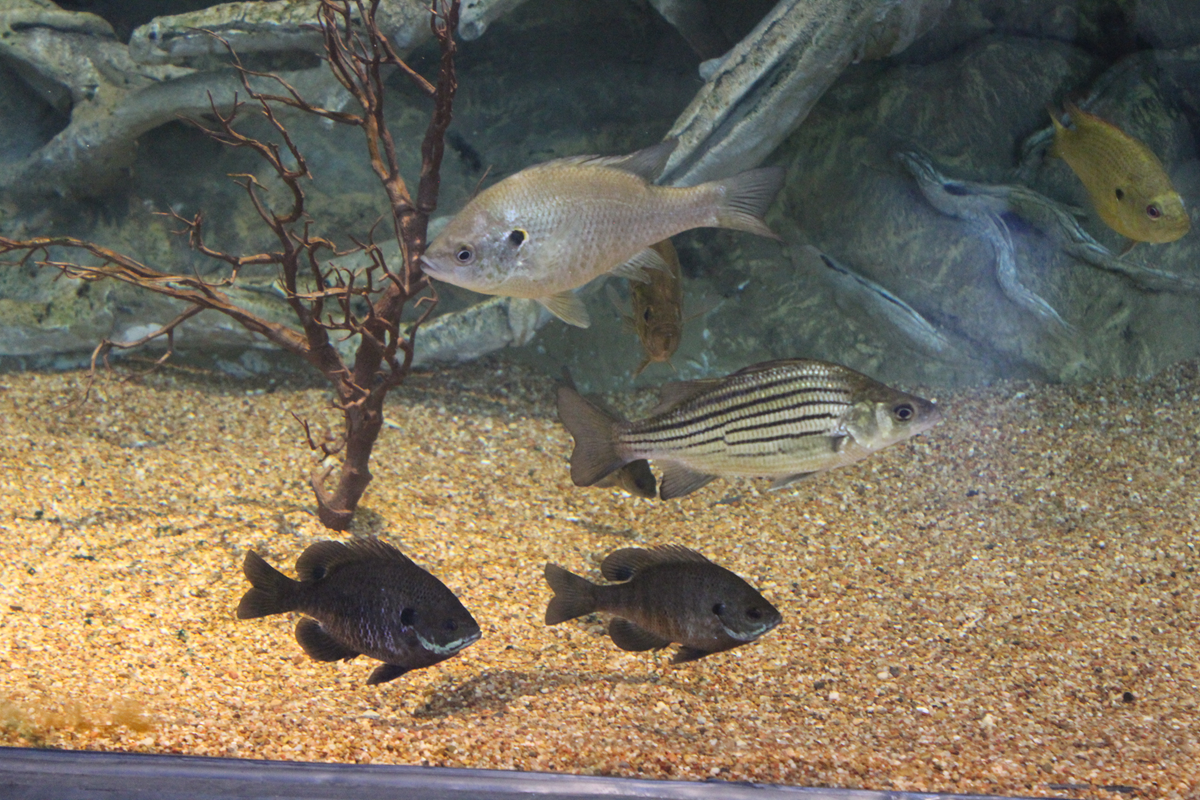
Bayou Tank Species
- Black crappie (Pomoxis nigromaculatus); unsigned
- Bluegill (Lepomis macrochirus)
- Green sunfish (Lepomis cyanellus)
- Longear sunfish (Lepomis megalotis)
- Redear sunfish (Lepomis microlophus)
- Spotted gar (Lepisosteus oculatus)
- Warmouth (Lepomis gulosus)
- Yellow bass (Morone mississippiensis)
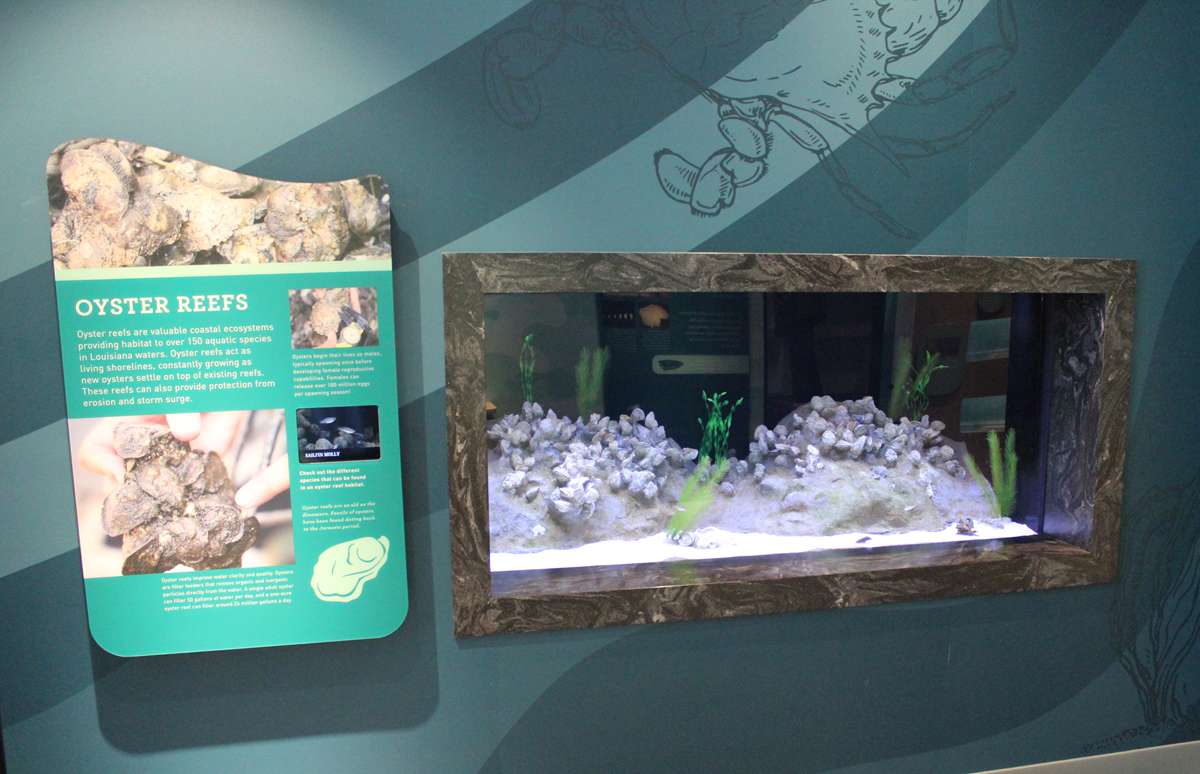
Second up is the 300 gallon oyster reef tank. Stony surfaces decorated with clusters of artificial oyster shells rise out of a sandy bed, all in stark pale colors that contrast against a black tank background. This display's almost entirely made up of demersal denizens the only exceptions are a least puffer and two sailfin mollies that provide spots of activity in the water column. Several of the species without a spot on the tank's electronic species signage were noted by a staff member to have been wild caught about half an hour's drive away, which did make me wonder if the various aquariums' signed vs. unsigned animals might be a divide between species that were planned to be part of the displays early on and ones that were lucky surprises. Perhaps I should have asked, but it felt awkward to do so...maybe next time.
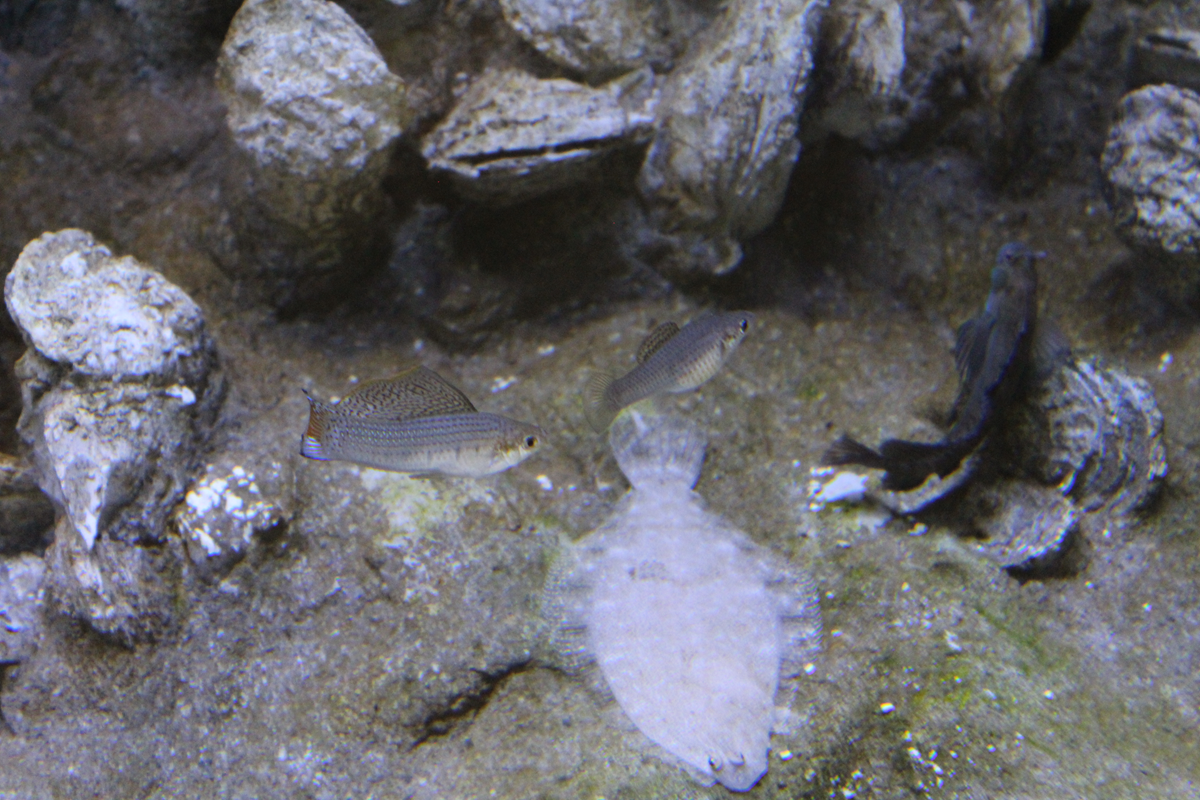
Oyster Reef Tank Species
- Bay whiff (Citharichthys spilopterus); unsigned
- Common mud crab (Panopeus herbstii)
- Freckled blenny (Hypsoblennius ionthas)
- Frillfin goby (Bathygobius soporator)
- Hogchoker (Trinectes maculatus); unsigned
- Least puffer (Sphoeroides parvus); unsigned
- Sailfin molly (Poecilia latipinna)
- Tonguefish (Symphurus sp.); unsigned
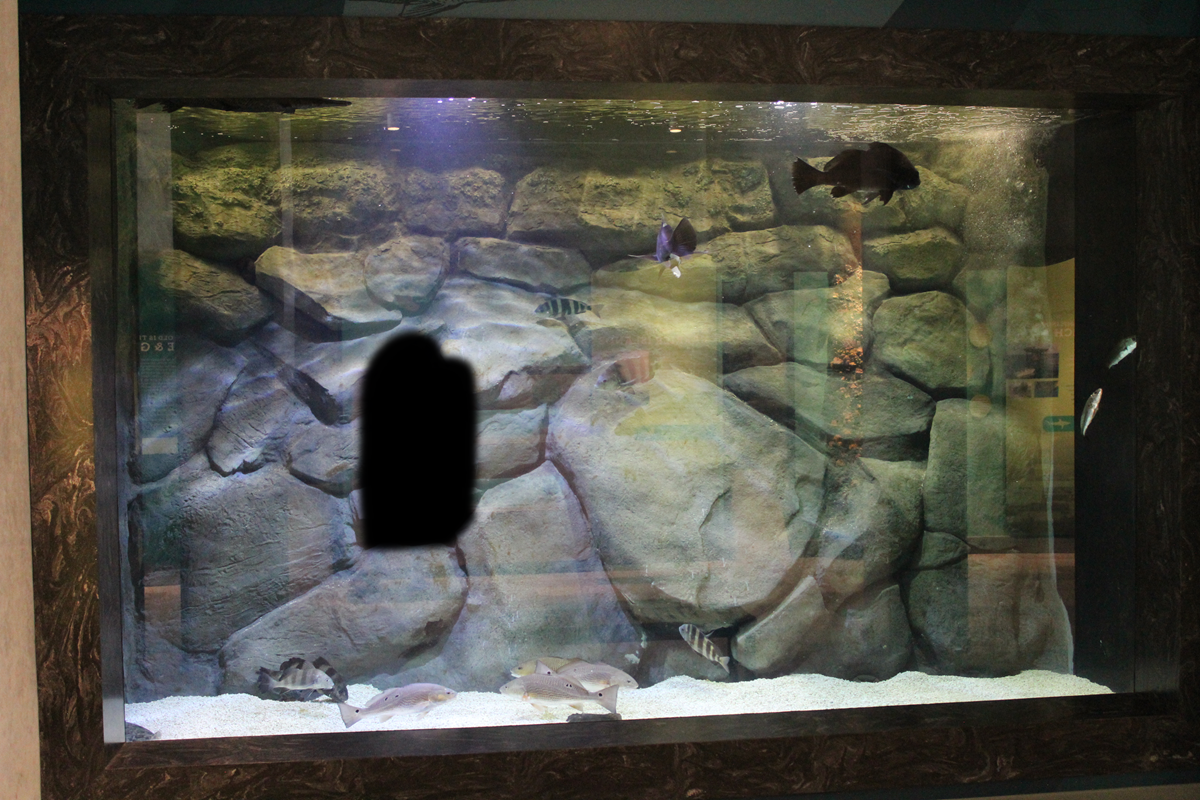
Note: Ominous black void present to mask reflection of visitors, which managed to sneak into this pic despite my strenuous attempts to avoid any such cases
Taking up space from floor to ceiling, the 6,900 gallon Cameron jetty tank is the largest present at the LDWF Nature and Science Center. It's also almost entirely open water, with the only thing rising above the substrate being a backdrop of carved concrete designed to resemble the scattered boulder wall of a jetty. This tank is particularly big on showing off groups in that open space, with almost every species within having two or more individuals. The only exception is a lone alligator gar, the surly topwater sentinel hovering placidly despite all the shoaling happening around and below it. I also realized in hindsight that the wall display tanks are split between two natural environments and two anthropogenic ones. Coincidence? Intentional? No clue.
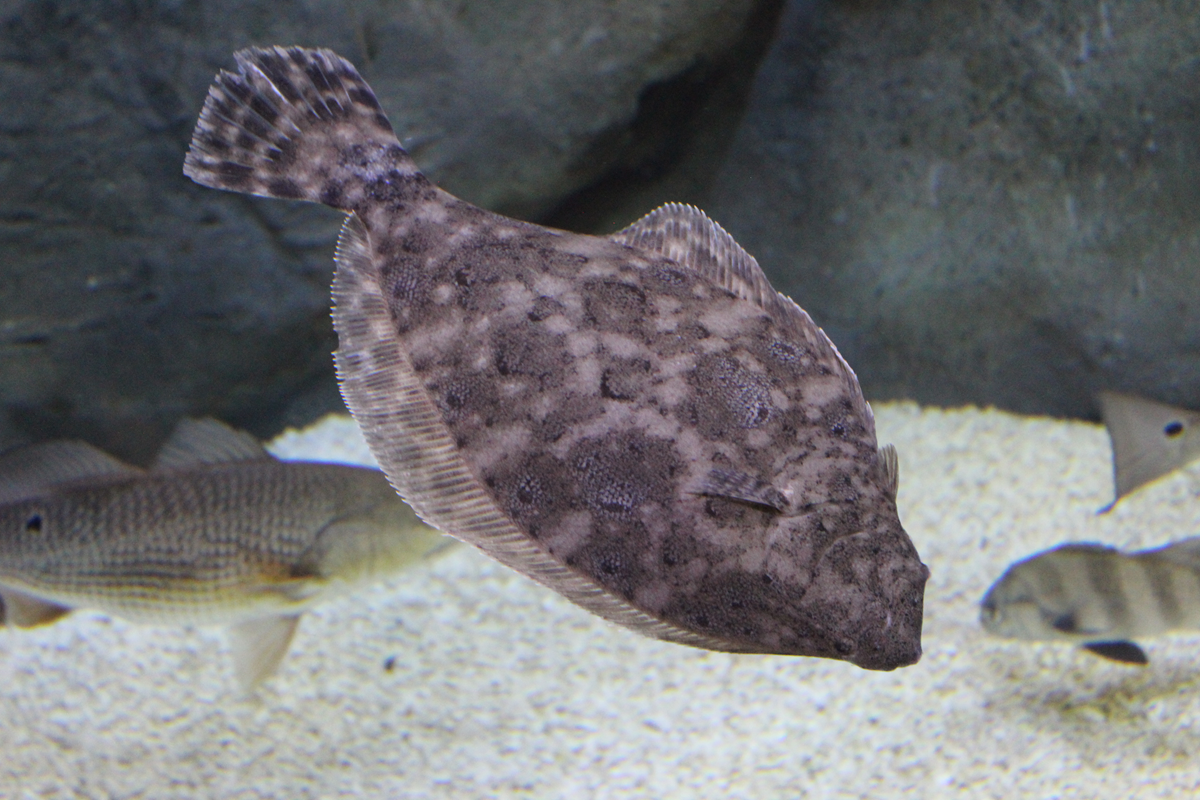
Cameron Jetty Tank Species
- Alligator gar (Atractosteus spatula); unsigned
- Black drum (Pogonias cromis); unsigned
- Red drum (Sciaenops ocellatus)
- Sheepshead (Archosargus probatocephalus)
- Southern flounder (Paralichthys lethostigma)
- Spotted seatrout (Cynoscion nebulosus); unsigned
- Stone crab (Menippe mercenaria or Menippe adina); unsigned
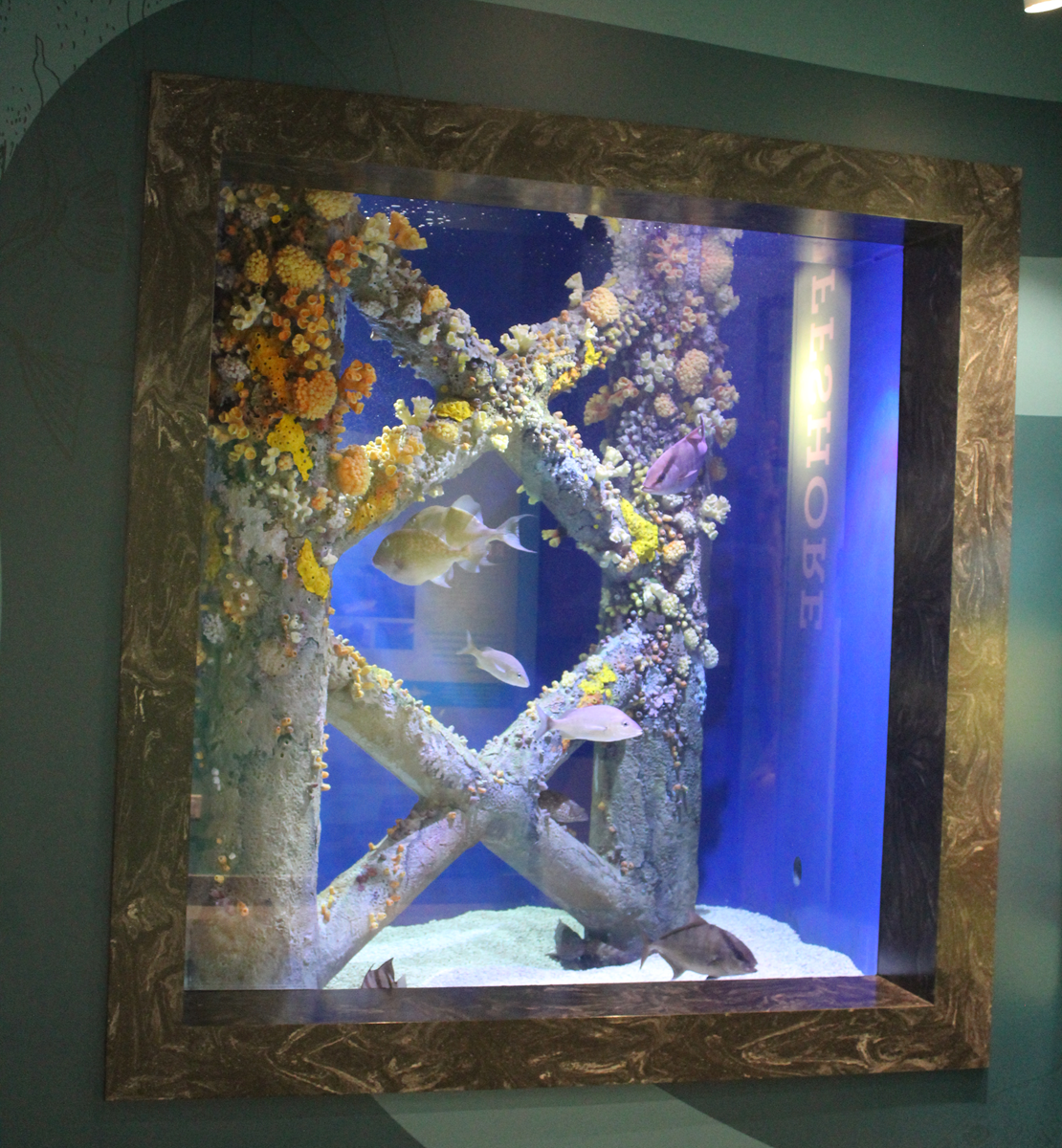
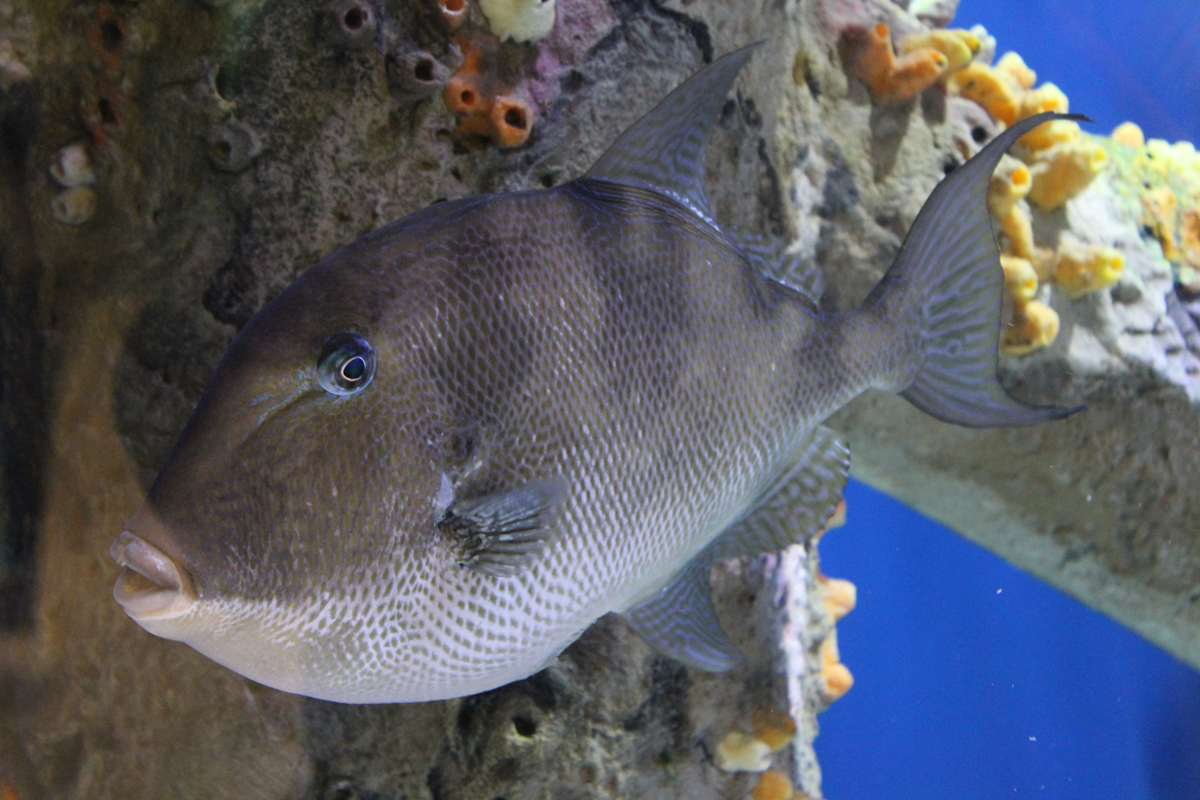
Last of the wall tanks, but certainly not least, is the 2,200 gallon rig reef tank. I'm a sucker for some good fake oil rig struts encrusted in sculpted facsimiles of sessile invertebrates. While every tank had at least one unsigned species, the rig reef tank is the only example of an animal being on the display board but not present in the actual exhibit. Two, in fact: the crevalle jack (Caranx hippos) and vermilion snapper (Rhomboplites aurorubens) both feature on the video screen signage of the tank's inhabitants, but are absent in reality. The rig reef's active shoalers are instead currently two almaco jacks and some manner of grunt. A look at Louisiana grunt species suggests the most likely answer is a tomtate with very faded striping, but I'll update the listing if anyone has a better ID based on the photo below.
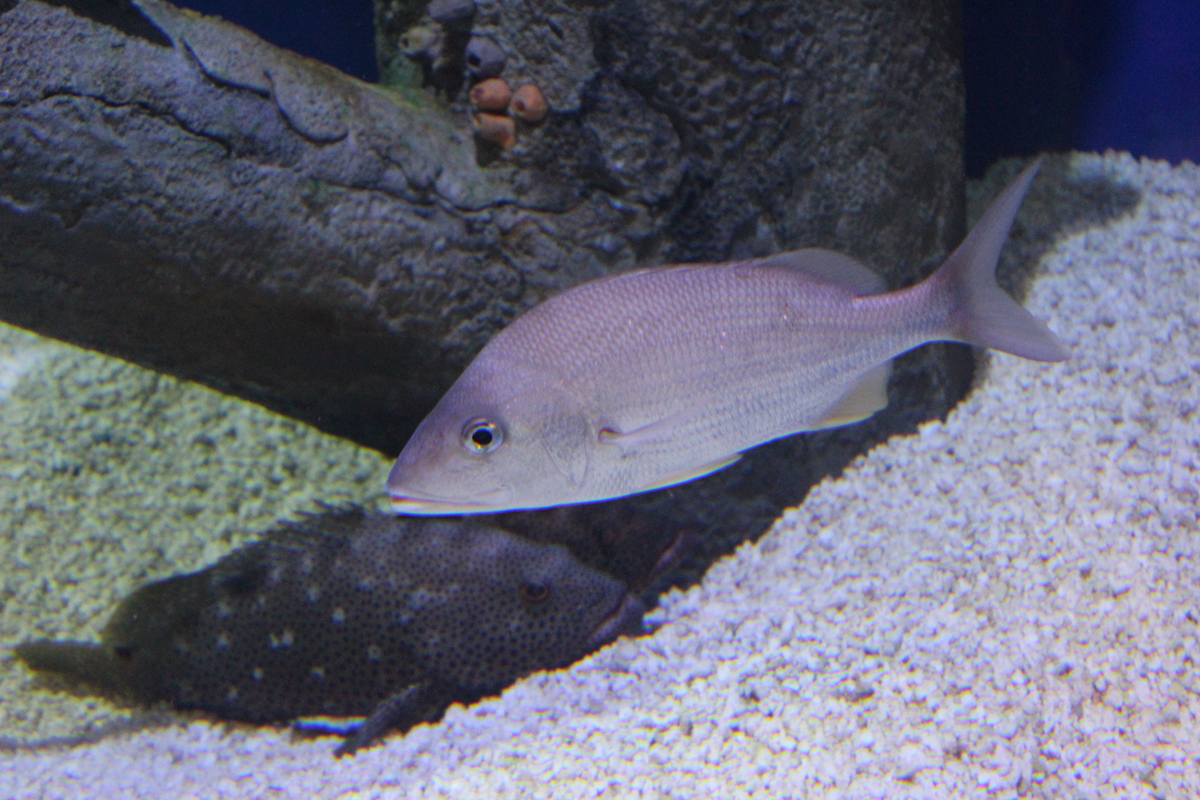
Rig Reef Tank Species
- Almaco jack (Seriola rivoliana); unsigned
- Atlantic spadefish (Chaetodipterus faber)
- Gray triggerfish (Balistes capriscus)
- Grunt (Haemulidae indet.); unsigned
- Rock hind (Epinephelus adscensionis)
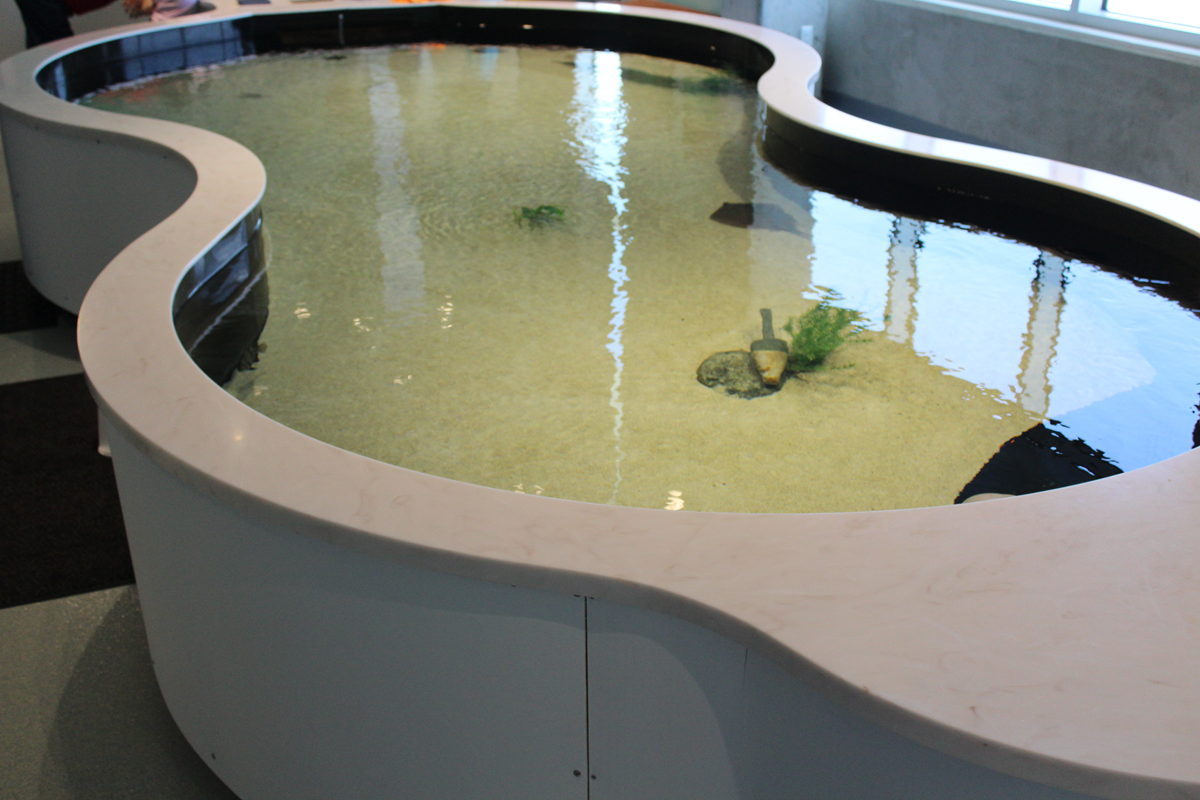
A larger open room with two touch tanks can be found at the end of the two display halls you've previously trekked through. The official website on the facility lists this as a single 2,900 gallon touch tank, so I'm not sure how much of that water is in each separately. Both tanks are strange affairs compared to pretty much any other touch pool setups I've ever seen. One is a deeper tank whose residents seem to be leftover stock from other tanks that got selected to hang out with some Atlantic stingrays. Said stingrays are the most unenthusiastic rays I've ever seen in a touch tank; don't get me wrong, I love this species, but as touch pool residents they were the aloof 'too cool for school' opposites of something like a cownose ray. A lone juvenile grunt (possibly related to those in the rig reef display) similarly had no desire to interact with guests, even with the enforced mandate that visitors to the touch pools let the fish touch them and never vice versa. Instead, a school of young Atlantic spadefish pulled all the weight in this tank, excitedly swarming freshly rinsed human hands that entered their domain.
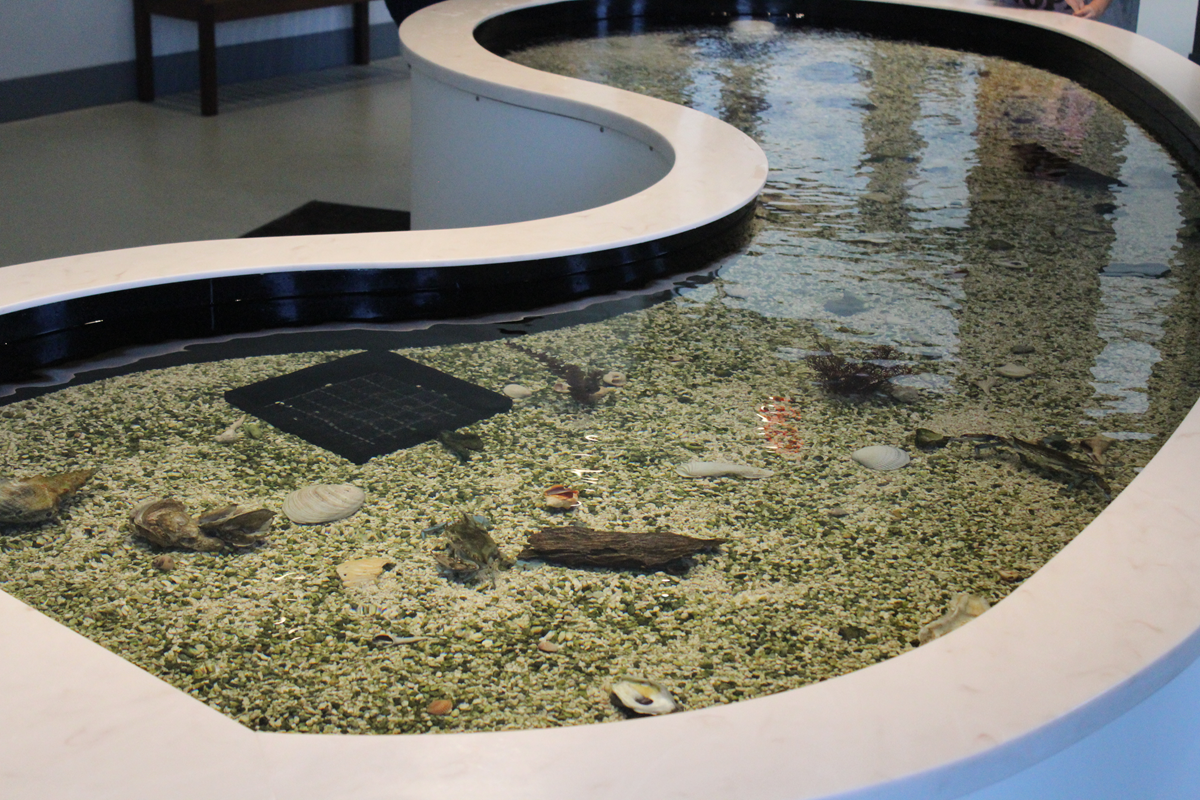
While the first touch tank is unusual, the other might still have it beat. The far shallower rocky pool-style setup has some small native species of hermit crab, which is fitting enough for the experience, but that's about as far as I can claim that goes. In addition to two fish species I can't say re likely to go interact with a human hand, the touch tank has four or five blue crabs. Yes, blue crabs. I'm fairly sure it is only the fact that their dactyli are pruned that hampers their lust for clampy violence. While this isn't harming the crabs as far as I know, it seems like a strange measure to go to when you could just have something more apropos in their place. Atlantic horseshoe crab, perhaps? Everybody loves a Limulus, and it would still count for only housing state native species.
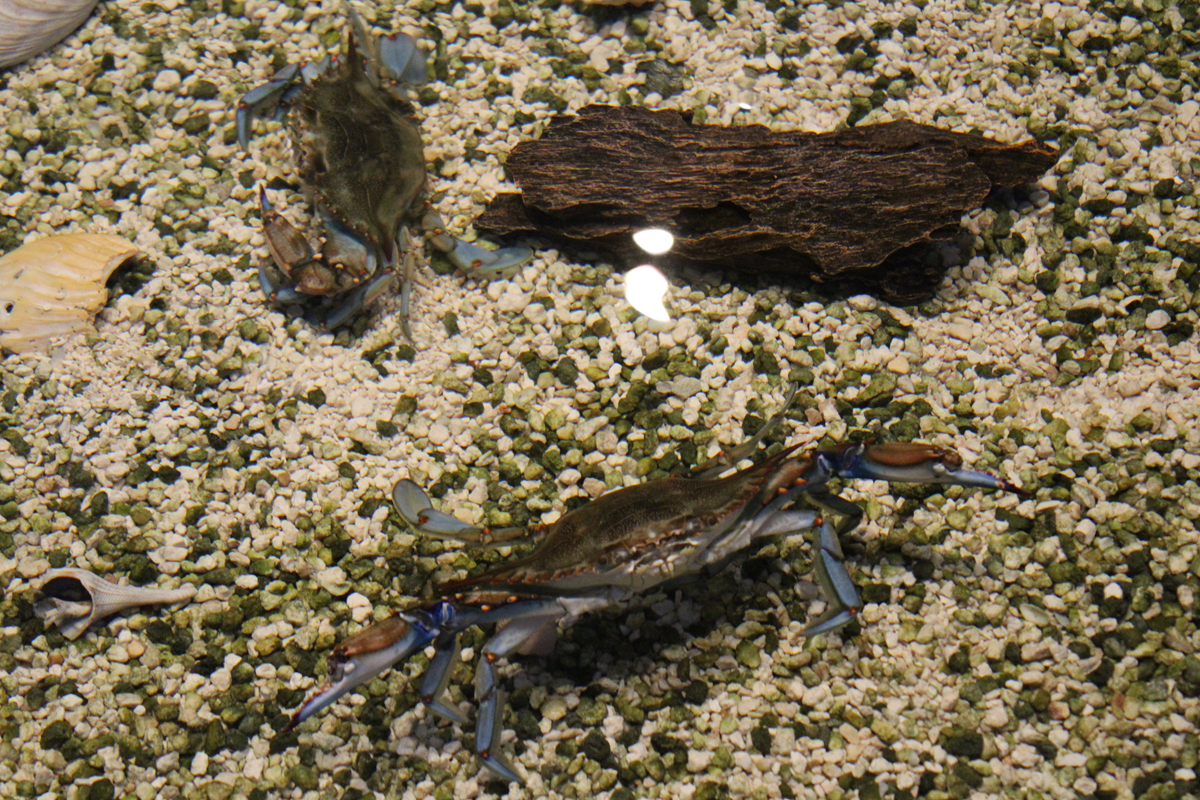
Touch Tank 1 Species (All unsigned)
- Atlantic spadefish (Chaetodipterus faber)
- Atlantic stingray (Hypanus sabinus)
- Grunt (Haemulidae indet.)
- Blue crab (Callinectes sapidus)
- Gulf toadfish (Opsanus beta)
- Hermit crab (Paguroidea indet.)
- Hitchhiker anemone (Calliactis tricolor)
- Sheepshead minnow (Cyprinodon variegatus)
I don't think anyone's going to claim the LDWF Nature and Science Center is a must-see facility that is going to pull people from afar. Putting things into a more reasonable perspective, though, what can we say about it as a minor local attraction? On the welfare front, all of the present tanks are clean and well-maintained, with no apparent overstocking issues or agonistic cohabitants (though I feel that might be different were those blue crabs in the final touch tank allowed to grow out their weaponry). Staff were friendly and attentive to guests, willing to note unsigned species and give anecdotes about their backstories and behavior. And on a purely emotional level? Seeing families excited to look at native fauna as something special, not just 'boring' local fish and crustaceans, was a joy.
Those touch pools are weird, though. Not gonna lie about that.
If there's any flaw I could readily point out, it would be that the little video screens within larger display boards that act as species signage for each tank are flawed. They only display chosen common names and seem to have a small preset number of animals to show on loop, which is less than ideal when you have tank stock outside of those preset species. I don't know what the best solution would be in lieu of this, mind, but there has to be a better way.
I'm also unsure of where the center can innovate and expand in terms of species on display. There are numerous worthwhile animals in the state that could do the job, mind, from various species of creek-dwelling darters to the plethora of creatures found in the state's only coral reefs out at Flower Garden Banks. But the problem isn't the potential for new faces, it's where to put them. In a perfect world, I would have loved to have seen a dedicated facility like this that had a large building complex all to itself; however, that's just not where the chips seemingly fell. Given that the center is run by a state wildlife and fisheries service, I suppose there is the potential for rotating species based on some being released as others are farmed or caught. Maybe there's even some optimizing that could be done in terms of space to add in new small tanks here and there. I suppose only time will tell.