Malayan Sun Bears in Australasian Zoos (Discussion)

Zoofan15

Well-Known Member
10+ year member
Malayan Sun Bears in Australasian Zoos (Discussion)

To be clear, this isn’t a population thread. We already have an excellent bear population thread courtesy of @WhistlingKite24, which you can refer to for a list of the dwindling sun bears we have at our disposal: Australasian Bear Population

However, I thought it would be interesting to have a thread for discussion on this charismatic species and it’s history given the region’s recent lack of enthusiasm for breeding them; and what appears to be a long term plan to phase them out.
 
Perth Zoo’s Exhibit

Current exhibit (2007):

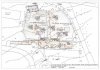
A concept design (photo courtesy of Perth Zoo) was drawn up in 2004, ahead of the exhibit opening in 2007:

upload_2022-2-27_0-55-10.jpeg
Source: ZooLex Image - Site Plan

Exhibit details are in this document: ZooLex Exhibit - Sun Bear Exhibit

Summary:

The exhibit consists of two enclosures. The northern enclosure covers an area of 564m² while the southern covers an area of 511m².

Division of the exhibit into two areas allows to manage and exhibit the bears according to their natural behaviour as solitary animals. Access points linking the two enclosures facilitate pairing of the male and female when the female is reproductively receptive.

The night quarter area at the back of the exhibit is a concrete building that includes three separate night dens and an acoustically separate cubbing den. The birthing den has four video cameras built into the walls and audio pick-up for constant monitoring of mother and cub.

Future exhibit:

As of 2018, the plan is to build a rotational exhibit which will see the Sumatran tigers and Malayan sun bears have their own exhibits; but also share space with other species via flexible exhibits.

Concept designs are on Page 3 of this document: https://perthzoo.wa.gov.au/perthzoowebsite/media/perthzoo/7111-Master-Plan-2018_V19_web.pdf
Asffd
 

Attachments

  • upload_2022-2-27_0-55-10.jpeg
    upload_2022-2-27_0-55-10.jpeg
    48.5 KB · Views: 36
Lack of Breeding Success at Adelaide Zoo

Adelaide’s last sun bears were

1.0 Akbar (born 1987) Imported 1994; died 17/05/2018
0.1 Dewi (born 1987) Imported 1994; died 00/04/2010
0.1 Manji (born 1987) Imported 2007; died 10/02/2013

From what I’ve been able to research, the lack of breeding between Akbar and Dewi was likely due to inadequate socialisation (like many rescue bears):

These animals (Akbar and Dewi) were taken illegally from the wild when they were young and kept as pets in Thailand. Being kept in small cages means they were not able to develop normally as cubs which explains some of the bears’ unnatural pacing behaviour. Fortunately they were rescued and donated to the Adelaide Zoo by the Taiping Zoo in Malaysia. They arrived at the Adelaide Zoo in November 1994.

https://www.zoossa.com.au/wp-content/uploads/Malayan-Sun-Bear-Oct-09.pdf

The reasons for Manji’s import are unknown. She was 20 years old and post reproductive, which explains why she never bred with Akbar (in addition to any social deficiencies from his side).
 
Malayan Sun Bears in Australasian Zoos (Discussion)

To be clear, this isn’t a population thread. We already have an excellent bear population thread courtesy of @WhistlingKite24, which you can refer to for a list of the dwindling sun bears we have at our disposal: Australasian Bear Population

However, I thought it would be interesting to have a thread for discussion on this charismatic species and it’s history given the region’s recent lack of enthusiasm for breeding them; and what appears to be a long term plan to phase them out.
As mentioned on the other thread it was disappointing to see other bear species phased out to make way for the chosen Sun bears in our regional zoos only now to see the lack of interest among our zoos to commit to this species, this lack of commitment to a number of regional species over the years is worrying. Is it bad communication between our zoos or just bad management on a regional level, I am sure they could do better but then again I could be wrong about that.
 
As mentioned on the other thread it was disappointing to see other bear species phased out to make way for the chosen Sun bears in our regional zoos only now to see the lack of interest among our zoos to commit to this species, this lack of commitment to a number of regional species over the years is worrying. Is it bad communication between our zoos or just bad management on a regional level, I am sure they could do better but then again I could be wrong about that.

I think it’s a combination of both. Malayan sun bears are a long lived species (two to three decades) so there’s a lot of zoos thinking in the short term. Do we have sun bears? Yes > Will they live for the next 10 years? Yes > No problem. It’s the same attitude that’s seen our hippopotamus breeding programmes reach crisis point.

Malayan sun bears can be imported with comparative ease, but I’d rather see a long term sustainable breeding programme on a regional level rather than the boom and bust model our zoos adhere to.

Breeding should be the seen as the ultimate achievement in their husbandry.

Breeding sun bears:

- Provides an opportunity to upskill their keepers on husbandry
- Contributes to data on reproduction within a captive setting
- Enriches the lives of the captive bears
- Contributes to building a sustainable captive population
- Brings in money (gate takings, sponsorship, donations)
- Provides small zoos/wildlife parks an opportunity to hold the species
Sfhjgff
 
It's unfortunate that Sun bears don't seem to be doing well anywhere in captivity. They are being phased out over here in North America and the population is fastly aging, while in Europe breeding efforts are being made but the population is far from stable over there as well. Perhaps the situation wouldn't be as bad in the Australasian region if zoos actually made an attempt at breeding their animals. Is it still in the realm of possibility that zoos will make a final attempt at breeding anytime soon? If I recall correctly, the youngest 3 females in the region are Sasa, Maly, and Mary but none of them have bred and none of them are paired at the moment so I'm assuming that's a no. Even if one of them is paired in the next few years, I'm starting to doubt any cubs will be born, unfortunately. Has it ever been officially confirmed that the ZAA is indeed planning to phase out the species?
 
It's unfortunate that Sun bears don't seem to be doing well anywhere in captivity. They are being phased out over here in North America and the population is fastly aging, while in Europe breeding efforts are being made but the population is far from stable over there as well. Perhaps the situation wouldn't be as bad in the Australasian region if zoos actually made an attempt at breeding their animals. Is it still in the realm of possibility that zoos will make a final attempt at breeding anytime soon? If I recall correctly, the youngest 3 females in the region are Sasa, Maly, and Mary but none of them have bred and none of them are paired at the moment so I'm assuming that's a no. Even if one of them is paired in the next few years, I'm starting to doubt any cubs will be born, unfortunately. Has it ever been officially confirmed that the ZAA is indeed planning to phase out the species?

No, it’s not been officially confirmed but the programme has clearly stagnated and is headed for a long term phase out. Personally, I’m hoping future management will revise this decision - which there’s time for given the longevity of this species.

Technically, the following pairs could be formed:

Sasa with Jamran
Maly with Arataki
Mary with Jamran

Given the females are in their mid-teens, time is running out. The simplest option would be to send Maly to the National Zoo given they’re in neighbouring states and the National Zoo has experience with breeding.
 
It's unfortunate that Sun bears don't seem to be doing well anywhere in captivity. They are being phased out over here in North America and the population is fastly aging, while in Europe breeding efforts are being made but the population is far from stable over there as well. Perhaps the situation wouldn't be as bad in the Australasian region if zoos actually made an attempt at breeding their animals. Is it still in the realm of possibility that zoos will make a final attempt at breeding anytime soon? If I recall correctly, the youngest 3 females in the region are Sasa, Maly, and Mary but none of them have bred and none of them are paired at the moment so I'm assuming that's a no. Even if one of them is paired in the next few years, I'm starting to doubt any cubs will be born, unfortunately. Has it ever been officially confirmed that the ZAA is indeed planning to phase out the species?

Taronga recently attempted to breed their pair, Mr Hobbs and Mary but all attempts were unsuccessful. National has also attempted to breed their pair, Artaki and Otay, again but they too were unsuccessful.

I'd imagine if they were given the oppurtunity, Taronga would look to import a mate for Mary considering they were attempting to breed their pair back shortly before Mr Hobb's death. Jamran is the only option for her, but it appears Perth are sitting on him at the moment. The next step seems to be sending Maly to breed with Artaki; and then sending Jamran to breed with Mary or Sasa. If none of the three younger females are breed very soon the future of the species in the region is looking very dire.
 
I'd imagine if they were given the oppurtunity, Taronga would look to import a mate for Mary considering they were attempting to breed their pair back shortly before Mr Hobb's death. Jamran is the only option for her, but it appears Perth are sitting on him at the moment. The next step seems to be sending Maly to breed with Artaki; and then sending Jamran to breed with Mary or Sasa. If none of the three younger females are breed very soon the future of the species in the region is looking very dire.

I’m guessing the reason Jamran hasn’t moved to date is because of his traumatic background. This article gave this account:

Jamran was found hogtied to a pole, to be sold to a restaurant.

“Jamran is very nervous, especially around men,” the bears’ handler said. “We suspect he was probably taken from the wild by men. We have to do a lot of sitting down and hand-feeding him and making sure he’s really comfortable with us.”

The Perth Zoo sun bears rescued from cruel illegal wildlife trade in Asia

The upheaval of a move could undo the progress that’s been made with him; though it’s worth noting this could be the best option in the long run (not just for breeding purposes) since Perth Zoo are going to be carrying out extensive renovations to their South East Asian precinct (including sun bear exhibits), which will arguably be more disruptive to him than a one off move.
 
Wildlife HQ in Queensland has a Sun bear as far as I know no plans for more

Wildlife HQ seem quite happy to maintain a single bear and have no facilities to breed them. When they were based at Alma Park and had the elderly female Raya, they were on the list to receive a surplus male but this never eventuated. Maly joined their collection shortly before Raya’s death and they’ve maintained 0.1 ever since.

While Wildlife HQ have no plans to breed, I don’t doubt they’d happily take on a surplus male from one of the other zoos if they were to breed as a companion for Maly.
 
From Wildlife HQ's 2021 news thread from one of my trip reports and conversations with a keeper:

"On the topic of sun bears, I also did a bear encounter today and managed to find out a bit more about the sun bear situation in the region. Perth Zoo have been trying to breed from their pair recently with no success. The keeper also discussed that it seems like female sun bears are not as receptive to the same male after their first breeding attempt/set of cubs hence why there has been such poor breeding results. Let's hope some swaps occur. Wildlife HQ is also interested in acquiring a male sun bear one day in the long-term; the keeper mentioned it would likely be imported from a rescue/sanctuary rather than a zoo. They would build a new exhibit behind the current sun bear in the forested area."
 
From Wildlife HQ's 2021 news thread from one of my trip reports and conversations with a keeper:

"On the topic of sun bears, I also did a bear encounter today and managed to find out a bit more about the sun bear situation in the region. Perth Zoo have been trying to breed from their pair recently with no success. The keeper also discussed that it seems like female sun bears are not as receptive to the same male after their first breeding attempt/set of cubs hence why there has been such poor breeding results. Let's hope some swaps occur. Wildlife HQ is also interested in acquiring a male sun bear one day in the long-term; the keeper mentioned it would likely be imported from a rescue/sanctuary rather than a zoo. They would build a new exhibit behind the current sun bear in the forested area."

Thanks for sharing @WhistlingKite24. It’s exciting to hear WHQ plan to build a secondary enclosure in the future. This could give them the option to breed down the line, even though their current female will likely be post reproductive by then.

I haven’t heard that theory on reproduction anywhere else however. Wellington’s pair produced five litters between 1996-1999, so were the exception to the rule if this is the case.

San Diego’s last breeding pair (albeit of the Bornean subspecies) also produced three litters between 2004-2008.
 
It's unfortunate that Sun bears don't seem to be doing well anywhere in captivity. They are being phased out over here in North America and the population is fastly aging, while in Europe breeding efforts are being made but the population is far from stable over there as well. Perhaps the situation wouldn't be as bad in the Australasian region if zoos actually made an attempt at breeding their animals. Is it still in the realm of possibility that zoos will make a final attempt at breeding anytime soon? If I recall correctly, the youngest 3 females in the region are Sasa, Maly, and Mary but none of them have bred and none of them are paired at the moment so I'm assuming that's a no. Even if one of them is paired in the next few years, I'm starting to doubt any cubs will be born, unfortunately. Has it ever been officially confirmed that the ZAA is indeed planning to phase out the species?
It is not like sun bears are difficult to breed, it is their management and husbandry they need to sort. I really do think they must make an effort to set up compatible pairings.

BTW: in range countries sun bears do well in zoos in almost substandard conditions. So, it is for lack of determination to succeed. It should not end at just rescue, but also ex situ captive-breeding perhaps zoos like Singapore, Bandung,Taiping should take the lead
 
It is not like sun bears are difficult to breed, it is their management and husbandry they need to sort. I really do think they must make an effort to set up compatible pairings.

BTW: in range countries sun bears do well in zoos in almost substandard conditions. So, it is for lack of determination to succeed. It should not end at just rescue, but also ex situ captive-breeding perhaps zoos like Singapore, Bandung,Taiping should take the lead

Chomel at Wellington Zoo produced six litters while living in a renovated bear pit from the early 1900’s, with the maternity annex (considered a contributing factor to her success in rearing cubs) of equally substandard quality.

Privacy was considered the most essential factor - isolation from both the male and humans. Cameras were set up to monitor the den remotely and feeding routines established so there were no surprises. On one occasion she became agitated when a keeper arrived earlier than anticipated to feed her that day.
 
I haven’t heard that theory on reproduction anywhere else however.

It sort of makes sense, as in the wild they wouldn't necessarily breed with the same male each breeding season. Some females may just be unreceptive to the same male for a second time, compared to others.

Both Perth's and National's pairs demonstrate this, only having bred together once.
 
It sort of makes sense, as in the wild they wouldn't necessarily breed with the same male each breeding season. Some females may just be unreceptive to the same male for a second time, compared to others.

Both Perth's and National's pairs demonstrate this, only having bred together once.

It may be an evolutionary phenomenon to increase genetic diversity.

Chomel’s brother at the San Diego Zoo was another male who bred more than once with the same female, though in that case there was a second female in the exhibit, which may have had an affect.

In an ideal world, zoos would swap their males after two or three years of non breeding, but so many of our founders have had behavioural issues, receiving zoos would have likely been unwilling to agree to it.

It really highlights what a loss Bakti was to the breeding programme. He died at the age of 12, but had already sired several litters and as a mother raised bear, had no social issues. One can only wonder how many more cubs he could have sired, either with Chomel or other females in the region.
 
In an ideal world, zoos would swap their males after two or three years of non breeding, but so many of our founders have had behavioural issues, receiving zoos would have likely been unwilling to agree to it.

Mr Hobbs at Taronga had behavioural issues due to his traumatic childhood. He never successfully mated with both Victoria and Mary during his lifetime. Although mating behaviours were observed there's no indication on whether they were actually mating or not.
 
On the topic of National's bears, via their social media, I found out Artaki and Otay are displayed together and actually get along well. They do have two enclosures for them though, if separation is required eg. for the birth of cubs. It was also mentioned they were still attempting to breed their pair, but have had no success following Mary back in 2010; and also interestingly, Artaki is the dominant individual between the pair especially around food.
 
Back
Top