Melbourne Zoo Melbourne Zoo Review 2025 (20/1/25)

What trail would you like covered first?

  • Gorilla Rainforest

    Votes: 11 47.8%
  • Forest of Wonder

    Votes: 5 21.7%
  • Growing Wild

    Votes: 0 0.0%
  • Main Trail

    Votes: 1 4.3%
  • Wild Sea

    Votes: 0 0.0%
  • Australian Bush

    Votes: 2 8.7%
  • Lion Gorge

    Votes: 4 17.4%

  • Total voters
    23
Wild Sea

Wild sea was opened in December 2009. Wild sea is one of my favourite precincts for a warm day. On my second visit it was 28 degrees.
Wild sea is the zoos marine precinct it features a variety of fish species, little penguins and 2 different species of fur seal.
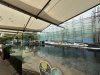
Wild Sea inside
IMG_7170.jpeg
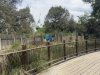
As you enter you are greeted with a vacant enclosure which used to house pelicans, they have since been given to Healesville sanctuary and this enclosure is now an education exhibit. It used for a New Guinea fishing trap. I could also see some species of turtle in the enclosure.
Vacant Enclosure
IMG_5116.JPG


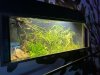
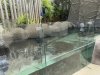
Before entering the main building there is some small seal statues along with a sand pit. This was popular among kids. There is a habitat for a variety of fish and shark species including fiddler rays, port Jackson shark and other species of fish. It is on the smaller side. I do find it quite hard to view as it is quite dark.

Small Habitat
IMG_5120.JPG

As you enter wild sea, you immediately feel that you are in a modern, fresh and immersive area. There are 3 features inside the main building
1 - 3 viewing windows for the Seals
2 - A viewing window for the little penguins
3 - a variety of smaller aquarium enclosures for species such as seahorses

Seals
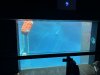
The seal exhibit is a overall great one. It features a good size pool. I always see some sort of enrichment items for the seals to play with. There is underwater viewing inside the main building. Seals are one of the zoos most famous attractions. It is home to 3 female fur seals, 2 New Zealand fur seals along with one Australian fur seal.
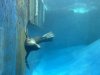
Seal Viewing Area 1 with seal
IMG_5192.JPG

3rd Seal Viewing area with seating
IMG_7168.jpeg
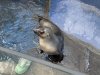
Seal Outside, I believe this is Bella, who was rescued
IMG_7202.jpeg
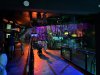
After visiting the seals, you start to walk up a ramp, to a small rectangular window that you can view the little penguin from. I saw none swimming on my visits. As you walk out there are about 5 small aquarium enclosures that house animals from different aquatic biomes.
Aquariums on the way out
IMG_7176.jpeg


After exiting the building you can look into some of the holding pens along with back of house facilities for the seals. One of the seals on my visit was bobbing up and down in the water where the back of house was.

The seal enclosure features some smooth rocky platforms that are suppose to mimic rocks in the ocean. The seals were very playful using them. There are also a couple of notable nifty features in this enclosures. There are bubbles machine along with wave machines, which is great for the seals, and in tern enhances the visitors viewing experience.
Seal outside enclosure
IMG_7208.jpeg

Ranking -
8.5/10

What I love -

1. Visitors can look at back of house facilities

2. A number of nifty inclusions such as wave and bubble machine

3. Good conservations efforts and stories

What could be improved -

1. Possibly the size, otherwise it is a great enclosure

Throughout the precinct there are some education sites about the zoos conservation programs such as blow bubbles for wildlife.

Little penguins

The little penguin enclosures is one of the biggest and best I have seen. There is a large pool that guest can look in, along with some enrichment’s items. There is a large nesting area with beachside foliage, overall it is a great enclosure. I do remember there being quite a few more penguins a while ago, although I do remember reading that a fox killed 6 of them. I counted only 3.
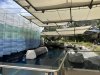
Little Penguin habitat along with sand area
IMG_7300.jpeg IMG_7306.jpeg
Ranking -
9/10

What I love -

1. The enrichment items

2. The different terrains

3. Large pool and nesting areas

What could be improved -

1. The addition of some more penguins, although the inventory report says they have 14!

Wild Sea Conclusion

Whilst being one of MZ smallest precincts, overall wild sea is an excellent precinct with lots of great features for the guest and animals alike. There is also some good information being shared about the zoos conservation efforts and marine response programs.

Final ranking - 17.5/20

Highlight -


Penguin and seals enclosures

Low points -

1 species of bird, pelicans would have been nice.

Vacant enclosure

Animals of wild sea

Australian Fur Seal - 0.1

New Zealand Fur Seal - 0.2

Little Penguin - 9:5

Species of Fish and other animals


Spurred Sea Star
Eleven-armed Sea Star
Port Jackson Shark
Eastern Fiddler Ray
Southern Fiddler Ray
Tricolor Sharkminnow
Common Carp
Clown Loach*
Boeseman's Rainbowfish
Murray River Rainbowfish
Neon Dwarf Rainbowfish
Banded Rainbowfish
Bigbelly Seahorse
Bluelined Hulafish
Banded Archerfish
Sea Sweep Scorpis
Moonlighter
Mado
Old Wife
Sea Mullet
Tasmanian Blenny
Green Kissing Gourami
Sixspined Leatherjacket
Shaw’s Cowfish
Ornate Cowfish
Globefish

Next up is the Australian Bush!
 

Attachments

  • IMG_5116.JPG
    IMG_5116.JPG
    269.4 KB · Views: 45
  • IMG_7176.jpeg
    IMG_7176.jpeg
    131.5 KB · Views: 45
  • IMG_7170.jpeg
    IMG_7170.jpeg
    135.3 KB · Views: 48
  • IMG_7202.jpeg
    IMG_7202.jpeg
    212.3 KB · Views: 52
  • IMG_5120.JPG
    IMG_5120.JPG
    204.1 KB · Views: 47
  • IMG_7168.jpeg
    IMG_7168.jpeg
    83.5 KB · Views: 48
  • IMG_7306.jpeg
    IMG_7306.jpeg
    229.9 KB · Views: 46
  • IMG_7208.jpeg
    IMG_7208.jpeg
    183.5 KB · Views: 45
  • IMG_7300.jpeg
    IMG_7300.jpeg
    167.7 KB · Views: 49
  • IMG_5192.JPG
    IMG_5192.JPG
    100.9 KB · Views: 48
Wild Sea

Wild sea was opened in December 2009. Wild sea is one of my favourite precincts for a warm day. On my second visit it was 28 degrees.
Wild sea is the zoos marine precinct it features a variety of fish species, little penguins and 2 different species of fur seal.
Wild Sea inside
View attachment 767256
As you enter you are greeted with a vacant enclosure which used to house pelicans, they have since been given to Healesville sanctuary and this enclosure is now an education exhibit. It used for a New Guinea fishing trap. I could also see some species of turtle in the enclosure.
Vacant Enclosure
View attachment 767253


Before entering the main building there is some small seal statues along with a sand pit. This was popular among kids. There is a habitat for a variety of fish and shark species including fiddler rays, port Jackson shark and other species of fish. It is on the smaller side. I do find it quite hard to view as it is quite dark.

Small Habitat
View attachment 767258

As you enter wild sea, you immediately feel that you are in a modern, fresh and immersive area. There are 3 features inside the main building
1 - 3 viewing windows for the Seals
2 - A viewing window for the little penguins
3 - a variety of smaller aquarium enclosures for species such as seahorses

Seals
The seal exhibit is a overall great one. It features a good size pool. I always see some sort of enrichment items for the seals to play with. There is underwater viewing inside the main building. Seals are one of the zoos most famous attractions. It is home to 3 female fur seals, 2 New Zealand fur seals along with one Australian fur seal.
Seal Viewing Area 1 with seal
View attachment 767266

3rd Seal Viewing area with seating
View attachment 767260
Seal Outside, I believe this is Bella, who was rescued
View attachment 767257
After visiting the seals, you start to walk up a ramp, to a small rectangular window that you can view the little penguin from. I saw none swimming on my visits. As you walk out there are about 5 small aquarium enclosures that house animals from different aquatic biomes.
Aquariums on the way out
View attachment 767255


After exiting the building you can look into some of the holding pens along with back of house facilities for the seals. One of the seals on my visit was bobbing up and down in the water where the back of house was.

The seal enclosure features some smooth rocky platforms that are suppose to mimic rocks in the ocean. The seals were very playful using them. There are also a couple of notable nifty features in this enclosures. There are bubbles machine along with wave machines, which is great for the seals, and in tern enhances the visitors viewing experience.
Seal outside enclosure
View attachment 767264

Ranking -
8.5/10

What I love -

1. Visitors can look at back of house facilities

2. A number of nifty inclusions such as wave and bubble machine

3. Good conservations efforts and stories

What could be improved -

1. Possibly the size, otherwise it is a great enclosure

Throughout the precinct there are some education sites about the zoos conservation programs such as blow bubbles for wildlife.

Little penguins

The little penguin enclosures is one of the biggest and best I have seen. There is a large pool that guest can look in, along with some enrichment’s items. There is a large nesting area with beachside foliage, overall it is a great enclosure. I do remember there being quite a few more penguins a while ago, although I do remember reading that a fox killed 6 of them. I counted only 3.
Little Penguin habitat along with sand area
View attachment 767265 View attachment 767263
Ranking -
9/10

What I love -

1. The enrichment items

2. The different terrains

3. Large pool and nesting areas

What could be improved -

1. The addition of some more penguins, although the inventory report says they have 14!

Wild Sea Conclusion

Whilst being one of MZ smallest precincts, overall wild sea is an excellent precinct with lots of great features for the guest and animals alike. There is also some good information being shared about the zoos conservation efforts and marine response programs.

Final ranking - 17.5/20

Highlight -


Penguin and seals enclosures

Low points -

1 species of bird, pelicans would have been nice.

Vacant enclosure

Animals of wild sea

Australian Fur Seal - 0.1

New Zealand Fur Seal - 0.2

Little Penguin - 9:5

Species of Fish and other animals


Spurred Sea Star
Eleven-armed Sea Star
Port Jackson Shark
Eastern Fiddler Ray
Southern Fiddler Ray
Tricolor Sharkminnow
Common Carp
Clown Loach*
Boeseman's Rainbowfish
Murray River Rainbowfish
Neon Dwarf Rainbowfish
Banded Rainbowfish
Bigbelly Seahorse
Bluelined Hulafish
Banded Archerfish
Sea Sweep Scorpis
Moonlighter
Mado
Old Wife
Sea Mullet
Tasmanian Blenny
Green Kissing Gourami
Sixspined Leatherjacket
Shaw’s Cowfish
Ornate Cowfish
Globefish

Next up is the Australian Bush!

The seal in your photo is indeed Bella, the Australian fur seal. She’s highly people oriented and much more engaging than the New Zealand fur seals on my visit; though that’s been my experience of New Zealand fur seals versus their more charismatic California sea lion predecessors at Auckland Zoo.

I too rated Wild Seas highly. It was a fantastic precinct, with my only criticism being it didn’t lend itself to housing a larger colony of pinnipeds as Taronga Zoo’s facilities can.
 
Last edited:
Australian Bush

As the name suggests the Australian Bush precinct contains most of Melbourne Zoos Australian animals. Over the last 5 years there has been some notable redevelopments to the precinct. I will discuss this further.

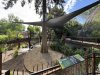
As you enter Australian Bush you are greeted by an enclosure for the Southern Koala and Quokka. This enclosure was renovated in 2022, with the addition of the quokka. I saw 2 koalas and none of the quokkas. Overall it is quite good. As you move around the enclosure you walk around a boardwalk that slowly increases in height

Koala and Quokka Enclosure
IMG_4133.JPG
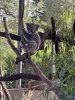
Koala
IMG_4140.JPG

The koala enclosure leads nicely onto the next habitat. Next is one of Melbourne Zoos most famous structures and enclosures the Great Flight Aviary. The GFA opened in 1934 and the structure has remained basically the same for the past 90 years. There have been some renovation inside done such as adding 3 distinct bioclimatic zones which include scrubland, wetland and rainforest. This is well executed with a smooth transition between zones. The boardwalk is elevated, I also loved seeing some of the more mature tall trees that the birds used. Some of my favourite species in the GFA are the Royal shoebill, Southern Cassowary, Shelduck, Red tailed black cockatoo, Black Necked stork and White face heron. There is a great balance of different coloured, sized and species of bird.

Great Flight Aviary
IMG_7398.jpeg
Royal Shoebill
Screenshot 2025-02-06 at 12.20.56 pm.png

Rating -

10/10

What I love -

1. Old and famous historic design

2. A variety of different sized and coloured species

3. Different zones that provide

Off the the right of the GFA is a small enclosure for the Lace Monitor

Next is an exhibit for the Echidnas and Potoroos. It used to house Tasmanian Devil, overall it is ok, there is a small glass viewing area near the entrance to the wombat enclosure. On all my visits since the animals moved in, I have not seen any animals in there.

Echidna and Potoroos exhibit
IMG_7416.jpeg

Ranking -
7/10

What I love -

1. Good sized for residents

2. 2 different residents, intersting combonation

3. Different viewing areas

4.
Unique species

What could be improved -

1. Possibly signage of how to spot the animals

2. Animals that could be seen better

3. Rock backing and fence makes it look a little dated


The next enclosure which was unexpectedly great is for the Southern Hairy Nosed Wombat, which was one of the best in the region I have seen. There are 2 key areas, a barrow viewing area along with an outside view. It is a great size and offers a unique viewing experience.

Outdoor enclosure
IMG_7433.jpeg
Wombat!
Screenshot 2025-02-06 at 4.04.34 pm.png

Ranking -
9/10

What I love -

1. Unique experience

2. Large size

3. Burrow view

4. Up close experience

What could be improved -

1. Possibly a bigger outside area with foliage, otherwise is perfect

The Kangaroo enclosure was renovated in 2022, and opened in early 2023. It is nicely designed and large, The landscaping is also a highlight. It houses 4 species, Kangaroo island kangaroo, swamp wallaby, tammar wallaby and emu. There is also a small water area what the animals were cooling of in. It was great to see MZ including multiple species of macropod.

Emu/Macropod enclosure
IMG_7443.jpeg

Ranking -
8/10

What I love -

1. A modern enclosure

2. A good size

3. Multiple different species

4. Different terrains

What could be improved -


1. Possibly the walkthrough part, not as immersive as it used to be

2. Animals quite far away


On the exit of the Australian bush there are some small aviaries for native bird species including Tawny frogmouths, rainbow lorikeets along with aviaries for the Regent honeyeater and orange bellied parrot two of Zoos Victorias fighting extinction species.
The Tawny Frogmouths had recently has offspring. On the way out there is also a small enclosure for more koalas

Regent honeyeater aviary
IMG_7432.jpeg

Southern koala enclosure 2
IMG_7454.jpeg

I will rank both koala enclosures below

Ranking -
7/10

What I love -

1.
A good size for residents

2. You can get a good view from elevation

3. An iconic Australian species as soon as you enter the precinct

What could be improved -

1. The last enclosure is fullly netted with concrete floor making it look a bit dated

Australian Bush Conclusion

Overall Australian Bush is a great precinct many excellent enclosures. It features a great amount of native animals that compliment there exotic collection excellently. It has a great balance of modern enclosures along with historic ones. All the enclosures are off a good size and there are no let downs. It is also great to see a large bird aviary with lots of different species, something that is rare in Australian Zoos today.

Highlight -

Wombat and Great Flight Aviary

Low point -

Echidna and potoroos never active

Final Rating - 41/50


Animals of Australian Bush

Mammals
Short Beaked Echidna - 0.1
Southern Koala - 2.3
Southern Hairy Nosed Wombat - 1.2
Wester Grey Kangaroo - 6.5
Tammar Wallaby - 2.2
Quokka - 2.0
Swamp Wallaby - 3.0
Potoroos - ?

Birds*
Southern Cassowary - 0.1
Emu - 4.0
* The rest of the birds in the GFA will be featured in the Inventory Report also in later review
Inventory Report
zv-inventory-2023-24-1.pdf

Next up is the final trail - Main Trail!
 

Attachments

  • IMG_4133.JPG
    IMG_4133.JPG
    276.6 KB · Views: 33
  • IMG_4140.JPG
    IMG_4140.JPG
    171.3 KB · Views: 31
  • IMG_7398.jpeg
    IMG_7398.jpeg
    357.1 KB · Views: 32
  • IMG_7433.jpeg
    IMG_7433.jpeg
    320.7 KB · Views: 32
  • IMG_7454.jpeg
    IMG_7454.jpeg
    343.7 KB · Views: 34
  • IMG_7416.jpeg
    IMG_7416.jpeg
    341.4 KB · Views: 33
  • IMG_7443.jpeg
    IMG_7443.jpeg
    266.4 KB · Views: 32
  • Screenshot 2025-02-06 at 12.20.56 pm.png
    Screenshot 2025-02-06 at 12.20.56 pm.png
    1 MB · Views: 35
  • Screenshot 2025-02-06 at 4.04.34 pm.png
    Screenshot 2025-02-06 at 4.04.34 pm.png
    637.7 KB · Views: 32
  • IMG_7432.jpeg
    IMG_7432.jpeg
    274.8 KB · Views: 32
Australian Bush

As the name suggests the Australian Bush precinct contains most of Melbourne Zoos Australian animals. Over the last 5 years there has been some notable redevelopments to the precinct. I will discuss this further.

As you enter Australian Bush you are greeted by an enclosure for the Southern Koala and Quokka. This enclosure was renovated in 2022, with the addition of the quokka. I saw 2 koalas and none of the quokkas. Overall it is quite good. As you move around the enclosure you walk around a boardwalk that slowly increases in height

Koala and Quokka Enclosure
View attachment 769134
Koala
View attachment 769135

The koala enclosure leads nicely onto the next habitat. Next is one of Melbourne Zoos most famous structures and enclosures the Great Flight Aviary. The GFA opened in 1934 and the structure has remained basically the same for the past 90 years. There have been some renovation inside done such as adding 3 distinct bioclimatic zones which include scrubland, wetland and rainforest. This is well executed with a smooth transition between zones. The boardwalk is elevated, I also loved seeing some of the more mature tall trees that the birds used. Some of my favourite species in the GFA are the Royal shoebill, Southern Cassowary, Shelduck, Red tailed black cockatoo, Black Necked stork and White face heron. There is a great balance of different coloured, sized and species of bird.

Great Flight Aviary
View attachment 769139
Royal Shoebill
View attachment 769176

Rating -

10/10

What I love -

1. Old and famous historic design

2. A variety of different sized and coloured species

3. Different zones that provide

Off the the right of the GFA is a small enclosure for the Lace Monitor

Next is an exhibit for the Echidnas and Potoroos. It used to house Tasmanian Devil, overall it is ok, there is a small glass viewing area near the entrance to the wombat enclosure. On all my visits since the animals moved in, I have not seen any animals in there.

Echidna and Potoroos exhibit
View attachment 769144

Ranking -
7/10

What I love -

1. Good sized for residents

2. 2 different residents, intersting combonation

3. Different viewing areas

4.
Unique species

What could be improved -

1. Possibly signage of how to spot the animals

2. Animals that could be seen better

3. Rock backing and fence makes it look a little dated


The next enclosure which was unexpectedly great is for the Southern Hairy Nosed Wombat, which was one of the best in the region I have seen. There are 2 key areas, a barrow viewing area along with an outside view. It is a great size and offers a unique viewing experience.

Outdoor enclosure
View attachment 769142
Wombat!
View attachment 769260

Ranking -
9/10

What I love -

1. Unique experience

2. Large size

3. Burrow view

4. Up close experience

What could be improved -

1. Possibly a bigger outside area with foliage, otherwise is perfect

The Kangaroo enclosure was renovated in 2022, and opened in early 2023. It is nicely designed and large, The landscaping is also a highlight. It houses 4 species, Kangaroo island kangaroo, swamp wallaby, tammar wallaby and emu. There is also a small water area what the animals were cooling of in. It was great to see MZ including multiple species of macropod.

Emu/Macropod enclosure
View attachment 769163

Ranking -
8/10

What I love -

1. A modern enclosure

2. A good size

3. Multiple different species

4. Different terrains

What could be improved -


1. Possibly the walkthrough part, not as immersive as it used to be

2. Animals quite far away


On the exit of the Australian bush there are some small aviaries for native bird species including Tawny frogmouths, rainbow lorikeets along with aviaries for the Regent honeyeater and orange bellied parrot two of Zoos Victorias fighting extinction species.
The Tawny Frogmouths had recently has offspring. On the way out there is also a small enclosure for more koalas

Regent honeyeater aviary
View attachment 769261

Southern koala enclosure 2
View attachment 769143

I will rank both koala enclosures below

Ranking -
7/10

What I love -

1.
A good size for residents

2. You can get a good view from elevation

3. An iconic Australian species as soon as you enter the precinct

What could be improved -

1. The last enclosure is fullly netted with concrete floor making it look a bit dated

Australian Bush Conclusion

Overall Australian Bush is a great precinct many excellent enclosures. It features a great amount of native animals that compliment there exotic collection excellently. It has a great balance of modern enclosures along with historic ones. All the enclosures are off a good size and there are no let downs. It is also great to see a large bird aviary with lots of different species, something that is rare in Australian Zoos today.

Highlight -

Wombat and Great Flight Aviary

Low point -

Echidna and potoroos never active

Final Rating - 41/50


Animals of Australian Bush

Mammals
Short Beaked Echidna - 0.1
Southern Koala - 2.3
Southern Hairy Nosed Wombat - 1.2
Wester Grey Kangaroo - 6.5
Tammar Wallaby - 2.2
Quokka - 2.0
Swamp Wallaby - 3.0
Potoroos - ?

Birds*
Southern Cassowary - 0.1
Emu - 4.0
* The rest of the birds in the GFA will be featured in the Inventory Report also in later review
Inventory Report
zv-inventory-2023-24-1.pdf

Next up is the final trail - Main Trail!

Great photos!

The Great Flight Aviary is a masterpiece - even by today’s standards; which is even more impressive when you consider its age. I wasn’t impressed by the lack of signage when I visited just over a year ago, but there were plenty of birds and it was otherwise well presented.

I believe it was @Jambo and @The Sleepy Hippo who came up with the idea of housing mammals like Koala in here long term, which I agree would be an efficient use of space.
 
Next is an exhibit for the Echidnas and Potoroos. It used to house Tasmanian Devil, overall it is ok, there is a small glass viewing area near the entrance to the wombat enclosure. On all my visits since the animals moved in, I have not seen any animals in there.
The enclosure is far better planted than it was a few years ago. Back when the exhibit had koalas there were little to no plants, and then when the Tassie Devils moved in they added a few more but the exhibit almost looks unrecognisable now with the fauna growth!

The foliage doesn't help with viewing as does the general layout of the enclosure; the animals are only really viewable once they come right up the front wall or glass. Potoroos are also mainly nocturnal, so with any species like this, I would recommend visiting early morning or late afternoon to catch it. I saw one last year just before the zoo was closing.
 
Main Trail

The Main trail can be summed up with all the rest of the exhibits at MZ. It features a variety of animals from all across the world. I think part of the main trail has room for Development into a new precinct, I will explain later. This will be done in 3 parts. All exhibits in the top half of the Zoo, bottom half and then reptiles and other miscellaneous enclosures.

On my Second visit I entered from the rail gate. So will start with the collared Peccary’s

Collared Peccary’s

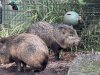
Melbourne Zoo currently has 3 Collared Peccary’s , 1 male and 2 females. They are the last remaining individuals in Australasia. Sadly with the seuide import band these beautiful animals are almost certain phase outs.
The exhibits is nothing special. There are some cactuses and foliage on the outskirts of the fence along with in the centre. You can see the trails that the pigs walk. On my visits they were very active following each other around the habitat. I spend about 15 minutes just admiring them and taking some great photos. Despite the signage, everybody just called them Pigs! It will be sad to see this intriguing species gone.

Collared Peccary Enclosure
IMG_4013.JPG IMG_3998.JPG

Ranking -
8/10

What I love -
Seeing the animals

Close up to the visitors

A unique Species

What could be improved -

Possibly the maintenance of the enclosure, maybe getting rid of some weed, however the enclosures suits the animal well.

Nyala

The next habitat is for a new species for MZ, Nyala. The exhibit formally housed Malayan Tapir, which it suited quite well with the pool. There are currently 4 female nyala. From what I have heard, along with the old map, the animals were suppose to be housed in the bongo and giraffe enclosures, not sure what happened to that plan. The exhibits does not really suit the animals, nevertheless it is good that there is not another vacant enclosure. I would like to see in the future, them possibly using the old bongo and zebra enclosure. I didn’t see the Nyala on any of my visits. It looked like they were not out on display because the door was closed for them to enter the enclosure

Nyala Enclosure
IMG_3974.JPG
Ranking
6/10

What I love -
A new species for the zoo

A decently interesting antelope species

What could be improved -

Making some minor adjustments so it would suit the animals better

They could relocate them, possibly put a Bairds tapir in, if an import was on the cards.

Hamadryas Baboon

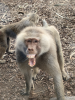
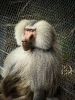
Opened in 2011, the Hamadryas Baboon lookout was a major milestone for the zoo, this allowed them to demolish one of the last old concrete cell like exhibits. Today the baboons are some of the zoos most entertaining animals. The exhibits is of a good size. Sadly the monkey have destroyed a lot of the palm trees, making the enclosure look a bit bare. There are rocks, and different level to the enclosures. There is also a good sized troop and climbing strutters for planning. There are 2 viewing areas, one is a glass area the other an open air. Overall it is a great habitat. I hope MZ continues with this species and retains a large troop!

Screenshot 2025-02-08 at 11.12.40 am.png Screenshot 2025-02-08 at 11.12.30 am.png IMG_4113.JPG
Baboon Enclosure

Ranking

8.5/10

What I love -
Nice terrain with rocks

A good sized troop

Great size exhibit

What could be improved -
Adding some more plants

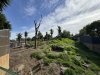
Hiding near the baboon enclosure is remnants of the old bongo enclosure, it is interesting that once they passed on, the zoo didn’t completely incorporate the exhibit with the giraffe and zebras. There is still a hard shelter. Melbourne zoo at one point had Plains Zebras, Common Ostrich along with Giraffe all living together in a combined enclosure. In early 2023 the zebra departed, and now there are just 3 Giraffes. I believe zebra departed to make way for the Nyala. However maybe because the tapir died they put them in there to not have any more vacant habitats. The zebra used to use this enclosure as a night shelter.
Bongo enclosure
IMG_4122.JPG
Giraffe

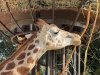
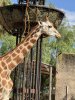
The giraffe enclosures has essentially remained the same for decades, is a good habitat for the giraffes. There have been some expansions, along with the construction of a new barn. Melbourne zoo have plans to breed giraffe, sadly there was a stillborn. However confirmed by a keeper and via email, they are going to keep trying. The enclosure is pretty bare, with a couple of palm trees. You are separated from the giraffe via a dry moat with some plants and then a fence. Overall you get quite close to the animals, the exhibit is an ok size, however I think it is on the smaller size when compared to Taronga’s. The zoo is home to 3 giraffe, Iris, Klinun and Nakuru
IMG_4169.JPG IMG_4182.JPG
IMG_4150.JPG
Giraffe Enclosure

Ranking

7/10
What I love -

An up close experience

Multiple feeding areas

What could be improved -

Incorporating some more African species


The Future of Main Trail

I believe that this sections the the Main trail could have potential for a small African precinct. Possibly Giraffe, Zebra, Nyala, H Baboon. They could possibly add porcupine, fennec fox or even serval, where the current peccaries and tapir enclosure are. If MZ are planning to import Bairds Tapir, I would assume they we be part of the replacement for the elephants.

Part 2 coming Later Today!
 

Attachments

  • IMG_3974.JPG
    IMG_3974.JPG
    255.6 KB · Views: 32
  • IMG_4013.JPG
    IMG_4013.JPG
    333.4 KB · Views: 29
  • IMG_3998.JPG
    IMG_3998.JPG
    326.8 KB · Views: 31
  • IMG_4169.JPG
    IMG_4169.JPG
    235.7 KB · Views: 31
  • IMG_4113.JPG
    IMG_4113.JPG
    208.2 KB · Views: 28
  • IMG_4182.JPG
    IMG_4182.JPG
    181.8 KB · Views: 29
  • Screenshot 2025-02-08 at 11.12.40 am.png
    Screenshot 2025-02-08 at 11.12.40 am.png
    1.2 MB · Views: 30
  • Screenshot 2025-02-08 at 11.12.30 am.png
    Screenshot 2025-02-08 at 11.12.30 am.png
    1.3 MB · Views: 29
  • IMG_4150.JPG
    IMG_4150.JPG
    266.4 KB · Views: 28
  • IMG_4122.JPG
    IMG_4122.JPG
    271.2 KB · Views: 28
Main Trail

The Main trail can be summed up with all the rest of the exhibits at MZ. It features a variety of animals from all across the world. I think part of the main trail has room for Development into a new precinct, I will explain later. This will be done in 3 parts. All exhibits in the top half of the Zoo, bottom half and then reptiles and other miscellaneous enclosures.

On my Second visit I entered from the rail gate. So will start with the collared Peccary’s

Collared Peccary’s

Melbourne Zoo currently has 3 Collared Peccary’s , 1 male and 2 females. They are the last remaining individuals in Australasia. Sadly with the seuide import band these beautiful animals are almost certain phase outs.
The exhibits is nothing special. There are some cactuses and foliage on the outskirts of the fence along with in the centre. You can see the trails that the pigs walk. On my visits they were very active following each other around the habitat. I spend about 15 minutes just admiring them and taking some great photos. Despite the signage, everybody just called them Pigs! It will be sad to see this intriguing species gone.

Collared Peccary Enclosure
View attachment 769921 View attachment 769922

Ranking -
8/10

What I love -
Seeing the animals

Close up to the visitors

A unique Species

What could be improved -

Possibly the maintenance of the enclosure, maybe getting rid of some weed, however the enclosures suits the animal well.

Nyala

The next habitat is for a new species for MZ, Nyala. The exhibit formally housed Malayan Tapir, which it suited quite well with the pool. There are currently 4 female nyala. From what I have heard, along with the old map, the animals were suppose to be housed in the bongo and giraffe enclosures, not sure what happened to that plan. The exhibits does not really suit the animals, nevertheless it is good that there is not another vacant enclosure. I would like to see in the future, them possibly using the old bongo and zebra enclosure. I didn’t see the Nyala on any of my visits. It looked like they were not out on display because the door was closed for them to enter the enclosure

Nyala Enclosure
View attachment 769918
Ranking
6/10

What I love -
A new species for the zoo

A decently interesting antelope species

What could be improved -

Making some minor adjustments so it would suit the animals better

They could relocate them, possibly put a Bairds tapir in, if an import was on the cards.

Hamadryas Baboon

Opened in 2011, the Hamadryas Baboon lookout was a major milestone for the zoo, this allowed them to demolish one of the last old concrete cell like exhibits. Today the baboons are some of the zoos most entertaining animals. The exhibits is of a good size. Sadly the monkey have destroyed a lot of the palm trees, making the enclosure look a bit bare. There are rocks, and different level to the enclosures. There is also a good sized troop and climbing strutters for planning. There are 2 viewing areas, one is a glass area the other an open air. Overall it is a great habitat. I hope MZ continues with this species and retains a large troop!

View attachment 769926 View attachment 769927 View attachment 769924
Baboon Enclosure

Ranking

8.5/10

What I love -
Nice terrain with rocks

A good sized troop

Great size exhibit

What could be improved -
Adding some more plants

Hiding near the baboon enclosure is remnants of the old bongo enclosure, it is interesting that once they passed on, the zoo didn’t completely incorporate the exhibit with the giraffe and zebras. There is still a hard shelter. Melbourne zoo at one point had Plains Zebras, Common Ostrich along with Giraffe all living together in a combined enclosure. In early 2023 the zebra departed, and now there are just 3 Giraffes. I believe zebra departed to make way for the Nyala. However maybe because the tapir died they put them in there to not have any more vacant habitats. The zebra used to use this enclosure as a night shelter.
Bongo enclosure
View attachment 769929
Giraffe

The giraffe enclosures has essentially remained the same for decades, is a good habitat for the giraffes. There have been some expansions, along with the construction of a new barn. Melbourne zoo have plans to breed giraffe, sadly there was a stillborn. However confirmed by a keeper and via email, they are going to keep trying. The enclosure is pretty bare, with a couple of palm trees. You are separated from the giraffe via a dry moat with some plants and then a fence. Overall you get quite close to the animals, the exhibit is an ok size, however I think it is on the smaller size when compared to Taronga’s. The zoo is home to 3 giraffe, Iris, Klinun and Nakuru
View attachment 769923 View attachment 769925
View attachment 769928
Giraffe Enclosure

Ranking

7/10
What I love -

An up close experience

Multiple feeding areas

What could be improved -

Incorporating some more African species


The Future of Main Trail

I believe that this sections the the Main trail could have potential for a small African precinct. Possibly Giraffe, Zebra, Nyala, H Baboon. They could possibly add porcupine, fennec fox or even serval, where the current peccaries and tapir enclosure are. If MZ are planning to import Bairds Tapir, I would assume they we be part of the replacement for the elephants.

Part 2 coming Later Today!

Another great instalment of this engaging review!

Just a correction that Melbourne Zoo will be importing Brazilian tapir (Tapirus terrestris); not Baird’s tapir (Tapirus bairdii) as this is the focus species of the region. It’s also my belief they’ll be housed on the site of the elephant complex, with the bull paddock (and deep pool) being ideal for them. In addition to this, I could easily imagine Komodo dragon being accommodated in the redeveloped main elephant barn and adjoining outdoor paddock, but time will tell.

I too spent a lot of time with Melbourne’s Collared peccary. It will be a great shame to see this species disappear from the region, though it’s undeniable the general public regard them as pigs. There was zero interest in the exhibit on my visits.

Melbourne have a thriving Hamadryas baboon troop with 5.11 baboons, aged 4-25 years. The intregation of a new female (unrelated to the males) gives me hope breeding is on the cards. Large, regularly breeding troops are optimal for welfare and social development.
 
The zebra used to use this enclosure as a night shelter.
The Zebras had their own BOH facilities behind the enclosure which were right next to the Bongo BOH. However I don't believe the Zebras ever had access to that enclosure. They would've surely taken care of the grass if they were in there.;)
Overall you get quite close to the animals, the exhibit is an ok size, however I think it is on the smaller size when compared to Taronga’s.
Melbourne's exhibit is far larger than Taronga's. You would be lucky if the Taronga enclosure is larger than just the old Giraffe enclosure itself.

The expansion into the former hoofstock paddocks behind has allowed them to more than double the size of the previous enclosure. Previously the Giraffes and Zebras were kept seperate and were only integrated a decade or so ago.
They could possibly add porcupine, fennec fox or even serval, where the current peccaries and tapir enclosure are.
Interestingly Fennec Foxes were actually in the former Meerkat exhibit just behind the Platypus House which currently holds box turtles I believe. They were only in there for a few months before they learned how to jump out. I've always thought this enclosure (or even the current Peccary enclosure) would both be suitable for Cape Porcupines, without any major renovations required.
 
The Zebras had their own BOH facilities behind the enclosure which were right next to the Bongo BOH. However I don't believe the Zebras ever had access to that enclosure. They would've surely taken care of the grass if they were in there.

The Zebras did in fact have access to this area. however only at night and sometimes as a seperate holding pen. When the zebra were there the grass was taken care off. Only since they has left had the grass grown. When I asked about 2 years ago what was happening to the enclosure. I was told that Zebras has access to it for night. It is worth noting that the Zebra BOH is very small with only a 2 stalls. When they has 4 zebras, it was open for them to use.

The Bongo enclosure was suppose to be a night holding for the Nyala. However the plans changed possibly that they were not suitable for the enclosure. Similar to bongo, nyala are quite a flighty and skittish antelope. And seeing as Melbourne decided not to hold bongo any longer due to one running into a fence and dying. They probably through twice of this!

Melbourne's exhibit is far larger than Taronga's. You would be lucky if the Taronga enclosure is larger than just the old Giraffe enclosure itself.

Taronga Savanna facility for Giraffes is larger than Melbournes. Melbournes enclosure is most definitely not "far larger". Taronga has a larger barn and bigger BOH facilities, including separate holding for the zebras. The area of the Giraffe enclosure at Taronga is around 3532m2. The area at Melbourne is around 2800m2.

I've always thought this enclosure (or even the current Peccary enclosure) would both be suitable for Cape Porcupines, without any major renovations required.

This enclosure would certainly be far too small for Cape Porcupines. It is only about 2-3m wide. The peccary enclosure would be where they would have to go. Possibly incorporated with the Nyala enclosure for cape porcupine. The fence around the Peccary enclosure would have to bee changed due to there quills and people accidentally or deliberately touching them.
 
The Zebras did in fact have access to this area. however only at night and sometimes as a seperate holding pen. When the zebra were there the grass was taken care off. Only since they has left had the grass grown. When I asked about 2 years ago what was happening to the enclosure. I was told that Zebras has access to it for night. It is worth noting that the Zebra BOH is very small with only a 2 stalls. When they has 4 zebras, it was open for them to use.
A few years back the enclosure used to have bark on the exhibit floor; so there was indeed no grass. And I'm fairly sure the Zebra BOH is bigger than that. You used to be able to see through to it from the path that ran parallel to the Reptile House. There were more than two stalls there from what I could see and additionally the Zebras would've probably had access to the Bongo BOH following the Bongos passing.
Taronga Savanna facility for Giraffes is larger than Melbournes. Melbournes enclosure is most definitely not "far larger". Taronga has a larger barn and bigger BOH facilities, including separate holding for the zebras. The area of the Giraffe enclosure at Taronga is around 3532m2. The area at Melbourne is around 2800m2.
Out of curiosity, where did you get these numbers from? I've visited both Taronga and Melbourne many times (not sure if you have) and I can certainly say Melbourne's current enclosure is bigger than Taronga's. Taronga only has the single barn (which isn't large at all). Melbourne now has three (including the newly constructed one).
This enclosure would certainly be far too small for Cape Porcupines. It is only about 2-3m wide. The peccary enclosure would be where they would have to go. Possibly incorporated with the Nyala enclosure for cape porcupine. The fence around the Peccary enclosure would have to bee changed due to there quills and people accidentally or deliberately touching them.
It extends a bit back too so it's reasonable for a single Cape Porcupine. However I do agree that if the Peccary enclosure is available, that would be far more suitable for them. They could just build an additional barrier in front of the garden bed which lies at the forefront of the enclosure. People aren't meant to go right up to the fence, but obviously some do.
 
The Zebras did in fact have access to this area. however only at night and sometimes as a seperate holding pen. When the zebra were there the grass was taken care off. Only since they has left had the grass grown. When I asked about 2 years ago what was happening to the enclosure. I was told that Zebras has access to it for night. It is worth noting that the Zebra BOH is very small with only a 2 stalls. When they has 4 zebras, it was open for them to use.

The Bongo enclosure was suppose to be a night holding for the Nyala. However the plans changed possibly that they were not suitable for the enclosure. Similar to bongo, nyala are quite a flighty and skittish antelope. And seeing as Melbourne decided not to hold bongo any longer due to one running into a fence and dying. They probably through twice of this!


Taronga Savanna facility for Giraffes is larger than Melbournes. Melbournes enclosure is most definitely not "far larger". Taronga has a larger barn and bigger BOH facilities, including separate holding for the zebras. The area of the Giraffe enclosure at Taronga is around 3532m2. The area at Melbourne is around 2800m2.


This enclosure would certainly be far too small for Cape Porcupines. It is only about 2-3m wide. The peccary enclosure would be where they would have to go. Possibly incorporated with the Nyala enclosure for cape porcupine. The fence around the Peccary enclosure would have to bee changed due to there quills and people accidentally or deliberately touching them.

It really surprises me none of Zoos Victoria’s zoos have Cape porcupine given how many zoos in the region now hold them. I haven’t heard anyone mention on here that Victorian zoos are prohibited from holding them (like they are Capybara); and Melbourne Zoo held Indian porcupine as recently as 2009.

I too assumed the reason Lowland nyala were never housed in the Eastern bongo exhibit due to their skittish nature. There’s nothing specific about the exhibit to suggest it would be an issue, but obviously there was the incident with the female bongo.
 
It really surprises me none of Zoos Victoria’s zoos have Cape porcupine given how many zoos in the region now hold them. I haven’t heard anyone mention on here that Victorian zoos are prohibited from holding them (like they are Capybara); and Melbourne Zoo held Indian porcupine as recently as 2009.
Werribee were planning a new Meerkat exhibit that was supposedly going to be the biggest enclosure for them in the world, so I was hoping they would acquire a few Cape Porcupines alongside that. Obviously this enclosure hasn't eventuated yet so there's still a chance.

I don't remember ever seeing the Indian Porcupine but I do recall seeing signage for them. They were apparently in the makeshift enclosures alongside Common Wombat behind the former Bear exhibit. I believe they were also once in the habitat I previously mentioned (that now holds Box Turtle).
 
Werribee were planning a new Meerkat exhibit that was supposedly going to be the biggest enclosure for them in the world, so I was hoping they would acquire a few Cape Porcupines alongside that. Obviously this enclosure hasn't eventuated yet so there's still a chance.

I don't remember ever seeing the Indian Porcupine but I do recall seeing signage for them. They were apparently in the makeshift enclosures alongside Common Wombat behind the former Bear exhibit. I believe they were also once in the habitat I previously mentioned (that now holds Box Turtle).

It would be great to see a large colony of meerkats in that massive exhibit! The main struggle with building up numbers is females in breeding groups are naturally evicted by the dominant female at around 2-3 years as they’re an infanticide threat to pups.

With multiple meerkat exhibits across Zoos Victoria’s zoos, they could easily manage to hold a decent population of Cape porcupine - beginning with a breeding pair and accomodating the offspring from several litters. A new founder pair to the region would be invaluable considering Oliver, Rita and their direct descendants total 24/32 of the region’s Cape porcupine.

If Werribee (or even Melbourne) acquire Cape porcupine, I hope care is taken to ensure visitors can actually see them. Hamilton have a nocturnal house annex to their exhibit, where you can see them when they’re not on exhibit (which is any time outside of feeding time). Auckland’s can only be seen at feeding time, when they entice them out their oil drum with food. Housing them in the old Kiwi House in 2014 was the best view I ever got of them at Auckland bar (in addition to seeing Diallo in the old meerkat exhibit).
 
A few years back the enclosure used to have bark on the exhibit floor; so there was indeed no grass. And I'm fairly sure the Zebra BOH is bigger than that. You used to be able to see through to it from the path that ran parallel to the Reptile House. There were more than two stalls there from what I could see and additionally the Zebras would've probably had access to the Bongo BOH following the Bongos passing.

The enclosure always had grass on it. I have photos from my 2016 visit of the bongo with grass. There was same bark around the perimeter and in the night shelter. You can also look on google earth if you would like! You can also see part that has bark, which looks more like soil has grass starting to grow through. The terrain of the enclosure is also different.

Out of curiosity, where did you get these numbers from? I've visited both Taronga and Melbourne many times (not sure if you have) and I can certainly say Melbourne's current enclosure is bigger than Taronga's. Taronga only has the single barn (which isn't large at all). Melbourne now has three (including the newly constructed one).

Melbournes 3 barns at not as big as you would think. The next barn construction main feature is a small enclosed outside area. My information was from measurements, using planning documents and google earth along with research. I have also visited both facilities in real life.

It extends a bit back too so it's reasonable for a single Cape Porcupine. However I do agree that if the Peccary enclosure is available, that would be far more suitable for them. They could just build an additional barrier in front of the garden bed which lies at the forefront of the enclosure. People aren't meant to go right up to the fence, but obviously some do.

The enclosure would most likely not be suitable for many reasons including
1. Size, the enclosure is not very big with no shelter or proper night facilities
2. To my knowledge the enclosure does not have a concrete or mesh underfloor. meaning the animals could possibly dig through. This is suggest by the most husbandry guidelines

Peccaries seem like the best option, however I would love to see a small animals of Africa mini precinct featuring fennec fox, meerkat, Cape porcupine or even serve.
 
It really surprises me none of Zoos Victoria’s zoos have Cape porcupine given how many zoos in the region now hold them. I haven’t heard anyone mention on here that Victorian zoos are prohibited from holding them (like they are Capybara); and Melbourne Zoo held Indian porcupine as recently as 2009.


This is indeed the reason no Victorian zoos have porcupine currently, they unfortunately are not currently allowed in the state. Only indian porcupine are.
 
1st ive heard of certain animals not being allowed in Victorian zoos! What else isn't allowed?
 
Back
Top