You are using an out of date browser. It may not display this or other websites correctly.
You should upgrade or use an alternative browser.
You should upgrade or use an alternative browser.
Melbourne Zoo Melbourne Zoo Review (November/December 2023)
- Thread starter Zoofan15
- Start date
-
- Tags
- melbourne zoo review


Would you be able to provide a current species list by exhibit for the zoo or at least for the reptile and frog houses?
Since signage was lacking in the Great Flight Aviary, I decided not to compile a complete species list for Melbourne Zoo.
I will however be posting a mammals species list from my visit later on in this thread (wait for me to finish the review first).
Zoos Victoria release a species inventory annually, so I will refer you to this list (dated 30/06/2023) for reptiles/amphibians. It was compiled five months prior to my visit in November/December 2023 and can therefore provide the most relevant information:
https://www.zoo.org.au/media/8019/zv-inventory-2022-23.pdf
Part Nine: Historical Features
Considering Melbourne Zoo is Australia’s oldest zoo (opening in 1862), it’s no surprise it has a rich history. I found Melbourne Zoo’s numerous historical buildings and features fascinating and will document a few of them in this post. I will note that buildings/features already covered such as the Great Flight Aviary, Reptile House and Platypus House are not mentioned here.
The Elephant House was built in 1944 and housed elephants until their move to their current exhibit in 2003. The roof contains four parallel asbestos-cement cranked barrel vaults and is notable for it’s decorative elephant heads on it’s parapet.
Elephant House:

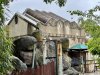
The Orangutan House (also known as the Mandrill House) and the Monkey House were both built in 1928. The have red brick walls, terracotta-tiled roofs and are fronted by wrought iron bars. They provide a fantastic insight into the evolution of animal husbandry over the past century. Signage notes the Orangutan House was built to replace a White Cockatoo House and that an exercise yard was added in 1944.
Orangutan House:


Monkey House:

Melbourne Zoo’s Carousel has been operating for over 140 years. It was built in 1878 and was imported into Australia in 1886, arriving at Melbourne Zoo in 1952. It’s undergone several restorations since it’s arrival and is now powered by an electric motor (as opposed to steam driven). Signage notes that technically it’s a galloper as it turns clockwise (carousels turn counter-clockwise).
Carousel:

The Lion Park signage is all that remains of one of the zoo’s most iconic exhibits. The Lion Park opened in 1966 and was considered revolutionary due to putting the visitors ‘behind barriers’ while the lions enjoyed naturalistic dens and grassy plains. It was demolished in 2014, having housed and bred many lions over the years. Two plaques are on the sign - the bottom one lists the date Lion Park opened (4th September 1966); while the top one reads: Lions are found on the plains of Africa and the steppes of Western Asia. The landscaping of this enclosure has been designed to simulate their natural habitat. The dens have been constructed to achieve all-weather protection for the lions and a nursery unit is provided in the north-east corner.
Lion Park Sign:

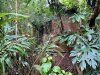
Big Cat Row was built in the 1970’s and housed several big cat species including African lion, Sumatran tiger, Jaguar, Persian leopard, Snow leopard and Puma over the years. Part of the back wall is used in the current Snow leopard complex and is a remnant of this iconic complex.
Big Cat Row wall:

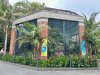
The Octagonal Aviary was built in 1928 and held monkeys in the early years, before reverting to its intended use an aviary. It currently houses South American birds. The aviary features red brick piers and a segmented iron-framed domical roof.
Octagonal Aviary:

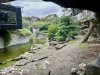
The female Snow leopard exhibit was previously a Syrian bear exhibit. The last bear (Honey) died in 2016 and the exhibit was renovated for Snow leopards.
Old Syrian bear exhibit:

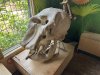
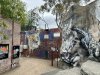
In addition to the skulls found in Keeper Kids, Melbourne Zoo has this magnificent Asian elephant skull on display in Trail of the Elephants. The elephant in question was Peggy, who was born in the wild in 1931; and lived at Melbourne Zoo from 1939 until her death in 1988.
Asian elephant skull:

Some of the above features are heritage listed; but far from being a hindrance to progress, I think Melbourne Zoo has done a fantastic job of integrating them into the modern zoo. Some, such as the Elephant House, have been repurposed; while others remain in use for the species they were designed for or blend into the background.
Considering Melbourne Zoo is Australia’s oldest zoo (opening in 1862), it’s no surprise it has a rich history. I found Melbourne Zoo’s numerous historical buildings and features fascinating and will document a few of them in this post. I will note that buildings/features already covered such as the Great Flight Aviary, Reptile House and Platypus House are not mentioned here.
The Elephant House was built in 1944 and housed elephants until their move to their current exhibit in 2003. The roof contains four parallel asbestos-cement cranked barrel vaults and is notable for it’s decorative elephant heads on it’s parapet.
Elephant House:
The Orangutan House (also known as the Mandrill House) and the Monkey House were both built in 1928. The have red brick walls, terracotta-tiled roofs and are fronted by wrought iron bars. They provide a fantastic insight into the evolution of animal husbandry over the past century. Signage notes the Orangutan House was built to replace a White Cockatoo House and that an exercise yard was added in 1944.
Orangutan House:
Monkey House:
Melbourne Zoo’s Carousel has been operating for over 140 years. It was built in 1878 and was imported into Australia in 1886, arriving at Melbourne Zoo in 1952. It’s undergone several restorations since it’s arrival and is now powered by an electric motor (as opposed to steam driven). Signage notes that technically it’s a galloper as it turns clockwise (carousels turn counter-clockwise).
Carousel:
The Lion Park signage is all that remains of one of the zoo’s most iconic exhibits. The Lion Park opened in 1966 and was considered revolutionary due to putting the visitors ‘behind barriers’ while the lions enjoyed naturalistic dens and grassy plains. It was demolished in 2014, having housed and bred many lions over the years. Two plaques are on the sign - the bottom one lists the date Lion Park opened (4th September 1966); while the top one reads: Lions are found on the plains of Africa and the steppes of Western Asia. The landscaping of this enclosure has been designed to simulate their natural habitat. The dens have been constructed to achieve all-weather protection for the lions and a nursery unit is provided in the north-east corner.
Lion Park Sign:
Big Cat Row was built in the 1970’s and housed several big cat species including African lion, Sumatran tiger, Jaguar, Persian leopard, Snow leopard and Puma over the years. Part of the back wall is used in the current Snow leopard complex and is a remnant of this iconic complex.
Big Cat Row wall:
The Octagonal Aviary was built in 1928 and held monkeys in the early years, before reverting to its intended use an aviary. It currently houses South American birds. The aviary features red brick piers and a segmented iron-framed domical roof.
Octagonal Aviary:
The female Snow leopard exhibit was previously a Syrian bear exhibit. The last bear (Honey) died in 2016 and the exhibit was renovated for Snow leopards.
Old Syrian bear exhibit:
In addition to the skulls found in Keeper Kids, Melbourne Zoo has this magnificent Asian elephant skull on display in Trail of the Elephants. The elephant in question was Peggy, who was born in the wild in 1931; and lived at Melbourne Zoo from 1939 until her death in 1988.
Asian elephant skull:
Some of the above features are heritage listed; but far from being a hindrance to progress, I think Melbourne Zoo has done a fantastic job of integrating them into the modern zoo. Some, such as the Elephant House, have been repurposed; while others remain in use for the species they were designed for or blend into the background.
Attachments
-
 upload_2024-6-21_21-44-13.jpeg274 KB · Views: 174
 -
 upload_2024-6-21_21-45-26.jpeg354.6 KB · Views: 177
 -
 upload_2024-6-21_21-46-32.jpeg257.9 KB · Views: 172
 -
 upload_2024-6-21_21-47-8.jpeg176.1 KB · Views: 165
 -
 upload_2024-6-21_21-49-49.jpeg287.5 KB · Views: 162
 -
 upload_2024-6-21_21-51-2.jpeg259.4 KB · Views: 194
 -
 upload_2024-6-21_21-52-7.jpeg198.7 KB · Views: 166
 -
 upload_2024-6-21_21-52-54.jpeg330.4 KB · Views: 173
 -
 upload_2024-6-21_21-54-0.jpeg277.3 KB · Views: 165
 -
 upload_2024-6-21_21-56-30.jpeg285.9 KB · Views: 172

It comes as a shock to realise exhibits you remember opening (lion park, big cat row, bear enclosure) are now historic monuments. The "monkey house" actually housed chimpanzees for most of it's useful like, towards the end it did hold squirrel monkeys.Part Nine: Historical Features
Considering Melbourne Zoo is Australia’s oldest zoo (opening in 1862), it’s no surprise it has a rich history. I found Melbourne Zoo’s numerous historical buildings and features fascinating and will document a few of them in this post. I will note that buildings/features already covered such as the Great Flight Aviary, Reptile House and Platypus House are not mentioned here.
The Elephant House was built in 1944 and housed elephants until their move to their current exhibit in 2003. The roof contains four parallel asbestos-cement cranked barrel vaults and is notable for it’s decorative elephant heads on it’s parapet.
Elephant House:
View attachment 709902
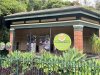
The Orangutan House (also known as the Mandrill House) and the Monkey House were both built in 1928. The have red brick walls, terracotta-tiled roofs and are fronted by wrought iron bars. They provide a fantastic insight into the evolution of animal husbandry over the past century. Signage notes the Orangutan House was built to replace a White Cockatoo House and that an exercise yard was added in 1944.
Orangutan House:
View attachment 709906
View attachment 709904
Monkey House:
View attachment 709901
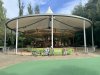
Melbourne Zoo’s Carousel has been operating for over 140 years. It was built in 1878 and was imported into Australia in 1886, arriving at Melbourne Zoo in 1952. It’s undergone several restorations since it’s arrival and is now powered by an electric motor (as opposed to steam driven). Signage notes that technically it’s a galloper as it turns clockwise (carousels turn counter-clockwise).
Carousel:
View attachment 709907
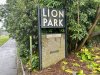
The Lion Park signage is all that remains of one of the zoo’s most iconic exhibits. The Lion Park opened in 1966 and was considered revolutionary due to putting the visitors ‘behind barriers’ while the lions enjoyed naturalistic dens and grassy plains. It was demolished in 2014, having housed and bred many lions over the years. Two plaques are on the sign - the bottom one lists the date Lion Park opened (4th September 1966); while the top one reads: Lions are found on the plains of Africa and the steppes of Western Asia. The landscaping of this enclosure has been designed to simulate their natural habitat. The dens have been constructed to achieve all-weather protection for the lions and a nursery unit is provided in the north-east corner.
Lion Park Sign:
View attachment 709908
Big Cat Row was built in the 1970’s and housed several big cat species including African lion, Sumatran tiger, Jaguar, Persian leopard, Snow leopard and Puma over the years. Part of the back wall is used in the current Snow leopard complex and is a remnant of this iconic complex.
Big Cat Row wall:
View attachment 709909
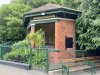
The Octagonal Aviary was built in 1928 and held monkeys in the early years, before reverting to its intended use an aviary. It currently houses South American birds. The aviary features red brick piers and a segmented iron-framed domical roof.
Octagonal Aviary:
View attachment 709900
The female Snow leopard exhibit was previously a Syrian bear exhibit. The last bear (Honey) died in 2016 and the exhibit was renovated for Snow leopards.
Old Syrian bear exhibit:
View attachment 709910
In addition to the skulls found in Keeper Kids, Melbourne Zoo has this magnificent Asian elephant skull on display in Trail of the Elephants. The elephant in question was Peggy, who was born in the wild in 1931; and lived at Melbourne Zoo from 1939 until her death in 1988.
Asian elephant skull:
View attachment 709903
Some of the above features are heritage listed; but far from being a hindrance to progress, I think Melbourne Zoo has done a fantastic job of integrating them into the modern zoo. Some, such as the Elephant House, have been repurposed; while others remain in use for the species they were designed for or blend into the background.
It comes as a shock to realise exhibits you remember opening (lion park, big cat row, bear enclosure) are now historic monuments. The "monkey house" actually housed chimpanzees for most of it's useful like, towards the end it did hold squirrel monkeys.
That’s interesting to know the Monkey House was where the chimpanzees were held. It’s similar to Auckland and Wellington’s chimpanzee cage blocks of that era. I do recall seeing a photo of a female chimpanzee (Molly) with her juvenile offspring (Ernie) behind bars, which would have been that exhibit. School kids were crowding the cage and Molly was baring her teeth at them; while Ernie had a fear-grin expression.
Melbourne Zoo’s first chimpanzee were imported in 1932 and died in 1936 and 1938 respectively; replaced by a new pair, which produced 2.1 offspring between 1946 and 1951 (Jimpy, Vipi and Chico).
It appears the last chimpanzees to live in this cage were:
1.0 Teddy (1952) Imported 1966
0.1 Molly (1953) Imported 1966
0.1 Beautiful (1957) Imported 1961
1.0 Patrick (1960) Imported 1966
0.1 June (1960) Imported 1966
0.1 Bubsy (1966) Imported 1968
1.0 Ernie (1969) Teddy x Molly

NathanTheAsian
Well-Known Member
Some, such as the Elephant House, have been repurposed
The elephant house has been repurposed as the accommodation for the RoarnSnore, with tents having been set up around the building, each named after one of the elephants. The building itself is now used as a dining area, with wooden tables and benches to sit at. Some things may have changed though as I last did RoarnSnore in 2017 for a school excursion, so not sure how much has changed till today.
The elephant house has been repurposed as the accommodation for the RoarnSnore, with tents having been set up around the building, each named after one of the elephants. The building itself is now used as a dining area, with wooden tables and benches to sit at. Some things may have changed though as I last did RoarnSnore in 2017 for a school excursion, so not sure how much has changed till today.
From what I’ve found on the zoo’s website and other online sites, the set up is still the same. Visitors camp out in tents on the site of the old elephant exhibit and dinner is served in the Elephant House in the evening.
While I accept the phase out and demolition of old exhibits becomes necessary as they reach the end of their lifespan, I’m glad Melbourne Zoo have retained a handful (some of which are still in use, such as the Great Flight Aviary); while those not heritage listed and subsequently demolished have been partly preserved in some cases (even if it’s as simple as keeping the Lion Park sign; or part of the wall from Big Cat Row).

SpoonieSafari
Member
Love Melbourne zoo as a whole and when the partner and I holiday to Melbourne we make sure we spend at least 2 days there because it just has so much to see! Definitely love their reptile house and ring tail lemur walkthrough. Have you done any experiences at Melbourne zoo?
Part Ten: Elephant Encounter
The highlight of my visits to Melbourne Zoo was undoubtedly the opportunity to go behind the scenes of their elephant complex via an elephant encounter. It was a once in a lifetime experience and a day I’ll certainly never forget.
I would like to start off by expressing my gratitude to Lucy and the rest of the Elephant Team for the encounter. It was a privilege not only to meet the elephants, but also to talk with some of the most dedicated and passionate people I’ve ever met. To hear them talk about the elephants was truly inspirational.
The encounter began in the barn and I had the opportunity to see the matriarchal herd of eight come rushing in. I’m quite familiar with the region’s elephant population and greatly enjoyed identifying the individuals in Melbourne’s herd on my visits - including Kulab with her textured hide; and Mali with her kinked tail. I was interested to learn that Kulab, who I’d recognised as a large female is indeed their heaviest cow at 3.7 tonnes; followed by Num-Oi at 3.5 tonnes. Aiyara was one of the first in and all staff agreed she is particularly precocious.
Crate training was in full swing and the elephants had made fantastic progress. In addition to the mother/calf crates in the main paddock, the zoo has an additional two crates to transport Luk Chai and Mek Kepah. This means Mek Kepah will be able to travel alongside Dokkoon/Aiyara and Mali/Roi-Yim, which will provide all cows with support as they acclimatise to the new habitat at Werribee. Kulab and Num-Oi/Kati will follow on after.
I took the opportunity to ask about future breeding plans as while I’d heard the plan was for a second cohort of calves sired by Luk Chai, I was curious what the future held with regards to a bull swap. I was told Luk Chai wouldn’t necessarily be exchanged for an unrelated bull. Welfare underpins every decision made and the question would be asked of whether Luk Chai’s quality of life would be improved by being transferred somewhere else. This for me, really highlighted the values Zoos Victoria’s staff live and breathe and was a message I found particularly inspirational. I was advised there’s a strong likelihood that Luk Chai will remain onsite and mentor the new bull coming in. The aim is for all zoos across Australia to undertake natural breeding with well socialised elephants, bred and reared within multigenerational herds. With the recent revelation Monarto will also be joining the breeding programme, the future looks bright indeed.
After looking at the transport crates, I was taken into the bull barn and got to meet Luk Chai up close. Health and Safety was paramount and guidelines were clearly explained around where visitors could stand; but when it was safe to do so, I was allowed to touch Luk Chai’s bristly hide and the sole of one of his feet. The sponginess is definitely not a sensation most people imagine when they think of an elephants’ foot. Standing up close, you certainly get a much greater sense of the sheer size of these animals and Luk Chai is well on his way to becoming a large and impressive bull. He’d just passed the 4 tonne mark on my visit.
I touched on this briefly earlier in my review but Melbourne Zoo’s elephant herd and Trail of the Elephant complex highlights how far elephant husbandry has come within the region over the last century. In decades past, zoos housed pairs of elephants in elephant houses with concrete floors and copper name plates above their stalls. Today, Melbourne’s elephant barn is big enough to house a multigenerational herd, with sand mounds on the floors for sleeping; while faded graffiti art on the walls detonates the names of some of the first elephant calves born in Australasia. Black and white photos from the early 20th Century depict juvenile elephants, caught in the wild and imported from India, cooling off in pools; while on my visit, I watched two female calves frolic in the pool, who are themselves the second generation offspring of the first elephant calf born in Australia.
The move to Werribee will be a monumental step in the continuing evolution of elephant husbandry within the region; and I wish Melbourne’s keepers and of course the elephants all the best in this epic transition. It’s the dawn of a new and exciting era.
I will share below a few additional photos of the elephants that I took on my visits. I would like to note that all of these photos were taken from a public view point and were NOT taken from behind the scenes areas/this encounter.
Luk Chai browsing:

Luk Chai with wind chimes:

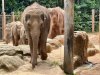
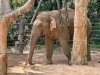
Dokkoon:

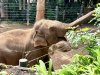
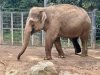
Kulab:

Mali leading calves:

Kati climbing:

Graffiti (Num-Oi and Sanook):

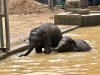
Aiyara and Kati swimming:

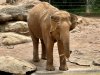
Aiyara:

The highlight of my visits to Melbourne Zoo was undoubtedly the opportunity to go behind the scenes of their elephant complex via an elephant encounter. It was a once in a lifetime experience and a day I’ll certainly never forget.
I would like to start off by expressing my gratitude to Lucy and the rest of the Elephant Team for the encounter. It was a privilege not only to meet the elephants, but also to talk with some of the most dedicated and passionate people I’ve ever met. To hear them talk about the elephants was truly inspirational.
The encounter began in the barn and I had the opportunity to see the matriarchal herd of eight come rushing in. I’m quite familiar with the region’s elephant population and greatly enjoyed identifying the individuals in Melbourne’s herd on my visits - including Kulab with her textured hide; and Mali with her kinked tail. I was interested to learn that Kulab, who I’d recognised as a large female is indeed their heaviest cow at 3.7 tonnes; followed by Num-Oi at 3.5 tonnes. Aiyara was one of the first in and all staff agreed she is particularly precocious.
Crate training was in full swing and the elephants had made fantastic progress. In addition to the mother/calf crates in the main paddock, the zoo has an additional two crates to transport Luk Chai and Mek Kepah. This means Mek Kepah will be able to travel alongside Dokkoon/Aiyara and Mali/Roi-Yim, which will provide all cows with support as they acclimatise to the new habitat at Werribee. Kulab and Num-Oi/Kati will follow on after.
I took the opportunity to ask about future breeding plans as while I’d heard the plan was for a second cohort of calves sired by Luk Chai, I was curious what the future held with regards to a bull swap. I was told Luk Chai wouldn’t necessarily be exchanged for an unrelated bull. Welfare underpins every decision made and the question would be asked of whether Luk Chai’s quality of life would be improved by being transferred somewhere else. This for me, really highlighted the values Zoos Victoria’s staff live and breathe and was a message I found particularly inspirational. I was advised there’s a strong likelihood that Luk Chai will remain onsite and mentor the new bull coming in. The aim is for all zoos across Australia to undertake natural breeding with well socialised elephants, bred and reared within multigenerational herds. With the recent revelation Monarto will also be joining the breeding programme, the future looks bright indeed.
After looking at the transport crates, I was taken into the bull barn and got to meet Luk Chai up close. Health and Safety was paramount and guidelines were clearly explained around where visitors could stand; but when it was safe to do so, I was allowed to touch Luk Chai’s bristly hide and the sole of one of his feet. The sponginess is definitely not a sensation most people imagine when they think of an elephants’ foot. Standing up close, you certainly get a much greater sense of the sheer size of these animals and Luk Chai is well on his way to becoming a large and impressive bull. He’d just passed the 4 tonne mark on my visit.
I touched on this briefly earlier in my review but Melbourne Zoo’s elephant herd and Trail of the Elephant complex highlights how far elephant husbandry has come within the region over the last century. In decades past, zoos housed pairs of elephants in elephant houses with concrete floors and copper name plates above their stalls. Today, Melbourne’s elephant barn is big enough to house a multigenerational herd, with sand mounds on the floors for sleeping; while faded graffiti art on the walls detonates the names of some of the first elephant calves born in Australasia. Black and white photos from the early 20th Century depict juvenile elephants, caught in the wild and imported from India, cooling off in pools; while on my visit, I watched two female calves frolic in the pool, who are themselves the second generation offspring of the first elephant calf born in Australia.
The move to Werribee will be a monumental step in the continuing evolution of elephant husbandry within the region; and I wish Melbourne’s keepers and of course the elephants all the best in this epic transition. It’s the dawn of a new and exciting era.
I will share below a few additional photos of the elephants that I took on my visits. I would like to note that all of these photos were taken from a public view point and were NOT taken from behind the scenes areas/this encounter.
Luk Chai browsing:
Luk Chai with wind chimes:
Dokkoon:
Kulab:
Mali leading calves:
Kati climbing:
Graffiti (Num-Oi and Sanook):
Aiyara and Kati swimming:
Aiyara:
Attachments
-
 upload_2024-7-12_23-52-37.jpeg264 KB · Views: 129
 -
 upload_2024-7-12_23-53-29.jpeg241.6 KB · Views: 129
 -
 upload_2024-7-12_23-54-47.jpeg279.4 KB · Views: 128
 -
 upload_2024-7-12_23-55-17.jpeg260 KB · Views: 130
 -
 upload_2024-7-12_23-55-46.jpeg276.3 KB · Views: 129
 -
 upload_2024-7-12_23-56-33.jpeg235.4 KB · Views: 125
 -
 upload_2024-7-12_23-57-30.jpeg141.7 KB · Views: 126
 -
 upload_2024-7-12_23-58-8.jpeg224.6 KB · Views: 133
 -
 upload_2024-7-12_23-59-52.jpeg194.5 KB · Views: 133
Part Ten: Elephant Encounter
The highlight of my visits to Melbourne Zoo was undoubtedly the opportunity to go behind the scenes of their elephant complex via an elephant encounter. It was a once in a lifetime experience and a day I’ll certainly never forget.
I would like to start off by expressing my gratitude to Lucy and the rest of the Elephant Team for the encounter. It was a privilege not only to meet the elephants, but also to talk with some of the most dedicated and passionate people I’ve ever met. To hear them talk about the elephants was truly inspirational.
The encounter began in the barn and I had the opportunity to see the matriarchal herd of eight come rushing in. I’m quite familiar with the region’s elephant population and greatly enjoyed identifying the individuals in Melbourne’s herd on my visits - including Kulab with her textured hide; and Mali with her kinked tail. I was interested to learn that Kulab, who I’d recognised as a large female is indeed their heaviest cow at 3.7 tonnes; followed by Num-Oi at 3.5 tonnes. Aiyara was one of the first in and all staff agreed she is particularly precocious.
Crate training was in full swing and the elephants had made fantastic progress. In addition to the mother/calf crates in the main paddock, the zoo has an additional two crates to transport Luk Chai and Mek Kepah. This means Mek Kepah will be able to travel alongside Dokkoon/Aiyara and Mali/Roi-Yim, which will provide all cows with support as they acclimatise to the new habitat at Werribee. Kulab and Num-Oi/Kati will follow on after.
I took the opportunity to ask about future breeding plans as while I’d heard the plan was for a second cohort of calves sired by Luk Chai, I was curious what the future held with regards to a bull swap. I was told Luk Chai wouldn’t necessarily be exchanged for an unrelated bull. Welfare underpins every decision made and the question would be asked of whether Luk Chai’s quality of life would be improved by being transferred somewhere else. This for me, really highlighted the values Zoos Victoria’s staff live and breathe and was a message I found particularly inspirational. I was advised there’s a strong likelihood that Luk Chai will remain onsite and mentor the new bull coming in. The aim is for all zoos across Australia to undertake natural breeding with well socialised elephants, bred and reared within multigenerational herds. With the recent revelation Monarto will also be joining the breeding programme, the future looks bright indeed.
After looking at the transport crates, I was taken into the bull barn and got to meet Luk Chai up close. Health and Safety was paramount and guidelines were clearly explained around where visitors could stand; but when it was safe to do so, I was allowed to touch Luk Chai’s bristly hide and the sole of one of his feet. The sponginess is definitely not a sensation most people imagine when they think of an elephants’ foot. Standing up close, you certainly get a much greater sense of the sheer size of these animals and Luk Chai is well on his way to becoming a large and impressive bull. He’d just passed the 4 tonne mark on my visit.
I touched on this briefly earlier in my review but Melbourne Zoo’s elephant herd and Trail of the Elephant complex highlights how far elephant husbandry has come within the region over the last century. In decades past, zoos housed pairs of elephants in elephant houses with concrete floors and copper name plates above their stalls. Today, Melbourne’s elephant barn is big enough to house a multigenerational herd, with sand mounds on the floors for sleeping; while faded graffiti art on the walls detonates the names of some of the first elephant calves born in Australasia. Black and white photos from the early 20th Century depict juvenile elephants, caught in the wild and imported from India, cooling off in pools; while on my visit, I watched two female calves frolic in the pool, who are themselves the second generation offspring of the first elephant calf born in Australia.
The move to Werribee will be a monumental step in the continuing evolution of elephant husbandry within the region; and I wish Melbourne’s keepers and of course the elephants all the best in this epic transition. It’s the dawn of a new and exciting era.
I will share below a few additional photos of the elephants that I took on my visits. I would like to note that all of these photos were taken from a public view point and were NOT taken from behind the scenes areas/this encounter.
Luk Chai browsing:
View attachment 715353
Luk Chai with wind chimes:
View attachment 715354
Dokkoon:
View attachment 715357
Kulab:
View attachment 715355
Mali leading calves:
View attachment 715351
Kati climbing:
View attachment 715350
Graffiti (Num-Oi and Sanook):
View attachment 715358
Aiyara and Kati swimming:
View attachment 715360
Aiyara:
View attachment 715361
This is incredible, I'm so glad you had that experience! Thank you for detailing your encounters with the elephants. I love your photos, too, especially those of Luk Chai. It is wonderful to see he has matured into a good-natured, naturally-breeding growing bull with his own calves, and that is quite the shot of Mali leading the calves, too!
This is incredible, I'm so glad you had that experience! Thank you for detailing your encounters with the elephants. I love your photos, too, especially those of Luk Chai. It is wonderful to see he has matured into a good-natured, naturally-breeding growing bull with his own calves, and that is quite the shot of Mali leading the calves, too!
Thank you.

It’s really great to see Melbourne’s multigenerational herd flourishing. It’s evident how much enjoyment the cows get from the presence of the calves. Kulab, who is now a non-breeding female is a very dominant cow, but she dotes on Kati; and along with Num-Oi, follows her around. Kulab and Num-Oi have been best friends since the formation of the herd and Num-Oi similarly doted on Kulab’s son, Ongard, when he was a calf. She was the first of the cows to meet him.
Dokkoon and Mali are as close as any mother-daughter dyad you’d expect to see in an elephant herd. It’ll be interesting to see their dynamic evolve over the next decade as Aiyara matures. She could well become a future matriarch, though everyone’s money is on Kulab for now and it wouldn’t surprise me if the transfer to Werribee is the catalyst for her taking on leadership of the herd.
Conclusion (Part 1/3): The Zoo That Ticked All The Boxes
Overall, I thought Melbourne Zoo was excellent. It’s truly a world class zoo and it’s status as one of Australia’s most prestigious zoos is more than justified. On a personal level, I’ve wanted to visit for many years and my visits did not disappoint. In terms of what I like in a zoo, it was fair to say Melbourne Zoo ticked all the boxes:
1. A variety of species: This is one of the first things I consider when deciding whether to visit a new zoo for the first time. Melbourne has a diverse range of exotics and natives; and a variety of mammals, birds, reptiles and invertebrates. While exotic mammals are my main area of interest, Melbourne Zoo’s Reptile House exceeded all expectation and I particularly enjoyed seeing their array of snakes. Though native species don’t interest me as much, the Platypus House gave me the best views of a Platypus I’ve ever seen; and watching Sam fossick for food was one of my highlights.
2. Regionally unique species: Even the most ordinary species become fascinating when they’re the only population of that species within the region. Two examples were Phillipines crocodile and Collared peccary and I spent much time admiring the individuals in their respective exhibit.
3. First sightings: Visiting Melbourne Zoo gave me the chance to see a number of species for the first time. Snow leopard, Phillipines crocodile and Double-crested basilisk were the stand outs; but since my childhood memory of Wellington Zoo’s Collared peccary is so vague, seeing them at Melbourne Zoo was like seeing the species for the first time. While I’ve visited multiple zoos with adolescent or adult elephants, this was my first time seeing calves; and Melbourne’s 10-12 month trio were the perfect balance between the appeal of infants and the exuberance of juveniles.
4. Exhibit quality. I touched on the strong focus on animal welfare in my elephant encounter post; but in addition to Zoos Victoria’s staff’s dedication to the animals, the exhibits are designed with the animals in mind. The Sumatran orangutans have sway poles and the pinnipeds have a wave machine for enrichment; the Snow leopards have mist machines to cool them down on hot days; the Asian elephant complex is designed to enable the bull elephant to have contact sessions with the cows and calves; the Hamadryas baboons are housed in a sizeable troop.
5. Customer service. Zoos Victoria’s staff were exceptional. They were friendly, approachable, helpful and willing to chat/answer questions. The elephant keepers were particularly amazing; but all the staff and volunteers alike were engaged and customer focussed.
6. History. Although this doesn’t make or break a zoo visit (I’ve enjoyed visits to comparatively new zoos), it undoubtedly enhances the experience. I’m fascinated by zoo history and hold a great appreciation for historic architecture in zoos. Seeing buildings and exhibits that were built throughout the decades was awe inspiring. I’m grateful Melbourne Zoo has retained so much of their history, while continuing to progress as a modern zoo.
7. Familiar faces. For me, a zoo visit is greatly enhanced by having at least a basic awareness of some of the individuals housed at that zoo. It adds additional context to viewing an exhibit when you can make connections with what you’re seeing. At Melbourne Zoo, I saw the great-grandchildren of Nico and Meta the Sumatran tigers, whose family tree extends throughout nearly every holder of this species in the region; I saw the Hamadryas baboon troop, which partly descends from the formerly large troop I saw at Wellington Zoo as a child; and I saw the pregnant giraffe I visited as a calf at Auckland Zoo in 2012. I described in my opening post that visiting Melbourne Zoo was like putting a face to a name and that was exactly how I felt visiting exhibits I’ve read about since childhood; and in recent years, have discussed at length with people on ZooChat.
Part 2 and Part 3 of the Conclusion will include a rating of the precincts and a mammals species list.
Overall, I thought Melbourne Zoo was excellent. It’s truly a world class zoo and it’s status as one of Australia’s most prestigious zoos is more than justified. On a personal level, I’ve wanted to visit for many years and my visits did not disappoint. In terms of what I like in a zoo, it was fair to say Melbourne Zoo ticked all the boxes:
1. A variety of species: This is one of the first things I consider when deciding whether to visit a new zoo for the first time. Melbourne has a diverse range of exotics and natives; and a variety of mammals, birds, reptiles and invertebrates. While exotic mammals are my main area of interest, Melbourne Zoo’s Reptile House exceeded all expectation and I particularly enjoyed seeing their array of snakes. Though native species don’t interest me as much, the Platypus House gave me the best views of a Platypus I’ve ever seen; and watching Sam fossick for food was one of my highlights.
2. Regionally unique species: Even the most ordinary species become fascinating when they’re the only population of that species within the region. Two examples were Phillipines crocodile and Collared peccary and I spent much time admiring the individuals in their respective exhibit.
3. First sightings: Visiting Melbourne Zoo gave me the chance to see a number of species for the first time. Snow leopard, Phillipines crocodile and Double-crested basilisk were the stand outs; but since my childhood memory of Wellington Zoo’s Collared peccary is so vague, seeing them at Melbourne Zoo was like seeing the species for the first time. While I’ve visited multiple zoos with adolescent or adult elephants, this was my first time seeing calves; and Melbourne’s 10-12 month trio were the perfect balance between the appeal of infants and the exuberance of juveniles.
4. Exhibit quality. I touched on the strong focus on animal welfare in my elephant encounter post; but in addition to Zoos Victoria’s staff’s dedication to the animals, the exhibits are designed with the animals in mind. The Sumatran orangutans have sway poles and the pinnipeds have a wave machine for enrichment; the Snow leopards have mist machines to cool them down on hot days; the Asian elephant complex is designed to enable the bull elephant to have contact sessions with the cows and calves; the Hamadryas baboons are housed in a sizeable troop.
5. Customer service. Zoos Victoria’s staff were exceptional. They were friendly, approachable, helpful and willing to chat/answer questions. The elephant keepers were particularly amazing; but all the staff and volunteers alike were engaged and customer focussed.
6. History. Although this doesn’t make or break a zoo visit (I’ve enjoyed visits to comparatively new zoos), it undoubtedly enhances the experience. I’m fascinated by zoo history and hold a great appreciation for historic architecture in zoos. Seeing buildings and exhibits that were built throughout the decades was awe inspiring. I’m grateful Melbourne Zoo has retained so much of their history, while continuing to progress as a modern zoo.
7. Familiar faces. For me, a zoo visit is greatly enhanced by having at least a basic awareness of some of the individuals housed at that zoo. It adds additional context to viewing an exhibit when you can make connections with what you’re seeing. At Melbourne Zoo, I saw the great-grandchildren of Nico and Meta the Sumatran tigers, whose family tree extends throughout nearly every holder of this species in the region; I saw the Hamadryas baboon troop, which partly descends from the formerly large troop I saw at Wellington Zoo as a child; and I saw the pregnant giraffe I visited as a calf at Auckland Zoo in 2012. I described in my opening post that visiting Melbourne Zoo was like putting a face to a name and that was exactly how I felt visiting exhibits I’ve read about since childhood; and in recent years, have discussed at length with people on ZooChat.
Part 2 and Part 3 of the Conclusion will include a rating of the precincts and a mammals species list.
Conclusion (Part 2/3): Rating The Precincts
Trail of the Elephants (9.5/10): The largest precinct and my favourite overall. The elephant complex was astonishing and until the Werribee complex opens, remains one of the best in the region. The supporting exhibits (tigers, orangutans, otters etc.) were also of high quality.
Main Trail (8.5/10): Main Trail was highly engaging. So many highlights here from the large Hamadryas baboon troop to the Platypus House and Collared peccary exhibit. A felid species and a lack of vacant exhibits would have further enhanced this trail, but I note the Malayan tapir exhibit now has Lowland nyala living in it since my visit.
Lion Gorge (8/10): My second favourite precinct. The Sumatran tiger and Snow leopard exhibits were innovative and offered great views of these magnificent felids. The Tasmanian devil exhibits were equally impressive. The lion exhibit, though underwhelming compared to its legendary predecessor, was a presentable exhibit. The Binturong were a no-show on every visit and were a poor fit for this exhibit in my opinion.
Gorilla Rainforest (7.5/10): The headlining exhibit (Gorilla Rainforest) was a phenomenal complex; but the Treetops exhibits were dated and the old Mandrill exhibit remains vacant. The Pygmy hippopotamus exhibit would benefit from a refurbishment in my opinion as it’s showing its age.
Wild Sea (7/10): A fantastic precinct! Wild Sea is a small precinct with a handful of exhibits, but the pinniped exhibit was an improvement on Auckland’s pinniped exhibit (which I rate highly) with enhanced underwater viewing, a land space where the seals emerge from the water to sun themselves and a wave pool. The only thing that could have increased the rating I gave this precinct was more exhibits.
Australian Bush (6/10): This precinct was fairly low-key. The highlight was the Great Flight Aviary, which is a magnificent piece of architecture; and I also enjoyed the design of the wombat viewing tunnels. The kangaroo/wallaby exhibit would have been more immersive if it was a true walk through like I’ve seen at other Australian zoos/wildlife parks. The inclusion of Dingo and Tasmanian devil would enhance the precinct and provide justification for replacing them with exotics in the Lion Gorge precinct.
Growing Wild (2/10): I came expecting to be disappointed and I was. The theme of the precinct was muddled (Slender-tailed meerkats and Aldabra tortoises being the only exhibits) and there was no sense of flow between the three meerkat exhibits. This was the last precinct I visited and I will surely be skipping it on future visits in favour of more exciting precincts.
Trail of the Elephants (9.5/10): The largest precinct and my favourite overall. The elephant complex was astonishing and until the Werribee complex opens, remains one of the best in the region. The supporting exhibits (tigers, orangutans, otters etc.) were also of high quality.
Main Trail (8.5/10): Main Trail was highly engaging. So many highlights here from the large Hamadryas baboon troop to the Platypus House and Collared peccary exhibit. A felid species and a lack of vacant exhibits would have further enhanced this trail, but I note the Malayan tapir exhibit now has Lowland nyala living in it since my visit.
Lion Gorge (8/10): My second favourite precinct. The Sumatran tiger and Snow leopard exhibits were innovative and offered great views of these magnificent felids. The Tasmanian devil exhibits were equally impressive. The lion exhibit, though underwhelming compared to its legendary predecessor, was a presentable exhibit. The Binturong were a no-show on every visit and were a poor fit for this exhibit in my opinion.
Gorilla Rainforest (7.5/10): The headlining exhibit (Gorilla Rainforest) was a phenomenal complex; but the Treetops exhibits were dated and the old Mandrill exhibit remains vacant. The Pygmy hippopotamus exhibit would benefit from a refurbishment in my opinion as it’s showing its age.
Wild Sea (7/10): A fantastic precinct! Wild Sea is a small precinct with a handful of exhibits, but the pinniped exhibit was an improvement on Auckland’s pinniped exhibit (which I rate highly) with enhanced underwater viewing, a land space where the seals emerge from the water to sun themselves and a wave pool. The only thing that could have increased the rating I gave this precinct was more exhibits.
Australian Bush (6/10): This precinct was fairly low-key. The highlight was the Great Flight Aviary, which is a magnificent piece of architecture; and I also enjoyed the design of the wombat viewing tunnels. The kangaroo/wallaby exhibit would have been more immersive if it was a true walk through like I’ve seen at other Australian zoos/wildlife parks. The inclusion of Dingo and Tasmanian devil would enhance the precinct and provide justification for replacing them with exotics in the Lion Gorge precinct.
Growing Wild (2/10): I came expecting to be disappointed and I was. The theme of the precinct was muddled (Slender-tailed meerkats and Aldabra tortoises being the only exhibits) and there was no sense of flow between the three meerkat exhibits. This was the last precinct I visited and I will surely be skipping it on future visits in favour of more exciting precincts.

The Sleepy Hippo
Well-Known Member
Conclusion (Part 3/3): Species List
As previously advised, I compiled a list of mammals held by Melbourne Zoo at the time of my visit (November/December 2023).
Please refer to this document for a list of Melbourne Zoo’s birds, reptiles, fish, amphibians and invertebrates held on June 30 of that year (five months prior to my visit):
https://cdn-site.zoo.org.au/media/eb1cc14s/animal-inventory-2022-23.pdf
Mammals (November/December 2023):
Asian elephant Elephas maximus
Giraffe Giraffa camelopardalis
Pygmy hippopotamus Choeropsis liberiensis
Collared peccary Pecari tajacu
Western lowland gorilla Gorilla gorilla gorilla
Orangutan Pongo
Sumatran orangutan Pongo abelii
Siamang Symphalangus syndactylus
White-cheeked gibbon Nomascus leucogenys
Hamadryas baboon Papio hamadryas
Black-handed spider-monkey Ateles geoffroyi
Bolivian squirrel-monkey Saimiri boliviensis
Eastern black-and-white colobus Colobus guereza
Black-and-white ruffed lemur Varecia variegata
Ring-tailed lemur Lemur catta
Emperor tamarin Saguinus imperator
Cotton-top tamarin Saguinus oedipus
Australian fur seal Arctocephalus pusillus dorsiferus
New Zealand fur seal Arctocephalus forsteri
African lion Panthera leo
Sumatran tiger Panthera tigris sumatrae
Snow leopard Panthera uncia
Dingo Canis lupus
Nepalese red panda Ailurus fulgens
Binturong Arctictis binturong
Common coati Nasua nasua
Slender-tailed meerkat Suricata suricatta
New Holland mouse Pseudomys novaehollandiae
Tasmanian devil Sarcophilus harrisii
Platypus Ornithorhynchus anatinus
Southern koala Phascolarctos cinereus victor
Southern Hairy-nosed wombat Lasiorhinus latifrons
Western grey kangaroo Lasiorhinus latifrons
Tammar wallaby Notamacropus eugenii
Swamp wallaby Wallabia bicolor
Thank you to everyone who’s followed my review of Melbourne Zoo. I’ve throughly enjoyed sharing my visit with you all.
I will conclude by sharing a few final photos:
Luk Chai:

Zuberi:

Gabby:

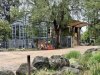
Giraffe House Construction:

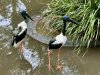
Black-necked stork:

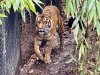
Indrah:

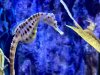
Pot-bellied sea horse:

Black-headed python:

Hamadryas baboon:

Water Recycling Plant:

As previously advised, I compiled a list of mammals held by Melbourne Zoo at the time of my visit (November/December 2023).
Please refer to this document for a list of Melbourne Zoo’s birds, reptiles, fish, amphibians and invertebrates held on June 30 of that year (five months prior to my visit):
https://cdn-site.zoo.org.au/media/eb1cc14s/animal-inventory-2022-23.pdf
Mammals (November/December 2023):
Asian elephant Elephas maximus
Giraffe Giraffa camelopardalis
Pygmy hippopotamus Choeropsis liberiensis
Collared peccary Pecari tajacu
Western lowland gorilla Gorilla gorilla gorilla
Orangutan Pongo
Sumatran orangutan Pongo abelii
Siamang Symphalangus syndactylus
White-cheeked gibbon Nomascus leucogenys
Hamadryas baboon Papio hamadryas
Black-handed spider-monkey Ateles geoffroyi
Bolivian squirrel-monkey Saimiri boliviensis
Eastern black-and-white colobus Colobus guereza
Black-and-white ruffed lemur Varecia variegata
Ring-tailed lemur Lemur catta
Emperor tamarin Saguinus imperator
Cotton-top tamarin Saguinus oedipus
Australian fur seal Arctocephalus pusillus dorsiferus
New Zealand fur seal Arctocephalus forsteri
African lion Panthera leo
Sumatran tiger Panthera tigris sumatrae
Snow leopard Panthera uncia
Dingo Canis lupus
Nepalese red panda Ailurus fulgens
Binturong Arctictis binturong
Common coati Nasua nasua
Slender-tailed meerkat Suricata suricatta
New Holland mouse Pseudomys novaehollandiae
Tasmanian devil Sarcophilus harrisii
Platypus Ornithorhynchus anatinus
Southern koala Phascolarctos cinereus victor
Southern Hairy-nosed wombat Lasiorhinus latifrons
Western grey kangaroo Lasiorhinus latifrons
Tammar wallaby Notamacropus eugenii
Swamp wallaby Wallabia bicolor
Thank you to everyone who’s followed my review of Melbourne Zoo. I’ve throughly enjoyed sharing my visit with you all.
I will conclude by sharing a few final photos:
Luk Chai:
Zuberi:
Gabby:
Giraffe House Construction:
Black-necked stork:
Indrah:
Pot-bellied sea horse:
Black-headed python:
Hamadryas baboon:
Water Recycling Plant:
Attachments
-
 upload_2024-8-2_23-20-29.jpeg264.6 KB · Views: 77
 -
 upload_2024-8-2_23-21-31.jpeg262.5 KB · Views: 75
 -
 upload_2024-8-2_23-22-28.jpeg181 KB · Views: 74
 -
 upload_2024-8-2_23-23-50.jpeg332.2 KB · Views: 76
 -
 upload_2024-8-2_23-24-37.jpeg254 KB · Views: 75
 -
 upload_2024-8-2_23-26-1.jpeg253.7 KB · Views: 72
 -
 upload_2024-8-2_23-28-3.jpeg123.6 KB · Views: 70
 -
 upload_2024-8-2_23-29-43.jpeg255.5 KB · Views: 75
 -
 upload_2024-8-2_23-31-0.jpeg330.6 KB · Views: 71
 -
 upload_2024-8-2_23-34-8.jpeg216.1 KB · Views: 72
Summer Tanager
Well-Known Member
Thank you for posting this comprehensive review and species list! Those final ones are great photos!

Krookaburra
Member
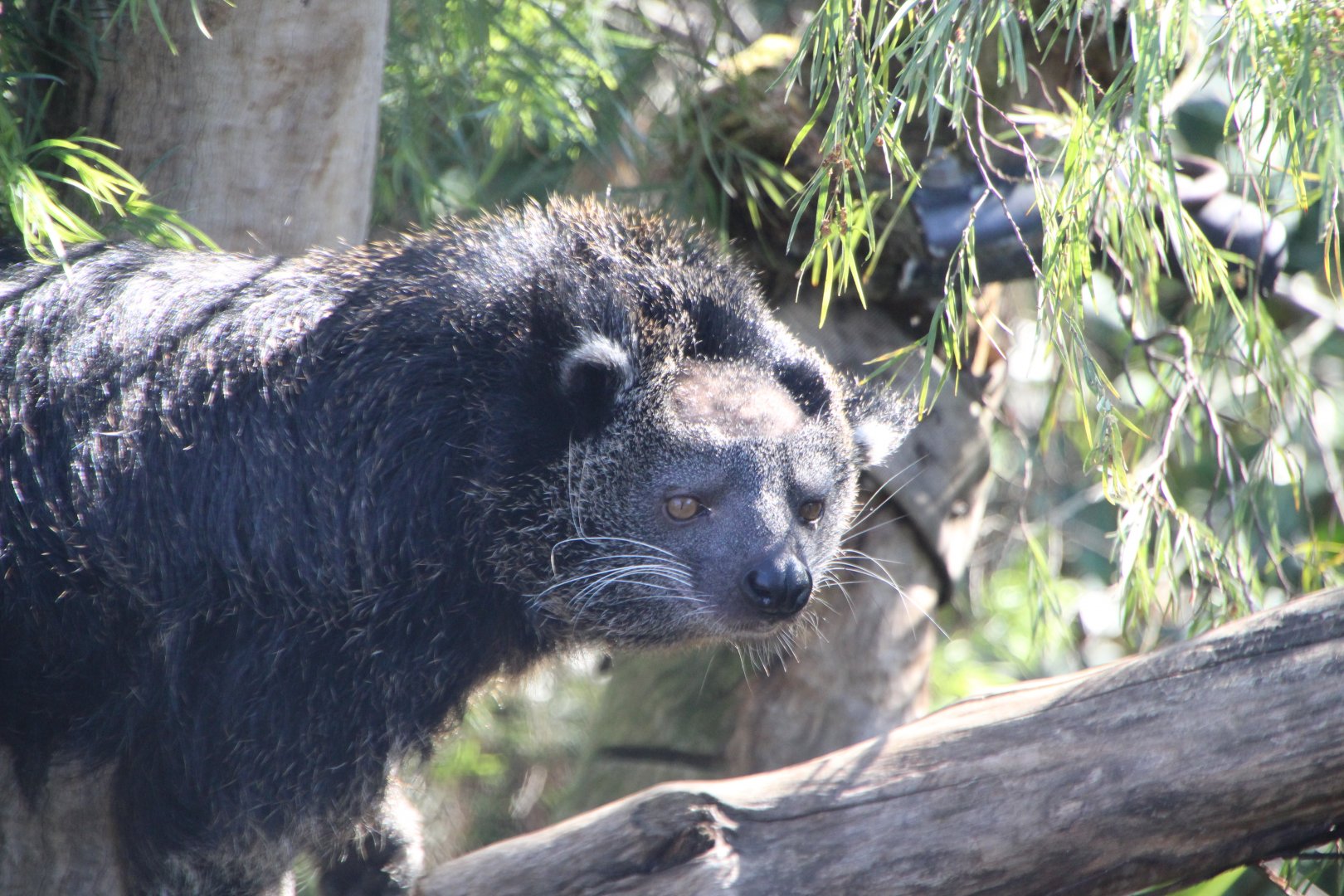
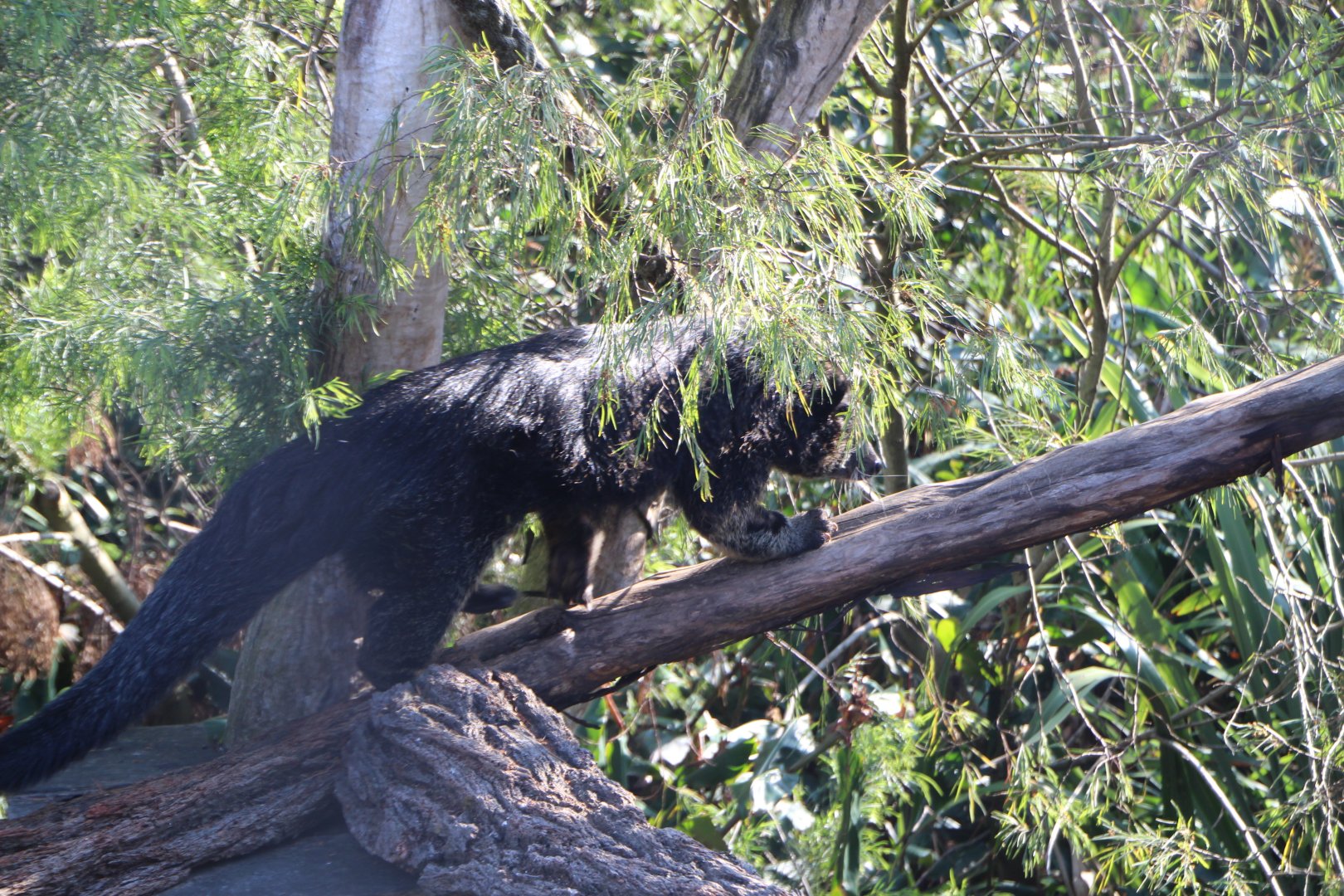
Managed to get a few pictures of the binturong on my last visit. It was surprisingly active, the most active I've ever seen actually. The exhibit really isn't that bad when the binturong is actually there.
Binturong n.5
Did it get surgery or something? Its head and chest were completely shaved, this was a month or...
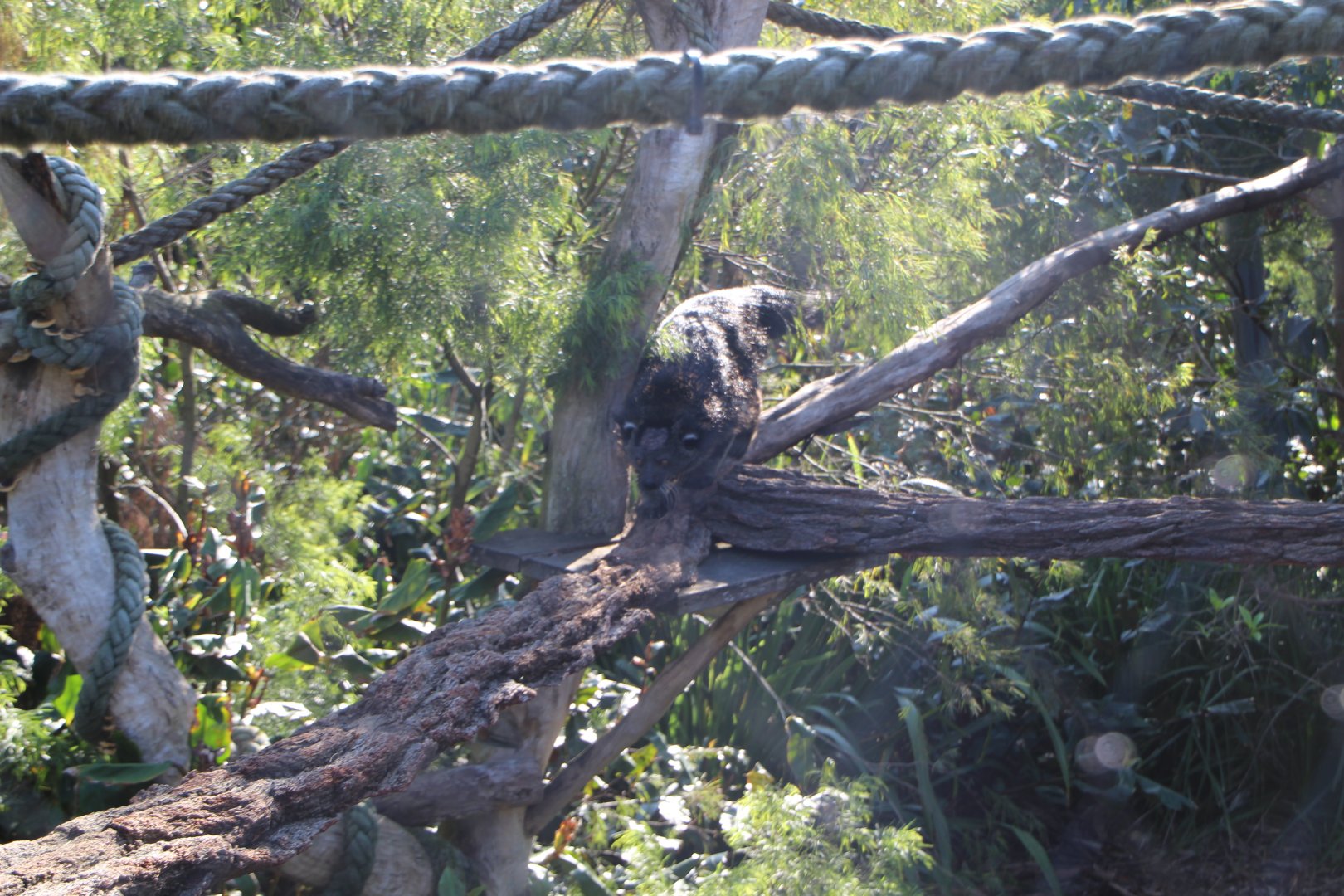
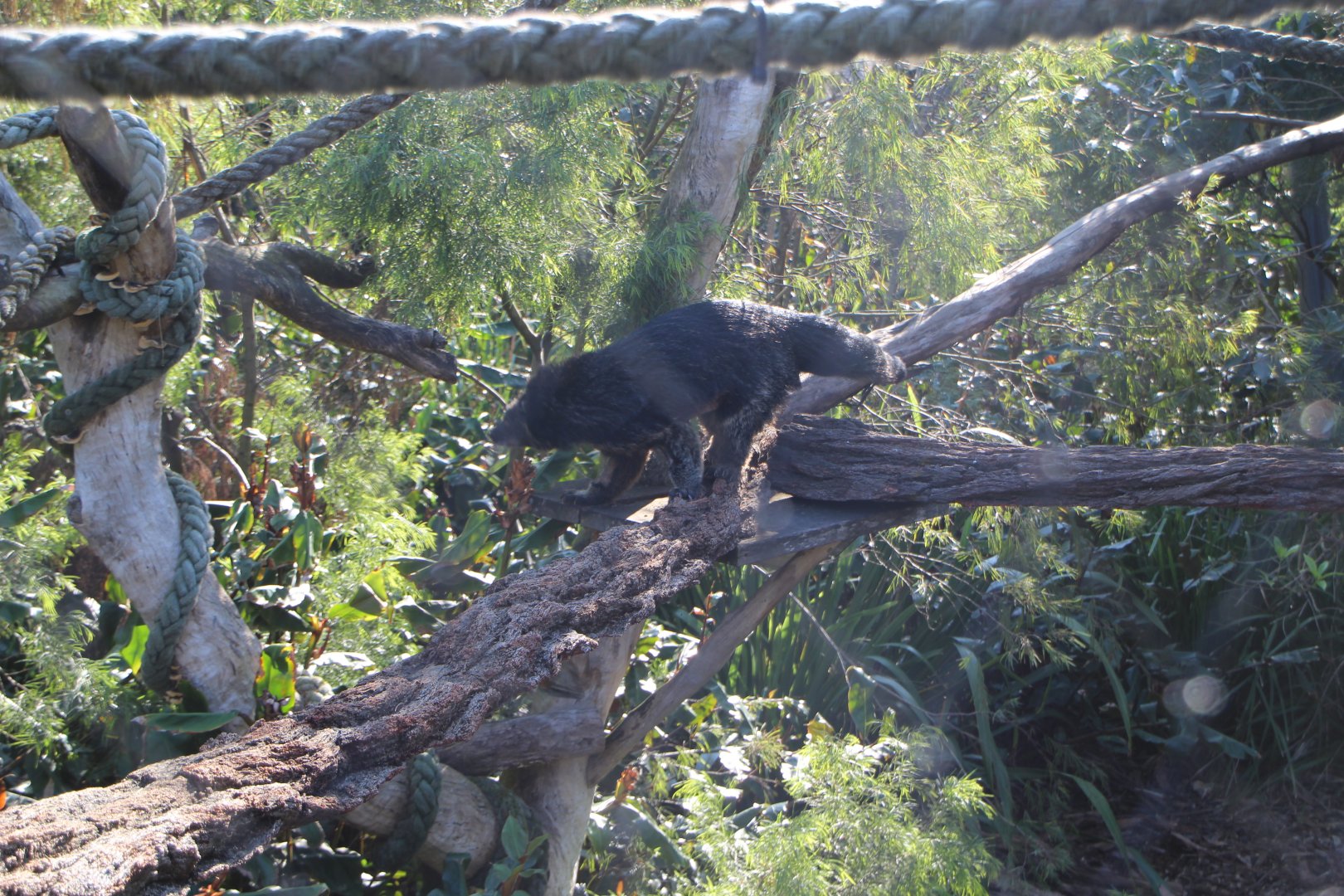
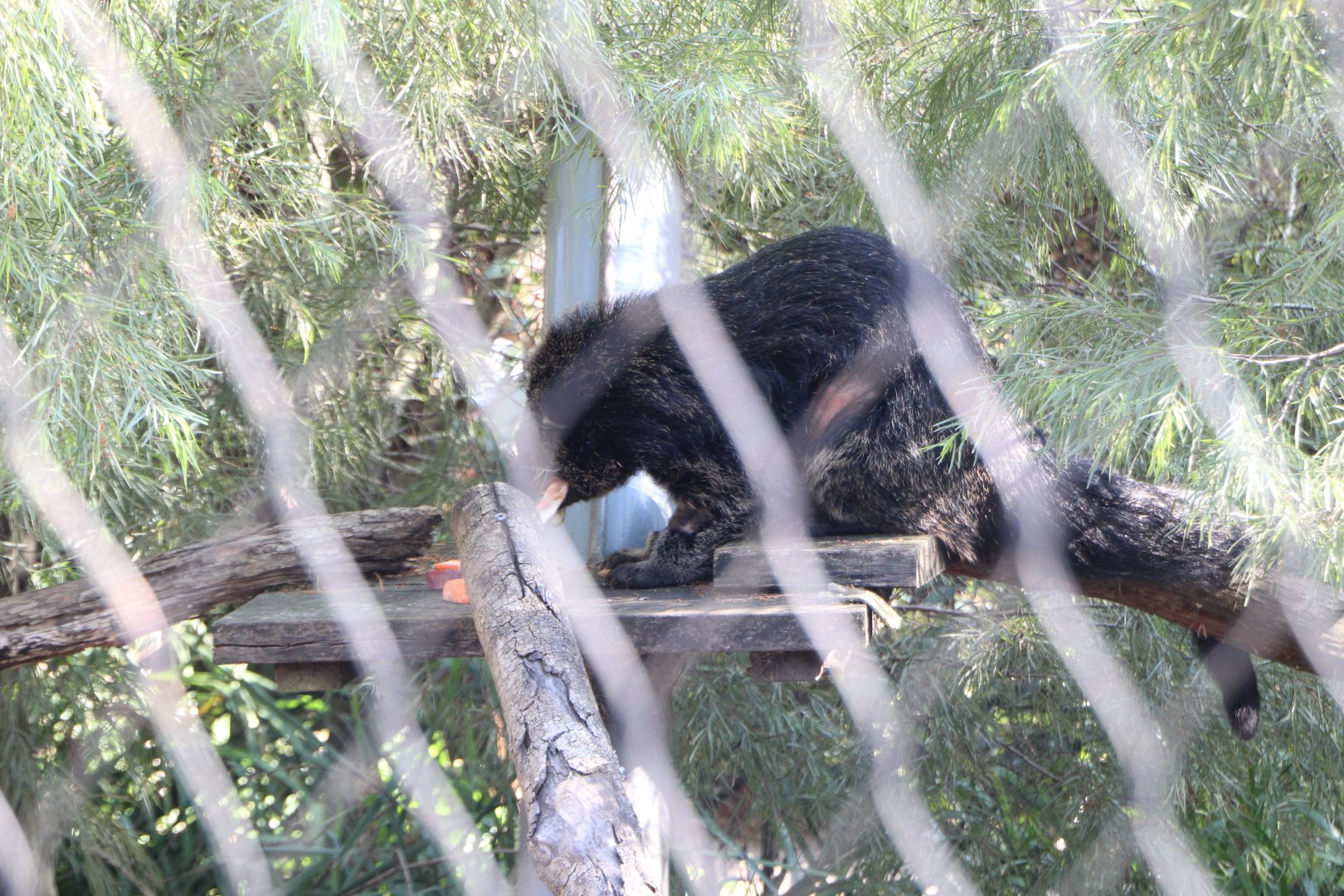
Krookaburra
Member
Anybody know why its head and chest were shaved? Is that a standard surgery for new animals or something?

Indeed, it seems like this animal has been involved in some sort of training or has recently undergone a health check. It's usually utilised when conducting ultrasounds and the like.Anybody know why its head and chest were shaved? Is that a standard surgery for new animals or something?