Mixed species enclosures and other changes for Burgers Zoo

For the Artic, I wouldn't add little penguins as they are from Australia and Tanzania so putting them in a snowy exhibit wouldn't be best
I have never seen or heard of those two crabs mixing and I know one or both are aggressive so I would separate them but they do well with other large fish
The Dragonfish worry me because they are larger than the silverfish, but if there are any good examples of these two mixings than it should be fine
A reminder that when a zoo or aquarium gets jellyfish they actively have to participate in jellyfish breeding so keep that in mind, that being said I would choose comb and moon jellies as they are common, easy to care for, and moon jellies can be touched. Also when designing the exhibits don't forget that jellies need circular tanks with proper flow and that could ruin a cave aesthetic so maybe an iceberg?
 
Several jellyfish are commercially available, so I guess the breeding is because of their short life expectancy or?

I agree with the fairy penguins, they are also almost impossible to acquire in Europe. The first three with the macaroni as backup for the rockspringer is the best choice.
 
Several jellyfish are commercially available, so I guess the breeding is because of their short life expectancy or?

I agree with the fairy penguins, they are also almost impossible to acquire in Europe. The first three with the macaroni as backup for the rockspringer is the best choice.
yes it's because of their short life expectancies
rockhoppers as back up would work adelies are also an option
 
yes it's because of their short life expectancies
rockhoppers as back up would work adelies are also an option
Problem is that adelies (just like chinstrap) are near impossible or even completely impossible to obtain. Macaroni are difficult to get, but as they are looking into importing some from the US to strengthen the EEP/ESB this should be possible. Both species of rockhopper are also in need of new holders so they should be easy to obtain. The only species of the first three (king, gentoo, Rockhopper) that is actually a bit more difficult to obtain is the king.
 
Problem is that adelies (just like chinstrap) are near impossible or even completely impossible to obtain. Macaroni are difficult to get, but as they are looking into importing some from the US to strengthen the EEP/ESB this should be possible. Both species of rockhopper are also in need of new holders so they should be easy to obtain. The only species of the first three (king, gentoo, Rockhopper) that is actually a bit more difficult to obtain is the king.
You could import Adelies from America but I guess macaroni would be better if there is an existing push to bring them to Europe
 
Quite an old post of you by now, but what do you think is so bad about the lion and cheetah enclosures? They aren't really the most immersive ones, but when it comes down to the animals they are great exhibits with loads of environmental stimuli, variation and quite lot of space. Although I believe their elephant enclosure is just adequate for their two elephants, it's far worse compared to these two cat exhibits.

Well, though I sort of agree with you, the two cat enclosure look more like they put a fence around the forest an nothing else. While the elephant enclosure acturally looks like an elephant enclosure. Sure, it's nothing in comparison to the elephant valley in wildlands or Beekse bergen. But if you look at the one in Blijdorp or Artis I think it hold up fine. Along with that, the elephant enclosure actually looks like semi-tropical Asia, with bamboo and rocks. But the Lion and Cheetah enclosure look nothing like the East African savanna. And I know East Africa is bushland, and not a savanna like the more well-known South African savannah. But their current enclosure just look like a European, humid forest
 
For the Artic, I wouldn't add little penguins as they are from Australia and Tanzania so putting them in a snowy exhibit wouldn't be best
I have never seen or heard of those two crabs mixing and I know one or both are aggressive so I would separate them but they do well with other large fish
The Dragonfish worry me because they are larger than the silverfish, but if there are any good examples of these two mixings than it should be fine
A reminder that when a zoo or aquarium gets jellyfish they actively have to participate in jellyfish breeding so keep that in mind, that being said I would choose comb and moon jellies as they are common, easy to care for, and moon jellies can be touched. Also when designing the exhibits don't forget that jellies need circular tanks with proper flow and that could ruin a cave aesthetic so maybe an iceberg?

-Didn't know little penguins were australian, so that's definitely a bad idea.
-I'll make a seperate tank for the spider crabs then
-I can't find anything about them mixing, but they are predatory so maybe I'll seperate them too
-I know that circular flow tanks are required for jellyfish, which is exactly why I thought they would fit in the ice caves (Which is already iceberg themed), same goes for the crabs, they destroy most decorations so the empty ice caves would fit perfectly without seeming incredily boring
 
2: Should be fine, though the emus and to a lesser extent the kangaroos might be aggressive (especially the males)

This would most likely work, they have a similar walkthrough exhibit in Zooparc Overloon. Next to emus and red kangaroos this exhibit also contains swamp wallabies, red-necked wallabies and Cape Barren geese.
 
This would most likely work, they have a similar walkthrough exhibit in Zooparc Overloon. Next to emus and red kangaroos this exhibit also contains swamp wallabies, red-necked wallabies and Cape Barren geese.
It depends on the size and layout of the exhibit and also on the specific individuals. I've walked in between both red kangaroos and emus myself without problems. In Hannover they also have both species in a walkthrough (also with swamp wallabies) and it works out fine there as well. Of both species however attacks on humans by aggressive individuals or defending parents have been documented, so special attention to selecting the right individuals and good monitoring at critical moments (like introduction and breeding) is needed.
 
It depends on the size and layout of the exhibit and also on the specific individuals. I've walked in between both red kangaroos and emus myself without problems. In Hannover they also have both species in a walkthrough (also with swamp wallabies) and it works out fine there as well. Of both species however attacks on humans by aggressive individuals or defending parents have been documented, so special attention to selecting the right individuals and good monitoring at critical moments (like introduction and breeding) is needed.

Ofcourse it depends on the size and layout of the exhibit, but I assumed that this exhibit will be large as Mr Gharial mentioned earlier. In the end it all depends on what kind of behaviour the animals show towards eachother and the visitors to determine whether these species will work.
 
Here is a map in the style similar to what you should present
View attachment 458154 This is just how I interpreted the map so I am just giving you the style of how it should look, I'm not actually saying to use the details I have used just make sure there is a detailed map similar to this. So where you want rocks, draw rocks so they can imagine walking through an African Kopje, where there is an aviary draw an aviary so they don't just imagine another exhibit but instead a towering aviary with vultures.
A notice here: what you seem to have done here is build over the behind the scenes parts of the cheetahs, which is kinda key for their successful breeding. Does this mean then tha you intend to stop breeding them in Burgers'?
 
Ofcourse it depends on the size and layout of the exhibit, but I assumed that this exhibit will be large as Mr Gharial mentioned earlier. In the end it all depends on what kind of behaviour the animals show towards eachother and the visitors to determine whether these species will work.
I don't think his enclosure is that big actually based on the map in one of the early pages (1-6 or so I believe), and the pathway going right through the exhibit is a great way to increase the risk of conflicts.
 
A notice here: what you seem to have done here is build over the behind the scenes parts of the cheetahs, which is kinda key for their successful breeding. Does this mean then tha you intend to stop breeding them in Burgers'?
No that was just a general map to show what it should look like, if I really designed it there would be much more detail
 
No that was just a general map to show what it should look like, if I really designed it there would be much more detail
Detail or not, the way you arranged things there simply isn't enough room left for decent behind the scenes facilities to accommodate breeding, or at least not in a way that would comply with Burgers' welfare standards.
 
Detail or not, the way you arranged things there simply isn't enough room left for decent behind the scenes facilities to accommodate breeding, or at least not in a way that would comply with Burgers' welfare standards.
Wait Mr. Gharail Made that map I just added details. I believe he purposely didn’t add the backstage areas because I remember asking about it
 
It depends on the size and layout of the exhibit and also on the specific individuals. I've walked in between both red kangaroos and emus myself without problems. In Hannover they also have both species in a walkthrough (also with swamp wallabies) and it works out fine there as well. Of both species however attacks on humans by aggressive individuals or defending parents have been documented, so special attention to selecting the right individuals and good monitoring at critical moments (like introduction and breeding) is needed.

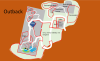
The old outback map that is somewhere in the thread is outdated, I've updated it since the first design would go right over the parking lot of the open air museum. The Australian birds from the current aviary (such as the kookaburra and pink cockatoo) will fly freely in the larger hall

Outback.png
 

Attachments

  • Outback.png
    Outback.png
    410.8 KB · Views: 20
Detail or not, the way you arranged things there simply isn't enough room left for decent behind the scenes facilities to accommodate breeding, or at least not in a way that would comply with Burgers' welfare standards.

I don't know how big the breeding facilities currently are, could you maybe show it somehow?
 
Several jellyfish are commercially available, so I guess the breeding is because of their short life expectancy or?
Yeah, short lifespan so it doesn't take long for them to be of breeding age, and when jellyfish do breed, they make a lot of babies. Moon jellies, the most common species, only live about one year, so most public aquariums that display them breed them behind the scenes so they don't have to keep buying new ones.
 
The old outback map that is somewhere in the thread is outdated, I've updated it since the first design would go right over the parking lot of the open air museum. The Australian birds from the current aviary (such as the kookaburra and pink cockatoo) will fly freely in the larger hall

View attachment 462447
I see. The pathway stil kinda splits the enclosure in three uniform pieces so you will have to make sure that each individual there is capable of coming into close contact with humans without showcasing unprovoked aggression (and even provoked aggression to a a certain degree to be honest).

This new layout does raise some more questions. Are the dingo and quol enclosures netted over? Also are the quol, cassowary and koala enclosure one big enclosure each (so unfit for breeding) or actually the rough layout of a set of enclosures.

Another thing that just popped up in me. Why go for red kangaroos that live in the central dry outback when you also have swamp wallabies that live in the wetter eastern forests, swamps and shrublands. Eastern greys would fit in much better in that case, or if you really want red rocks wallaroos instead of the swamp wallabies.
 
Back
Top