Penguin Museum: Full Speculative Concept & Planning
Saying this now: This thread is quite lengthy, so just bare in mind if you choose to read it.
And alas, I am happy to say I am back on this thread. I have been dedicating a lot of my time to the Penguin Museum, as it is the most ambitious idea compared to all the other exhibits. Along with that, despite it having the least species amount, it’s likely going to be the most costly and likely the hardest to fully plan out. I have been working on getting everything just right, including exhibit design, penguin care, protocols and more.
*Please refrain from leaving suggestions until you have read everything.
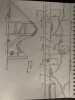
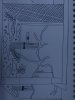
*Im not sure why the photos didn’t paste when I copied this from my notepad!
GOALS
- The first major goal of the Penguin Museum is to provide top-class care for penguins worldwide, despite it’s low bird amount. This is priority number one. With constant research, recording and documentation of everything required for cold-weathered penguins.
- The second major goal of the Penguin Museum is to educate the world about harmful climate change effects on the birds through interactive learning, unwrapping the historical knowledge of humans connections to animals and how it affects our very lives today. This may sound like it drives away from the original pin point of the Penguin Museum, but it helps support the idea that all of nature is connected.
- How we can improve the experience for both zoo visitors and the Penguin Museums inhabitants. Asking questions like: How can we improve enrichment? How can we stimulate penguins to use their natural instincts? What additions to the exhibit may enhance the experience (new birds, new species, etc.)?
- Teach the public that no matter who they are or what they do, they can help. Everybody is capable of helping these animals, whether big or small.
BRIEF SUMMARY
The Penguin Museum is a 1.5 acre building complex located near the main plaza in between the Main Entrance Building and the Indian Reserve. The species lineup includes Southern Rockhopper Penguins and Chinstrap Penguins (more birds, such as maybe black-faced ibises or yellow-billed pintails or other penguin species are being considered).
The entrance of the building is a small plaza with historic Antarctic knowledge about previously thought penguin knowledge, penguin and wildlife discoveries and important history to understand why penguin conservation is important. Beyond that is the Penguin Hall, listing information and conservation statuses for all species of living penguins. Up a medium-sized stairway is the first main land viewing for the exhibit. This area has interactive exhibits for children, as well as informative signs and reading stations about penguin care, conservation and more specific detail about species kept here. Past that is a cut to go across the underwater area and see penguins when they are swimming, and then the exit.
(In-Depth Summary will be below Exhibit Details)
Penguin Exhibit & Information
General
Environment: The exhibit is maintained between 27 to 32 degrees Fahrenheit for the sub-Antarctic birds. Water is a similar temperature in that range. To avoid excess humidity, the exhibit has air conditioners and dehumidifiers. To control the needed temperature, my exhibit is using an air handling unit system. In the event of a power outage, secondary back-up units will ensure their habitat will remain cool. For lighting, fluorescent lights are aligned along the top of the exhibit due to its little heat excess. Lights are cleaned daily. Lights may vary color intensity depending on the season. The bottom of the water is a mix of concrete, rock and sand aligned with modeled underwater plants. Bromine systems are in place to keep the water disinfected. Skimmers are used to prevent drainage clogging. Air exchangers keep fresh outdoor air entering the exhibit. Sensitive sounds are monitored during events of breeding and introducing new individual birds.
Isolation Room: This room is primarily used for penguins who are having behavioral issues, as well as new birds that haven’t been introduced to the colony yet.
Quarantine Room: This room is for penguins in need of separation for medical reasons, specific needs for daily check-ups and medical record keeping. This area has separate air and water filtration s system in place. The quarantine room can serve as an isolation room if necessary.
Exhibit Nests: Nests during the breeding season are kept a distance from each other. Rock barriers in the natural exhibit substrate provide privacy and established nesting areas. Utilizing and shifting exhibit factors like these is an enriching experience.
Observations: All the isolation, quarantine and main exhibit areas have cameras accessible to staff and should be checked regularly, even when staff are not present at the facility. The public is only able to view the camera for the main exhibit.
Maintenance: Removing penguins from said exhibit during drainage and cleaning of the exhibit requires slowly limiting space with a source of division.
Landscaping: In order to allow for proper drainage to occur, elevated areas always slope towards where the drain is. Different land elevations are provided to encourage natural behavior and appear as a natural environment. The base is a mix of concrete and rock, whereas astroturf and Dri-Dek are also used, especially for sensitive areas. Decorations like grasses are kept at heights the penguins can’t reach.
Holding: All areas where the penguins will be contained has proper shade, adequate lighting, temperature and air quality. These areas include stations in the exhibit for feeding, incubating and swimming.
Cleaning: The exhibit is cleaned daily using sprinklers, hoses and wash-downs. Disinfectants are also used as long as aftermath effects don’t cause any distinct smells or textures. This goes for the exhibit glass and underwater area as well.
Enrichment: To provide an enriching experience through what is seen physically, habitat enrichment is used such as simulated waves and making the birds search for their food in water during feeding time. This will also encourage more underwater activity overall.
Safety & Exhibit Interaction
Containing Birds: Ensuring that birds don’t have access to leave the exhibit unintentionally is done by using high door knobs and locks to the exhibit doors, along with enclosed transportation methods.
Unwanted Pests: Food preparation is never left unattended in the food preparation station. All fish is only thawed and prepped when it’s time to feed the birds. If any sort of pest enters the building, specific actions are directed towards employees to ensure they are removed immediately.
Monitoring: Monitoring the birds skin condition post-cable tie identification is important to ensure identification methods are not harmful in any matter to their skin or feather condition.
Education Programs: Making sure the birds are safe during education programs and ensuring those involved with encounters or research are informed on how to keep the birds in good condition is important.
Emergencies: All staff are trained on how to escort the birds out of the facility safely, depending on the type of emergency. All staff learn efficient ways to transport the birds, along with important numbers to contact.
Transportation
Preparation: Animal transpiration is done in transport containers, with a mix of Rubber floor mats and ice on the ground. Transportation of the birds is done in pairs. Screening around the top is provided. Rubber floor mats will help prevent foot injury, as well as slipping hazards.
Planning: Truck companies transporting the birds are accompanied by at least 2 keepers and stay in contact with the institute regularly. Emergency numbers are given to all people on board, along with bus route.
Transport Methods: Penguins are transported in refrigerated truck environments around 2 P.M. eastern standard time. Before the trucks depart, of course, there is a deep cleaning to ensure it’s disinfected and safe for travel.
Protocols: Before transport, the birds all receive check-up and inspections to ensure they are in healthy condition and to avoid anything negative from happening on the boat.
Equipment: Along with technical supplies such as flash lights and light bulbs, there is extra ice, water, transport containers and batteries. Medical supplies such as vet wrap, towels, disinfectants and anti-biotic ointment are also carried along.
Health: It’s important to note that no penguins will be transported during their molt period, as this can be very stress inducing. The penguins are planned to be shipped during the colder months to accommodate with their environmental needs.
Food & Water: Penguins are fed proper dietary needs before transport. Birds are fed once during the drive. The drive is about 8 hours. Rubber matting, small rocks and adequate ice provide clean and drinkable water.
Environment Condition: Temperature monitors ensure the temperatures in the environment meet the needs of the birds. Light is provided at all times.
Monitoring: An extra barrier is installed between the birds and the door incase of a breakout. Although there is a camera in the back, the birds are checked on every two hours.
Releasing: Before the birds are taken to the main exhibit, the quarantine area is for testing the birds to make sure they are in good condition, as well as monitoring their social patterns.
Socialization
Partnership: Sex ratios for the birds is as even as possible. However, it’s worth taking into account other factors that might lead to complications, such as individual penguins needs or disinterest in mating.
Fledging: Chinstrap penguins fledge around 60 days at 7-9 lbs. Southern rockhoppers are also around 60 days but from 3-4 lbs.
Mixed Species: As of now, I want to incorporate another bird, probably waterfowl into the exhibit, with careful consideration about social behavior. These are just considerations, though, nothing is official for my zoo yet.
Education: Close bonding and understanding each penguins own distinguishable personality will help identify which birds individually are more comfortable and accustomed for education programs, encounters and research. I recognize that not all birds are comfortable in that situation and will not require penguins to participate if it’s apparent that they do not want to or they are physically resisting.
Imprinting on Birds: All birds are imprinted by their own species at birth. Humans will care and monitor them but natural imprinting will be encouraged as much as possible.
Mixed Penguins: The zoo mixes two penguin species: Southern rockhopper and chinstraps. The two do have similar breeding season overlaps, so I do not expect that to become a problem. Birds are free to establish nesting territory with forms of rocks. Unwanted aggression is monitored closely.
penguins_14_16x9.jpg.webp
Chinstrap Penguin
(Pygoscelis antarcticus)
Photo By Joel Sartore
Southern Rockhopper Penguin
(Eudyptes chrysocome)
Photo By Pablo Fernicola
Introductions: I acknowledge that the introduction of birds is a slow process in most cases. By gradually introducing the singular birds overtime, we can get them accustomed to the environment and solve any unwanted conflicts or aggression.
Separations: Since I have a small colony (14 birds), I am going to try to refrain from removing birds for extended periods of time as this may easily shift the dynamic of the exhibit, especially within singular pairs.
Enrichment Sessions: Every day, the penguins will have enrichment training where they get more comfortable being around humans, learn new skills and most importantly, stay healthy. This will allow for birds to be comfortable with daily check-ups and medical procedures.
Nutrition
Needs: Each bird has a specific amount of food they need per day. Diets are determined based on age, weight and medical health. Specific feeding patterns among the birds is encouraged, but not limited to such. An example of this will be to feed birds different foods every so often to avoid attachment to a single prey item.
Diet: Most of the birds nutritional needs are met in a majority of food options. Hand injected versions of certain nutrients, such as Vitamin E, are used inside of fish species, particularly for rockhopper penguins. Other than that, as long as the fish is treated with care before serving, it should be sufficient.
Hatchlings: Chicks and baby penguins may be fed slightly more during fast-paced periods of physical growth to accommodate with changing bodily needs, but this does not mean they will be fed more than recommended. Certain fatty acids may be avoided.
Energy: I want to hand feed penguins for the first while of being on exhibit, but enriching food activities will also be provided to stimulate and encourage the birds to move around. Examples include keeping fish in the water or making them search for it.
Breeding: Females may exceed needed amount of fish to be able to provide for their chicks, as well as accommodating their loss of energy after egg-laying.
Rearing: Dietary requirements for chicks are determined on how much they weigh and their satiation level.
Molting: I acknowledge that temperature and exhibit lighting may have an effect on the penguins diets during molting time. During the winter months, the exhibit may be cooler and slightly darker compared to summer. Penguins may eat less during these times.
Consistency: Absence of abnormal or strange behavior in the birds is a priority while monitoring the birds diet consistency. This will also help me determine changes need to be met to their current dietary lifestyle. It’s worth taking into account penguins individual preferences may change the birds dietary needs, heavily in some cases. In short: individual changes needed are monitored.
Observations: The birds dietary schedules shift. Some days, the birds may be fed individually and on others may be encouraged to ‘hunt’ for fish sources in the water. It’s intended to feed fish to penguins when they are already in water to avoid nutrient break-down.
Variety: Prey items are different for penguins in the wild based on seasonal options and what may be best for their reproductive success. Climate of the sub-Antarctic waters are taken into consideration due to direct results of commercial fishing. Minimizing environmental contact will ensure that the fish we are getting is sustainable. Penguins preferences are noted but feeding may have to be expedited if prey items are limited. Food quality is always checked before feeding. Preparations for food align with health code requirements.
Nutrient Excess: Excess of needed vitamin amounts is taken into account while they are being fed.
Medical Care
Veterinary Service: The zoo has a part-time veterinarian who comes by once a week to ensure that the penguins are in the best health possible. Along with that, keepers do daily inspections on the birds. Employees will be given a list of veterinary services to call in the case of unwanted health complications. All employees are required to to share concerns with managers, and suggestions are open. All employees are taught about animal wellness conflicts that may occur and ways to solve them in a calm and professional manner. All employees involved with penguin care over the age of 18 are authorized to buy or purchase pre-scripted medical needs if necessary. All medical supplies are in the quarantine room. Keepers are rotated, but not limited to record keeping, documenting medical events and medical history for each individual animal and ensuring food and medical treatment are accessible. Medical records of the birds history and any health complications are always recorded. The birds behavioral and environmental health is also recorded daily.
Reproduction: Keepers are expected to keep close eye and monitor the birds breeding activity during the spring, such as watching for eggs. This includes recording dates of egg-laying to determine hatch dates. Both chinstrap and southern rockhopper penguins lay 2 eggs each breeding season. Related individuals are identified and differentiated if set to hatch. Methods of reading are recorded to ensure which method is best for each individual chick. It’s no secret that some breeding pairs are less successful than others, and this is taken into account during the breeding season. Hatchlings are weight weekly to ensure growing patterns are going smoothly. Along with this is weights after such feedings and comments on eating patterns and preferences for food. This process is continued until molting.
Identification: Penguins are banded with cable ties that have color identification. Each bird is named based on the color of the cable tie to help us easily point out which bird is which, and which birds to mark down for record keeping. Cable ties are replaced every month. Skin and feather conditions during the molt season is closely monitored as skin is very sensitive during this time.
Sex Differentiation: Due to the fact that there are no physical differences between the sexes of birds, DNA identification is used with feathers, whilst ensuring that the feather removal is safe and legal.
Examining: Pre-shipped birds are given pre-ship medical attention to ensure there are no conflicts with the birds during transport. This includes check-ups on skin, wellness, weight, eating patterns and behavior.
Quarantine: All new birds are quarantined for a period of time before they are on display in the Museum’s main habitat. This is also a good place where the birds are monitored for health and behavioral problems, such as unwanted aggression or stress. If penguins are in the same room for a period of time, they may be physically separated using a barrier of some sort if one has behavioral issues.
Protocol: Penguins are set to be quarantined for a month. If no apparent issues are noticed, they may be quarantined for lesser periods of time. If problems arise throughout the quarantining, or new birds arrive while quarantining, they may postpone the release. Keepers may rotate when birds are quarantined, and that might be one’s job for the day. These birds also have their own enrichment and feeding procedures different from those in the main exhibit. Treatment assisting new environments to prevent stress-inducing diseases and infections are provided.
Medicine: Things such as medical availability, individual penguins needs, wants and each birds medical history are all taken into account when medicine procedures are being planned. This includes, as listed above, the process of choosing what medicines the birds might need depending on their health conditions. For a majority of the time, penguins are kept within the Museum building, and may leave occasionally, but never outside of the zoo borders.
Physical Health: Penguins are weighed weekly to ensure that each bird weighs a normal amount based on their age and stage of life. Weight can be an opportunity for enrichment, such as finding ways to get the birds on the scale. Physical exams include, but are not limited to, blood sampling tests and general monitoring of the birds skin and feather condition. In some cases, vaccines are there if needed for such diseases against animals like mosquitoes. Blood transfusions are taken with precaution to ensure that it does not affect the birds bodily weight. Blood tests will ensure that the birds are getting all nutrients necessary, as well as ensure that the birds are in good condition.
Molting: Chinstrap and southern rockhopper penguins both usually molt in late summer. It is understood that the birds may require more food before molting, as well as less food while molting. If the birds molting causes filtration or drainage issues, it is possible they may be moved to the quarantine or isolation areas.
Restraint: Only one keeper is generally needed for the capturing process, due to the smaller size of chinstrap and southern rockhopper penguins. In some cases, restraining may require more to keep the birds still in the instance of blood collection. Immobilizing the birds may require intermittent fasting for at least a prolonged day period.
Disease Control: All keepers are informed and thoroughly educated on the birds medical and dietary needs depending on the individual birds medical conditions. Aspergillosis is a fungus disease that may effect penguins in captivity. The best way to avoid this is to ensure the exhibit has proper air quality, filtration and is cleaned regularly. Any immediate signs of this disease are discussed with the zoos veterinary staff. Anti-fungal Itracozanole is a common form of treatment to help birds cope with entering new environments. Malaria is not common for sub-Antarctic penguins since they are usually indoors, but it’s not an impossible occurrence. Important protocols, vaccines and medicines are in place. Vaccinations against the West Nile Virus are also provided given that this disease is hard to treat in a short time. Other diseases, such as Eastern Equine Encephalitis, also have no specific treatment other than the maximum level of penguin care and husbandry. Supplementary fluids, anti-fungal treatment and anticonvulsants may help with accommodating side effects. Identifying Chlamydia Psittaci will be done using PCR tests in the penguins feces. All of the affected birds of this disease are quarantined, with glass interaction with partners to avoid social isolation. Other requirements to avoid other diseases includes ensuring no forms of wild or domestic animals enter the exhibit and that the exhibit is thoroughly disinfected regularly. Encouraging the birds to swim daily through enrichment activities will help avoid multiple diseases such as pododermatitis, which can also be assisted with adequate flooring, padding, chronic bandages and hygiene control.
Object Ingestion: Radiographs will help us identify what the object inside the bird is if something has been ingested. Radiographs are performed regularly, but even more often in the occurrences of abnormal behavior.
Surgical Procedures: In some particular ingestion events, the birds may require surgery. Surgical procedures occur in temperature controlled rooms with a similar exhibit temperature. Surgery will involve standard procedures for surgical events, such as oxygen management and intubation. In some cases, surgical egg-removal may be needed by manual extraction.
Blood Transfusions: In the events of low blood cells or heavy blood loss, birds may need transfusions. The blood of the bird is collected while they are under anesthesia. Supplements will be provided, such as sodium phosphate. The passover of transfusions is done with monitored heart rate and respiratory health. If either change to be faster or slower, the transfusion will stop until the birds health is back to a better condition. Unless it is a life or death scenario, blood transfusions are preferred to be between two of the same penguin species.
Euthanasia: Cases of humanely killing penguins are only done by qualified veterinarians. In terms of egg euthanasia, birds must be through gestation at least halfway before qualified euthanasia solutions are provided. In the state of North Carolina, animal euthanasia is legal if performed by a qualified veterinarian.
Necropsies: Documenting deaths and the cause is the number one priority to avoid any future issues involving penguin care and penguin husbandry. Detailed search of possible bacterial causes is done if the cause of death is unknown. The same is said for unhatched eggs.
Reproduction
Behavior: It takes around 4 years for both chinstrap and southern rockhopper penguins to mature. Staff are required to have an understanding of the different phases for penguins during the breeding season and what behavior can be considered natural, as they would do in the wild. Triggers for more successful courtship and breeding include placing rocks in the exhibit to assist in nest building and adjusting the exhibit lighting. Aggression is normal during this time but also monitored to ensure that it is not effecting the birds breeding success.
Selection: The penguins selections I’ve chosen are intended to be breeding pairs, but other forms of coupling, such as same-sex pairs or polygynous couplings do not cause any form of harm under regular circumstances.
Incubation: Chinstrap and southern rockhopper penguins each lay 2 eggs at a time during the breeding season. Keepers and staff are to acknowledge that dietary needs, especially for female penguins, may alternate a lot during this time to accommodate with both different environmental conditions and energy loss after egg-laying.
Nesting: It’s important for me to acknowledge during this time a penguin pair’s breeding success and history throughout their life. This will help determine abnormal actions and accommodations that need to be made to do what’s best for the eggs. Unless necessary, keepers will limit handling the females after they lay their eggs. Pairings are constantly observed to ensure they are handling the eggs properly and nothing is going wrong. Some conflicts in newly-matured females while breeding, such as cloacal bleeding are provided veterinary assistance. As long as it’s not stress-enticing on the penguins, they can be fed the same, hand-fed way. Determining whether the chicks are hand-reared or not usually depends on the parents personality and temperament. Both chinstrap and southern rockhopper penguins nest above ground. Rocks that are chosen are picked so that they can not be swallowed, are are hosed before placed on exhibit.
Recording: All of the chicks daily weight, eating patterns, dietary needs, temperature changes and any unusual physical aspects are always noted in the birds individual file by date.
Rearing: Determining whether the chicks are hand-reared or not usually depends on the parents personality and temperament. Fostering chicks may be possible if there are pairs in need of having chicks. The eggs are kept incubated until the pair is ready to nurture. This is where surrogation will play in, where the the pair that delivers the chick keeps one egg and the fostering pair gets the other. Smaller fishes are fed as they are easier to provide and feed faster. Chicks are removed in the instance of providing medical care, but are placed back when all is running smoothly. In some cases, hand-rearing may be needed.
Fledging: During the beginning of fledge, staff are to hand-feed the chicks. Feeding them when the parents are away is the intended possibility. During this period, monitored exhibit interactions will occur. Once the stomach and their back-side are molt-free, they can go for swims with close watch until a few days.
Brooders: Brooders may be needed in the case of hand-rearing chicks. Brooders have open tops to allow for air circulation within. Soft towel material is place at the bottom. When the birds release feces, the towels will be switched shortly after. Newborns are kept in very warm temperatures.
Behavior
Training: One of the most successful ways for me to encourage natural behavior is using positive reinforcement to motivate the birds to do these actions again. Some responsive tools to the birds behaviors include clickers.
Enrichment: Food is usually hand-fed, but in some cases, food is used as enriching activities. This includes keeping fish frozen and placing it in the water or making the birds look for it. Daily training sessions allow for keepers and birds to build stronger bonds and trust. These are opportunities to provide natural stimulation. While choosing what activities to do, individual birds history, natural behavior and personality are taken into account. All enrichment items are ensured to be non-consumable and safe for penguins. Specific staff members, depending on day, are responsible for training penguins and focusing on enrichment duties, including cleaning enrichment items and recording the birds actions in their files. Depending on availability, snow is pretty safe for me to use. Sprinklers will also be curiosity-invoking. All enrichment activities are cleaning and examined, ensuring the birds do not get stressed.
Public Display: While staff are on exhibit during open zoo hours, public display of daily duties in simple ways will show how they care for the animals. When staff are available, possibly on slower days, keeper chats with guests are a great way to provide quick information on daily routines and penguin care.
Program Animals: As said earlier, penguin animals are selected based on individual birds comfortability. Penguin encounters explain thorough processes of penguin care, general species facts and conservation. During these sessions, it is also established that wild and captive penguins have very different behaviors based on the conditions they grew up in. Staff are educated on how to handle birds, husbandry requirements, collection and exhibit history, animal restraint, penguin care and device disinfection. Using proper clothing and thoroughly washing hands, as well as a thick layer of gloves will assist in lowering transmittal disease possibilities. Penguins, in general, are a symbol for lots of conservation messages, even in pop culture, like climate change, over-fishing and oil spills. Guests cannot bring food to the encounters, but water bottles with tops are allowed. Signs of stress from the programs will cause them to be removed from the area. Any behavioral issues during programs are reported. Surveys from guests are asked and suggested to give feedback for their experience, and allow room for growth. Annual reviewing of program animals and record-keeping is done just as it is for all other animal occurrences.
Research
Goals: Khalil’s Zoological Institute is dedicated to being top-class in penguin care, constant research, improvements, penguin population management and conservation of penguin species worldwide. It is important to understand the benefits of teaching locals about the importance of penguins, especially in a world that is nearly washed away of all natural traces. Publishing research about behavioral, observational or internal differences is important to showing the public what we stand for and are dedicated to. Understanding the husbandry requirements for penguins in all circumstances and how to accommodate individual birds is what makes us care for penguins both in the wild and our collection.
Restricted Content: All research is required to align with the goals. No research can include discriminatory content, unrelated context or information that is classified (e.g. eggs that have hatched but have not been publicly announced yet).
The Future: Penguins are an easy animal to study, and they have a huge impact on a zoo or aquariums success, but even then there are still some areas that need more research. The Penguin Museum team is dedicated to creating a better future for penguins worldwide now and in the future.
IN-DEPTH EXHIBIT WALKTHROUGH
Museum: The entrance to the building is the more “museum” like portion. Here is a gallery of penguins in captivity. The purpose of this portion is to illustrate how much has changed involving penguins in captive conditions and how much zoos and aquariums have learned about penguin veterinary care, reproduction, habitat requirements and behavior. Some of the images in this gallery include:
(All images are used assuming that the institutions have granted permission)
https://i0.wp.com/zoohistories.com/wp-content/uploads/2019/04/snz-penguins-1941.png?fit=661,487&ssl=1
Image photo-taker unknown. Image is from Smithsonian Annual Report.
Sign Description: Emperor and gentoo penguins on exhibit at the Smithsonian National Zoo, along with an unidentified gull species in the 1940’s.
https://shop.memorylane.co.uk/p/767/penguins-penguin-pool-london-zoo-16th-may-1955-21741794.jpg.webp
Image photo-taker unknown.
Sign Description: Chinstrap and African penguins in the Penguin Pool area at the London Zoo in May 1955.
https://sora.unm.edu/sites/default/files/journals/auk/v044n04/p0509-p0512.pdf
Photo by Florence Vandamm.
Sign Description: Galápagos penguin photo from the New York Aquarium in 1927.
Other images include that of the San Diego Zoo along with other facilities that historically kept penguins (yes, I know San Diego has penguins

).
An exhibitor (not keeper) will be in this area at all times to ensure that guests do not touch photographs, but also to provide guest information about the birds.
Penguin Hall: This area is a narrow hallway with large paintings of all 18 recognized species of penguins in the world. This exhibit goes down the line alphabetically, alternating across from 1 painting to another. For example, African and Adélie penguins will be across from each other and it will alternative in a zig-zag formation. All signs come with the scientific name and a painting.
1.
Adélie Penguin Sign
Geographic Range: Coastal Antarctica.
Habitat: Rocky shorelines for nesting purposes, as well as icebergs and snowy environments.
Diet: Krill and Antarctic fish species.
Lifespan: 10 to 20 years.
IUCN Conservation Status: Least concern.
“How Can You Recognize Me?” Look for the white circle around the eye, along with pink feet. When you see those, that’s how you know it’s an Adélie penguin.
Adélie penguins are one of the few penguin species found directly on the continent of Antarctica, along with chinstrap, emperor, gentoo penguins and others. These penguins are known for stealing pebbles from other penguins nests to better attract females.
2.
African Penguin Sign
Geographic Range: Coasts of Namibia and South Africa.
Habitat: Warm, sandy and rocky beaches.
Diet: Primarily fish, but also krill and squid.
Lifespan: Around 20 years.
IUCN Conservation Status: Endangered.
“How Can You Recognize Me?” African penguins are also known as “black-footed penguins.” Hence the name, look for their dark black feet, as well as distinguishable bands on their chests. Then you know it’s an African penguin.
Not all penguins live in the cold! African penguins beat the heat rather than live in the icy Antarctic. In fact, a good handful of penguins live in warm climates. African penguins are also called ‘jack*** penguins’ because of their noises that are almost exactly the same as donkeys.
3.
Chinstrap Penguin Sign
Geographic Range: Antarctic Peninsula as well as surrounding islands.
Habitat: Rocky shorelines as well as icebergs.
Diet: Almost exclusively krill.
Lifespan: Estimated 15 to 20 years.
IUCN Conservation Status: Least concern.
“How Can You Recognize Me?” Chinstrap penguins are easily distinctive due to the strap on their chin, hence the name. If that isn’t noticeable, look for pink feet.
Chinstrap penguins are one of the most widespread penguin species – numbering in the millions on singular islands in some cases.
Look for our chinstrap penguins on exhibit to learn more!
4.
Emperor Penguin Sign
Geographic Range: Almost exclusively Antarctica. Emperor penguins retreat to the sea during summer for feeding.
Habitat: Inland ice shelves as well as frozen seas.
Diet: Emperor penguins eat a variety of fish and krill but also squid.
Lifespan: 15 to 20 years.
IUCN Conservation Status: Near threatened.
“How Can You Recognize Me?” Emperor penguins are often confused with king penguins. The main difference is simple – look for lighter colors around the head, a rounder body as well as an opening in the birds color patch on its head.
Emperor penguins are the largest penguin species in the world. Native to Antarctica almost exclusively, it is very rare to see them in person, including captivity. Their large size helps them dive deeper than a majority of species. They can hold their breath for other 20 minutes!
5.
Erect-crested Penguin Sign
Geographic Range: Native to the Bounty and Antipodes Islands in the New Zealand range.
Habitat: Temperate and forested shorelines.
Diet: Krill and squid mostly but also fish.
Lifespan: 15 to 20 years.
IUCN Conservation Status: Endangered.
“How Can You Recognize Me?” Look for the tall and bright crests that are almost impossible to miss. They are often confused with the closely-related snares penguins, which also reside in the New Zealand area.
Erect-crested penguins are not well-known due to their absence in captivity. The main reason of this may be because of their restricted breeding range.
6.
Fiordland Penguin Sign
Geographic Range: Southern New Zealand.
Habitat: Rainforests and tropical coasts.
Diet: Small fish and krill.
Lifespan: 10 to 20 years.
IUCN Conservation Status: Near threatened.
“How Can You Recognize Me?” It’s easy to confuse Fiordland penguins with snares penguins. In order to easily spot them, look for the absence of a white outline on their bills. Snares have white outlines on their beaks, whereas Fiordland penguins lack them.
Fiordland penguins are more abundant than Erect-crested penguins, however are not the most abundant of the crested penguins by any means. These penguins build nests out of botanical items, similar to other penguins in coastal tropical environments.
7.
Galápagos Penguin Sign
Geographic Range: The Galápagos islands.
Habitat: Rocky shores of the islands.
Diet: Mostly small fish, but also crustaceans.
Lifespan: 15-20 years.
IUCN Conservation Status: Endangered.
“How Can You Recognize Me?” Of all 4 of the banded penguins, Galápagos penguins are one of the easiest to identify. Look for their more grayish backs, where in comparison to Africans, they have much more blackish-backs. If that doesn’t help, look for the pink spot on the bottom part of their bills.
Galápagos penguins live farther north than any other penguin species. They are the only penguin species that can be found north of the equator!
Galápagos penguins are in danger due to a heavy amount of ocean pollution and climate change.
8.
Gentoo Penguin Sign
Geographic Range: Most found, but not limited to sub-Antarctic islands as well as the southern Atlantic ocean.
Habitat: Rocky shorelines, icebergs and temperate woodland beaches.
Diet: Almost entirely fish but also krill.
Lifespan: 15 to 20 years.
IUCN Conservation Status: Least concern.
“How Can You Recognize Me?” Gentoo penguins are distinguishable based on their orange beaks and feet, as well as the white patches around their eyes.
Gentoo penguins are the third largest penguin species. They are also the fastest swimming birds in the sea!
9.
Humboldt Penguin Sign
Geographic Range: The western coast of South America in the countries of Peru and Chile primarily along the Humboldt current.
Habitat: Rocky coasts and beaches surrounding the currents waters.
Diet: Almost exclusively fish species.
Lifespan: 15 to 20 years.
IUCN Conservation Status: Vulnerable.
“How Can You Recognize Me?” Humboldt penguins look very similar to African penguins as well as Galapagos and Magellanic penguins. An easy way to tell the difference is to look for the pink patch around their eyes.
Humboldt penguins are a vulnerable species. Similar to African penguins, they are very known for their loud and almost obnoxious calls that sound similar to that of a donkey.
10.
King Penguin Sign
Geographic Range: Sub-Antarctic islands but also the coastal regions of Patagonia and the southern Indian Ocean.
Habitat: Wooded beaches surrounding by forest as well as frozen beaches and islands.
Diet: Almost exclusively fish.
Lifespan: Up to 30 years.
IUCN Conservation Status: Least concern.
“How Can You Recognize Me?” King penguins are often confused with the emperor penguins. Look for the more blueish back, along with darker shades on orange on their chest and head. They are also significantly less round than the emperors.
King penguins are the second largest penguin species, only behind the emperors. They live in both warm and cold climates, however, making them much more abundant in modern times than the emperor penguins.
11.
Little Blue Penguin Sign
Geographic Range: Australia and New Zealand.
Habitat: Sandy and beaches on the coast line of their ranges.
Diet: Fish and krill primarily, but also squid.
Lifespan: These birds tend to have the short lifespan of penguins, with less than 10 years of age.
IUCN Conservation Status: Least concern.
“How Can You Recognize Me?” Little blue penguins are easily distinguishable due to their bright blue coloring and small size.
Little blue penguins are the smallest penguin species in the world.
12.
Macaroni Penguin Sign
Geographic Range: Sub-Antarctic islands as well as the Antarctic Peninsula.
Habitat: Rocky shores and cliffs.
Diet: Primarily krill but will also eat fish and squid.
Lifespan: Usually nothing beyond 15 years.
IUCN Conservation Status: Vulnerable.
“How Can You Recognize Me?” These birds are often confused with the smaller rockhopper penguins. Macaroni penguins are chubbier than rockhoppers. Their crests are also flat on their head, and their bills are significantly larger.
Macaroni penguins get their name because of the explorer who found them, who was known for being excessively fashion-sensed, hence the name of the penguin referring to the crests on top.
13.
Magellanic Penguin Sign
Geographic Range: The southern tip of South America in Chile, Argentina and the Falkland Islands.
Habitat: Coastal beaches and temperate sandy shorelines.
Diet: Small fish species.
Lifespan: Magellanic penguins can live over 30 years, declaring them as one of the longest living penguin species.
IUCN Conservation Status: Least concern.
“How Can You Recognize Me?” Unlike other banded penguins, Magellanic penguins have little to no spots on their bellies, as well as very neat and defined hands on their chests.
Magellanic penguins number in the millions in some areas. These penguins like to make their nests in burrows underneath the ground.
14.
Northern Rockhopper Penguin Sign
Geographic Range: Primarily the southern Indian Ocean, which is where they get their name.
Habitat: Rocky shores with temperate climates surrounding.
Diet: Krill as well as other crustaceans.
Lifespan: Up to 10 years.
IUCN Conservation Status: Endangered.
“How Can You Recognize Me?” Don’t confuse these birds with their southern counterparts. Northern rockhoppers have much messier, downier and defined crests. They are also the larger of the two rockhopper penguins.
Northern rockhopper penguins are endangered. Their ranges have been significantly decreased in the past 30 years, which allows for little room for breeding and population growth.
15.
Royal Penguin Sign
Geographic Range: Northern Southern Ocean and islands near the New Zealand island chain.
Habitat: Grassy and rocky shorelines.
Diet: Krill, small fish and squid.
Lifespan: 15 to 20 years.
IUCN Conservation Status: Least concern.
“How Can You Recognize Me?” Royal penguins look very similar to macaroni penguins. The easiest way to tell the difference is to look for the white patch on the birds face, along with the same messy crests. This is how you know it’s a royal penguin.
Fun fact, royal penguins get their name because their heads almost look like crowns.
16.
Snares Penguin Sign
Geographic Range: Snares Islands near New Zealand.
Habitat: Dense forest coasts on the northern side of the island.
Diet: Krill, squid and small fish.
Lifespan: Up to 20 years.
IUCN Conservation Status: Vulnerable.
“How Can You Recognize Me?” Snares penguins have the white outline around their mouth, the easiest way to tell the difference between them and Fiordland penguins.
17.
Southern Rockhopper Penguin Sign
Geographic Range: Sub-Antarctic oceans from the Pacific to Indian ranges.
Habitat: Found on rocky coasts where they breed.
Diet: Primarily krill but also fish and squid.
Lifespan: No more than 15 years.
IUCN Conservation Status: Vulnerable.
“How Can You Recognize Me?” Southern rockhopper penguins are smaller than the northern rockhoppers. Their crests are also smaller and point more upwards.
Look for our southern rockhopper penguins on exhibit to learn more!
18.
Yellow-eyed Penguin Sign
Geographic Range: Endemic to New Zealand and outlier islands.
Habitat: Tropical coasts of the island where they breed.
Diet: Fish and squid.
Lifespan: The average lifespan is around 25 years.
IUCN Conservation Status: Endangered.
“How Can You Recognize Me?” Yellow-eyed penguins are easily distinguishable due to their bright yellow heads and yellow eyes.
Yellow-eyed penguins are an endangered species. Learn how you can help all penguins in the wild as you continue through your journey.
Main Complex: Here is a large glass viewing wall on one side, with the other side having informative writings and interactive activities. The viewing glass is where guests can view, above water, the colony of eight chinstrap and six southern rockhopper penguins (sorry the numbers keep alternating, but I’m pretty settled on this number now).
Identification Signs:
Chinstrap Penguin
Pygoscelis antarcticus
Very, Very Noisy!: Chinstrap penguins are among the noisiest of penguin species. Although they aren’t the noisiest species, that title would belong to the flamboyant Macaroni, they are significantly loud!
En Masse: Chinstrap penguins are the most abundant of the Antarctic penguins. They number in the millions on both the Antarctic continent and surrounding islands. On some islands, their numbers are so big they stain the rocks!
Chinstrap Conflicts: Climate change and global warming is threatening to chinstrap penguins. More than half of the birds population on Elephant Island has declined as of 2020. Zoos such as our own are participating in breeding programs and conservation efforts with the AZA to help penguins in the wild.
Southern Rockhopper Penguin
Eudyptes chrysocome
It’s in the Name: Southern rockhopper penguins are skilled climbers. Because of their rock- hopping abilities, they are able to climb to some of the best nests high on the islands they inhabit, areas which other penguins like king penguins would struggle to reach.
Not the Same!: Rockhopper penguins come in two distinct species: Northern and southern. However, they are different, both regionally and physically. Northern rockhopper penguins are found predominantly in the southern Indian Ocean, with much taller and more visible crests.
Hoppers in Trouble: Rockhopper penguins, both northern and southern, are threatened in the wild. The main threats include global warming and plastic pollution that threatens the Antarctic islands they breed on: The zoo is making an effort to protect this once thriving species, including and conservation and rehabilitation of Antarctic penguins.
Penguin Habitat Diversity: Rockhopper penguins are found in the north Antarctic region as well as surrounding islands near South America and New Zealand. Interestingly enough, chinstrap penguins and southern rockhoppers do not have much regional overlap, though it does occur in some areas. Both birds are hardy in cold climates, though rockhoppers are better adapted to warmer climates, such as temperate islands.
Threats to Penguins: Climate change, overfishing and pollution are all reoccurring problems that have effected penguins over the past few decades. The Antarctic ice shelves are one of the biggest threats. Carbon emissions from the Antarctic ice shelves can alternate weather systems. This will include heating of different places around the globe. Overfishing is when commercial fishing has become such a widespread activity, that it’s starting to decrease wild fish populations. This effects penguins food chains. Because of this, our zoo is committed to purchasing sustainable dietary items from companies that are environmentally safe. Pollution is when one has resources they use from their everyday life and it gets lost in the wild. Plastic items are especially harmful to all forms of wildlife. Swallowing large pieces of plastic can cause death, and some penguins have been known to be caught in forms of pollution, such as fishing nets and oil spills.
What Can I Do?
You individually can help. If enough people are putting in a collective effort to stop further environmental harm, progress will be made.
- Starting Off Small: The small, everyday activities you do can be alternated to make your actions and choices more environmentally safe. For example, when you go to the grocery store, you can use reusable bags and purchase environmentally safe and local produce. If reusable bags aren’t on your hands, you can reuse plastic ones. Turning off the lights whenever you are not in a room and limiting your time that you use on running water are also helpful.
- Community Assistance: Whether you live in a bustling city or a small suburban area, you can find ways to help the environment around you. Join a local environment group or program. Volunteer at your local park to help pick up trash. If none of these are available, start one yourself! Or perhaps you may volunteer or work at your local zoo and participate in conservation and rehabilitation programs. Maybe you live near an ocean. If that’s the case, participate in beach and ocean clean-ups, sea life rehabilitation and purchase local seafood.
- The World Needs You: When you grow a passion for fighting against global warming, you may be motivated to push even farther to help the natural world. Find ways to urge those in power. Perhaps you could use your career path to an advantage in changing the way humanity treats the environment. One of the best ways to be recognized is to study environmental science in school, publish research and get your voice out there about what you believe and where your stance on the natural world’s condition is. There are so many ways to help in your everyday life that can possibly have a great impact on people – the only piece of the puzzle needed is you.
Interactive Activities:
- One of these activities is where guests can put their hands into the same temperature of water as the penguins swimming water on exhibit, so they can get a feel for how cold it is. Guests must hand-sanitize first. An exhibitor will be in this area.
- Guests can also read about each penguin, such as their names and personalities. They can also see which penguin is which based on the color ID of their cable ties. They may be slightly hard to see from guests perspectives, however.
- There are small models of penguins in the hallway, one of a chinstrap and southern rockhopper. These are voice-automated, so when you tap one it will make the distinguishable noise of each respective penguin. This area is for learning about penguin sounds and how they use specific vocalization levels to find their partners and chicks.
Conservation Awareness:
- One of the primary goals here is to show guests why penguin conservation is important, and how protecting the birds ranges will be beneficial to us all.
- A sign near the main viewing is called “threats to penguins,” which explains in detail issues that threat the life of the birds, with the main ones being climate change, overfishing and pollution.
Past the main complex is a stairway on the other side, where guests can access the next area.
Underwater Tunnel: The underwater tunnel is a simple concept. It is a small tunnel that runs through the penguin exhibit. Here, guests are informed on what makes penguins the most marine-adapted bird in the world. Their body build, flippers and blubber to help them hunt for food and stay warm in these freezing conditions.
Once guests go past the tunnel, they are met with a small trading post where they can buy penguin-themed shirts, accessories and stuffed animals. There is also a small rock design, with a TV screen carved into it that plays various penguin videos from documentaries such as Planet Earth, Planet Earth II and Life. On the other side of the wall is a timeline of a chinstrap penguin and southern rockhopper penguins breeding cycle, from the start of courtship to the point of fledging. Beyond that is the exit.
Education Programs for Guests About Penguins
- Antarctic Research Program: This program is designated towards teenagers ages 13-18. In this 2-week long program, these kids will learn about the threats to the penguins of the Antarctic, how it’s affecting the world globally and how to help them. Activities in this program will include getting behind the scenes looks at how chinstrap and rockhopper penguins live in captivity and the wild, creating slideshow presentations on different Antarctic animals and the effect climate change has on them and lots more. The maximum amount of kids per year is 50 and they are divided into three separate groups.
- Penguin Encounter: This is where guests are going to be able to see penguins close, talk to keepers behind the scenes and get to pet the penguins. Penguin encounters happen on Fridays, Saturdays and Sundays at 11:30 A.M. and 2:30 P.M. eastern standard time. A maximum of 15 people are allowed per encounter. Encounter entry for adults is $50 and for kids under 18 it’s $40.
- Camp Keeper Chats: Summer camps and field trips are a great way for kids to learn about penguins. These are simple 30 minute sessions where keepers will tell kids simple facts about penguins and answer any questions they have while allowing the kids to get up-close to the birds. They aren’t allowed to touch them.
- Off-Site Programs: Some programs may take place off-site. If this is the case, southern rockhopper penguins are to be used. This may be outreaching to spread conservation awareness outside of zoo grounds, in places like classrooms or even higher-up schools in some cases.
Volunteering, Externships & Internships
- Volunteer Services: Only trained professionals are allowed to get hands-on with the birds, however, volunteers are allowed to clean the exhibits and be an exhibitor, where they tell guests about the birds in both the Main Complex and the Museum.
- Internships & Externships: Interns receive college credit for doing the internship program. This is where they will be alongside a full-time penguin keeper and learn basics to penguin husbandry and penguin care. Externships will do similar activities, but do no receive college credits.
I am going to list job positions in a future thread reply. That thread will cover all of the major positions in the Penguin Museum and some other parts of the zoo.
What’s Next? (Speculation)
Despite this, I am not done with the Penguin Museum. I have more hopes for it in the future. Some current speculative ideas are:
The Humboldt Current
- The entrance to this exhibit would be to the left of the gift shop, going in a wiggly ‘U’ shape to end at the right of the gift shop. There is a small garden bed with tropical plants on it, and the sign says ‘The Humboldt Current.’ As you follow along the pathway, the room is mostly dark, with black walls and yellow lights illuminating the pathway, and garden beds on the side. The curve of the U is where the Humboldt penguins, Guanay cormorants and Inca terns reside. This area entails the South American coast, and how penguins adapt to warmer climates. This exhibit would be more lit than the pathway.
Australian Cove
- This exhibit would be in the same area as the Humboldt Current, but would instead be home to Australian wood ducks, and of course, little blue penguins. The exhibit would instead replicate that of an Australian sandy beach, with high rocks along the walls, sandy coasts and pools below.
I want to clarify that these are both speculation and I would need more of a plan-out before these became official.
Sources
https://assets.speakcdn.com/assets/2332/penguin_care_manual_aza_final_2014.pdf
Climate Change is Decimating the Chinstrap Penguins of Antarctica
https://ocean.si.edu › ... › PenguinsPenguins | Smithsonian Ocean
Chinstrap Penguin Facts - National Geographic
Chinstrap Penguin
IUCN Red List of Threatened Species
Southern Rockhopper Penguin | National Geographic
https://zoohistories.com › 2019/04/15Penguins at the National Zoo: A Failed Experiment? - Zoo Walks Through History
Rockhopper penguins
Well, to say the least this has been very time consuming, but also very, very worth it. With the Penguin Museum thoroughly detailed, I have time to plan my next coming exhibits as well as developing the ones I already have. Next time, I will show the map of the Penguin
Museum and then eventually get to what’s new.



 ). Not only will it enhance my collection, it will be enriching and add more life to the current penguin exhibit.
 .
. .
.