
Salt Merchant
Well-Known Member
When I was still a guest in ZooChat, I found out that people are talking about a civet labelled as the "Golden wet-zone palm civet (Paradoxurus aureus)" two Times in the Taman Safari Bogor gallery.
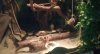
I went to Taman Safari Bogor last month and I'm pretty shocked that the zoo still kept the civets (I also pretty shocked that the zoo's caiman is still alive and didn't moved from it's tiny exhibit to the much larger outdoor Crocodile Park). Here's the best picture of the civets that I could took.

The civet pictured here do resemble the civet that @Giant Eland took, but much fatter I think. I didn't really have time to look at the signage since the zoo is about to close, pretty much nothing changed in the Nocturnal House other than they add lighting to the exhibits (With the exception for the red giant flying squirrel, small Indian civet, and Asian palm civet exhibits). So, I'm pretty familiar with the animals housed here.
When I was watching the Asian palm civet, my brother say "Bang, ada musang Bali" which mean "Big bro, there is a Bali civet", which he then point to a pair of the "golden wet-zone palm civet". I'm confused about the "Musang Bali", my head is filled with question like "Is it a subspesies of the Asian palm civet?" and "Are the zoo falsely labelled this civet?".
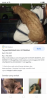
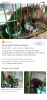
Few days after my visit, I want to learn more about the musang Bali. I googled the Golden wet-zone palm civet first and I got this: #六条こがね Instagram posts (photos and videos) - Picuki.com
The person who own the account also say that this is musang Bali, but it also say that It's also a golden wet-zone palm civet (Paradoxurus aureus). So, I guess it's the signage for this civet, which say:
Musang Bali
Golden wet-zone palm civet
Paradoxurus aureus
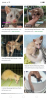
Then I googled Musang Bali and I found this:


Some of them actually look similar to the civet that everyone talking about.
I haven't learn more about the musang Bali yet, but I'm still wondering why did TSB labelled this species as the Golden wet-zone palm civet (Paradoxurus aureus)
I went to Taman Safari Bogor last month and I'm pretty shocked that the zoo still kept the civets (I also pretty shocked that the zoo's caiman is still alive and didn't moved from it's tiny exhibit to the much larger outdoor Crocodile Park). Here's the best picture of the civets that I could took.
The civet pictured here do resemble the civet that @Giant Eland took, but much fatter I think. I didn't really have time to look at the signage since the zoo is about to close, pretty much nothing changed in the Nocturnal House other than they add lighting to the exhibits (With the exception for the red giant flying squirrel, small Indian civet, and Asian palm civet exhibits). So, I'm pretty familiar with the animals housed here.
When I was watching the Asian palm civet, my brother say "Bang, ada musang Bali" which mean "Big bro, there is a Bali civet", which he then point to a pair of the "golden wet-zone palm civet". I'm confused about the "Musang Bali", my head is filled with question like "Is it a subspesies of the Asian palm civet?" and "Are the zoo falsely labelled this civet?".
Few days after my visit, I want to learn more about the musang Bali. I googled the Golden wet-zone palm civet first and I got this: #六条こがね Instagram posts (photos and videos) - Picuki.com
The person who own the account also say that this is musang Bali, but it also say that It's also a golden wet-zone palm civet (Paradoxurus aureus). So, I guess it's the signage for this civet, which say:
Musang Bali
Golden wet-zone palm civet
Paradoxurus aureus
Then I googled Musang Bali and I found this:
Some of them actually look similar to the civet that everyone talking about.
I haven't learn more about the musang Bali yet, but I'm still wondering why did TSB labelled this species as the Golden wet-zone palm civet (Paradoxurus aureus)
Attachments
-
 IMG_20201020_190448.jpg158.8 KB · Views: 26
 -
 Screenshot_2020-10-20-20-48-26-94.png283.9 KB · Views: 25
 -
 Screenshot_2020-10-20-20-48-39-38.png389.2 KB · Views: 26
 -
 Screenshot_2020-10-20-20-48-10-37.png361 KB · Views: 25
 -
 Screenshot_2020-10-20-20-48-15-84.png407.6 KB · Views: 26
 -
 Screenshot_2020-10-20-20-48-04-28.png404.7 KB · Views: 25

