Weltvogelpark Walsrode news from Walsrode 2024

Status
Not open for further replies.
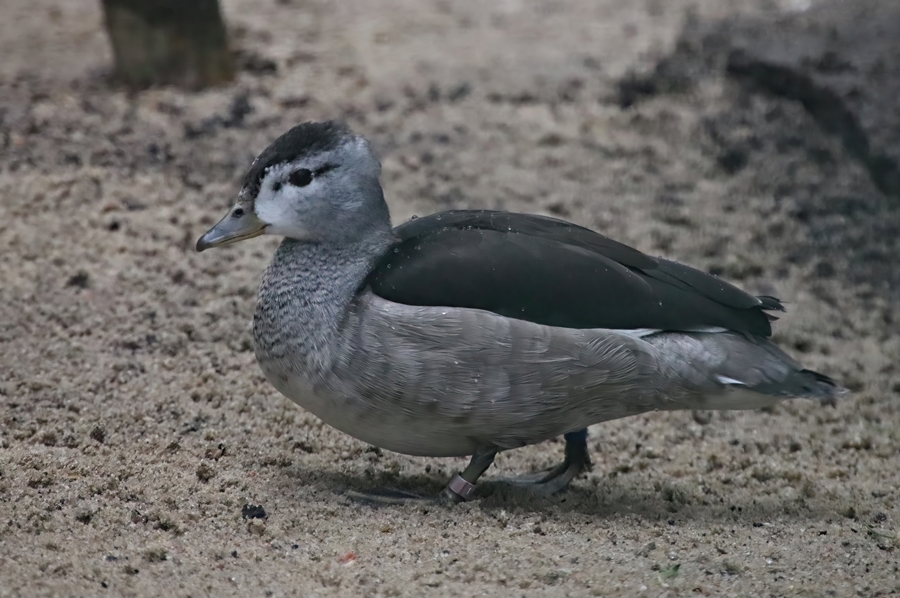
I don't think the bronze-winged ducks have been mentioned in this thread yet, according to ZTL they live in the free flight hall.
 
Where are these birds kept?

- Masked lapwing (Vanellus miles) = Australian aviaries between Pukara and Parrot house.
- Eurasian siskin (Spinus spinus) = European area
- Common redshank (Tringa totanus) = European area
- Red-throated bee-eater (Merops bulocki) = Paradieshalle
- Common black kite (Milvus migrans migrans) = Uhu-Burg
- Common buzzard (Buteo buteo) = Uhu-Burg
- Western black redstarts (Phoenicurus ochruros gibraltariensis) = European area
- Eurasian song thrush (Turdus philomelos philomelos) = European area
- New Zealand black duck (Anas superciliosa superciliosa) = Jungle Trail
- Golden-eyed stick insect (Peruphasma schultei) = Pukara
- Orange-winged white-tipped dove (Leptotila verreauxi decipiens) = Pukara
- Lesser Antilles Zenaida dove (Zenaida aurita aurita) = Pukara
- Timor zebra finch (Taeniopygia guttata) = Paradieshalle
- Aplomado falcon (Falco femoralis) = Aviaries by the penguinss
- Taveta weaver (Ploceus castaneiceps) = African aviaries between Pukara and Parrot house
- Mongolian ring-necked pheasant (Phasianus colchicus mongolicus) = Uhu-Burg
- Iberian grey partridge (Perdix perdix hispaniensis) = Aviary area close to the entrance, nowadays mostly housing Iberian/Mediterranean species.
- Black-chinned siskin (Spinus barbatus) = Pukara
- Hooded siskin (Spinus magellanicus) = Pukara
- European eider (Somateria mollissima mollissima) = Seaduck/seabird aviary
- Common bronzewing (Phaps chalcoptera) = Australian aviaries between Pukara and Parrot house.
- Moholi bushbaby (Galago moholi) = Nachtwelten
 
During my visit yesterday I spotted 4 new species on show:
- Brazilian guinea pig (Cavia aperea)
- Guira cuckoo (Guira guira)
- Orinoco goose (Neochen jubata)
- European serin (Serinus serinus)
None of these are signed yet.

Other info:
- The Javanese green peafowl (Pavo muticus muticus) is no longer on show. Previously, there was a pair in one of the aviaries in the Jungle Trail, but on my last visit, only one of them were there. Yesterday, they were gone completely, and their sign had been removed.
- The red-and-white crake (Laterallus leucopyrrhus) is now housed in Pukara.
- The park has started to gradually label the plants in the Paradieshalle and other areas with their common and scientific names, as they did many years ago. It seems they are slowly working to regain their "botanical garden status."
- The Chilean pintail (Anas georgica spinicauda) was mistakenly moved to "former holdings" on Zootierliste for the park, but they still have a group of these birds in the Freiflughalle.
 
- Masked lapwing (Vanellus miles) = Australian aviaries between Pukara and Parrot house.
- Eurasian siskin (Spinus spinus) = European area
- Common redshank (Tringa totanus) = European area
- Red-throated bee-eater (Merops bulocki) = Paradieshalle
- Common black kite (Milvus migrans migrans) = Uhu-Burg
- Common buzzard (Buteo buteo) = Uhu-Burg
- Western black redstarts (Phoenicurus ochruros gibraltariensis) = European area
- Eurasian song thrush (Turdus philomelos philomelos) = European area
- New Zealand black duck (Anas superciliosa superciliosa) = Jungle Trail
- Golden-eyed stick insect (Peruphasma schultei) = Pukara
- Orange-winged white-tipped dove (Leptotila verreauxi decipiens) = Pukara
- Lesser Antilles Zenaida dove (Zenaida aurita aurita) = Pukara
- Timor zebra finch (Taeniopygia guttata) = Paradieshalle
- Aplomado falcon (Falco femoralis) = Aviaries by the penguinss
- Taveta weaver (Ploceus castaneiceps) = African aviaries between Pukara and Parrot house
- Mongolian ring-necked pheasant (Phasianus colchicus mongolicus) = Uhu-Burg
- Iberian grey partridge (Perdix perdix hispaniensis) = Aviary area close to the entrance, nowadays mostly housing Iberian/Mediterranean species.
- Black-chinned siskin (Spinus barbatus) = Pukara
- Hooded siskin (Spinus magellanicus) = Pukara
- European eider (Somateria mollissima mollissima) = Seaduck/seabird aviary
- Common bronzewing (Phaps chalcoptera) = Australian aviaries between Pukara and Parrot house.
- Moholi bushbaby (Galago moholi) = Nachtwelten
Thank you very much for the information.
 
Not much news from today's visit, but there are some new rock doves at the Rosencafé. A zookeeper mentioned that they should be rock pigeons of the "Himalayan subspecies", which I assume is Columba livia neglecta? (ZootierlisteHomepage).

There's also a new insect species in Nachtwelten, although they haven't been signed yet.

I also noticed that several signs for rare species in the park were missing today, and when I mentioned this to a zookeeper, they said the signs might have been taken by a visitor, as this apparently happens from time to time. So if you're visiting in the upcoming days, keep in mind that some species might still not be signed..
 
I got it confirmed now, the pigeons are indeed Transcaspian rock pigeons (Columba livia neglecta).

Also, I forgot to mention this in my post yesterday, but I have some sad news. Walsrode has had two male giant couas for years, but during my visit yesterday, I noticed that one of their signs was missing. I asked a zookeeper about it, and I was told that one of them had recently passed away. Now, they only have one male left, the last of its species in a public collection.
So, if this is a species you'd like to see, you should plan your visit soon—before it's too late!
 
During today's visit, I saw two new species/subspecies!
- Indian cotton pygmy goose (Nettapus coromandelianus coromandelianus)
- Western European barn owl (Tyto alba alba)

The Indian cotton pygmy geese were imported from the USA. If I remember correctly, Walsrode imported four pairs, and at least one pair was sent to Wilhelma, where they are currently on show. At Walsrode, one pair is on show right now, but the destination of the other two pairs is unknown, or if they are still at Walsrode but behind the scenes.

 
Last edited:
A short update from todays visit!
These are new:
- Rosy-billed pochard (Netta peposaca)
- Simandoa cave roach (Simandoa conserfariam)
-
Allen's gallinule (
Porphyrio alleni)

I also forgot to say last week, that they now have one Harris's hawk (Parabuteo unicinctus) on show in one of the bird of prey aviaries, this species is usually only kept in the flight show.
 
One new species from yesterday and today's visit, white-shouldered starling (Sturnia sinensis) is now on show, or well, it is kept in the house in "Reich der Mitte" and can right now be seen through one of the windows.
 
What a coincidence. I was at ZTL today, saw that this species was kept in Walsrode and thought the starlings fit perfectly into the "Reich der Mitte".
 
Today was supposed to be the last open day of the season, but the season has been extended until November 10th, so there's still time to visit Weltvogelpark Walsrode!
Plus, don’t forget—they’ll have special winter openings on weekends this year, though access may be limited to certain parts of the park.

Also, there’s been talk about the uncertain future of hummingbirds at WVP Walsrode since they turned the Hummingbird House into a nocturnal exhibit. I recently heard from a trusted source that the park is slowly 'phasing out' the hummingbirds, mainly because they don’t have enough qualified staff. Staff shortage seems to be a general problem at the park right now.
 
Not surprising, but still very sad news. I hope at least they´ll move the breeding pairs to other parks of private breeders, and not just let them there without breeding until they die.
 
Todays visit did not give many new species, only one in fact:, Bearded reedling (Panurus biarmicus).

Some more info:
- The Sulawesi collared kingfisher (Todiramphus chloris chloris) does not seem to be on show anymore, though the sign is still there.
- There appears to be only one Maguari stork left in the freiflughalle.
- The park now has just one male and two female golden-headed quetzals remaining, which sadly means the species may soon disappear from European zoos.
- The Alpine rock partridges (Alectoris graeca saxatilis) are no longer on show.
- The barnacle geese (Branta leucopsis) are also no longer on display, and a pile of feathers in their enclosure might hint at the reason why.
- Signs have now been put up for the insects in Pukara for the Whitetoe tarantula (Avicularia metallica), Warty glowspot cockroach (Lucihormetica verrucosa), Golden-eyed stick insect (Peruphasma schultei), and Guadeloupe stick insect (Lamponius guerini). However, there are still more insects there without signs.

I’m also working on a new species list for the park, listing the species present during the last open week of this season. Like the one I posted back in June (Weltvogelpark Walsrode - Species list - June 2024 [Weltvogelpark Walsrode]), and I’ll likely post it in that same thread.
 
- The park now has just one male and two female golden-headed quetzals remaining, which sadly means the species may soon disappear from European zoos.
Do they no longer breed them?
- The barnacle geese (Branta leucopsis) are also no longer on display, and a pile of feathers in their enclosure might hint at the reason why.
Call me the tenth dentist... but I think it should be permissible for fox culls in areas around affected zoos and such collections. Foxes cause much damage to collections.
 
Call me the tenth dentist... but I think it should be permissible for fox culls in areas around affected zoos and such collections. Foxes cause much damage to collections.

That would be extremely pointless. Any fox that you cull, will in no time be replaced by another fox. It is far more effective to build enclosures that are predator proof. They exist, they are called aviaries and also have the benefit of improved animal welfare.

But no agency will approve a fox cull anyway, if you haven't proven that you did everything to make it impossible for the fox to do the damage in the first place.
 
During todays visit I saw these new species (or well, most have been kept behind the scenes but are back on show now):
- White Polled Heath/Moorschnucke (Ovis orientalis f. aries)
- Red-tailed hawk (Buteo jamaicensis)
- Eurasian crane (Grus grus grus)
- Marbled teal (Marmaronetta angustirostris)
- Red-crested pochard (Netta rufina)

For Weltvogelpark Walsrode's winter openings, a new map has been printed to show which areas will be accessible during the season. According to the map, the entire European area, the Patagonian area (penguin area), the Jungle Trail, the Freiflughalle (the wave pool part is still open), and the Rosencafé will all be closed. The pelicans and two of the flamingo enclosures will also be inaccessible this winter.

While walking around the park you see lots of empty aviaries in the other areas as well, which of course is understandable as many are tropical species.

The indoor show is also back, as the normal outdoor show is not happening in winter (only training sometimes).

full
 
Walsrode's last great hornbill (Buceros bicornis) has now moved to Prague Zoo to be paired with a mate. Walsrode has also received pretty interesting birds in return. Once these species appear on Zootierliste or other public platforms, I’ll feel comfortable sharing the details here.
 
@Daniel Sörensen,
Are rock ptarmigans really kept in Walsrode?
At least on ZTL they are marked as seen and signed
Very odd, and I highly doubt it. Especially as it also says that they are/were signed, which is nothing I have seen at all back then. I also contacted a zookeeper which told me the same thing, that it’s unlikely and that the zootierliste entry is likely a mistake. Possibly the person meant rock partridge or stone partridge.
 
During today's visit, I noticed four new species/subspecies:
- Greater Antilles Zenaida dove (Zenaida aurita zenaida)
- Keel-billed toucan (Ramphastos sulfuratus)
- Elliot's pheasant (Syrmaticus ellioti)
- Swinhoe's pheasant (Lophura swinhoii)

The Zenaida dove is a different subspecies than the one I reported earlier this year - the Lesser Antilles Zenaida dove (Zenaida aurita aurita). Both are only kept at WVP Walsrode when it comes to zoos.
The keel-billed toucans were imported from the US earlier this year but hadn’t been officially revealed until now - they are now signed.

Several species are no longer on show anymore, here is the ones I noticed:
- Rosy starling (Pastor roseus)
- Red-legged partridge (Alectoris rufa)
- Common raven (Corvus corax)
- Southern ground hornbill (Bucorvus leadbeateri)
- Sulawesi collared kingfisher (Todiramphus chloris chloris)
- Crested myna (Acridotheres cristatellus)
- Yellow-billed stork (Mycteria ibis)
- Hadada ibis (Bostrychia hagedash)
- Abdim's stork (Ciconia abdimii)
- Javan brown wood owl (Strix leptogrammica bartelsi)
- King vulture (Sarcoramphus papa)
- Eurasian spoonbill (Platalea leucorodia)
- Little egret (Egretta garzetta)
- Glossy ibis (Plegadis falcinellus)
- Hamerkop (Scopus umbretta)
- Fulvous whistling duck (Dendrocygna bicolor)
- African openbill (Anastomus lamelligerus)
- Malagasy sacred ibis (Threskiornis bernieri)
- White-faced whistling duck (Dendrocygna viduata)
Most of these were likely taken off-show for the winter season.

Also, the Mérida helmeted curassows (Pauxi pauxi pauxi) have been moved to Blick hinter die Kulissen, and the House finches (Haemorhous mexicanus) appear to have been relocated to the Socorro/Mexico aviary in the Paradieshalle.
 
Status
Not open for further replies.
Back
Top