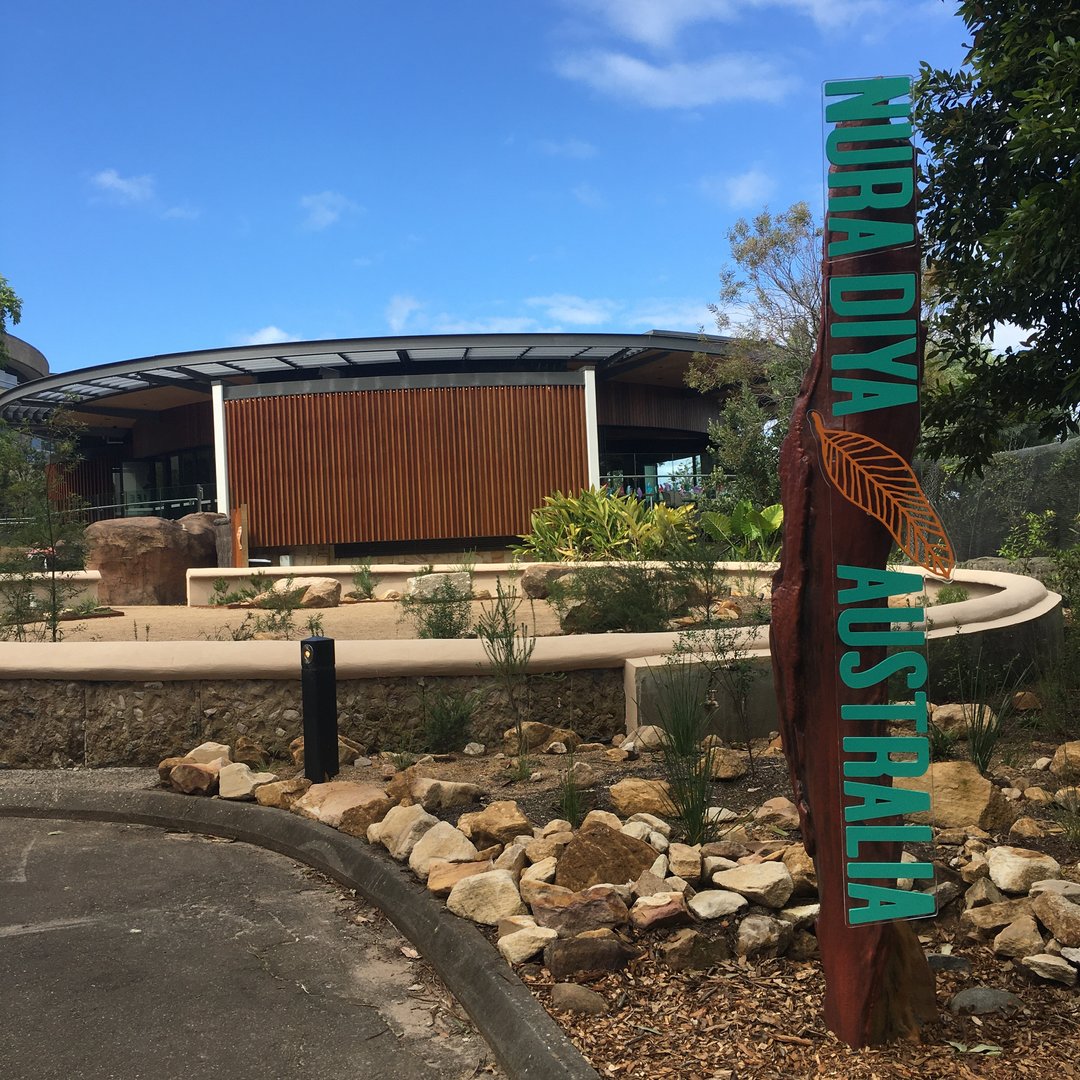
Yesterday, I visited Taronga Zoo's new Australian animals precinct, Nura Diya Australia, for the very first time. Nura Diya means 'this country' in Sydney First Language, and the name was chosen in consultation with Taronga's First Nations working group. The precinct is not totally finished - the Night Walk, the revamped nocturnal house - is yet to open.
This post will be my review, including photos, of what I was able to see, and others are more than welcome to include your own reviews as you visit, if you wish. As soon as you enter Taronga, you look into the macropod exhibit opposite the entrance building. Heading through the entrance proper, the pre-existing exhibits for Goodfellow's Tree Kangaroo have been incorporated into the precinct.
The walk-through is an expansive habitat for Red Kangaroo, Kangaroo Island Kangaroo, Tammar Wallaby, Swamp Wallaby, Red-Necked Wallaby, Red-Necked Pademelon and Emu, although not all of these species are in the exhibit yet. Six young KI kangaroos are on display, and arrived recently from Featherdale Wildlife Park.
The Red Kangaroos will be moved from the current kangaroo exhibit in Backyard to Bush, which will hold sheep once they have been relocated. Similarly, the Red-Necked Pademelons will be moved from the Wildlife Retreat, but I believe the other species are all in place already.
To the right is a kiosk with toilets. To the left, a boardwalk encircles a number of enclosures for Koala. This part of the precinct, to me, demonstrates the best of the immersion style of zoo architecture which was championed at Taronga in the early 2000s (and at Melbourne Zoo even earlier), albeit modernised. From the centre of the precinct, you can view all three sections, meaning you're always within sight of an animal.
The Koala enclosures are a little sparse, especially compared to the surrounding lush plant life, and could benefit from a ground species, such as echidna or quokka. However, I suspect husbandry factors are at play - ground species in koala enclosures can cause issues, and keepers may wish to ensure that the browse provided to the koalas is appropriate to their needs and the amount eaten can be monitored.
On the left side of the boardwalk, a series of structures will be the new home for Taronga's Koala Encounters, given that the current infrastructure will eventually be demolished when construction begins for the Congo Rainforest Precinct. I'm not sure what the intended timeframe is for making the switch.
The Taronga Function Centre does look somewhat dated compared to the modern Australiana of the new complex, and in comparison to the snazzy Wildlife Retreat next door. Perhaps I'm just looking at the building a bit more due to the elevated nature of the boardwalk around the koala exhibits, whereas it used to be a bit more hidden before the Platypus House was bulldozed.
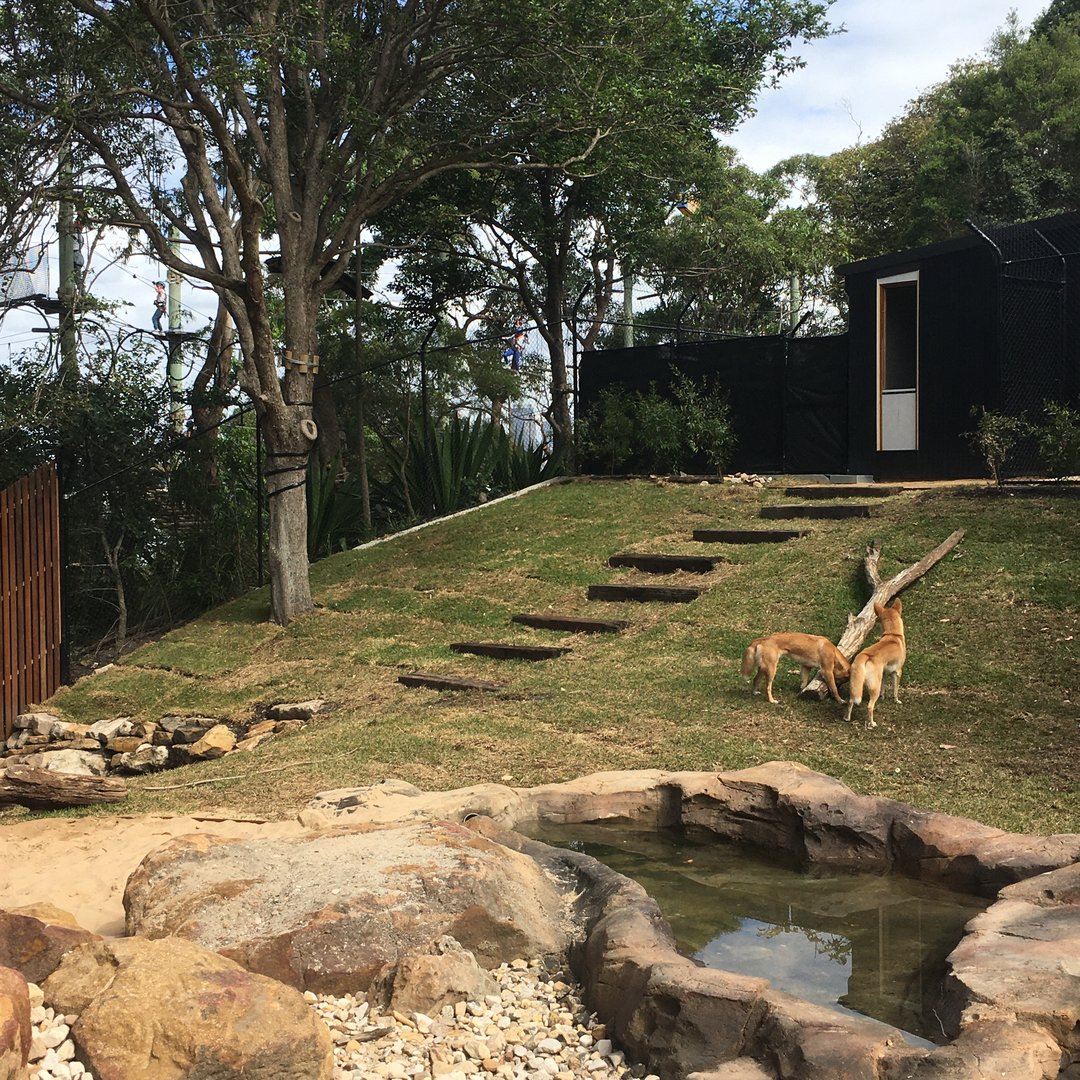
Finally, an exhibit for the zoo's two Dingo - male Kep Kep and female Warada - provides a home for the species which returns to Taronga for the first time in over a decade. These dingoes were first displayed in shows in the former Komodo Dragon exhibit and will now be permanently on display, with the nearby Wild Ropes high ropes course having fantastic views of their exhibit.
I saw a number of people stop to look at the dingoes while completing the course, especially as the pair were quite active as a keeper had recently scattered food throughout their exhibit for enrichment purposes. The grassy slope (on the right when approaching from the koalas) is one half of the exhibit, the left half contains rocks and foliage (and I didn't take a photo of that part for some unknown reason).
An exhibit for Platypus, near the entrance to the Wildlife Retreat, has been in place since at least 2019, although was not able to be accessed by the public during the Nura Diya Australia construction. With the Night Walk yet to open, it marks the end of the trail, although the following (and pre-existing) exhibit for Southern Cassowary technically forms part of the precinct as well, albeit sitting just outside the boundaries provided by the signage.
A cultural garden has also been developed, utilising the exterior retaining wall of the former Spider Monkey exhibit, which housed Taronga's group of elderly monkeys for many years. There doesn't seem to be too much in the garden at the moment, but hopefully it will develop and the retention of the wall is a good link to Taronga's past.
The removal of the back wall of the former spider monkey exhibit also means that the Blue Mountains Bushwalk (formerly Creatures of the Wollemi) aviary is visible from the garden, thus linking this area into the Australian section and providing a more cohesive link right through the eastern side of the zoo.
Ultimately, I was very impressed and look forward to returning when the Night Walk is complete. Whilst some ZooChatters may feel there is a lack of species, the exhibits are roomy and the precinct is cohesive, which for me goes a long way to create great habitats for animals and visitors alike.
This post will be my review, including photos, of what I was able to see, and others are more than welcome to include your own reviews as you visit, if you wish. As soon as you enter Taronga, you look into the macropod exhibit opposite the entrance building. Heading through the entrance proper, the pre-existing exhibits for Goodfellow's Tree Kangaroo have been incorporated into the precinct.
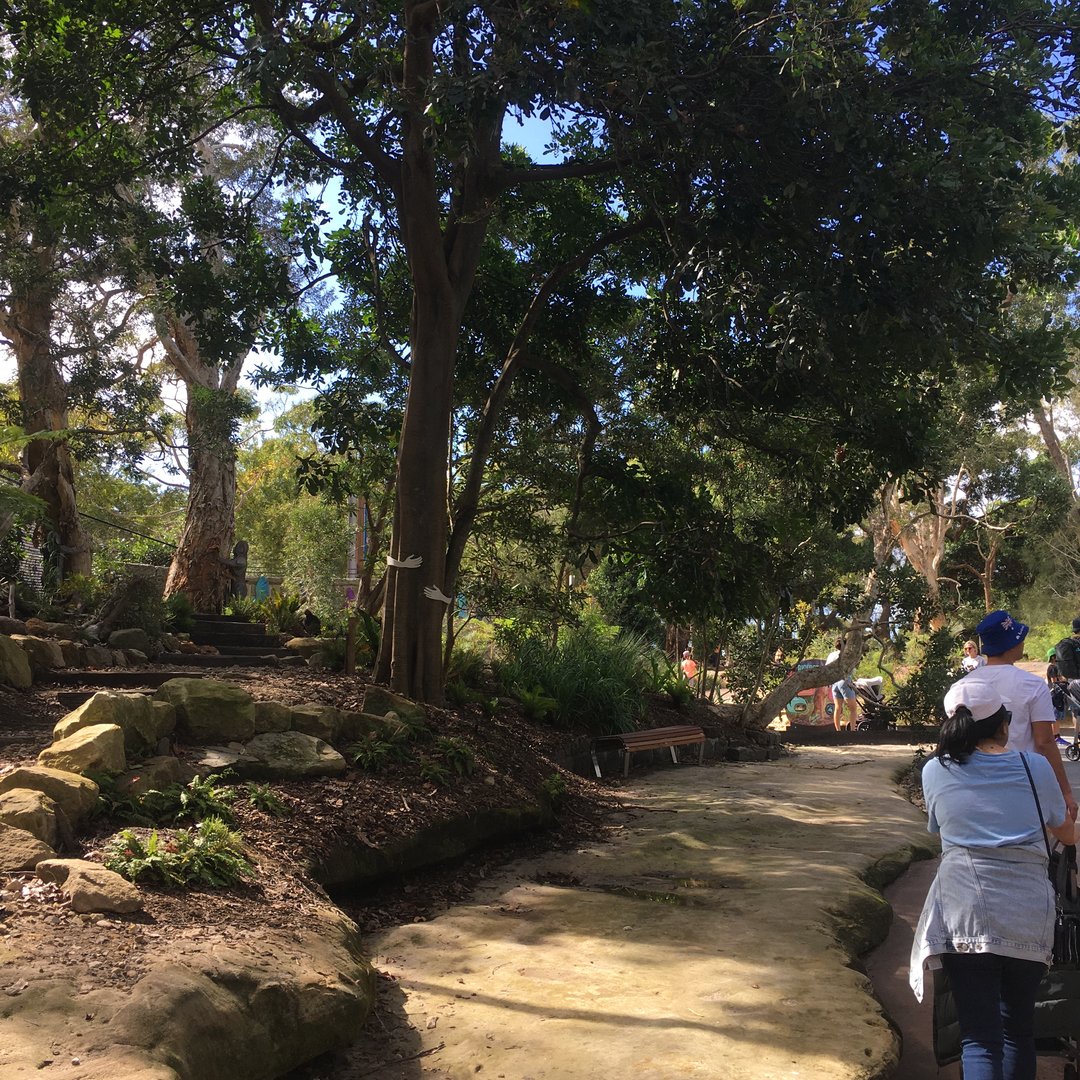
The walk-through is an expansive habitat for Red Kangaroo, Kangaroo Island Kangaroo, Tammar Wallaby, Swamp Wallaby, Red-Necked Wallaby, Red-Necked Pademelon and Emu, although not all of these species are in the exhibit yet. Six young KI kangaroos are on display, and arrived recently from Featherdale Wildlife Park.
The Red Kangaroos will be moved from the current kangaroo exhibit in Backyard to Bush, which will hold sheep once they have been relocated. Similarly, the Red-Necked Pademelons will be moved from the Wildlife Retreat, but I believe the other species are all in place already.
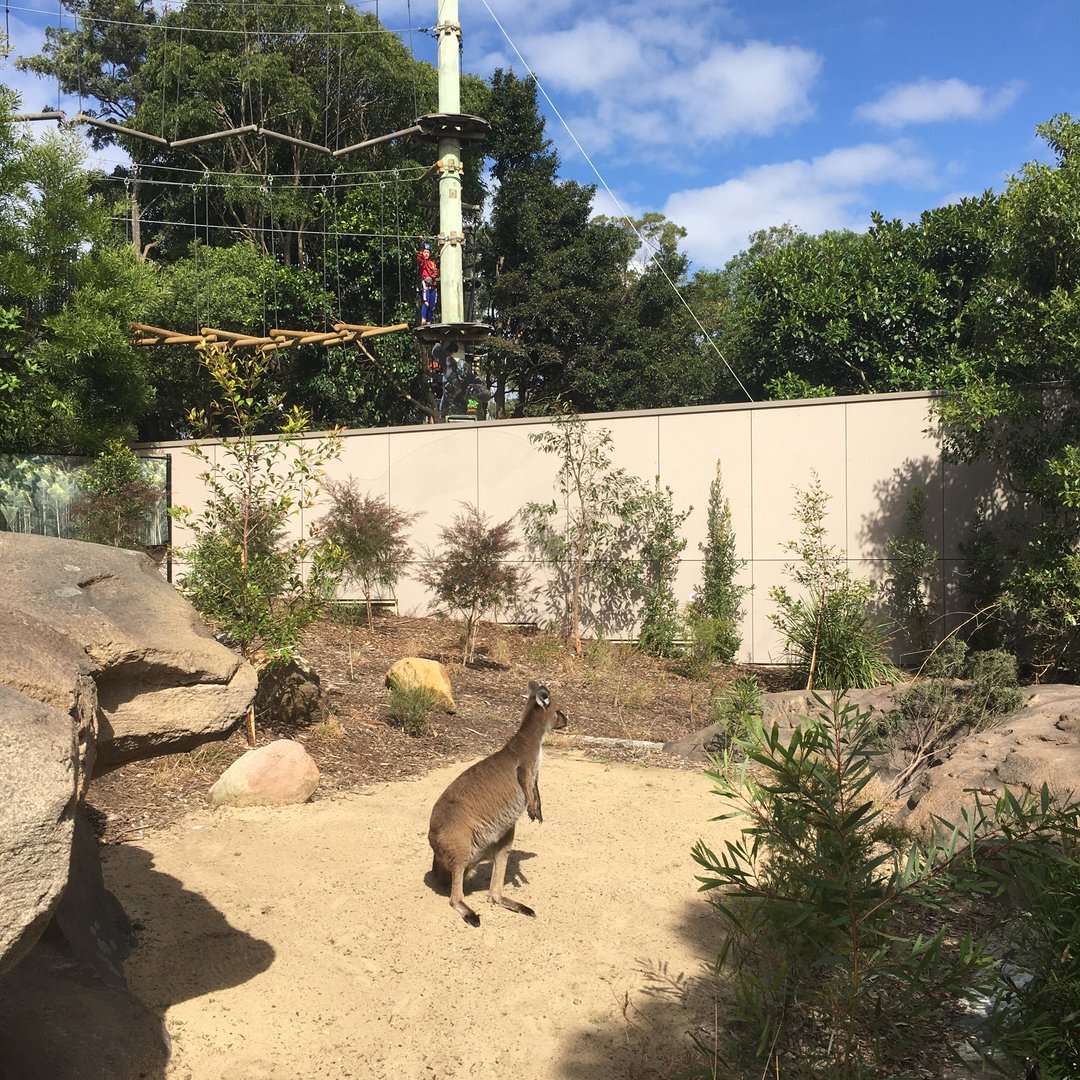
To the right is a kiosk with toilets. To the left, a boardwalk encircles a number of enclosures for Koala. This part of the precinct, to me, demonstrates the best of the immersion style of zoo architecture which was championed at Taronga in the early 2000s (and at Melbourne Zoo even earlier), albeit modernised. From the centre of the precinct, you can view all three sections, meaning you're always within sight of an animal.
The Koala enclosures are a little sparse, especially compared to the surrounding lush plant life, and could benefit from a ground species, such as echidna or quokka. However, I suspect husbandry factors are at play - ground species in koala enclosures can cause issues, and keepers may wish to ensure that the browse provided to the koalas is appropriate to their needs and the amount eaten can be monitored.
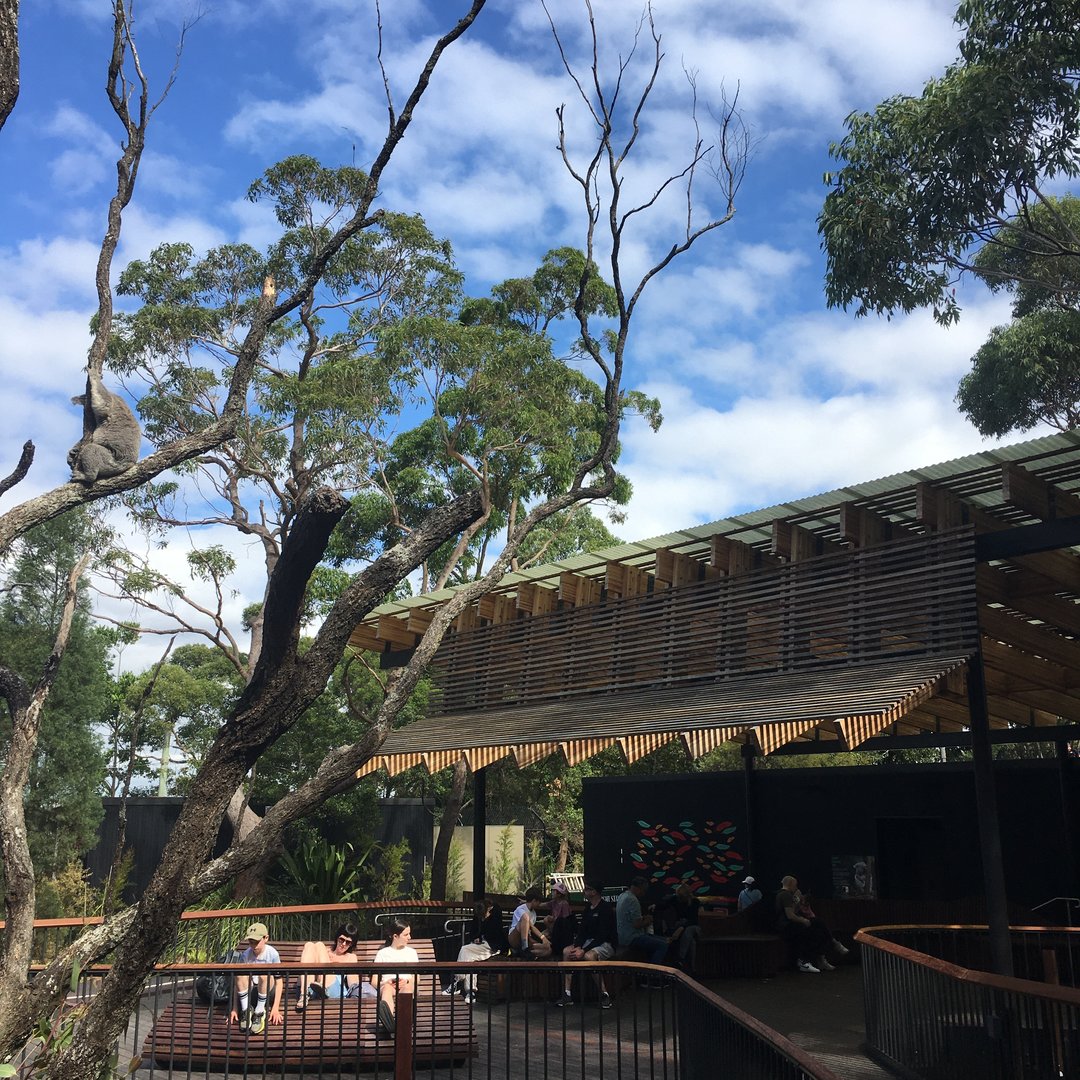
On the left side of the boardwalk, a series of structures will be the new home for Taronga's Koala Encounters, given that the current infrastructure will eventually be demolished when construction begins for the Congo Rainforest Precinct. I'm not sure what the intended timeframe is for making the switch.
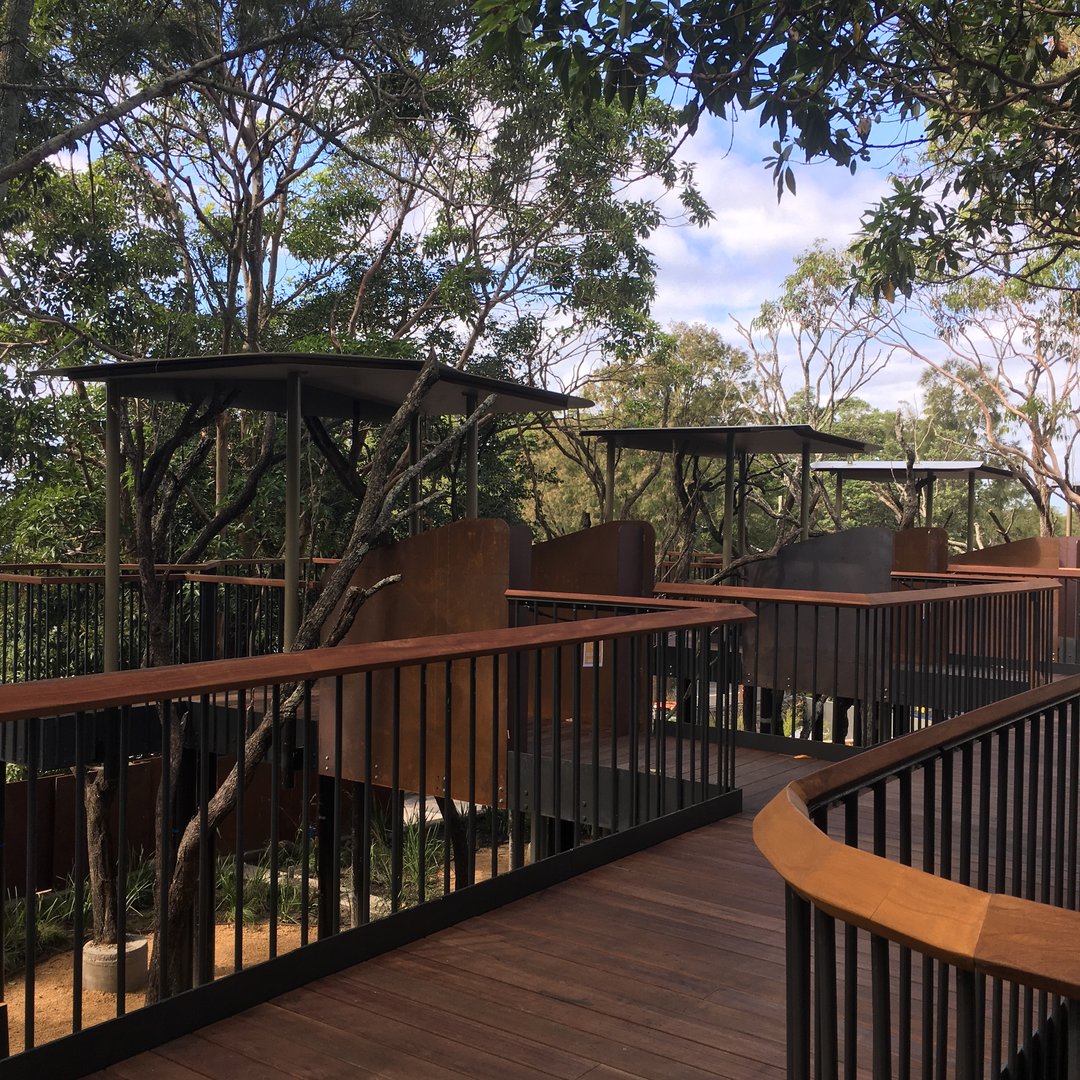
The Taronga Function Centre does look somewhat dated compared to the modern Australiana of the new complex, and in comparison to the snazzy Wildlife Retreat next door. Perhaps I'm just looking at the building a bit more due to the elevated nature of the boardwalk around the koala exhibits, whereas it used to be a bit more hidden before the Platypus House was bulldozed.
Finally, an exhibit for the zoo's two Dingo - male Kep Kep and female Warada - provides a home for the species which returns to Taronga for the first time in over a decade. These dingoes were first displayed in shows in the former Komodo Dragon exhibit and will now be permanently on display, with the nearby Wild Ropes high ropes course having fantastic views of their exhibit.
I saw a number of people stop to look at the dingoes while completing the course, especially as the pair were quite active as a keeper had recently scattered food throughout their exhibit for enrichment purposes. The grassy slope (on the right when approaching from the koalas) is one half of the exhibit, the left half contains rocks and foliage (and I didn't take a photo of that part for some unknown reason).
An exhibit for Platypus, near the entrance to the Wildlife Retreat, has been in place since at least 2019, although was not able to be accessed by the public during the Nura Diya Australia construction. With the Night Walk yet to open, it marks the end of the trail, although the following (and pre-existing) exhibit for Southern Cassowary technically forms part of the precinct as well, albeit sitting just outside the boundaries provided by the signage.
A cultural garden has also been developed, utilising the exterior retaining wall of the former Spider Monkey exhibit, which housed Taronga's group of elderly monkeys for many years. There doesn't seem to be too much in the garden at the moment, but hopefully it will develop and the retention of the wall is a good link to Taronga's past.
The removal of the back wall of the former spider monkey exhibit also means that the Blue Mountains Bushwalk (formerly Creatures of the Wollemi) aviary is visible from the garden, thus linking this area into the Australian section and providing a more cohesive link right through the eastern side of the zoo.
Ultimately, I was very impressed and look forward to returning when the Night Walk is complete. Whilst some ZooChatters may feel there is a lack of species, the exhibits are roomy and the precinct is cohesive, which for me goes a long way to create great habitats for animals and visitors alike.


 Do you know which species will be featured?


