ZOO KOKI
Member
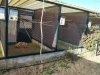
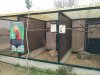
New area for pheasants. We are completing an area to house more than 35 species of pheasants.
This is phase 1


This is phase 1

35 species is impressive. Very few zoos have pheasants at all.
Too bad (though not THAT bad because they are not catsWe used to have a wide range of spp, both as a private collection and when we first opened to the public. Pretty much all have been phased out as the public are just not interested. Two generations ago perhaps, but not any more...
 ). My local zoo, Reid Park Zoo, is supposedly going to add a pheasant area as part of their upcoming Asia expansion (scheduled for 2022). It will be interesting to see what happens and how many species they get.
How on Earth and when did we fall from grace here?We used to have a wide range of spp, both as a private collection and when we first opened to the public. Pretty much all have been phased out as the public are just not interested. Two generations ago perhaps, but not any more...

Maybe they need a massive PR drive. Worked for Meerkats.We used to have a wide range of spp, both as a private collection and when we first opened to the public. Pretty much all have been phased out as the public are just not interested. Two generations ago perhaps, but not any more...
How on Earth and when did we fall from grace here?
We may only show and become big ABC et cetera zoos, while failing to make a meaningful narrative of biodiversity conservation and education without an representative animal collection (as well as plants) we will ultimately fail dismally on conserving Planet Earth diversity and ourselves as a species. People will only want to conserve what they know and love. If they do not experience the diversity and ecologically useful roles of pheasants in the global ecosystems what values do we disown as a zoo community?

Andrew, I really do think that zoos like museums and universities are educational facilities and I refuse to believe that this is not a public task - you know that most governments and public authorities have economised away everything public to the private sector, this includes culture, education and environment and conservation. It is a failing in the complex short term economic model we - as yet - keep adopting (despite numerous indications where we are failing ourselves, society, the environment and most importantly our only liveable planet.Yes, you are right, I agree - but I fear we are facing practical problems and not theoretical ones, in the coming weeks and months.
I agree ...., we volunteers have an added value in PR and awareness that is tapped, yet ... not always valued in other ways (as well as the terms). I do personally feel it is a public and social responsibility ...Although I have not read the paper myself, I am familiar with the oft quoted piece by William Conway called How To Display A Bullfrog (or something close to that). I think he was onto something - if zoos really put effort into displaying pheasants (or whatever else) with enthusiasm, I think we could turn the tide. My local Arizona-Sonora Desert Museum has a few ABC animals and a lot of smaller ones (and a lot of non-animal exhibits) and people love it. This is partly due to a huge (largest I have seen) and enthusiastic docent program. I am not a plant person per se, yet one of my more memorable docent encounters there was learning about jojoba!
Andrew, I really do think that zoos like museums and universities are educational facilities and I refuse to believe that this is not a public task - you know that most governments and public authorities have economised away everything public to the private sector, this includes culture, education and environment and conservation. It is a failing in the complex short term economic model we - as yet - keep adopting (despite numerous indications where we are failing ourselves, society, the environment and most importantly our only liveable planet.
Maybe when times improve..... I've always fantasised about having appropriate bird species housed adjacent to a geographically appropriate charismatic mammal, like:As I said, I do agree - but at a time when we are surviving day-to-day on public donations including children's pocket money, it might have to wait...

Yes, I wholly sympathise with your point of view, but it’s worth noting that despite being seen by People Like Us as being one of the must-see US zoos, the ASDM receives about 400,000 visitors each year, while the nearby, and as I understand it pretty average Reid Park Zoo gets 550,000 - possibly because of those ABCs.Although I have not read the paper myself, I am familiar with the oft quoted piece by William Conway called How To Display A Bullfrog (or something close to that). I think he was onto something - if zoos really put effort into displaying pheasants (or whatever else) with enthusiasm, I think we could turn the tide. My local Arizona-Sonora Desert Museum has a few ABC animals and a lot of smaller ones (and a lot of non-animal exhibits) and people love it. This is partly due to a huge (largest I have seen) and enthusiastic docent program. I am not a plant person per se, yet one of my more memorable docent encounters there was learning about jojoba!
Years ago (early 1990's), San Diego Zoo had side-by-side exhibits for snow leopard and bharal. It may have been the only herd of bharal in the USA. They have sadly all since died....and my favourite, very hard to achieve...
*Snow Leopard, Bharal, with Grandala, Blood Pheasant and Snow Pigeon...
35 species is impressive. Very few zoos have pheasants at all.
We used to have a wide range of spp, both as a private collection and when we first opened to the public. Pretty much all have been phased out as the public are just not interested. Two generations ago perhaps, but not any more...
The ABCs are the species people always want to see. Unfortunately others come in and out of fashion. While flamingos and large parrots are always in fashion others go through phases, pheasants, waterfowl, lorikeets, owls and diurnal birds of prey come and go.
We are not thinking about the public. We are a small zoo we do not have to pay large amounts of money. We are thinking of hosting a large collection that serves as a reference center.