You are using an out of date browser. It may not display this or other websites correctly.
You should upgrade or use an alternative browser.
You should upgrade or use an alternative browser.
Pics from my private zoo in Myanmar
- Thread starter sebbe67
- Start date
- Status
- Not open for further replies.



Writhedhornbill
Well-Known Member
Do you have black or yellow casqued hornbills?
Do you have black or yellow casqued hornbills?
No I dont have either at the moment and as it looks like it will probably take over a year before I will consider any, there is just so many asian species I still dont have and these are the ones aim going to get first.
But my goal is to keep 85-90% of all hornbill species some 2-3 years from now

Here is the complete list of birds, mammals and reptiles I keep at the moment
Birds
1. Southern Cassowary
2. Immature Cassowary (probably northern)
3. Lesser Adjutant
4. Bar-headed goose
5. Black Swan
6. Hartlaub's Duck
7. Canada goose
8. Great Argus (Bornean subspecies)
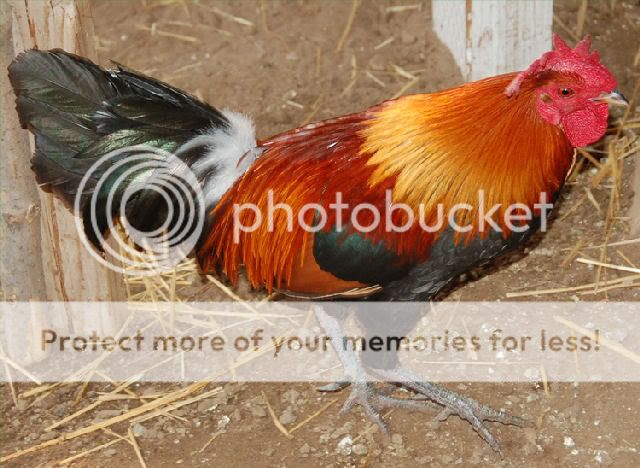
9. Indian red Junglefowl (Indian, Burmese and Javanese)
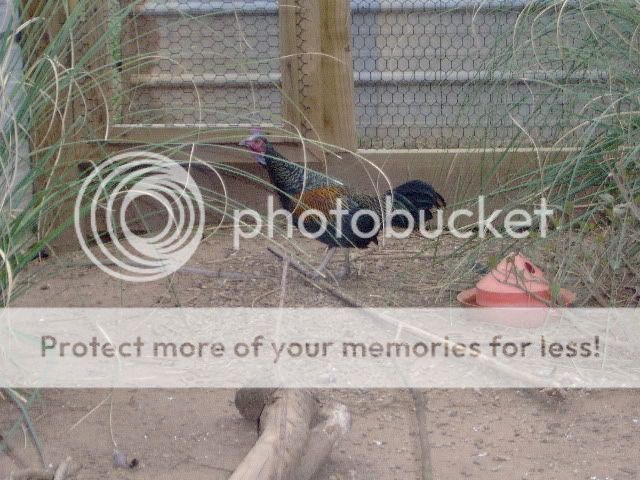
10. Green Junglefowl
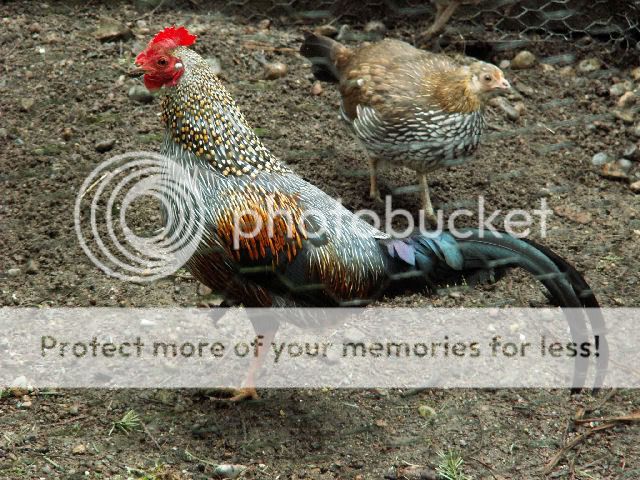
11. Indian Grey Junglefowl
12. Crested Fireback (nobilis and rufa subspecies)
13. Bulwer Pheasant
14. Silver pheasant (nominate race, occidentalis and ripponi)
15. Indian Peafowl
16. Green peafowl (muticus subspecies)
17. Reeves Pheasant
18. Swinhoe Pheasant
19. Batam Chicken (local poultry breed)
20. Mountain Bamboo Partridge
21. Java Hill-Partridge
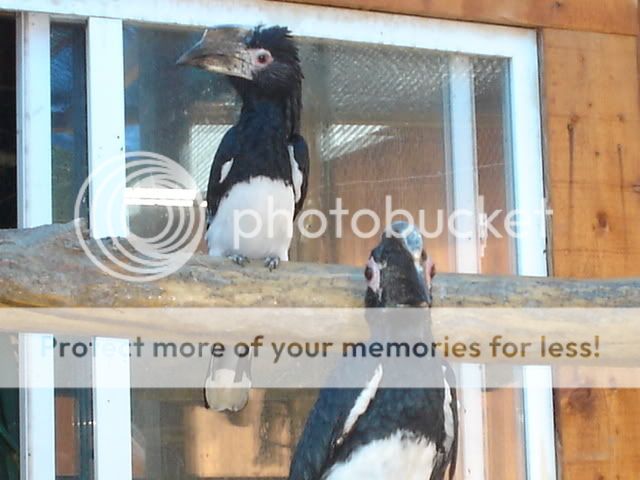
22. Oriental Pied Hornbill
23. Wreathed Hornbill
24. Wrinkled Hornbill
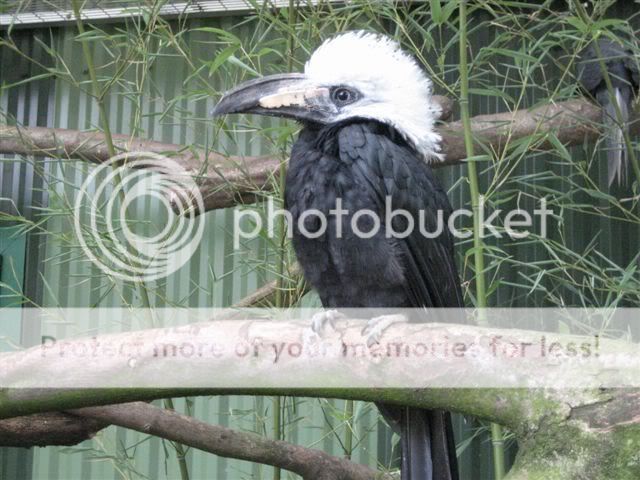
25. White-crowned Hornbill
26. Great Hornbill
27. White-crested Hornbill
28. Trumpeter Hornbill
29. Great Curassow
30. Plain Chacalaca (subspecies mccallii)
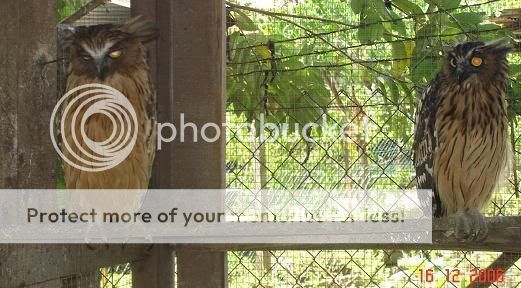
31. Buffy Fish-Owl
32. Scops Owl (Oriental or White-fronted)
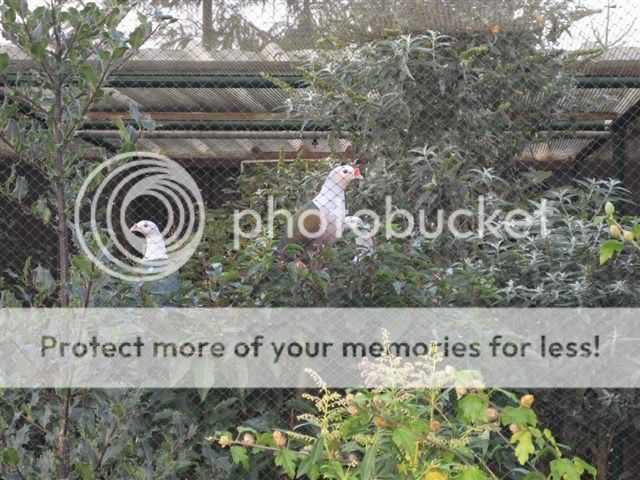
33. Pied Imperial-Pigeon
34. Red-knobbed Imperial-Pigeon
35. Black-naped Fruit-dove
36. Medium sulfur-crested cockatoo
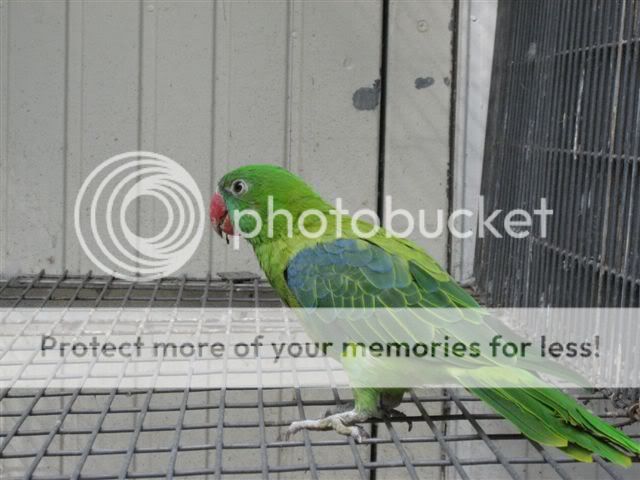
37. Great-billed Parrot
38. Rosenberg Lory
39. Marbled Frogmouth
40. Blue-winged Kookaburra
41. Black-throated Laughing thrush
42. Red Bird of Paradise
43. Raggina Bird of Paradise
Aim about to get rid of all my Grey Herons as well as Lesser Bird of Paradise so I wont count these.
Mammal
1. Serval
Reptiles
1. Python reticulatus "Makasar"
2. Dendrelaphis kopsteini
3. Naja mandalayensis
4. Calliophis bivirgata flaviceps
Aim phasing out my reptiles and willno longer keep any, plan to sell the last ones soon. more into birds.
Species I plan to get this year
1.Pheasant Pigeon
2.Rufus Hornbill
3.Writhed Hornbill
4.Sri Lanka Grey Hornbill
5.Black Hornbill
6.Helmeted Hornbill (searching after a pair, this one aim unlikely to get anytime soon
7.Bushy-crested Hornbill
8.Sulawesi Hornbill
9.Papuan Hornbill
10.Piping Hornbill
11.Abyssinian Ground-hornbill
12.Thick-knee (some African species)
13.Double-spurred Francolin
14.Cinnamon Shoveler
15.Paradise shelduck
16.Banded Pitta
17.Green Magpie
Haha as you can see aim really into hornbills, aim on good way at getting Rufus, Black, Sri Lanka Grey, Bushy-crested and Papuan at the moment. Several new, large aviaries already built and is just waiting.
Birds
1. Southern Cassowary
2. Immature Cassowary (probably northern)
3. Lesser Adjutant
4. Bar-headed goose
5. Black Swan
6. Hartlaub's Duck
7. Canada goose
8. Great Argus (Bornean subspecies)
9. Indian red Junglefowl (Indian, Burmese and Javanese)
10. Green Junglefowl
11. Indian Grey Junglefowl
12. Crested Fireback (nobilis and rufa subspecies)
13. Bulwer Pheasant
14. Silver pheasant (nominate race, occidentalis and ripponi)
15. Indian Peafowl
16. Green peafowl (muticus subspecies)
17. Reeves Pheasant
18. Swinhoe Pheasant
19. Batam Chicken (local poultry breed)
20. Mountain Bamboo Partridge
21. Java Hill-Partridge
22. Oriental Pied Hornbill
23. Wreathed Hornbill
24. Wrinkled Hornbill
25. White-crowned Hornbill
26. Great Hornbill
27. White-crested Hornbill
28. Trumpeter Hornbill
29. Great Curassow
30. Plain Chacalaca (subspecies mccallii)
31. Buffy Fish-Owl
32. Scops Owl (Oriental or White-fronted)
33. Pied Imperial-Pigeon
34. Red-knobbed Imperial-Pigeon
35. Black-naped Fruit-dove
36. Medium sulfur-crested cockatoo
37. Great-billed Parrot
38. Rosenberg Lory
39. Marbled Frogmouth
40. Blue-winged Kookaburra
41. Black-throated Laughing thrush
42. Red Bird of Paradise
43. Raggina Bird of Paradise
Aim about to get rid of all my Grey Herons as well as Lesser Bird of Paradise so I wont count these.
Mammal
1. Serval
Reptiles
1. Python reticulatus "Makasar"
2. Dendrelaphis kopsteini
3. Naja mandalayensis
4. Calliophis bivirgata flaviceps
Aim phasing out my reptiles and willno longer keep any, plan to sell the last ones soon. more into birds.
Species I plan to get this year
1.Pheasant Pigeon
2.Rufus Hornbill
3.Writhed Hornbill
4.Sri Lanka Grey Hornbill
5.Black Hornbill
6.Helmeted Hornbill (searching after a pair, this one aim unlikely to get anytime soon
7.Bushy-crested Hornbill
8.Sulawesi Hornbill
9.Papuan Hornbill
10.Piping Hornbill
11.Abyssinian Ground-hornbill
12.Thick-knee (some African species)
13.Double-spurred Francolin
14.Cinnamon Shoveler
15.Paradise shelduck
16.Banded Pitta
17.Green Magpie
Haha
as you can see aim really into hornbills, aim on good way at getting Rufus, Black, Sri Lanka Grey, Bushy-crested and Papuan at the moment. Several new, large aviaries already built and is just waiting.
Writhedhornbill
Well-Known Member
If you breed any hornbills could you send them to me? You don't have to have a licence to keep them! Hehe
Rufous are actually quite hard to breed in captivity, I hope that you have som success with them.
Rufous are actually quite hard to breed in captivity, I hope that you have som success with them.

great pictures. You're right, the immature cassowary is a northern (or one-wattled) cassowary, but Geoffrey is right in that the kookaburra is a common (laughing) kookaburra not a blue-winged.
If you have any better pics of the scops owl I could probably identify it for you. The white-fronted scops is quite a bit bigger than the other local species and has unbarred primaries (in the photo it looks like the primary wing-feathers of your owl have bars). I can't see the eye-colour due to the camera flash but white-fronteds have dark eyes, while oriental scops have yellow eyes. There should be four species of scops in your general area: the white-fronted, oriental, mountain (mainly in mountains of course), and collared. Your owl may actually be a collared scops, which have larger ear tufts than oriental scops (and they have dark eyes).
If you have any better pics of the scops owl I could probably identify it for you. The white-fronted scops is quite a bit bigger than the other local species and has unbarred primaries (in the photo it looks like the primary wing-feathers of your owl have bars). I can't see the eye-colour due to the camera flash but white-fronteds have dark eyes, while oriental scops have yellow eyes. There should be four species of scops in your general area: the white-fronted, oriental, mountain (mainly in mountains of course), and collared. Your owl may actually be a collared scops, which have larger ear tufts than oriental scops (and they have dark eyes).
is your zoo open to the public or purely private? In a couple of photos there is what looks like signage visible on the aviaries. And without meaning to sound like I'm insinuating anything, where do you source your animals from (apart for the ones like the owl, or ones confiscated by customs or whatever)?
If you breed any hornbills could you send them to me? You don't have to have a licence to keep them! Hehe
Rufous are actually quite hard to breed in captivity, I hope that you have som success with them.
Yes I could hehe, if you are prepered to wait a few years that is

Yes my hope is to one day supply European and North American zoos with captive breed hornbills, especially species which is getting more and more rare such as Helmeted, Rufous-necked, Black, Palawan etc etc. Sadly I keep none of these species at the moment but one day I will
At the moment aim focusing on supply asian zoos with these kind of birds, my aim with supply zoos with birds is that they will continue to breed them and finally start to release birds into the wild. That would be a dream goal for me
I have already a dozen requests from people in the USA that want me to export birds, they are mainly intrested in the larger species. But I think it will take probably 5-6 years from now until I will export my first birds to the USA.
I have now bought a pair of Rufous, Mindanao race I think but aim not sure. I will go to Thailand tomorrow and will return with a Rufous pair, pheasant pigeon pair, 6 Green Magpies as well as possibly brushy hornbill.
What a great-looking place! One thing though - I'm pretty sure that the bird you've got labelled as a Blue-winged Kookaburra is in fact a Laughing Kookaburra (we get heaps of wild ones here). The Laughing species also has the blue on their wings.
Thanks for the correction Geoffrey, aim not familiar with these birds. I got it free from a freind a while ago so I havent really figuered out which species it may be, kingfishers is not my thing
great pictures. You're right, the immature cassowary is a northern (or one-wattled) cassowary, but Geoffrey is right in that the kookaburra is a common (laughing) kookaburra not a blue-winged.
If you have any better pics of the scops owl I could probably identify it for you. The white-fronted scops is quite a bit bigger than the other local species and has unbarred primaries (in the photo it looks like the primary wing-feathers of your owl have bars). I can't see the eye-colour due to the camera flash but white-fronteds have dark eyes, while oriental scops have yellow eyes. There should be four species of scops in your general area: the white-fronted, oriental, mountain (mainly in mountains of course), and collared. Your owl may actually be a collared scops, which have larger ear tufts than oriental scops (and they have dark eyes).
Thanks Chlidonias for help on the cassowary, I have suspected northern quite a while.
I will try to take some additional photos of the Scops-owl, he lives in a quite large aviary now and as he is genuninelly wild so he is very shy during day time. I have only seen him on a few occasions, as he was turned in to be as a injured bird I had to catch him a few days ago, poor thing got really stressed.
He has leg injury which seems to be healing just fine, plans is to relase him in the wild some 2 weeks from now and I will take additional photos during the realease and these are likely to be of good quailty.
is your zoo open to the public or purely private? In a couple of photos there is what looks like signage visible on the aviaries. And without meaning to sound like I'm insinuating anything, where do you source your animals from (apart for the ones like the owl, or ones confiscated by customs or whatever)?
My zoo is open for school groups 6 days a week (closed on Fridays), as I have employes working full time with the birds I plans to keep open 7 days a week for groups of children. I keep the zoo open for "the rest"
 4 days a week, but will keep open 5 days a week soon. Yes I have information boards on some of the avaries, especially on the ones holding local species. Only in english but its good practise for the people down here, they need to practise it
Most of my animals comes from private breeders in Thailand, Malaysia, Singapore as well as Java. About 90% of the species I keep at the moment is captive breed. With few exceptions such as the cassowaries, scop owl and Grey Herons.
Nice collection and especially your hornbills!  Great plan to breed hornbills and export captive-bred birds to local zoos. That will hopefully end the need to collect them from the wild.
Are there more breeders like you in Thailand, Malaysia who are intent on breeding them and eventually let the excess birds go back to the wild?
Are you in contact with any of the leading hornbill scientists. You might want to contact Prof. Pilai Poonswad?
And another question: how did you cassowaries end up in the meat markets of Rangoon? Are they not Papua New Guinea and northern Australia birds? How do they get to the Asian mainland.
Great plan to breed hornbills and export captive-bred birds to local zoos. That will hopefully end the need to collect them from the wild.Are there more breeders like you in Thailand, Malaysia who are intent on breeding them and eventually let the excess birds go back to the wild?
Are you in contact with any of the leading hornbill scientists. You might want to contact Prof. Pilai Poonswad?
And another question: how did you cassowaries end up in the meat markets of Rangoon? Are they not Papua New Guinea and northern Australia birds? How do they get to the Asian mainland.
Writhedhornbill
Well-Known Member
If you get any writhed hornbills, you have to tell me!
Europe hasn't had helmeted hornbills for a while now, for at least 6 years, probably a lot more.
Europe hasn't had helmeted hornbills for a while now, for at least 6 years, probably a lot more.
Nice collection and especially your hornbills!
Are there more breeders like you in Thailand, Malaysia who are intent on breeding them and eventually let the excess birds go back to the wild?
Are you in contact with any of the leading hornbill scientists. You might want to contact Prof. Pilai Poonswad?
And another question: how did you cassowaries end up in the meat markets of Rangoon? Are they not Papua New Guinea and northern Australia birds? How do they get to the Asian mainland.
Hello Jelle,
Thank you very much! Yes I also hopes this will stop some zoos from collecting birds from the wild themself or buy wild caught ones. I try to sell them for a resonable price just so that zoos find them worth buying.
Aim not aware of any zoos that are reintroducing hornbills here in south-east Asia, but I know of people in Malaysia that are involved in different local hornbill projects, I know that Great as well as rhinoceros and Black hornbill has been released into the wild in the past, they are now focusing on more rare hornbills however, I have heard that several wrinkled and helmteted has been released this year. This is the same people aim trying to get a pair of Helmeted from, making some progress, to, earlier they keept on to their few pairs very hard
understandable. No, sadly aim not in contact with any hornbill scientists, and I would be very happy to receive contact info.
Yes cassowaries is native to New Guinea and Australia only but large number is being kept and breed in China for its meat, imported from Indonesia a long time ago I guess, a few of individuals from the Chinese stock occasionally make their way down to meat markets in south-east Asia. I have seen several for sale in Bangkok and Saigon but suprisingly few in Rangoon.
If you breed any hornbills could you send them to me?
have you got a back-yard Jonathan? How come you don't already have an aviary with a pair of red-billed hornbills or something like that? Trade in the guinea-pigs for something more feathery I say

Writhedhornbill
Well-Known Member
Yes, but my mum wants a herbaceous border. I'd love hornbills in my garden. A big aviary in the back!
- Status
- Not open for further replies.