A bonobo was born on New Year's Day, for the second year in a row. Mother is Busira, who gave birth to her second baby after having Sanza in 2017. The bonobo group at Planckendael now counts 21 individuals, one of the largest in Europe.

Two Asiatic lion (Panthera leo persica) were born recently, mother is Lorena and father is Jari. They will remain in the nest for about 8 more weeks before being allowed to slowly explore the outdoor exhibit. The gender of the cubs is not yet known and will be determined at their first medical check-up.
DPG Media Privacy Gate
Sadly one of the cubs died, the gender and name of the remaining cubs has since been revealed. It's a male and was given the name Wishu.
Sources:
Instagram of Zoo Planckendael (01/12/2021) https://www.instagram.com/p/CW79I6ztJIF/
Instagram of Zoo Planckendael (12/01/2022) https://www.instagram.com/p/CYos2t3NQAF/
What happened to the other slender horned gazelles?
I do find it a flying shame as the species is being exterminated in the wild and Europe is phasing them out. My mind is boiling over We should be saceguarding North African slender horneds as well as actively try to round up wild ones in order to initiate a concerted captive breeding effort in southern Europe (Spain, Portugal, Italy, Central Europe in close cooperation with North African wildlife and protection law enforcement agentes.

I do find it a flying shame as the species is being exterminated in the wild and Europe is phasing them out.
I don't think it is - or rather, was until recently - a deliberate phase-out. To my knowledge, the herd at Planckendael was quite inbred and no other European zoo has had recent succes with the species. There was no way the current population could have been sustained for long. I don't know why they did not acquire new animals. I might simply have been near impossible or it may have made a conscious choice. If the latter is true, I don't blame them: while the species is endangered, it never did particularly well in European zoos outside Plankendael. Removing animals from another population is not worth it - both in terms of animal welfare and conservation - if the fate of the new population is likely the same as the old one.
At the very least, a coordinated effort was required from multiple zoos, and that is also far from a guaranteed succes, even if is was possible to acquire enough individuals without damaging another population.
I disagree that for animal welfare or ethics not to acquire from elsewhere. Unless you are indifferent to imminent extinction. Eastern slender horned already totally wiped out and western hanging by a thread in the low hundreds.
We should be capturing wild gazelle initiate captive breeding ex situ and recover their numbers. North African and Gulf hunters have been trigger happy to finish of the last herds in Tunisia and Algeria. It is illegal still they do.
There is a plan for conservation 2020 to 2029.
It needs to happen in Algeria and Tunisia ex situ as well as the Almeria research station.
Read my comments: I mentioned Tunisia, Algeria and Spain arid Andalucia. I know my ABC's and have worked along them.
BTW: Both Cuvier's and Mhorr gazelle are also inbred. This happens in small fractured populations and we can even then help recover them.
I take a hard. guess: Somali wild ass, perhaps?I visited Planckendael today and as usual, here are some updates.
New antelope house
I will try to publish some photos of some of these updates, but I cannot guarantee when that will happen.
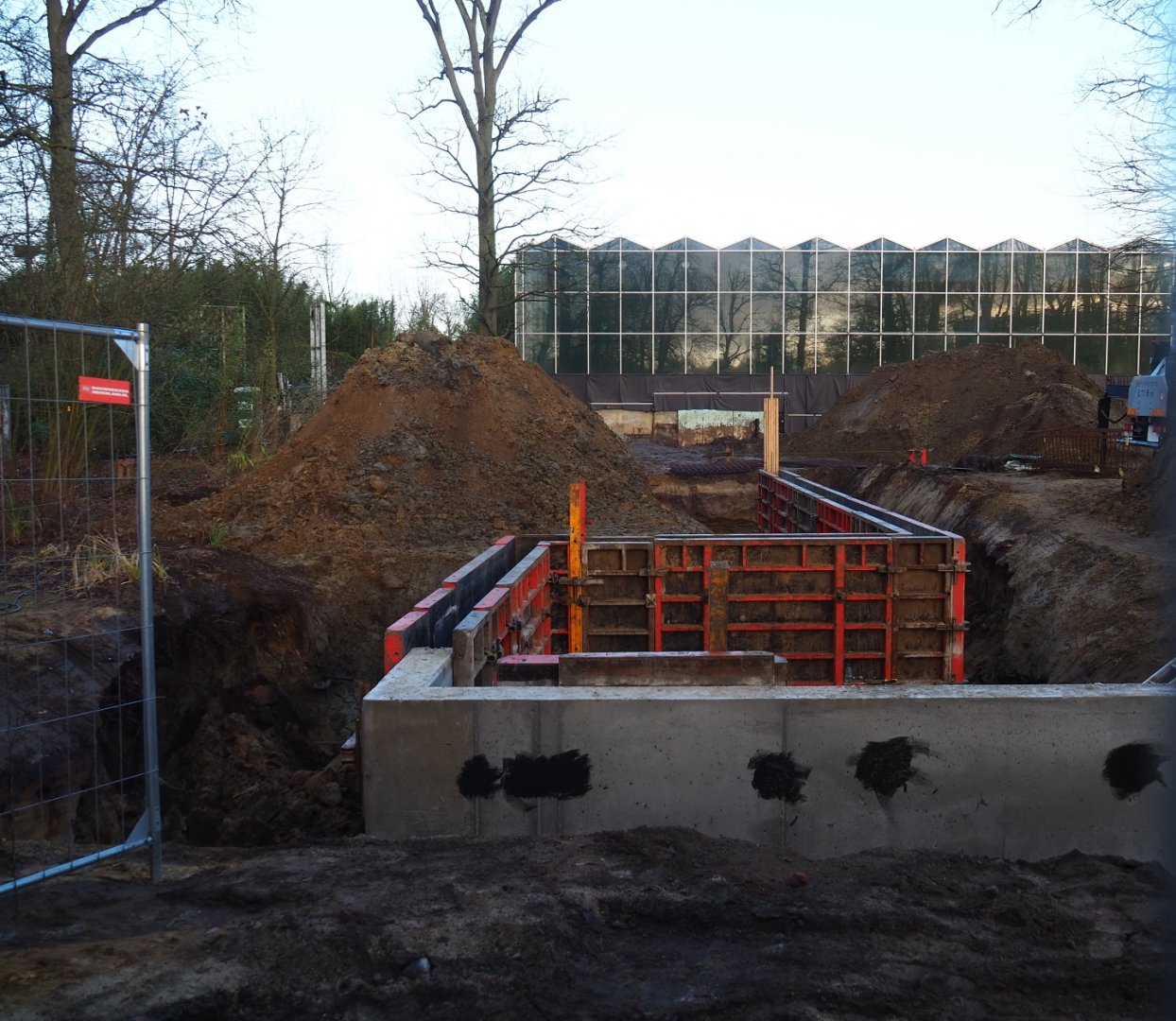
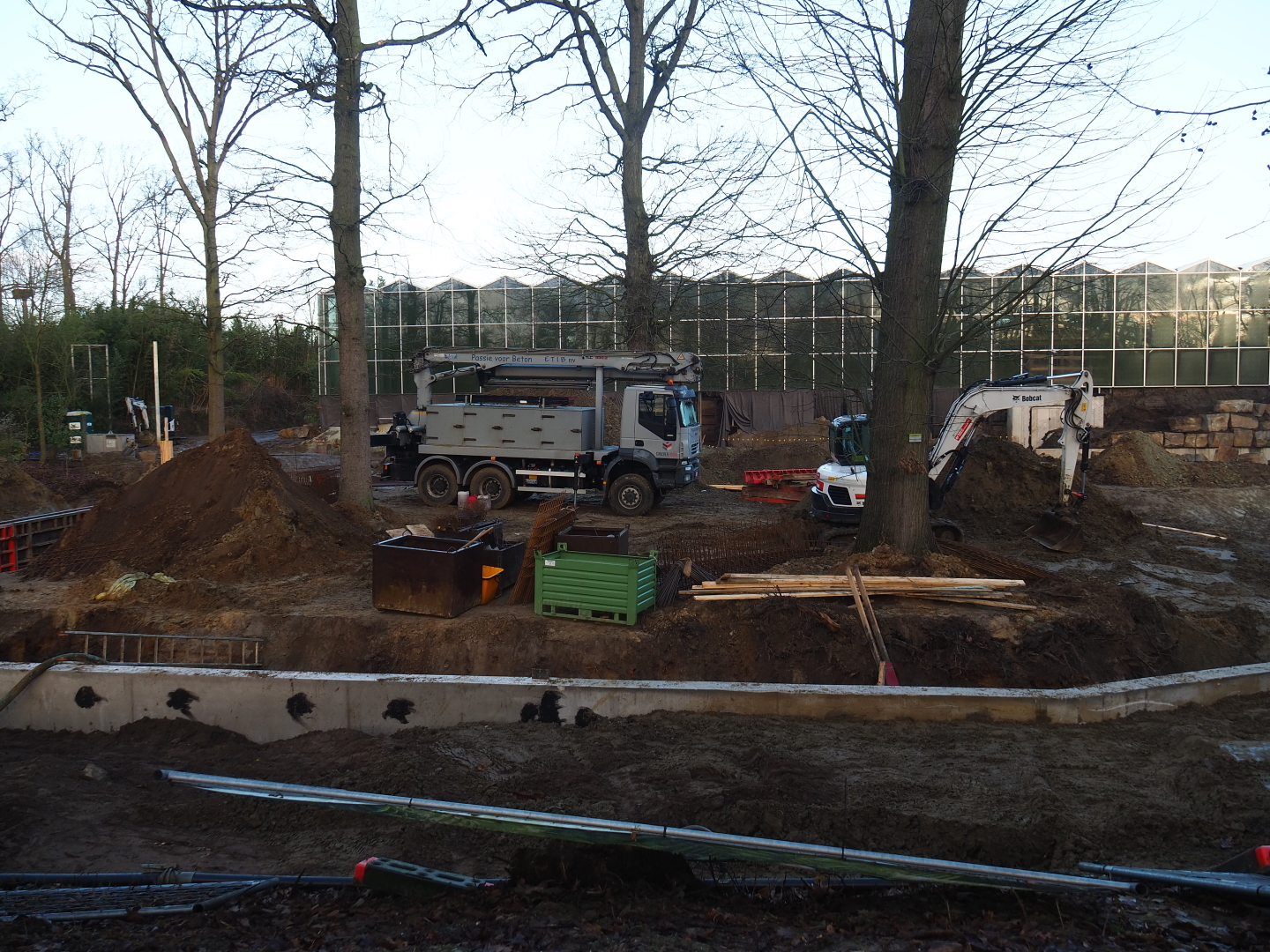
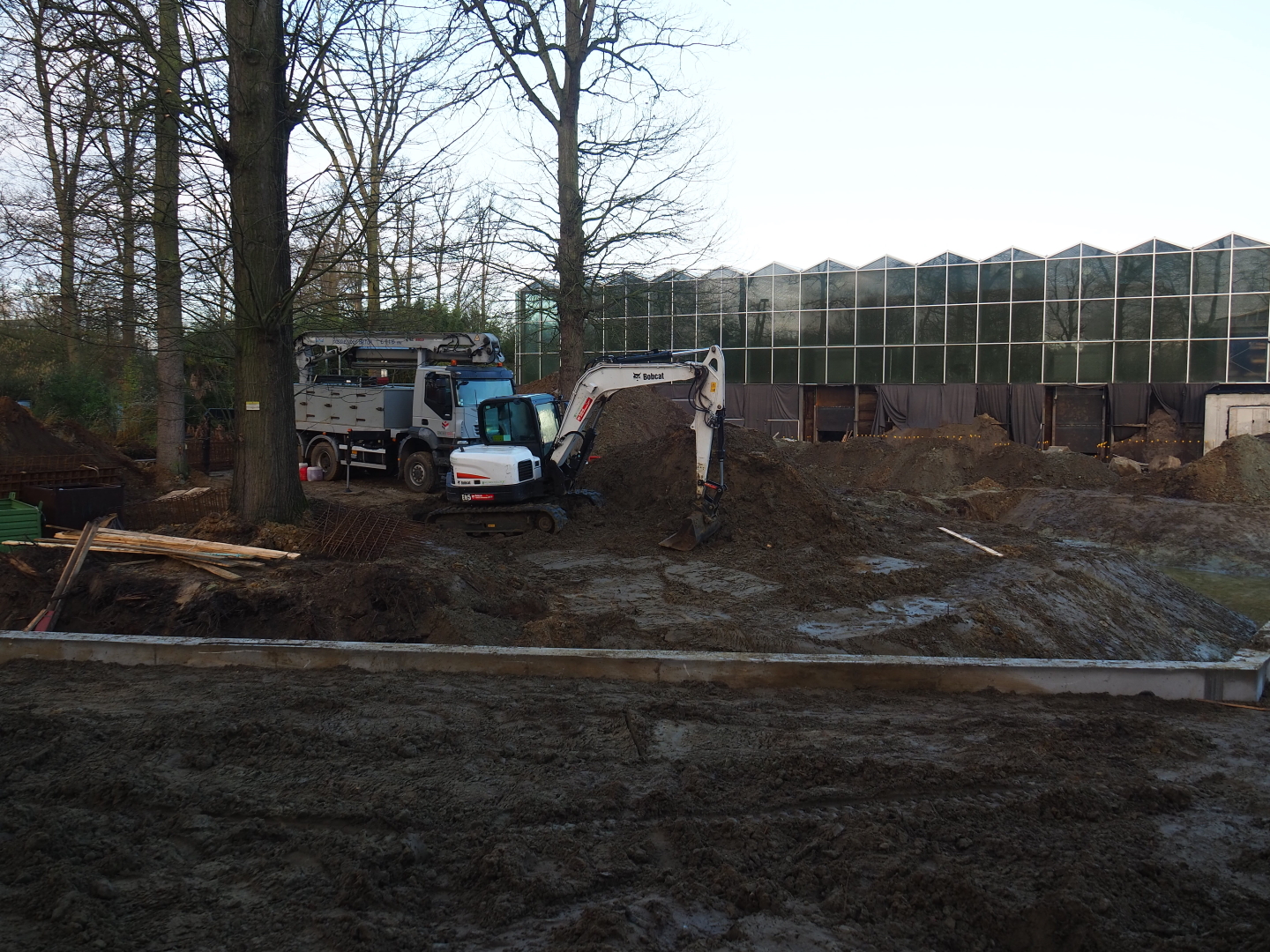
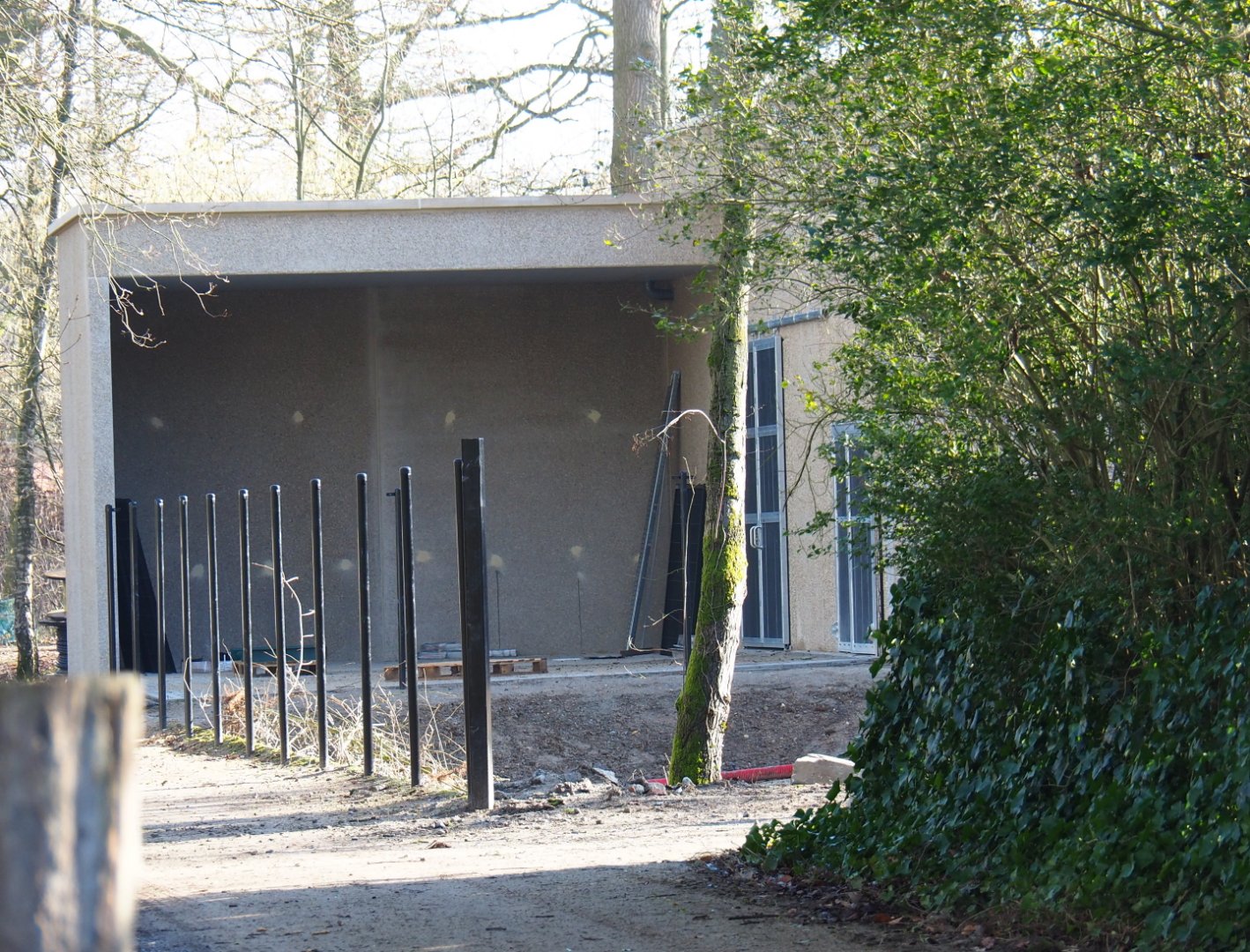
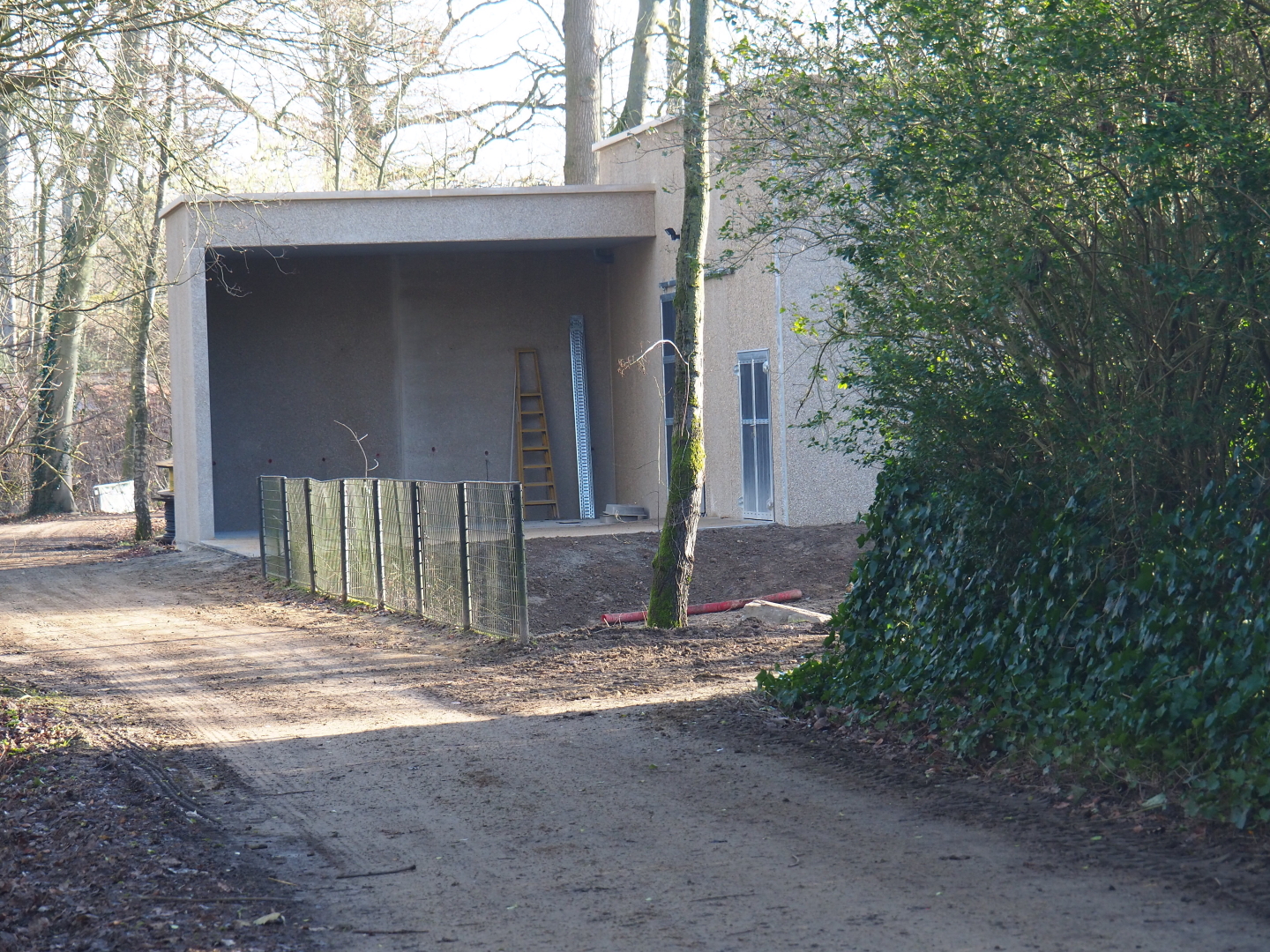
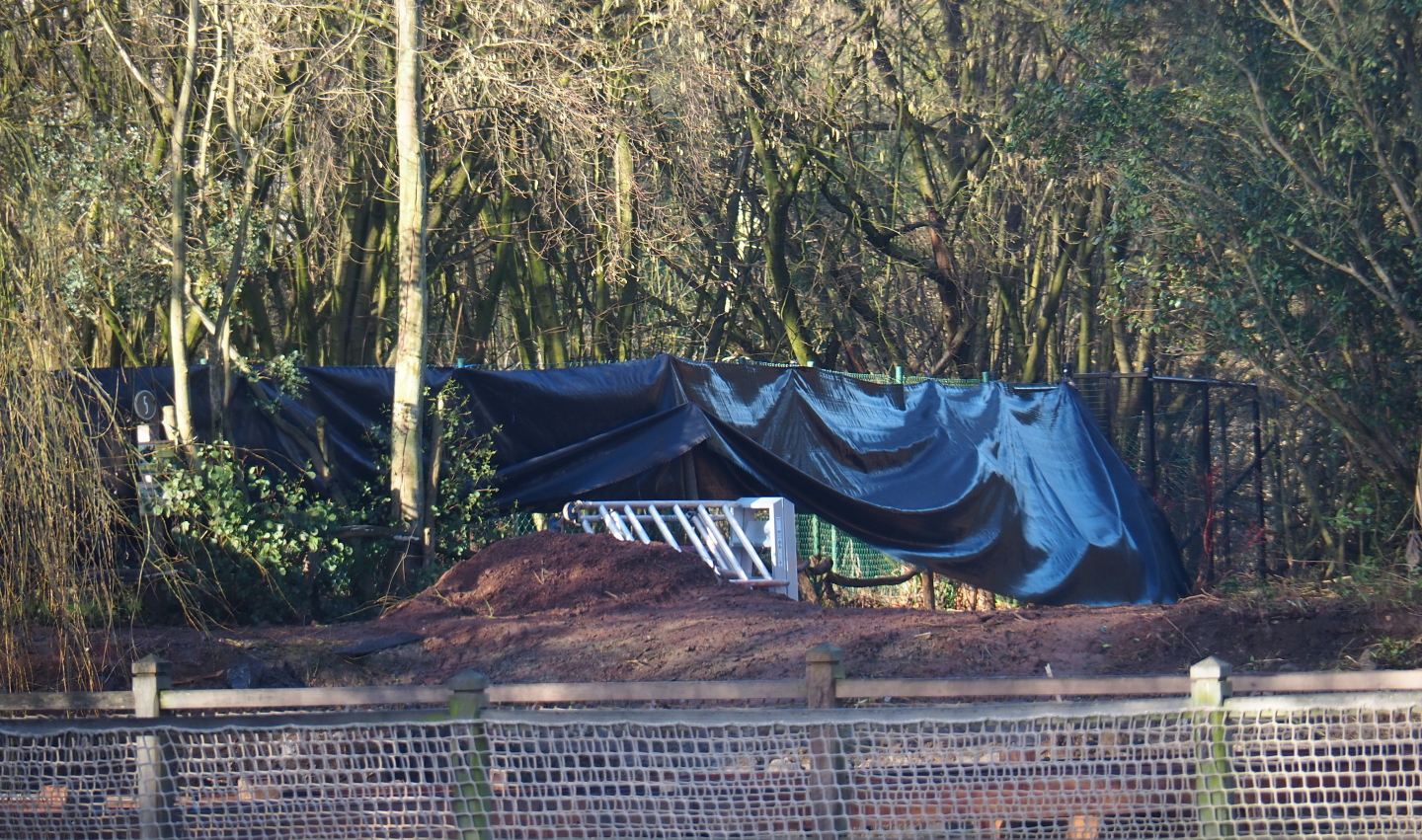
- There seems to have been little change compared to a few weeks ago. I saw some black flaps applied to the animal door ways, and a new black metal fence is being constructed in this area: Construction of new antelope house, seen near the cheetahs, 2022-01-30 - ZooChat
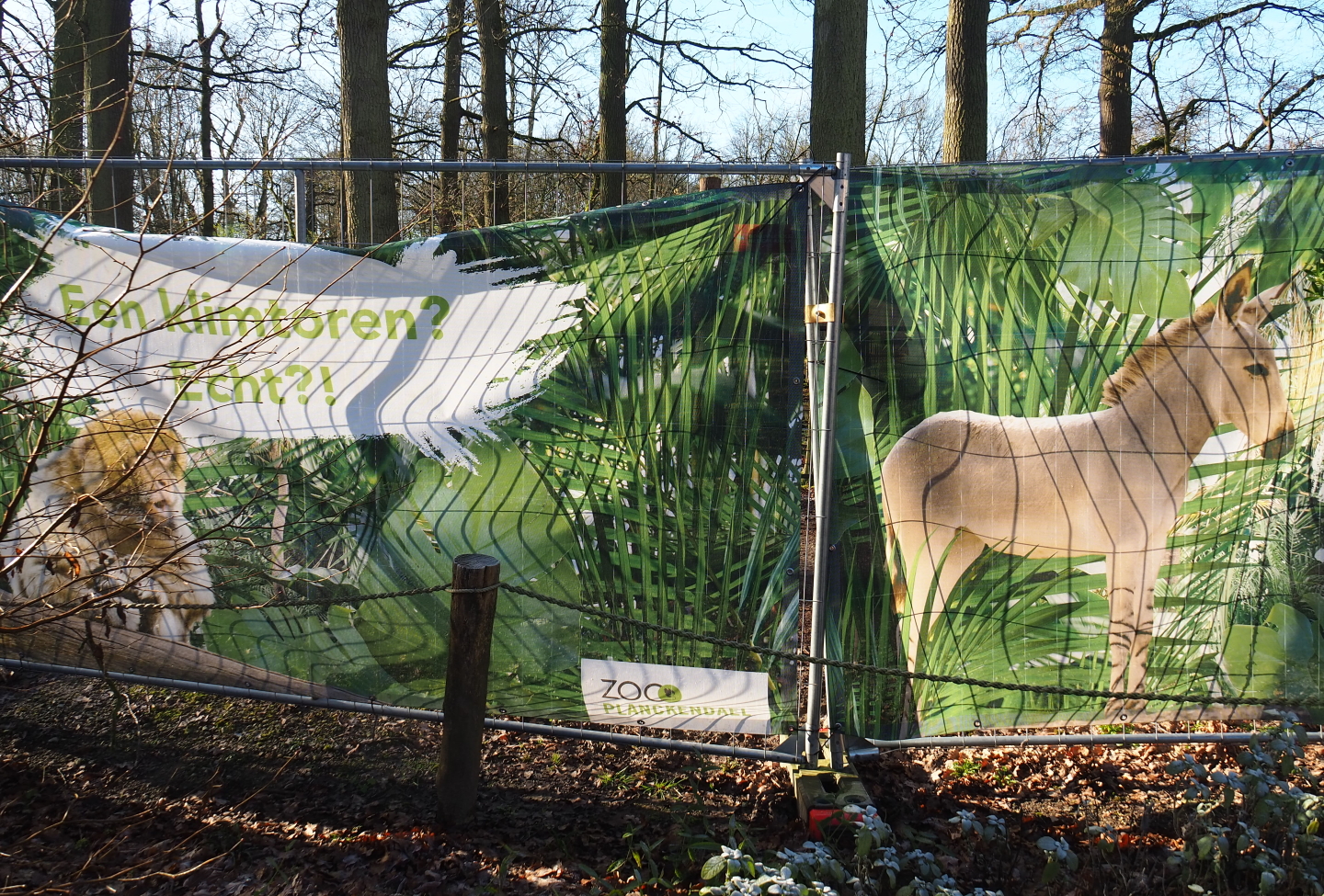
- On a banner on one of the construction fences, after a post from someone at the Laafsekikkers, I noticed a drawing of a wild donkey displayed. Perhaps this hints at a future inhabitant? That would certainly be a nice and interesting choice. Another fence banner mentioned a climbing tower, not sure what that exactly refers to.
I take a hard. guess: Somali wild ass, perhaps?
Or is the hoofstock building laid out for more ungulate species ...?
I visited Planckendael today and as usual, here are some updates.
General updates and notes
Construction updates and notes
- In the Asian aviary closest to the greenhouse the sign for the golden pheasant had been removed and a sign for Luzon bleeding-heart pigeon (Gallicolumba luzonica) had been added. I did not see any however.
- In the European aviary I saw the European turtle doves for the first time, there were four. Quite a nice native species, and one that isn't doing too well unfortunately.
- The chickens and turkeys seem to have been removed from the former macaw aviary. Instead there was another animal in the aviary, which I believe to be a giant wood rail (Aramides ypecaha). Because of a mistake with my camera unfortunately I couldn't not get a picture before the animal retreated inside, and despite returning to the aviary later on I did not get to see it again, so I can't confirm beyond all doubt the species. However the giant wood rail is the only Aramides species present in European zoos according to ZTL and the animal was quite large, about the size of a smll chicken but more slender. Perhaps this addition is the first step towards the improvement of the old aviaries in the American area?
- I saw the bush dogs for the first time in months.
- A few aviaries (European, African waterfront) had new plastic flaps installed at the entrances.
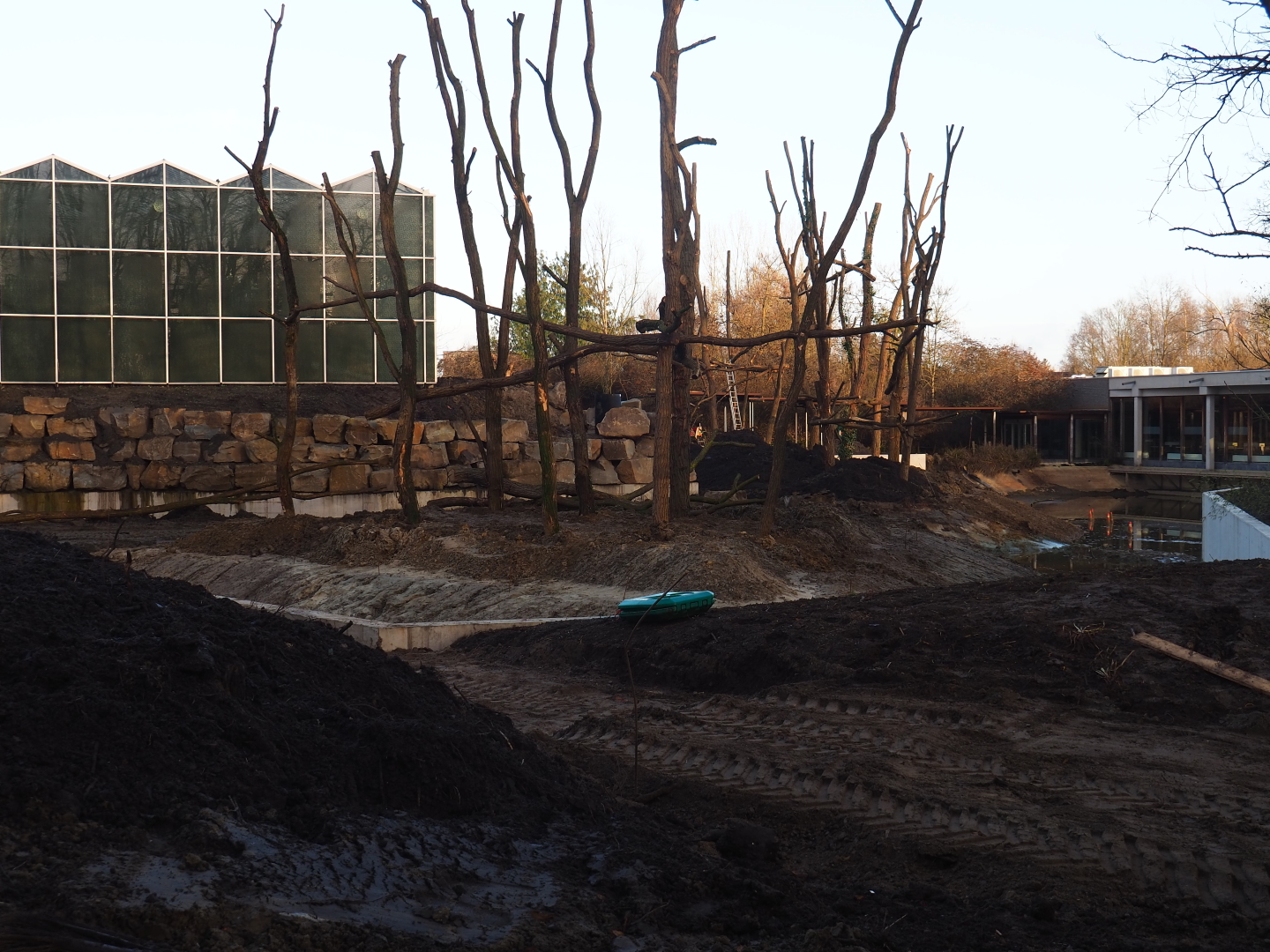
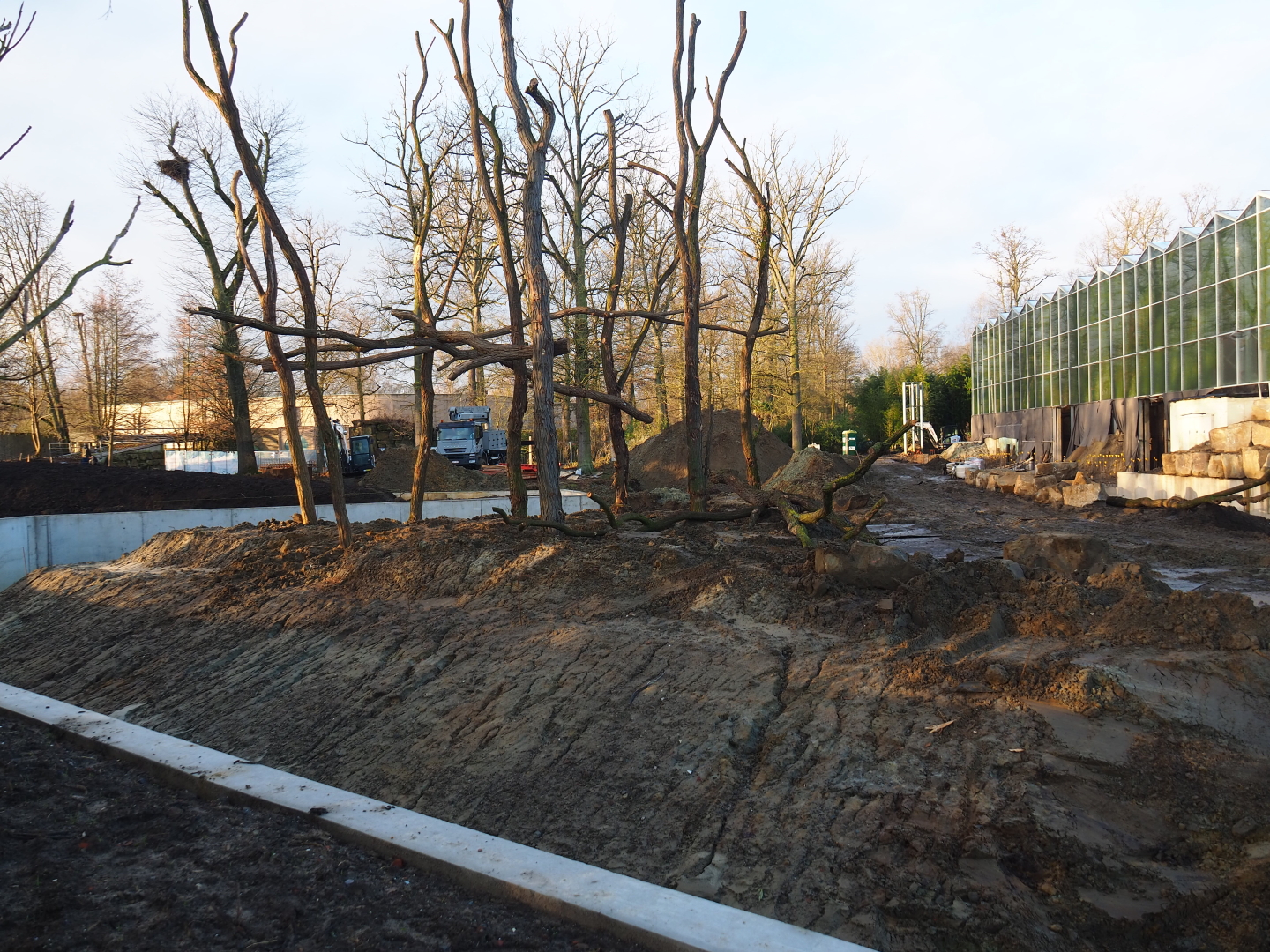
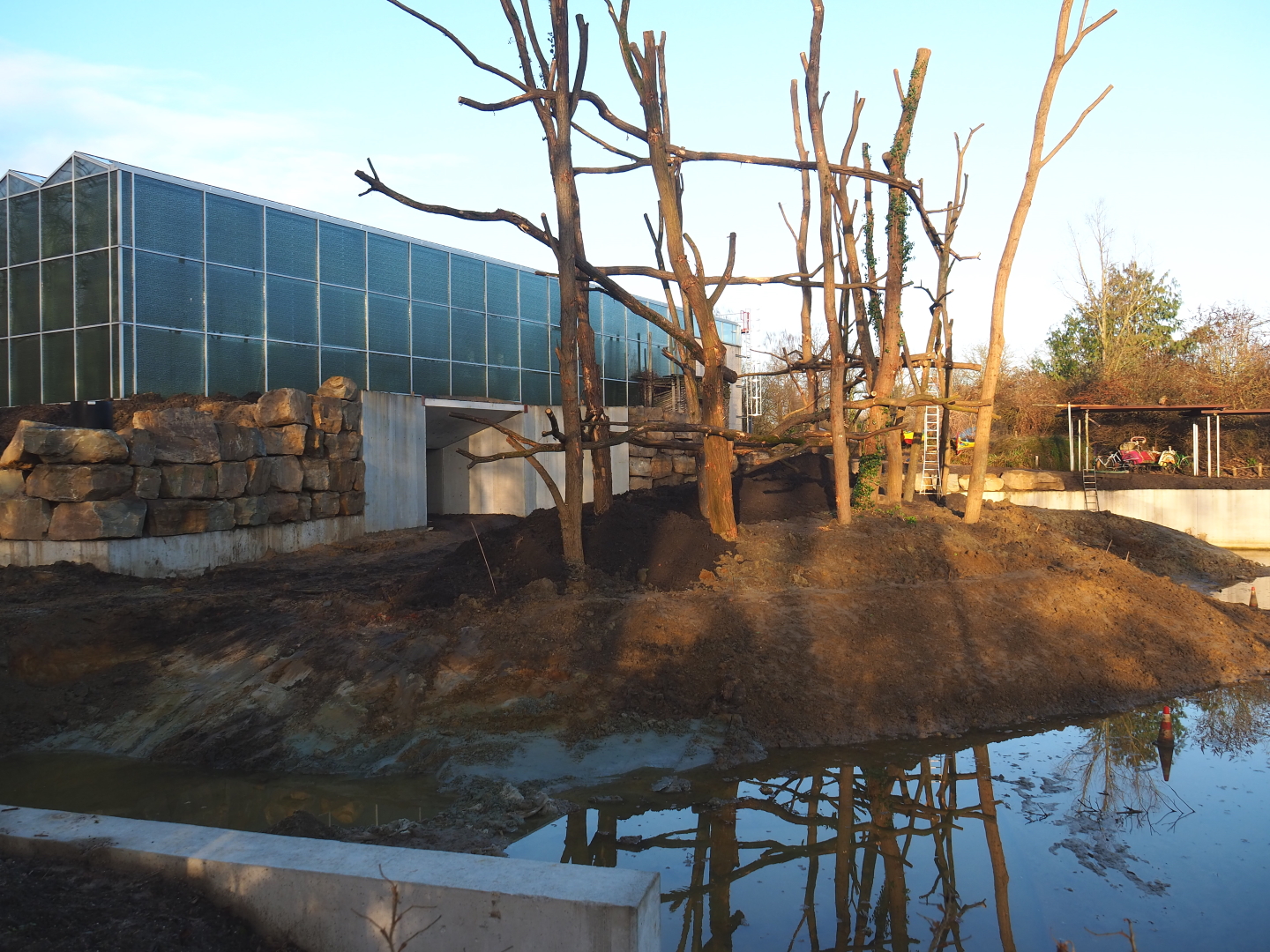
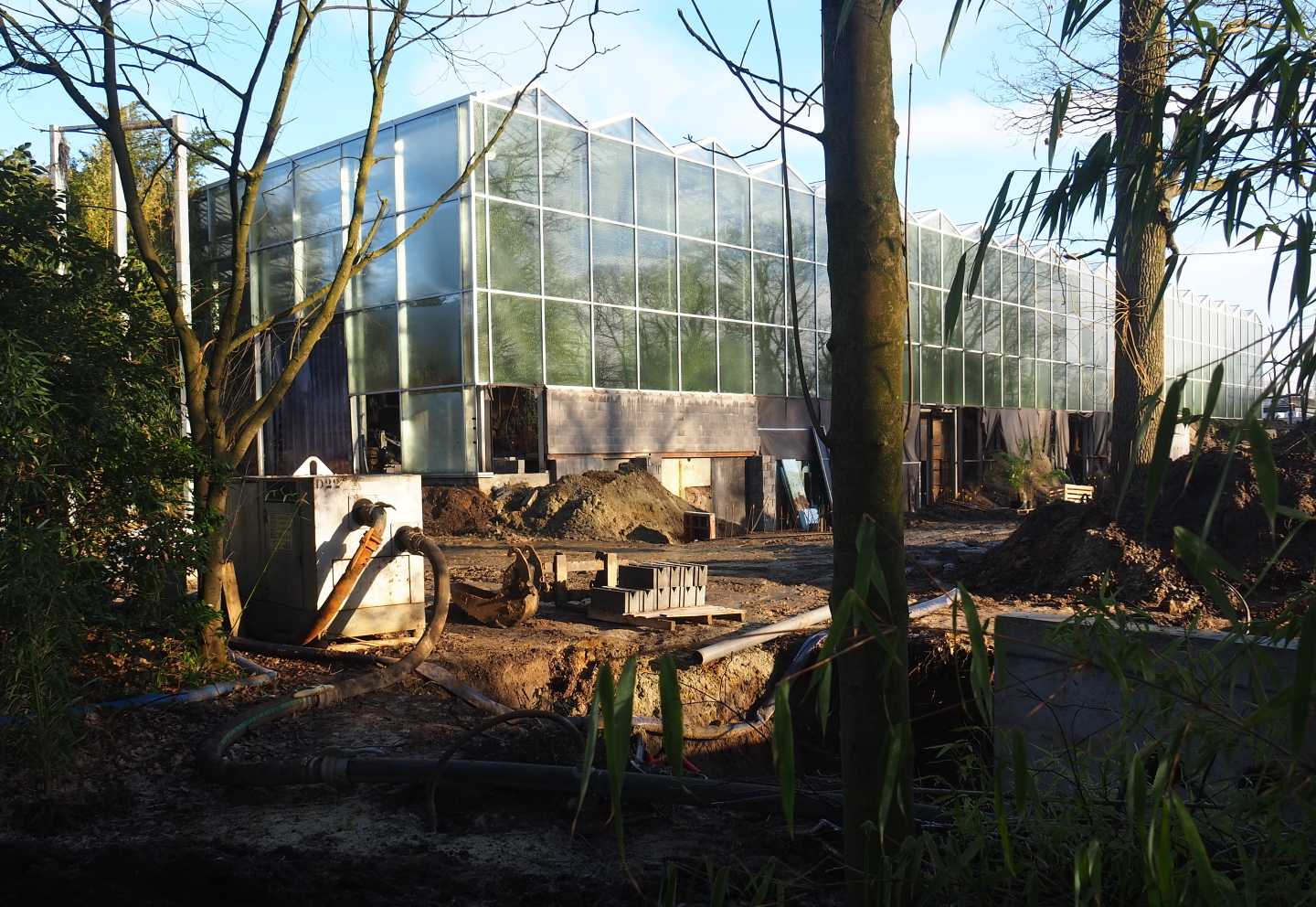
Orangutan project
New antelope house
- Even on a Saturday at least three men were working on the construction of the project.
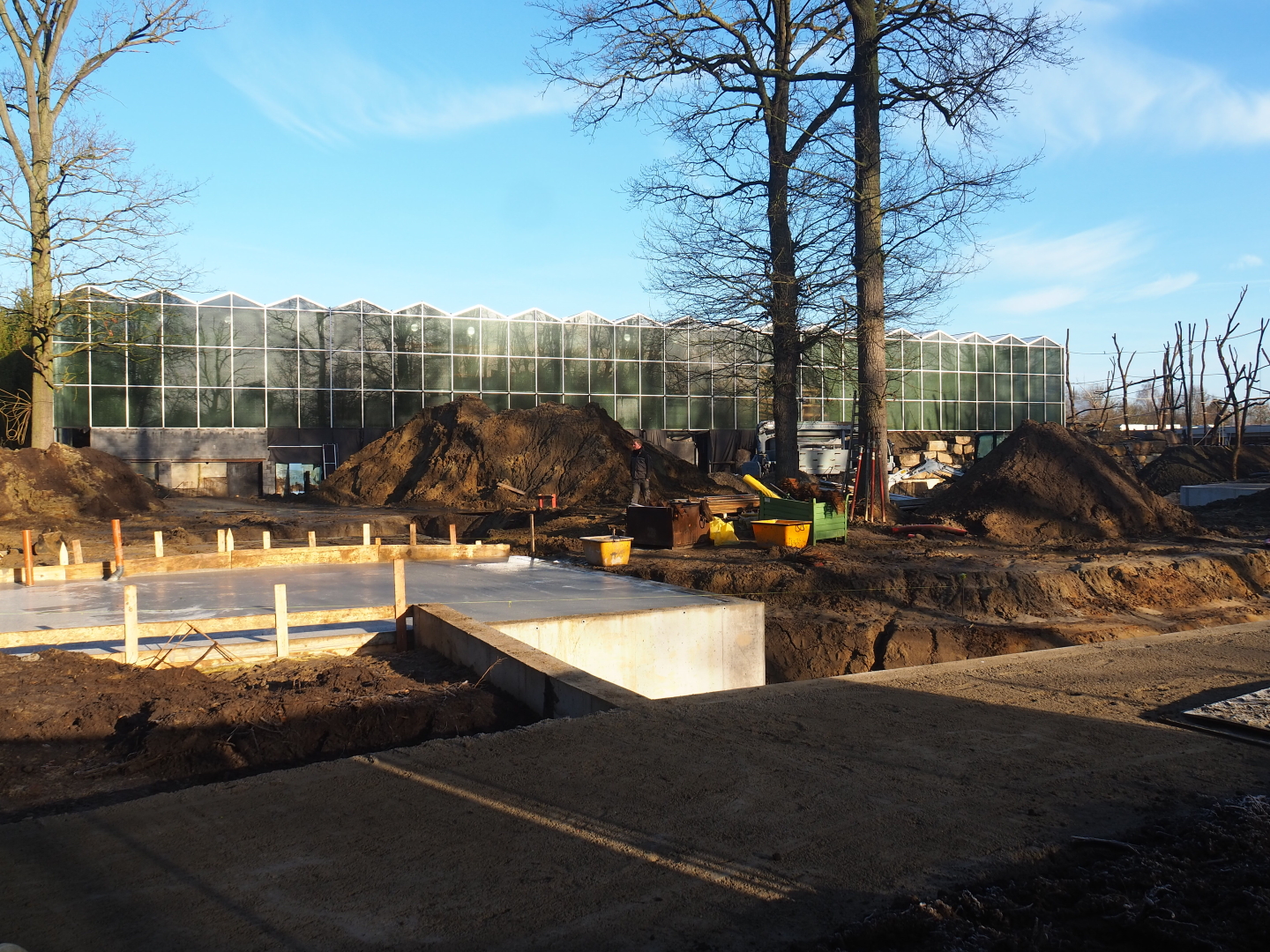
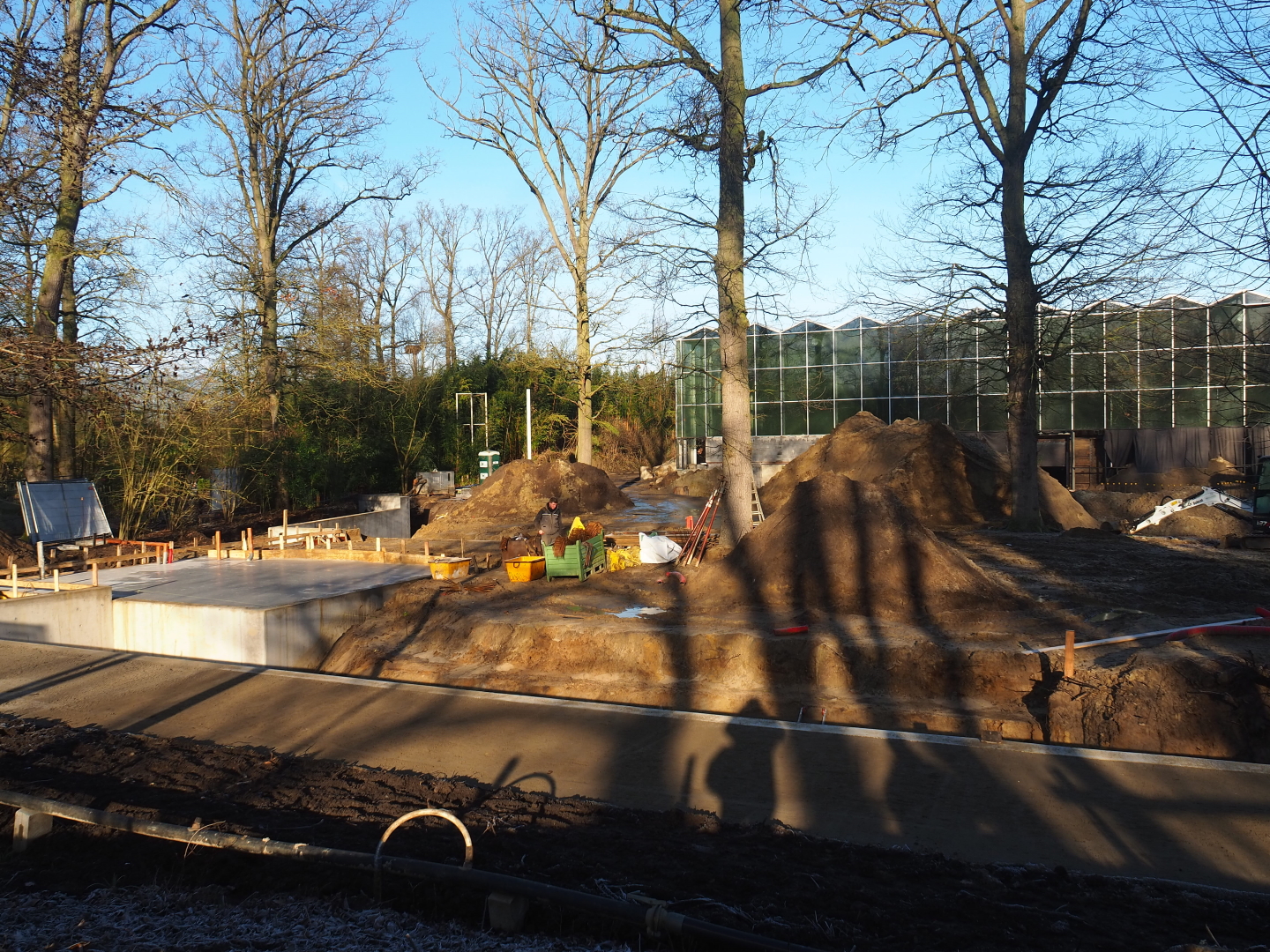
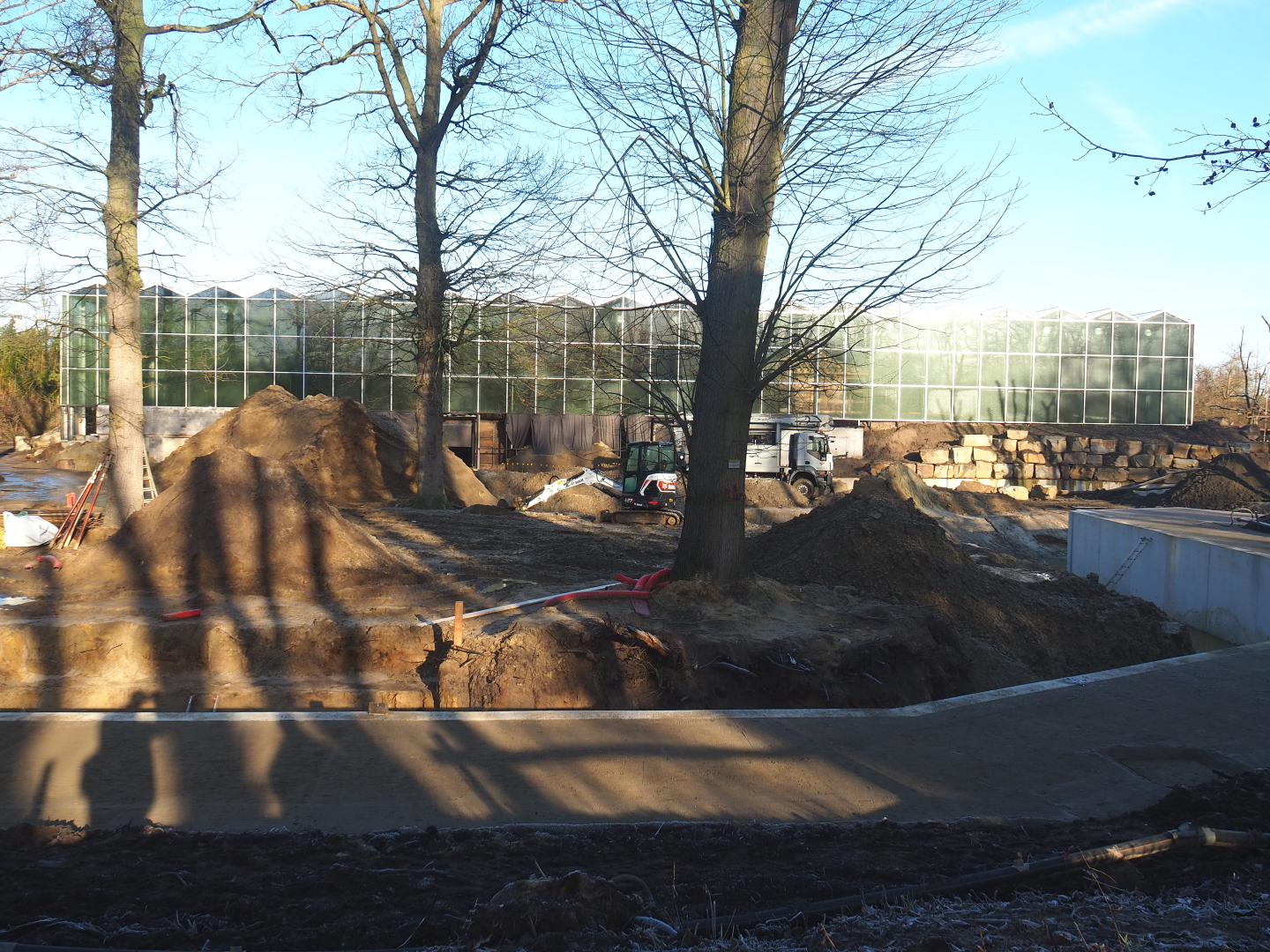
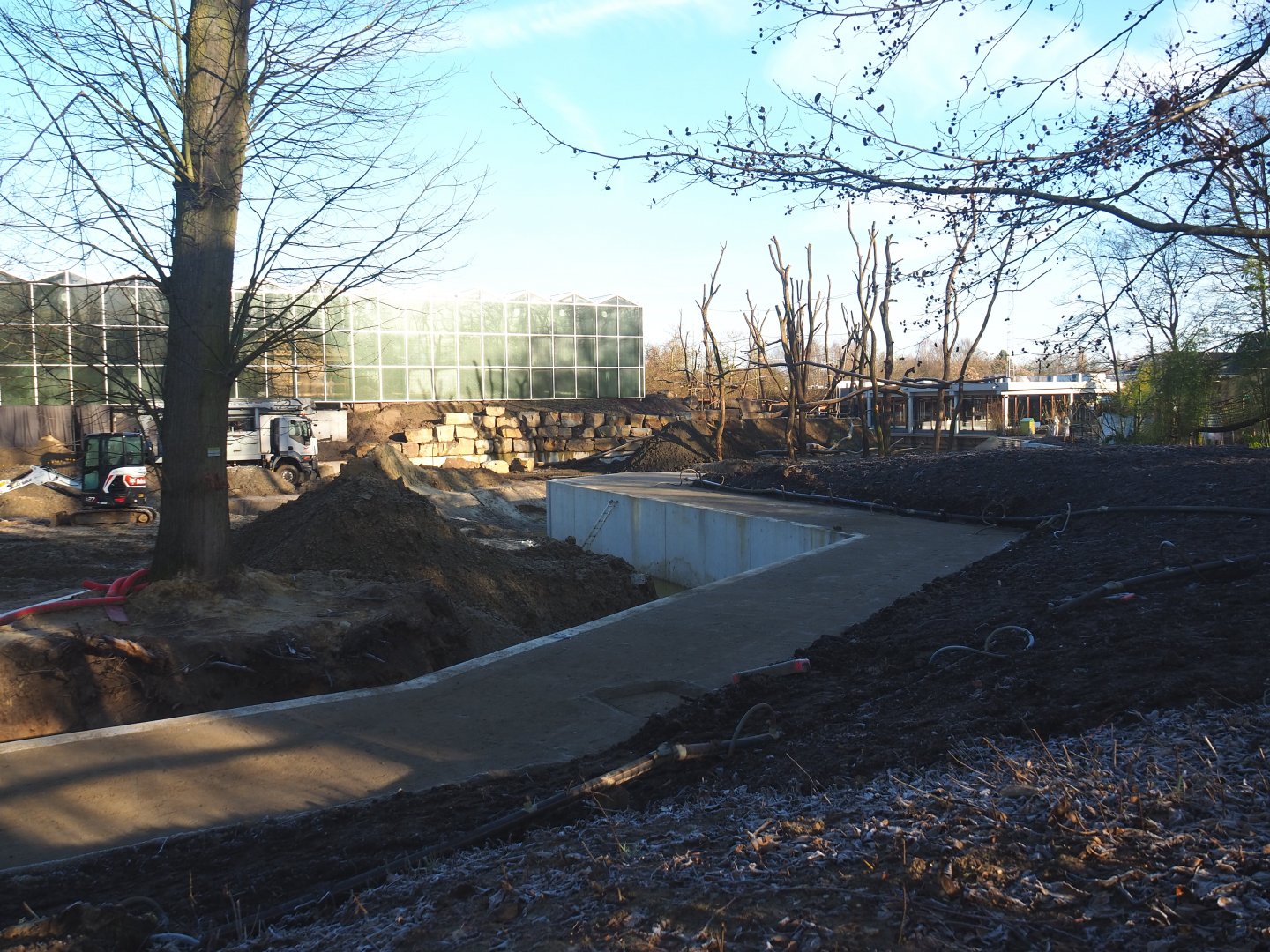
- Near the entrance of the tree-top walk a concrete slab has been poured, possibly for a future viewing area.
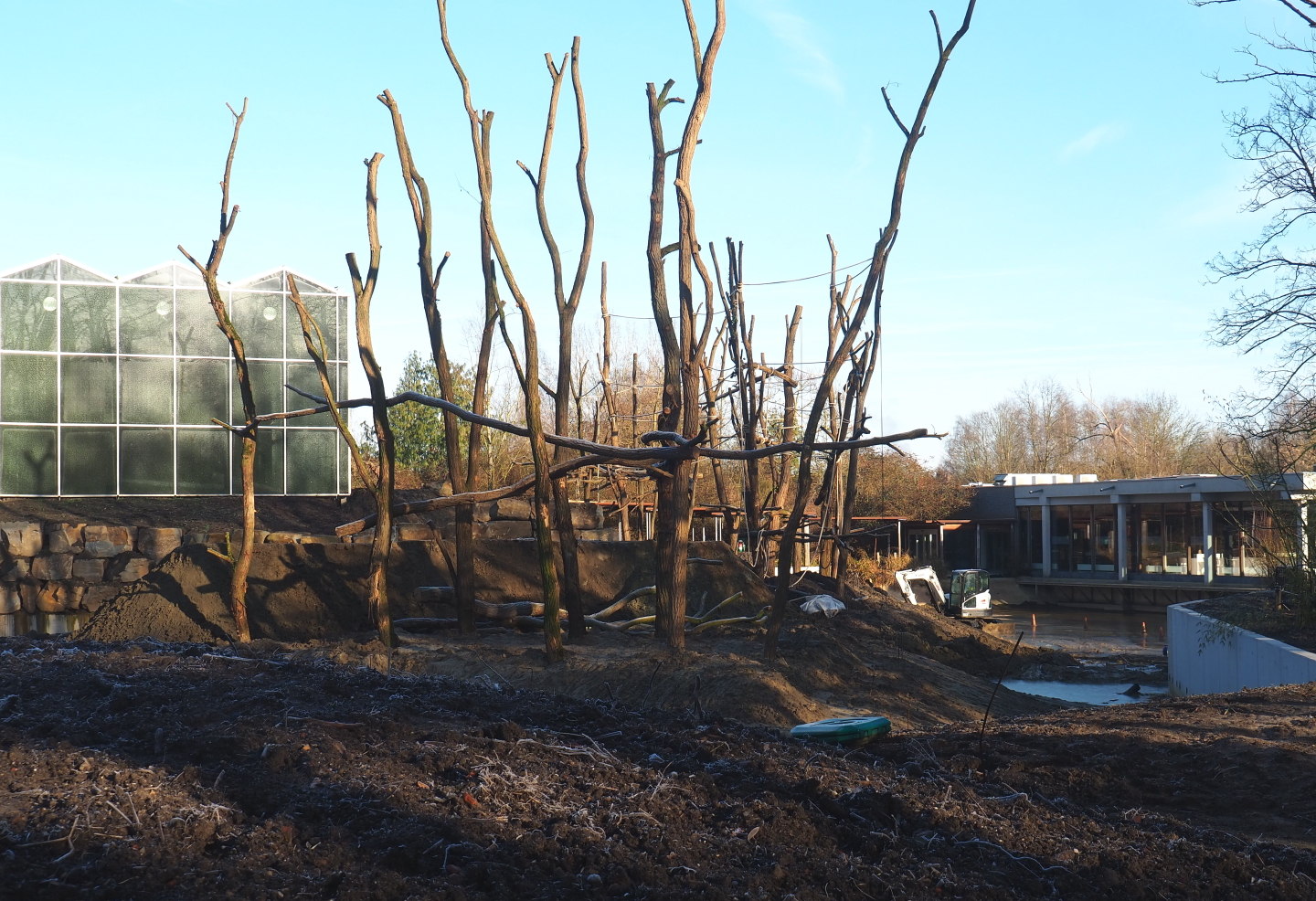
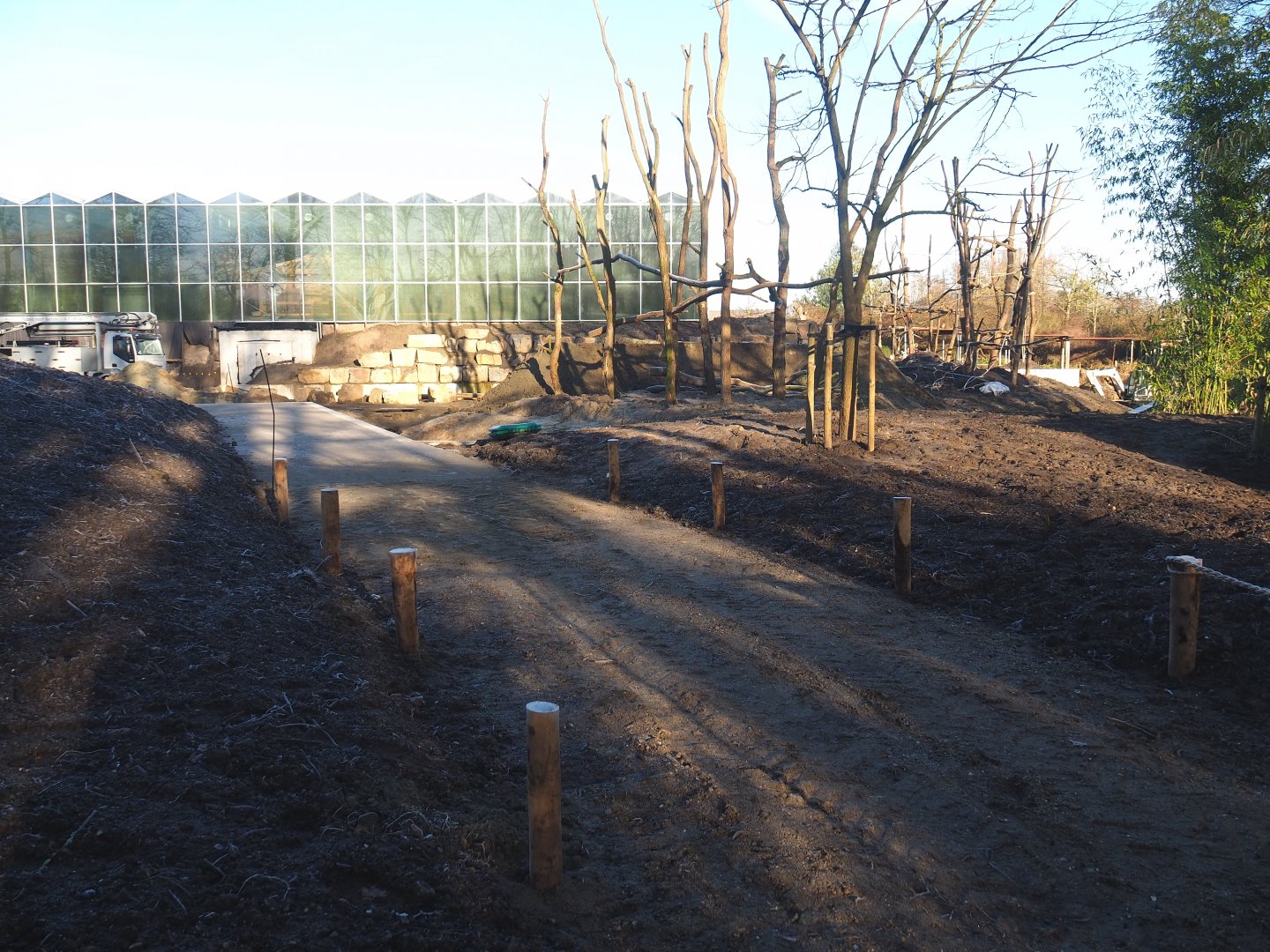
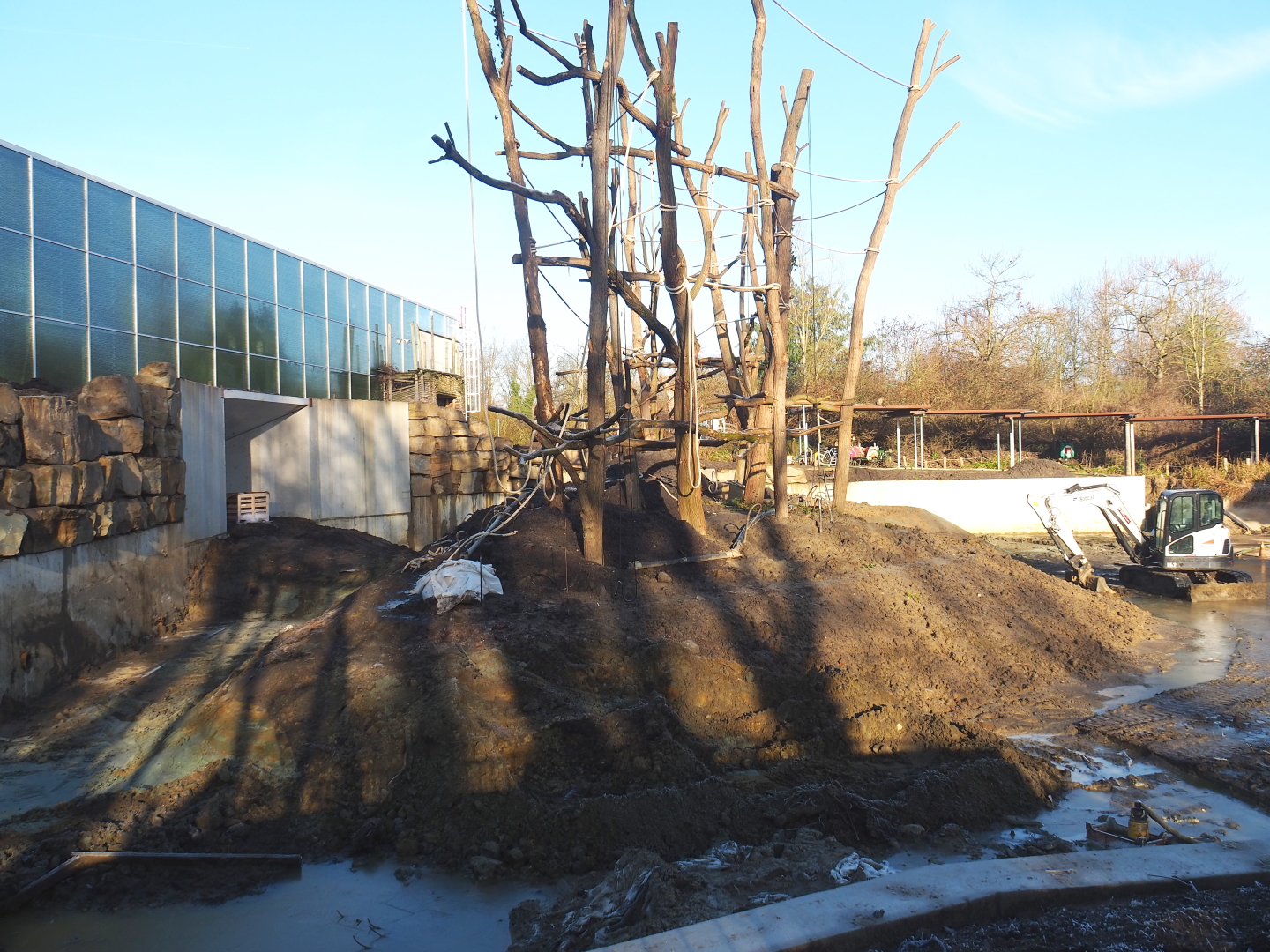
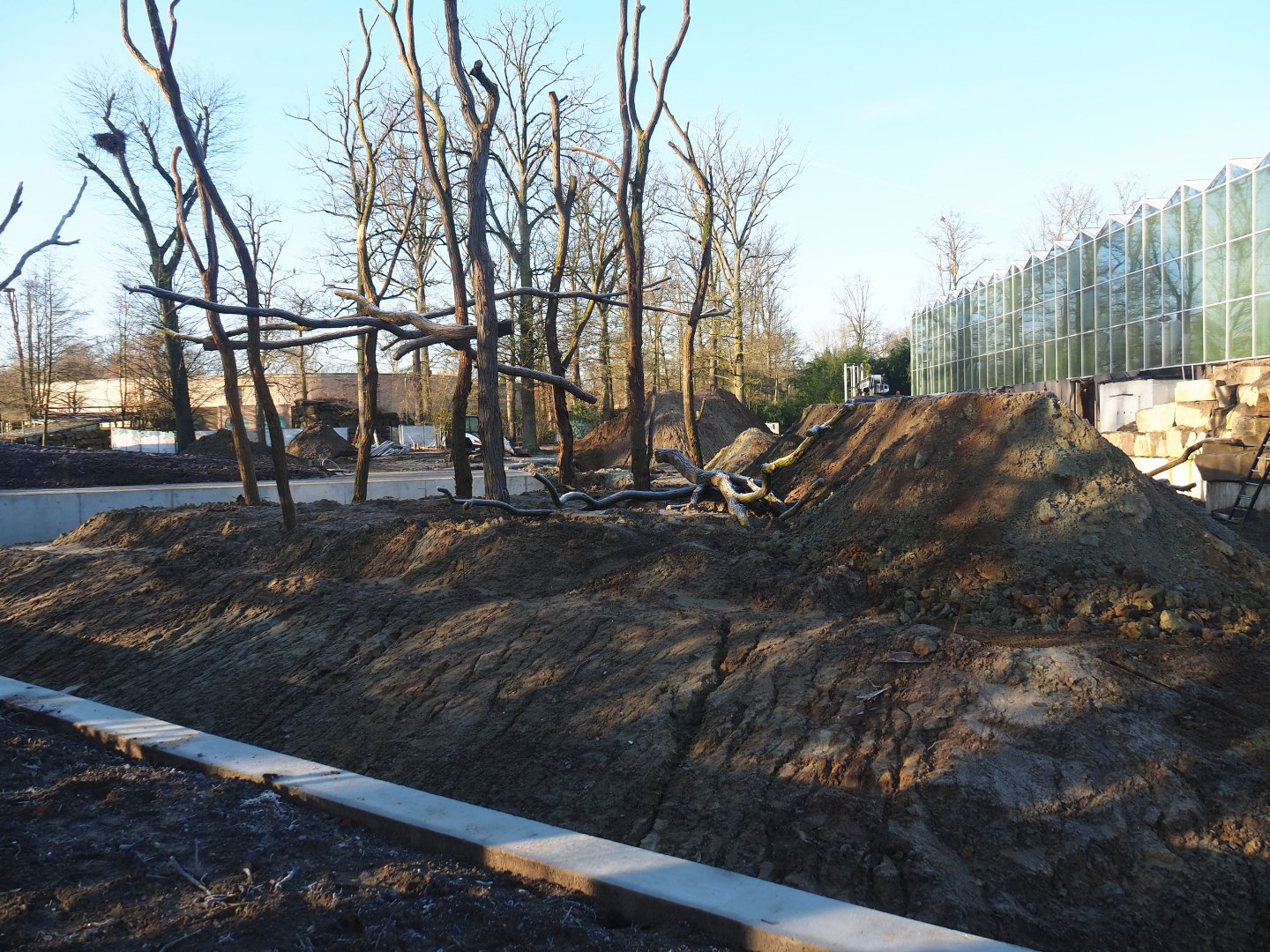
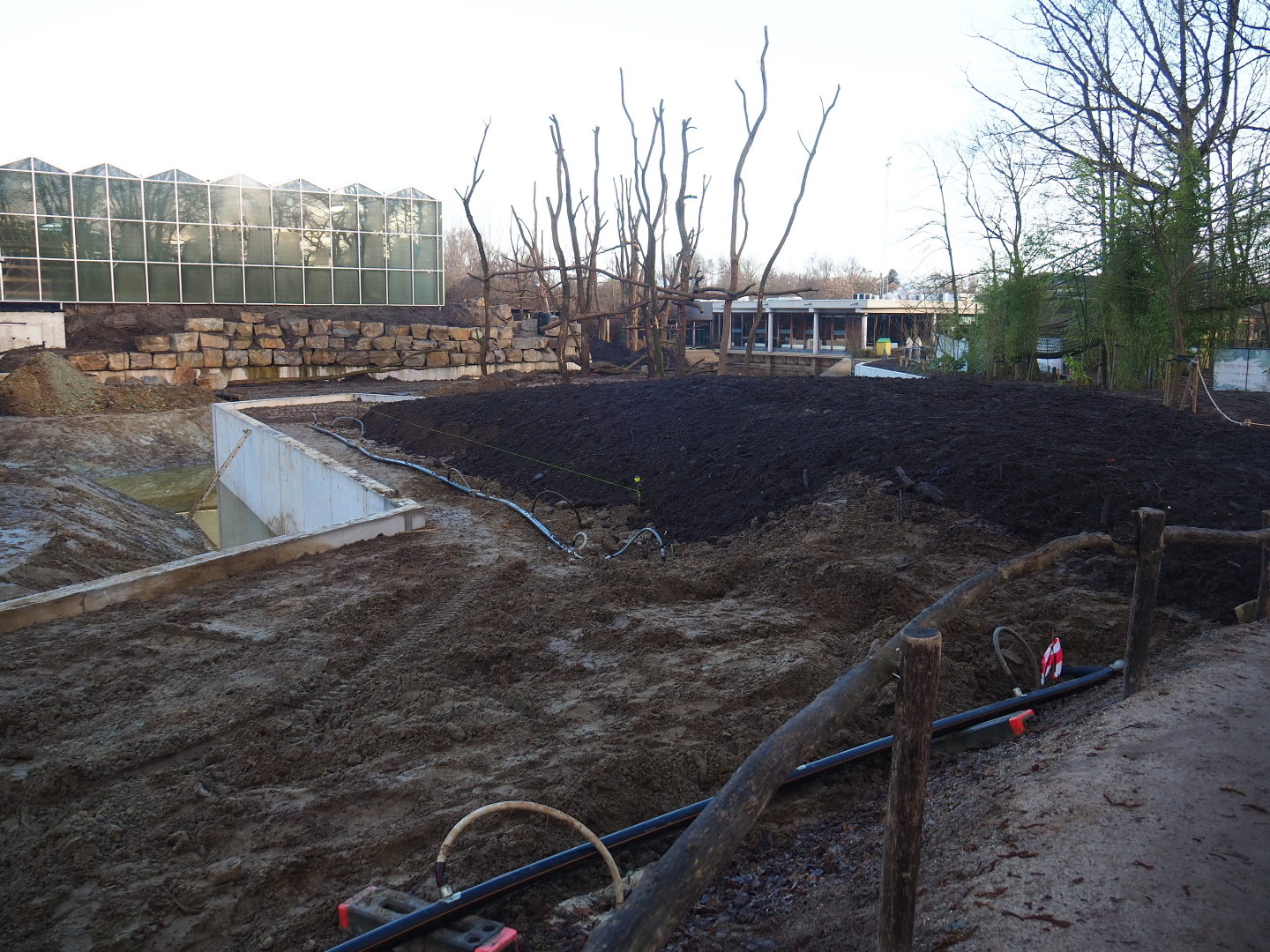
- Next to the zone shown in this photo Orangutan project construction site update, 2022-01-30 - ZooChat what looks like a new, fairly narrow road is being built, possibly another viewing area or a new access road.
- The climbing structures are being constructed further. It looks like they will be quite substantial.
- Construction on the outside of the hall also continues, very little can be seen of what is going on indoors.
Oceania area
- There seems to have been little change compared to a few weeks ago. I saw some black flaps applied to the animal door ways, and a new black metal fence is being constructed in this area: Construction of new antelope house, seen near the cheetahs, 2022-01-30 - ZooChat
- On a banner on one of the construction fences, after a post from someone at the Laafsekikkers, I noticed a drawing of a wild donkey displayed. Perhaps this hints at a future inhabitant? That would certainly be a nice and interesting choice. Another fence banner mentioned a climbing tower, not sure what that exactly refers to.
I will try to publish some photos of some of these updates, but I cannot guarantee when that will happen.
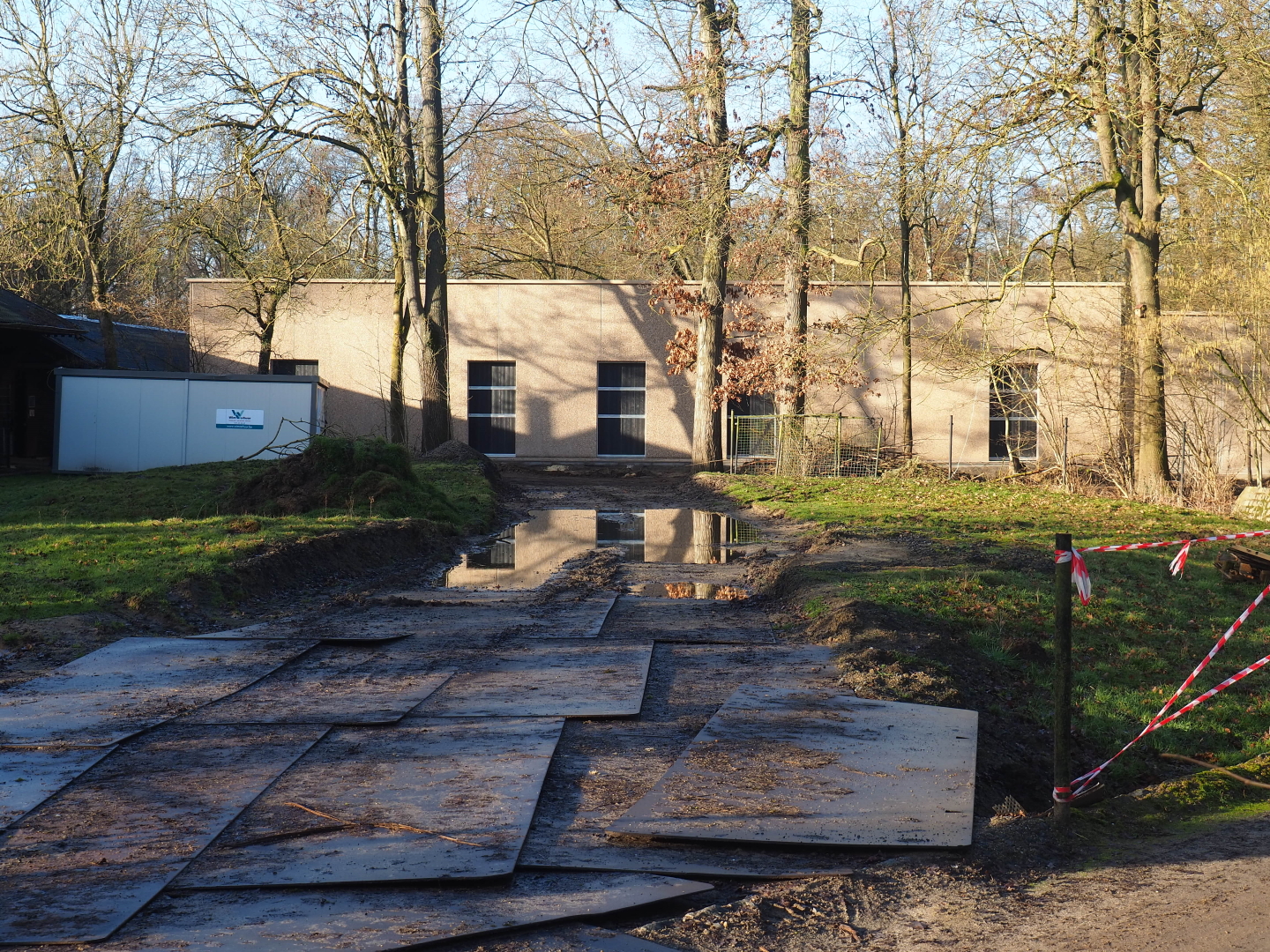
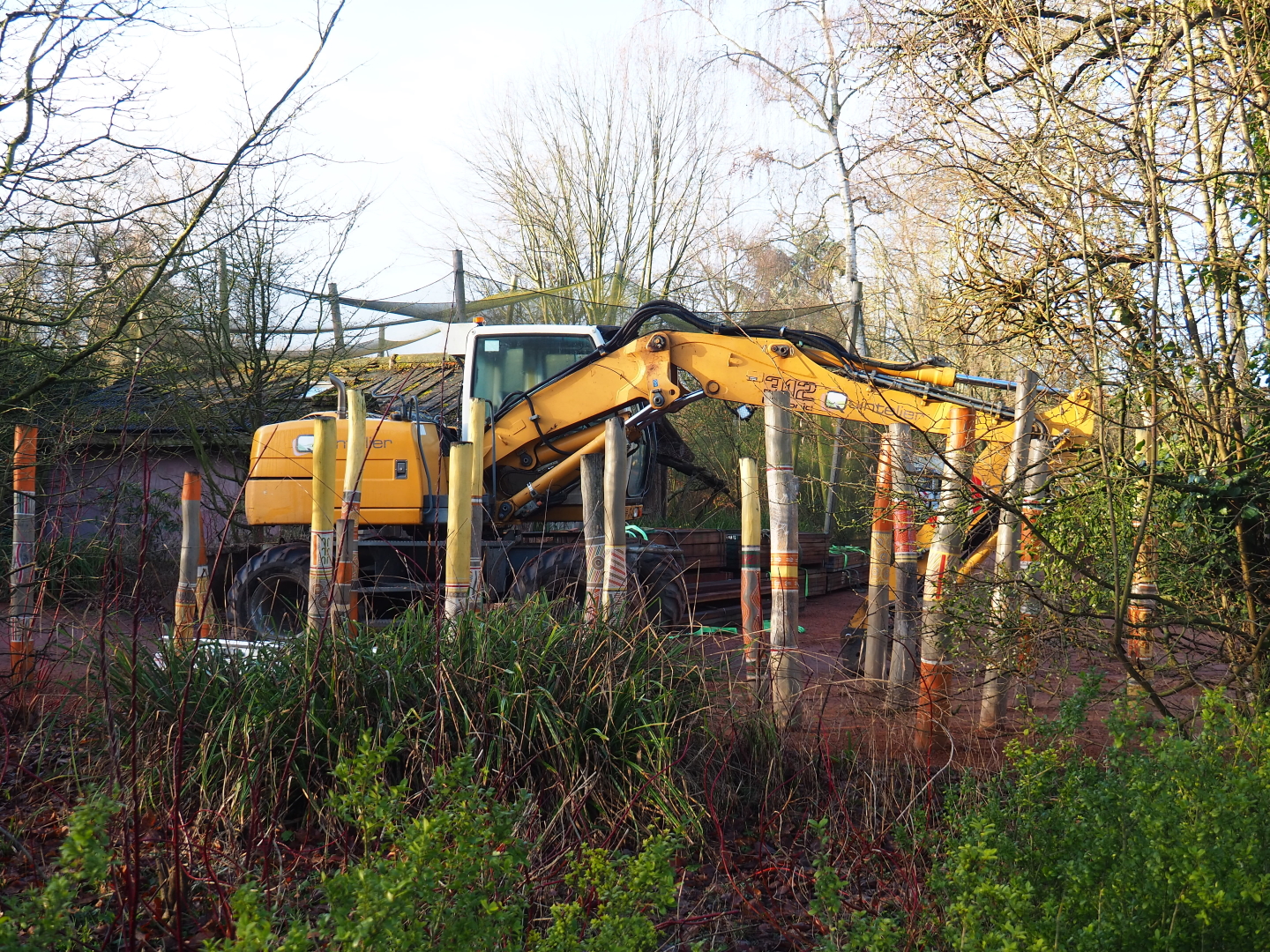
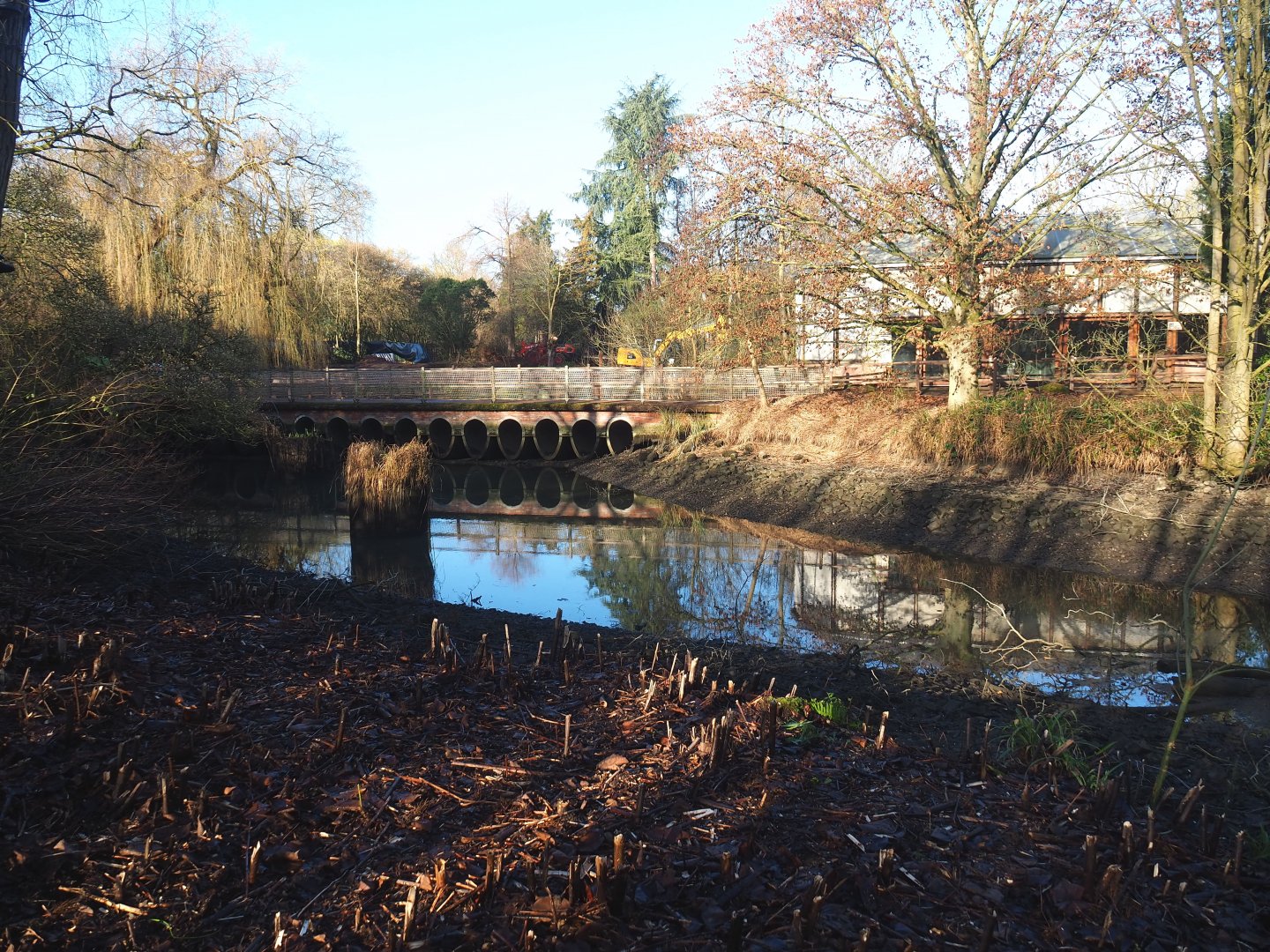
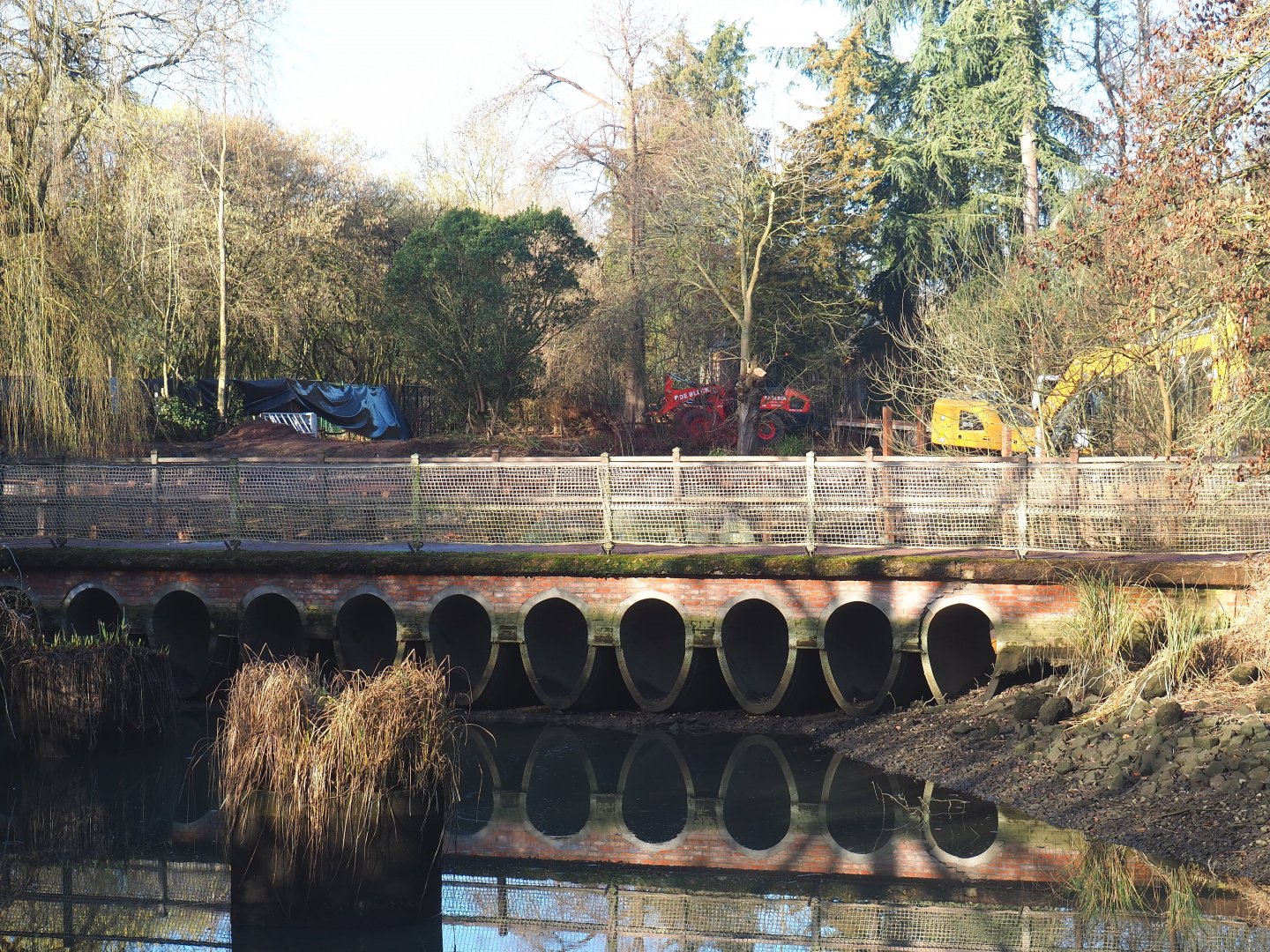
- I didn't see much change here either from a distance, but it is clear that construction is still going on around the cassowary exhibit. Several construction vehicles were present in the area.