Popular Zoo Mammals and Their Best Exhibits

Red wolves can only be found in the wild in the double digits, all of them in North Carolina.
This is technically not true, there is a very small additional population in Florida - although it is definitely not sustainable and it would not surprise me if they do not last much longer.
 
This is technically not true, there is a very small additional population in Florida - although it is definitely not sustainable and it would not surprise me if they do not last much longer.
Interesting...I was not aware that there was a population in Florida. Thanks for bringing this to my attention.
 
Red wolves are a tricky one, because of the current reintroduction program. Rosamond Gifford's is excellent, for example, but from a visitor perspective it can be really hard to see the animals, by design. Oglebay has two large exhibits that are wonderful. I liked the one at Roger Williams as well, lots of hiding. They're mostly kept in pairs for breeding purposes.
Rosamond Gifford I've had good luck seeing the wolves (seeing them on almost all my visits), and that's despite being distracted by the white-lipped deer and elephant twins nearby. Roger Williams, on the other hand, I go to all the time, and have a pretty good idea of their normal hiding spots, but still see the red wolves less than half the time, even now that there are five in the exhibit.
 
Rosamond Gifford I've had good luck seeing the wolves (seeing them on almost all my visits), and that's despite being distracted by the white-lipped deer and elephant twins nearby. Roger Williams, on the other hand, I go to all the time, and have a pretty good idea of their normal hiding spots, but still see the red wolves less than half the time, even now that there are five in the exhibit.

I must have gotten lucky on my visit a year ago then, the pup was out and playing :) The parents stayed back a bit.
 
There’s a third excellent red wolf exhibit in North Carolina, actually: The Museum of Life and Science has a fairly large section of forested hillside fenced off as a red wolf exhibit. They had cubs when I went. They were still in the den so the museum had a den camera set up. The museum doesn’t have a lot of species, but they really knock it out of the park with their outdoor enclosures.
 
There’s a third excellent red wolf exhibit in North Carolina, actually: The Museum of Life and Science has a fairly large section of forested hillside fenced off as a red wolf exhibit. They had cubs when I went. They were still in the den so the museum had a den camera set up. The museum doesn’t have a lot of species, but they really knock it out of the park with their outdoor enclosures.

From a visitor perspective, I love that they have benches, along with very informative signage. I sat and watched them for half an hour, until they went in a den for a nap.
 
Surprised ZooTampa didn't get a mention for Red Wolves, Out of thr two Red Wolf habitats I've personally seen Fort Worth's ommision is understandable as they only have a pair, but Tampa has two exhibits each with multiple wolves
 
  • While the species may be native to North Carolina, the country's largest collection of red wolves is on the complete other side of the country, at Tacoma's Point Defiance Zoo. Home to 45 red wolves, the Red Wolf Woods includes multiple different exhibits for the red wolves, each of which is very spacious. These exhibits are also very naturalistic, and the large number of wolves means it's much more likely to see wolves, while still providing hiding opportunities for the wolves to utilize:
full
Photo by: @geomorph
full
Photo by: @geomorph
full
Photo by: @geomorph
full
Photo by: @geomorph
full
Photo by: @geomorph

Small correction; the zoo's 45 Red Wolves are kept at an off-site facility. Only about 5 are usually present on exhibit, though this number often fluctuates as the zoo routinely announces births of pups!
 
Today's post is the 25th animal covering, meaning we are one-third of the way through this thread (not counting the five posts of honorable mentions I have planned)! We are going to crash right into today's post, which is the first post of the thread dedicated to a rhinoceros- specifically White Rhinos! The most commonly displayed rhino species in US Zoos, white rhinos are common both within and outside of the AZA. Their common status is most likely a result of the fact they can be mixed much easier than black rhinos, and are an African species meaning they fit right into the classic African savanna displays.

The criteria in today's post are:
  • Space: Rhinos are big animals that will roam across large areas of land in the wild. As such, having exhibits of at least an acre large is ideal for having an impressive rhino display.
  • Social Structure: Rhinos are herd animals, and while many zoos only keep them in groups of 1-3, ideally they will be kept in much larger herds, which all the zoos in today's post successfully achieve.
  • Plants: This can be difficult to achieve with large and destructive animals, but since rhinos are grazers in the wild, an ideal exhibit for them does include having a plant cover to graze.
  • Presence of Mud Wallows: Rhinos use mud in the wild as a form of natural sunscreen, and an ideal exhibit for them will allow the rhinos to replicate this behavior.
The zoos I have selected for white rhinos are:
  • An impressive crash of nineteen white rhinos resides at a zoo well-known for its spacious ungulate exhibits, The Wilds! The white rhinos at The Wilds reside in a very spacious pasture that is shared with Bactrian Deer, Scimitar-horned Oryx, and Common Eland. This pasture also has nice tall grass areas to allow the rhinos and other ungulates to graze:
full
Photo by: @Moebelle
full
Photo by: @Moebelle
  • Seven white rhinos share the impressive, 25-acre Watani Grasslands with seven other species at the North Carolina Zoo. This is a well-planted exhibit which allows visitors multiple impressive views into the large habitat:
full
Photo by: @Moebelle
full
Photo by: @Moebelle
full
Photo by: @Moebelle
full
Photo by: @Breckenridge
  • While the days of this facility keeping northern white rhinos is over, a very large crash of 21 southern white rhinos can be found at San Diego Zoo Safari Park's East Africa Field Habitat. This is another spacious, sprawling home for a very large crash of rhinos:
full
Photo by: @IndianRhino
full
Photo by: @Jogy
full
Photo by: @IndianRhino
  • Rhinos are a fairly common replacement for zoos that phase out elephants, although no elephant-turned-rhino exhibit is as impressive as the one at the Nashville Zoo. This exhibit is over two acres in size and is home to five white rhinos, which despite being the smallest crash on the list remains impressive:
full
Photo by: @Coelacanth18
full
Photo by: @Moebelle
full
Photo by: @pachyderm pro
  • Eight white rhinos can be found in Disney's Animal Kingdom's Kilimanjaro Safaris. This is a very large exhibits shared with bontebok, and the behind-the-scenes areas for the rhinos are also visible from the Wildlife Express Train. This exhibit is another well-planted one, and sometimes allows visitors close-up looks at rhinos due to the drive-through nature of the exhibit. The only negative thing about this exhibit is due to being in Kilimanjaro Safaris, there are very limited opportunities to view the exhibit (normally only visible for about thirty seconds):
full
Photo by: @AndyJ08
full
Photo by: @geomorph
 
If anyone is curious, I have compiled a list of zoos who have been mentioned in the thread so far. It is certainly interesting to see some less talked about facilities getting a substantial number of mentions, while Bronx, San Diego, and Columbus all remain at one mention total. Will this trend continue? That remains to be seen.

Zoos With Five Mentions (3):
Nashville Zoo
North Carolina Zoo
Northwest Trek Wildlife Park
Zoos With Four Mentions (3):
Houston Zoo
Minnesota Zoo
The Wilds
Zoos With Three Mentions (7):
Cincinnati Zoo
Oakland Zoo
Omaha's Henry-Doorly Zoo
Saint Louis Zoo
San Diego Zoo Safari Park
The Living Desert
Woodland Park Zoo
Zoos With Two Mentions (16):
Akron Zoo
Alaska Wildlife Conservation Center
Bay Beach Wildlife Sanctuary
Cheyenne Mountain Zoo
Cleveland Metroparks Zoo
Cleveland Museum of Natural History
Detroit Zoo
Disney's Animal Kingdom
Fossil Rim Wildlife Center
Jacksonville Zoo
Memphis Zoo
Oatland Island Wildlife Center
Smithsonian's National Zoo
Western North Carolina Nature Center
Wildlife Prairie Park
Zoo Atlanta
Zoos With One Mention (44):
Blank Park Zoo
Brevard Zoo
Bronx Zoo
Brookfield Zoo
Bruemmer Park Zoo
Buffalo Zoo
Buttonwood Park Zoo
Columbus Zoo
Connecticut's Beardsley Zoo
Denver Zoo
Disney's Animal Kingdom Lodge
Fort Wayne Children's Zoo
Indianapolis Zoo
Lake Superior Zoo
Lee Simmons Conservation Park
Lee Richardson Zoo
Lehigh Valley Zoo
Maine Wildlife Park
Miller Park Zoo
Northeastern Wisconsin Zoo
Oklahoma City Zoo
Oregon Zoo
Point Defiance Zoo
Red River Zoo
Roger Williams Park Zoo
Rolling Hills Zoo
Ross Park Zoo
Safari North Wildlife Park
San Diego Zoo
San Fransisco Zoo
Santa Ana Zoo
Santa Barbara Zoo
Sedgwick County Zoo
Stone Zoo
Squam Lakes Natural Science Center
Sunset Zoo
Tallahassee Museum
Turtle Back Zoo
Virginia Living Museum
Virginia Zoo
Wildwood Wildlife Park
Wildlife World Zoo
ZooMiami
ZooMontana
 
If anyone is curious, I have compiled a list of zoos who have been mentioned in the thread so far. It is certainly interesting to see some less talked about facilities getting a substantial number of mentions, while Bronx, San Diego, and Columbus all remain at one mention total. Will this trend continue? That remains to be seen.

Zoos With Five Mentions (3):
Nashville Zoo
North Carolina Zoo
Northwest Trek Wildlife Park
Zoos With Four Mentions (3):
Houston Zoo
Minnesota Zoo
The Wilds
Zoos With Three Mentions (7):
Cincinnati Zoo
Oakland Zoo
Omaha's Henry-Doorly Zoo
Saint Louis Zoo
San Diego Zoo Safari Park
The Living Desert
Woodland Park Zoo
Zoos With Two Mentions (16):
Akron Zoo
Alaska Wildlife Conservation Center
Bay Beach Wildlife Sanctuary
Cheyenne Mountain Zoo
Cleveland Metroparks Zoo
Cleveland Museum of Natural History
Detroit Zoo
Disney's Animal Kingdom
Fossil Rim Wildlife Center
Jacksonville Zoo
Memphis Zoo
Oatland Island Wildlife Center
Smithsonian's National Zoo
Western North Carolina Nature Center
Wildlife Prairie Park
Zoo Atlanta
Zoos With One Mention (44):
Blank Park Zoo
Brevard Zoo
Bronx Zoo
Brookfield Zoo
Bruemmer Park Zoo
Buffalo Zoo
Buttonwood Park Zoo
Columbus Zoo
Connecticut's Beardsley Zoo
Denver Zoo
Disney's Animal Kingdom Lodge
Fort Wayne Children's Zoo
Indianapolis Zoo
Lake Superior Zoo
Lee Simmons Conservation Park
Lee Richardson Zoo
Lehigh Valley Zoo
Maine Wildlife Park
Miller Park Zoo
Northeastern Wisconsin Zoo
Oklahoma City Zoo
Oregon Zoo
Point Defiance Zoo
Red River Zoo
Roger Williams Park Zoo
Rolling Hills Zoo
Ross Park Zoo
Safari North Wildlife Park
San Diego Zoo
San Fransisco Zoo
Santa Ana Zoo
Santa Barbara Zoo
Sedgwick County Zoo
Stone Zoo
Squam Lakes Natural Science Center
Sunset Zoo
Tallahassee Museum
Turtle Back Zoo
Virginia Living Museum
Virginia Zoo
Wildwood Wildlife Park
Wildlife World Zoo
ZooMiami
ZooMontana

It’s interesting that the San Diego Zoo Safari Park has more points than San Diego Zoo proper. It’s a trend that I expect may continue.
 
This is technically not true, there is a very small additional population in Florida - although it is definitely not sustainable and it would not surprise me if they do not last much longer.
Are you taking about the wolves on St. Vincent Island or another population?

There was supposedly a small population on Galveston Texas, but IIRC the genetics were likely polluted so now they are viewed as coyote/wolf hybrids, controversially.
 
Are you taking about the wolves on St. Vincent Island or another population?

There was supposedly a small population on Galveston Texas, but IIRC the genetics were likely polluted so now they are viewed as coyote/wolf hybrids, controversially.
Yes, I am referring to the St. Vincent animals. I know it's down to just a pair now, it was larger in the past.

The Galveston animals are weird, I wasn't counting them. You're right that they're usually viewed as Coyote hybrids, they sure look like it.
 
Yes, I am referring to the St. Vincent animals. I know it's down to just a pair now, it was larger in the past.
I'm not sure how large the population there ever was, it's role in the program has always been more of a controlled environment to wean pups for release in NC. Regardless, it is another essentially wild population, albeit small as you mentioned.
 
Surprised ZooTampa didn't get a mention for Red Wolves, Out of thr two Red Wolf habitats I've personally seen Fort Worth's ommision is understandable as they only have a pair, but Tampa has two exhibits each with multiple wolves
Yeah, they are pretty good. The "new" exhibit is the better of the two, it is ironically mostly the old exhibit that they were in when the original Florida area opened and before they were moved over by the tomistoma.
 
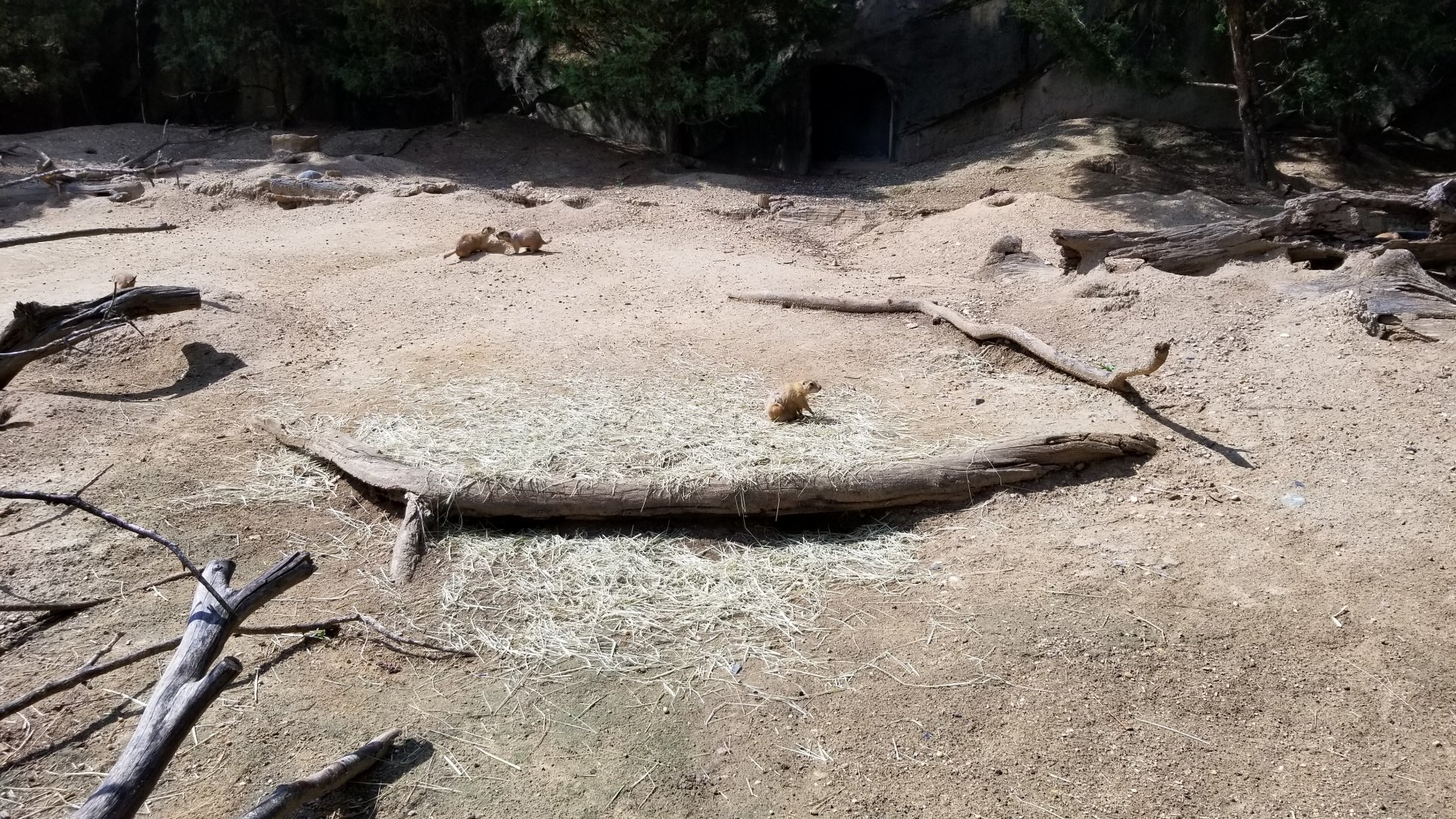
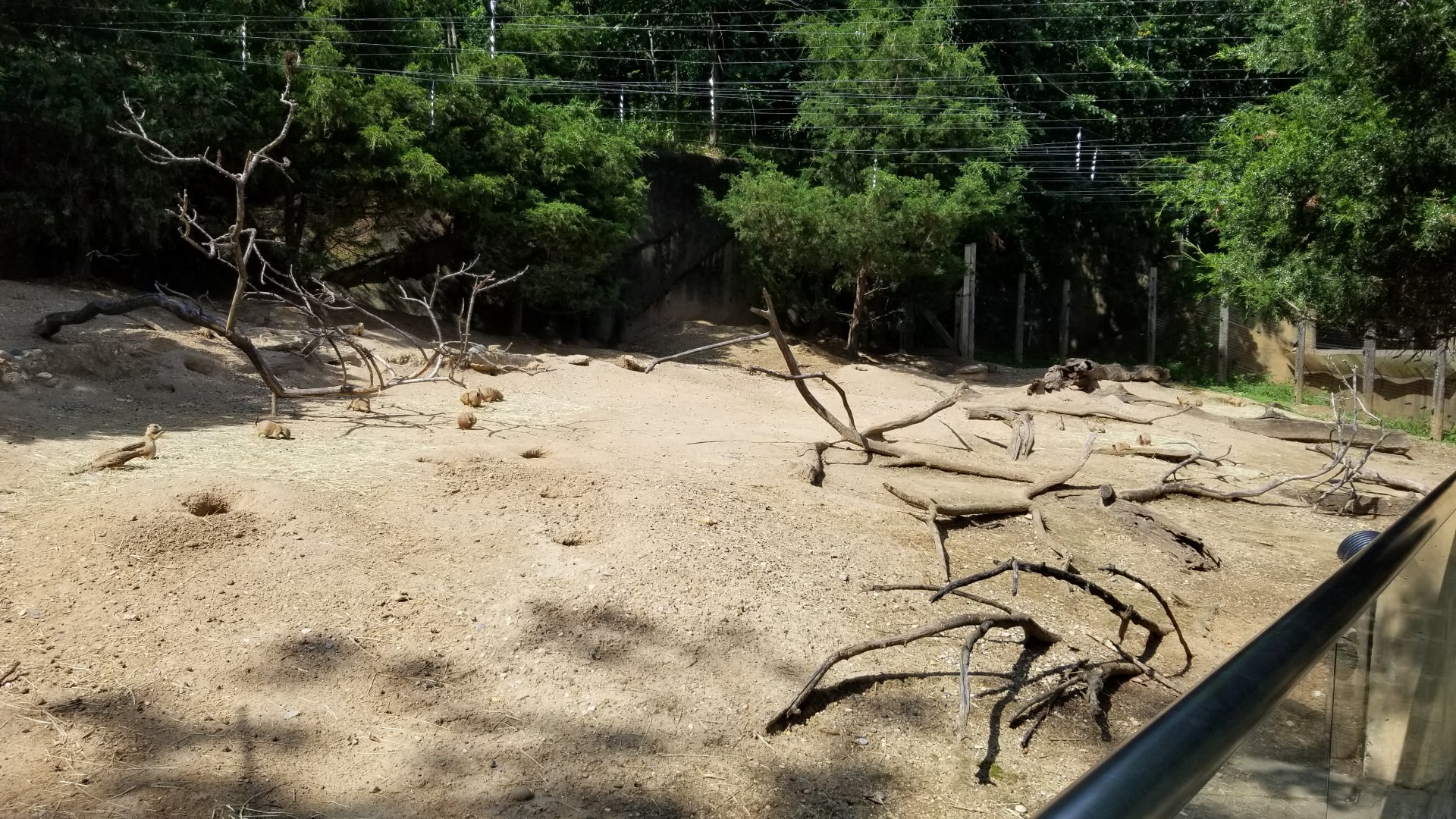
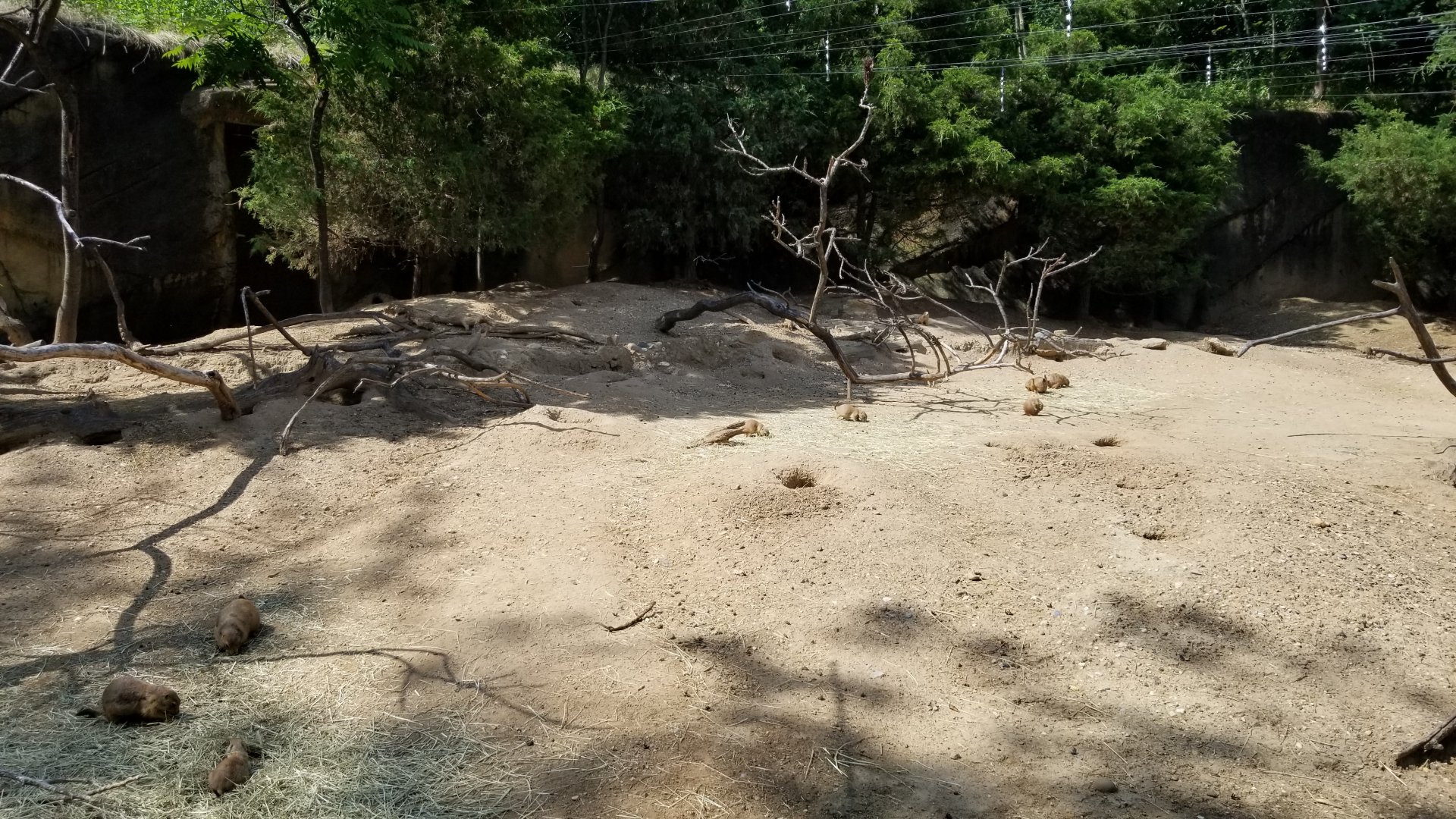
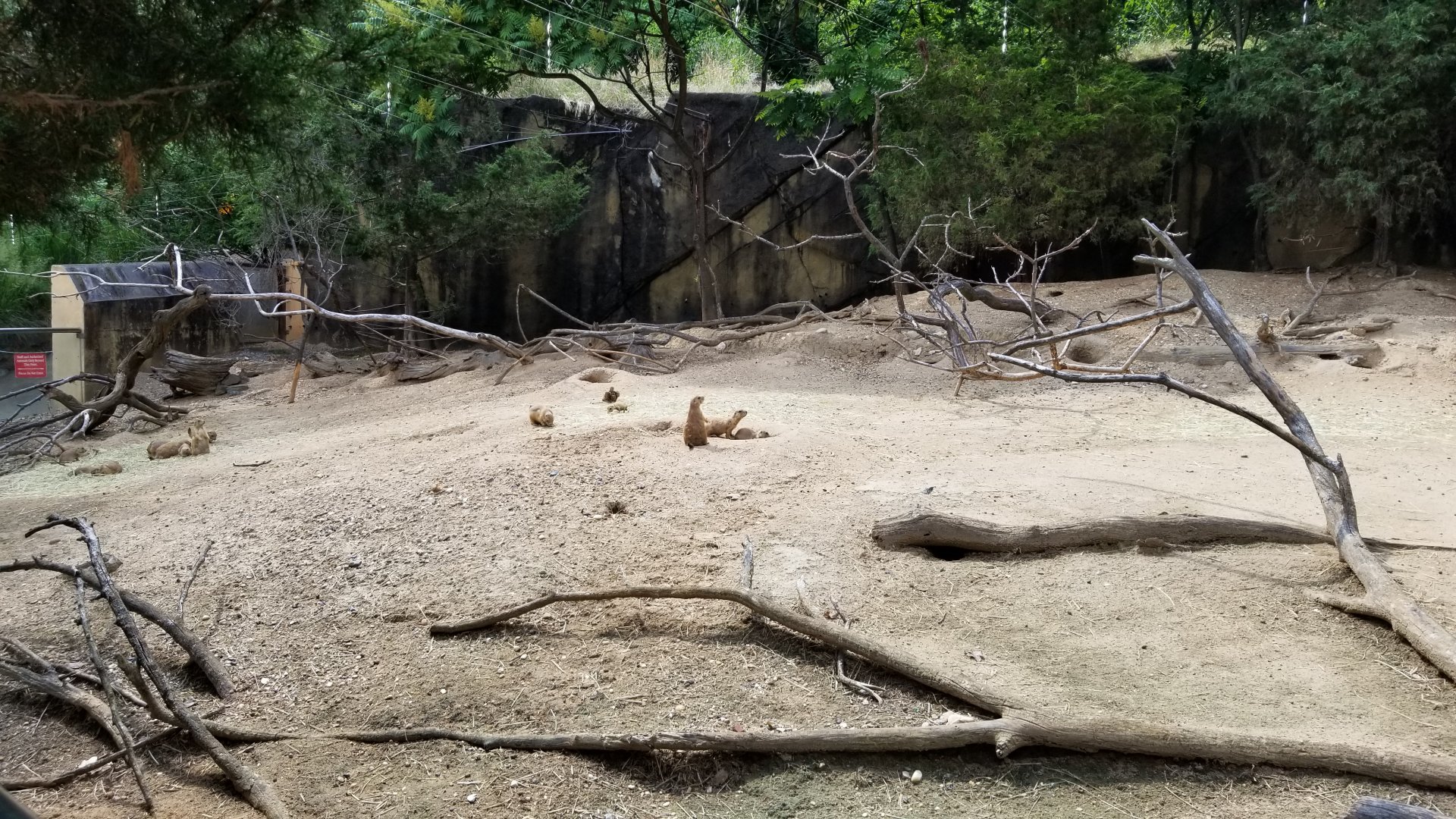
Today's post will be dedicated to a mammal much smaller than the last few: Prairie Dogs! In many ways, prairie dogs are similar to meerkats, as they are similarly sized mammals that burrow and live in large colonies. As a result, there are a lot of similarities between the exhibitry styles used for both species. That being said, they are not close relatives (meerkats are a carnivoran, prairie dogs are a rodent) and have very different diets as well.

The criteria I used for this post are almost identical to the criteria for the meerkat, as their habitat needs are both very similar. The biggest difference I found is prairie dogs are more often exhibited outdoors and the habitats tend to be slightly larger:
  • Naturalistic Substrate and Digging Opportunities: As a burrowing species, it is extremely important for zoos to feature a natural substrate in the exhibit, in particular one that allows the prairie dogs to dig. While there may not be one specific substrate that is ideal (e.g. sand vs. dirt), the ability to dig is essential if providing prairie dogs the ability to express natural behaviors.
  • Social Group: Yet again, this thread focuses on a social species. Like the others, having a naturalistic social grouping is very high on the priorities for a great prairie dog exhibit. There are a decent number of zoos with large prairie dog colonies, however there are also plenty of zoos to unfortunately keep much smaller colonies. This criteria is not the highest, however, primarily because prairie dogs are a short-lived animal so colony size can change quickly.
  • Tunnel Systems: As a burrowing species, it's important for the prairie dogs to be able to have access to a tunnel system in their exhibit. The best exhibits for prairie dogs allow them multiple entrances and exits to a tunnel system, either built into the exhibit or built by the prairie dogs.
  • Size: This one was added since the meerkat post, primarily because there are a lot more prairie dog exhibits to choose from, and size is one of the major differentiations between them.
The habitats I chose to feature for prairie dogs are:
  • In their first mention in this thread, the Arizona-Sonoran Desert Museum has a very large, impressive exhibit for prairie dogs. While unfortunately the most recent USDA inspection report lists ASDM as only having two prairie dogs, reports as recently as 2021 had fifteen prairie dogs at the museum, so hopefully they are going to increase their numbers again soon. This is a large, naturalistic exhibit- highlighting the more deserted portions of the prairie dog range. This exhibit features a natural substrate and has a large set of tunnels for the prairie dogs to access. Luckily, a mesh top was added to this habitat so the days of raptors predating on prairie dogs is over for ASDM:
full
Photo by: @Coelacanth18
full
Photo by: @Coelacanth18
full
Photo by: @Ituri
full
Photo by: @Ituri
  • It's not very common for impressive exhibits to be located in Children's Zoos, however prairie dogs are a species often relegated to these portions of the zoo. Ten prairie dogs share a unique mixed-species exhibit with burrowing owls in San Diego Zoo's Wildlife Explorer's Basecamp. This exhibit is a very different style than the others on the list (likely due to the full-flighted owls) and has a big focus on some impressive rockwork, however it provides an excellent home for the prairie dogs regardless. From an educational perspective, this exhibit provides an excellent interpretive message on different animals who utilize prairie dog tunnels:
full
Photo by: @snowleopard
full
Photo by: @Coelacanth18
full
Photo by: @Julio C Castro
full
Photo by: @Julio C Castro
  • The most recent USDA inspection report of the Minnesota Zoo listed an impressive colony of fifty-one prairie dogs. This is a grassy exhibit meant to replicate the prairie, and allows the prairie dogs a lot of opportunities to dig and create their own tunnel systems. This is a very large prairie dog exhibit, and provides some nice sightlines with the bison exhibit in the background:
full
Photo by: @Moebelle
full
Photo by: @pachyderm pro
full
Photo by: @Dhole dude
full
Photo by: @snowleopard
  • A colony of thirty-three prairie dogs lives at the Lee Simmons Conservation Park, in their large Prairie Dog Town exhibit. This is another very grassy exhibit, providing plenty of room for the prairie dogs to build their own tunnels. The tall walls on the side are fairly unappealing, however that doesn't change the fact it's a great home for prairie dogs:
full
Photo by: @Pleistohorse
full
Photo by: @Dhole dude
full
Photo by: @Dhole dude
full
Photo by: @TinoPup
  • One common occurrence in prairie dog exhibits are tunnels to allow children to get an up-close look at the prairie dogs. However, one of the easiest for adults to access is the tunnels of the prairie dog exhibit at New Jersey's Turtle Back Zoo. That alone isn't enough to qualify for the list, however it does provide a large home for prairie dogs regardless and is home to an impressive colony of forty-one prairie dogs:
full
Photo by: @TinoPup
full
Photo by: @Neil chace
 
I was hoping this species would make an appearance - an animal that so many zoos keep, but which very few really keep well, and one which poses so many unique husbandry and behavioral challenges - or would, anyway, if so many zoos didn’t view them as self-sufficient exhibits where you add food, change the water, and call it a day. I’m addition to the exhibits you’ve listed, I’ve been very impressed by the exhibit at Sedgwick County Zoo - very spacious, very busy, and largely covered to discourage raptor predation (a common problem at many prairie dog colonies)
 
Back
Top