Popular Zoo Mammals and Their Best Exhibits

One slightly surprising zoo I think when I think of great hippo exhibits is DeYoung. Very large land and water space, and a visitor feeding experience!

full

full

(Photo credits @snowleopard and @Milwaukee Man)
 
Crystal clear water? When I visited Toledo it was impossible to see the hippos due to how dirty the water was. Did I just get unlucky, or has this exhibit declined through the years?

I went a couple months ago and the water was clear, no problem viewing the hippos.
 
Don't laugh too hard at today's post, because we are talking about the best zoo exhibits for Hyenas! While morphologically and behaviorally there are a lot of similarities with dogs, hyenas are actually much more closely related to cats. The most common species in US Zoos is the Spotted Hyena, however Striped Hyenas and Aardwolves are around in small numbers.

The criteria in this post are somewhat similar to those used in African wild dogs, however there are a few differences:
  • Social Structure: Hyenas are a social species, and as such benefit from being kept in larger social groupings. In the wild, hyena social structure is incredibly complex, and while unfortunately no US zoo keeps a large group of hyenas, zoos with three hyenas were prioritized over those with only one or two hyenas.
  • Hiding Opportunities: While size partially accounts for this, it warrants additional mention that hyenas can be shy, timid creatures. The best exhibits for them account for this by giving them plenty of spaces to hide. One way this is achieved is by ensuring exhibits are properly deep (allowing areas far from the visitor path) rather than building long, yet narrow, exhibits.
  • Rocks and Other Habitat Features: While African Savanna species are often given rather barren exhibits, that doesn't make for an ideal habitat for large carnivores. Instead, the best exhibits for hyenas contain plenty of rock work, trees, and other natural elements to make a more complex, enriching environment for them.
  • Space: Hyenas aren't often given as large of habitats as some other large carnivores, despite them being active species that deserve large, complex exhibits. While size isn't everything, it remains a major factor in the design of zoo exhibits.
The zoos chosen for hyenas are:
  • One large, complex exhibit for spotted hyenas can be found at Busch Gardens Tampa, which four hyenas in a large, complex exhibit. Impressive rock work and a built-in den provide great hiding opportunities, while large glass windows also provide visitors with up-close views into the hyena exhibit. This is also a very sizeable exhibit, and an altogether great home for hyenas:
full
Photo By: @Pleistohorse
full
Photo By: @Pleistohorse
full
Photo By: @pachyderm pro
full
Photo By: @pachyderm pro
  • One zoo known for its African carnivore exhibits is the Denver Zoo. Three spotted hyenas share a large, complex exhibit here featuring both impressive rockwork, and varied terrain to allow the hyenas choice and control over their surroundings, in what is quite possibly the country's best hyena exhibit:
full
Photo By: @MGolka
full
Photo By: @MGolka
  • Two spotted hyenas share a spacious exhibit as part of the River's Edge complex at the Saint Louis Zoo. This exhibit includes a large den and plenty of vegetation to provide a complex and enriching home for the zoo's hyenas:
full
Photo By: @cubsmaster
full
Photo By: @pachyderm pro
full
Photo By: @pachyderm pro
full
Photo By: @snowleopard
  • Three spotted hyenas share another large exhibit at the Fort Wayne Children's Zoo. This exhibit contains multiple trees, rockwork, and other natural elements to create a complex environment for these hyenas, and the exhibit is designed to be visually appealing for visitors as well, lacking a visual boundary in the back:
full
Photo By: @Grizzly Hound
full
Photo By: @Rhino0118
full
Photo By: @snowleopard
full
Photo By: @snowleopard
  • Though smaller than the other exhibits on this list, The Living Desert has a visually impressive exhibit for striped hyenas. This exhibit contains a number of desert trees and other natural elements, as well as an artificial den, to create a naturalistic, complex habitat for striped hyenas. While this habitat is smaller, so are striped hyenas, making the size not detract from what is otherwise an excellent exhibit:
full
Photo By: @snowleopard
full
Photo By: @Coelacanth18
full
Photo By: @BigNate
full
Photo By: @Arizona Docent
 
Perhaps I should have been more clear. I think underwater viewing is great. It's an amazing experience for guests to see an enormous animal in crystal clear water and it's something I always enjoy. However, such an emphasis on underwater views has come at the cost of exhibit size, particularly in regards to useable land space. Hippos spent much of their time grazing, yet almost every modern hippo enclosure ignores this very important aspect of hippo behavior. Cheyenne Mountain did not include underwater viewing, instead opting for large land areas, proper separation spaces and spacious indoor housing in their exhibit. That is why it's the only modern hippo complex that can adequately house more than a few animals. I sincerely hope one day a zoo will finally construct a hippo exhibit with both underwater viewing and a spacious land area.
Thank you for clarifying. I was aware of the negative design trend but was concerned there was an additional step. It's good to know it was nothing more than what I was already aware of.

It's disappointing zoos continue to dedicate so much money to an animal that is unsustainable in captivity.

I believe there are 18-19 holders and counting. It seems like popularity for the species has been increasing as of late with several new holders and the AZA also intends to source new founders from a ZAA facility to help boost the population further. Brookfield, Denver, and Woodland Park all have new exhibits opening in the coming years; it'll be exciting to see more zoos get on board with these wonderful animals.
Also agreed! I haven't seen the species since they left Milwaukee and it's exciting to see them spreading out to new facilities, two of which I'm close with. They're a great candidate for new exhibit spaces - unusual and very cute, with unique adaptions.

Looks like there's a hyena spotlight posted while I wrote all this up, and it's great! I've seen Denver, and have Fort Wayne and Saint Louis on my sooner trip list so I may soon have seen many of these exhibits. I really like the variety though between the more arid exhibits and lusher ones. I do like the cases where there is a positive contrast between good exhibits, as opposed to feeling like they are all aiming for the same beats.
 
Last edited:
This is yet case where DeYoung has an excellent exhibit, in this case for Spotted Hyena:

full

(Photo credit @snowleopard)

DeYoung specializes in breeding and caring for this species, and even receives cubs from AZA zoos that they care for until adulthood. There are at least four Spotted Hyena exhibits at the zoo, but this one I showed off is my favorite - quite large and with lots of space to hide. The zoo also has a couple of exhibits for Striped Hyena as well.

Well, this is almost certainly the last time I mention DeYoung here.
 
I feel like I am missing some context here. I am definitely not here to insist underwater viewing should be mandatory by any means, but I can't say I know of a specific reason to exclude it either. Is there a welfare compromise inherent that I'm not aware of?
Underwater viewing hippos is a very cool, fun experience, though it is just too expensive to both build and maintain the exhibit in good shape. Having big hippo exhibits AND underwater viewing can cost the zoo thousands and thousands of dollars per year, so that probably why many zoos don't have underwater hippo viewing AND a massive land space for them, because the expenses for having it are so big, that it can cause the zoo to become bankrupt and close entirely.
This is almost certainly why most zoos do not have hippos, let alone underwater viewing.
 
Underwater viewing hippos is a very cool, fun experience, though it is just too expensive to both build and maintain the exhibit in good shape. Having big hippo exhibits AND underwater viewing can cost the zoo thousands and thousands of dollars per year, so that probably why many zoos don't have underwater hippo viewing AND a massive land space for them, because the expenses for having it are so big, that it can cause the zoo to become bankrupt and close entirely.
This is almost certainly why most zoos do not have hippos, let alone underwater viewing.
I'm sorry to hear zoos may be driven to bankruptcy over this. I would certainly be against the keeping of hippos under that circumstance.
 
Don't laugh too hard at today's post, because we are talking about the best zoo exhibits for Hyenas! While morphologically and behaviorally there are a lot of similarities with dogs, hyenas are actually much more closely related to cats. The most common species in US Zoos is the Spotted Hyena, however Striped Hyenas and Aardwolves are around in small numbers.

The criteria in this post are somewhat similar to those used in African wild dogs, however there are a few differences:
  • Social Structure: Hyenas are a social species, and as such benefit from being kept in larger social groupings. In the wild, hyena social structure is incredibly complex, and while unfortunately no US zoo keeps a large group of hyenas, zoos with three hyenas were prioritized over those with only one or two hyenas.
  • Hiding Opportunities: While size partially accounts for this, it warrants additional mention that hyenas can be shy, timid creatures. The best exhibits for them account for this by giving them plenty of spaces to hide. One way this is achieved is by ensuring exhibits are properly deep (allowing areas far from the visitor path) rather than building long, yet narrow, exhibits.
  • Rocks and Other Habitat Features: While African Savanna species are often given rather barren exhibits, that doesn't make for an ideal habitat for large carnivores. Instead, the best exhibits for hyenas contain plenty of rock work, trees, and other natural elements to make a more complex, enriching environment for them.
  • Space: Hyenas aren't often given as large of habitats as some other large carnivores, despite them being active species that deserve large, complex exhibits. While size isn't everything, it remains a major factor in the design of zoo exhibits.
The zoos chosen for hyenas are:
  • One large, complex exhibit for spotted hyenas can be found at Busch Gardens Tampa, which four hyenas in a large, complex exhibit. Impressive rock work and a built-in den provide great hiding opportunities, while large glass windows also provide visitors with up-close views into the hyena exhibit. This is also a very sizeable exhibit, and an altogether great home for hyenas:
full
Photo By: @Pleistohorse
full
Photo By: @Pleistohorse
full
Photo By: @pachyderm pro
full
Photo By: @pachyderm pro
  • One zoo known for its African carnivore exhibits is the Denver Zoo. Three spotted hyenas share a large, complex exhibit here featuring both impressive rockwork, and varied terrain to allow the hyenas choice and control over their surroundings, in what is quite possibly the country's best hyena exhibit:
full
Photo By: @MGolka
full
Photo By: @MGolka
  • Two spotted hyenas share a spacious exhibit as part of the River's Edge complex at the Saint Louis Zoo. This exhibit includes a large den and plenty of vegetation to provide a complex and enriching home for the zoo's hyenas:
full
Photo By: @cubsmaster
full
Photo By: @pachyderm pro
full
Photo By: @pachyderm pro
full
Photo By: @snowleopard
  • Three spotted hyenas share another large exhibit at the Fort Wayne Children's Zoo. This exhibit contains multiple trees, rockwork, and other natural elements to create a complex environment for these hyenas, and the exhibit is designed to be visually appealing for visitors as well, lacking a visual boundary in the back:
full
Photo By: @Grizzly Hound
full
Photo By: @Rhino0118
full
Photo By: @snowleopard
full
Photo By: @snowleopard
  • Though smaller than the other exhibits on this list, The Living Desert has a visually impressive exhibit for striped hyenas. This exhibit contains a number of desert trees and other natural elements, as well as an artificial den, to create a naturalistic, complex habitat for striped hyenas. While this habitat is smaller, so are striped hyenas, making the size not detract from what is otherwise an excellent exhibit:
full
Photo By: @snowleopard
full
Photo By: @Coelacanth18
full
Photo By: @BigNate
full
Photo By: @Arizona Docent

I mostly see hyenas outside AZA in boring exhibits, so it's nice to see a few good ones :)
 
Regarding hyena, Southwicks has one of better exhibits I've seen (and I've seen alot)

I don't put Buschs that high, they only can put 2 out at a time and that's depending on what the lions do. And the space is not as big as what the pics show
 
Fort Worth Zoo's Striped Hyena habitat is decent, Naples is functional but a bit on the smaller side, and both San Antonio and Zoo Miami have outdated moated habitats for Striped Hyena, its nice to see some zoos have excellent habitats for hyenas, I do wish more zoos especially in the south exhibit hyena(that goes for spotted,vstriped, and aardwolf)
 
First of all, I apologize for the inconsistency with recent posts. This is the first week of my college semester, so it's been a big schedule change for me and I'm working on a new routine that will work regular posts into this thread again. In the meantime, today's post will be dedicated to a very large mammal, the Hippopotamus! These large, semi-aquatic mammals are a species that few zoos do justice for in exhibit design, however there is a small number of excellent hippo exhibits that deserve credit.

The criteria used in this post are:
  • Social Structure: Hippos are herd animals, and yet despite this most zoos keeping two, at most three, hippos together. This goes directly contrary both to their wild social structure and also what the AZA recommends for hippo exhibits. For purposes of this thread, I mainly looked for zoos with at least four hippos, as this shows a willingness to go above what most other zoos have, despite few zoos reaching a more ideal number of 5-6 hippos (or more).
  • Pool Size: Way too often, a desire for large underwater viewing windows cuts greatly into how large a hippo's pool can, and should, be. These are large animals that spend significant amounts of time under water, and as such require very large pools in their exhibits.
  • Land Space: While hippos do spend sizeable time under water, they remain semi-aquatic animals, and also will spend large parts of the day (and night) grazing on land. As such, in addition to having a large pool, large land areas are incredibly important for a good hippo exhibit. While many would look at the ratio of water to land when discussing exhibits for hippos and other semiaquatic animals, I much prefer to look at both criteria separately, and will be looking for exhibits with adequate land and water areas, regardless of the ratio between the two.
  • Grass: Hippos are grazing animals. Too many hippo exhibits, as a result of an overfocus on having clear water, don't allow them the opportunity to have grassy areas, instead limiting them to rocky or sandy shorelines. An ideal hippo exhibit must contain grassy areas for them to display this natural behavior.
  • Underwater Viewing (NOT): While ideal for visitors, many zoos with underwater viewing for hippos focus too heavily on visitor amenities and end up with subpar hippo exhibits. While it is possible to make a great hippo exhibit with underwater viewing, the presence of underwater viewing was not a factor in deciding what zoos made this post.
While I fully acknowledge there aren't five great hippo exhibits in US zoos, these are the five hippo exhibits that stand above the rest:

  • By far the best hippo exhibit in the United States can be found at Disney's Animal Kingdom. A large herd of eleven hippos can be found at Disney's Animal Kingdom, which has an impressive hippo exhibit as part of its Kilimanjaro Safaris. This exhibit contains multiple very large pools as well as enough land space for the hippos to graze. A second hippo exhibit can be found on the Gorilla Falls Exploration Trail, and while this one is smaller and lacks the impressive social structure of the Kilimanjaro Safaris exhibit, it does allow visitors to view hippos as long as they want. The biggest flaw with the Kilimanjaro Safaris exhibit is how limited the viewing time with the hippos is, and the first three photos used in this post were taken on the special "Wild Africa Trek" tour instead of from the Safari as a result:
full
Photo By: @GraysonDP
full
Photo By: @GraysonDP
full
Photo By: @GraysonDP
full
Photo By: @geomorph
  • It's rare for zoos to build modern hippo exhibits without investing in underwater viewing, however one zoo that did was the Cheyenne Mountain Zoo, which built an impressive home for four hippos which completely lacks underwater viewing. This exhibit contains very large land areas, something very few zoos succeed in doing. Also included is a very large pool, and unique amongst US Zoos is a large, indoor hippo exhibit visible to visitors. Not many zoos display hippos in indoor exhibits, and Cheyenne Mountain has managed to build an excellent indoor-outdoor complex that allows hippos to be visible year-round:
full
Photo By: @MGolka
full
Photo By: @Echobeast
full
Photo By: @Echobeast
full
Photo By: @Echobeast
  • The first exhibit with underwater viewing to reach this list is the Hippo Outpost at Dallas Zoo. This exhibit contains four hippos, and while it lacks the impressive grazing opportunities of Cheyenne Mountain or the impressive social structure of Disney, it remains an impressive home for hippos with large areas of both land and water. This exhibit unfortunately lacks a grassy area for grazing, but at least contains a large enough sandy beach for all the hippos to choose land or water areas:
full
Photo By: @ZooNerd1234
full
Photo By: @Ituri
full
Photo By: @TinoPup
full
Photo By: @d1am0ndback
  • Perhaps the best underwater viewing for hippos can be found at the Memphis Zoo. The Zambezi River Hippo Camp displays four hippos in a large exhibit containing a very large underwater viewing component. While this exhibit, like the Dallas exhibit, lacks grassy areas for grazing, it at least has a large, sandy shoreline area to provide plenty of opportunities for the hippos to leave the water. The pool is also very large and allows many great viewing opportunities:
full
Photo By: @cubsmaster
full
Photo By: @ChunkyMunky pengopus
full
Photo By: @Coelacanth18
full
Photo By: @geomorph
  • While rare, some exhibits deserve to be ranked amongst the best for reasons other than animal welfare. One of those cases is a hippo exhibit that is so historically significant that it served as the basis/inspiration for almost every hippo exhibit to come after it. The exhibit opened in 1986, and was the first zoo ever to include an underwater viewing area in a hippo exhibit, something that has become so ubiquitous since. This exhibit, of course, is Toledo Zoo's Hippoquarium. While only home to two hippos and not as large as many of the other exhibits on the list, the sheer impact this exhibit had alone is enough to warrant its mention here. One great thing about this exhibit is that it does contain a grassy land area for grazing, something a lot of newer exhibits still unfortunately lack:
full
Photo By: @Milwaukee Man
full
Photo By: @CMZman
full
Photo By: @jusko88
full
Photo By: @snowleopard

I heavily expect Disney, Memphis, and Cheyenne Mountain to be the top 3 at least. They are just no brainer picks for this one.

The rest of hippo enclosures are either too small or practically samey in terms of design and look.
 
I feel like I am missing some context here. I am definitely not here to insist underwater viewing should be mandatory by any means, but I can't say I know of a specific reason to exclude it either. Is there a welfare compromise inherent that I'm not aware of?


Besides the reasoning mentioned above, I also personally think Cheyenne's eye to eye view of hippos are much more magnificant to look at than pure underwater viewing. The way they appear from beneath the waters is fascinating.
 
I don't think any hippopotamus exhibit in the country looks like it should count as genuinely good. None of them can give close to an accurate portrayal of the animals' natural behaviors.
 
While we've had a number of African species lately, today's post we are heading a few hundred miles east of the continent, to discuss the best habitats for Ring-Tailed Lemurs! The most common lemur species in zoos, this iconic resident of scrub forests can be found at both large AZA zoos, plenty of obscure roadside zoos, and everywhere in between.

The criteria used for this post include:
  • Social Structure: In the wild, ring-tailed lemurs live in complex social groupings which can oftentimes contain well over ten individuals. In zoos, unfortunately many facilities only house lemurs in pairs or small groups, not allowing them to show their complex social structure and communication. As such, the zoos featured in this post have some of the largest ring-tailed lemur social groupings in the country.
  • Climbing Opportunities: While not as arboreal as many other primates, ring-tailed lemurs remain a semi-arboreal species that spends significant times above the ground. Ideal ring-tailed lemur exhibits should feature multiple different climbing opportunities for the lemurs to choose.
  • Space: While they do climb, ring-tailed lemurs do have a lot of terrestrial tendencies as well. Ideal habitats for this species should consider this in design, and build habitats in a way so that they still provide plenty of opportunities for terrestrial locomotion.
  • Natural Lighting: Sunning behavior is important for ring-tailed lemurs to properly thermoregulate, and while indoor lemur exhibits can be successful, it is important that natural sunlight is incorporated into this design.
  • Tropical Rainforest?: Ring-tailed Lemurs are NOT, despite how many zoos have displayed them, a tropical rainforest species. Recognizing this, it is important for zoos to design ring-tailed lemur habitats in consideration of their natural, scrub forest habitats, rather than like a tropical rainforest.
The five zoos chosen for this post are:
  • It would be impossible to do a post dedicated to lemurs in this thread without mentioning the Duke Lemur Center. This research facility with ties to Duke University houses lemurs in multi-acre forested exhibits, allowing plenty of opportunities for both arboreal and terrestrial locomotion. These habitats also allow for a multitude of natural, enrichment opportunities and allow great flexibility in mixed-species displays, creating what is by far the best set of lemur exhibits in the country. While I do not know how they are socially managed (I'm assuming there are likely multiple groups), and impressive thirty ring-tailed lemurs can be found at the Duke Lemur Center:
full
Photo By: @Arizona Docent
full
Photo By: @Arizona Docent
full
Photo By: @jayjds2 (note: This photo is of a sifaka/crowned lemur forest, but it's the only photo in the gallery of any of Duke's Lemur Forests, of which there are multiple)
  • While many zoos display lemurs inside Tropical Forest exhibits, the Bronx Zoo's impressive Madagascar! Exhibit displays five Ring-tailed Lemurs alongside Collared Brown Lemurs in an impressive recreation of the Spiny Forest. This habitat is arguably the most naturalistic indoor lemur habitat anywhere, and is also a very large, spacious home for the lemurs. This habitat is also unique in that it mixes lemurs with a number of other species, namely Radiated Tortoises and multiple bird species. This habitat is perhaps the best example of a zoo successfully designing an indoor primate habitat, as it features both natural lighting and natural substrate, while providing an impressive, large space for the lemur residents:
full
Photo By: @Milwaukee Man
full
Photo By: @TinoPup
full
Photo By: @TinoPup
  • Island-style exhibits are a standard way to display lemurs, and perhaps no zoo in the US does this better than the Woodland Park Zoo, which houses five male ring-tailed lemurs in a spacious, island home containing multiple mature trees for climbing. Not only is this island significant for being one of the few with live trees to climb in, but this exhibit also is one of the larger lemur islands I could find:
full
Photo By: @animalman0341
full
Photo By: @animalman0341
full
Photo By: @Arizona Docent
full
Photo By: @snowleopard
  • A large group of nine ring-tailed lemurs can be found in another excellent island exhibit at Florida's Brevard Zoo. This island is another one to feature live trees for climbing, and is similarly a large, spacious, enriching home for the lemur residents. This island differs from Woodland Park's version in that it is a mixed-species exhibit, housing both Ring-tailed and Collared Brown Lemurs:
full
Photo By: @SusScrofa
full
Photo By: @Pleistohorse
full
Photo By: @Ituri
full
Photo By: @Ituri
  • It's not often that this thread features two zoos in one city for the same post, however Durham, NC truly is the place to go for excellent lemur exhibits. In addition to the impressive Lemur Forests of Duke Lemur Center, the Museum of Life and Science also has a large habitat for a group of seven ring-tailed lemurs. This happens to be a mixed-species exhibit, shared with radiated tortoises, and is another large, spacious, outdoor habitat incorporating live trees as climbing structures. In addition to the live trees, this habitat features plenty of ground space, allowing the lemurs to fully take advantage of their terrestrial tendencies as well:
full
Photo By: @TinoPup
full
Photo By: @TinoPup
full
Photo By: @TinoPup
full
Photo By: @TinoPup
 
While we've had a number of African species lately, today's post we are heading a few hundred miles east of the continent, to discuss the best habitats for Ring-Tailed Lemurs! The most common lemur species in zoos, this iconic resident of scrub forests can be found at both large AZA zoos, plenty of obscure roadside zoos, and everywhere in between.

The criteria used for this post include:
  • Social Structure: In the wild, ring-tailed lemurs live in complex social groupings which can oftentimes contain well over ten individuals. In zoos, unfortunately many facilities only house lemurs in pairs or small groups, not allowing them to show their complex social structure and communication. As such, the zoos featured in this post have some of the largest ring-tailed lemur social groupings in the country.
  • Climbing Opportunities: While not as arboreal as many other primates, ring-tailed lemurs remain a semi-arboreal species that spends significant times above the ground. Ideal ring-tailed lemur exhibits should feature multiple different climbing opportunities for the lemurs to choose.
  • Space: While they do climb, ring-tailed lemurs do have a lot of terrestrial tendencies as well. Ideal habitats for this species should consider this in design, and build habitats in a way so that they still provide plenty of opportunities for terrestrial locomotion.
  • Natural Lighting: Sunning behavior is important for ring-tailed lemurs to properly thermoregulate, and while indoor lemur exhibits can be successful, it is important that natural sunlight is incorporated into this design.
  • Tropical Rainforest?: Ring-tailed Lemurs are NOT, despite how many zoos have displayed them, a tropical rainforest species. Recognizing this, it is important for zoos to design ring-tailed lemur habitats in consideration of their natural, scrub forest habitats, rather than like a tropical rainforest.
The five zoos chosen for this post are:
  • It would be impossible to do a post dedicated to lemurs in this thread without mentioning the Duke Lemur Center. This research facility with ties to Duke University houses lemurs in multi-acre forested exhibits, allowing plenty of opportunities for both arboreal and terrestrial locomotion. These habitats also allow for a multitude of natural, enrichment opportunities and allow great flexibility in mixed-species displays, creating what is by far the best set of lemur exhibits in the country. While I do not know how they are socially managed (I'm assuming there are likely multiple groups), and impressive thirty ring-tailed lemurs can be found at the Duke Lemur Center:
full
Photo By: @Arizona Docent
full
Photo By: @Arizona Docent
full
Photo By: @jayjds2 (note: This photo is of a sifaka/crowned lemur forest, but it's the only photo in the gallery of any of Duke's Lemur Forests, of which there are multiple)
  • While many zoos display lemurs inside Tropical Forest exhibits, the Bronx Zoo's impressive Madagascar! Exhibit displays five Ring-tailed Lemurs alongside Collared Brown Lemurs in an impressive recreation of the Spiny Forest. This habitat is arguably the most naturalistic indoor lemur habitat anywhere, and is also a very large, spacious home for the lemurs. This habitat is also unique in that it mixes lemurs with a number of other species, namely Radiated Tortoises and multiple bird species. This habitat is perhaps the best example of a zoo successfully designing an indoor primate habitat, as it features both natural lighting and natural substrate, while providing an impressive, large space for the lemur residents:
full
Photo By: @Milwaukee Man
full
Photo By: @TinoPup
full
Photo By: @TinoPup
  • Island-style exhibits are a standard way to display lemurs, and perhaps no zoo in the US does this better than the Woodland Park Zoo, which houses five male ring-tailed lemurs in a spacious, island home containing multiple mature trees for climbing. Not only is this island significant for being one of the few with live trees to climb in, but this exhibit also is one of the larger lemur islands I could find:
full
Photo By: @animalman0341
full
Photo By: @animalman0341
full
Photo By: @Arizona Docent
full
Photo By: @snowleopard
  • A large group of nine ring-tailed lemurs can be found in another excellent island exhibit at Florida's Brevard Zoo. This island is another one to feature live trees for climbing, and is similarly a large, spacious, enriching home for the lemur residents. This island differs from Woodland Park's version in that it is a mixed-species exhibit, housing both Ring-tailed and Collared Brown Lemurs:
full
Photo By: @SusScrofa
full
Photo By: @Pleistohorse
full
Photo By: @Ituri
full
Photo By: @Ituri
  • It's not often that this thread features two zoos in one city for the same post, however Durham, NC truly is the place to go for excellent lemur exhibits. In addition to the impressive Lemur Forests of Duke Lemur Center, the Museum of Life and Science also has a large habitat for a group of seven ring-tailed lemurs. This happens to be a mixed-species exhibit, shared with radiated tortoises, and is another large, spacious, outdoor habitat incorporating live trees as climbing structures. In addition to the live trees, this habitat features plenty of ground space, allowing the lemurs to fully take advantage of their terrestrial tendencies as well:
full
Photo By: @TinoPup
full
Photo By: @TinoPup
full
Photo By: @TinoPup
full
Photo By: @TinoPup
What about the Smithsonian national zoo? It’s pretty good, isn’t it?
 
Toledo was not the first to have underwater viewing for hippos, that would be Sedgewick County Zoo.

True, but Toledo was the first to have a filtration system while Sedgwick County uses a dump-and-fill system.

Toledo’s hippoquarium is significant in that it was the first ever underwater viewing to feature crystal clear water which made it actually possible to get a good look at the hippos. The exhibit at Wichita is essentially the prototype for the underwater viewing we see today. A revolutionary concept at the time, although its impact on modern hippo enclosures has been unfortunate. There’s a reason the two best exhibits for the species in the US (DAK and Cheyenne Mountain) don’t include it.

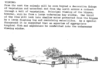
I know that underwater viewing was incorporated in the 1976 Woodland Park Zoo master plan. It never came to be, and somewhat sadly the current hippo exhibit is showing its age and may be numbered in its days.

Does anybody know of earlier proposals for underwater hippo viewing?

upload_2023-9-5_17-55-42.png
 

Attachments

  • upload_2023-9-5_17-55-42.png
    upload_2023-9-5_17-55-42.png
    244.4 KB · Views: 139
The exhibit at Wichita is essentially the prototype for the underwater viewing we see today. A revolutionary concept at the time, although its impact on modern hippo enclosures has been unfortunate.
When their last one passes away, Wichita will also become the world's first zoo to have underwater Nile Hippo viewing AND permanently stop keeping Nile Hippos.
 
When their last one passes away, Wichita will also become the world's first zoo to have underwater Nile Hippo viewing AND permanently stop keeping Nile Hippos.
Do you think they'll bulldoze that terrible exhibit or dump some other unfortunate animal there?
 
Back
Top