PossumRoach visit two Zoos in the two Ulms.

PossumRoach

Well-Known Member
5+ year member
On my way to Stuttgart last month I had a transfer in Ulm. While I didn’t knew much about the city at the time (and admittedly still don’t) I was able to see the cathedral from the train and I thought it looked noble. So I decided to visit the city, be it sooner or later.

When I found out that today would be a holiday I told myself “why not?” And decided to go visit Ulm. While checking google maps I also found Schildkröten und Reptilien Zoo Neu-Ulm (referred as Reptilien Zoo hereinafter) and decided to add it to my itinerary as well without further planning (this did bite back to me).

Since both Tiergarten Ulm and Reptilien Zoo both open in 10 in the morning I woke up later than I did for my trip to Nürnberg and Wilhelma and hopped on the train which departed in 7:53. Unlike my arrival to Ulm back at April, I wasn’t able to find any direct rides to Ulm so I had to transfer at Memmingen. In both rides there seats were full. Especially the first one multiple with cyclists bringing their bikes along with them.

After the one hour and fourty five minute journey I have finally arrived at Ulm. I waited for the tram (route 1 towards the Ostpreußenweg direction) that took me to my first destination.

To be continued…
 
I'm looking forward to reviews about a pair of obscure German zoos I've not visited. It appears that they are a 10-15 minute drive from each other.
 
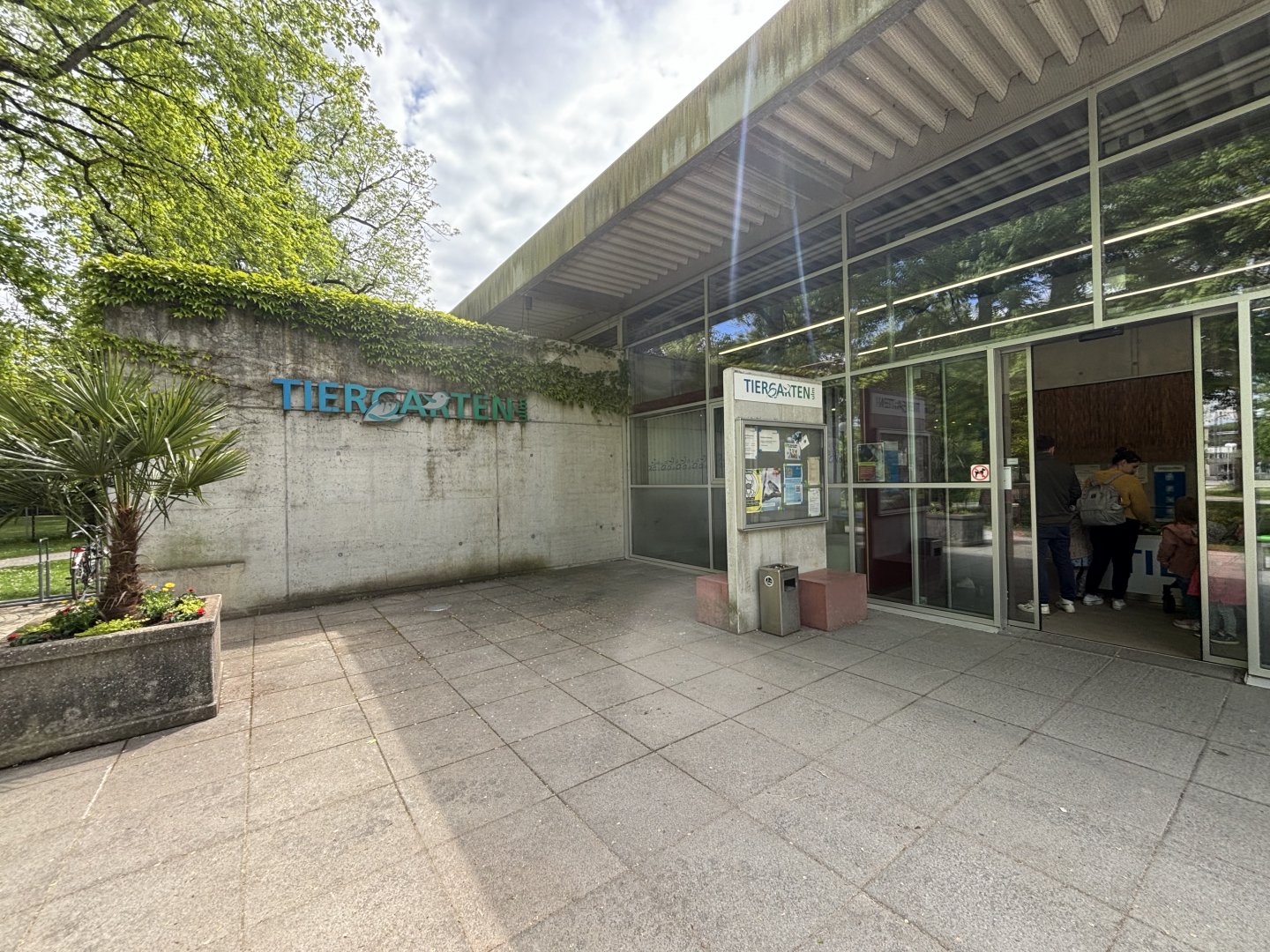
After a brief tram ride towards the north east of the city I got off the tram and started walking towards the Wohnpark Friedrichsau where the zoo rests on. I was welcomed with a glass and concrete building where a line was forming for it has been only ten minutes since the park opened. I wanted to take a picture of the entrance but I didn’t want to waste my time waiting for the line to wane so I waited on the line and entered the building. Immediately on the left was the ticket booth and across the door was a display with stuffed animals. I payed 6,50 Euros and was given a receipt before I walked forward to the first exhibit. I was miffed that I wasn’t given a map and a ticket instead of just a receipt but to be fair this is a very small zoo so one of course wouldn’t get lost there without a map. So I went ahead and entered the first section of the zoo: the Danube tunnel tank.


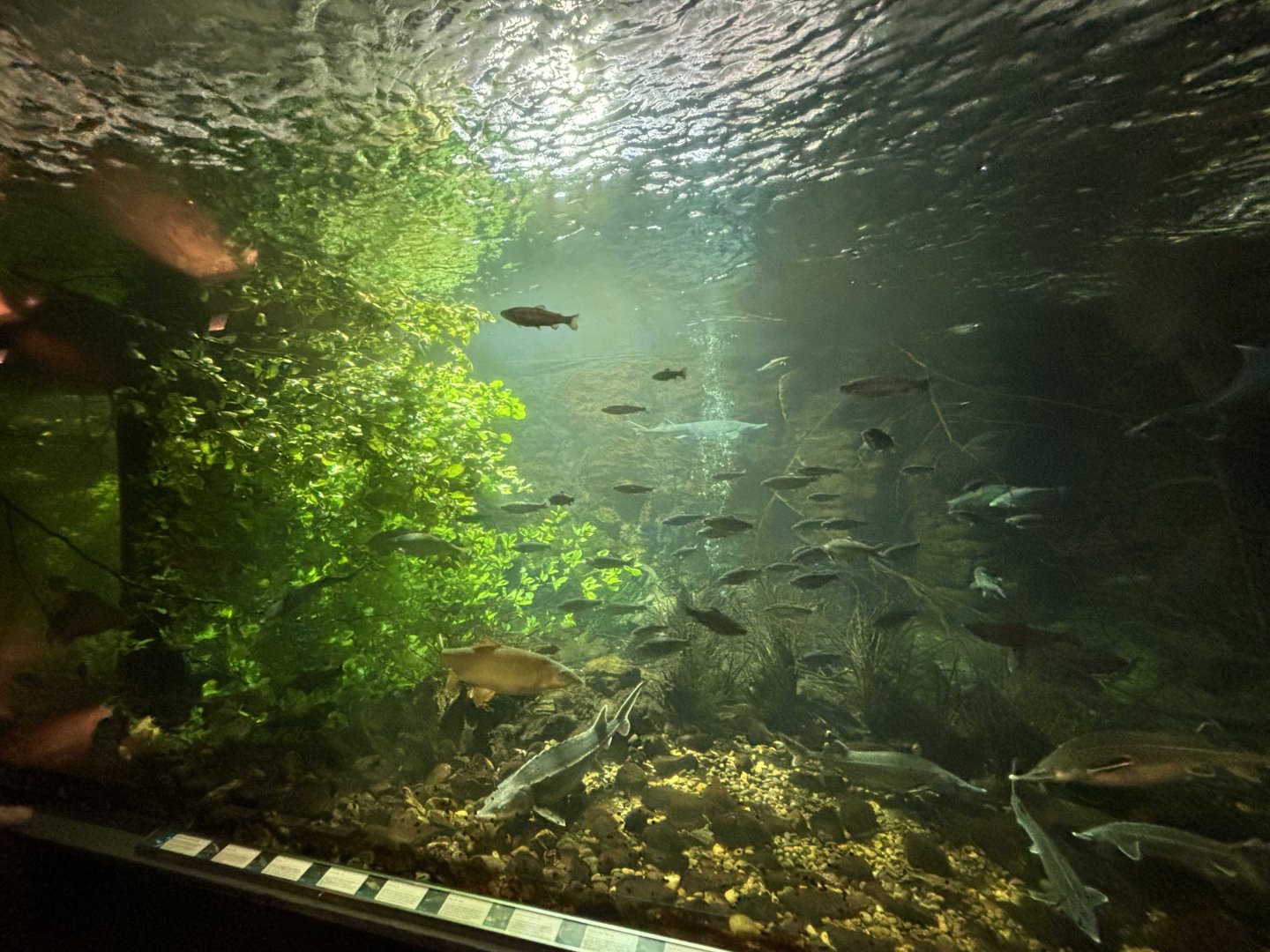
According to a sign in the zoo this tank, which was opened in 2008, contains around 280 thousand liters of water and is home to 30 species of fish. This area gave a good first impression to me. As expected from an exhibit about the Danube that passes by Ulm, this enclosure is home to many European fish such as sturgeon, carp, and trout. Thankfully the signs were not screens but they were below knee level so one has to crouch to be able read the signs. But I was too preoccupied looking at this one giant sturgeon swimming over me. I love sturgeon so seeing this animal float above me was great even if I saw its awkward looking mouth. I wanted to take a proper picture but since there was too many people I wasn’t able to take more pics (a recurring issue in this visit)


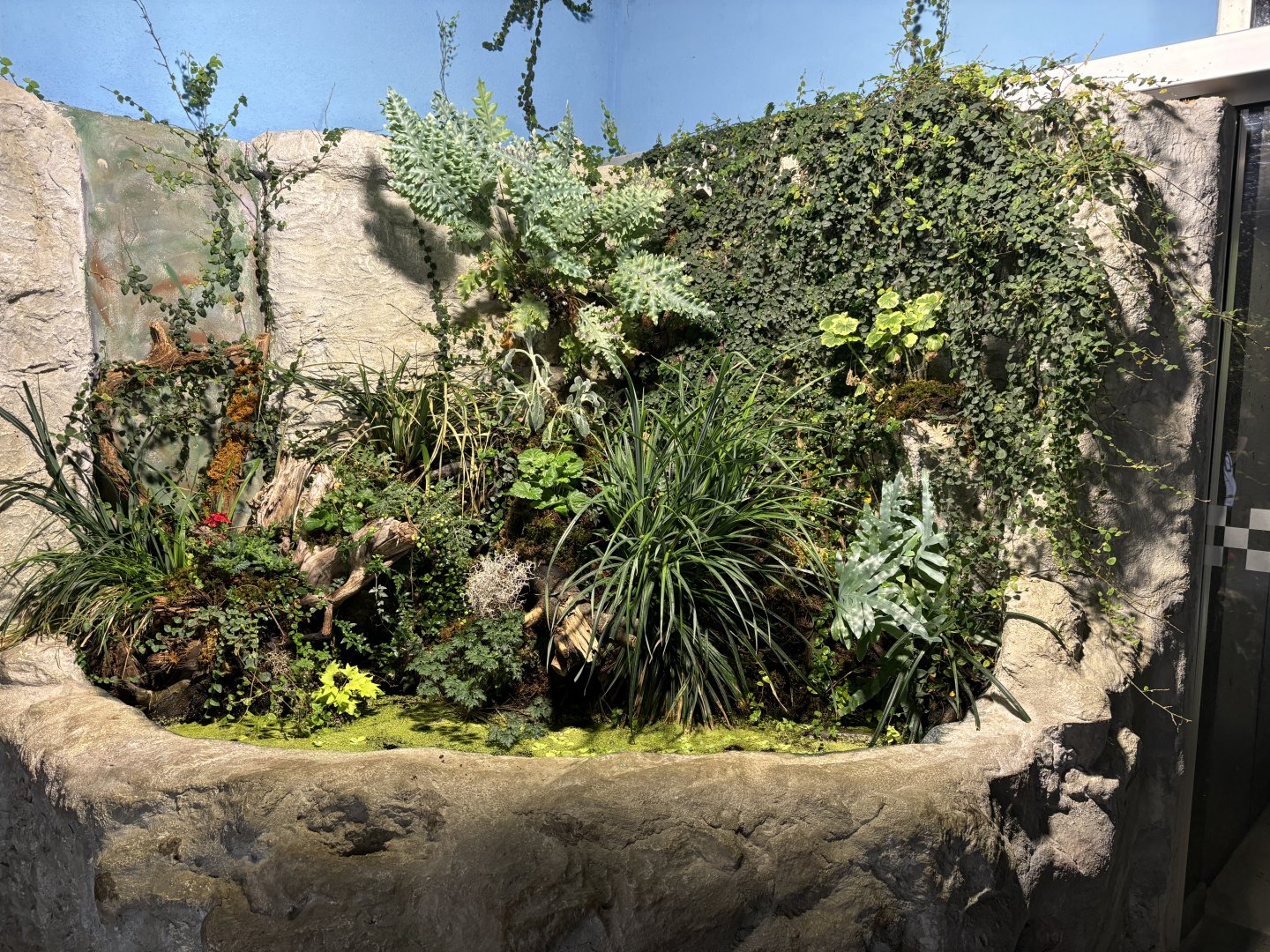
Following the tunnel tank I was in the aquarium/terrarium section. Around the entrance of the area was the exit, a planted rock pool, and a sign across the pool explaining what may (or used to) live in the pool. I tried to look for the fire salamanders and common frogs shown in the signs but alas I didn’t find any. So I decided to continue the aquarium section.


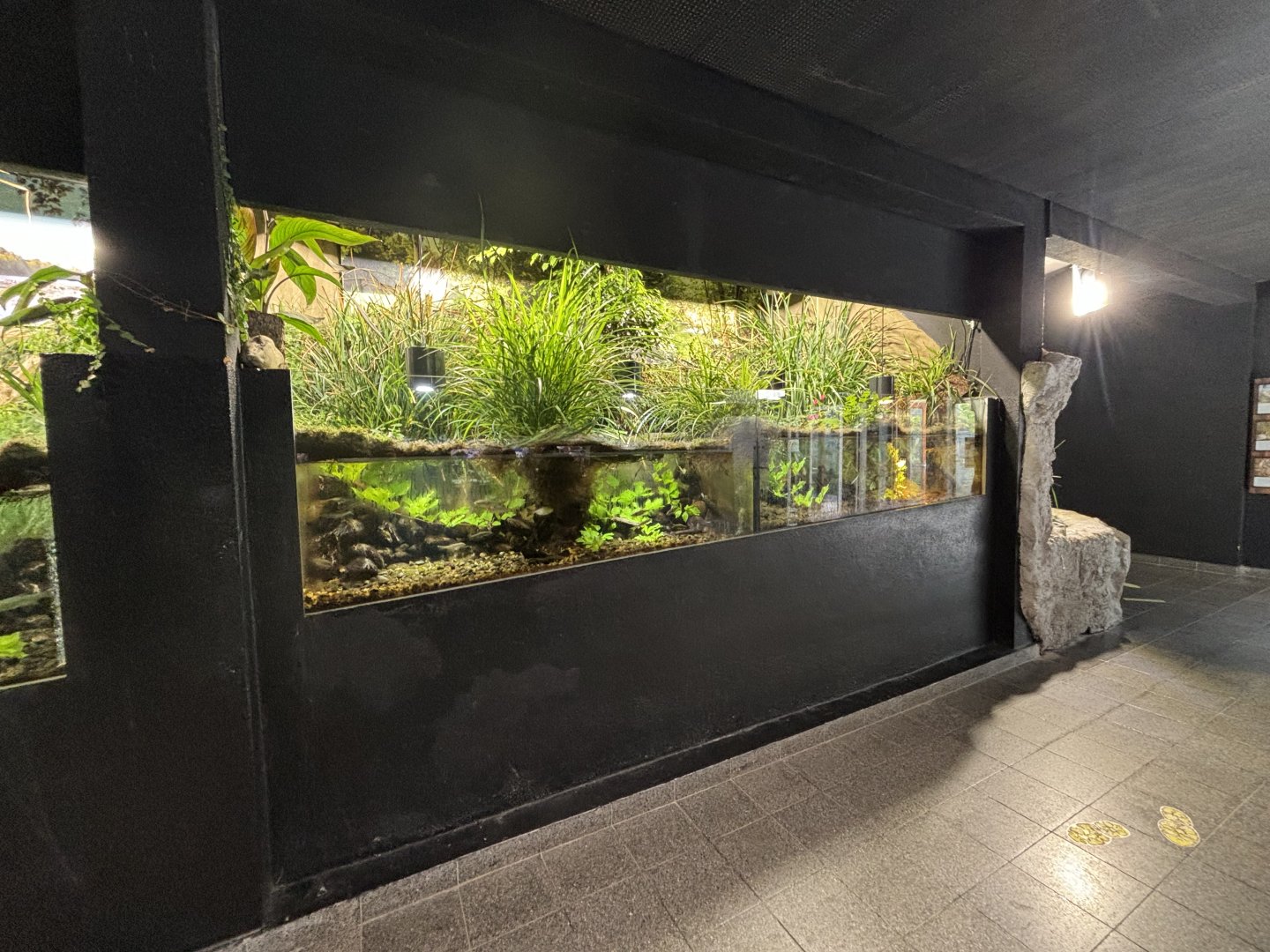
The area goes in the following order: more European fish, marine fish, tropical freshwater animals, zoo school, reptiles.
The areas could be distinguished from the bar above the displays which has a different color in each sub area. Unfortunately I had to face the fact of life that not all of the signs matched with the residents of the aquariums. That’s just a fact of life with aquariums I guess. It was especially irritating when I wasn’t able to find the Thor shrimps which I have always wanted to see. Some of the signs didn’t even match with zootierliste when I decided to check how rate the animal I saw may be. There were a handful of tanks that were under maintenance or was empty/unsigned. There was also a few enclosures that didn’t match any theme in the area (domestic rats and harvest mice) and a small section with arthropod display where the wall was made to look like a big old tree. I unfortunately couldn’t take a picture of the wall either because of the amount of people in the area making it difficult to take pictures. The indoor areas are quite small so the crowds can make returning the areas a bit tough at times.


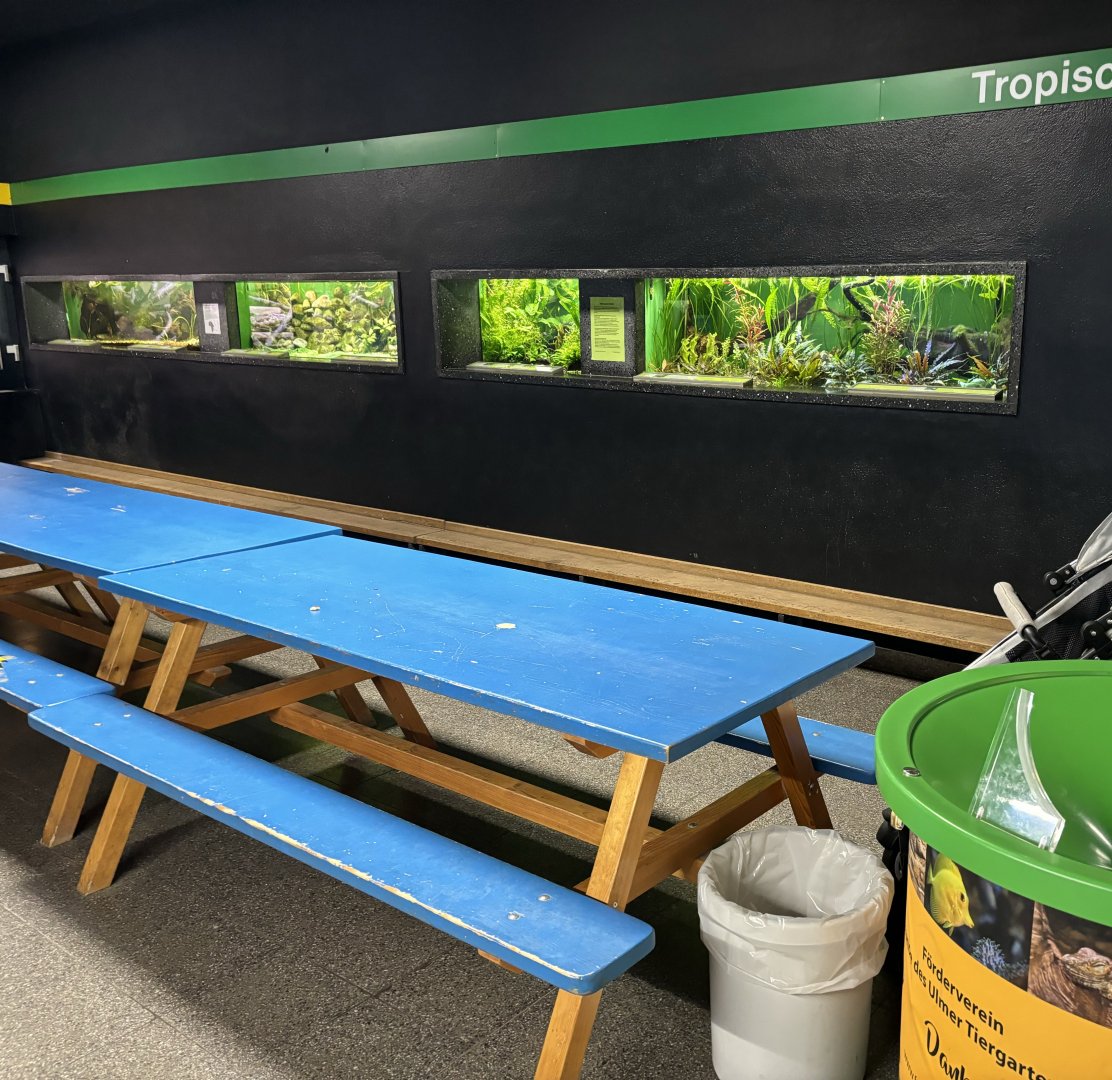
The benches were a part of the Zoo School section which also had a display on eggs

 
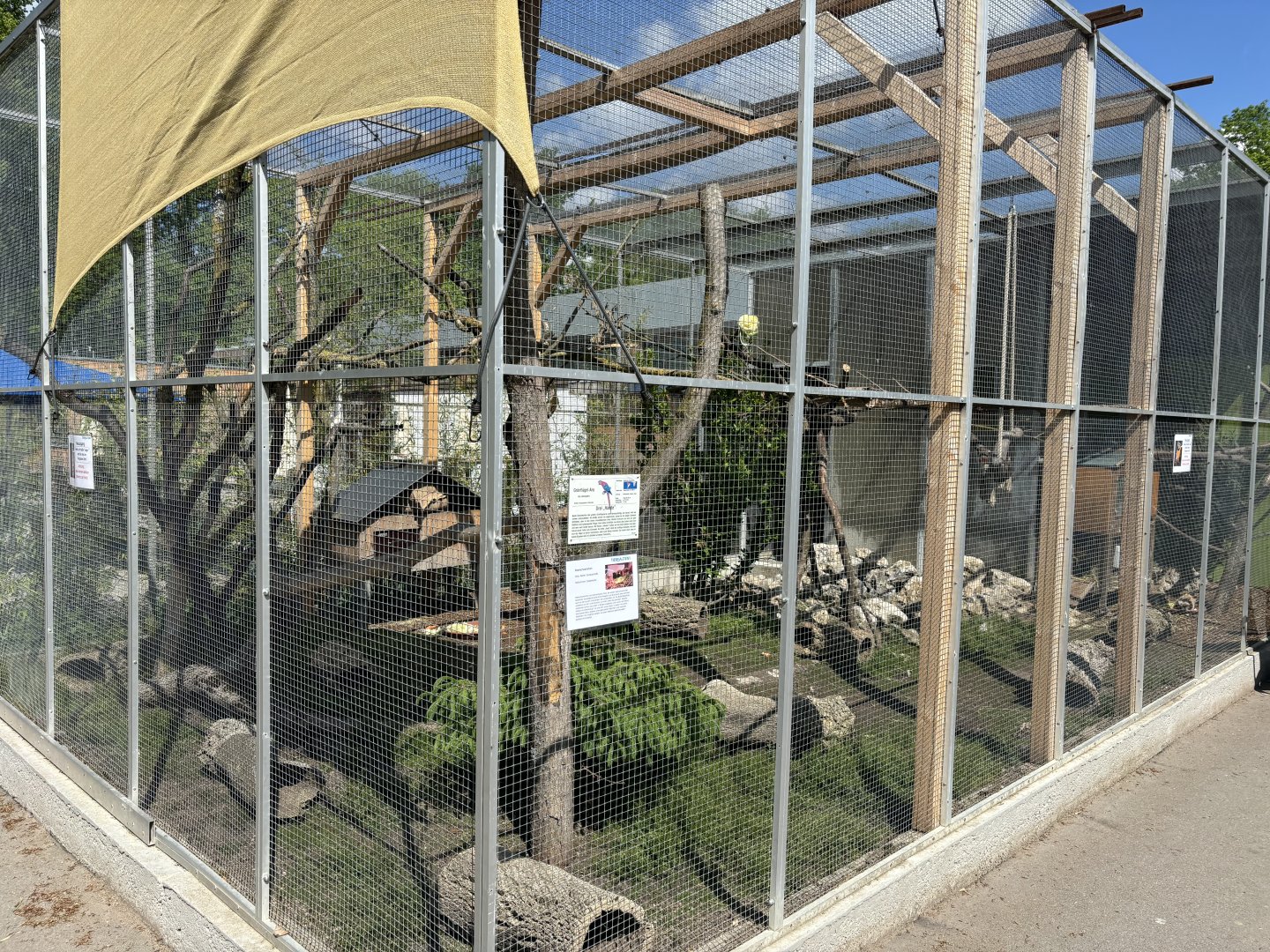
After finishing the aquarium area I found myself in an intersection where I can either go outside, use the restroom or enter the tropical area. I thought I could use some fresh air after spending some time indoors so I decided to go out. Next to the door was a tall cage for guinea pigs and a blue and gold macaw. Inside the enclosure was a smaller one where visitors can see the macaw during the winter or if it doesn’t feel like going out at the time, which is what I saw at the time.


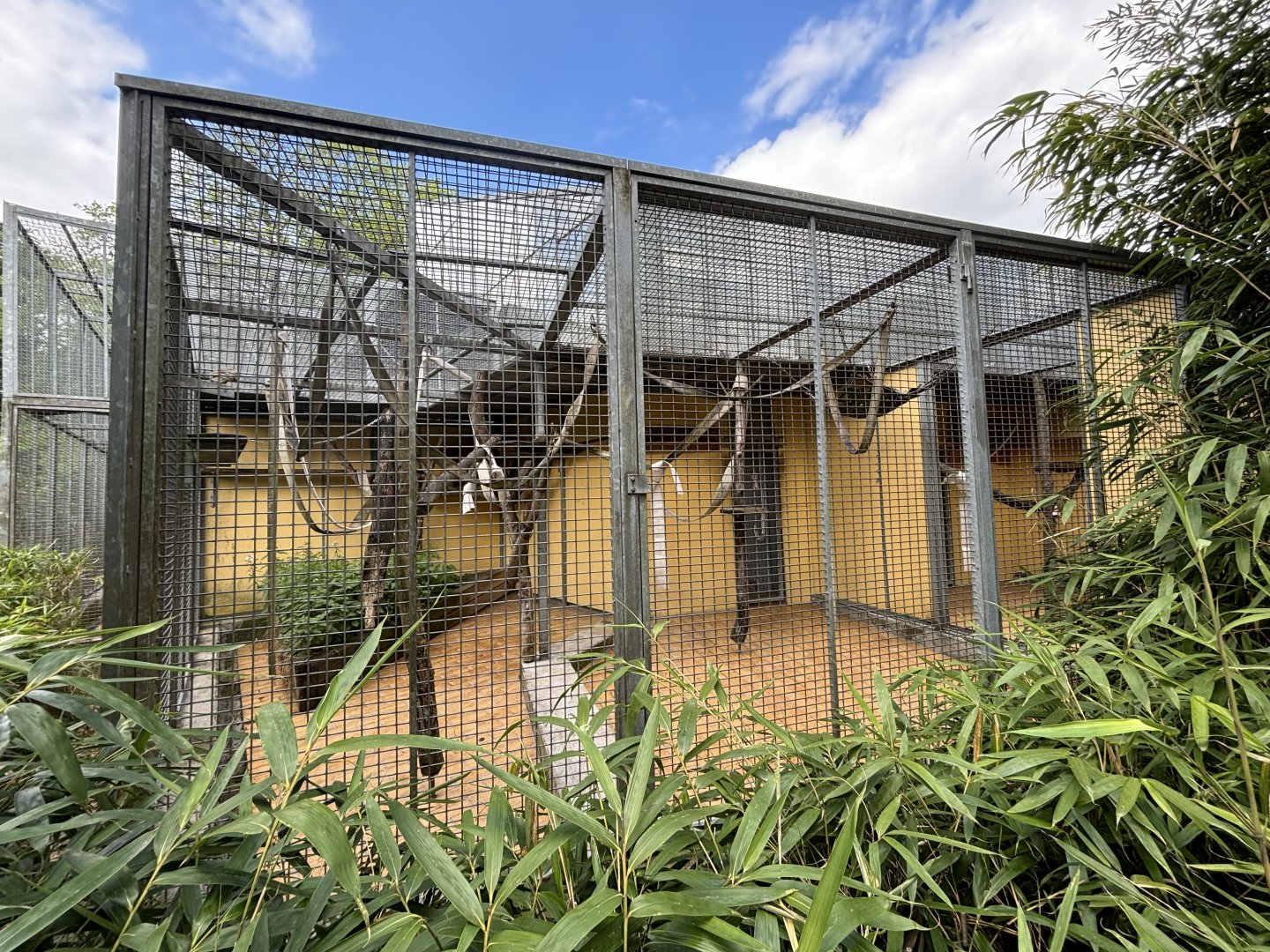
On my left was the outdoor enclosure for the capuchins. The enclosure looked like it was meant to be a testing facility with no natural substrate and a look I considered a bit industrial.


But before I checked out the simian row, I decided to check what basically is a petting zoo. The pig pen was emptied due to African Swine Fever precautions with the pigs being transferred to one of the sheep enclosures which had an extra barrier in it to prevent the pigs getting petted or fed by the visitors. The pig enclosures now have what look like giant flower pots in them. Closer to the entrance was a cockatiel enclosure where the birds chose to spend their time in a chute hole in the wall rather than climb the mesh or perch on anything. In hindsight I do wish I took a picture of this enclosure because no one previously has uploaded pictures of this enclosure before.


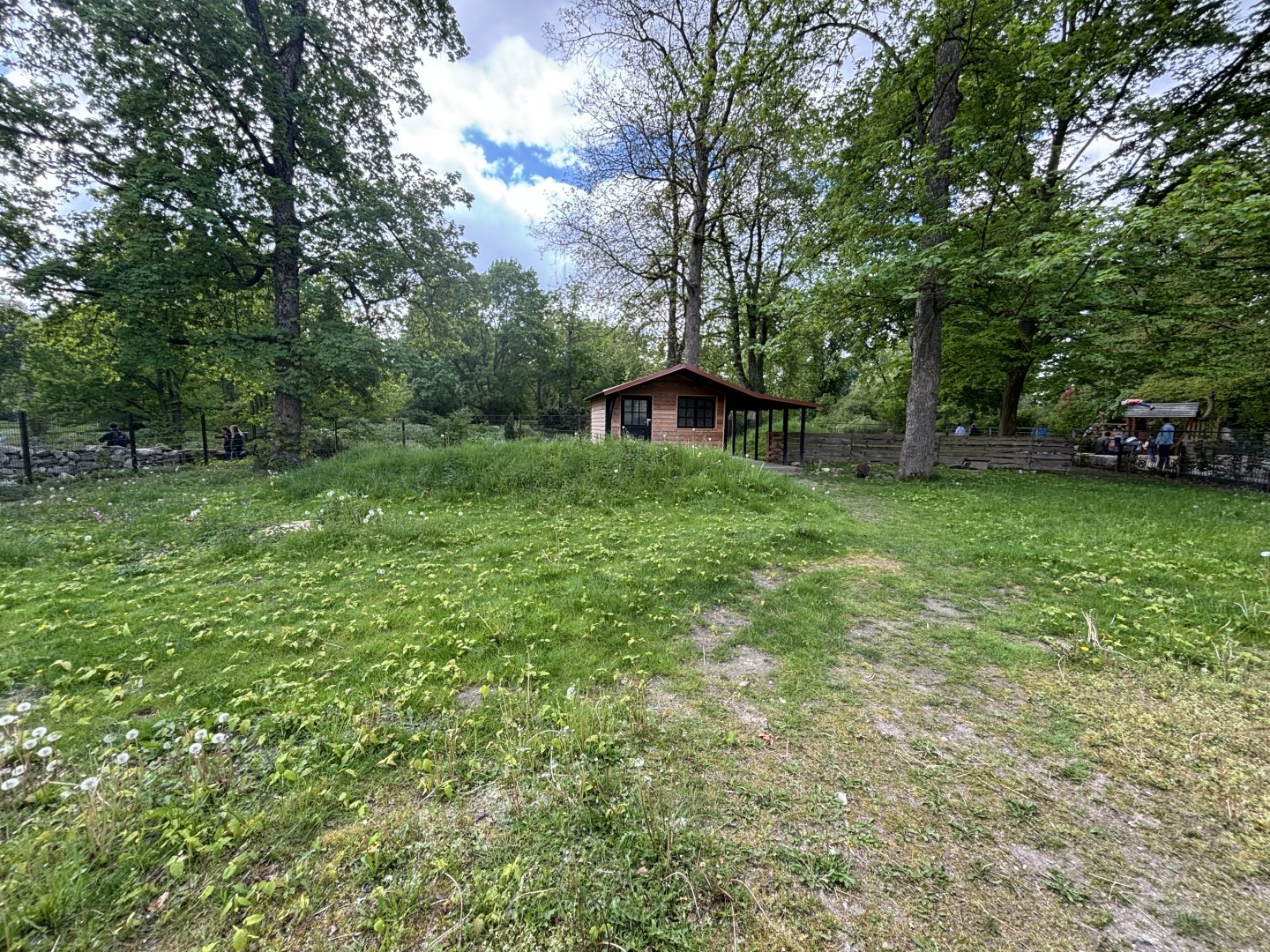
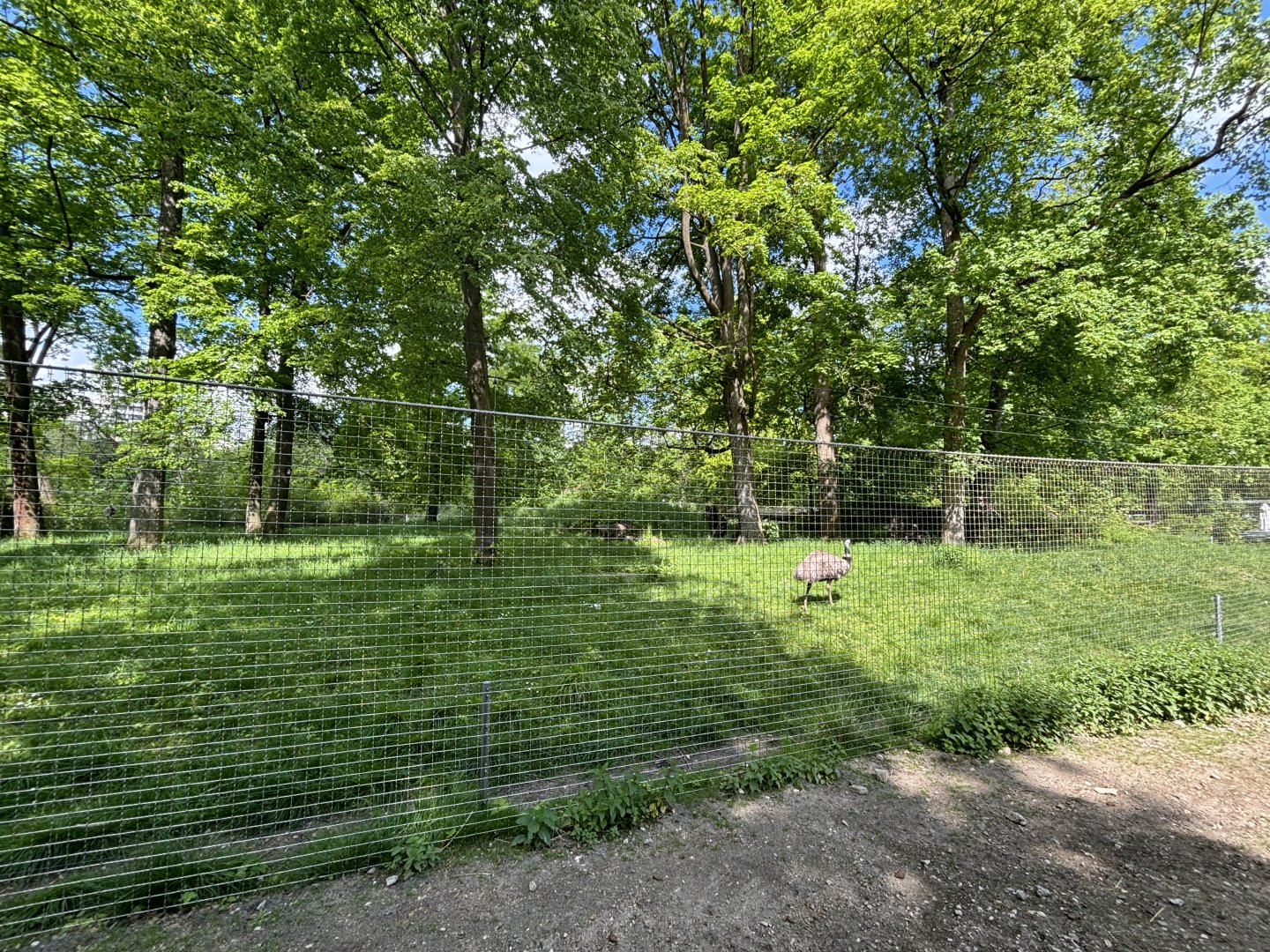
Across the pigs was an enclosure for red-necked wallabies in an enclosure that does seem like eye candy while not being too extra ordinary (edit: one can even see the Friedrichsau park behind that’s next to the enclosure which was a pretty sight). Going right I passed by the playground adjacent to the Cameroon sheep enclosure. The path was blocked by the emu enclosure. You could tell that this used to be a bear enclosure by the presence of a hung tire, which I guess was thought as this magical item that will improve an animal’s life by a huge margin back in the day. I do not object the replacement of the bears with emus but I think the zoo could have moved the wallabies with the emus and bring in a new species to the wallaby enclosure. But then again this is not my place to talk since I never managed a zoo before.


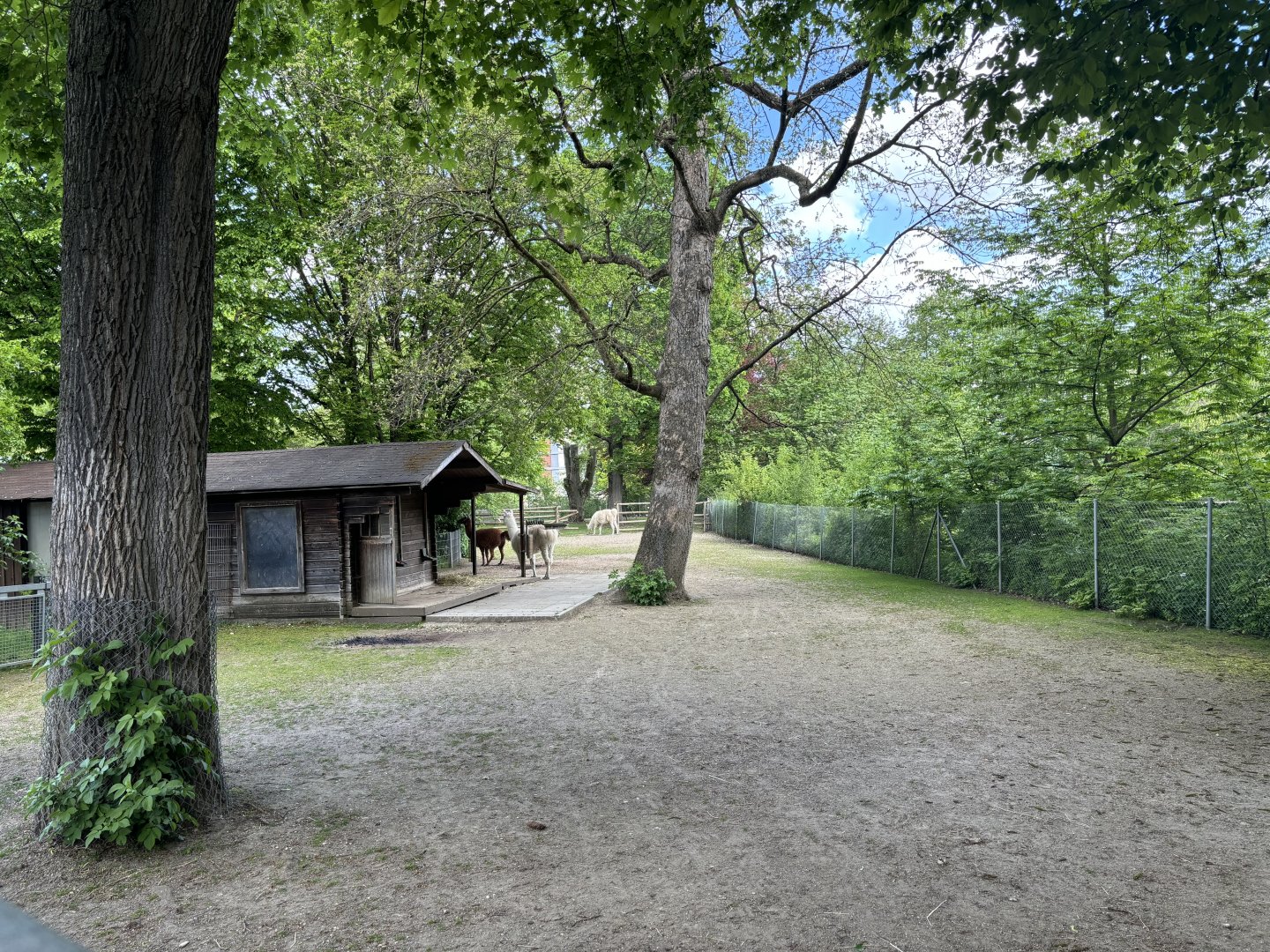
After looking at the emus I decided to pet some of the sheep that came near the fence and pulled some of the wool they were shedding. I went to the aforementioned intersection to wash my hands and got out again, this time to check the outdoor monkey enclosures all of which were empty at the time. Then I saw a narrow enclosure which got wider as I went on. This enclosure was home to four rheas and three llamas. While taking a picture I also realized that the enclosure is larger than it seems, with the animals being provided more space behind the wooden corral fence.


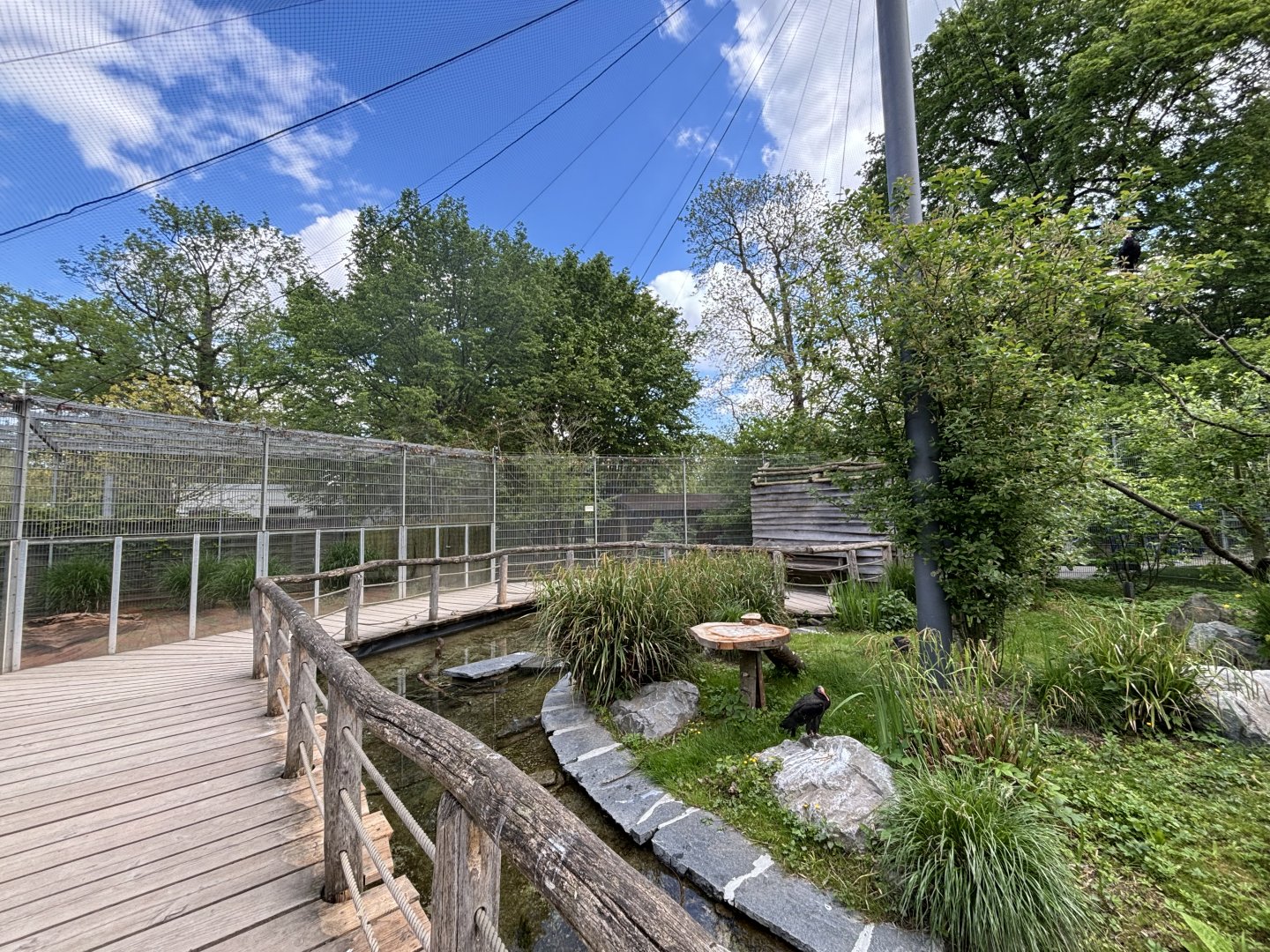
Following the llamas I saw an entrance to what looks like a walkthrough aviary. And a walkthrough aviary it was, home to waldrapp ibises, of which I only saw two. The animals had amole perching opportunities and grass and water to forage for possible prey. Also in the walkthrough area was an enclosure for zoochat’s favorite ragamuffins: meerkats;). The display glass is also topped with mesh, which I assume is made to ibis-proof the enclosure for the safety of the ibis. Not being able to find the sulcata tortoise signed in the meerkat enclosure I decided to exit the enclosure only to find myself in the intersection again.
 
Last edited:
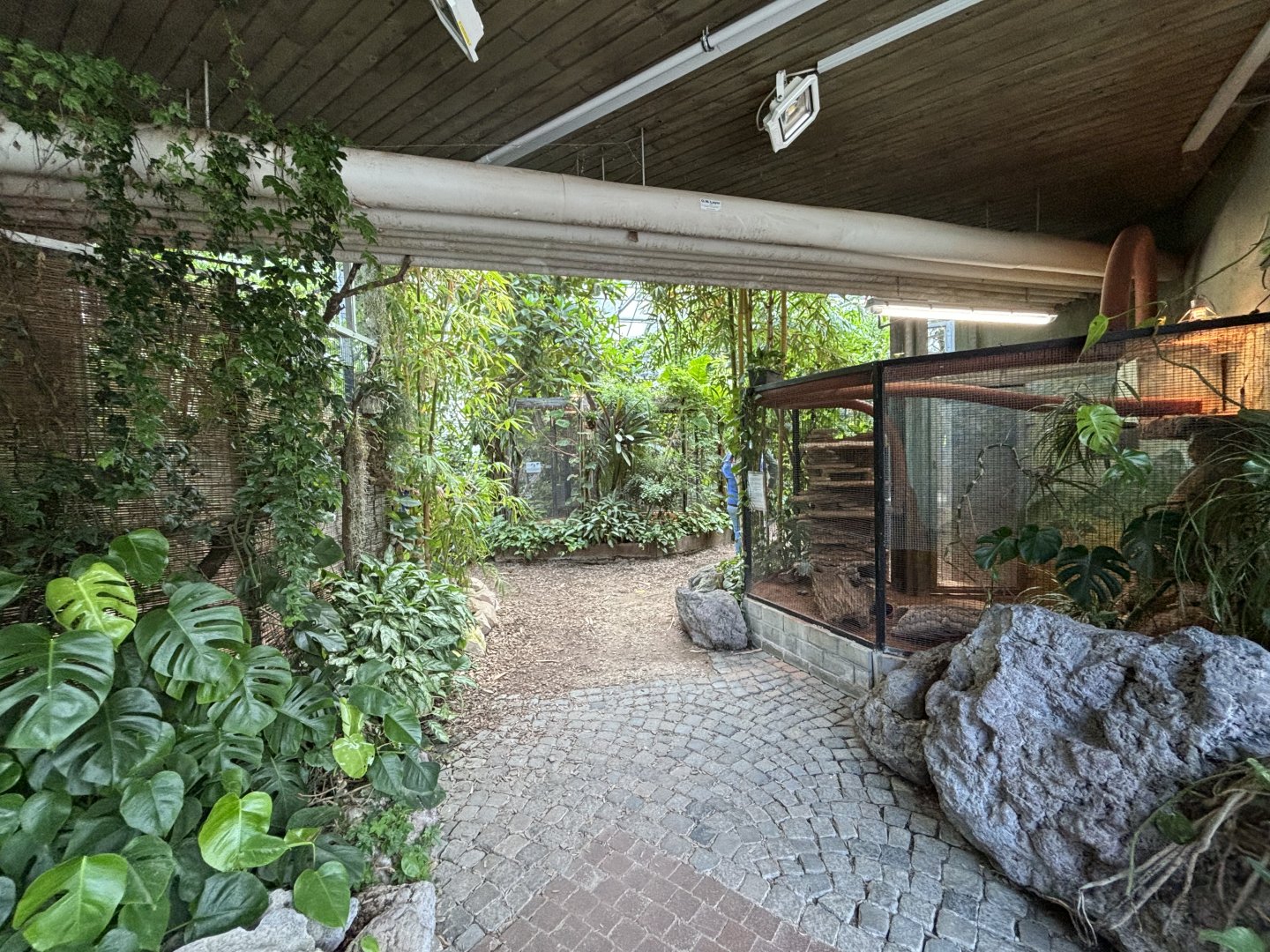
The tropical area felt like the weakest part of the zoo for me. Following a floral path from the intersection, the tropical area stands before the visitors. The first thing the visitors can see is a small enclosure for dwarf mongooses. The enclosure was decked with tubes above and below for the animals to go around but when I first checked the enclosure I didn’t see any signs of life. Only later did I see the seemingly tired animals hiding behind a tube near their nest box.


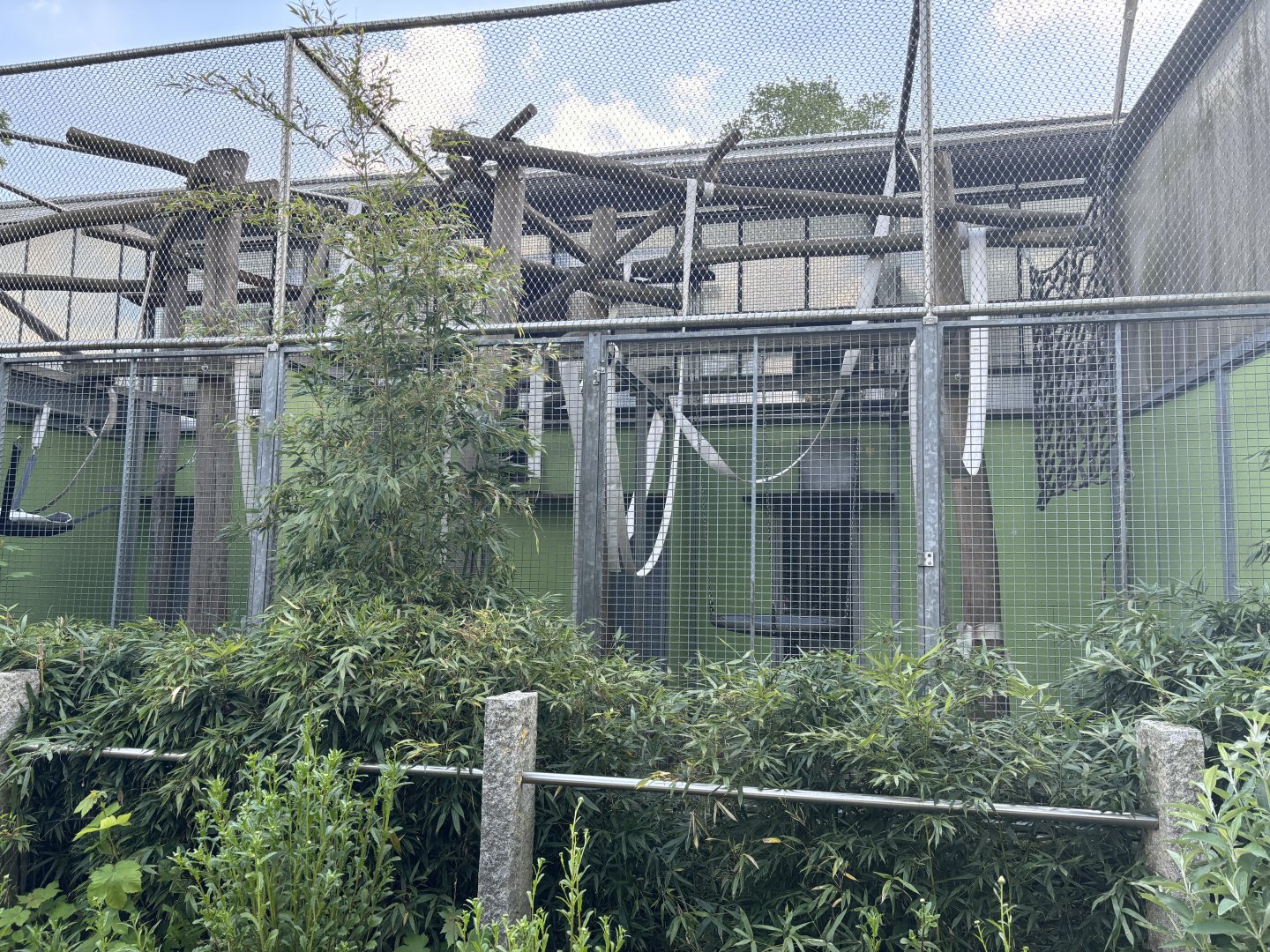
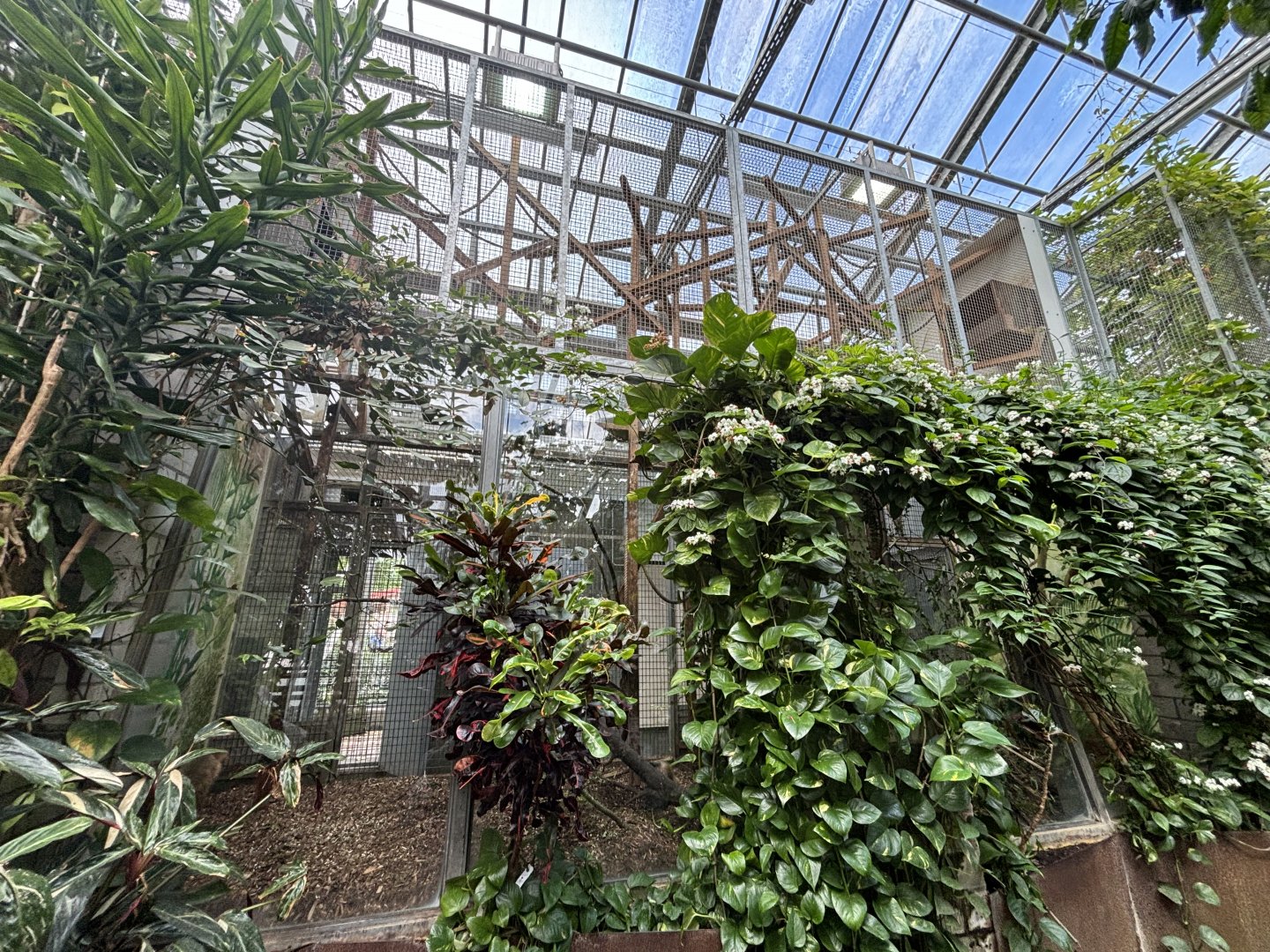
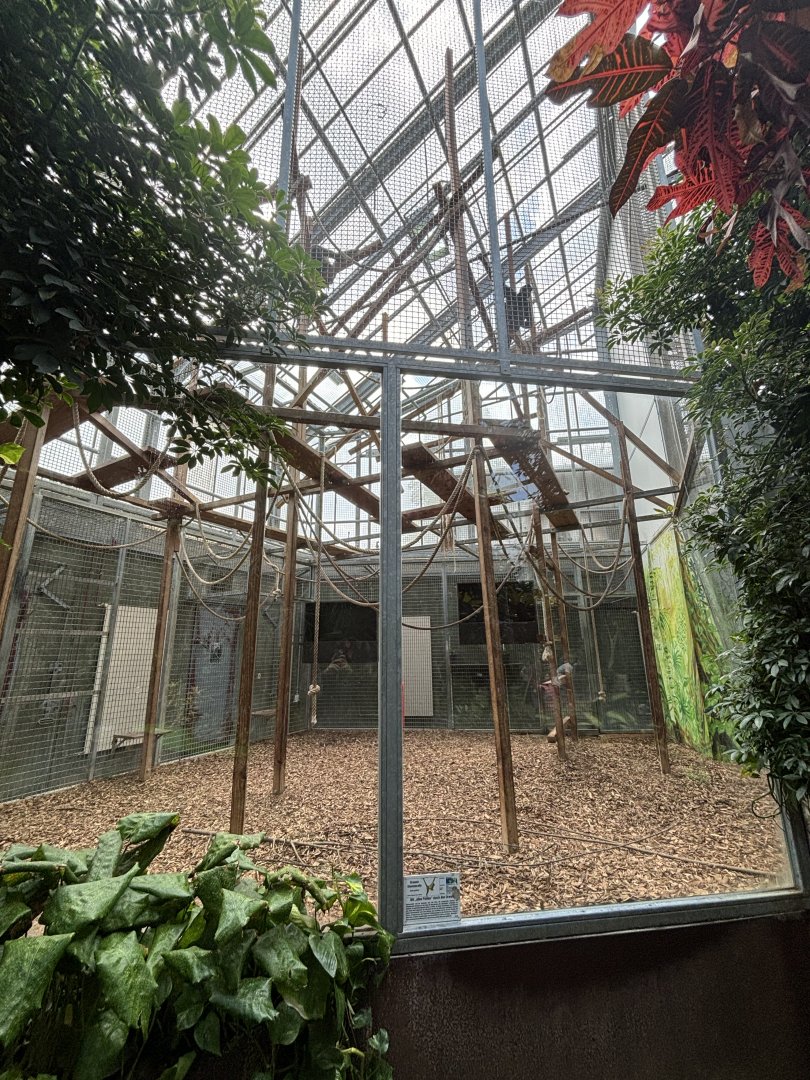
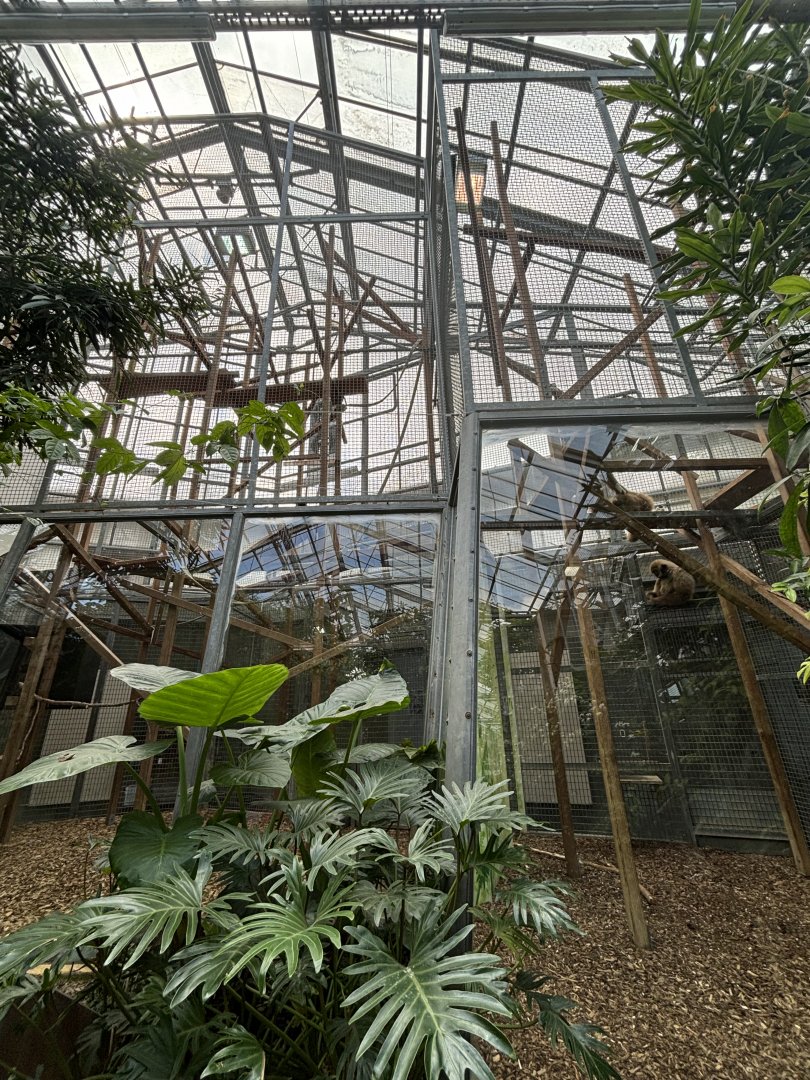
Right across the entrance is a tiny enclosure for budgerigars and frankly this enclosure didn’t impress me, it felt barren with the only form of enrichment/ novelty I remember seeing was a few perches and a cuttlefish bone. I then continued on the right and saw the indoor enclosure of the primates: tufted capuchin, common marmoset, lar gibbon, black-handed spider moi. I was happy to see the spider monkeys and gibbons since they are my favorite of their respective genus and family respectively. But seeing them in these enclosures was puzzling. The enclosures were high with many wooden beams on the top giving the animals a great vertical space. The animals do have some sunlight since this area’s is part greenhouse. Unlike the outdoor enclosures the animals can also forage if they are given the opportunity to inside. But the enclosures feel too narrow especially for the gibbons and the spider monkeys not to mention the animals could use some form of enrichment such as cardboard boxes or soft toys the capuchins won’t pick up and bang the glass with. I do hope the zoo has plans to replace the large primates with smaller species such as squirrel monkeys, white-faced sakis, and other callichtrids.


After the monkey business was over I continued and saw another parrot cage, this time for red-flanked lorikeets. This enclosure had mire perching options for the birds and had nest boxes. Seeing how there was more than a pair of birds I take it as this zoo may be able to successfully breed this species. Further ahead was the enclosures for Banderhorst’s snapping turtle, spectacled caiman, and an aviary for a single scarlet ibis, a Senegal parrot, a group of red footed and yellow footed tortoises. With that the tropical loop was complete.


I decided to check the outdoor primate habitats one more time. There I noticed that the animals are offered live plants in a large pot placed inside the enclosures. Only the capuchins didn’t have any living plants in it but knowing how destructive they are I wouldn’t be surprised if they are the culprit behind the dry flower pot.


I went back to the aquarium area to try and find some animals, which I previously didn’t see, with varying success. At that point it was half past noon. I thought that it was time I left for my next destination. I exited the zoo, seeing how the llama enclosure extends to outside the zoo. Now there were fewer visitors than before. It was the ideal moment to finally take a picture of the entrance and head to my next destination.


to be continued…
 
As I said on the OP I decided to visit Reptilien Zoo Neu-Ulm without much planning. So I was confused when I searched up transportation to the Reptilien Zoo only to see N RS routes, which I never heard of before and didn’t knew if I could ride them with my Deutschland ticket. Not understanding what the N RS routes were and not wanting to waste much time trying to seek answers I impulsively made the following decision: I will walk to Reptilien Zoo. I did want to see the cathedral up close so I decided to have lunch at the heart of the city. After looking around the town a bit I decided to start my journey on foot to Reptilien Zoo Neu-Ulm.


Before I get called a maniac for not taking any form of public transport I do want to address the fact that even if I took the N RS trains (a bus which I just found out while writing this post), I still would have had to walk for 25 five minutes anyways. Therefore walking for more than fifty minutes to reach my destination wasn’t a deal for me. I am used to walking long distances and knowing that I would be walking through a city I wasn’t too afraid of getting lost.


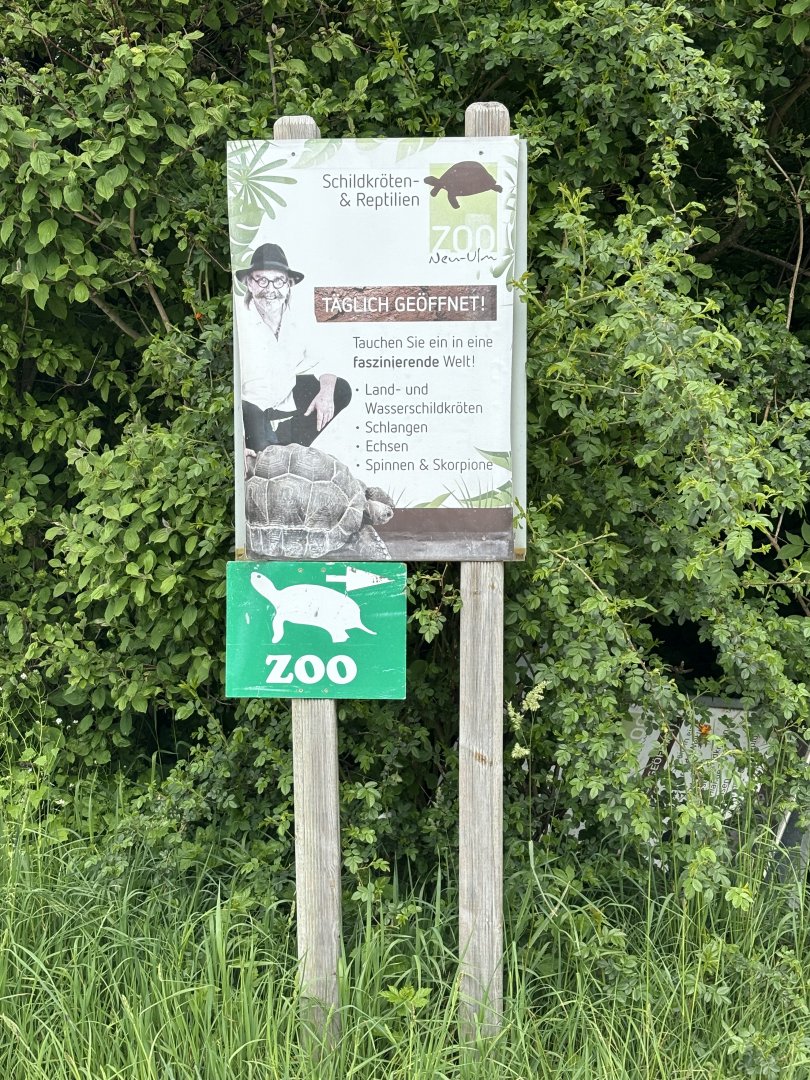
After checking out the Ulm Cathedral and having my lunch near the town square, I decided to start my journey. First I walked across a bridge going over the Danube river and arrived at Neu-Ulm. This is also how I learned that not only that Ulm and Neu-Ulm are separate cities. They are also in separate states with the Danube acting as a border between Baden-Württemberg which probably wouldn’t be as surprising if I did my research beforehand. Through Neu-Ulm, my surroundings changed from the inner city, to the residential area to the outskirts of the town. The walk through the fields, either planted or empty, took around 25 minutes before I was finally able to reach my destination:


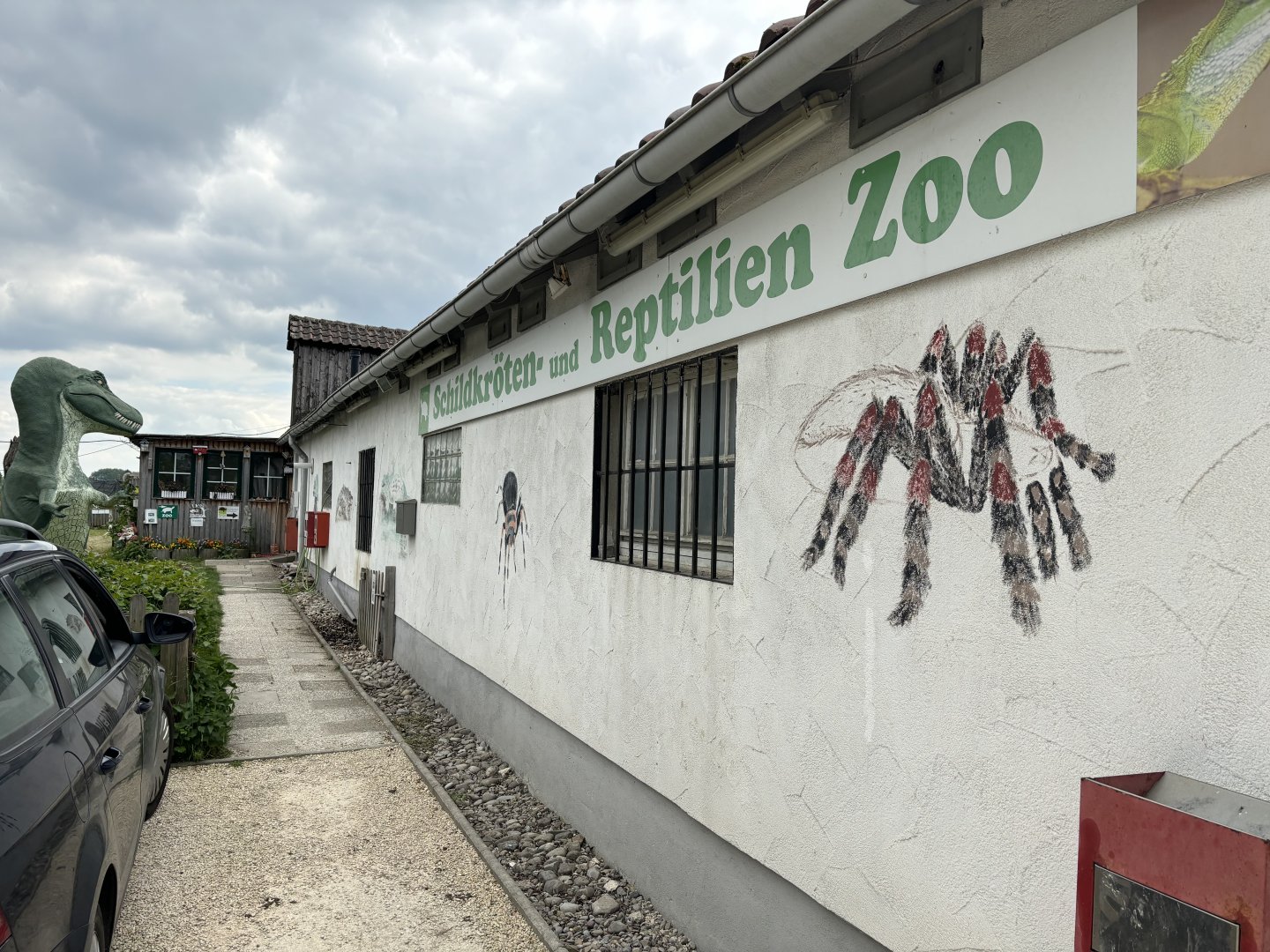
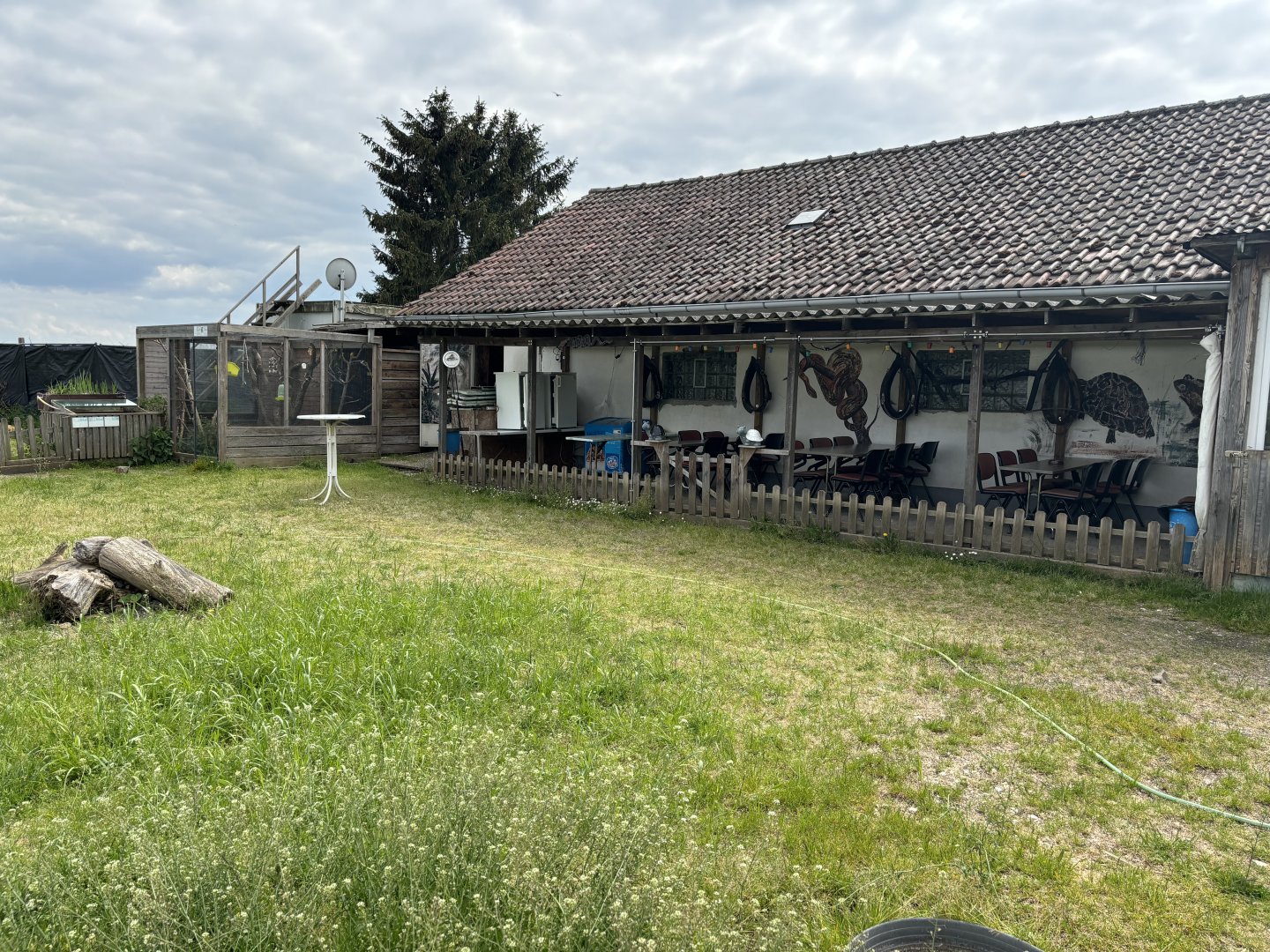
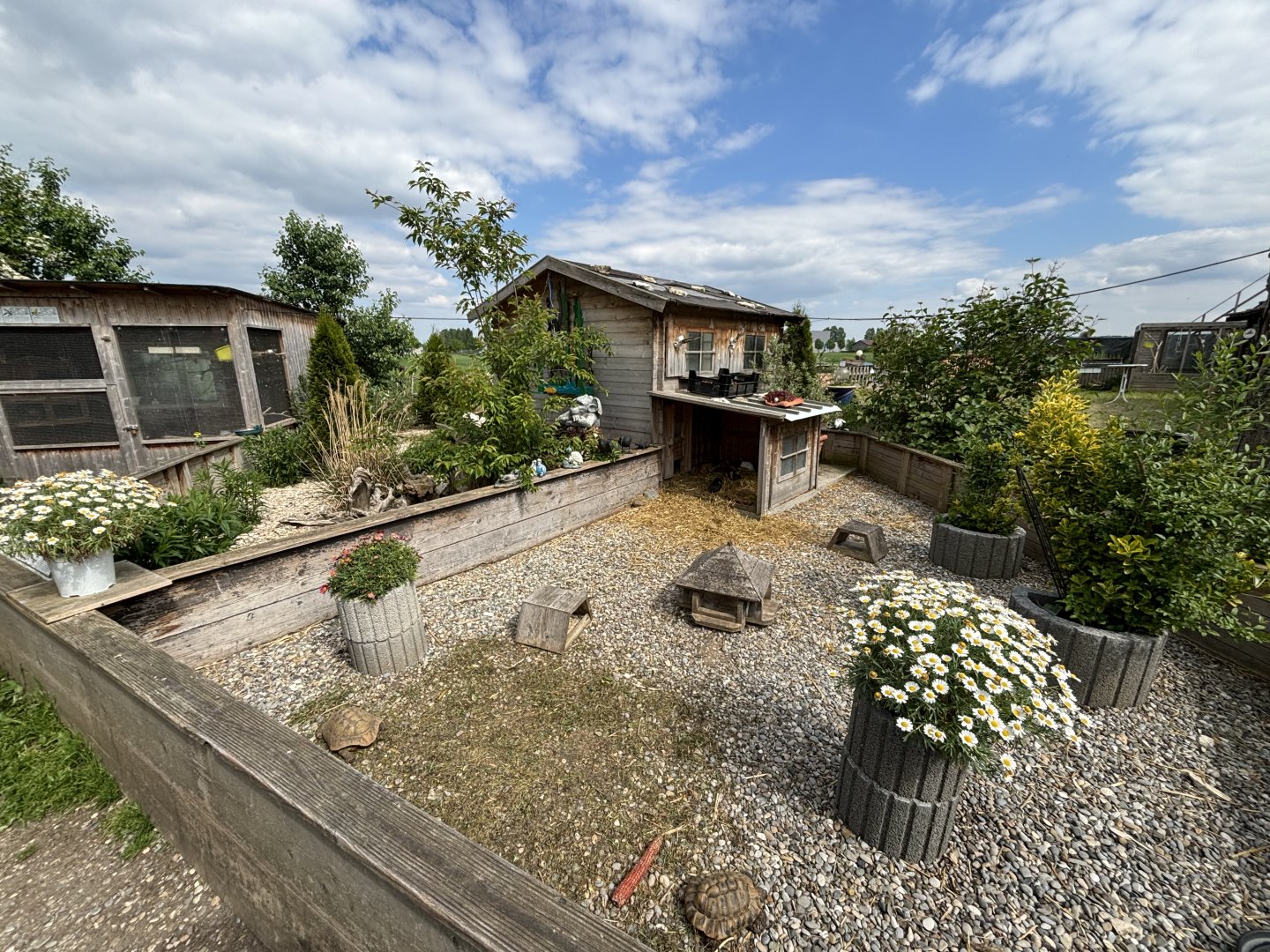
Turning right from the sign I was at the property which had a parking lot, a play ground, and a path by the wall of the building which entered front yard where there were two enclosures for greek tortoises, one of which also was home to guinea pigs and a Sebright chicken. The enclosure was full of gravel which is probably why the guinea pigs stayed in the shade area with straw bedding instead of exploring the enclosure. After looking at the enclosure I went towards the door of the building.


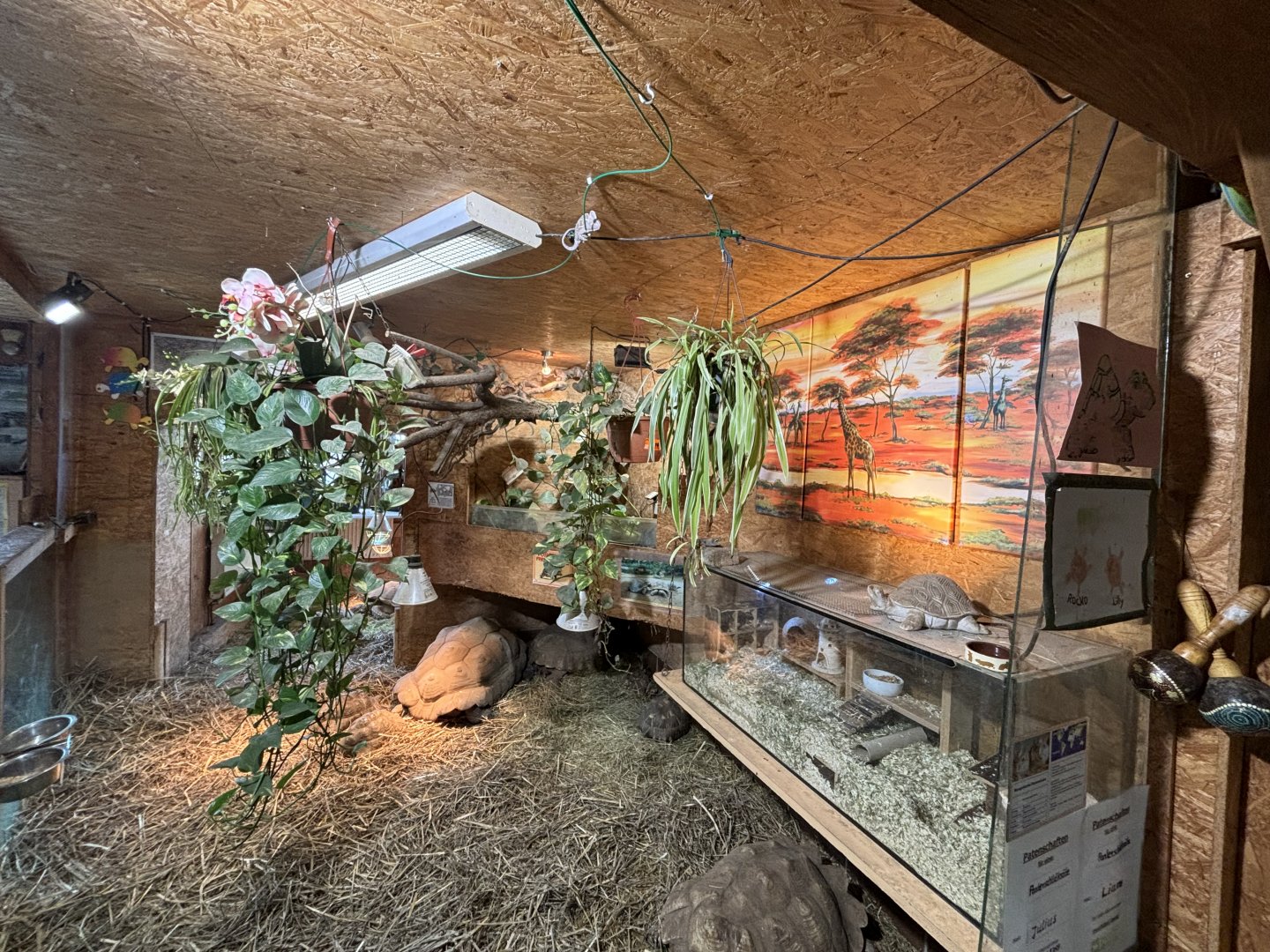
After opening the door I saw the cashier sitting on a table next to an open top enclosure that could be described as chaotic despite housing some of the slowest animals of the world. Several sulcata tortoises along with a Aldabra giant tortoise, and a radiated tortoise were resting and walking around a straw bed enclosure. There were light lamps, heat lamps, their wires, a water mister and hanging pots. Leaning the wall was a chelonid enclosure which I wasn’t able to tell what lived in it due to the distance between it and the visitor path. There was also a gerbil tank where I was able to see the animals. I payed the cashier eight Euros and she told me that not to touch the water and that there was a chameleon on one of the wires.

 
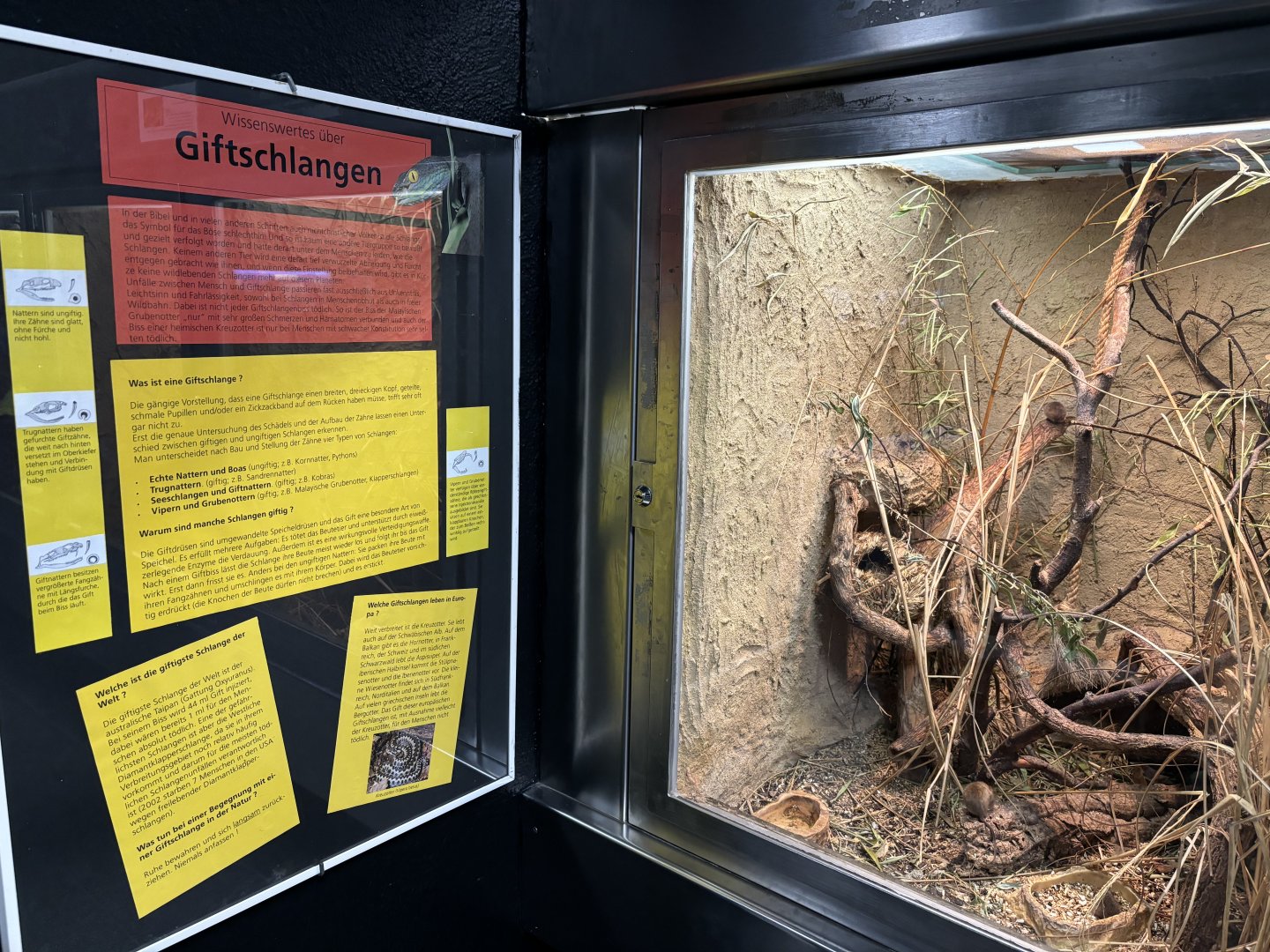
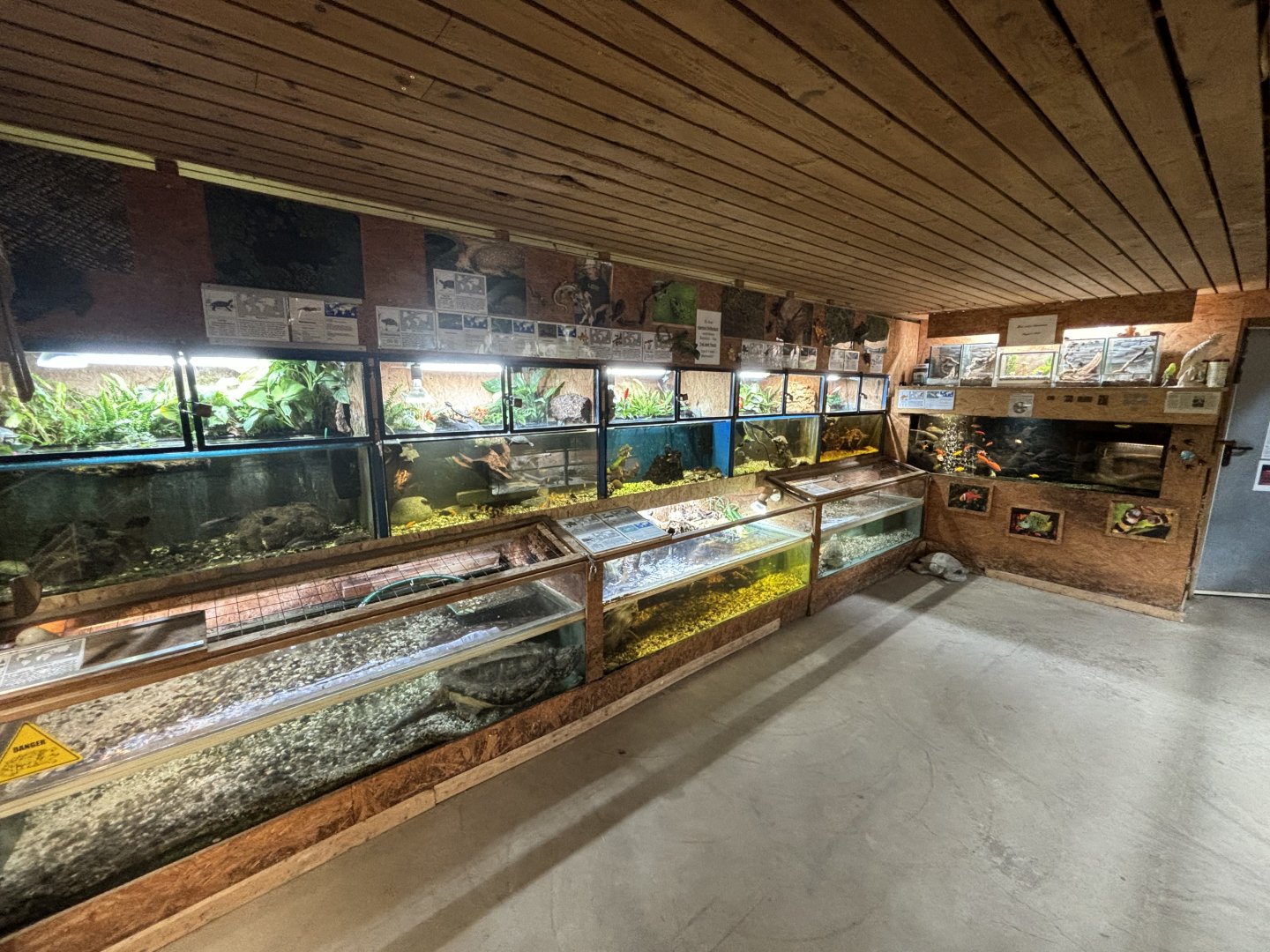
After finding a pale looking veiled chameleon I started looking at my surroundings because there are enclosures all over the place. I headed forward and found myself in a dead end with notable species in the hall being an alligator snapping turtle, a common snapper (a favorite of mine), fly river turtle, goldfish, some North American toad species, and two monitors (savanna and black-throated) monitor and many turtles in underwater tanks. Some of these tanks felt very small for the animals. Especially the snapper and monitor tanks which I felt squished myself looking at them.


Before I continue with my detailed visit I would like to give a general overview of the inside facility. The arrangement of the tanks and displays are randomly placed, which would be a nightmare for fans of both zoogeographic and taxonomic exhibits/groupings. In the plywood halls were adorned with decorations everywhere be it animal shapes ornaments, newspaper clippings, animal posters, and of course the animal signs. I wasn’t able to put a finger on whether the decoration were charming or tacky, albeit I am leaning towards the former. The signs either were made by the Tukan Brand zoo signs or were homemade. Due to many factors such as unsigned animals, signs with outdated binomial names, and my phone having limited memory space I would like to apologize beforehand for not being able to provide an up to date list of this facility.


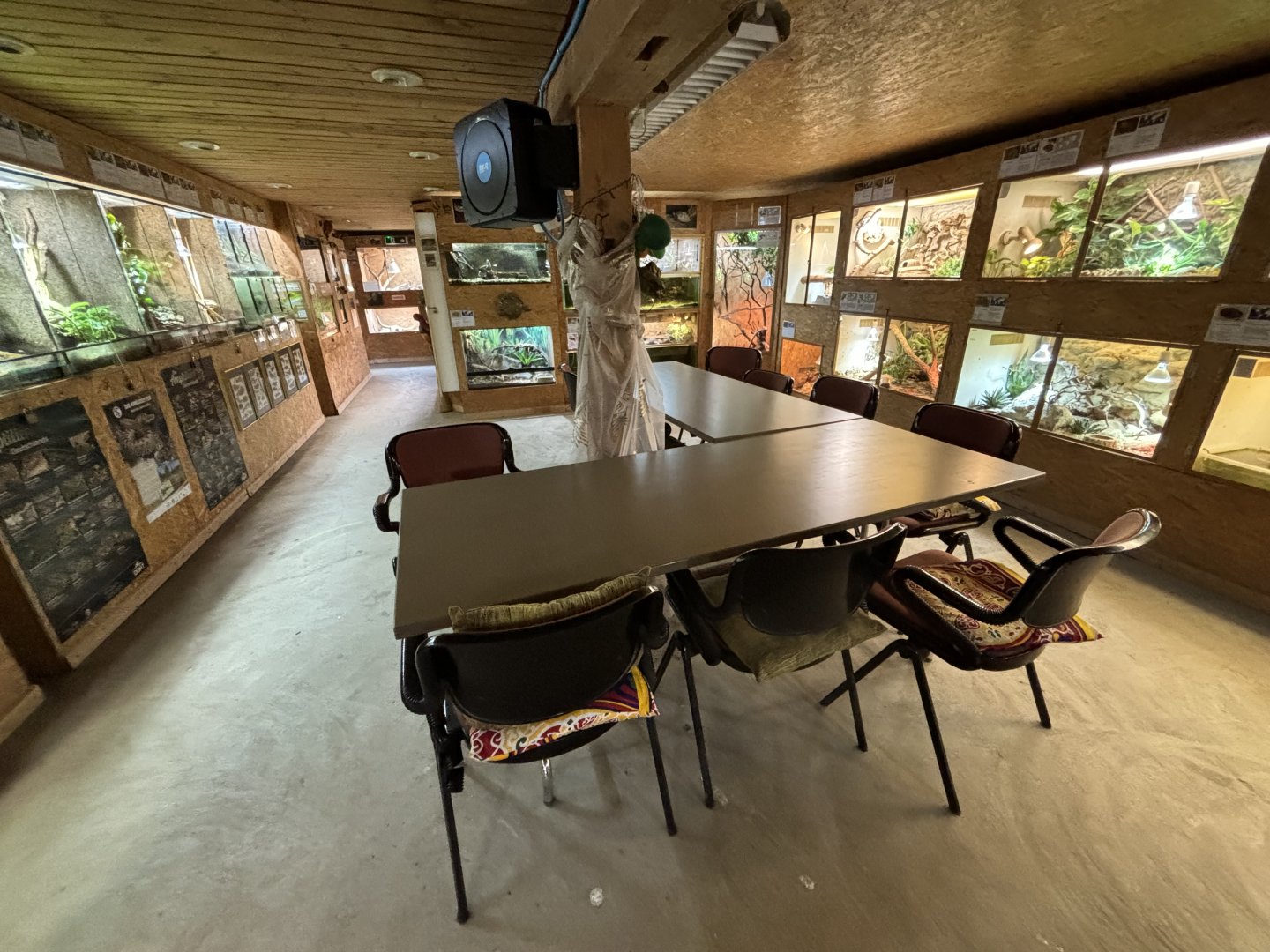
After getting out of the “snapper hall”, as I call it, I headed right and was at a wider hall. At the time there was a family with multiple children in the building which hampered my chances to take pictures here. And to think I had a hard time at Wasserstern… This part of the building had some tables and chairs which thankfully didn’t take too much space, making the area was easier to traverse compared to other parts of the building. Species of not here include tokays, some Lampropeltis species, tarantulas, a reticulated python, geckos of many species, and of course more turtles.


Further ahead there was a fork in the hall with two desert vivarium, with one housing bearded dragons and other Australian reptiles and the other housing colared lizards and Gila monsters)right before me. I headed left and passed by a corn snake terrarium with too many corn snakes before I was welcomed by another dead end. This dead end featured a large tank with a large swimming area featuring oscars, Chinese water dragons, and many species of freshwater turtles. There were also some squished Asian giant pond terapins, frill necked lizards, dwarf bearded dragons, and sinai spiny mice. There was also an enclosure for Taiwan beauty snakes but I wasn’t able to find any. Bummer.

 
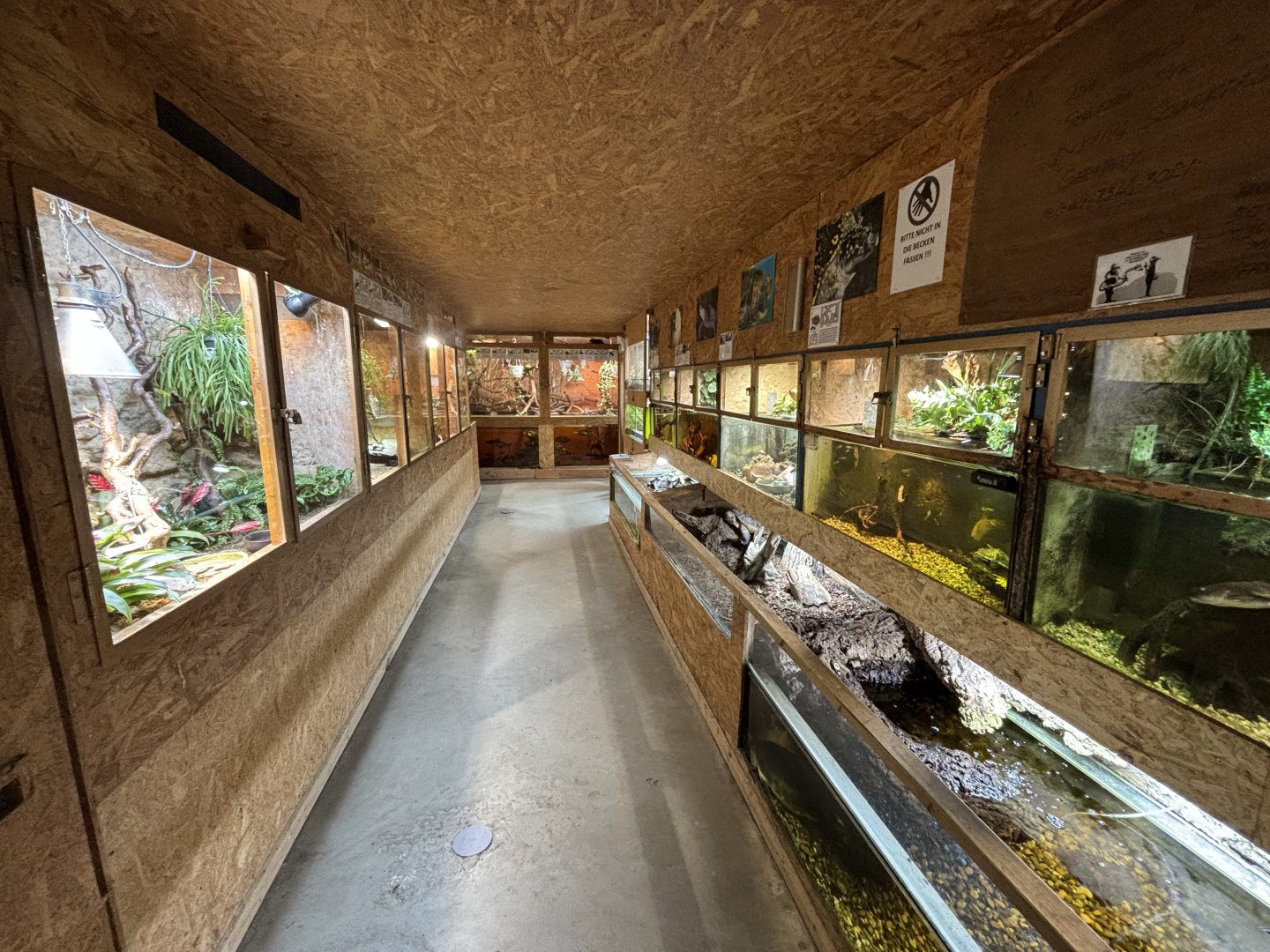
I then headed to the right path of the aforementioned fork. There I headed through the narrow plywood hallway featuring (from what I recall):

  • A mixed species tank featuring a boa constrictor and a yellow annaconda
  • A “South American” tank with green iguanas, red-footed and yellow footed tortoises, black spiny tailed iguana, and marine toad. (The latter two were signed not seen)
  • An open top tank with sliders and large fish. Visitors can reach to the water and touch the turtles if they wanted, hence the cashier’s warning against touching the water.
  • A tank with multiple ball/royal pythons
  • A tank with a common snapper and some tree frogs I wasn’t able to identify.

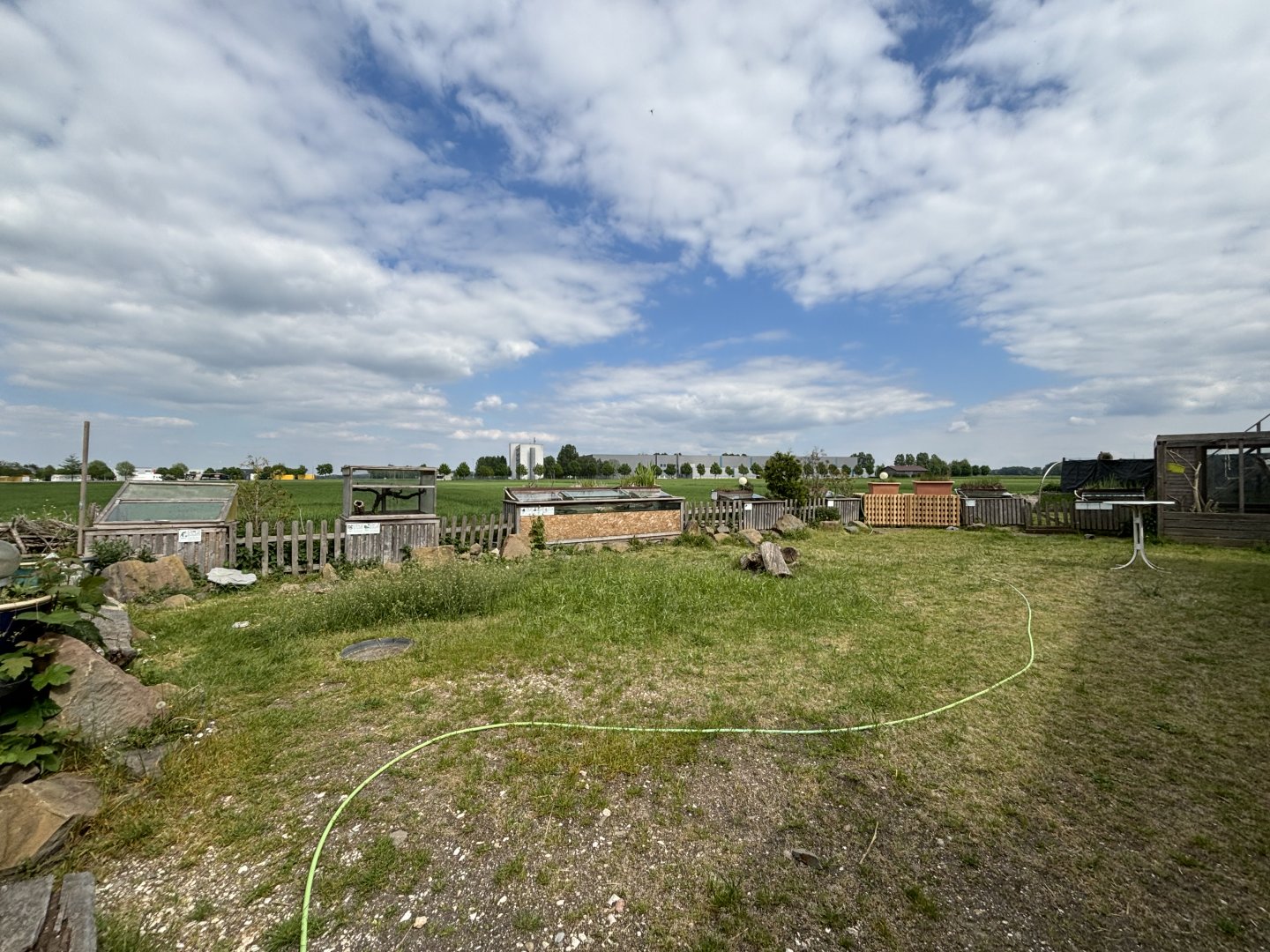
From the hallway I headed to the great outdoors. Right on my, well, right there was a small aviary which was home to love birds (Fischer’s, masked, and possible hybrids). Across me were some outdoor enclosures which were, unlike the enclosures in the indoor area, well spaced from one another. Some of the tanks were empty with signs that had their ink dissolved. The couple exhibits that did seem full with visible signs I didn’t see any animals in them.


I decided to walk back to the entrance area of the park to check the other outdoor tortoise area and the second aviary which I previously saw with the corner of my eye. This aviary was home to budgies, cockatiels, and one red round chicken (which I remember seeing Antwerp on the sign but Neu-Ulm is not listed as a holder of Antwerp bearded chicken). The aviary could be described as dank, with the a good chunk of the enclosure having solid barrier making the enclosure seem dark. I understand that this might be done to wind proof the enclosure to protect the birds but the enclosure still isn’t really eye candy. Between the playground and the tortoise enclosure was a patio which the director and staff were sitting and having a talk. Due to them already being in the middle of a conversation and my shyness I wasn’t able to ask anything. After taking a picture of the aviary and the tortoise enclosures I headed towards the exit. I heard the director of the zoo say goodbye to which I said goodbye back. To this moment I still wish I tried talking with the director.


Unfortunately there was an occupied picnic bench right in the front of the aviary. Therefore I was unfortunately unable to take a good overall photo of the aviary.

With my visit complete I started to walk back to Ulm with plans to get some grub and go back to Munich.

Now time for a retrospective of my destinations…

To be continued…
 
Let’s start off with Tiergarten Ulm. While this zoo doesn’t rank too high in my personal visits, it is definitely better than the small municipal zoos I have visited such as Karatay Zoo, Anakara Domestic Animals Park, and the closed Samsun Municipal Zoo. I am not trying to drag Tiergarten Ulm to low level by bringing up these odious collections, instead I intend to show that with the right management (which I understand isn’t available all over the world) and being able to let go of large species while focusing on smaller species a small municipal zoo could overcome its constraints be it space or not being treated as a priority by the local government. The zoo could do a bit better by replacing the larger primates with smaller species, maybe add a couple capybaras or maras to the llama and rhea enclosure, or mixing the wallabies with to emus and utilizing the space made from the wallaby enclosure for a new species. It does feel unfortunate that this zoo has to face Wilhelma, which is one hour away, as a competition. While the Tiergarten was full I assume it could have been more packed if there wasn’t another zoo that could offer more species including many ABCs not that far away. Despite the room for improvement, enjoyed my visit to Tiergarten Ulm. However I don’t think I would revisit it unless a radical addition or change has happened in the zoo.

After visiting Wasserstern I did not think I would I would visit another small reptile collection anytime soon. And by small I mean the size of the facility, not the collection. The zoo has both familiar faces (such as green iguanas and sulcata tortoises) and local and continental rarities (such as edible bullfrog and giant Asian pond turtle) which would be a delight to both amateur herp lovers and life-listers. However there are a handful of flaws which one might have to consider before adding this place to their bucket list. First of all, the number of species make this place feel like a quantity over quality collection, with enclosures being hit or miss with either interesting mixed species and/or amphibious environments or tanks that feel too small for the larger animals or the ones that share it with multiple other individuals. Having this much animals could be considered overwhelming for some especially when some of the terrariums can’t be seen without crouching. Perhaps I got spoiled by the cheap entry price of Tiergarten Ulm (6.5 Euros) and Wasserstern (5 Euros) because I thought 8 Euros to enter Reptilien Zoo Neu-Ulm felt a bit too much for a collection that was too quick to finish and seem a bit cheaply built. And this haphazard structure did make me feel uncomfortable seeing water misters near lamps. Managing a great density of animals also seems to make it difficult to deal with pests because other than flies and roaches, I saw mice inside the establishment in two different occasions. Unless I am visiting this place with someone else, I am less likelier to visit this place than Tiergarten Ulm.

These two collections could be done in the same day and thanks to their small size it is possible to squeeze in a small sightseeing tour in the two cities and walk by the Danube river. Since both open at 10 AM one doesn’t have to get up too soon to reach the Ulms before heading to the collections. Just like with Wasserstern, the small size of these facilities does make it difficult to take pictures, which is why, as probably with most zoos, I advise visiting in weekdays or not during the holidays. While these obscure collections definitely aren’t a top priority for zoo nerds, I would recommend it to anyone who is interested in having a tour around the region.
 
Back
Top