Pridelands Developments
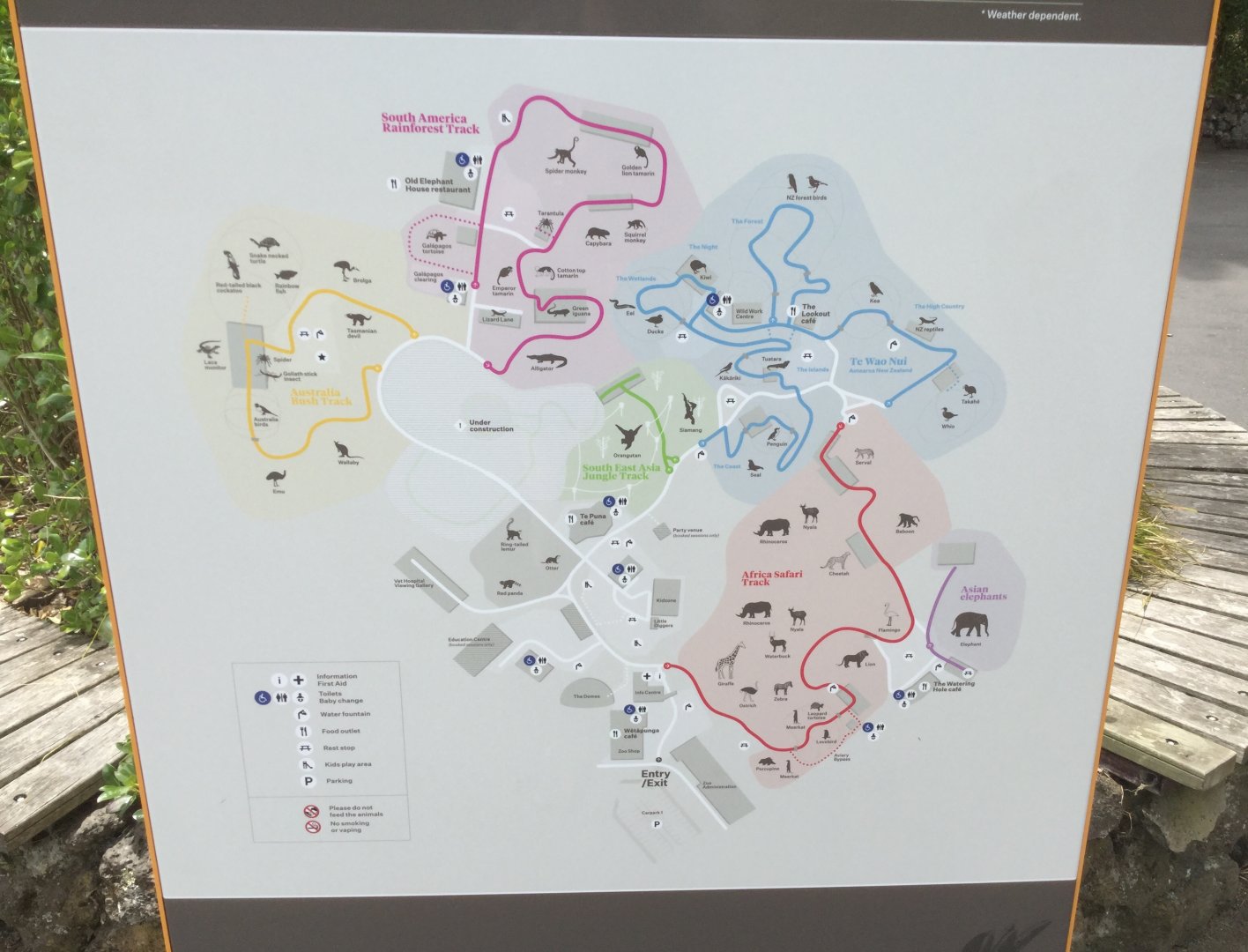
The Pridelands precinct currently consists of eleven exhibits:
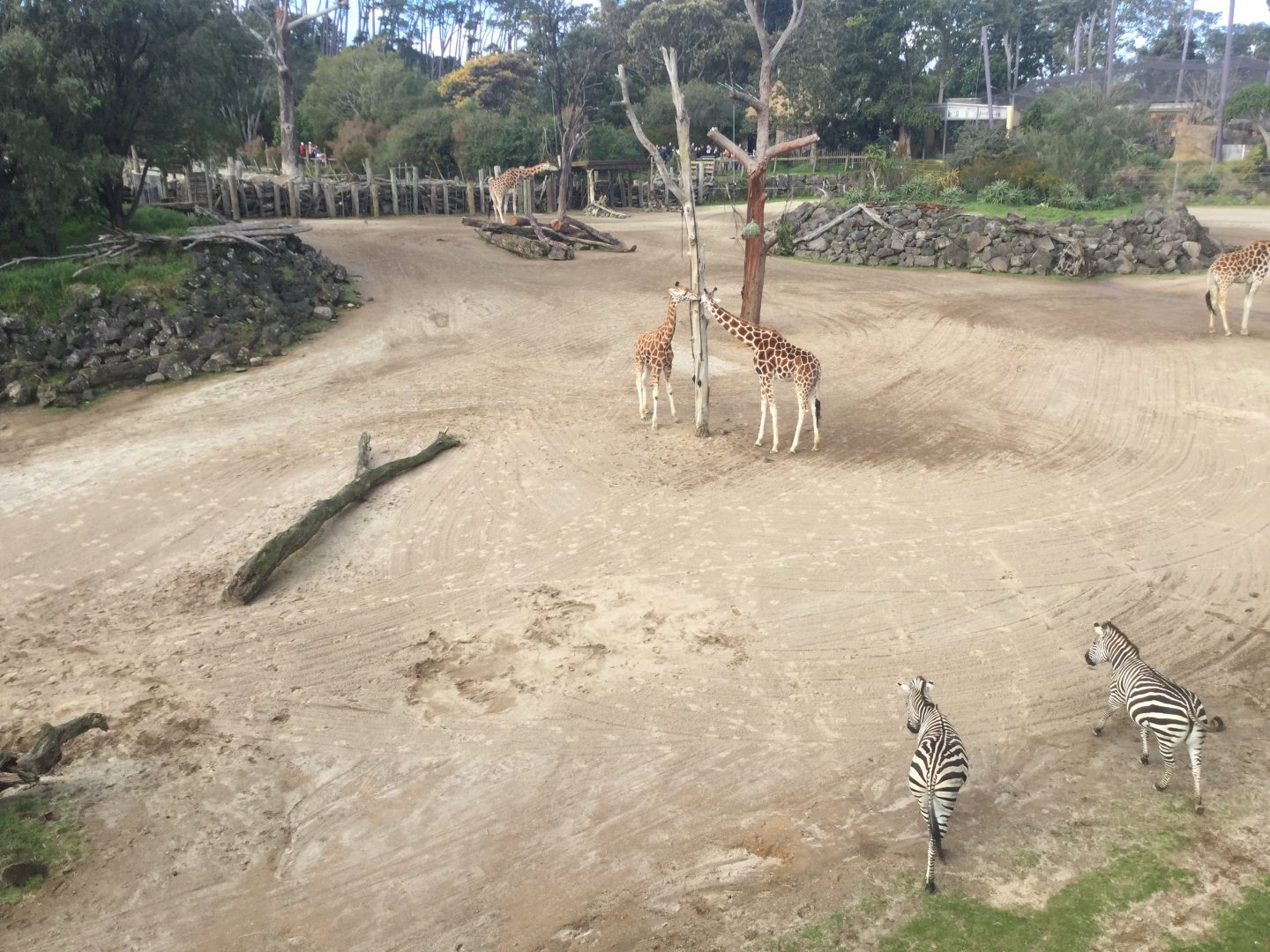
1. Giraffe, Plains zebra and Common ostrich
2. Cape porcupine and Slender-tailed meerkat
3. Slender-tailed meerkat
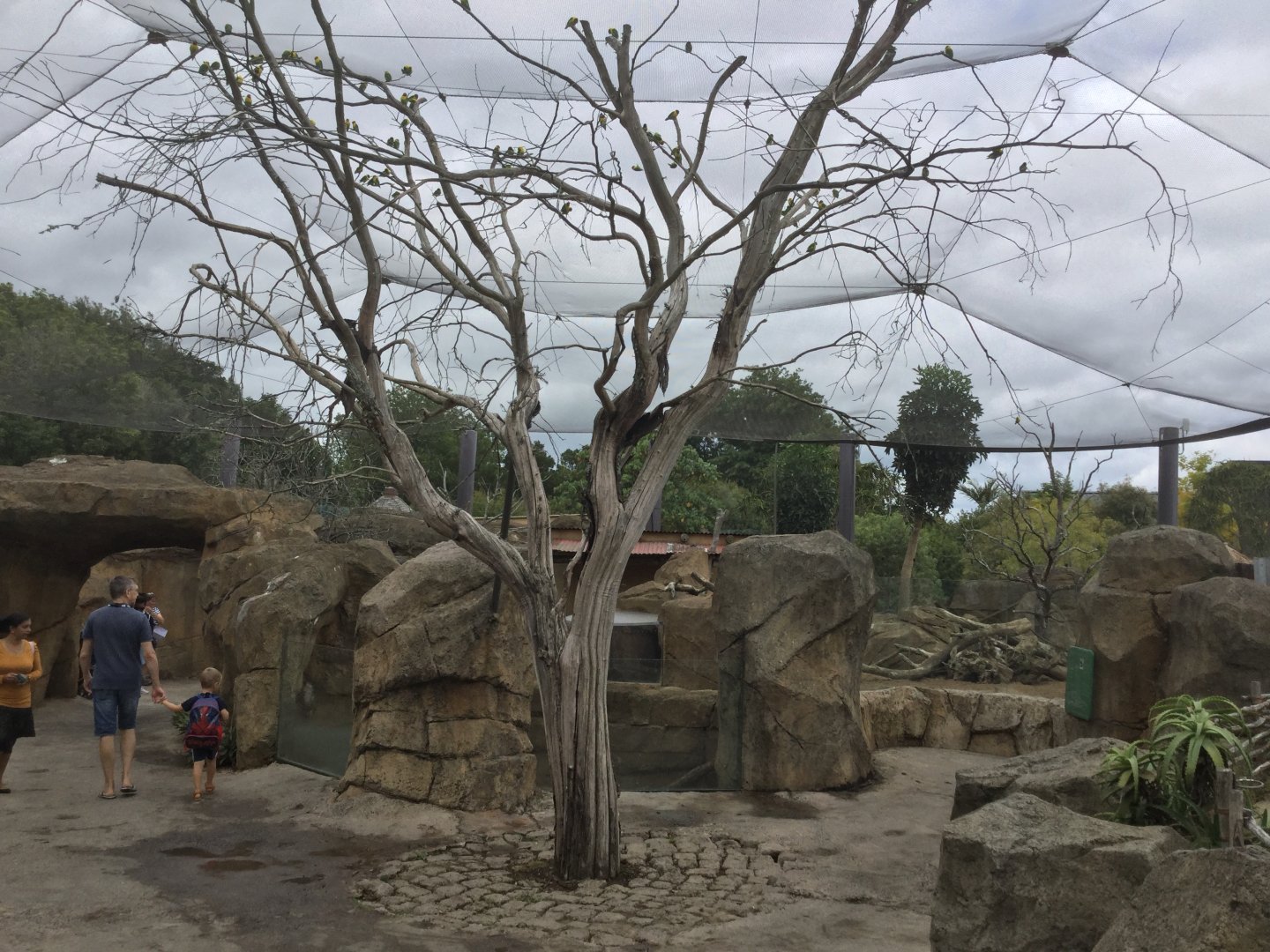
4. Masked lovebird
5. Leopard tortoise
6. Southern white rhinoceros, Waterbuck and Lowland nyala
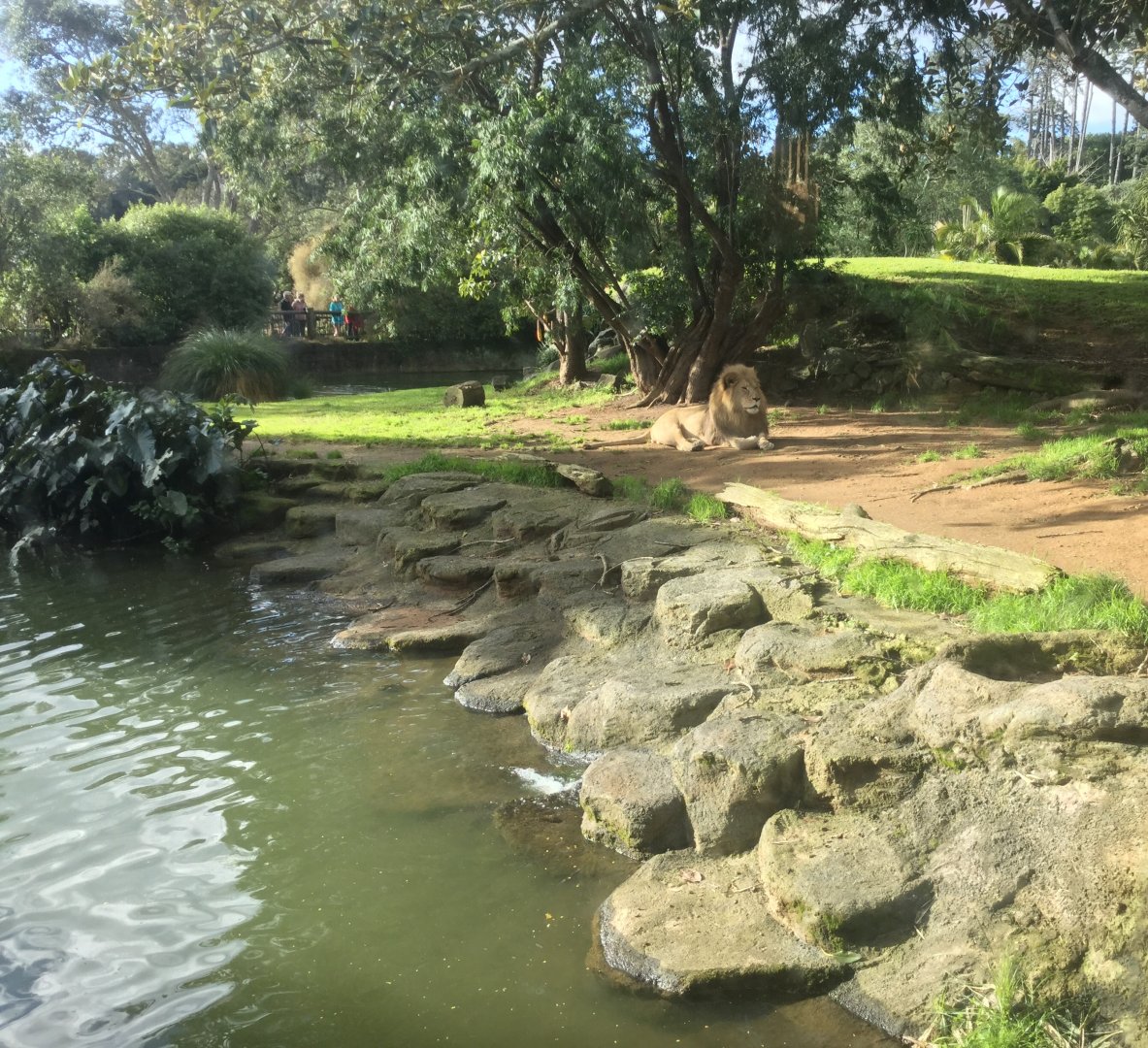
7. African Lion
8. Greater flamingo
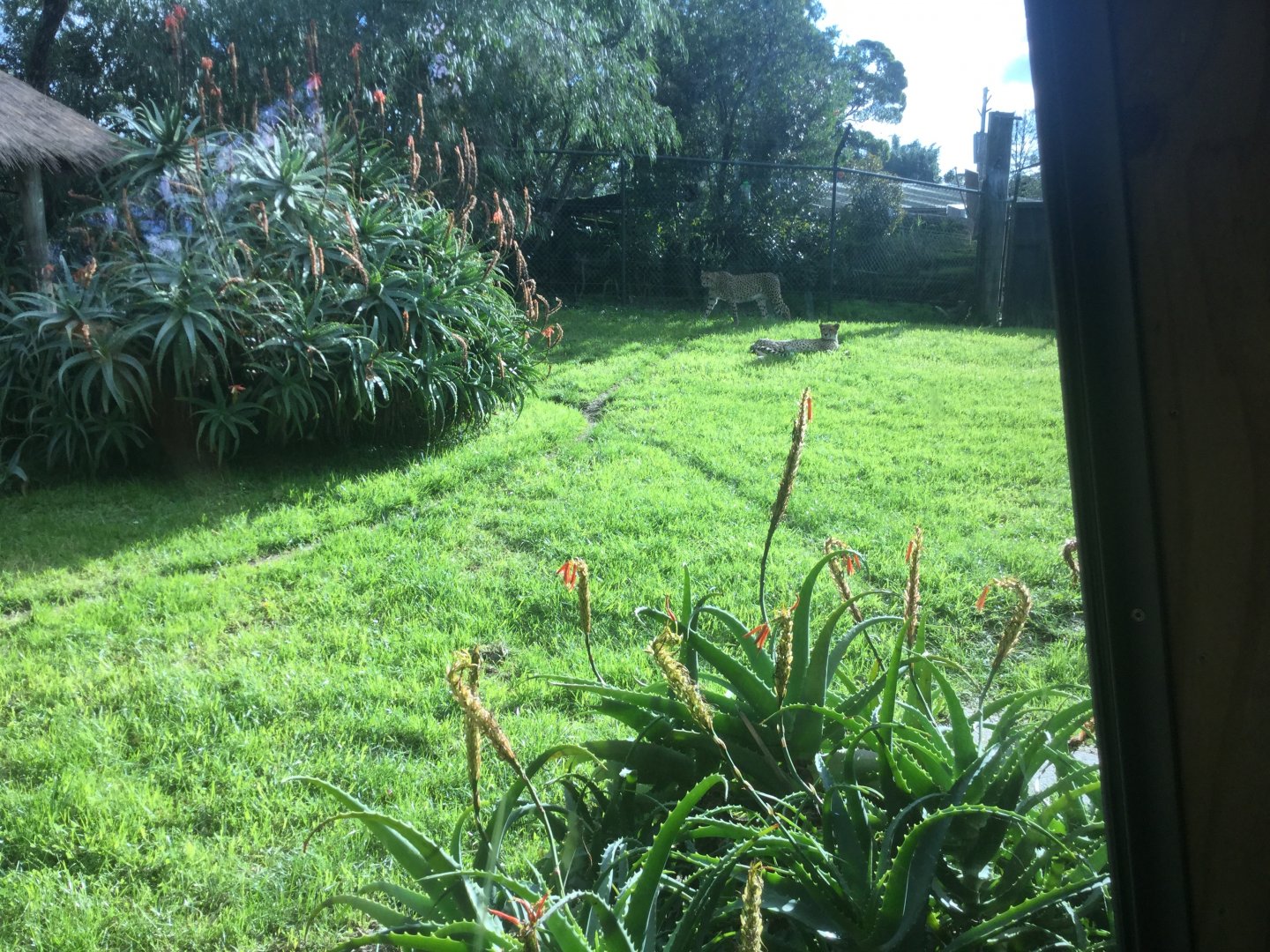
9. Cheetah
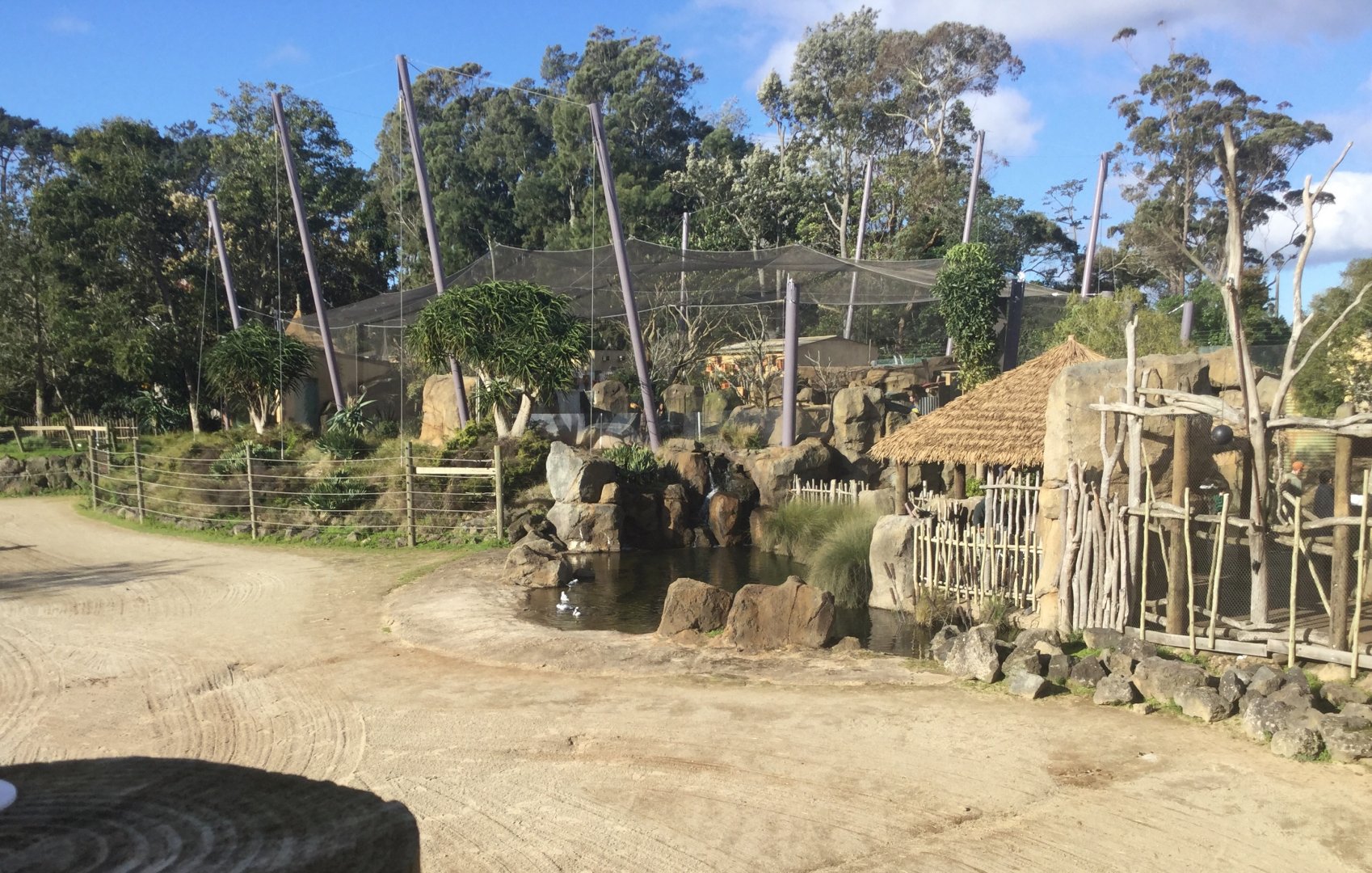
10. Hamadryas baboon
11. Serval
Confirmed Developments:
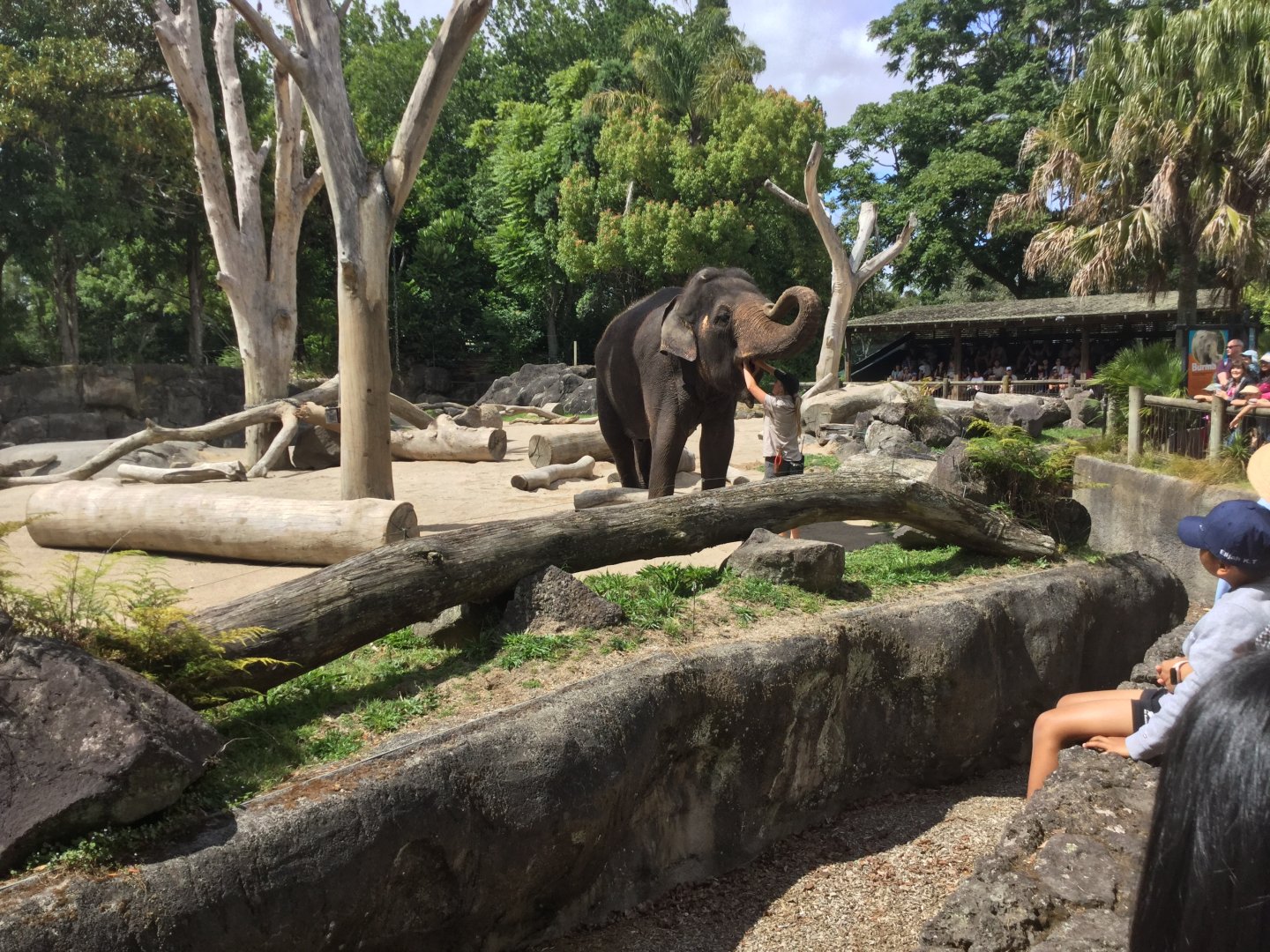
As mentioned on the zoo’s social media, the Asian elephant exhibit is set to be redeveloped into a Southern white rhinoceros exhibit - which will become an integrated part of the Pridelands precinct. No further info including concept plans or target dates have been released, though it’s possible construction will begin as early as next year after the elephants are exported to Australia.
Likely Developments:
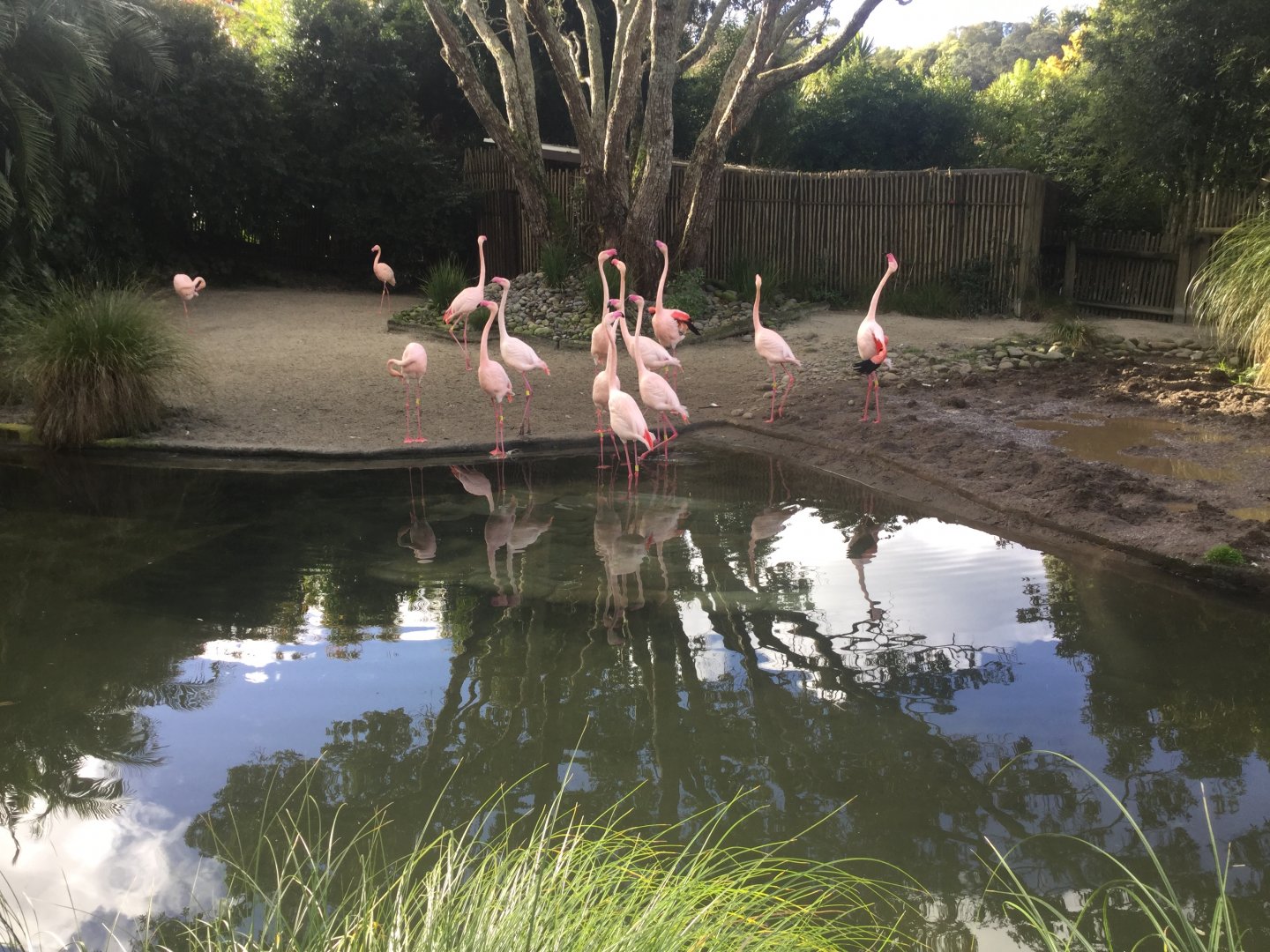
The Greater flamingo exhibit (opened 2001) is looking dated and cramped. The flock has long since outgrown it and to promote continued breeding success, they will presumably follow through with plans to build a new exhibit. The 2014 masterplan outlined plans for a flamingo aviary, though no further information has been released on this.
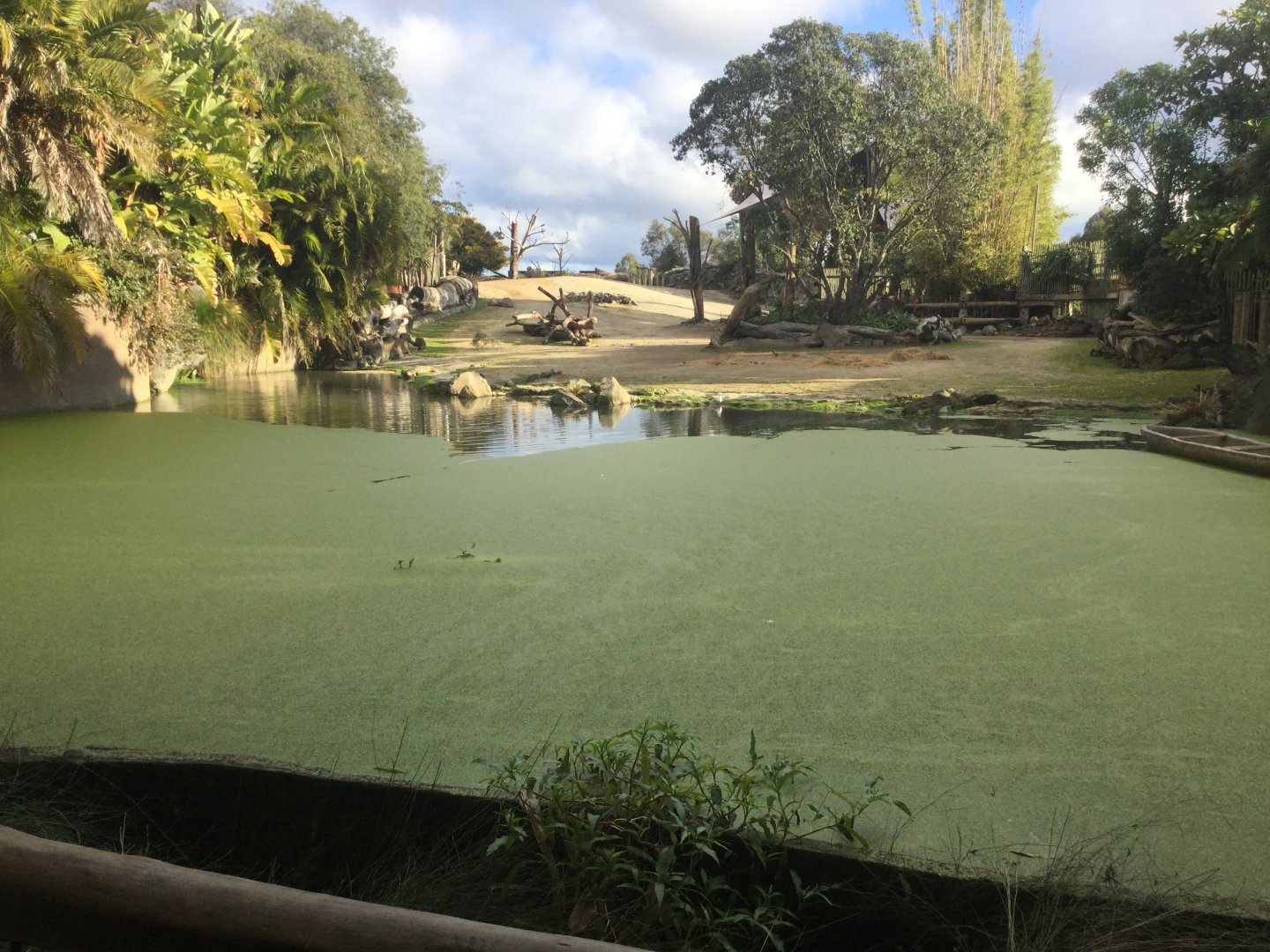
The Waterhole exhibit, created by merging the Southern white rhinoceros exhibit with the vacant Common hippopotamus exhibit in 2017 is still looking fresh; though the news that the rhinos are moving to the elephant exhibit suggests that this will be repurposed for something else. Having two rhino exhibits would be unimaginative and disruptive to the flow, considering they’d be interrupted by the three exhibits that currently seperate them. The change could be as disappointing as leaving the Waterbuck and nyala herd where they are, so it becomes an exhibit solely for them; but I’m hoping for a walk through flamingo aviary.
Possible Developments:
Lion Hill opened in 1998 and while landscaping has kept it fresh looking, it’s a small exhibit by today’s standards. Zoos like Taronga and Perth have opened new lion exhibits in recent years and if Auckland Zoo are to import males and commence breeding, they’d benefit from the space to do it. With the rhino and nyala exhibit potentially becoming vacant in the near future, the zoo has the opportunity to build something truly world class with their lions - overhead bridges or tunnels connecting the two exhibits being one option, allowing the visitors to get up close with one of the zoo’s biggest drawcards.
The Cheetah exhibit opened in 2004 and is adequate, but uninspiring. It’s arguably fit for purpose, especially given the Cheetah enjoy regular walks around the zoo; but like Wellington’s exhibit is lagging behind the new exhibit at Hamilton or the (understandably) larger exhibits at the open range Orana Wildlife Park. An expansion into the Waterhole exhibit could be an option; but it’s kind of a moot point since a smaller exhibit guarantees visitors a decent view of a species which usually sprawls out in the grass as far away from the visitors as possible. A revamp/upgrade of the existing Cheetah exhibit is probably the best option.
Unlikely Developments:
The Savannah exhibit (Giraffe, Plains zebra, Waterbuck and Common ostrich) was revamped with landscaping and new view points as part of a $7 million redevelopment in 2016 - which also included new exhibits for Cape porcupine, Slender-tailed meerkat, Masked lovebird and Leopard tortoise. These exhibits are still looking fresh and don’t require any upgrades at this stage.
The Hamadryas baboon exhibit opened as a Chacma baboon exhibit in 1999. Despite only minor landscaping changes occurring since the transition into an exhibit for Hamadryas baboon in 1999, this exhibit has aged extremely well compared to its counterparts and is fit for purpose. It easily accommodates the troop of 11 baboons, which the zoo has no plans to expand.
The Serval exhibit opened in 2004, but like the baboon exhibit, has barely aged. The open top exhibit is a decent size for these grassland cats and serves them well. I can’t foresee any need to rebuild (or even renovate) this exhibit in the immediate future.


 )
)