Ipswich Nature Centre was recently awarded $320 000 from the council budget to put towards some short-term projects (pathway shelters) as well as their masterplan:
"including design and construction on program of works identified in the masterplan, pathway shelters". Division 3 highlights: Works to reinvigorate unique attractions and suburbs : Ipswich City Council
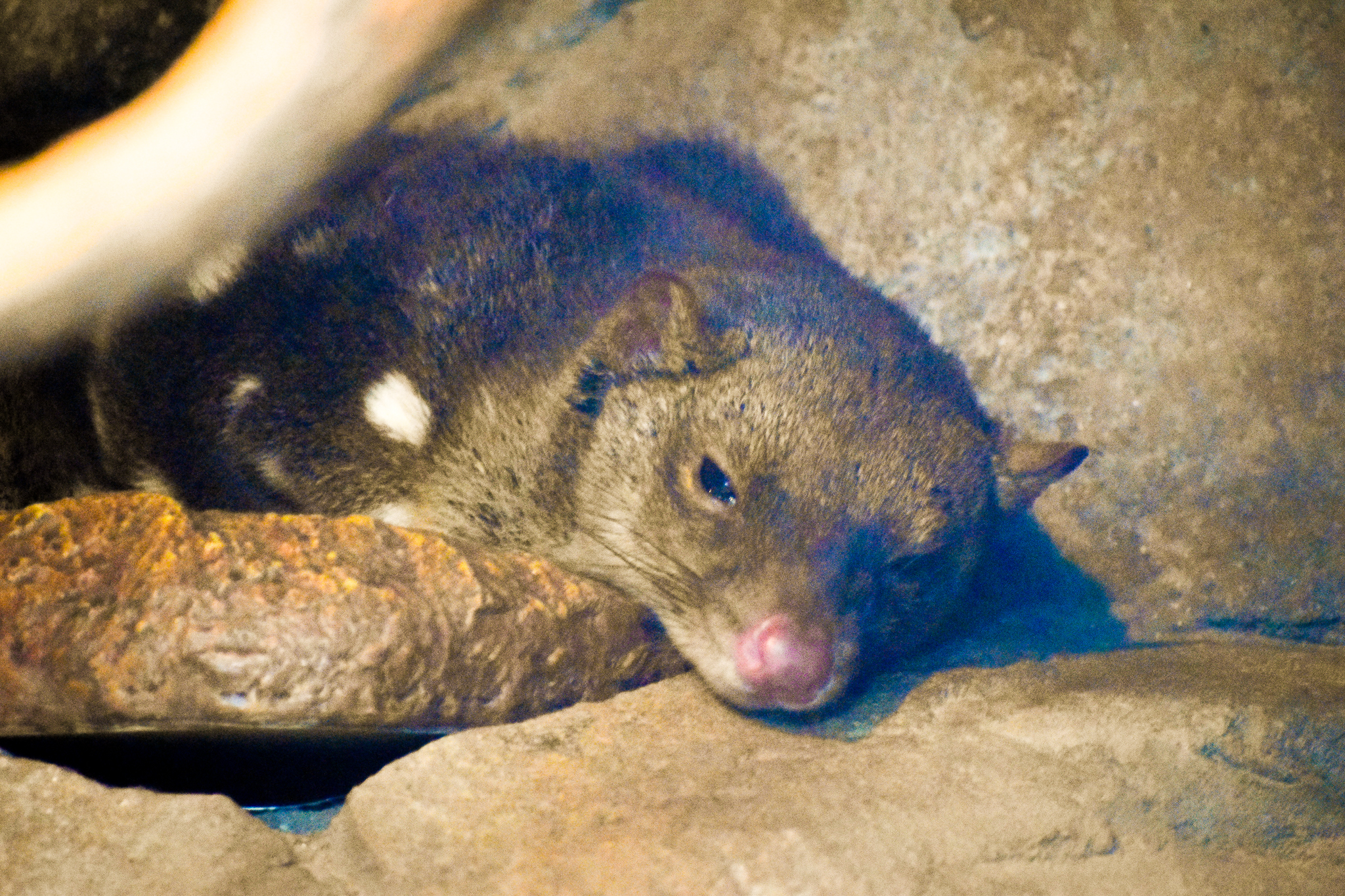
I just realised I didn’t actually flesh out the masterplan like I thought I did. Often links stop working so I usually do a big write-up for that reason. To summarise some of the main points - five ‘icon’ species will be highlighted at the centre which are brush-tailed rock wallaby (at the centre currently), wombat (at the centre currently), koala (not at the centre), quoll (at the centre) and phascogale (not at the centre). Interesting that the strategic plan selected phascogales and I hope they will be definitely be showcased in some manner. Also, each habitat zone would have a habitat centre for smaller species and would act as a gateway into each habitat zone. Each of these habitat centres would be for the ectotherms.
The masterplan discusses the extensive species selection criteria involving whether species were relevant to the south-east Queensland bioregion, their thematic potential, availability, husbandry requirements, visitor appeal and conservation status. They also mentioned that some species may be collected from the wild under permit from state agencies and overall evaluated the percentage of the species range in Ipswich which was the main influential factor. There are some interesting choices like jacanas, microbats and the Brush-tailed Phascogales which are virtually non-existent currently among Australian zoos. Other new species like the kingfishers and fruit-doves should be easier to acquire.
The three planned habitat zones are:
*Eucalypt Forest Habitat:
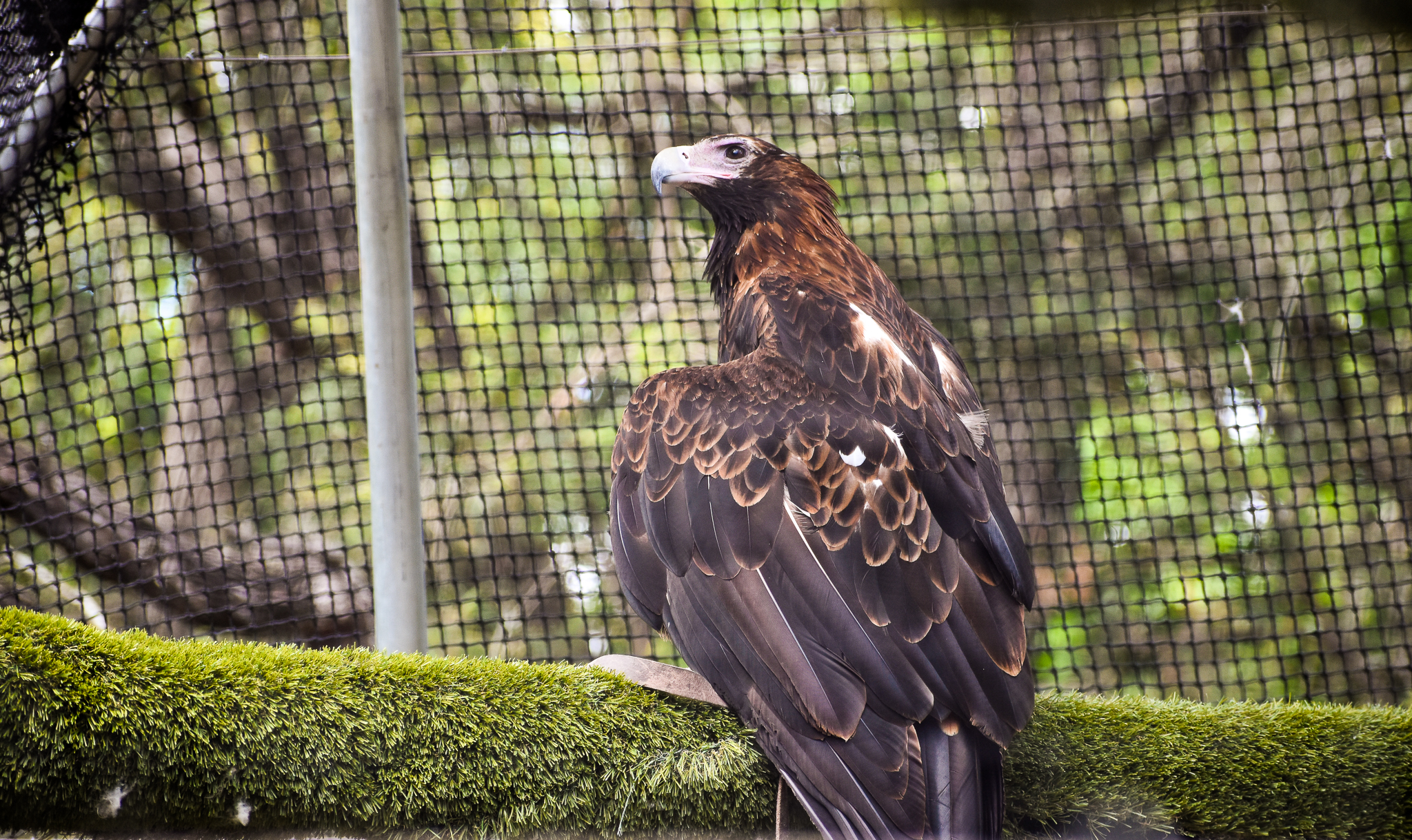
The koala would be the icon species of this habitat which is a species that hasn’t been at the centre for many years. The city’s faunal emblem, the Brush-tailed Rock-wallaby would be highlighted prominently alongside the koala as well. A new proposed aviary would be constructed along with exhibits for koala and dingo (to replace the old one). A strength of this area is the plan to maintain existing exhibits which are all the best ones of the centre – the enclosures for the monitor, rock-wallaby and kangaroo/emu are all excellent and currently fit for purpose. The proposed enclosure for Wedge-tailed Eagle has already been completed. A habitat centre with 4-6 invertebrate species is also proposed with a walled reptile exhibit.
Mammals: Koala, Common Wombat, Eastern Grey Kangaroo, Brush-tailed Phascogale, Brush-tailed Rock Wallaby, Tiger Quoll, Squirrel Glider, Northern Brown Bandicoot, Rufous Bettong, Dingo
Birds: Bush Stone-Curlew, Laughing Kookaburra, Tawny Frogmouth, Red-tailed Black Cockatoo, Australian King Parrot, Turquoise Parrot, Pale-headed Rosella, Rainbow Lorikeet, Scaly-breasted Lorikeet
Reptiles: Frilled Dragon, Eastern Bearded Dragon, Eastern Bluetongue, Lace Monitor
*Riverine Wetland Habitat:
The platypus would be the icon species of this area with a dedicated building for them, Rakali and aquaria for their prey species including amphibians. Other exhibits planned include a riverine walkthrough aviary and a swamp wallaby enclosure. There would be habitat centre at the entrance of aviary for 4 to 6 species of amphibians, invertebrates and fish. A magnifier for microscopic aquatic life is also being considered. They also hope to make the waterway that runs through the centre more visible and highlight the wild species that live there. There would also be an entry orientation plaza for group gatherings/keeper introductions.
Mammals: Platypus, Swamp Wallaby, Swamp Rat, Rakali/Australian Water Rat
Birds: Bar-shouldered Dove, Comb-crested Jacana, swans, ducks, herons, ibis, kingfishers.
Reptiles: Eastern Long-necked Turtle, Brisbane River Turtle, Saw-shelled Turtle, Eastern Water Dragon
Additional amphibian, fish and invertebrate species.
*Dry Vine Forest Habitat:
The habitat centre would have a signature 2 x 3 metre aviary for the threatened Black-breasted Button-quail along with carpet python, skink, tree frog and invert displays. The main aviary for this zone would be the currently walkthrough aviary which would definitely fit in perfectly with this habitat zone. A new pademelon exhibit would be located seemingly where the dingoes are currently located.
Mammals: Eastern Long-eared Bat, Little Pied Bat [microbats really seem unlikely personally but they discussed the potential to establish wild bat roost instead], Black-striped Wallaby, Short-eared Brushtail Possum, Red-legged Pademelon
Birds: Glossy Black Cockatoo, Australian Brush-turkey, Eastern Whipbird, Black-breasted Button-quail, Pied Currawong, bowerbirds, pigeons and fruit-doves, scrubwrens
Reptiles: Coastal Carpet Python, skinks
Tree frogs and invertebrates.