
Back in June 2016, I visited Werribee Open Range Zoo as part of a school tour to Melbourne. Despite being almost five years since I visited for the first time, I thought I would write out a review of my experiences and thoughts of my only visit to an open-range zoo. Situated about 30 minutes from Melbourne, Werribee can be divided into three sections; a bus-led safari through several paddocks, a themed walking trail with African animals and an Australian portion with a small nocturnal house (surprising addition for an open-range zoo I thought). This review doesn’t reflect Werribee’s 2021 collection but rather provides a snapshot of my 2016 visit. Several changes since my visit include the addition of Nyala and the construction of an Orange-bellied Parrot aviary.
Map to follow along: https://www.zoo.org.au/media/4527/werribee-open-range-zoo-map-december-2020.pdf
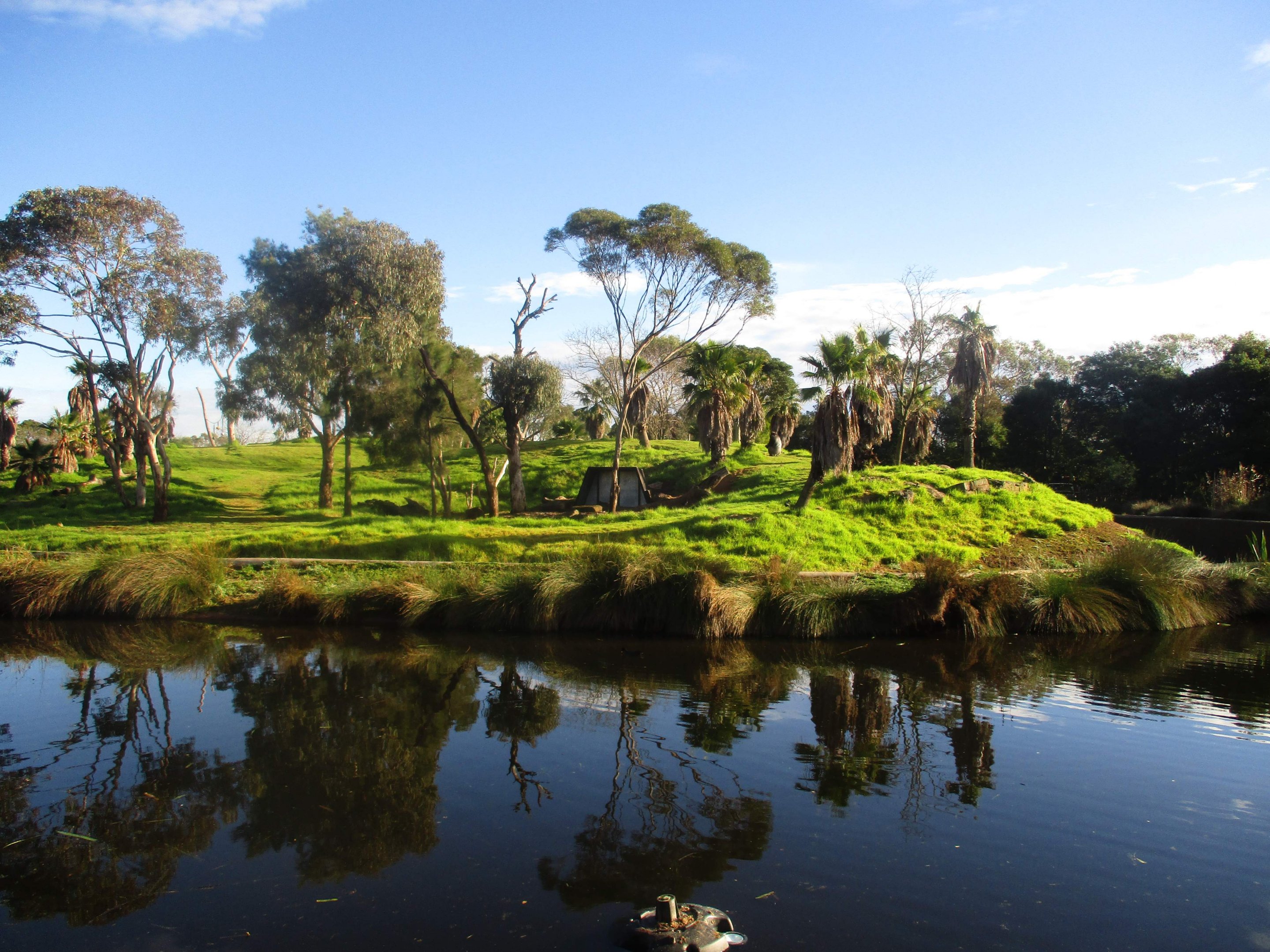
After entering the heavily-themed entrance, the first exhibit made a very good first impression. The 6000m² moated enclosure for their bachelor trio of Western Lowland Gorillas was spacious and undulating. I found an old article mentioning that it has the capacity to house six male gorillas. The exhibit had a good number of tall trees as well but very little plantings/vegetation on the ground level. I remember viewing the gorillas from a distance from the water barrier as well as a glass-fronted window further along the trail. I found gorillas to be an interesting choice for a largely savannah-based collection but Werribee doesn’t have many primate species anyway so I guess I can’t be picky in that respect.
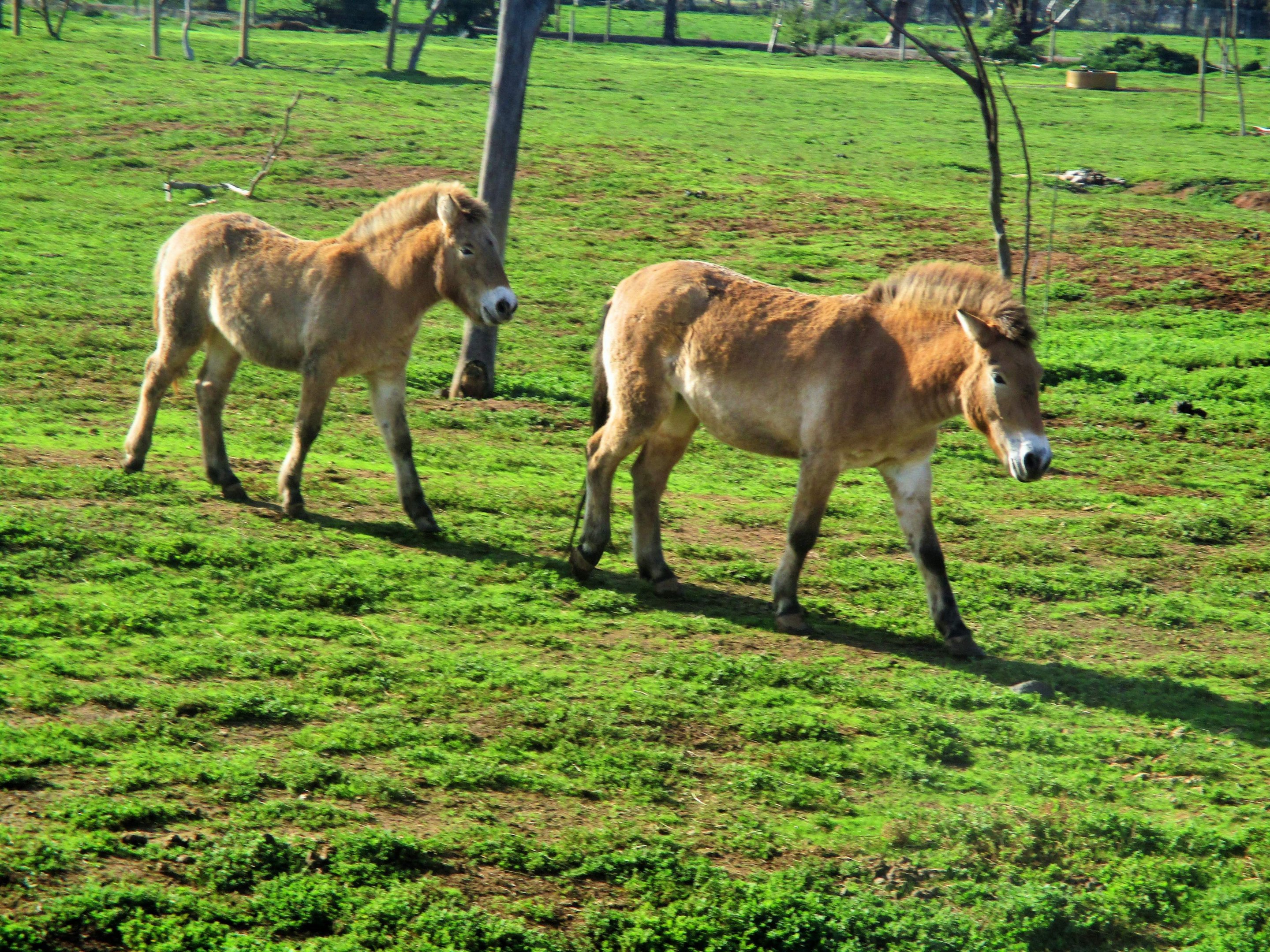
Right after viewing the gorillas briefly, I made my way to the Safari Station to board the safari bus for the tour. The first couple of paddocks contained small groups of Przewalski’s Horse, American Bison and Addax. All of these species were life ticks for me as none of them were present in Queensland zoos at the time of my visit (fortunately DDZ later established an Addax herd over the following years). Opposite these species was a larger paddock for Scimitar-horned Oryx and Dromedary. All of the enclosures were pretty standard but of a generous size. Transitioning into another gated area, visitors got a brief glimpse of the very impressive complex for Common Hippopotamus with a nice deep pool and bank. The next part of the safari bus tour is through a more wooded enclosure with a central dam area. This area contained a large group of Blackbuck, Waterbuck and Ostrich. One of the male Waterbuck walked directly next to the bus and I got a great look at him; very impressive animals. I believe this area is now where the herd of Nyala is displayed.
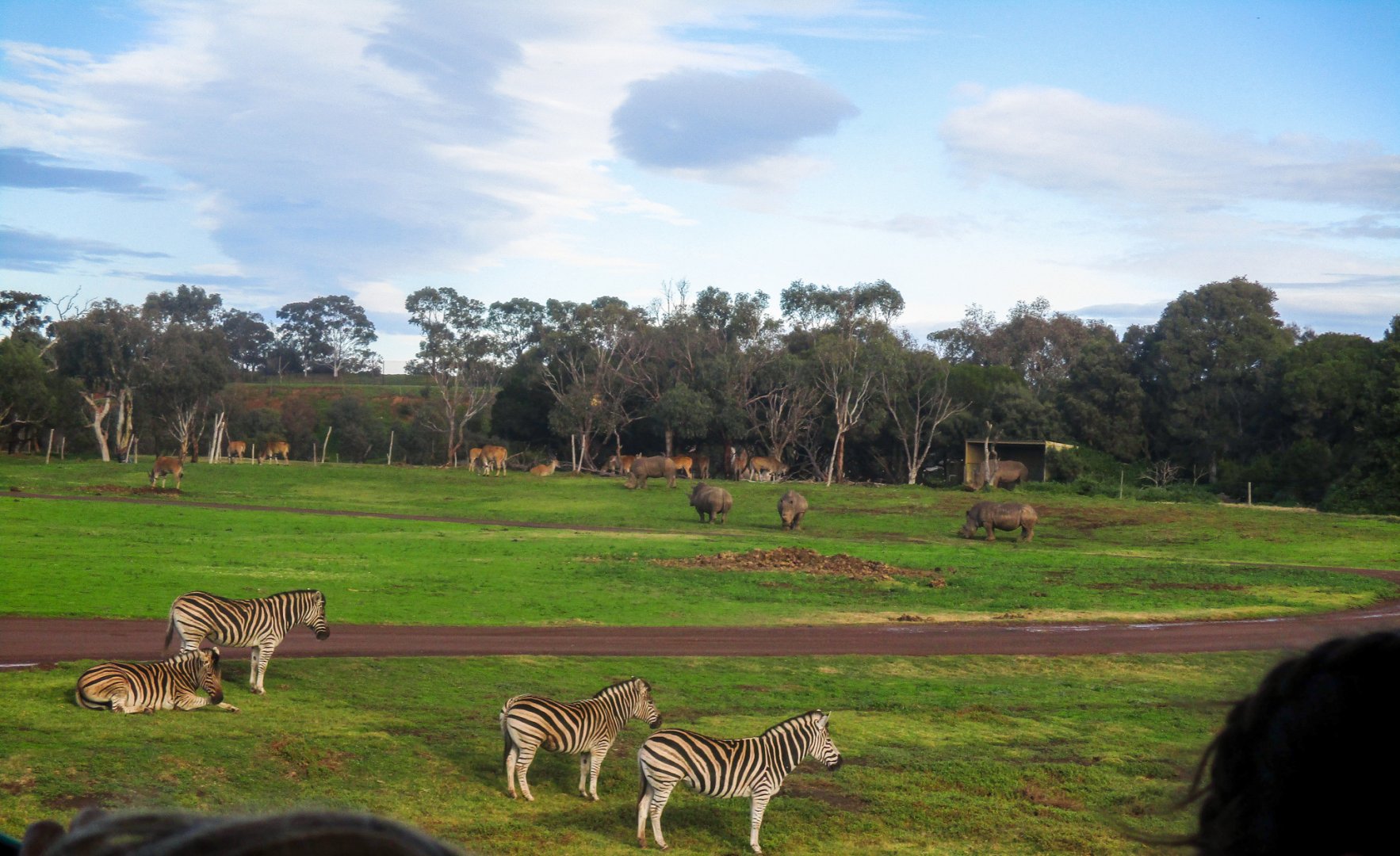
Heading towards the main savannah there were also exhibits for Plains Zebra and Texas Longhorn. The final part of the safari bus tour involved the main savannah which was a huge space with a dirt trail and treed eyeline. Species in this enclosure included Eland, Plains Zebra, five Southern White Rhinoceros, Ostrich and a bachelor group of Giraffe. It’s a shame the tour doesn’t have more ungulate species but overall, it was well presented and had a sensible flow.
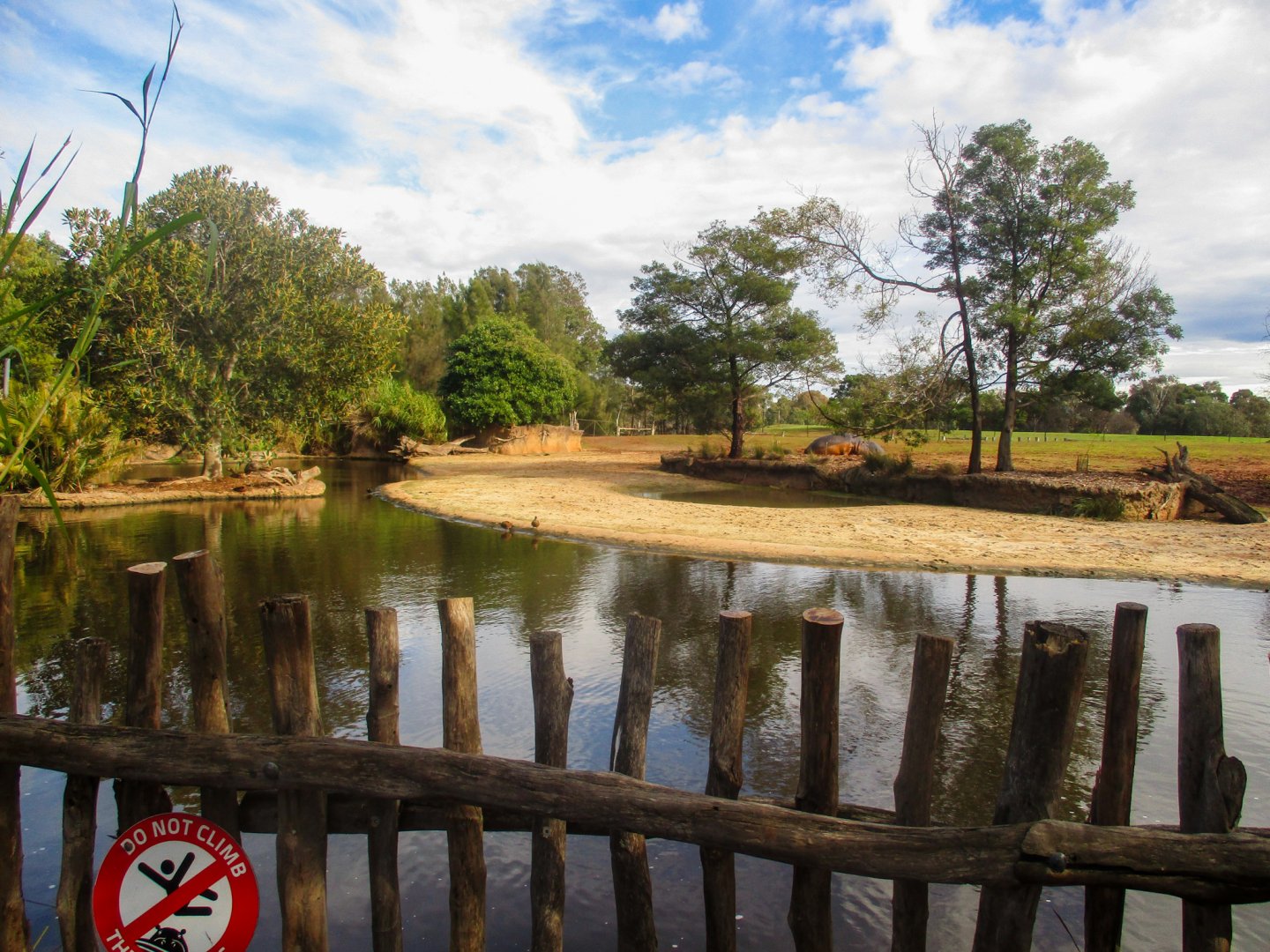
The first portion of the African walking trail began a large grassy enclosure with a nice shade tree for the zoo’s female Cheetah. Visitors were also able to see the oryx and camels from the cheetah exhibit attempting an illusion of no barriers (however there were a few fences). The next enclosure was the main Common Hippopotamus exhibit with an impressive body of water, sandy banks and a grazing area as well. During my visit the hippos were in the mud wallow. This enclosure had to be one of my favourite animal displays I saw that day. Before I forget, the map also indicates that a daily show with Servals is held nearby. This species unfortunately doesn’t have a permanent on-display enclosure at Werribee. I think a rotational exhibit with some Caracals like the brilliant complex at Wellington would be great but I doubt that would ever happen.
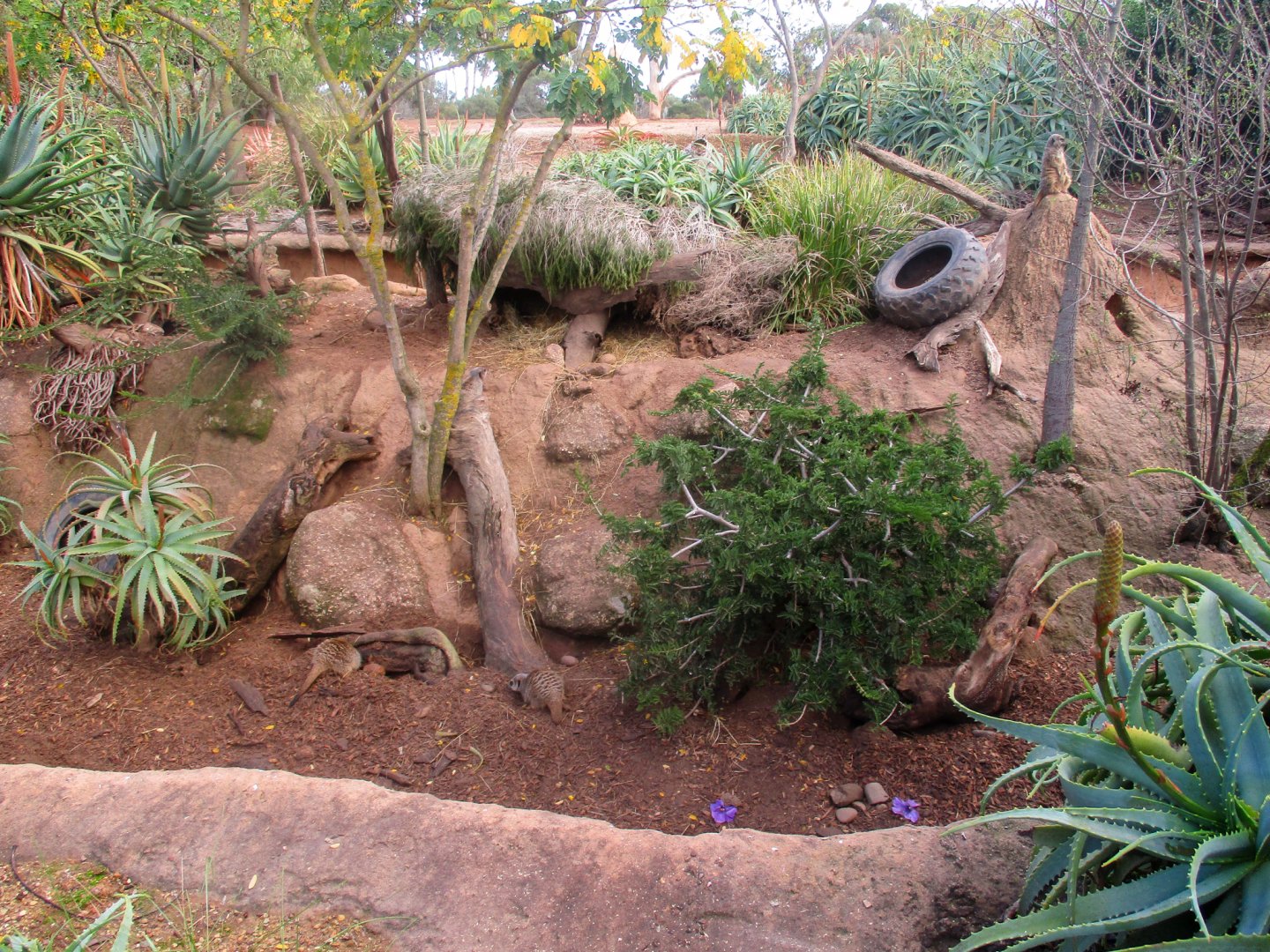
Continuing on was the Ranger Station which was a small themed building with a selection of reptiles and fish. There was a pair of tanks for Dumeril’s Boa. I don’t remember them being particularly spacious but it was neat to see this species. There was also a fish tank for a Variegated Shark and a school of Congo Tetras. I appreciated that Werribee made at least a small attempt to exhibit some African fish species but there are certainly opportunities to expand this portion of their collection with cichlids, freshwater butterflyfish etc. Nearby was also a pit-style exhibit for Meerkats with a range of succulents and substrates. They were my first ever meerkats as the species was banned from Queensland zoos for many years up until recently.
Before reaching the lions, there was also a nicely designed enclosure for African Wild Dogs somewhere along the path. Unfortunately, they remained unseen but were probably right at the back of their exhibit. Continuing on was a set of exhibits for Werribee’s lions. According to ZooLex, the two display enclosures were 1800m² and 2000m² respectively and were designed specifically to allow for the separation of males and females/cubs. Visitors were able to view the lions via a glass-fronted window complete with a truck and a meshed barrier. This lion complex was opened in 2004 and will receive a future expansion in the coming years.
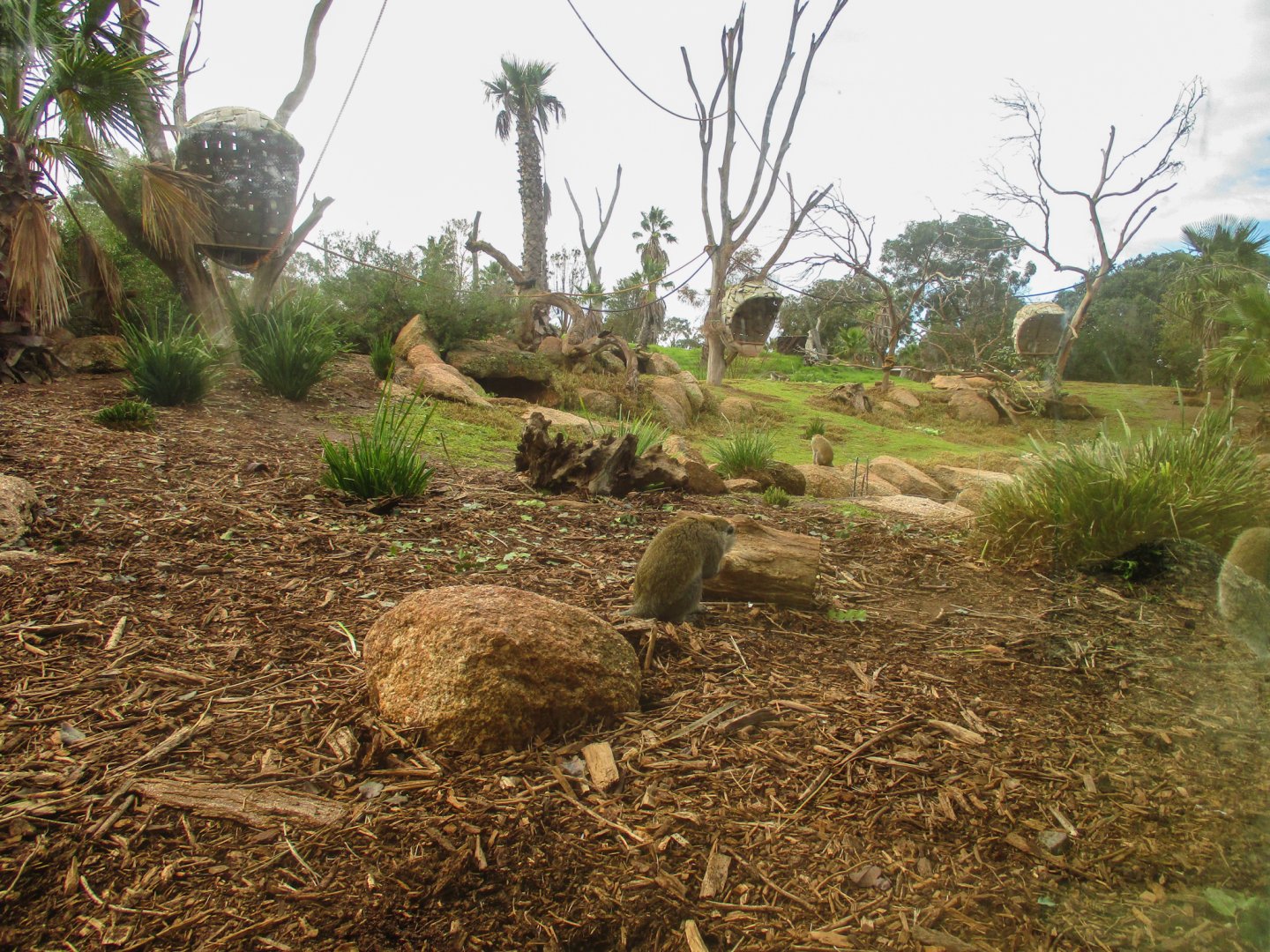
I was looking forward to seeing the next enclosure for Australasia’s only group of Vervet Monkeys; well in the broadest sense considering they probably aren’t pure vervets anyways. The moated exhibit is 800m² with a great range of climbing opportunities. It was also well-planted with dense grasses and shrubs. A novel aspect of the enclosure is that visitors were also able to view the gorillas from the vervet enclosure from a distance. One of the final enclosures for African species was an indoor glass-fronted exhibit for four Leopard Tortoises. I didn’t realise when I was there but looking back at my photos revealed that I also saw two Bell’s Hingeback Tortoises that shared the exhibit space; a species that is apparently only kept at Werribee and Perth. There was also another meerkat enclosure along the café area and some free-ranging Helmeted Guineafowl concluding the African portion of the zoo.
The final section of Werribee housed a few of their native animals. The first animals I saw were in the zoo’s small nocturnal house which I didn’t even know existed! The nocturnal display began with three small enclosures for Growling Grass Frog, Spiny Leaf Insect and Fat-tailed Dunnart. The dunnarts were a new species for me and a really nice surprise. The final nocturnal exhibit was for a mix of Eastern Barred Bandicoot which remained hidden unfortunately, Squirrel Glider and Tawny Frogmouth. A nice little building I thought. I don’t have much memory of the remaining enclosures for Australian animals but I have images of Emu, Eastern Grey Kangaroo and Koala. My map also signs Brolga but I don’t remember seeing them.
Concluding Thoughts:
There is a great feeling of openness at Werribee. It’s one of those zoos that has very few exhibits but despite there being a small range of displays, they are all done to a very high standard. Standouts like the hippo, gorilla and vervet monkey enclosures were all memorable representations of African staples. There is certainly room to broaden their collection to better represent certain groups of animals especially primates (baboons in particular) and ungulates. Hopefully their expansion plans involving elephants and hyenas will really help improve Werribee’s collection. I hope they are considering other Asian species as well to compliment the elephants and not just lump the elephants in their largely African-based collection. Interesting times ahead for Werribee.
Map to follow along: https://www.zoo.org.au/media/4527/werribee-open-range-zoo-map-december-2020.pdf
After entering the heavily-themed entrance, the first exhibit made a very good first impression. The 6000m² moated enclosure for their bachelor trio of Western Lowland Gorillas was spacious and undulating. I found an old article mentioning that it has the capacity to house six male gorillas. The exhibit had a good number of tall trees as well but very little plantings/vegetation on the ground level. I remember viewing the gorillas from a distance from the water barrier as well as a glass-fronted window further along the trail. I found gorillas to be an interesting choice for a largely savannah-based collection but Werribee doesn’t have many primate species anyway so I guess I can’t be picky in that respect.
Right after viewing the gorillas briefly, I made my way to the Safari Station to board the safari bus for the tour. The first couple of paddocks contained small groups of Przewalski’s Horse, American Bison and Addax. All of these species were life ticks for me as none of them were present in Queensland zoos at the time of my visit (fortunately DDZ later established an Addax herd over the following years). Opposite these species was a larger paddock for Scimitar-horned Oryx and Dromedary. All of the enclosures were pretty standard but of a generous size. Transitioning into another gated area, visitors got a brief glimpse of the very impressive complex for Common Hippopotamus with a nice deep pool and bank. The next part of the safari bus tour is through a more wooded enclosure with a central dam area. This area contained a large group of Blackbuck, Waterbuck and Ostrich. One of the male Waterbuck walked directly next to the bus and I got a great look at him; very impressive animals. I believe this area is now where the herd of Nyala is displayed.
Heading towards the main savannah there were also exhibits for Plains Zebra and Texas Longhorn. The final part of the safari bus tour involved the main savannah which was a huge space with a dirt trail and treed eyeline. Species in this enclosure included Eland, Plains Zebra, five Southern White Rhinoceros, Ostrich and a bachelor group of Giraffe. It’s a shame the tour doesn’t have more ungulate species but overall, it was well presented and had a sensible flow.
The first portion of the African walking trail began a large grassy enclosure with a nice shade tree for the zoo’s female Cheetah. Visitors were also able to see the oryx and camels from the cheetah exhibit attempting an illusion of no barriers (however there were a few fences). The next enclosure was the main Common Hippopotamus exhibit with an impressive body of water, sandy banks and a grazing area as well. During my visit the hippos were in the mud wallow. This enclosure had to be one of my favourite animal displays I saw that day. Before I forget, the map also indicates that a daily show with Servals is held nearby. This species unfortunately doesn’t have a permanent on-display enclosure at Werribee. I think a rotational exhibit with some Caracals like the brilliant complex at Wellington would be great but I doubt that would ever happen.
Continuing on was the Ranger Station which was a small themed building with a selection of reptiles and fish. There was a pair of tanks for Dumeril’s Boa. I don’t remember them being particularly spacious but it was neat to see this species. There was also a fish tank for a Variegated Shark and a school of Congo Tetras. I appreciated that Werribee made at least a small attempt to exhibit some African fish species but there are certainly opportunities to expand this portion of their collection with cichlids, freshwater butterflyfish etc. Nearby was also a pit-style exhibit for Meerkats with a range of succulents and substrates. They were my first ever meerkats as the species was banned from Queensland zoos for many years up until recently.
Before reaching the lions, there was also a nicely designed enclosure for African Wild Dogs somewhere along the path. Unfortunately, they remained unseen but were probably right at the back of their exhibit. Continuing on was a set of exhibits for Werribee’s lions. According to ZooLex, the two display enclosures were 1800m² and 2000m² respectively and were designed specifically to allow for the separation of males and females/cubs. Visitors were able to view the lions via a glass-fronted window complete with a truck and a meshed barrier. This lion complex was opened in 2004 and will receive a future expansion in the coming years.
I was looking forward to seeing the next enclosure for Australasia’s only group of Vervet Monkeys; well in the broadest sense considering they probably aren’t pure vervets anyways. The moated exhibit is 800m² with a great range of climbing opportunities. It was also well-planted with dense grasses and shrubs. A novel aspect of the enclosure is that visitors were also able to view the gorillas from the vervet enclosure from a distance. One of the final enclosures for African species was an indoor glass-fronted exhibit for four Leopard Tortoises. I didn’t realise when I was there but looking back at my photos revealed that I also saw two Bell’s Hingeback Tortoises that shared the exhibit space; a species that is apparently only kept at Werribee and Perth. There was also another meerkat enclosure along the café area and some free-ranging Helmeted Guineafowl concluding the African portion of the zoo.
The final section of Werribee housed a few of their native animals. The first animals I saw were in the zoo’s small nocturnal house which I didn’t even know existed! The nocturnal display began with three small enclosures for Growling Grass Frog, Spiny Leaf Insect and Fat-tailed Dunnart. The dunnarts were a new species for me and a really nice surprise. The final nocturnal exhibit was for a mix of Eastern Barred Bandicoot which remained hidden unfortunately, Squirrel Glider and Tawny Frogmouth. A nice little building I thought. I don’t have much memory of the remaining enclosures for Australian animals but I have images of Emu, Eastern Grey Kangaroo and Koala. My map also signs Brolga but I don’t remember seeing them.
Concluding Thoughts:
There is a great feeling of openness at Werribee. It’s one of those zoos that has very few exhibits but despite there being a small range of displays, they are all done to a very high standard. Standouts like the hippo, gorilla and vervet monkey enclosures were all memorable representations of African staples. There is certainly room to broaden their collection to better represent certain groups of animals especially primates (baboons in particular) and ungulates. Hopefully their expansion plans involving elephants and hyenas will really help improve Werribee’s collection. I hope they are considering other Asian species as well to compliment the elephants and not just lump the elephants in their largely African-based collection. Interesting times ahead for Werribee.
Last edited:

