mstickmanp
Well-Known Member
Great to hear that Otis is finally a father!

There is a new baby Hippo!
Baby hippo born Wednesday at the San Diego Zoo - SignOnSanDiego.com

Tuesday, February 8
A couple weeks ago, came the baby hippo, who was kind of hard to describe as "a little bundle of joy," given his size. Now, at the San Diego Zoo, comes a truly little guy.
A royal antelope was actually born before the hippo, arriving on January 20. But weighing only 10 ounces and failing to nurse, he was moved to the zoo's veterinary hospital.
The little guy is so little, the nipple used to feed the little guy had to be specially designed. And the formula is also specially formulated to provide the proper nutrition.
He gets five bottle feedings a day and has gained a whopping seven ounces.
Royal antelope are the smallest of the antelope species and are native to the forests of West Africa, according to the zoo.
It's housed them since 2003, becoming the first zoo in the Western Hemisphere to do so. The zoo's first birth of the species was in 2006.
The royal antelope is considered to be threatened in the wild due to habitat loss. When this guy gets a bit bigger, he'll be returned to his exhibit near the camels along Front Street at the zoo. Animal care specialists will continue to bottle feed him.
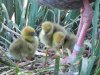
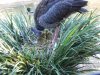
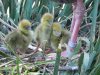
Three new crested screamer babies! Dad is 30 years old and mom is 3 years old.
Eastern Angolan colobus monkeys.
FEBRUARY 17, 2011
CONTACT: SAN DIEGO ZOO
PUBLIC RELATIONS
619-685-3291
WEB SITE: Welcome to the San Diego Zoo
NEWS RELEASE
CHANGE IS COMING TO THE SAN DIEGO ZOO THIS SUMMER
New homes for endangered species and new show for guests
Let’s start “takin” about what’s new at the San Diego Zoo this summer: from fresh digs for rare and endangered species including takins, red pandas, pit vipers, hornbills, and a leopard to a new and interactive animal show.
When guests meander through the turnstiles they’ll be greeted by a new directional path that will guide them to their destination of choice, perhaps for a guided bus tour on a freshly painted double-decked bus or on foot to Panda Canyon where takins, red pandas and pit vipers will find newly built homes in the bamboo forest of a giant panda reserve.
As travelers journey through Panda Canyon, currently home to three giant pandas, they will encounter an animal that looks half goat and half antelope among six species of bamboo as well as other Chinese plants including camellias and azaleas. The animal, called a Sichuan takin, may not be as highly recognizable as the black-and-white bamboo bear, but it has a couple of similarities. This species depends on the same mountainous habitat as the giant panda and it is also considered a national treasure in the People’s Republic of China. The takin habitat will include hillsides that mimic their natural environment, giving them places to climb and jump.
In the wild, the takin and giant panda share their habitat with the red panda, an animal not related to pandas but to raccoons. They, too, will move to Panda Canyon as will an animal not associated with pandas, the Mangshan pit viper. This snake’s vibrant green-and-brown markings help it to camouflage into the bamboo forests.
Follow Park Way past Panda Canyon’s traditional Chinese landscape and the journey will end at a new cat habitat and one new aviary. The Zoo’s northern Chinese leopard will have a multi-level exhibit with rocks for climbing or taking in the morning sun. The aviary will be home to trumpeter hornbills, a unique-looking bird easily identifiable by the casque atop its bill.
Should the new directional path take guests toward Discovery Outpost instead, they may find themselves at a summer camp, where animals rule the roost. In this case the roost is the newly renovated Wegeforth Bowl. A fresh look and new program will invite the traveler to sit in the amphitheater and perhaps join in to help a trainee overcome obstacles to become a camp counselor.
The 100-acre San Diego Zoo is dedicated to the conservation of endangered species and their habitats. The organization focuses on conservation and research work around the globe, educates millions of individuals a year about wildlife and maintains accredited horticultural, animal, library and photo collections. The Zoo also manages the 1,800-acre San Diego Zoo Safari Park (historically referred to as the Wild Animal Park), which includes a 900-acre native species reserve, and the San Diego Zoo Institute for Conservation Research. The important conservation and science work of these entities is supported in part by The Foundation of the Zoological Society of San Diego.
Aren't trumpeter hornbills an African species?
You are right until I see the actual new exhibits it is all rumor. I guess you need to know who to talk to. I got 2 different stories about the Crested Screamer deaths from 2 different keepers.I just got back from the zoo and I talked to one of the info guys. He said that they will be remodeling all of cat canyon which will start after the front and the panda exhibit is done. He thought that the remodel on the Chinese leopard exhibit was part of phase 2 along with the rest of cat canyon. He didn't know anything about a new cat exhibit by the meerkats but he did say that they are going to expand the zoo acres by making an exhibit currently off zoo grounds if they can find the funds needed to complete this. He didn't seem to sure on the area, he just said that the zoo had received additional land adjacent to the current land and they were drawing plans in preparation. He thought that it was going to be somewhere by the goat turn but he wasn't sure.
I know the zoo has the kids train that is next to the kids zoo and Spanish village, I wonder if that is where they will expand. I guess until I hear more this is just a rumor.
FWI there is a new Jaguar to be a companion with Nidiri,
Quarantine for New Animals
and a new sun bear to replace the one that just left,
Big Move for Sun Bears
Just wondering, but what happened to the father of the last two sun bears born?
Just wondering, but what happened to the father of the last two sun bears born?
Dibu is at the Columbus Zoo now, he is also known as Ralph.