I visited Sea World today and thought I’d post an update. It was a very hot day (around 35 degrees) and the park had large crowds. Fortunately the majority of the animal exhibits were air-conditioned and relatively spacious.
Here is also my summary of Sea World Gold Coast in February 2019 for reference:
Sea World Gold Coast - 17/2/2019 [Sea World Gold Coast]
My notes from today’s visit:
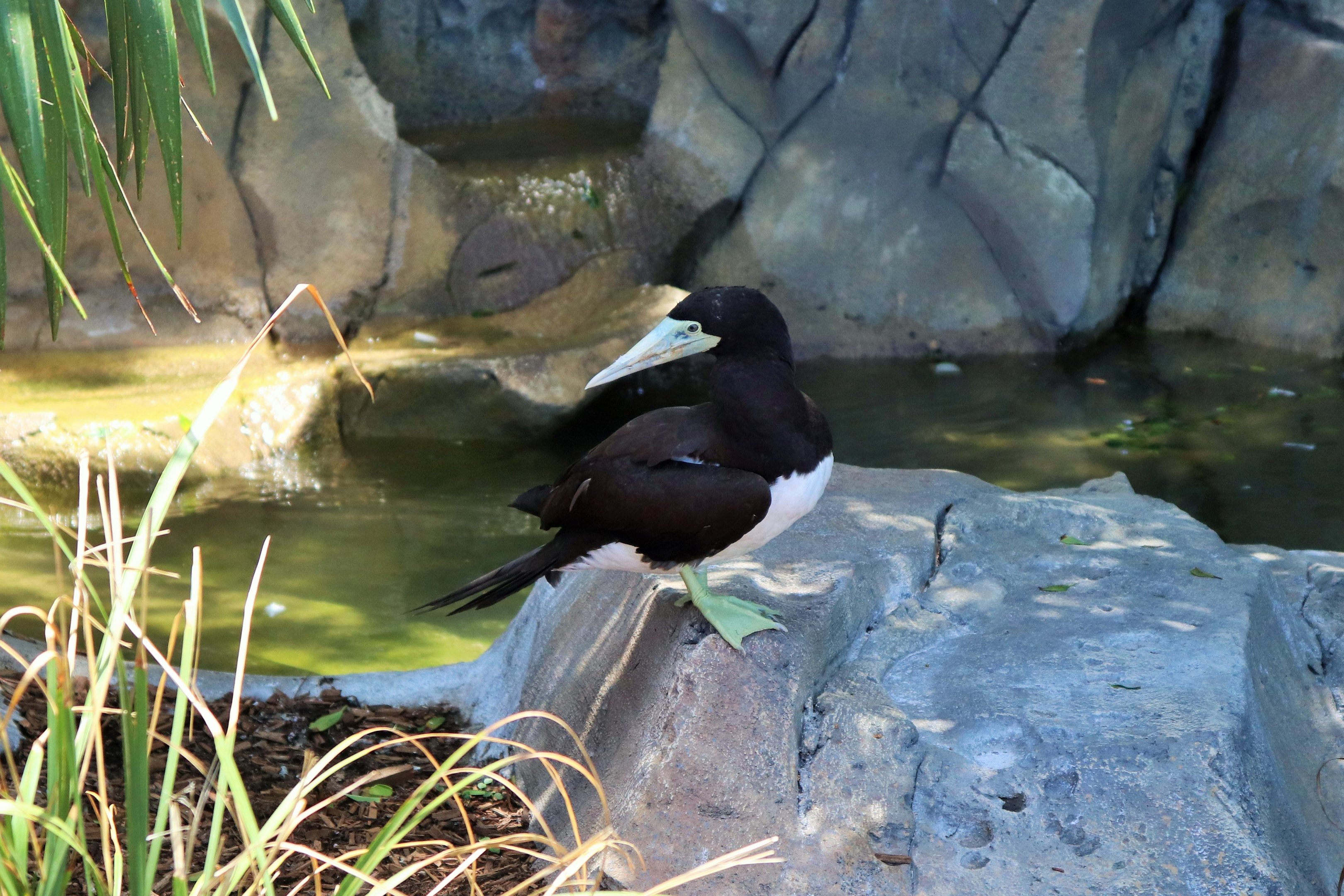
-The seabird rehabilitation pool with the pied cormorants and pelicans had a nice surprise - a Brown Booby (
Sula leucogaster). She is a captive bird and was unable to be released due to a wing amputation. Really interesting-looking species.
-It is currently King Penguin breeding season. There were four penguins incubating their eggs in a fenced-off section away from the rest of the penguins. Their colony is growing; I counted sixteen King Penguins and eighteen Gentoo Penguins. There were also several Little Penguin chicks in another outdoor enclosure. Sea World easily has over thirty Little Penguins.
-
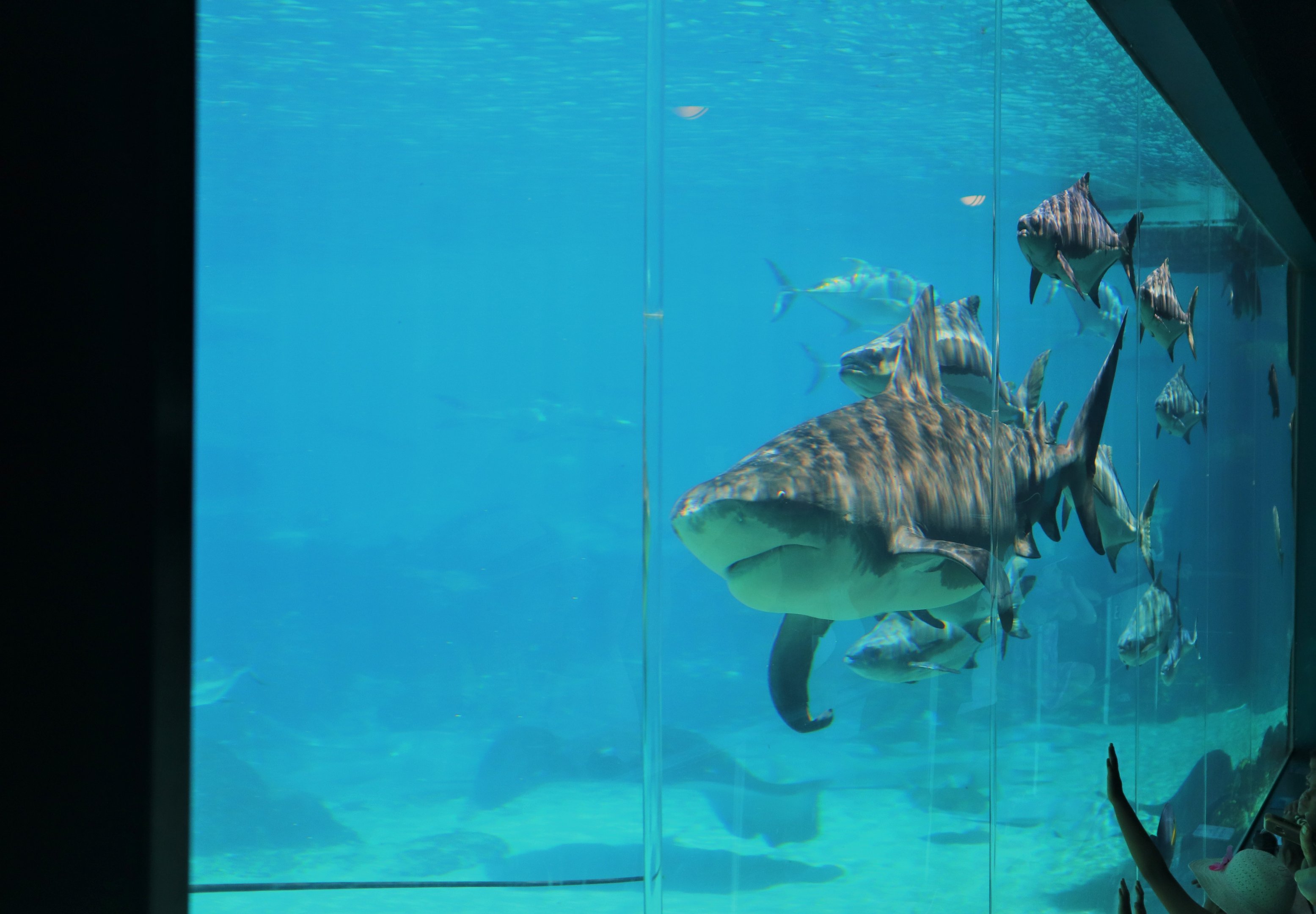
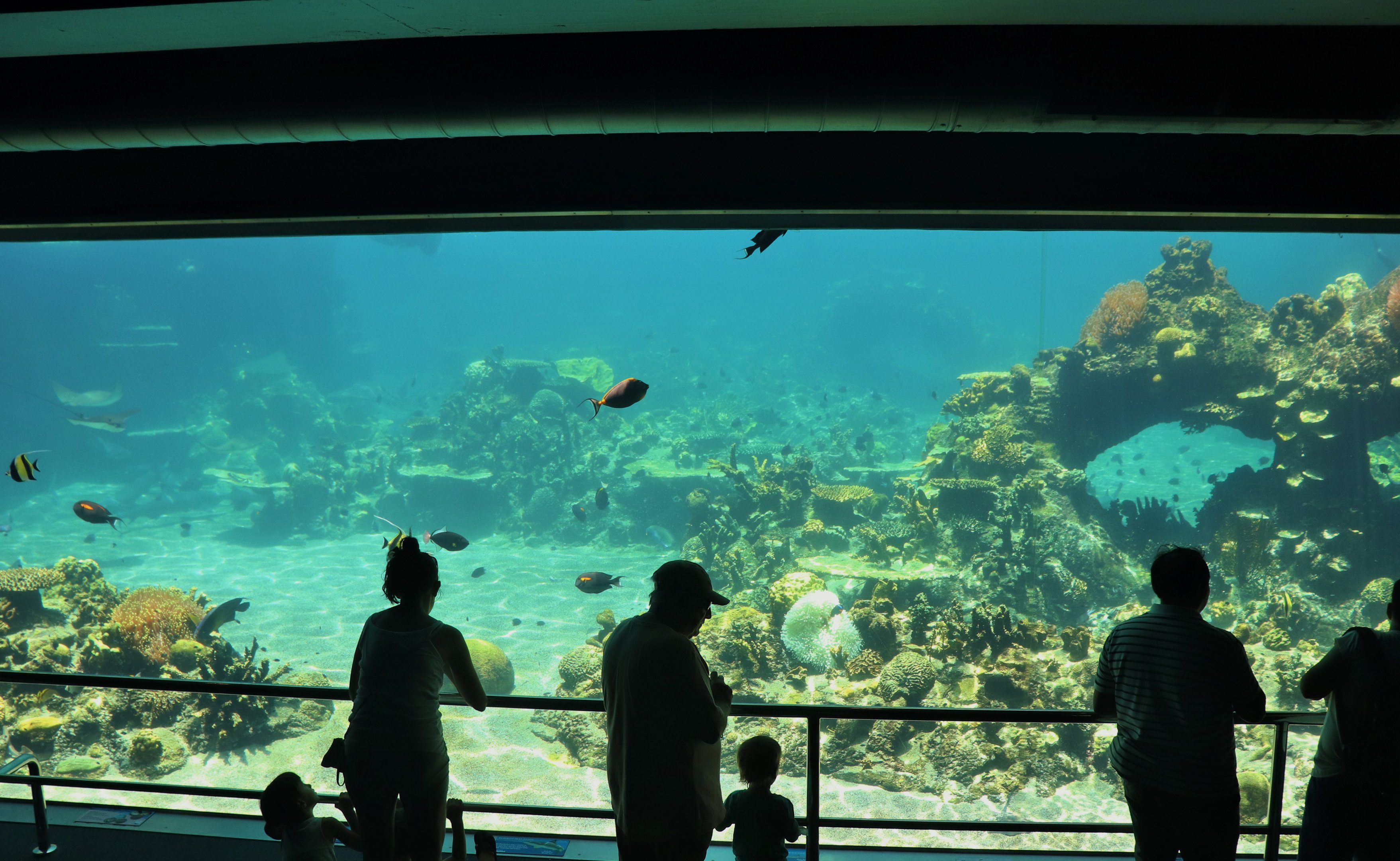
Shark Bay is looking superb. It’s one of those exhibits that no matter how many times you visit it you’re bound to see something new and interesting. I saw lots of new species of fish, in particular some lovely butterflyfish such as Raccoon Butterflyfish (
Chaetodon lunula), Saddled Butterflyfish (
Chaetodon ephippium) and Singular Butterflyfish (
Heniochus singularis). Some of my favourites.
Being an open-topped exhibit and completely exposed to the elements, it seems like they have a problem with wild cormorants eating their reef fish! I saw two Little Black Cormorants proceed to hunt and catch two Bicolour Chromis. I have to admit it was very interesting to watch the cormorants dive as it was all seen via underwater viewing. The Bull Shark, the Dusky Whaler and their two sea turtles (a Loggerhead and Loggerhead/Green hybrid) were also alive and well.
-
Seal Harbour still only has Californian Sea Lions on-display and none of the other species present at the park. One enclosure contained a lone seal and another a pair of females.
Polar Bear Update:
I was also fortunate enough to do the behind-the-scenes polar bear experience and was able to ask the keepers further details about their polar bears.
For those who don’t know, Sea World Gold Coast currently houses 2.1 (Hudson, Nelson and Mishka) bears. They are all related to each other. Recently their breeding female, Liya passed away at the age of nineteen. It was uncovered that Liya died from a stroke. It was very unexpected and happened overnight. Just before her passing, Mishka (her daughter) was becoming more independent and Liya was showing signs of slight aggression towards Mishka during the most recent breeding season.
Mishka will be exported to another facility by the end of 2020. It is currently unknown where exactly she will move to and it is possible she could return to Sea World in the future. She will begin crate-training soon to prepare her for the move. As to whether Sea World will import another female; that is still being discussed. Also, at this stage, their two males Hudson and Nelson will be staying at the facility due to their important genetics as wild-born bears. Interestingly the keeper conducting the tour mentioned that the exact father of both Henry (2013) and Mishka (2017) still remains unknown to this day. They do however suspect that Nelson sired Henry and Hudson sired Mishka.
For those interested in knowing more about the polar bears the off-display area consists of five large dens. Four of them contain a pool and the fifth one is the maternity den. The entire off-display area is air-conditioned and the bears have full access to outdoors and indoors throughout the day. There is also an exercise yard and kitchen area with two cool rooms for meat and fish. The bears are also surprisingly given treats like apricots, coconuts and watermelons!
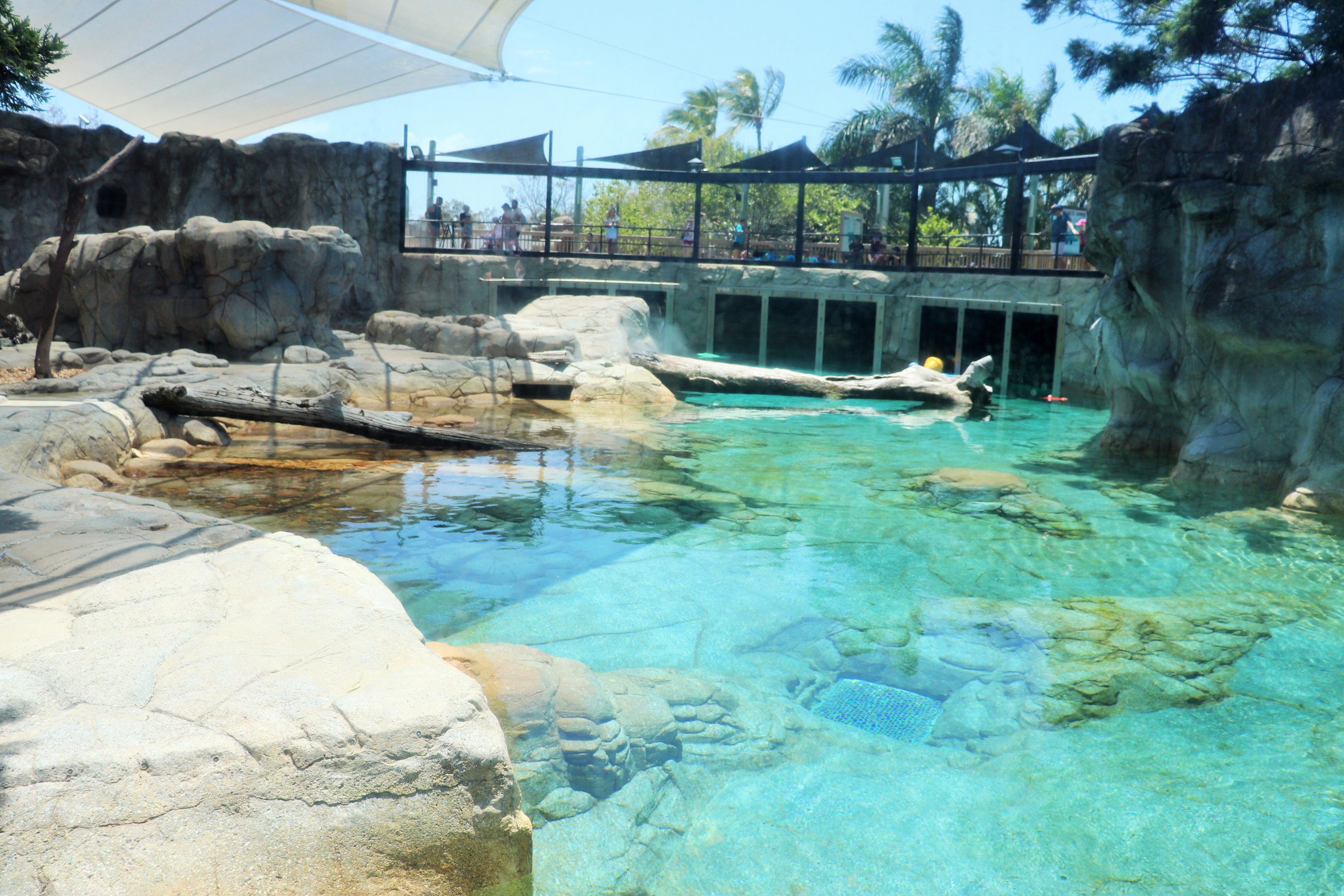
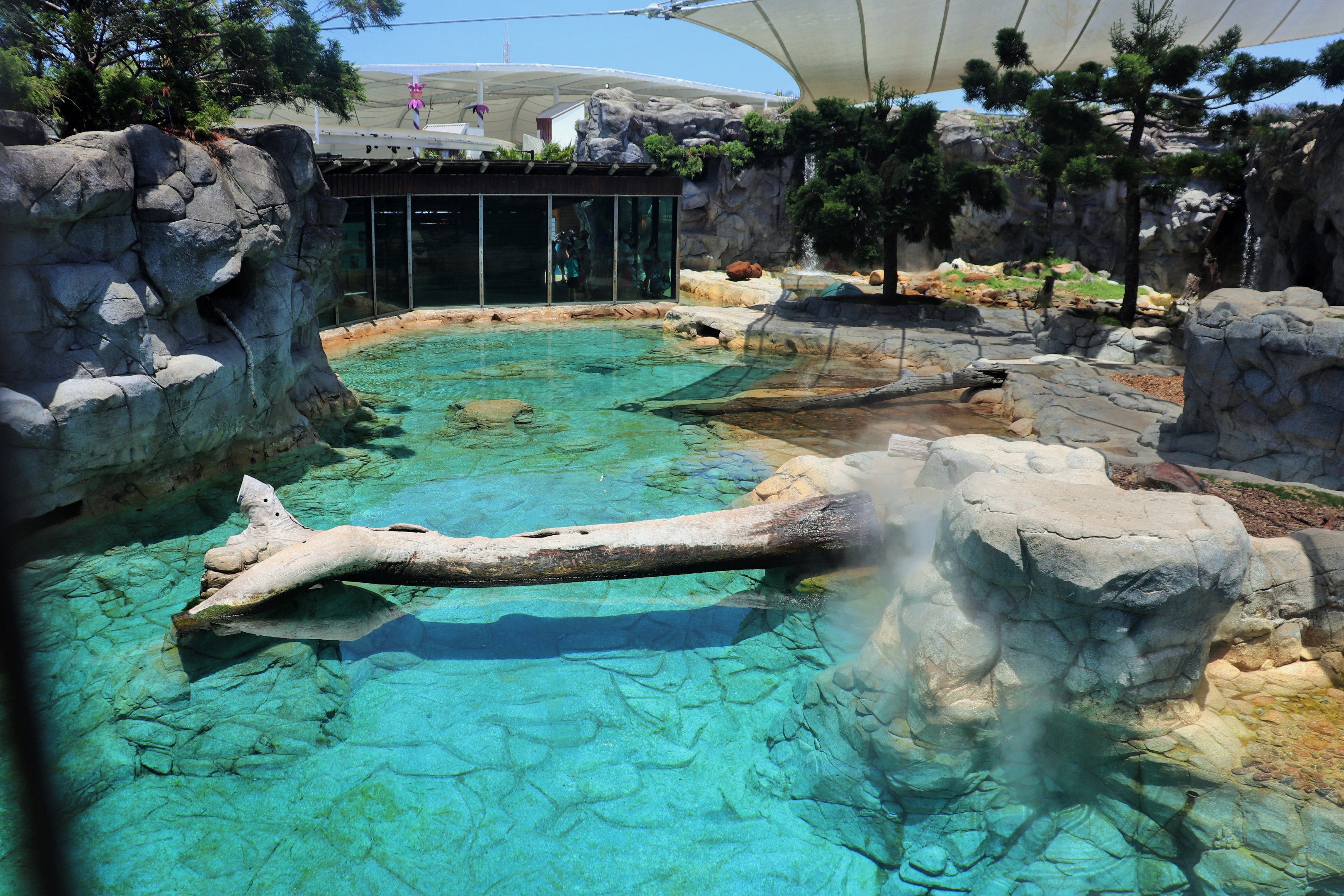
The two on-display enclosures have misters, fans, a sprinkler system and the saltwater pools are set between 18-20 degrees (they originally planned to make the water much colder but the bears wouldn’t use the pools). The second enclosure, which is the nursery area, is essentially a smaller version of the main enclosure with shallower water, allowing cubs to learn how to swim and have access to an outdoor area.
I will gradually add more images to this gallery (in particular photos of the enclosures):
Sea World Gold Coast - ZooChat

 :
: