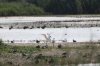
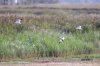
I thought I would head to Welney and RSPB Ouse washes on 18th August as it would be a nice weather day out and a wander around both locations in the sun. It's not the busiest time of year but I thought perhaps I might spy a Tree Sparrow at Ouse Washes and see what was out and about at Welney before the migration starts. Ouse washes is a lovely reserve at the end of a shockingly bad road, but well worth a trip if you have not been, with wonderful walks along the river / dyke walls and nice hides at river level. It is spectactular in the winter and in summer nearly deserted.
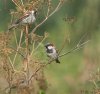
There was a lovely large Tree Sparrow sign, but that was the only sighting of that species, though there were some nice small birds on and around the feeders outside the unmanned but well set up visitor centre with the House Sparrows doing their best to be noticed

collecting on the branches around the feeders which made for nice views.

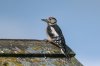
Pretty blue and Great tits were joined in the little garden area by a Great Spotted Woodpecker who arrived to perch on the top of the dovecoat and make that distinctive call before moving off to a telegraph pole and drilling noisily into holes in it.

That and a juvenile Robin were the feeder notables and while there were a few swans and geese on the reserve itself, nothing else was going on. After walking for a while admiring the views and making the most of the later summer sun, seeing a few Swallows at a distance (more of those later) I was off to Welney.
Greeted by busy feeders there were a good number of geese, swans and ducks out on the water, with some busy Ruff and Snipe in the shallows.
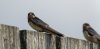
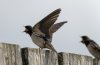
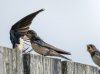
Having seen young Swallows on my last visit and an abundance of nests I was looking forward to seeing if I could see any on this visit and I was completely in luck. Dozens of Swallows were darting around the bridge at the first hide / viewing area with youngsters sitting on the posts and the bridge walkway, waiting to be fed. It was fairly quiet visitor wise so I managed to move myself into a position to get good views while not distubing the landing zone

I didn't have to wait long for the youngsters to be practising their positions for feeding, calling out and gaping their beaks.

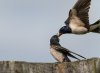
The adults swirled around them, the youngsters spaced out evenly and calling and it was a fair riot of noise and colour. Then I got my first feed view, at first from the side. The whole process was over in under a second, with the food properly rammed in and the slightly dazzled fledgling gulping it down and then gaping for more.

The adults kept coming in to the row of waiting fledglings (having caught insects while skimming the water the other side of the centre) and you could see the insects wiggling away

and the adult's eyelids rolling as they shoved the food down with their beaks actually disappearing into the youngster's mouths.
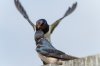
Amazing to watch

and get a glimpse of the adults on their way in and indeed out of the feeding process

The youngsters sat back after each run, patiently waiting for the next. Indeed I saw a few dozing off as they were full.
A fantastic experience and it made my day.
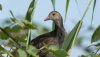
On the way out a final rather unusual sight with a juvenile Moorhen high in the bushes above the visitor centre walkway entrance, well above head height. It seemed to have no issue being up in the shrubbery or getting back down...I haven't seen one climbing around before.


 Nice Southern hawker too.









 .
.