Snowleopard's 2015 Road Trip

It does take a long time but I really enjoy compiling the species lists and I find that years later it is interesting to look back at them. Today while at America's greatest Reptile House (MOLA has some outstanding sections) I took a ton of photos and one of every single species sign. At some point I'm then going to go through my photos (already loaded on the laptop) and type out the entire list of species. After that I just copy and paste it onto ZooChat for my "blog". I've had quite a few requests as there are fellow zoo nerds that like to know exact totals for zoos.

I can't comment on MOLA, not having been, but I suspect "America's greatest reptile house" requires an asterisk until you've seen the new one at Zoo Atlanta. As I wrote yesterday it is magnificent.
 
Natural Bridge must have improved dramatically. I only visited once, about 17 years ago, and I did not like it. Fossil Rim is miles above IMO (there is a reason Fossil Rim is AZA and Natural Bridge is not). They had a large drive thru, but no species of note that I remember. Along the route was a small metal cage for jaguar that you could only see from a distance through chain link. The walk through section at entrance was full of tiny cages for small animals - a real disgrace.

Vastly improved. Exactly in that regard. The jaguar and the cage are gone. The circular cage assembly holding small carnivores and Primates is gone as well. It's much more professionally done now. Even the clutter of begging hoostock seems to have been thinned. Still all the Aoudads and Zebras you'd ever want to see. The landscape is (always had been) beautiful and Texas' wet summer this year had everything lush.

You should revisit. I think you'd like it.
 
I can't comment on MOLA, not having been, but I suspect "America's greatest reptile house" requires an asterisk until you've seen the new one at Zoo Atlanta. As I wrote yesterday it is magnificent.

Thanks for the review that you wrote about Zoo Atlanta and it is fantastic that you are over in the U.S. and right away you saw one of the really big American Reptile Houses. However, from what I've heard from a zoo nerd friend who has visited both facilities, there is no comparison.

Atlanta has 14,000 sq. ft. of space while MOLA is more than double that at 30,000 sq. ft. (although I'm not sure if they are counting the cafe and I doubt it). MOLA is huge.

Atlanta has 65 exhibits and MOLA has 96 plus a few outdoor ones to make it an even 100. Not even close.

Out of those 100 MOLA exhibits there are 4 that are incredible. Each of them is approximately 12 feet high and anywhere from 20-35 feet long. They are entire rooms and I'm not sure that anywhere else in America has anything like it and MOLA has 4 of those suckers.

Atlanta has around 70 species according to press releases while MOLA has 156 species and 114 of them are reptiles and amphibians. Not even close.

The question is not whether MOLA is the best Reptile House in America (probably beating out Saint Louis and others) but whether MOLA is the best in the world. Who knows? :)
 
DAY 16: Tuesday, July 28th

Fossil Rim Wildlife Center:

Fossil Rim Wildlife Center is an AZA accredited zoo located in Glen Rose, Texas, and it was originally known as Waterfall Ranch until Tom Mantzel purchased the property and renamed it as Fossil Rim Wildlife Ranch in 1973. The establishment did not open to the public until 1984 and a 9-mile road was constructed through the 1,400 acres. Eventually Mantzel sold his share in 1987 and the facility took on its present day name. The Scenic Wildlife Drive takes visitors through four main pastures nestled amongst the now 1,800 acres.

Fossil Rim is miles better than most other drive-through safari parks but not as impressive as Natural Bridge Wildlife Ranch, my personal favourite. Natural Bridge has a much smoother road, more visible animals and the 50-acre addition there is excellent. In contrast Fossil Rim has long stretches, especially in the highland area, with zero animals whatsoever unless they are hiding in the thick forests. During my drive I saw 24 out of the 27 species on-show and only missed out on the Roan Antelope, Greater Sandhill Crane and Przewalski’s Horse. Unfortunately I only spent an hour and ten minutes in the park as I made a wrong turn (where it said TOUR ROUTE) and on the single-lane road there was no chance of turning back around. I guess that I missed half the park but it is the exact same scenery over and over again and I saw almost every species that was possible to see.

In the end it was actually quite cathartic to have left the zoo after an hour and ten minutes as usually I’m obsessive about seeing every single exhibit and making my way into every nook and cranny that contains animals. I’ve gone far out of my way to document absolutely all of the exhibits at zoos and while I was at first annoyed that I had not seen all of Fossil Rim (an absolute first time that has happened!) I had MOLA to look forward to just an hour down the road.

Species List (27 total): Addax, Aoudad, Arabian Oryx, Axis Deer, American Bison, Blackbuck, Blesbok, Bongo, Bontebok, Cheetah, Dama Gazelle, Emu, European Red Deer, Fallow Deer, Gemsbok, Giraffe, Greater Kudu, Greater Sandhill Crane, Hartmann’s Mountain Zebra, Ostrich, Przewalski’s Horse, Roan Antelope, Sable Antelope, Scimitar-Horned Oryx, Southern White Rhino, Waterbuck and Wildebeest. (typed directly from the zoo’s brochure that is given to each vehicle before it enters the park)

Fort Worth Zoo:

Fort Worth Zoo is a zoo that I visited way back in 2008 and it was a pleasure to tour it again 8 years later. Back in ’08 it took me 4 hours to see everything (including the excellent old Reptile House) and this time around it also took 4 hours to see everything. I spent a full hour in MOLA, documenting the stupendous achievement that is represented by that structure. With 30,000 sq. ft., 100 exhibits, 156 animal species and many floor-to-ceiling tanks it is fantastic. There are still a large number of smaller terrariums but nothing to complain about and the amount of rarities and the 4 massive tanks that are like mini-zoos are something that no other American Reptile House has. The comprehensive species list is posted below.

After an hour in MOLA it was great to meet up with Bret again and we toured Sea Life Grapevine last week, Fort Worth Zoo today and Dallas Zoo in 2010. We had a delicious BBQ lunch and after that it only took us 2.5 hours to see the rest of the zoo and we went at quite a leisurely pace and Bret had to wait for me as I took lots of photos of signs. There is no question at all that Fort Worth is not up to the overall standard of either Dallas or Houston but it is still very good and the #3 zoo in the state of Texas.

Fort Worth has America’s #1 Reptile House and a wonderful collection throughout the zoo but there are some shockingly disappointing exhibits as well. The Asian Elephant enclosure is pitifully small and barren; the Nile Hippo enclosure is a disgrace; the African Lion exhibits are poor; and the entire Primate World complex (gorillas, orangs, chimps, bonobos, mandrills and gibbons) has approximately 20 crashing waterfalls but everything is rather mediocre. The indoor area with hardly any natural substrate anywhere is reminiscent of Tropic World at Brookfield Zoo.

One thing that grew on me was “Texas Wild!” the mega-expensive complex that opened almost 15 years ago. I always liked the American Alligator and North American River Otter exhibits, as well as the mine shaft area with invertebrates and various reptiles and amphibians to add to Fort Worth’s insanely large cold-blooded collection. The interpretative information hits you hard and fast but Texas Wild still has a row of really crappy exhibits for mammals. Species like Jaguar, Bobcat, Ocelot and Coyote have exhibits that are far too tiny and most of Texas Wild is geared towards visitors rather than animals. However, I have to admit that I now have a greater appreciation for it even with its flaws.

MOLA Species list (100 separate exhibits, 114 species of reptiles and amphibians and 156 species including all animals) There are even a few more species of fish that were not identified on signs.

Snakes (32): Green Tree Python, Burmese Python, Woma Python, Boelen’s Python, Tentacled Snake, Vietnamese Leaf-Nosed Snake, West African Green Mamba, King Cobra, Bushmaster, Speckled Forest Pit Viper, Beautiful Pit Viper, McGregor’s Pit Viper, Red-Spotted Pit Viper, Side-Striped Palm Viper, Guatemalan Palm Viper, Wagler’s Viper, Armenian Viper, West African Gaboon Viper, Usambara Mountain Viper, Sri Lankan Tree Viper, Black Milk Snake, Thai Bamboo Racer, Lance-Headed Rattlesnake, Tamaulipan Rock Rattlesnake, Eastern Massasauga Rattlesnake, Eastern Diamondback Rattlesnake, Mandarin Rat Snake, Louisiana Pine Snake, Grey-Banded Kingsnake, Texas Coral Snake and Eastern Indigo Snake.

Lizards (37): Crocodile Monitor, Reisinger’s Tree Monitor, Green Tree Monitor, Quince Monitor, Utila Island Spiny Iguana, Fiji Banded Iguana, San Esteban Spiny Iguana, West Indian Rock Iguana, Grand Cayman Blue Iguana, Chinese Crocodile Lizard, Caiman Lizard, Mexican Alligator Lizard, Three-Horned Chameleon, Four-Horned Chameleon, Philippine Tree Skink, Bavay’s Giant Gecko, Giant Leaf-Tailed Gecko, Mossy Leaf-Tailed Gecko, Lined Flat-Tailed Gecko, New Caledonia Giant Gecko, Haitian Giant Galliwasp, Haitian Giant Anole, Green Anole, Green Basilisk, Chameleon Forest Dragon, Philippine Sailfin Dragon, Komodo Dragon, Frilled Lizard, Humpheaded Lizard, Shield-Tailed Agama, Gila Monster, San Esteban Chuckwalla, Beaded Lizard, Burton’s Legless Lizard, Southern Fence Lizard, Spiny Tailed Lizard and Desert Grassland Whiptail.
Crocodilians (3): Saltwater Crocodile, Gharial and West African Dwarf Crocodile.

Tortoises/Turtles (15): Aldabra Tortoise, African Pancake Tortoise, Egyptian Tortoise, Spider Tortoise, Southeast Asian Narrow-Headed Softshell Turtle, Fly River Turtle, Red-Bellied Short-Necked Turtle, Painted Terrapin, New Guinea Snapping Turtle, Savanna Side-Necked Turtle, Mata Mata, Indochinese Serrated Turtle, Annam Leaf Turtle, Chinese Three-Striped Box Turtle and Spotted Pond Turtle.

Amphibians (27): Yellow-Spotted Climbing Toad, Red-Bellied Walking Toad, Puerto Rican Crested Toad, Surinam Toad, Evergreen Toad, Budgett’s Frog, Blue Poison Dart Frog, Dyeing Poison Dart Frog, Sharp-Backed Monkey Tree Frog, Denny’s Tree Frog, Amazon Milky Tree Frog, Big-Eyed Tree Frog, Gray Tree Frog, Solomon Island Leaf Frog, Mexican Leaf Frog, Lemur Leaf Frog, South American Map Frog, Panamanian Golden Frog, Mantella, Hourglass Frog, Rio Cauca Caecilian, Barton Springs Salamander, Chinese Giant Salamander, Giant Palm Salamander, Eastern Hellbender, Kweichow Crocodile Newt and Iranian Harlequin Newt.

Invertebrates (15): Brazilian Birdeater Tarantula, Tailless Whip Scorpion, Emperor Scorpion, New Guinea Spiny Stick, Australian Spiny Leaf Insect, Peruvian Walking Stick, Asian Praying Mantis, Malaysian Jungle Nymph, Silkworm, Millipede, Water Scorpion, Spotted Diving Beetle, Giant Waterbug, White Spot Assassin Bug and Haitian Cockroach.
Fish (20): Arapaima, Silver Arowana, Red-Tailed Catfish, Synodontis Catfish, Plectostomus, Pacu, Hatchetfish, Silver Dollar, Congo Tetra, River Stingray, Jewel Cichlid, Kribensis, Zebra Haplochromis, Tilapia, Danio, Gourami, Rasbora, Seven-Spotted Archerfish, Flying Fox and Chinese Algae Eater.

Mammals (2): Ring-Tailed Lemur and Golden-Headed Lion Tamarin.

Birds (5): Hyacinth Macaw, Blue-Throated Macaw, Red-Fronted Macaw, Scarlet Macaw and Scarlet Ibis.
 
@Snowloepard - Since you took a wrong turn at Fossil Rim, I wonder if you missed the entire cheetah hilltop?

Also the behind the scenes work Fossil Rim does for endangered species is reason enough to rate it well above Natural Bridge. It is the only Texas drive thru that is AZA but more importantly is one of only half a dozen institutions to belong to the prestigious Conservation Centers | Collaborating for a sustainable future for wildlife along with San Diego Safari Park and Smithsonian Research Center. I think you would rate it much higher if you took the tour of the Intensive Management Area and if you stayed in the overnight tent camp.
 
@Snowloepard - Since you took a wrong turn at Fossil Rim, I wonder if you missed the entire cheetah hilltop?

Also the behind the scenes work Fossil Rim does for endangered species is reason enough to rate it well above Natural Bridge. It is the only Texas drive thru that is AZA but more importantly is one of only half a dozen institutions to belong to the prestigious Conservation Centers | Collaborating for a sustainable future for wildlife along with San Diego Safari Park and Smithsonian Research Center. I think you would rate it much higher if you took the tour of the Intensive Management Area and if you stayed in the overnight tent camp.

I saw the entire Cheetah Compound and took photos of the exhibits. Don't worry, I saw almost every species that it was possible to view on the drive (24 out of 27) and so I can sleep well at night knowing that. :)

Natural Bridge is excellent and a major factor is that the herds are visible (although not in quite the numbers at Fossil Rim) and the road is much better. It kills me to go through a drive-through and be bouncing around avoiding potholes and poor road conditions. You end up paying $20 or more to be shaken like a tambourine!
 
DAY 14: Sunday, July 26th

Texas State Aquarium:

Texas State Aquarium is an AZA accredited zoo located in Corpus Christi, Texas, and it opened in 1990. The facility is located on 6 acres and attracts over 500,000 annual visitors. There is a 400,000 gallon dolphin tank with a couple of dolphins and while that is a premier attraction for some folks I was a bit surprised at the fairly generic size of the exhibit. Near the dolphins in the outdoor section are North American River Otters (in an exhibit of mainly cement), an American Alligator enclosure, Alligator Snapping Turtles, a Bald Eagle and a sea turtle recovery tank. This aquarium actually houses 4 species of sea turtle (Loggerhead, Kemp’s Ridley, Green and Hawksbill); the Flower Gardens 40,000 gallon tank is pretty; there are several species of jellyfish; and a 125,000 gallon Island of Steel tank with mainly stingrays. Many of the exhibits throughout the main floor are adequate but there is nothing superlative and it does not take long to see this facility. Without kids with me to play in the large outdoor waterpark area, or to see a dolphin show, I found myself wandering around and done after an hour.

The good news is that Caribbean Journey opens in 2017 and at a cost of $50 million it looks to be fantastic. I watched a video with computer images that depict approximately what the building will look like and the foundation has already been laid and so I could see the scale of the project with my own eyes. The current aquarium is 49,000 square feet and Caribbean Journey is going to be a 65,000 sq. ft. addition, thus more than doubling the size of the establishment. I chatted with a couple of workers out by the dolphin pool and of course they are tremendously excited for the development and when finished the aquarium will be a minimum of a 2-hour visit and probably a lot longer for families with young children. That will give the state of Texas a trio of bona fide aquatic facilities (Moody Gardens, Dallas World Aquarium and Texas State Aquarium) that might not be as great as what is found in California but all three will be must-sees for any zoo enthusiast. Texas State Aquarium is long overdue for an expansion and I’m excited that it is getting a $50 million addition.

It is interesting to note that everything outside on the ground at the TSA has to be designed for the flooding that accompanies the not infrequent hurricanes. Like so many buildings in hurricane zones, the aquarium is essentially raised on stilts. Thus the outdoor ground-level exhibits tend towards the sturdy

The expansion focuses on the Yucatan because the aquarium has strong research ties to that area. The rain forest ought to be quite different from Moody Gardens', having a distinct Yucatan geology and flora.
 
DAY 17: Wednesday, July 29th

Today was the second least expensive day of the trip as it was $6 admission to Abilene Zoo, $4 to Hillcrest Park Zoo and Spring River Park & Zoo was free. I had to fill up my gas tank on a couple of occasions as I drove 800 km (500 miles) and I finally left Texas. Abilene Zoo was the 45th Texas zoo that I’ve ever visited and I entered the state of New Mexico.

Abilene Zoo:

Abilene Zoo is an AZA accredited zoo located in Abilene, Texas, and it opened in 1966. There are 1,000 animals on 16 acres and this zoo really surprised me as it took 1.5 hours to tour and I enjoyed every minute. There is probably not a single great exhibit but very few poor ones and the central section of the zoo is a construction zone right now as a large giraffe complex is being erected and in fact is 75% finished. There is going to be a large central pavilion, a winding boardwalk, a side exhibit for small antelope and cranes and the whole thing is costing this small zoo $3 million. The zoo has a couple of new Dromedaries, plus “Kilimanjaro Mining Company” which is an area for kids to discover fossils and gemstones in a sluice; up next is an exhibit for Giant Anteaters right next to the grassy and spacious Maned Wolf habitat. It is nice to see a small community zoo doing so well and adding solid new attractions and in fact this is a zoo that used to house elephants but there is absolutely zero chance of that species ever returning to the zoo.

Since this is a Texas zoo it wouldn’t be complete without a decent Reptile House and Abilene obliges in that category. The Reptile House has 45 exhibits and there is a separate building right next door called Elm Creek Backyard and it has an introductory section of 6 exhibits in a mini-nocturnal house; then a walk-through aviary with 8 bird species; and finally another 18 exhibits including several large aquatic-based tanks. Between the Reptile House and Elm Creek Backyard that gives the zoo 69 exhibits in two buildings and that is a number that can be compared to most major zoos.

Abilene has 6 cat species (African Lion, Bengal Tiger – white, Jaguar, Cougar, Ocelot and Bobcat); American Black Bears; a neat Caribbean Reef section with many South American species; and a variety of other surprises such as Chacoan Peccaries, a Black Rhino and many other critters. Overall Abilene is a very nice little zoo and one that is going places fast. I received a free magazine that outlines the 10-year Master Plan and with giraffes, then giant anteaters, then flamingos, then Madagascar (fossas, lemurs, etc,) it will be great to see all of the improvements if I’m ever this way again.

Hillcrest Park Zoo:

Hillcrest Park Zoo is a non-AZA accredited zoo located in Clovis, New Mexico, and it originally began in the 1930’s and has been at its present site since the 1950’s. The initial impression is excellent as there is a small, basic, yet brand-new entrance that just opened in 2014. The first 4 exhibits are also all new and a long pathway takes visitors past Blue Wildebeest and Grant’s Zebras and then two enclosures for Spotted Hyenas. There is an odd siding material used for the backdrop of the exhibits but between the entrance and those 4 enclosures it is obvious that everything is new and beautifully landscaped. At that point I was hugely impressed, plus there is a large chain-link yard for American Black Bears and a Rothschild’s Giraffe exhibit with a couple of giraffes and suddenly an excellent little zoo was emerging and I was writing the review in my head.

However, my bliss was short-lived and as I walked further back into the zoo there was a long list of flaws. The tiny Reptile House should be instantly bulldozed; there are several empty exhibits in all directions; a number of huge but boring paddocks for species like Emu, Llama, Rocky Mountain Elk, American Bison, Sicilian Donkey, Mule Deer…all common animals I’ve seen 50 times each on this trip. Much of the rest of the zoo is very poor although it was neat to see Mexican Grey Wolves (perhaps the first or second time on this journey) and at least the initial first few exhibits are all very good.

Spring River Park & Zoo:

Spring River Park & Zoo is a non-AZA accredited zoo located in Roswell, New Mexico, and it is located within a 34 acre park. The only reason that some of these tiny free U.S. zoos survive is that vast numbers of American zoos are located within parks. Sometimes the parking lots are packed and families are kicking a soccer ball around in a shady area, having a picnic, splashing around in a mini waterpark, using the playground, playing Little League baseball, etc, and there just happens to be a tiny zoo in the background. It is actually a great thing as stand-alone zoos require a specific audience while zoos in parks can be supported by locals who are intent on visiting the park for other reasons and then decide to take in the zoo at the same time.

For the most part Spring River Park & Zoo is very poor. There are some ugly corn-crib cages with bare cement floors and a couple of logs for species like Red Fox, Gray Fox, Raccoon, Bobcat and North American Porcupine. The American Black Bear and Cougar grottoes are ghastly; all cement and sloped downwards for easy cleaning with a hose. There is a nasty little outdoor Reptile House with 11 puny terrariums; some big, barren paddocks for American Bison, Domestic Goats, a single Pronghorn Antelope (yes, the word “Antelope” is on the sign); and some adequate exhibits for animals like Grey Wolf, Coyote and Bald Eagle. The zoo can be seen in 30 minutes and it is technically open 24 hours a day as there doesn’t seem to be a gate to close the facility.
 
DAY 18: Thursday, July 30th

First of all, here is something that I posted on another ZooChat thread but I also wanted to place the text on my blog as well:

The wonderful thing about being part of a group of enthusiasts is seeing all of the subtle individual differences that make up the larger group. There are many folks who are comfortable visiting a small zoo and spending a couple of hours there before going out for a lovely lunch and then perhaps a drive along the seaside. Some zoo enthusiasts visit specific zoos (reptile places, cat parks, etc) looking for that one golden moment so that a world-class photo can be taken. Still others prefer seeing a couple of zoos a day, perhaps one in the morning and then another in the afternoon after some tea and biscuits. I'm being genuine here as there are many people that I know that only see the biggest and best zoos and have not even been to small local zoos right in their own neighbourhood. I know a guy in Germany who has likely visited the 50 best German zoos out there but he has zero time for the tiny collections in his own city. Each to their own!

After all of my summer road trips I have come to realize that I'm now in a different stratosphere in comparison to many zoo enthusiasts. I'm part of the Tim Brown/Maguari/Zoogiraffe/Sooty Mangabey/Jonas Livet world where we see not just a few zoos but indeed hundreds of zoos and we think nothing of touring 5 small places in a single day and adding to all-time totals. From my perspective, there are many huge American zoos that take most of the day to see or can be seen with a small nearby collection added on as well. But there are tons of small zoos that can easily be seen in an hour and with the species lists that I've accumulated it is obvious that I've been taking my time and also taking literally hundreds of photos of signs and exhibits. I'm not looking for the classic shot of a lion with its mouth agape but what I am doing is systematically documenting each zoo so that I see every species on display, photograph every exhibit from multiple angles and memorize it all for my mini-reviews and personal reflections later. Do I really need to stand for 10 minutes and watch Ring-Tailed Lemurs when I see that species sometimes 3 or 4 times every single day? Nope.

If I was to fly over to England, paying an enormous amount of money for plane fare, car rental, accommodation, food, entrance fees, etc, am I going to see a couple of small places each day and then check out the local Art Galleries or Waxwork Museums? Heck no! I'll have to spend a year tinkering with an itinerary that sees me never rushing (that would not be enjoyable) but also figuring out how I can see the most number of zoos in the shortest amount of time. If that means a British city has 5 collections all within an hour of each other I'll probably see them all. However, I totally get the fact that my lifelong zoo obsession is much more of a factor than others on ZooChat who are very knowledgeable but have not been to very many zoological facilities.

Anyway...

After finishing off Abilene Zoo in Texas and then visiting Hillcrest Park Zoo and Spring River Park & Zoo yesterday (both found in the state of New Mexico) it was time to see 4 more New Mexican zoos to also finish off that state. In one fell swoop I took another big jump towards home as I drove 1,020 km (634 miles) to go with the 800 km (500 miles) yesterday. It will be very interesting if I ever tour a bunch of European zoos in the future as for example if I were to travel to England I wouldn’t have to drive 1,000 km (600 miles) every day for the first 5 days just like I did on this trip. However, the British roads might be dreadfully overcrowded and so a short distance might feel like a chore. Who knows?

Living Desert Zoo:

Living Desert Zoo is an AZA accredited zoo located in Carlsbad, New Mexico, and the establishment exclusively displays plants and animals of the Chihuahuan Desert. It is not quite as impressive as Arizona-Sonora Desert Museum but it does bear a close resemblance to that facility in the way the ecosystems of the desert are explained to visitors. I must confess that I really enjoyed this zoo and I’m a major fan of “desert zoos” as they provide a unique way to showcase species that survive in arid environments. I’ve visited 4 desert zoos: Living Desert Zoo (New Mexico), Living Desert Zoo (California), Arizona-Sonora Desert Museum (Arizona) and Alice Springs Desert Park (Northern Territory, Australia). All 4 are excellent and well worth touring for any zoo enthusiast.

Living Desert has a visitor center with minerals, bones, hides and a neat gift shop and then the winding trail begins and cacti, shrub grasses and a bewildering variety of desert plants surround visitors on the trail. The signage is 9 out of 10 at this facility and the visitor walkways have a myriad number of plants alongside the trail. There are a number of aviaries plus exhibits for these species: American Black Bear, Cougar, Bobcat, North American Porcupine, Black-Tailed Prairie Dog, Bolson’s Tortoise (extremely rare in captivity), Javelina, Rocky Mountain Elk, American Bison and Mule Deer. The new Reptile House just opened in 2014 and it is a large box-like building with scales on the exterior and 16 terrariums inside. The visitor space is 3,000 sq. ft. and there is a 3,000 sq. ft. patio outside that offers a beautiful view of the valley. This entire zoo is very well done and I would highly recommend a visit!

Alameda Park Zoo:

Alameda Park Zoo is an AZA accredited zoo located in Alamogordo, New Mexico, and it was founded in 1898. It is situated amongst 12 acres and has 250 animals on display. One extremely annoying aspect to this zoo is that visitors walk past every single exhibit until the very end of a long rectangular shape, and once the Mexican Grey Wolves are seen (the best enclosure in the park) then the only way to exit the zoo is to retrace ones steps past all of the exhibits that have already been seen. The zoo itself is average at best, with a new Black-Capped Capuchin exhibit being built and a splendid walk-through aviary that opened in 2012 looking very nice (although with zero bird signs inside). There are otters, eagles, hawks, owls, a Cougar and an American Black Bear along with some hoofstock at the back of the zoo. Nothing really stands out here except for the pleasant wolf habitat and I toured the zoo in about 45 minutes.

Wildlife West Nature Park:

Wildlife West Nature Park is a non-AZA accredited zoo located in Edgewood, New Mexico, and it is situated within 122 acres. The zoo opened in 1994 and it received a substantial review in Zoo Grapevine magazine a couple of years ago. The whole place has a rural/rustic vibe and all of the enclosures were built by youth (the only zoo in the world to make that claim) and every single animal is non-releasable as they were orphaned in the wild, someone’s ill-fated pet or were injured and rehabilitated. In terms of aesthetics the zoo fails as there are many crates in the cages, tires on a couple of the exhibits to hold down the corrugated roofing, etc. However, for the most part the animals have space and there are all sorts of birds of prey; an acre-size Mexican Wolf habitat; and exhibits that include the following species: American Black Bear, Cougar, Coyote, Raccoon, North American Porcupine, Rocky Mountain Elk, Pronghorn, Grey Fox and Javelina. I toured this zoo with intermittent rain pelting down but thankfully I brought an umbrella along for this trip as for the very first time I actually needed to use one. I’ve been used to the days of 100 degrees Fahrenheit for so long that it was a bit chilly to have to deal with strange water emerging from the clouds.

American International Rattlesnake Museum:

American International Rattlesnake Museum is a non-AZA accredited zoo located in Albuquerque, New Mexico, and it opened in 1990. I had to race here to make it in time as, just like with Austin Aquarium a few days ago, hitting the last zoo of the day involved rush-hour traffic and a congested highway. I managed to arrive at 5:30 and the establishment closed at 6:00 but in the end I needn’t have worried as essentially the facility is made up of a gift shop entrance room and then two additional rooms in the back constitute the actual museum section. Plus, the owner Bob Myers was very pleasant to chat to and he had visitors still milling around his store at 6:15 when I left after my 45-minute visit.

The museum is very tiny but fantastic, with plenty of snake-themed comic books locked behind glass; an extraordinary section devoted to Steve and Terri Irwin with dolls, action figures, books, movies and everything else you can imagine in regards to the late, great Crocodile Hunter. There are posters, license plates, soda drinks, lampshades and loads of other knick-knacks that are all snake-themed and it was great to see locals wander in off the streets to this touristy part of Albuquerque. There are of course live animals as well but it was a bit disappointing to note that there was a total of 23 different species out of the 36 known kinds of rattlesnakes. I went there fully expecting to see every single species in one shot but that was not the case. What was interesting was that there were other species there like a pure-white, leucistic, Texas Rat Snake. Or the fact that there was a couple of regularly-coloured Western Diamondback Rattlesnakes along with separate terrariums that featured an all-black version and a mainly white version of the same species. The colour morphs of various snakes are startling to see.

I chatted with Bob for a good 15 minutes or so before I left and he is a major fan of Saint Louis Zoo (a favourite of many zoo nerds) but he doesn’t get out to many zoos as he spends most of his time behind the counter of his store. He has had a lot of fame from the Scottish TV show host Craig Ferguson showcasing a rattlesnake mug on his late-night talk show for years and there is a display cabinet with all sorts of “The Late, Late Show” memorabilia. Bob also scoffed at the idea that his little museum was not a zoo and he said “of course it is a zoo and what on earth else would it be?” Anything with exotic animals is a zoo in his book and it was gratifying to hear that. He said that his place only receives 50,000 annual visitors but he is actively looking for a larger building as he said while he has 41 species on-show his wife has had to put up with all sorts of snake tanks back at his house. He needs more space and if he sees an opening in the area then he’ll move in the next couple of years and double the size of his operation. Great news!

Species List (41 species, including 23 true rattlesnakes): Western Diamondback Rattlesnake (including regular, melanistic and amelanistic), Eastern Diamondback Rattlesnake, Banded Rock Rattlesnake, Mottled Rock Rattlesnake, Black-Tailed Rattlesnake, Dusky Pygmy Rattlesnake, Timber Rattlesnake, Great Basin Rattlesnake, Red Diamond Rattlesnake, Northwestern Neotropical Rattlesnake, Costa Rican Rattlesnake, Tiger Rattlesnake, Southwestern Speckled Rattlesnake, Southern Pacific Rattlesnake, Northern Pacific Rattlesnake, Panamint Speckled Rattlesnake, South American Rattlesnake, Midget Faded Rattlesnake, Arizona Black Rattlesnake, Prairie Rattlesnake, Colorado Desert Sidewinder, Hopi Rattlesnake, Mojave Rattlesnake, “Viritrox” hybrid Rattlesnake (half Prairie and half Western Diamondback), Ball Python, Texas Rat Snake (leucistic), Trans-Pecos Rat Snake, Arizona Mountain Kingsnake, Desert Kingsnake, Grey-Banded Kingsnake, Bullsnake, New Mexico Milk Snake, Horned Desert Viper, Broad-Banded Copperhead, Tiger Salamander, Gila Monster, Alligator Snapping Turtle, Desert Hairy Scorpion, Chilean Rosehair Tarantula, Black Widow Spider and Vinegaroon.
 
It will be very interesting if I ever tour a bunch of European zoos in the future as for example if I were to travel to England I wouldn’t have to drive 1,000 km (600 miles) every day for the first 5 days just like I did on this trip. However, the British roads might be dreadfully overcrowded and so a short distance might feel like a chore. Who knows?

Trust me - you'll have a fun time on the British roads in particular! The motorway network is pretty decent, but away from that.... yesterday I had to drive from the eastern edge of my medium-sized county to its western edge - a journey of about 70 miles. This took more than three hours! No great hold ups, no particular problems, just a small country with too many people bulging at the seams. And in Europe? motorways are generally good (if expensive, in France) but, away from them: I recently drove from Wroclaw to Dvur Kralove, which is less than 100 miles - and this took a good three hours too (although the drive was very scenic!).
 
  • Like
Reactions: TNT
DAY 19: Friday, July 31st

Odds n’ Ends:

I am done with New Mexico but that state has one of the best named cities of all time: Truth or Consequences. Where do you live? Truth or Consequences, sucka!

There has been at least 8 Reptile Houses built in the United States since 2008:

2008 – Zoo Miami: Amazon & Beyond
2010 – El Paso Zoo
2010 – Fort Worth Zoo: MOLA
2012 – Los Angeles Zoo: LAIR
2012 – San Diego Zoo (2 small buildings?)
2014 – Living Desert Zoo (New Mexico)
2015 – Zoo Atlanta: Scaly Slimy Spectacular
2015 – Heritage Park Zoological Sanctuary (almost ready to open)

Heritage Park Zoological Sanctuary:

Heritage Park Zoological Sanctuary is a non-AZA accredited zoo located in Prescott, Arizona, and it is situated on 10 acres. The majority of the animals have come from zoos that have closed down; pets that were abandoned; or a variety of situations that resulted in the need for a home for an individual creature. Many of the animals are found in the southwestern United States and the species list includes: American Black Bear, Canadian Lynx, Coyote, Bobcat, Coati, Raccoon, Red Fox, Grey Fox, Mule Deer, Pronghorn, Emu, Swamp Wallaby, Bengal Tiger, Galapagos Tortoise, Ring-Tailed Lemur, Common Marmoset and at least 7 species of Tarantula.

Just about the entire zoo’s exhibits are made of wire and the accommodation, while not small for the inhabitants, is as basic as it gets. The zoo has almost completed a new Reptile House and there is currently an outdated Reptile House with about 15 terrariums on the property. Overall this little zoo can be seen in an hour and perhaps the best exhibit is the one for a couple of Canadian Lynx as it is of a decent size and gives the felines some height.

Out of Africa Wildlife Park:

Out of Africa Wildlife Park is a non-AZA accredited zoo located in Camp Verde, Arizona, and it is famous for its big cats and the Tiger Splash Show. The show itself is fascinating as I watched a White Bengal Tiger being brought out into a large enclosure that is dominated by a pool. For a full 20 minutes the tiger was the most active I’d ever seen in my life: spraying all around the edges of the exhibit, swimming in the pool, splashing water in all directions, pouncing up against the fence when a little girl walked past, and even leaving the main area twice to traverse a raised boardwalk area that leads into another tiger exhibit. It was fascinating to watch and that was before 4 keepers entered the same area as the tiger for the 20 minute show. The audience marveled as one by one the keepers would emerge from a side cage with 4-foot long animal-themed balloons that they would use to encourage the tiger to chase them. It was cool to see the white tiger in the dark green grass as she used stalking techniques to gradually inch forward and then in a tremendous burst of speed she would be upon the balloon and pounce just like any cat would. It seems incredibly risky to partake in such activities, and the show’s narrator said that all 4 of the keepers had been slightly injured by cats at one time or another, but watching the tiger and keepers jump into the water and engage in play time was remarkable and something I’d never seen before. Who else in the U.S. goes inside enclosures with tigers? Joe Exotic?

I was walking around the park and sure enough I located owner Dean Harrison, whom wrote an interesting book about 15 years ago about his dealings with big cats. He and his wife founded the zoo and they used to have lions, tigers, leopards and cougars in their home and the couple would interact with them as if they were household pets. Dean is a deeply religious man and he believes that all animals should get along just wonderfully and that explains why there are a couple of exhibits at his zoo with a lion, tiger and leopard all together in the same enclosure. The same goes with his snakes, with pythons, boas and even a cobra or two all sharing the exact same terrarium in the small Reptile House.

We had a great chat and of all the owners and directors that I’ve met over the years I felt quite relaxed and interested by Dean. He is a guy that goes into exhibits daily with 600-pound tigers and lions and he values space for his animals and that is why walking around his park it is difficult to often see the creatures in their habitats. A single Serval has an exhibit that is close to an acre in size…wow! There are Bengal Tigers, African Lions, African Leopards (a trio of black ones), Grey Wolves, a Grizzly Bear, a White Rhino in a 5-acre habitat, American Black Bears and Spotted Hyenas all in massive exhibits that in some cases are 2 acres or more. There are also smaller (yet still large for the animals) exhibits for species like: Common Marmoset, Spectacled Caiman, Patagonian Cavy, Capybara, Javelina, Ring-Tailed Lemur and Coati. The zoo refuses to breed its animals and often takes in surplus stock from other zoos.

One thing that is incredible is that the zoo is building large outdoor exhibits that are attached to its small Reptile House. Dean was physically working on clearing land when I walked up to him and he said that he is very much a hands-on zoo owner regardless of his age (early sixties?). The many big pythons and boas at the zoo will have large outdoor habitats and that alone is a rather incredible idea that I’m not sure any other American zoo does. The main frame of each of the long line of exhibits is already finished and when completed they will easily be the largest big snake exhibits on the continent. There is also a Giant Snake Show where guests can touch and interact with huge constricting snakes; and a free 40-minute African Bush Safari with giraffes, Grant’s Zebra, Scimitar-Horned Oryx,, Sable Antelope, Gemsbok and other antelope surrounding the vehicles.

The other huge news that Dean said I could announce (although he really didn’t give a lot of details) is that the 100-acre park is going to double in size during the next few years. There is no set timeline but an additional 100-acre section has been purchased and a roundabout with an animal statue in the middle will help to connect the two sections of the enormous park and let visitors on the highway know about the zoo. Overnight accommodation will be part of the new setup and a massive African Savanna type area will be built. Dean is very excited for the development and he said that he is already working on a brand-new entrance and it almost seems as if he is designing an entirely new zoo to add to his current location. While I was impressed by the sheer size of the zoo, plus the engaging Tiger Splash Show, it is a lot of walking on dusty trails to look at gargantuan exhibits and so actually finding animals is difficult. I did tell Dean that the signage in his zoo was terrible and while I caught my breath to wait for what he would say, he came back with “I totally agree!” There are some big exhibits with zero signs whatsoever and others that will say “Jamaica” and that is it. Well, is Jamaica a lion, tiger, wolf or bear? It turns out that she is a black leopard. If you are okay with paying the $33 entrance fee, making Out of Africa one of the most expensive zoos in the nation, then I’d highly recommend a visit.

Butterfly Wonderland:

Butterfly Wonderland is located in Scottsdale, Arizona, which is a suburb of America’s 5th largest city of Phoenix. This facility is almost brand-new and it just opened in the spring of 2013. The pricing is outrageous as it is $20 per adult and I really struggled to spend 30 minutes inside the establishment. However, everything is tastefully done: the Butterfly Conservatory has hundreds of the insects flying in all directions, as well as 4 small bird species. After that there is a café, gift shop and two further rooms of animals. One is a small room with 10 invertebrate displays while best of all is the Aquatic Room with its stingray touch tank in the center and then 8 large and nicely furnished tanks that circle around the stingrays. Even the smallest tank is at least 6 or 7 feet long and this area is the highlight of Butterfly Wonderland.

Right next door there is already the foundation and several walls of yet another aquarium being built in the United States. This one is going to be huge (200,000 sq. ft. and 2 million gallons) and give the country approximately 130 aquarium facilities.

A booth was set up and lifetime memberships were being sold and the website link is below. The aquarium opens in July of 2016:

http://www.odyseaaquarium.com/

After my long day driving throughout Arizona it was great to meet up with ZooChatter “Arizona Docent” (aka Fred Hood) and he and I have been zoo friends for years. Back in 2011 I met up with him and we spent the morning at Reid Park Zoo and since then he has developed a cool website that highlights some of his fantastic photos and he also wrote a “Zoos of the Southwest” book that can be ordered on the link below. He and I went out for a delicious Mexican meal at a local restaurant and then we chatted for hours and I spent the night sleeping on his couch.

Hood Fine Art
 
Butterfly Wonderland is located in Scottsdale, Arizona, which is a suburb of America’s 5th largest city of Phoenix. This facility is almost brand-new and it just opened in the spring of 2013. The pricing is outrageous as it is $20 per adult and I really struggled to spend 30 minutes inside the establishment.

What is your impression of the long-term viability of Butterfly Wonderland? Do you think that they can sustain a long-term enterprise with prices that high?
 
the Butterfly Conservatory has hundreds of the insects flying in all directions, as well as 4 small bird species. .... while best of all is the Aquatic Room with its stingray touch tank in the center and then 8 large and nicely furnished tanks that circle around the stingrays. Even the smallest tank is at least 6 or 7 feet long and this area is the highlight of Butterfly Wonderland.

Would it be fair to say that you are not a huge fan of butterfly houses?
 
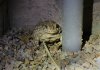
Snowleopard also brought some wildlife magic with him, as just outside my door we saw a toad - the first one I have ever seen at my loft complex. I had him hold an LED while I took a photo with my point and shoot camera.
 

Attachments

  • IMG_2944.jpg
    IMG_2944.jpg
    120.1 KB · Views: 18
@David Brown: Butterfly Wonderland might struggle for the next year as there is a lot of construction going on next door and after visiting once I'm not sure how often visitors will want to return. However, in July of 2016 when the 200,000 sq. ft. Odyssey Aquarium opens then the crowds will be incredible. Loveland Living Planet Aquarium near Salt Lake City, Utah, opened last year and it is 136,000 sq. ft. and this new Phoenix-area facility will be much larger.

When finished there is going to be one of America's largest aquariums, the butterfly place, an IMAX theater (I wonder if that is included in the square footage of the aquarium?), several shops and a minimum of 16 restaurants. The entire complex is 35 acres in size and I predict that attendance will be monstrous as Phoenix is America's 5th largest city in terms of population. I'm sure that the local Sea Life establishment is not pleased. :)

@ANyhuis: I spent $9 at Heritage Park, $33 at Out of Africa (but I had a great chat with Dean Harrison) and $20 at Butterfly Wonderland to make it $62 in admission fees for the day. Fred's leather couch was looking really nice after all of that!

@Zooplantman: As you probably already know if you've been following my road trip threads all of these years, I'm not really a fan of the butterfly conservatories that have popped up in several cities. Butterfly House near Saint Louis has a neat invertebrate section; Texas Discovery Gardens also has 20+ terrariums plus another dozen or so exhibits of Texas Snakes; Houston Museum of Science has a terrific Hall of Entomology to go along with its butterflies; and there are several others that I've been to in the past. I really enjoy looking at terrariums filled with bugs but I find butterflies boring and they are always in hot, steamy jungles with rarely any other animals around. Maybe I'm just getting jaded with seeing hundreds of those insects on road trips.

I'd choose my favourite animal "houses" in this order:

1- Mammals
2- Reptiles/Amphibians
3- Aquariums
4- Birds
5- Bugs
6- Butterflies
 
DAY 20: Saturday, August 1st

Oh, where have you been, my blue-eyed son?
And where have you been my darling young one?
I’ve stumbled on the side of twelve misty mountains
I’ve walked and I’ve crawled on six crooked highways
I’ve stepped in the middle of seven sad forests
I’ve been out in front of a dozen dead oceans
I’ve been ten thousand miles in the mouth of a graveyard
And it’s a hard, it’s a hard, it’s a hard, and it’s a hard
It’s a hard rain’s a-gonna fall.

Lyrics: Robert Zimmerman

The weather has been intense for the past two days and I have now discovered that living in a desert is not all it’s cracked up to be. Those signs that I’ve been chuckling over for years that describe FLASH FLOODS came back to haunt me as sunshine has been swept away by epic downpours of rain. Then minutes later it is hot and humid again, only for the lightning, thunder and rainstorm to come back and smash upon my car. Visibility becomes difficult, gathering puddles on the highway become precarious, and a hard rain falls with the beat of a staccato drummer. Only one zoo has prompted me to bring out my umbrella but the unpredictable nature of the weather for the past couple of days has been very odd.

Since I’ve now visited 45 of the 51 zoos in the state of Texas, which 6 have I not been to? Here you go:

TGR Exotics Wildlife Park (Spring, TX)
Saint Francis Wolf Sanctuary (Montgomery, TX)
Crocodile Encounter (Angleton, TX)
International Exotic Animal Sanctuary (Boyd, TX)
Topsey Exotic Ranch & Drive-Thru Safari (Coryell County, TX)
National Butterfly Center (Mission, TX)

Onwards to the day’s 4 reviews:

Reid Park Zoo:

I toured Reid Park Zoo in 2011 and I gave it a very positive review but this time around was a much different visit. I wasn’t even going to visit this zoo on my latest summer road trip but Jason Jacobs, the zoo’s director, contacted me out of the blue more than a week ago and he urged me to drop by. I initially told him that I was torn with my decision as I was aiming to visit more zoos that I’d never been to, but then I confirmed that I’d be there on Saturday morning and I’m extremely thankful that I made that decision.

I rolled into the parking lot at approximately 6:50 a.m., more than an hour before the zoo opened to the public, and Jason was already waiting for me and I felt like royalty. He is a charismatic, gregarious individual who would likely make a great public speaker and I felt a kinship with him as he has been to more than 200 zoos and with 23 years in the industry he has clearly paid his dues. At the age of 36 Jason has already worked in 5 different zoos around the country and without a doubt he is incredibly career-driven and I know that he is regarded as a hot young director. Upon meeting we immediately went into one of the zoo’s offices and he pulled out blueprints, diagrams and various plans for future exhibits. This fall a Carousel will open to the public and that is a great idea as it will be one of the first things people see when they enter the zoo and carousels are money-making rides that are beloved by children. By February or March a new gibbon exhibit will open to the public, including an overhead tunnel that will allow the apes to brachiate above the heads of visitors. A new Animal Health Center is also in the works and a November bond vote (if approved) will give the zoo the funding for the future Pygmy Hippo/Nile Crocodile/African Spotted-Necked Otter complex that will open in 5-7 years and will include an African Lodge. Incidentally, during that same bond vote the Arizona-Sonora Desert Museum will hope to get funding for their upcoming Jaguar exhibit.

Jason then whisked me outside and we proceeded directly to the big African Elephant barn and I was introduced to several of the 8 keepers that work full-time with the elephants at the zoo. No one was surprised to see me as Jason had already informed all of his staff that a “future zoo book author” was arriving and thus I ended up being introduced to many staff members during my visit. We hung out in the barn for a long time, watching training procedures and I was even allowed to touch an elephant. The set-up at Reid Park is fantastic, with the herd of 6 elephants allowed to roam the almost 4 acre outdoor area up to 23 hours each day. The keepers bring the animals in briefly each morning so that the elephants can be observed, worked with, and the outdoor yard can be cleaned and readied for zoo visitors. This is not like Houston and many other zoos where there are 3 or more paddocks and the bulls are kept separate; at Reid Park for most of the day all 6 family members are together and they each have the entire space to move around as they choose.

One thing that really impressed me was the series of interpretative items in the 7-acre elephant complex. There is a realistic-looking backside of an elephant that makes real noises when touched; colourful drums for kids to bang on; a xylophone to create a wall of sound; an elephant made of recycled materials; tiny dung beetle statues; and fantastic, eye-catching signs in all directions. Expedition Tanzania is awesome and easily one of the very best elephant habitats in any American zoo.

After we finished with the elephants Jason and I toured the rest of the zoo and he told me about a lot of possible construction projects that will likely see the light of day a few years from now. I am sworn to secrecy but needless to say every single year the zoo will have something new for a long time in the future. Also, it turns out that we know a lot of the same people and so we chatted about unique individuals, zoos and life in general and I had a fantastic 3 hours with him. Jason truly understands zoos in that he realizes that he needs to be more than someone who likes animals and builds exhibits. He needs to seek financial support from donors; he needs to bring in camel rides and a carousel to boost revenue and keep families in the zoo for longer periods of time; he needs to get his staff trained and on board with the future growth of the zoo; and he realizes that zoos are for people like me who have 4 kids and want to spend two hours seeing elephants, giraffes, rhinos, lions, tigers, jaguars and bears. Not many zoos are like Reid Park in that they have loads of marquee species but also are compact enough to not become wearisome for a large family. I am obviously a major zoo nerd in a myriad of ways but I also understand zoos in the same way that Jason does and I certainly hope that he and I stay in contact and meet up again at some point in the future.

Superstition Serpentarium:

Superstition Serpentarium is a tiny hole-in-the-wall reptile zoo in Apache Junction, Arizona. It is set in Goldfield Ghost Town, a reconstructed 1890’s frontier-type town that appeared to be a fairly popular destination for tourists on a hot weekend afternoon. Passing by old-fashioned storefronts and several cowboys I followed a couple of signs around a corner and into the basement of a large building. Hidden away in this area is a tiny reptile zoo that consists of two rooms and only costs $4 admission. The big bear of an owner, Zack Ziesing (complete with braided ponytail and bushy beard), was so excited to have someone at his establishment that had been to hundreds of zoos that he was tickled pink and he became incredibly passionate about his creepy crawler critters. A number of the lizards, snakes and tarantulas he has gone into the Arizona hills and caught himself and he gave me his personal email address, his cellphone number and was astonished that I had sought out his miniscule place of business to add to my lifetime zoo list. I tell you, the characters I have met on this trip…

Zack, a very likeable individual, told me that it is just him and his wife running the business and he claims to have “the smallest zoo in the United States”. He is likely right as the first room is an entrance with a bunch of terrariums behind the counter and an air of decrepitude in all directions. The second room is perhaps 30 feet wide and that is essentially the zoo. I counted 42 terrariums on-show but including the behind-the-counter stuff there are approximately 50 exhibits in Superstition Serpentarium. I was very fortunate to even have seen the place because Zack said that he doesn’t always open the facility and last week he took off hunting for a few days and so it is “hit-and-miss whether you’ll find the joint open”. He was very helpful to the couple of families that were in there and with about 10 customers there wasn’t much room to move. He told me that after the families left he would pull out a rattlesnake or two and I could take photos while he held the snakes with a hook, but I kept waiting and more and more people arrived and I had to get back on the road. I’m not sure that a keeper at an AZA zoo would have offered to pull out a venomous rattlesnake!

Species List (45 total): Sonoran Desert Toad, Sonoran Mud Turtle, Reticulated Gila Monster, Banded Gila Monster, Chuckwalla, Desert Spiny Lizard, Arizona Long-Nosed Snake, Twin Spotted Rattlesnake, Banded Rock Rattlesnake, Mexican Lance-Head Rattlesnake, Mexican West Coast Rattlesnake, Sonoran Sidewinder Rattlesnake, Mojave Rattlesnake, Western Diamondback Rattlesnake, Eastern Diamondback Rattlesnake, Northern Pacific Rattlesnake, White Speckled Rattlesnake, Speckled Rattlesnake, Tiger Rattlesnake, Northern Black-Tail Rattlesnake, Great Basin Rattlesnake, Trans-Pecos Rat Snake, Baird’s Rat Snake, Southern Copperhead, Banded Sand Snake, Shovel-Nosed Snake, Sinai Flat Tail Scorpion, Israeli Death Stalker Scorpion, Red Claw Emperor Scorpion, Desert Hairy Scorpion, Striped Tail Scorpion, Arizona Bark Scorpion, South African Flat Rock Scorpion, Tailless Whip Scorpion, Giant White Knee Tarantula, Goliath Pinkfoot Tarantula, Mexican Red Rump Tarantula, Mexican Red Knee Tarantula, Arizona Blonde Tarantula, Camel Spider, Black Widow Spider, Arizona Brown Spider, Arizona Wolf Spider, Giant Cave Cockroach and Vinegaroon.

Grand Canyon Deer Farm:

Grand Canyon Deer Farm is a non-AZA accredited zoo located in Williams, Arizona, and it is very small and remarkably has been in business for almost 50 years. The lady behind the counter told me as I entered that if I had kids and we fed the deer I’d be back in an hour. If I was alone I’d be back in less than 30 minutes and she was absolutely correct with the latter estimate. This facility is actually not as good as the one in Wisconsin (faint praise indeed) and it is essentially one rectangular loop around the park. I would only recommend visiting if you are a hardcore zoo enthusiast or you enjoy side-stepping deer poop while you take photos. The species list includes: Fallow Deer and Axis Deer make up 90% of the animals; Mule Deer, Reindeer, American Bison, Llama, Dromedary, Zeedonk, Pot-Bellied Pig, Pygmy Goat, Patagonian Cavy, Common Marmoset, Coati, African Crested Porcupine, Indian Peafowl and Ring-Necked Pheasant.

Bearizona:

Bearizona is a non-AZA accredited zoo located in Williams, Arizona, and it features a 3-mile long drive-thru section with North American wildlife in abundance. The place was smoking busy on the Saturday afternoon that I visited and I didn’t get into the park until close to 5:00. Thankfully the facility stays open until 7:30 during summer nights and that was more than enough time for me as I stayed for 1.5 hours. The drive-through section is enjoyable enough and mainly in a forest environment; it included these species: Rocky Mountain Goat, Bighorn Sheep, Rocky Mountain Elk, American Bison (including at least 8 white ones), Mule Deer, American Black Bear, “Alaskan Tundra Wolves” and “Arctic Wolves”. All of the animals (except for some of the larger bears) have full access to the area around the vehicles but the prominent fencing in all directions destroys any notion of being out in the wild.

I unsurprisingly preferred the walk-around section, with shaded woodland providing the setting for semi-natural enclosures for the following species: American Black Bear, Javelina, Bobcat, North American River Otter, North American Porcupine, Red Fox, Grey Fox and a very poor Mine Shaft with nocturnal exhibits for a Ringtail, an Opossum and a few invertebrates.

Bearizona’s new development is well underway and I had a great chat with a senior employee at the zoo. He told me, and this information is also readily available online, that the enormous trio of buildings that are nearing completion will feature a 10,000 sq. ft. gift shop (already open and massive) and storage space, a convention center and a restaurant. The whole thing is going to cost $4 million and best of all for zoo enthusiasts is that a Jaguar exhibit will be built directly next to the restaurant/side building. The staff member told me that there are currently two cats off-exhibit and potentially the felines will be able to be seen via the cafe area once everything is finished later this year.
 
What an amazing experience at Reid Park Zoo! Are you in contact with many zoo directors with your future zoo book coming out? I know the last time you went behind the scenes and saw the tamanduas, did you see them again this time? I would definitely love to visit this zoo in the future!

I was intrigued to see your suggestion of camel rides. From a financial point of view, I would agree it would bring in revenue. But I always feel bad that the camels spend most of their day with people on their back and walking around in the same circle.
 
A new jaguar exhibit coming to Bearizona? :eek: This is huge (for those of you who know what a cat fanatic I am). Even though I live in the same state, I have not been to Bearizona yet because there seemed like not enough to see to make it worth the long drive (plus lately I am not really into zoos as much). But if the exhibit looks promising I am sure I will go sometime because northern Arizona is beautiful and Williams is on the way to Grand Canyon, which I am always willing to visit and photograph.
 
What an amazing experience at Reid Park Zoo! Are you in contact with many zoo directors with your future zoo book coming out? I know the last time you went behind the scenes and saw the tamanduas, did you see them again this time? I would definitely love to visit this zoo in the future!

I was intrigued to see your suggestion of camel rides. From a financial point of view, I would agree it would bring in revenue. But I always feel bad that the camels spend most of their day with people on their back and walking around in the same circle.

I've had two terrific trips to Reid Park (2011 and 2015) and this time around I did not see any Tamanduas but they do have some off-exhibit, as well as a number of Giant Anteaters as well.

Time to post my latest blog entry!
 
Back
Top