BioParque do Rio Species list for Bioparque do Rio

that could be just like the aoudads, cassowary, sambar deer and blackbucks are passing the quarantine in african savanna, because they are not from africa, i know the aoudad is african but it lives in mountains not in plains.
Yes, exactly. I believe the pelicans are in this moment being kept in that exhibit that previously held the otters, as we could see in the pictures you shared. I tend to think they passed their quarantine in the former penguin exhibit, that is nowadays part of the backstage, and then were sent to where they are now.
 
that could be just like the aoudads, cassowary, sambar deer and blackbucks are passing the quarantine in african savanna, because they are not from africa, i know the aoudad is african but it lives in mountains not in plains.
I honestly think the sambars, cassowary, rusa and blackbucks should wait for their new exhibits in another enclosure. Placing them in the african savanna might cause confusion to the visitors. The aoudads, in the other hand, are not actually a problem for being actual african animals.
 
I honestly think the sambars, cassowary, rusa and blackbucks should wait for their new exhibits in another enclosure. Placing them in the african savanna might cause confusion to the visitors. The aoudads, in the other hand, are not actually a problem for being actual african animals.
i have the same thought as you, but the aoudads like rocks to climb, in african savanna you can see there are no rocks, i think the old exhibit of them should turn into something new, something that represents their habitat, because the aoudads live in high places, and i saw people complaining about the other animals because they aren't from africa.
 
i have the same thought as you, but the aoudads like rocks to climb, in african savanna you can see there are no rocks, i think the old exhibit of them should turn into something new, something that represents their habitat, because the aoudads live in high places, and i saw people complaining about the other animals because they aren't from africa.
Completely agree. When I say there is no problem on keeping the aoudads in the savanna, I'm considering this is just temporary. Despite spacious, the savanna exhibit is not proper to keep this species. My guess, as I previously said here, is that these animals will be kept in the former wild goat enclosure, that might pass through a renovation.
Besides all that, the african savanna exhibit is supposed to keep animals from the ecossystem of the african savanna itself, so the aoudads wouldn't fit well as permanent dwellers. As you mentioned, this is not the kind of morphoclimatic domain they inhabit.
 
Completely agree. When I say there is no problem on keeping the aoudads in the savanna, I'm considering this is just temporary. Despite spacious, the savanna exhibit is not proper to keep this species. My guess, as I previously said here, is that these animals will be kept in the former wild goat enclosure, that might pass through a renovation.
Besides all that, the african savanna exhibit is supposed to keep animals from the ecossystem of the african savanna itself, so the aoudads wouldn't fit well as permanent dwellers. As you mentioned, this is not the kind of morphoclimatic domain they inhabit.
that's right
 
Here's the list:

Bioparque do Rio:

On show:

Imersão tropical/Tropical immersion:

Exhibit 1:

Mammals:
-Mico-leão-dourado/Golden lion tamarin - (Leontopithecus rosalia);

Exhibit 2:

Birds:
-Arara-azul-grande/Hyacinth macaw - (Anodorhynchus hyacinthinus);

Exhibit 3:

Birds:
-Jacutinga/Black fronted piping guan - (Pipile jacutinga);
-Mutum-do-sudeste/Red-billed curassow - (Crax blumenbachii);
-Papagaio-chauá/Red browed amazon - (Amazona rhodocorytha);
-Papagaio-do-peito-roxo/Vinaceous-breasted amazon - (Amazona vinacea);

Exhibit 4:

Birds:
-Gaivotão/Kelp gull - (Larus dominicanus);
-Guará/Scarlet ibis - (Eudocimus ruber);

Exhibit 5 (the big walkthrough aviary):

Mammals:
-Preguiça-real ou unau/Linnaeus's two-toed sloth - (Choloepus didactylus);
-Cutia-de-dorso-vermelho/Red-rumped agouti - (Dasyprocta leporina);
-Ouriço-cacheiro-brasileiro/Brazilian porcupine - (Coendou prehensilis);
-Ouriço-cacheiro-paraguaio/Paraguaian hairy dwarf porcupine - (Coendou spinosus);

Birds:
-Mutum-de-penacho/Bare-faced curassow - (Crax fasciolata);
-Jacuaçu/Dusky-legged guan - (Penelope obscura);
-Jacupemba/Rusty-margined guan - (Penelope superciliaris);
-Pomba-asa-branca/Picazuro pigeon - (Patagioenas picazuro);
-Tucano-de-bico-preto/Channel-billed toucan - (Ramphastos vitellinus);
-Tucano-de-bico-verde/Red-breasted toucan - (Ramphastos dicolorus);
-Tucano-toco/Toco toucan - (Ramphastos toco);
-Seriema-da-perna-vermelha/Red-legged seriema - (Cariama cristata);
-Caturrita/Monk or quaker parakeet - (Myiopsitta monachus);
-Periquito-verde ou periquito-rico/Plain parakeet - (Brotogeris tirica);
-Periquito-de-encontro-amarelho/Yellow-chevroned parakeet - (Brotogeris chiriri)
-Maritaca-de-cabeça-azul/Blue-headed parrot - (Pionus menstruus);
-Maritaca-verde/Scaly-headed parrot - (Pionus maximiliani);
-Papagaio-do-mangue/Orange-winged-amazon - (Amazona amazonica);
-Papagaio-verdadeiro/Turquoise-fronted amazon - (Amazona aestiva);
-Papagaio-campeiro/Yellow-crowned amazon - (Amazona ochrocephala);
-Periquito-de-cabeça-vermelha/Red-masked parakeet - (Psittacara erythrogenys);
-Periquitão-maracanã/White-eyed parakeet - (Psittacara leudophthalmus);
-Maracanã-nobre/Red-shouldered macaw - (Diopsittaca nobilis);
-Ararajuba/Golden parakeet - (Guaruba guarouba);
-Periquito-rei/Peach-fronted parakeet - (Eupsittula aurea);
-Jandaia-de-testa-vermelha/Golden-capped parakeet - (Aratinga auricapillus);
-Periquito-de-cabeça-preta ou príncipe-negro/Nanday parakeet - (Aratinga nenday);
-Maracanã-do-buriti/Red-bellied macaw - (Orthopsittaca manilatus);
-Maracanã-verdadeira/Blue-winged macaw - (Primolius maracana);
-Maracanã-de-colar/Yellow-collared macaw - (Primolius auricollis);
-Arara-canindé/Blue-and-gold macaw - (Ara ararauna);
-Aracanga/Scarlet macaw - (Ara macao);
-Arara-vermelha-grande/Red-and-green macaw macaw - (Ara chloropterus);
-Ararinha-de-testa-vermelha/Red-fronted macaw - (Ara rubrogenys);
-Papagaio-negro-grande/Greater vasa parrot - (Coracopsis vasa);
-Gralha-do-campo/Curl-crested jay - (Cyanocorax cristatellus);
-Gralha-picaça/Plush-crested jay - (Cyanocorax chrysops);
-Gralha-cancã/White-napped jay - (Cyanocorax cyanopogon);

Exhibit 6:

Birds:
-Arara-azul-de-lear/Lear's macaw - (Anodornorhynchus leari);

Aldeia dos répteis/Reptile village:

Exhibit 7:

Reptiles:
-Cágado-de-barbicha/Geoffroy's side necked-turtle - (Phrynops geoffroanus);
-Cágado-de-lagoa/Hilaire's toadhead turtle - (Phrynops hilarii);
-Tracajá/Yellow-spotted river turtle - (Podocnemis unifilis);
-Tigre-d'água-de-orelha-amarelha/D'Orbigny's slider - (Trachemys dorbigni);

Exhibit 8:

Reptiles:
-Jacaré-do-papo-amarelo/Broad-snouted caiman - (Caiman latirostris);

Exhibit 9:

Reptiles:
-Píton-birmanesa/Burmese python - (Python bivittatus);
-Píton-reticulada/Reticulated python - (Malayopython reticulatus);

Jardim Burle Marx:

Exhibit 10:

Birds:
-Flamingo-chileno/Chilean flamingo - (Phoenicopterus chilensis);

Reis da Selva/Kings of the jungle:

Exhibit 11:

Mammals:
-Leão/Lion - (Panthera leo);

Exhibit 12:

Mammals:
-Tigre/Tiger - (Panthera tigris);

Exhibit 13:

Mammals:
-Urso-de-óculos/Andean or spectacled bear - (Tremarctos ornatus);

Ásiaticos/Asiatics:

Exhibit 14:

Mammals:
-Elefante-asiático/Asian elephant - (Elephas maximus);

Carnívoros ou Centro de Conservação de Carnívoros/Carnivores or Carnivore conservation center):

Exhibit 15:

Mammals:
-Onça-pintada/Jaguar - (Panthera onca);

Exhibit 16:

Mammals:
-Jaguatirica/Ocelot - (Leopardus pardalis);

Exhibit 17:

Mammals:
-Puma/Cougar - (Puma concolor);

Exhibit 18:

Mammals:
-Gato-do-mato-pequeno/Oncilla - (Leopardus tigrinus);

Exhibit 19:

Mammals:
-Irara or papa-mel/Tayra - (Eira barbara);

Fazendinha/Petting zoo or little farm:

Exhibit 20:

Mammals:
-Vaca/Cow - (Bos taurus);

Exhibit 21:

Birds:
-Avestruz/Ostrich - (Struthio camelus);

Exhibit 22:

Mammals:
-Cavalo/Horse - (Equus ferus);

Exhibit 23:

Mammals:
-Coelho-doméstico/Domestic rabbit - (Oryctolagus cuniculus);

Birds:
-Galinha-doméstica/Domestic chicken - (Gallus gallus);
-Pato-real/Mallard - (Anas platyrhynchos);

Exhibit 24:

Mammals:
Pônei
/Pony - (Equus ferus);

Exhibit 25:

Mammals:

-Bode/Domestic goat - (Capra aegargus);

Ilhas dos primatas/Primate islands:

Exhibit 26:

Mammals:
-Parauacu-do-rio-tapajós/Gray's bald-faced saki - (Pithecia irrorata);
-Cuxiú-de-uta-hick/Uta Hick's bearded saki - (Chiropotes utahickae);
-Mico-de-cheiro-comum/Common squirrel monkey - (Saimiri sciureus);

Exhibit 27:

Mammals:
-Macaco-aranha-da-testa-branca/White-cheeked spider monkey - (Ateles marginatus);

Both exhibits 26 and 27, as well as the lake these 2 islands are located in:

Reptiles:
-Cágado-da-amazônia/Arrau turtle - (Podocnemis expansa);
-Tracajá/Yellow-spotted river turtle - (Podocnemis unifilis);

Exhibit 28:

Mammals:
-Lobo-guará/Maned wolf - (Chrysocyon brachyurus);

Exhibit 29:

Mammals:
-Macaco-caranguejeiro/Crab-eating macaque - (Macaca fascicularis);
-Orangotango-de-sumatra/Sumatran orangutan - (Pongo abelli);

Cerrado:

Exhibit 30:

Mammals:
-Tamanduá-bandeira/Giant anteater - (Myrmecophaga tetradactyla);
-Capivara/Capybara - (Hydrochoerus hydrochaeris);
-Catitu/Collared peccary - (Tajacu peccari);
-Anta-brasileira/Brazilian tapir - (Tapirus terrestris);

Birds:
-Ema-comum/Greater rhea - (Rhea americana);

Savana africana/African savanna:

Exhibit 31:

Mammals:
-Hipopótamo-comum/Common hippopotamus - (Hippopotamus amphibius);

Exhibit 32*:

Mammals:
-Sambar-das-ilhas-sunda/Javan rusa - (Rusa timorensis);
-Cobo-de-meia-lua/Waterbuck - (Kobus ellipsiprymnus);
-Carneiro-da-barbária/Barbary sheep - (Ammotragus lervia);

Birds:
-Avestruz/Ostrich - (Struthio camelus);

Exhibit 33*:

Mammals:
-Carneiro-da-barbária/Barbary sheep - (Ammotragus lervia);

Exhibit 34*:

Birds:
-Avestruz/Ostrich - (Struthio camelus);

Exhibit 35:

Mammals:
-Antílope-cervicapra ou simplesmente cervicapra/Blackbuck - (Antilope cervicapra);

Exhibits 32, 33 and 34*:

Birds:
-Ganso-do-nilo/Egyptian goose - (Alopochen aegyptiaca).

*I'm not sure if the Barbary sheep and ostriches live in different exhibits or if all animals live in the same one. The sambars could be from the mainland species (Rusa unicolor).
-Another observation: I did not see one of the two porcupines, the Uta Hick's bearded sakis, common squirrel monkeys, waterbucks, oncillas, bare-faced curassows, Egyptian geese and the green-billed and toco toucans.

Species that I'm 100% sure are being kept off-show:

Mammals:
-Macaco-prego-vermelho/Crested capuchin - (Sapajus robustus);
-Macaco-prego-do-peito-amarelo/Yellow-breasted-capuchin - (Sapajus xanthosternos);
-Babuíno-da-guiné, mas o animal pode ser um híbrido/Guinea baboon, but the animal could be a hybrid - (Papio papio, possibly Papio spp.);
-Babuíno-amarelo/Yellow baboon - (Papio cynocephalos);
-Mandril/Mandrill (Mandrillus sphinx);
-Onça-pintada/Jaguar - (Panthera onca);
-Urso-marrom/Brown bear - (Ursos arctos).

Planned, but not acquired yet:

Reptiles:
-Píton/Python - (Pythonidae spp.);*
-Sucuri, possivelmente verde ou amarela/ Anaconda, possibly green or yellow - (Eunectes spp., possibly Eunectes murinus or notaeus);*

Mammals:
-Lêmure, possivelmente de-cauda-anelada/Lemur, possibly ring-tailed ones (Lemuroidea spp., possibly Lemur catta);
-Girafa possivelmente sul-africana/Giraffe, possibly Transvaal ones - (Giraffa spp., possibly Giraffa giraffa);
-Impala/Impala - (Aepyceros melampus);
-Zebra, possivelmente da-planície/Zebra, possibly plains ones - (Equus spp. (Hippotigris subgenus), possibly Equus quagga);
-Suricato/Meerkat - (Suricattta suricatta);
-Ariranha/Giant river otter - (Pteronura brasiliensis);
-Lobo-marinho, possivelmente do-peito-branco/Fur seal, possibly Subantartic ones - (Arctocephalinae spp., possibly Arctocephalus tropicalis);

Birds:
-Galinha-d'angola/Guineafowl - (Numididade spp.)
-Grou-coroado/Crowned crane - (Balearica spp.);
-Pinguim, possivelmente de-magalhães/Penguin, possibly magellanic ones - (Sphenisciformes spp., possibly Spheniscus magellanicus).

*They also plan to bring some anacondas (Eunectes spp.) and pythons (Pythonidae spp.). However, I believe some are already at the zoo, but I heard a zookeeper saying they'd be brought to the institution.

Wild/free-roaming:

Reptiles:

-Teiú-comum/Argentine black and white tegu - (Salvator merianae);

Birds:

-Pato-mudo/Muscovy duck - (Cairina moschata);
-Irerê/White-faced whistling duck - (Dendrocygna viduata);
-Quero-quero-do-sul/Southern lapwing - (Vanellus chilensis);
-Pomba-asa-branca/Picazuro pigeon - (Patagioenas picazuro);
-Pombo-comum/Rock dove - (Columba livia);
-Rolinha-roxa/Ruddy ground dove - (Columbina talpacoti);
-Biguá/Neotropic cormorant - (Phalacrocorax brasilianus);
-Garça-branca-grande/Great egret - (Ardea alba);
-Garça-moura/Cocoi heron - (Ardea cocoi);
-Garça-branca-pequena/Snowy egret - (Egretta thula);
-Caturrita/Monk or quaker parakeet - (Myiopsitta monachus);
-Periquito-verde ou periquito-rico/Plain parakeet - (Brotogeris tirica);
-Periquitão-maracanã/White-eyed parakeet - (Psittacara leucophthalmus);
-Periquito-rei/Peach-fronted parakeet - (Eupsittula aurea);
-João-de-barro/Rufous hornero - (Furnarius rufus);
-Neinei/Boat-billed flycatcher - (Megarynchus pitangua);
-Bem-te-vi-comum/Great kiskadee - (Pitangus sulphuratus);
-Lavadeira-mascarada/Masked water tyrant - (Fluvicola nengeta);
-Sabiá-laranjeira/Rufous-bellied thrush - (Turdus rufiventris);
-Bico-de-lacre-comum/Common waxbill - (Estrilda astrild);
-Chupim/Shiny cowbird - (Molothrus bonariensis);
-
Canário-da-terra-verdadeiro/Saffron finch - (Sicalis flaveola).
now there are new animals at the zoo, like pelicans, otters, buffaloes, guinea pigs and etc.
 
now there are new animals at the zoo, like pelicans, otters, buffaloes, guinea pigs and etc.
We should edit this list anytime soon. I'm of the opinion that we should wait a little bit more to update it correctly, once the institution seems to be acquiring a considerable amount of new animals in the last few days.
 
I personally don't see the point in breeding lions, most of them are of uncertain origin. As for tigers, Itatiba imported some pure Siberian tigers some years ago, and they do breed well there. I personally think that Sumatran would have been a better choice.
As for the Gaur, I'm really looking forward for them, they are among my favorite species EAZA and AZA are discontinuing their stud books, so I really hope South American zoos could take over some animals and keep an healthy population.
 
I personally don't see the point in breeding lions, most of them are of uncertain origin. As for tigers, Itatiba imported some pure Siberian tigers some years ago, and they do breed well there. I personally think that Sumatran would have been a better choice.
As for the Gaur, I'm really looking forward for them, they are among my favorite species EAZA and AZA are discontinuing their stud books, so I really hope South American zoos could take over some animals and keep an healthy population.
personally i don't think the sumatran can live in south american zoo, considering that it's a rare specie of tiger, and i only saw sumatran tigers in captivity in the us.
 
I personally don't see the point in breeding lions, most of them are of uncertain origin. As for tigers, Itatiba imported some pure Siberian tigers some years ago, and they do breed well there. I personally think that Sumatran would have been a better choice.
As for the Gaur, I'm really looking forward for them, they are among my favorite species EAZA and AZA are discontinuing their stud books, so I really hope South American zoos could take over some animals and keep an healthy population.

Lion breeding in brazilian zoos is complicated indeed. Many of the captive individuals are too old or hybrids. São Paulo imported some from Gaia zoo a few years ago, and they bred very well. Not sure if they are pure lions indeed. I'm sure Pomerode imported some pure katanga lions from Lisbon some time ago, to start the EEP in Brazil. The ones in Lisbon have a pure genetic once they are descendants of wild captured lions in Angola when the african nation was a portuguese colony, afaik.
 
Lion breeding in brazilian zoos is complicated indeed. Many of the captive individuals are too old or hybrids. São Paulo imported some from Gaia zoo a few years ago, and they bred very well. Not sure if they are pure lions indeed. I'm sure Pomerode imported some pure katanga lions from Lisbon some time ago, to start the EEP in Brazil. The ones in Lisbon have a pure genetic once they are descendants of wild captured lions in Angola when the african nation was a portuguese colony, afaik.
indeed, you're right
 
personally i don't think the sumatran can live in south american zoo, considering that it's a rare specie of tiger, and i only saw sumatran tigers in captivity in the us.
The only difficulty I see is obtaining the animals. Most parts of Brazil have a weather that would be proper for the species.
 
Lion breeding in brazilian zoos is complicated indeed. Many of the captive individuals are too old or hybrids. São Paulo imported some from Gaia zoo a few years ago, and they bred very well. Not sure if they are pure lions indeed. I'm sure Pomerode imported some pure katanga lions from Lisbon some time ago, to start the EEP in Brazil. The ones in Lisbon have a pure genetic once they are descendants of wild captured lions in Angola when the african nation was a portuguese colony, afaik.
Also, it's worth it to mention the male lion BH zoo imported in 2018 from Dortmund. It is a pure individual, afaik, but I'm not sure about the subspecies though. If I'm not wrong, the institution got the authorization to breed the species, but the only female, Hanna, who was kept at the time, had issues with her ovaries and they had to be removed. She died last year, and I tend to think the institution might plan to obtain other pure females to continue the program with the male.
 
personally i don't think the sumatran can live in south american zoo, considering that it's a rare specie of tiger, and i only saw sumatran tigers in captivity in the us.
I don't think this would be the biggest problem, the Siberian tigers that live in Itatiba came from Europe (I think the male came from Cologne). I'm not sure how the European Sumatran population is doing, but a lot of zoos prefer the Siberian, as they don't need heating during the winter. And I have absolutely no ideia about the AZA population.

Lion breeding in brazilian zoos is complicated indeed. Many of the captive individuals are too old or hybrids. São Paulo imported some from Gaia zoo a few years ago, and they bred very well. Not sure if they are pure lions indeed. I'm sure Pomerode imported some pure katanga lions from Lisbon some time ago, to start the EEP in Brazil. The ones in Lisbon have a pure genetic once they are descendants of wild captured lions in Angola when the african nation was a portuguese colony, afaik.
I also am aware of the partial ban of breeding big cats in Brazil. The Katanga line in European zoos has a lot of inbreeding probelms, many of the animals have some health issues. The taxonomic status of the lion is still highly debatable, the IUCN officially recognizes only two subspecies. I'm not entirely sure if the male from Dortmund is a pure Southern lion, but I think it would be better to assume it's a hybrid.
 
I don't think this would be the biggest problem, the Siberian tigers that live in Itatiba came from Europe (I think the male came from Cologne). I'm not sure how the European Sumatran population is doing, but a lot of zoos prefer the Siberian, as they don't need heating during the winter. And I have absolutely no ideia about the AZA population.


I also am aware of the partial ban of breeding big cats in Brazil. The Katanga line in European zoos has a lot of inbreeding probelms, many of the animals have some health issues. The taxonomic status of the lion is still highly debatable, the IUCN officially recognizes only two subspecies. I'm not entirely sure if the male from Dortmund is a pure Southern lion, but I think it would be better to assume it's a hybrid.
well, we just can expect it's a hybrid.
 
I don't think this would be the biggest problem, the Siberian tigers that live in Itatiba came from Europe (I think the male came from Cologne). I'm not sure how the European Sumatran population is doing, but a lot of zoos prefer the Siberian, as they don't need heating during the winter. And I have absolutely no ideia about the AZA population.


I also am aware of the partial ban of breeding big cats in Brazil. The Katanga line in European zoos has a lot of inbreeding probelms, many of the animals have some health issues. The taxonomic status of the lion is still highly debatable, the IUCN officially recognizes only two subspecies. I'm not entirely sure if the male from Dortmund is a pure Southern lion, but I think it would be better to assume it's a hybrid.

Yes, I know there are lots of issues within the lion subspecies indeed. What I know is that the lions Pomerode imported from Lisbon are descendants of pure katanga lions, as Lisbon has never kept any other subspecies, once the lions they always had were descendants of wild captured individuals from Angola. It might be one of the purest populations in Europe, for what I've heard. Not sure about the inbreeding problems though.
About the pureness of the individual that came from Dortmund to BH zoo, I remember having talked about it with the crew, but I'm going to certify with the zoo's director and tell here what I found out about the subspecies the individual belongs to, or if it's indeed a hybrid.
 
I'm not entirely sure if the male from Dortmund is a pure Southern lion, but I think it would be better to assume it's a hybrid.
With my very weak (and unreliable) capacity of lion subspecies identification, I would guess the individual is either a west-african lion or a hybrid, but as I said, I'll ask BH zoo's director about it.
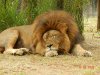
You guys take a look at him and tell me what are your impressions.
DSCN2312.JPG
 

Attachments

  • DSCN2312.JPG
    DSCN2312.JPG
    214.9 KB · Views: 18
Back
Top