The Wilds Species List for The Wilds - 7/4/2021

Mai Thai

Well-Known Member
This is a list of every species at The Wilds conservation park in Cumberland, Ohio, USA. I am arranging the list based off of the order of the open air safari tour. This list will be for all species not just the ones on display. The American Bison are not included because they are not owned by the Wilds. They are owned and live on a local farm just they can be seen while you are in the Wilds. Here is the Wilds species list as of 7/4/2021.

Hellbender Conservation Center
The Hellbender Center is located next to the Visitor Center and Kid’s Discovery Center. It focus on breeding, hatching, and releasing Hellbenders back to the wild.
  • Eastern Hellbender (Cryptobranchus alleganiensis alleganiensis)
First Pasture
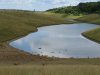
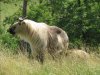
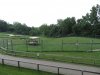
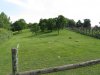
This is the first pasture you will encounter on most tours. It is home to some very loud residents. Sometimes you will find takin in here even though it is not there designated pasture because they will often swim across the main lake to get here. This pasture is very hilly and has two lakes in it. There are lots of mud wallows for the deer and scattered rocks. There are no other plants besides grasses in this pasture and a few trees by the main lake.
  • Père David’s Deer (Elaphurus davidianus)
  • Sichuan Takin (Budorcas taxicolor tibetana)
upload_2021-7-5_8-11-24.jpeg
upload_2021-7-5_8-11-55.jpeg
Second Pasture

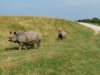
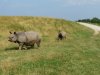
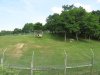
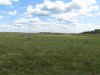
This pasture is one of the largest. The terrain is very hilly with scattered brush. The animals in this pasture have access to the main lake so they can cool off when it gets to hot out. The onager herd has only females in it as well as the rhino herd. The males for both these species are off-display.
  • Domestic Bactrian Camel (Camelus bactrianus)
  • Persian Onager (Equus hemionus onager)
  • Greater One-Horned Rhinoceros (Rhinoceros unicornis)
upload_2021-7-5_8-13-14.jpeg

Third Pasture
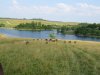
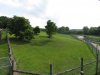
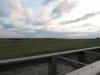
This pasture has the most plants out of them all. There are small pockets of forest throughout here and the animals have access to the main lake. The takin herd that lives here is the largest in captivity. Some people may know this pasture as the giraffe pasture after it’s former inhabitants.

  • Père David’s Deer (Elaphurus davidianus)
  • Sichuan Takin (Budorcas taxicolor tibetana)
  • Banteng (Bos javanicus)
  • Przewalski’s Wild Horse (Equus ferus przewalskii)
upload_2021-7-5_8-21-10.jpeg
More to come later today
 

Attachments

  • upload_2021-7-5_8-11-24.jpeg
    upload_2021-7-5_8-11-24.jpeg
    112.4 KB · Views: 133
  • upload_2021-7-5_8-11-55.jpeg
    upload_2021-7-5_8-11-55.jpeg
    147.8 KB · Views: 136
  • upload_2021-7-5_8-12-59.jpeg
    upload_2021-7-5_8-12-59.jpeg
    169.8 KB · Views: 5
  • upload_2021-7-5_8-13-14.jpeg
    upload_2021-7-5_8-13-14.jpeg
    169.8 KB · Views: 135
  • upload_2021-7-5_8-21-10.jpeg
    upload_2021-7-5_8-21-10.jpeg
    223.7 KB · Views: 133
Lakeside Trail
Lakeside Trail is the first stop on the open air tour. After you hop off the bus you can go to the aviary or take the trail that goes down to the lake as well as to the Crane yard. This is a very nice scenic trail but it is not for everyone as it can get steep in some places.

Budgie Landing
This is a small shed like build with lots of tree branches where you can pay a dollar to feed a huge group of budgies.

  • Budgerigar (Melopsittacus undulatus)

Crane Yard

  • Red-Crowned Crane (Grus japonensis)
  • Central Chinese Goral (Naemorhedus griseus)
 
Carnivore Conservation Center
This facility is made up of multiple yards home to rare carnivores as well as a restaurant, animal hospital, and other facilities.

After hoping off the bus you see a large yard of your left. This yard is huge and has a large pond in it. In here you will find a very large family of colorful canines
  • African Painted Dog (Lycaon pictus)
upload_2021-7-30_18-27-29.jpeg

The yard on your right we will come to later. As you continue following the path you arrive at the hospital/bathrooms/Restaurant. On your way up to the restaurant you can see a new yard. This yard and the yard behind the first cheetah yard are home to a red dog from Asia. The Wilds is home to two packs of dhole that rotate in between the yards.
  • Chinese Dhole (Cuon alpinus lepturus)
(Picture of the first yard. I was not able to get a picture of the second one as it is very hard to view. Photo is the file at the very bottom of the post. For some reason it will not let me put this picture like the rest)

After you see these guys you follow the wooden boardwalk where you come across three yards home to a spotted cat from Africa. Each yard had a least two cheetahs in it and even more were housed off-display.
  • Cheetah (Acinonyx jubatus)
(First Cheetah Yard, across from painted dogs)
upload_2021-7-30_18-40-46.jpeg

(Second Cheetah yard in front of second dhole yard)
upload_2021-7-30_18-41-35.jpeg

(Third Cheetah Yard)
upload_2021-7-30_18-42-2.jpeg

I will try to post more soon. Sorry for the huge delay between my posts.
 

Attachments

  • upload_2021-7-30_18-27-29.jpeg
    upload_2021-7-30_18-27-29.jpeg
    132.6 KB · Views: 122
  • upload_2021-7-30_18-35-1.jpeg
    upload_2021-7-30_18-35-1.jpeg
    175.2 KB · Views: 6
  • upload_2021-7-30_18-40-46.jpeg
    upload_2021-7-30_18-40-46.jpeg
    139.7 KB · Views: 124
  • upload_2021-7-30_18-41-35.jpeg
    upload_2021-7-30_18-41-35.jpeg
    170.3 KB · Views: 131
  • upload_2021-7-30_18-42-2.jpeg
    upload_2021-7-30_18-42-2.jpeg
    202 KB · Views: 126
But aren't the bison managed by The Wilds? Lots of zoos have animals they don't own but do care for and manage.
 
Fourth Pasture
This pasture is full of grass and has no trees. There is one large shade structure in here.
  • Grevy’s Zebra (Equus grevyi)
  • Fringe-Eared Oryx (Oryx beisa callotis)
  • Common Ostrich (Struthio camelus)
upload_2021-8-29_7-33-7.jpeg

Fifth Pasture
This pasture has no trees and is just grass with scattered shade structures.
  • Masai Giraffe (Giraffa camelopardalis tippelskirchi)
  • Giraffe (Giraffa camelopardalis)
  • Scimitar-Horned Oryx (Oryx dammah)
upload_2021-8-29_7-39-20.jpeg
upload_2021-8-29_7-39-51.jpeg

I will post the sixth pasture and off-display animals soon.
 

Attachments

  • upload_2021-8-29_7-33-7.jpeg
    upload_2021-8-29_7-33-7.jpeg
    143.1 KB · Views: 125
  • upload_2021-8-29_7-39-20.jpeg
    upload_2021-8-29_7-39-20.jpeg
    84.7 KB · Views: 123
  • upload_2021-8-29_7-39-51.jpeg
    upload_2021-8-29_7-39-51.jpeg
    76.3 KB · Views: 120
Sixth Pasture
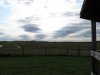
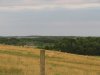
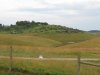
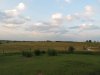
This is the largest pasture. There is a small lake that runs through it, multiple shade structures, mud wallows, and a couple trees. In here you will find:
  • Southern White Rhinoceros (Ceratotherium simum simum)
  • Common Eland (Taurotragus oryx)
  • Bactrian Deer (Cervus hanglu bactrianus)
upload_2021-9-13_7-17-46.jpeg
upload_2021-9-13_7-18-14.jpeg
upload_2021-9-13_7-19-38.jpeg
upload_2021-9-13_7-20-7.jpeg
 

Attachments

  • upload_2021-9-13_7-17-46.jpeg
    upload_2021-9-13_7-17-46.jpeg
    81.4 KB · Views: 117
  • upload_2021-9-13_7-18-14.jpeg
    upload_2021-9-13_7-18-14.jpeg
    87.2 KB · Views: 119
  • upload_2021-9-13_7-19-38.jpeg
    upload_2021-9-13_7-19-38.jpeg
    101.9 KB · Views: 119
  • upload_2021-9-13_7-20-7.jpeg
    upload_2021-9-13_7-20-7.jpeg
    79.2 KB · Views: 120
Off Exhibit Animals
  • Sable Antelope (Hippotragus niger)
  • Indochinese Sika Deer (Cervus nippon pseudaxis)
  • 0.2 Greater One-Horned Rhinoceros (Rhinoceros unicornis)
  • 0.1 Scimitar-Horned Oryx (Oryx dammah)
  • 9.0 Przewalski’s Wild Horse (Equus ferus przewalskii)
  • 1.1 Masai Giraffe (Giraffa camelopardalis tippelskirchi)
  • Cheetah (Acinonyx jubatus)
 
Back
Top