Mai Thai
Well-Known Member
This is a list of every species at The Wilds conservation park in Cumberland, Ohio, USA. I am arranging the list based off of the order of the open air safari tour. This list will be for all species not just the ones on display. The American Bison are not included because they are not owned by the Wilds. They are owned and live on a local farm just they can be seen while you are in the Wilds. Here is the Wilds species list as of 7/4/2021.
Hellbender Conservation Center
The Hellbender Center is located next to the Visitor Center and Kid’s Discovery Center. It focus on breeding, hatching, and releasing Hellbenders back to the wild.
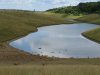
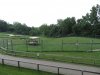
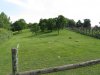
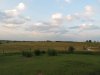
This is the first pasture you will encounter on most tours. It is home to some very loud residents. Sometimes you will find takin in here even though it is not there designated pasture because they will often swim across the main lake to get here. This pasture is very hilly and has two lakes in it. There are lots of mud wallows for the deer and scattered rocks. There are no other plants besides grasses in this pasture and a few trees by the main lake.


Second Pasture
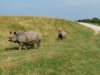
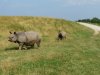
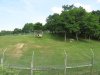
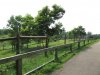
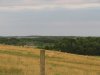
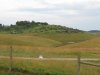
This pasture is one of the largest. The terrain is very hilly with scattered brush. The animals in this pasture have access to the main lake so they can cool off when it gets to hot out. The onager herd has only females in it as well as the rhino herd. The males for both these species are off-display.

Third Pasture
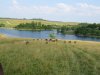
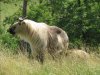
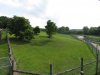
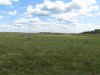
This pasture has the most plants out of them all. There are small pockets of forest throughout here and the animals have access to the main lake. The takin herd that lives here is the largest in captivity. Some people may know this pasture as the giraffe pasture after it’s former inhabitants.

More to come later today
Hellbender Conservation Center
The Hellbender Center is located next to the Visitor Center and Kid’s Discovery Center. It focus on breeding, hatching, and releasing Hellbenders back to the wild.
- Eastern Hellbender (Cryptobranchus alleganiensis alleganiensis)
This is the first pasture you will encounter on most tours. It is home to some very loud residents. Sometimes you will find takin in here even though it is not there designated pasture because they will often swim across the main lake to get here. This pasture is very hilly and has two lakes in it. There are lots of mud wallows for the deer and scattered rocks. There are no other plants besides grasses in this pasture and a few trees by the main lake.
- Père David’s Deer (Elaphurus davidianus)
- Sichuan Takin (Budorcas taxicolor tibetana)
Second Pasture
This pasture is one of the largest. The terrain is very hilly with scattered brush. The animals in this pasture have access to the main lake so they can cool off when it gets to hot out. The onager herd has only females in it as well as the rhino herd. The males for both these species are off-display.
- Domestic Bactrian Camel (Camelus bactrianus)
- Persian Onager (Equus hemionus onager)
- Greater One-Horned Rhinoceros (Rhinoceros unicornis)
Third Pasture
This pasture has the most plants out of them all. There are small pockets of forest throughout here and the animals have access to the main lake. The takin herd that lives here is the largest in captivity. Some people may know this pasture as the giraffe pasture after it’s former inhabitants.
- Père David’s Deer (Elaphurus davidianus)
- Sichuan Takin (Budorcas taxicolor tibetana)
- Banteng (Bos javanicus)
- Przewalski’s Wild Horse (Equus ferus przewalskii)
More to come later today