Sphenisciologist's Zoo & Exhibit Ideas

Sphenisciologist

Well-Known Member
In a similar vein to @KevinB and @OstrichMania, I wanted to create my own personal thread where I could just simply post zoo and aquarium concepts and exhibit ideas without feeling a level of personal confinement to stick to one sole project. Over the past few months, I have attempted to make an entire zoo from scratch, but I do not think that process works well for me personally, so I think I find it better to put energy into certain exhibits or ideas at a time, and potentially morph and alternate them to fit into a bigger zoo project. But for now, this is what I want to stick with, and I have a relatively fascinating exhibit with an almost complete description.

Just so my intentions are made clear with this thread:
  • For my exhibit and zoo ideas, I intend to keep them realistic as individual entities. This means that there might not be a set "budget" for certain exhibits, and some that I post in the future may be ambitious, but I do intend to keep exhibit design and guest interaction capability as natural and likely as possible.
  • I am always open to feedback and suggestions, and there may be times where I will need to be knocked in the head but hopefully not as much as when I was created my other zoo concept which I hope is burying itself deeper.
  • Posts may not be super consistent, but I will try to stay active on here anytime I get a rush of motivation to start a new project.
 
“Penguins, Puffins, & Plovers Galore”


How could I start a thread about my zoological ideas and concepts without including my favorite animal groups first? Simple answer - I couldn’t! “Penguins, Puffins & Plovers Galore” is an average-sized bird house home to, you guessed it - seabirds. The house is home to seabirds both in a taxonomical (think “Charadriiformes”) and environmental sense (those adapted to the world’s oceans). Overall, the house has a majority of relatively common seabird species, a few notably uncommon ones, and a minor amount of rare species in captivity in the United States.
The purpose of this exhibit is to educate about the seabird species themselves, educate guests about the importance of seabird species on their local aquatic environments, while also educating on the harm done to the world’s aquatic systems and providing realistic solutions guests can perform regularly. This will be done through:
  • Establishing the exhibit into different zones based on the region of the world and the habitats they live in. The exhibit is split up into four galleries: The American Gallery, Oceanic Gallery, African Gallery, and the Polar Gallery.
  • Using animal enclosure design that is as realistic as possible to a habitat that the species’ would experience in the wild, as well as adequate spacing and temperature per AZA standards.
  • Providing interactive and attractive displays beyond the animal exhibits themselves that can assist in making guests feel more involved and included as part of the exhibit, hence leading them to enjoying it more and getting more out of the experience. This will include things like art pieces, signages, and mature displays reflecting on the animal exhibits in contrast.
  • Providing understandable and digestible ways to help the world's marine ecosystems in ways that are not overwhelming to guests who are not advanced or experts in such a field. One step at a time is the best way to go in my opinion.
Lastly, before I get into the exhibit itself, I’ll showcase a few notable inspirations that pushed me to design such a habitat:

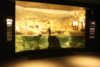
Wings of the World
Cincinnati Zoo & Botanical Garden, United States of America (@Moebelle)upload_2023-5-19_20-28-38.png
Inspirations: Zone Organizations, Species, Exhibit Design
  • The way Cincinnati organizes its Wings of the World exhibit into different zones is what I branched mine off of in terms of inspiration, though different in its own aspects, of course.
Polar Circle
Central Park Zoo, United States of America (@StoppableSan)
upload_2023-5-19_20-29-56.png
Inspirations: Species, Exhibit Design, Exhibit Concept
  • The Polar Circle’s effect will be most apparent in the Polar Zone, of course. Central Park, despite its small size, has a very admirable collection of both penguins, puffins and other alcids, and some of these species are present in my collection as well.

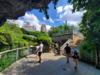
Bird House
Saint Louis Zoo, United States of America (@pachyderm pro)
upload_2023-5-19_20-30-59.png
Inspirations: Building Design, Species, Exhibit Design
  • St. Louis’s Bird House has gorgeous Spanish architecture, and it really nails the spot for that historical energy I want present in my exhibit, even if the inside incorporates a “modern” experience for guests. St. Louis’ Bird House also has a very nice collection of plovers, thick-knees and other shorebirds, as well as habitat designs for these individuals, which prompted me to make a collection of some of these species and similar habitats.

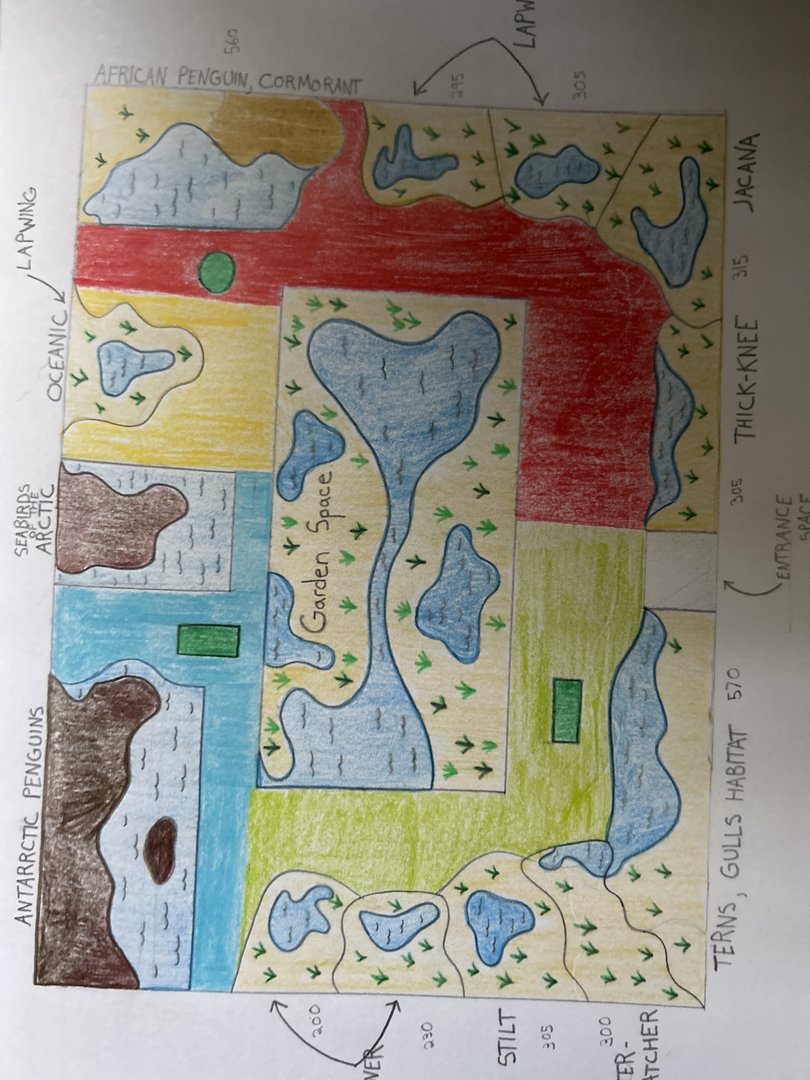
Exhibit Map
Before you observe the map for yourself, I encourage you to read these important points:

  • The little grass blades seen in habitats represented is not an accurate depiction of the greenery in each exhibit. They are there simply to help understand which space of the exhibit building is the land area for certain wading bird species (with the exception of the central garden space).
  • For the purpose of labeling, behind-the-scenes and facilitative operations space has been left out, though in a real life situation, they would very much exist.
  • Each gallery is color-coded. Green represents the American Gallery, red represents the African Gallery, yellow represents the Oceanic Gallery, and the blue on the walkway represents the Polar Gallery.
  • For the purpose of excitement and anticipation, a majority of exact species are not labeled on the map. They will be addressed in the actual gallery descriptions, except for the African penguin, which is labeled to help differentiate it from the Antarctic relatives.
 

Attachments

  • upload_2023-5-19_20-28-38.png
    upload_2023-5-19_20-28-38.png
    1 MB · Views: 177
  • upload_2023-5-19_20-29-56.png
    upload_2023-5-19_20-29-56.png
    1.5 MB · Views: 151
  • upload_2023-5-19_20-30-59.png
    upload_2023-5-19_20-30-59.png
    1.1 MB · Views: 149
“Penguins, Puffins, & Plovers Galore”


How could I start a thread about my zoological ideas and concepts without including my favorite animal groups first? Simple answer - I couldn’t! “Penguins, Puffins & Plovers Galore” is an average-sized bird house home to, you guessed it - seabirds. The house is home to seabirds both in a taxonomical (think “Charadriiformes”) and environmental sense (those adapted to the world’s oceans). Overall, the house has a majority of relatively common seabird species, a few notably uncommon ones, and a minor amount of rare species in captivity in the United States.
The purpose of this exhibit is to educate about the seabird species themselves, educate guests about the importance of seabird species on their local aquatic environments, while also educating on the harm done to the world’s aquatic systems and providing realistic solutions guests can perform regularly. This will be done through:
  • Establishing the exhibit into different zones based on the region of the world and the habitats they live in. The exhibit is split up into four galleries: The American Gallery, Oceanic Gallery, African Gallery, and the Polar Gallery.
  • Using animal enclosure design that is as realistic as possible to a habitat that the species’ would experience in the wild, as well as adequate spacing and temperature per AZA standards.
  • Providing interactive and attractive displays beyond the animal exhibits themselves that can assist in making guests feel more involved and included as part of the exhibit, hence leading them to enjoying it more and getting more out of the experience. This will include things like art pieces, signages, and mature displays reflecting on the animal exhibits in contrast.
  • Providing understandable and digestible ways to help the world's marine ecosystems in ways that are not overwhelming to guests who are not advanced or experts in such a field. One step at a time is the best way to go in my opinion.
Lastly, before I get into the exhibit itself, I’ll showcase a few notable inspirations that pushed me to design such a habitat:

Wings of the World
Cincinnati Zoo & Botanical Garden, United States of America (@Moebelle)View attachment 623626
Inspirations: Zone Organizations, Species, Exhibit Design
  • The way Cincinnati organizes its Wings of the World exhibit into different zones is what I branched mine off of in terms of inspiration, though different in its own aspects, of course.
Polar Circle
Central Park Zoo, United States of America (@StoppableSan)
View attachment 623627
Inspirations: Species, Exhibit Design, Exhibit Concept
  • The Polar Circle’s effect will be most apparent in the Polar Zone, of course. Central Park, despite its small size, has a very admirable collection of both penguins, puffins and other alcids, and some of these species are present in my collection as well.

Bird House
Saint Louis Zoo, United States of America (@pachyderm pro)
View attachment 623628
Inspirations: Building Design, Species, Exhibit Design
  • St. Louis’s Bird House has gorgeous Spanish architecture, and it really nails the spot for that historical energy I want present in my exhibit, even if the inside incorporates a “modern” experience for guests. St. Louis’ Bird House also has a very nice collection of plovers, thick-knees and other shorebirds, as well as habitat designs for these individuals, which prompted me to make a collection of some of these species and similar habitats.

Exhibit Map
Before you observe the map for yourself, I encourage you to read these important points:

  • The little grass blades seen in habitats represented is not an accurate depiction of the greenery in each exhibit. They are there simply to help understand which space of the exhibit building is the land area for certain wading bird species (with the exception of the central garden space).
  • For the purpose of labeling, behind-the-scenes and facilitative operations space has been left out, though in a real life situation, they would very much exist.
  • Each gallery is color-coded. Green represents the American Gallery, red represents the African Gallery, yellow represents the Oceanic Gallery, and the blue on the walkway represents the Polar Gallery.
  • For the purpose of excitement and anticipation, a majority of exact species are not labeled on the map. They will be addressed in the actual gallery descriptions, except for the African penguin, which is labeled to help differentiate it from the Antarctic relatives.

Is there still more to come about this exhibit?
 
“Penguins, Puffins, & Plovers Galore” - American Gallery

Firstly, a huge thank you to @Great Argus for pre-looking over one of the individual exhibits and helping me polish it up, and I would like to hear any advice anyone else has.
The first region guests will see as they enter the building is the American Gallery, with several natural animal habitats focused on seabirds and wading birds from both North America and South America. After leaving the entrance space through two sets of doors, guests will be invited amongst the walkway to whichever exhibits they would like. I’ll be starting with the American Gallery, though, since it is the first one seen on the map.
There are a total of five different animal habitats, with one habitat being one of four mixed species habitats in the entire building.
The first habitat is a 570 sq ft exhibit, going 11 feet high from the bottom of the water to the roof, with even space on land for rocky outcrops and sandy shores. The rocky space is more toward the back region of the exhibit, to mimic that natural look of beaches below the high cliffs on the Peruvian coast. Although the land space is slightly larger than the water space, it is pretty close to even to support the species of birds kept here. The water is about 5 ft deep, with 3 ft visible to the visitors. This exhibit is one of four exhibits in the building that use glass to allow the visitors to view the animals contained. In the water, the bottom of the floor is a soft mix of sand and gravel covering, with several tall artificial underwater plants. The exhibit is home to several individuals of the Laughing Gull (Leucophaeus atricilla) (1.2), as well as a larger colony of the Inca Tern (Larosterna inca) (3.3). One thing that is ensured with this exhibit is that there is adequate distance for the species to separate from each other, to avoid risking protective nest break-outs during the breeding season. The mix between the terns and the gulls is closely monitored if the gulls are ever to harass the terns or their offspring year-round or during the breeding season.

Laughing Gull:
G5njGhl8Be4FTKvMsFeMtHPn-JM5qaTcDTk6tgKpRd4WMD8EOjif5dHsHjDflflTkiWHmmea9kFtSyvowsha6GJJUbwcpBDSFmoZi79kFDR2UosUw8Rw1bBNxeeu1hpVJtFMal7X27H3wW2Iz_TOxXw

(Photo Credits: @red river hog)

Inca Tern:
V-MCfaB_7WDu0EGjVS-nHuuz9sKEv0akJAoLqheBJu3LlTDTj8F95eVcLdPlTeKhOFpIyH7iOzrNvWC_J_BwGt4sHLvPb6S6_idvyuM19zMSGxCqkPXIAbCVBe-G5J0dBr0D62rFlMRWwfGi-qoFJPk

(Photo Credits: @Therabu)

Though that is it for the Inca tern and laughing gull habitat description, right across from the habitat is a smaller, but distinctive space for interactive learning of the American ecosystems in which shorebirds would interact with. In the middle of the spot is a large see-through table of a classic biome display, labeled by habitat. Think of a poster you would see in a science classroom, but rather put out as a physical display. One half of the display is practically nothing but ocean, rocky coastlines and shores. The other half is primarily open grassland, wetland, and mangrove regions. Each bird is labeled by number, and put into a precise position of where their habitat would most likely be given their natural behavior. The more interesting twist to this is that everytime you press a button for the particular numbered bird species, you get to hear a real recording of that bird's actual call. It is also worth noting that all of these bird habitats are based on where they would be located in springtime in the Americas.
Right past the terns and gulls' habitat is a smaller exhibit, this time only home to one species. The Inca tern and laughing gull exhibit was the only mixed species one in the American Gallery, but there will be more to come. This exhibit is a smaller, 250 sq ft, 10 foot tall region. I did decide to shrink up this exhibit a little bit, which is why it may be different than the map. Though this habitat is split off from the gull and tern habitat and the one on the other side of it with a solid barrier, the viewing space that the guests will see is thin mesh-fencing. The water pond at the front of the exhibit is much more shallow, since the Black Oystercatcher (Haematopus bachmani) (2.2) spends much more time on the shoreline sticking their sharp and thin bills into the sand. This exhibit is going to be very similar to the next few that we will see, and the actual enclosure design is relatively generic. With the water space being very shallow, the floor only goes down a few inches and contains brown concrete at the bottom. On the land space, there are several patches of sand and gravel. There are large regions of artificial tall beach grasses to mimic that coastal beach look, as well as several mock rock formations in the back where they have freedom to nest and create distance from the onlooking visitors.

Black Oystercatcher:
ymw3MJkKhtgqI3yZGVacKtDrgKyqAsLB196sP0s_xw8zIE3esxmpnd5ryzVExu9iHw7Yw-5IHf2HpvfOmxwraCzOeT9fa10yaOm5LhrwkIinuIfmg4kjdpLigrQB5Mz511megdrZm1HlFE84q-95MM4

(Photo Credits: @Moorish)

The next exhibit, which is adjacent to the oystercatcher enclosure, is a wider habitat for a similarly behaving bird.
This next habitat, being around 285 sq ft and 10 feet tall, but this time less narrow, is where we make our next stop on our American journey. This animal also has very shallow water space, abstaining from going too deep into the surface. This exhibit has almost entirely sand covering, and the back region has many types of artificial plants to better represent the mangrove, wetland habitat of this animal. Near the front are several stumps of mock rock, to assist in that mangrove style habitat. You will also find several logs, which are used for enrichment possibilities and general public appeal. In the very back of the exhibit is a large part of the bottom of a tree stump, with a large carving in the middle for nesting opportunities and privacy. The species contained in the exhibit is the Black-necked Stilt (Himantopus mexicanus) (1.3). This exhibit also has thin mesh-fences separating the specimens from visitors.

Black-necked Stilt:
TE2EWRyTUFshiCeHAorX6t9RCi-y6P06CfYiiTnf1A4TzDcg-_CgqCcB24ZstJsqE34VDMwUOkoEu4NYU5EML3yaytTxa0b0Dr_OP1ugjHvs8R3a11_PGYqXQqqQYFD0Q0FMVI2Sl87uVoz8b3T5nfs

(Photo Credits: @Andrew_NZP)

Now we get into the smaller and the final two exhibits of the American Gallery, both of these containing plovers. The first being a 230 sq ft yard, and the other being slightly smaller, about 200 sq ft, both of which go 10 feet high. Since these two exhibits are merely identical, I will just include them in the same paragraph, as over-description is not necessary. Both exhibits have a wonky-shaped pond, surrounded by slightly elevated mock rock, which is the same material as the bottom of the water. Again, this pond is only a few inches deep, and there are several tall grasses sticking out around the wall and the sand regions of the enclosure to really imitate that beach-style look of exhibit design. In the back are large barrels, used for nesting purposes, shrouded within artificial thick, plant bushes to mimic a woodland edge that tends to occur on subtropical coastlines. In the first exhibit, guests will see the Black-bellied Plover (Pluvialis squatarola) (1.1), and the smaller, second exhibit is home to the Snowy Plover (Charadrius nivosus) (0.3).

Black-bellied Plover:
znUZhXN1hFlYt73KCwIOpR_NDaNAbiK6fP0uSQ94cCKDDsdws32HY7ZmwzqqCD6uZJRJ716L8ZPlcF8RamcDmUw3O2D-UNO5F1J2GCgka-qK9DTWrB9fU39EdVAiV-9KlXG3FaU7Ahun6iZO4hqcE-Q

(Photo Credits: @Coelacanth18)

Snowy Plover:
amkF6HtgK_WYStdNyE3N3EjuBzImPgZbx5l0R1o6JRKUC7TWYFC__jhxo5qWPy9lwL8gjVYsajPjSpXfcGLBHmGtLElTUvwatF2id9GBJLDAvlVzwRyoCsqhAGrSCjmfeUDFh99F3n574k8TGhbhnNQ

(Photo Credits: @Great Argus)

That marks the end of the American Gallery! I look forward to hearing your thoughts, and I hope that this description did not disappoint. Let me know of any suggestions, feedback, or anything that is on your mind, and in the next post I will be taking you to the African Gallery. Yeah, I decided to split them up in two posts just cause I felt like it would get a little lengthy otherwise.
 
since the Black Oystercatcher (Haematopus bachmani) (2.2)

This would be problematic, oystercatcher pairs tend to be extremely territorial towards each other, especially when breeding.

In the back are large barrels, used for nesting purposes, shrouded within artificial thick, plant bushes to mimic a woodland edge that tends to occur on subtropical coastlines.

Plovers don't nest in covered spots though - they nest in scrapes out in the open.
Also out of curiosity why are all the plants artificial?
 
This would be problematic, oystercatcher pairs tend to be extremely territorial towards each other, especially when breeding.
Got it, I’ll switch it to one breeding pair and put the other individuals in an off-exhibit situation.

Also out of curiosity why are all the plants artificial?
Most of them are artificial because sunlight is more restricted given it’s an indoor space, and possibly a precautionary measure for the plants if there were to ever be a malfunction with lighting or something like that. In terms of how well the species grow, I was mostly considering how the accessible plants can easily mimic the environment without needing to export botanical species, improving exhibit design quality.
Hope this helps!
 
Most of them are artificial because sunlight is more restricted given it’s an indoor space, and possibly a precautionary measure for the plants if there were to ever be a malfunction with lighting or something like that.

Fair, though skylights could help with that as utilized by many bird houses and indoor bird exhibits. Plants can tolerate being in all dark conditions just fine for a few days as it is, it wouldn't hurt them.

In terms of how well the species grow, I was mostly considering how the accessible plants can easily mimic the environment without needing to export botanical species, improving exhibit design quality.

Not sure I follow on this one - there's a wide variety of plants readily available through nurseries.
 
“Penguins, Puffins, & Plovers Galore” - African Gallery

So I was considering going clockwise to which I would be doing the Polar Gallery next, but I feared that if I did that next I would lose motivation to finish the rest, given that those two habitats are the ones I am most excited to describe. So because of that, there will be a little bit of backtracking. Anyways, now it is time for the African Gallery, the largest portion of the building, to the right of the entrance space.
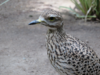
This gallery also has six species and five habitats, just switching gears to a different part of the world. The first exhibit to the right of guests when they first walk through the doors, home to a staple of shorebird species in bird houses. This is an elongated, 305 sq ft, 10 foot high habitat with a large mock rock wall along the back, to add to nesting opportunities and design. In front of the exhibit is a shallow pool surrounded by shortly elevated mock rock where the animals can bathe, and also provide a more natural-looking “barrier” in comparison to the thin mesh fence that aligns the walls separating them from guests. Scattered amongst the ground are several plants. Palms can be found randomized across open areas of the habitat, and cactuses are kept along the back walls. There are also several patches of semi-tall grass that adds to the dry savanna look that these animals would otherwise experience in the wild. The species kept here is the Spotted Thick-knee (Burhinus capensis) (1.1). It is a rather standard exhibit for such an animal, but it still does not fail to disappoint guests upon an introduction to the African grasslands.

Spotted Thick-knee:
upload_2023-5-28_19-17-55.png
(Photo Credits: @Coelacanth18)

The next habitat is a very different one in terms of design. Just to the left of the thick-knee exhibit from the visitors’ perspective lies a 315 sq ft habitat, also 10 feet tall. The first noticeable aspect about this habitat is the large fallen log that is placed over a medium-sized pond. This fake log is added to the exhibit to support the natural look of this bird's swampy and lagoon-style habitat in the wilds of Africa. Unlike the thick-knee habitat, this exhibit contrasts it extremely well: It is lush, with lots of mock, wetland-like, and moist foliage. This exhibit has two sprinklers in it, each on different sides of the paddock, and facing away from the guests, which can be turned on by curators to moisturize the natural habitat represented. The fencing for this habitat is is also thin mesh-fencing. The ground of the habitat is mostly mulch and sand, each with distinct and separate patches respectively. There are several stumps of mock rock facing upwards with circular tips to mimic logs and roots of wood that one would find in marsh-type biomes. There is also mock rock surrounding the waters edge, and within the water are several smaller branches of wood and lily pads for the African Jacana (Actophilornis africanus) (2.1) to wade on. In the far back of the exhibit is several nesting spots covered in vegetation for the animals to brood. The courtship activities of these individuals is closely monitored.

African Jacana:
upload_2023-5-28_19-19-24.png
(Photo Credits: @Therabu)

The next two paddocks are inhabited each with a species of lapwing, adjacent to both one another, and the first of the two, being home to the Spur-winged Lapwing (Vanellus spinosus) (1.2), is a 305 sq ft paddock right next to the African jacana enclosure. The second of the two, home to the Blacksmith Lapwing (Vanellus armatus) (1.2), is a 295 sq ft habitat adjacent to the spur-winged exhibit only. Both of these habitats are 10 feet tall. These next two lapwing habitats are less exaggerated in terms of ecosystem replication and appear to be more mixed between dry and wet ecosystems. There is a considerable amount of foliage, but guests will notice that the plants included in these habitats are not nearly as dramatic as the jacana exhibit, yet they do not immediately strike the guests as being a “generic” dry savanna exhibit that we saw with the thick-knees. Most of the somewhat dense foliage would be found along the back wall of the exhibit, which are ideal spots for nesting amongst the animals. The two ponds in the middle of each exhibit, though, are surrounded by several small bushes of thick ferns, with several openings along the mock rock to allow the birds to get through to the shallow water space. The floor is primarily sand, with several patches of gravel going inward closer to the pond. To add to the emphasis of habitat variation and a sort of “balance” from the previous two exhibits, there are several features that showcase these two exhibits acting more like biologically diverse grasslands, including mock termite mounds, fake nests along the top of the habitat, and large, fake tree stumps with their roots sticking out alongside the wall. Just like the previous two habitats of the African Gallery, these exhibits have a thin mesh fence along the pathway.

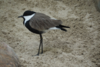
Spur-winged Lapwing:
upload_2023-5-28_19-21-13.png
(Photo Credits: @evilmonkey239)

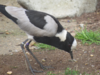
Blacksmith Lapwing:
upload_2023-5-28_19-21-33.png
(Photo Credits: @pendraig_milnerae)

Just beyond the lapwing enclosures is the final exhibit to wrap up our time in the African Gallery, and it is also the largest of the bunch, being 560 sq ft and 10 almost evenly divided by land and water space. This enclosure is extremely unique for one particular reason: It contains the only species of bird that is not a penguin or a charadriiform: It has the only suliform in the whole building. I am talking about the White-breasted Cormorant (Phalacrocorax lucidus) (0.3), which lives alongside a colony of one of the most iconic and recognizable animals in the zoo world, to both average guests and enthusiasts, the African Penguin (Spheniscus demersus) (6.7). The land space of this exhibit is distinctly split up into two separate regions. One half of the land is designed to be smooth rocky outcrop space for the penguins to have nesting areas and climb for enrichment. This is purposefully designed to represent smaller versions of the boulders that can be seen on Boulders Beach, one of the most iconic places in all of South Africa to see African penguins. Along the back region of the boulder space is intended to act as cliff space that
is only accessible by flight for the cormorants to get away from the penguins. Although there are only female cormorants right now, there are also large gaping holes along the cliff rocks that could potentially act as nests. The other half of the exhibit is a flatter, sandier region, but has a rock edge to separate the water from the sand on the shore. This side is plotted with several weeds along the back to add to the standard beach look, and there is an elongated, but thinner log leaning over the water that is rooted in the ground for the cormorants to wade on. There is another thin log on the land for them to wade along as well. The wall of this exhibit is glass, with the main front of the exhibit being a viewing area for the underwater space. The water goes about 9 feet deep, with 3 feet accessible to the view of the visitors from above. The bottom of the water is rough gravel and sand, with several boulders for decoration, and sea plants.

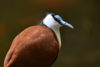
White-breasted Cormorant:
upload_2023-5-28_19-22-31.png
(Photo Credits: @Moebelle)

African Penguin:
upload_2023-5-28_19-22-31.png
(Photo Credits: @red river hog)

That is the end of animal exhibits for the African Gallery, but right across from the penguin and cormorant enclosure is a small, circular space with a wooden roof and four semi-thick logs of wood on each side, designed to look like a South African fishing hut. Under this shaded spot is an attempt to act like an interpretation station, giving information that guests should know about the change of the animals' ecosystems over time, and what leads these bird species to such endangerment and threat. There are displays of places that create threats like oil spills and overfishing to the population of seabirds along the African coasts, including pipelines, refineries, and fishing boats. The signages talks about how these issues actually directly hurt the animals, including risk of sickness and disease, toxic vapors, and loss of buoyancy, which is a chain reaction in harming the animals ability to eat and hunt. This small center also has a very small cash register with shelves on the side, where guests can buy penguin plushies and items sponsored by ocean cleanup organizations.
And that’s a wrap to the African Gallery. The next post will be the last for this exhibit - containing descriptions for the last two galleries, which in unison are less descriptive than the first two. However, they also contain some of the most interactive parts of the building, so stay tuned.
 

Attachments

  • upload_2023-5-28_19-17-55.png
    upload_2023-5-28_19-17-55.png
    1 MB · Views: 153
  • upload_2023-5-28_19-19-24.png
    upload_2023-5-28_19-19-24.png
    498.2 KB · Views: 155
  • upload_2023-5-28_19-21-13.png
    upload_2023-5-28_19-21-13.png
    1.2 MB · Views: 152
  • upload_2023-5-28_19-21-33.png
    upload_2023-5-28_19-21-33.png
    1.2 MB · Views: 156
  • upload_2023-5-28_19-22-31.png
    upload_2023-5-28_19-22-31.png
    981.1 KB · Views: 153
  • upload_2023-5-28_19-22-31.png
    upload_2023-5-28_19-22-31.png
    955.9 KB · Views: 157
and cactuses are kept along the back walls.

What sort of cacti? Generally thorny plants are better to avoid in bird habitats.

for the African Jacana (Actophilornis africanus) (2.1) to wade on.

While jacanas are known for their relatively unusual mating system, in captivity a pair tends to be aggressive to any other jacanas present, even in quite large settings.

The next two paddocks are inhabited each with a species of lapwing, adjacent to both one another, and the first of the two, being home to the Spur-winged Lapwing (Vanellus spinosus) (1.2), is a 305 sq ft paddock right next to the African jacana enclosure. The second of the two, home to the Blacksmith Lapwing (Vanellus armatus) (1.2), is a 295 sq ft habitat adjacent to the spur-winged exhibit only.

Similar to the jacanas, lapwings often do best as breeding pairs.

there are several features that showcase these two exhibits acting more like biologically diverse grasslands, including mock termite mounds, fake nests along the top of the habitat, and large, fake tree stumps

A lot of fake items going on in this building... almost feels too artificial just reading it.

This enclosure is extremely unique for one particular reason: It contains the only species of bird that is not a penguin or a charadriiform: It has the only suliform in the whole building.

Along these lines - why did you opt to not add any other species with the dikkops, jacanas, and lapwings? Quite a number of easy options to add some extra life into the exhibit.
 
What sort of cacti? Generally thorny plants are better to avoid in bird habitats.
Intentionally decorative ones, so thorned cacti shouldn’t be an issue.

While jacanas are known for their relatively unusual mating system, in captivity a pair tends to be aggressive to any other jacanas present, even in quite large settings.

Similar to the jacanas, lapwings often do best as breeding pairs.
I’ll move the other individuals out.

Along these lines - why did you opt to not add any other species with the dikkops, jacanas, and lapwings? Quite a number of easy options to add some extra life into the exhibit.
Mostly due to rarity - A majority of species in this exhibit alone have few more than 5 holders in the United States. Outside of spur-winged and masked, no species of lapwing is kept in more than 5 places in the country. Jacanas also aren’t very prominent, same with dikkops. I do want this exhibit to be unique and have a diverse array of bird species, but I do want it to be realistic in a degree.
But honestly, now that I say that, I probably should add some more life to it. Several species that we have and will see in the next few exhibits are rare in captivity.
 
Intentionally decorative ones, so thorned cacti shouldn’t be an issue.

Meaning like the Christmas Cactus or fake cactus? Cacti are nearly entirely native to the Americas, so the placement in Africa is also part of my curiosity.

Mostly due to rarity - A majority of species in this exhibit alone have few more than 5 holders in the United States. Outside of spur-winged and masked, no species of lapwing is kept in more than 5 places in the country. Jacanas also aren’t very prominent, same with dikkops. I do want this exhibit to be unique and have a diverse array of bird species, but I do want it to be realistic in a degree.

Fair - but why not some doves, rollers, weavers, etc? I wasn't necessarily meaning other shorebirds but some species to help fill the space and make more use of it. I know the primary focus is Charadriiformes, but just a pair of dikkops or lapwings in an exhibit of the stated sizes would feel rather empty.
 
“Penguins, Puffins, & Plovers Galore” - Oceanic Gallery

Taking a quick break in between the African Gallery and what is to come next after it is a charming, one-exhibit gallery. The Oceanic Gallery is not even really a gallery at all, but it is rather just used to fill in the space for an animal that is also making its home here in the “Penguins, Puffins, & Plovers Galore” building. This is a medium-sized, 295 sq ft, 10 foot tall, thin mesh-fenced exhibit for another species of lapwing, with a very similar exhibit to the other two species of lapwing that are seen in the building. The flooring in this exhibit is a mix of mulch and sand, with the pond in the center being surrounded by mock rock, just like all the other ponds in the mesh-fenced habitats. Along several edges of the exhibit are tall artificial grasses to mimic the look of the grassland habitats that the Masked Lapwing (Vanellus miles) (1.1) inhabit. I guess you can scratch my suliform comment from the last gallery post: Along with the lapwings is the Tawny Frogmouth (Podargus strigiodes) (0.2), which spends its time wading on the high branches of the exhibit. Masked lapwings are known for nesting in unusual places, including city gardens and playgrounds. For that reason, I have chosen to design the back region of this exhibit somewhat like a garden space. Behind several tall blades of grass is a more private spot with a wooden tray and plants to mimic a city garden.

Masked Lapwing:
9IE-TZ4dWUnZFQsgMdlULuJ9wbNfxWvdUr8UQvlWU8c4zq1_itSDnLs88hL1ScF3mJurkU5EOjrY0aZNeAjuXGTglpjwN9SmxcF85_oMhX3pddh3X8yLiy8EXX8Y-UtGQD5tzc69Hd2w9gqwQKubRYI

(Photo Credits: @WhistlingKite24)

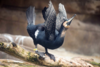
Tawny Frogmouth:
upload_2023-5-29_18-30-2.jpeg
(Photo Credits: @hmb_zoo)

That is all for the Oceanic “Gallery,” a small exhibit to just stop and look at in between the past and the next gallery. Consider it a pleasant appetizer for what’s about to come next, no matter which way you enter from.

“Penguins, Puffins, & Plovers Galore” - Polar Gallery

From personal opinion, I think I saved the best, the most diverse, and the most educational gallery for last. I bring to you the Polar Gallery. Despite the Polar Gallery only having two actual animal exhibits, the Polar Gallery has the most bird species. The first exhibit we will see is home to five flying birds of the Arctic region, all in relatively small numbers, and the second is home to the flightless birds of the Antarctic and sub-Antarctic regions.
Going past the masked lapwing exhibit is a rocky-outcrop designed habitat that is already directly in view of the guests on the walkway. This is a 530 sq ft enclosure surrounded by glass on all sides, giving a great view of the water for such a habitat. The water space of the exhibit goes 7 ft deep, which is perfectly suited for the diving seabirds that dwell in such a frigid space. Not all of the water is visible to the guests, with only about 3 ft being within view, just like the terns and gulls' habitat. The water floor gets progressively steeper the further it moves away from the central rocky land, and the bottom of the water contains sand, gravel, and artificial seagrasses for life and decoration. Speaking of the land, it's almost flatless. The edges near the water are chiseled, with lots of spaces between the water's edge and the back wall being very curvy and stumpy in texture. To add to the decoration, lots of tall, coastal grasses can be observed in several patches across this habitat. On the back wall is a much taller rock, designed to look like a cliff on the coasts of Canada or Alaska, with lots of holes carved inside of it. These holes are for nesting, and outside of each hole is a slight “path” curving down to allow for space to exit the hole and fly down on the lower land or water area as these seabirds wish. Currently, there are five species of birds: Two of which are in the entire building's name. We have the Horned Puffin (Fratercula corniculata) (2.2) and the Tufted Puffin (Fratercula cirrhata) (2.4). Alongside the puffins are two species of guillemots: Guests will get to see the Common Murre (Uria aalge) (1.2) and the Pigeon Guillemot (Cepphus columba) (1.1). Lastly, the other alcid species kept here is the unique Crested Auklet (Aethia cristatella) (1.1).

Horned Puffin:
0yg-WznUeMOFvXlor_dcNL65j_vlJ-QYg42taSP_eO3PVYQ4YzgZZgOPVuCj6sMysbLb1RkNxRjiw5lKcPmVkTWVR03e5AlFl6ojAXaRUILOJvxkCfpTd950c2k0UcOKPJbAWEhDVjO-un4WzWaIYDY

(Photo Credits: @Zoological Point)

Tufted Puffin:
b7cOSmHKdmCnr1XnOaYZo5lKi0m_Q6M0stBPxdwwOPscjrKa91-HExOEHQRFB-F6Pqp8nl9bbpHIgzt-HNBrQ3IcOwetym1VosgrxDijpeI_8D7pLXLxsjR9dfmxNzeB9yAC5IB4ACH7EzEIY3iZl18

(Photo Credits: @Stefan Verhoeven)

Common Murre:
pEw4DZsuXs6IlcGX0sz4LmA4jnaItKCoCYAezNw1bDu0vxvzzoBAmwd4VkYvPG9l3BqU7QTISXX3UHRd4ZFOfq1jp7JJDHoZpFnPn-uPAJawltKsyxzbLoW-EksJD5eMvOVuSyRiKU2-clI_CqUPdrw

(Photo Credits: @Lucas Lang)

Pigeon Guillemot:
7s_85JP3XUizOY04OU3_n6FGH4BtlhR6H--WRsJN_run3amHaEBFWwknFQeBf2yUQy6SdKlZ_6RJnSBkUqJmQIk8eaEGvsNPG-OkA5G8Tkq6etWdo9YB-zyB-w-9YEimP3mxxvE-OFQmPBVQ9OT_k_o

(Photo Credits: @ThylacineAlive)

Crested Auklet:
AjqaJ2-pGf4mvQ-nXrsZrNaBIve4mOh4Vsw5CA6a35Q96GoT1Ijm19h_5zpt8whSBaj1SD7q5M2I1mZiQEkNF_r5o34CsyD2v1oG9SVdHa38jLZUNZj2mTkI_C-fUoAZzHRi6oPhbxgXgx9fHUewrRc

(Photo Credits: @Zoological Point)

In between the Arctic seabird habitat and the following penguin exhibit is an interactive polar seabird center for guests to learn and engage about how the differences of the two polar regions ecological cycles affect the way that the wildlife lives in each. Guests are invited to view several signs, along with images to support each, about how the seasonal change varies between each pole of the planet, and how it affects the breeding, migratory, and dietary habits of these seabirds. In the center of this rectangular space is a large globe that can be rotated in any direction as desired, and it highlights the primary ranges of polar seabirds across Canada, Alaska, northern Europe, Russia, the Arctic islands, and then in the south, it showcases the Antarctic continent and neighboring islands of the Southern Ocean. Some notable species labeled are the seven species of penguins living in primarily frigid regions, skuas, auks, puffins, petrels, guillemots, and more. In this center, guests will also learn about the networking that this zoological facility has done to work with conservation projects such as Audubon Project Puffin and the Global Penguin Society to enhance seabird research, funding, and protection of these animals natural habitats.
The last gallery habitat I will be taking you to for the “Penguins, Puffins, & Plovers Galore” exhibit is the grand habitat that contains the first animal in the name. As guests leave the interactive center, the side of the path is a short wall of chiseled rock with all eight species of Antarctic and sub-Antarctic penguins labeled, from the emperors to the magellanics. There are statues of each species, and combined with the African penguin exhibit, are designed to showcase the climate diversity of penguins distributions. Right past this little rock display is the largest enclosure in the building: A 610 sq ft haven, being 20 feet tall from the bottom of the water to the roof, for some of the world's most beloved flightless birds. This habitat is designed off of inspiration of several Antarctic islands, including Bouvet, Crovet and Kerguelen, South Georgia, and Prince Edward Islands. From a substrate perspective, there is a subtle “shift” in the ecological design of the habitat as the land area stretches across. One side is designated as more of a frigid Antarctic coast as it gets closer to the poles. This exhibit has mock glaciers to add to the exhibit appeal, and it is mixed in with smooth, elevated mock rock. That elevated mock rock look is apparent on both opposite sides of the primary land spot for the cliff nesting animals, with the middle region being more flatland for the bigger birds. The other side has several tall coastal grasses and less mock ice, to potentially represent a warmer island further north. Along the back wall of this exhibit are several small holes to allow for nesting amongst the smaller birds of the species. The water of this exhibit goes 9 ft deep, with 3 feet visible to the guests. The bottom substrate of the water is mock rock and gravel, along with artificial seagrass species and sea stars. The exhibit contains the robust King Penguin (Aptenodytes patagonicus) (5.6), the second largest species. Alongside that, there is the smaller nesting species, including the Chinstrap Penguin (Pygoscelis antarcticus) (5.5), and lastly, the Southern Rockhopper Penguin (Eudyptes chrysocome) (3.5).

King Penguin:
P7VjUPvJEJQU0_uRhyQtAZGktmLptbrZrMgdPYO0lbLdDAuufEubK0pt_Q3YQR0GAE-COJyGzThBnb4RSrCS6K1SHCmxvbY2ZOSLDXqZCDpDeluYcYWeGVawCODaYvcQBF4cL6AchyKlNEGD4onVclw

(Photo Credits: @WhistlingKite24)

Chinstrap Penguin:
cwBPX6HXH-_QQWqqjuM6o9PgdelUuCjzoJ8zfSdlFm2Z5fy9fUJpr6jJNppu-Ijq5Dm_UvDJ5Lkxbwjqcuxke7iVNQnRHxqxNNIO9PADe8HekhHKNef30KDNAr7glX-zJx15Ua5WF6AY9_sth8t0Khs

(Photo Credits: @evilmonkey239)

Southern Rockhopper Penguin:
eLDD_LOOKAVlxSEtGQkBVWhsxAzSaWz9qqLT3HOhULoLzx0pBQaar5rd8YkHLEJYHrMcpSZEux3ubjsVUeVZl0niaLY0UIjhyvLRkKSHF7Mqr4dFr5VdoELiDb6Hh7OQzb2UAozIwfNrR3PIXuchUxc

(Photo Credits: @Leaf Productions)

And that is a wrap on the Polar Gallery, the last gallery along the side walls of the exhibit. I hope you enjoyed your time reading these descriptions for an exhibit that has a simple execution but a fascinating concept. As summer is basically here for me at this point, hopefully I will be releasing more ideas of mine into the world at some time in the near future.
What’s next for this exhibit? I’m not describing this exhibit just to drop it and never look at it again, so in the near future, you can expect upgraded descriptions of renovated versions of the exhibit featuring more species in the exhibits and the garden space. At the same time, I will also be working on more creative exhibits with similar interactive motives, and maybe even an entire zoo project in the future.
Stay tuned.
 

Attachments

  • upload_2023-5-29_18-30-2.jpeg
    upload_2023-5-29_18-30-2.jpeg
    179.4 KB · Views: 146
Pristine Park Zoo — A New In-the-works Project!

Hey everyone! I’m back on this thread after a bit of a hiatus from posting my ideas, and I have an all new zoo project in the works that I’m proud to introduce you to — Welcome to the Pristine Park Zoo! After lots of morphing, time and dedication into this rather average-sized, but pleasant project, I don’t think it will disappoint!
Introduction: The Pristine Park Zoo is a near 35 acre animal-based facility located in a small city park in Charlotte, North Carolina, and is considered by both locals and tourists as both an excellent and charming zoo prioritizing visitor experience, conservation, and education. The zoo opened in 1997 as part of a government agreement and efforts from local tax payers to formulate a zoological park consisting of vets, zoologists, technicians, and other core employees. Despite its much more recent opening and construction compared to a majority of city zoos in the United States, the Pristine Park Zoo was purposefully designed to mimic old structure. The zoo was granted an AZA accreditation in 2007 and has maintained it ever since. The facility is primarily bird-focused, with a good mix of aquatic and terrestrial species of animals, though there aren’t really any massive species of animals, like elephants, giraffes, or rhinos. There are four main zones and several sub-exhibits within each zone.

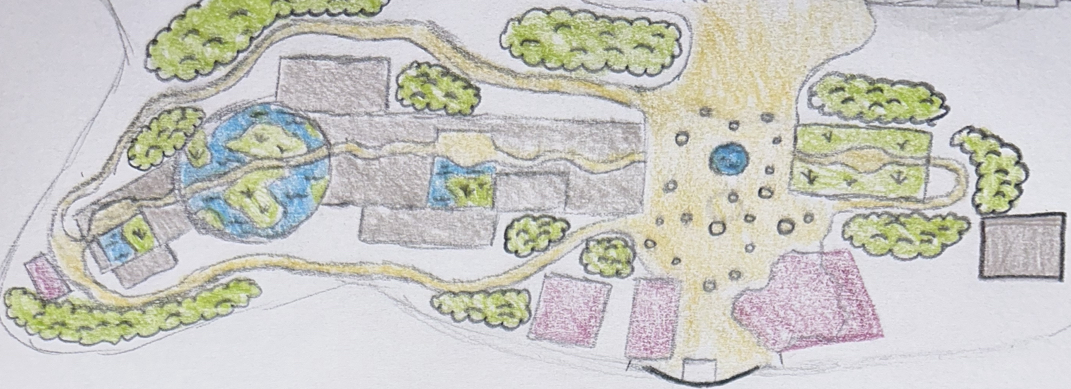
The Ecology Plaza map is seen below. A few map notes:
  • Purple buildings are buildings accessible to the public. This includes a dining space, a gift shop, an educational classroom, and restrooms.
  • Gray buildings are for employees only, typically for animal keepers and behind-the-scenes holding areas.

The Ecology Plaza

As soon as guests enter in through the zoo’s entrance, they’ve arrived in the first zone: The Ecology Plaza. Past the ticket booth that has been engrained in the middle of the zoos first gates, to the right is the zoos main restaurant and to the left is the gift shop. Once visitors make their way past these two buildings, they are greeted with the large plaza surrounded by several large exhibits on the side.

The Leahre Family Alcid Fountain is the first spot in the zoo where guests will witness animals. Many of the exhibits are named after major financial contributors to either the exhibit or the zone. The alcid fountain is simply a fountain with several bronze models of alcid species, including puffins and guillemots. The birds are wading on rocks with water spewing out of it, which flows into a surrounding circular pool with a diameter of 15 ft, home to a small group of Common Carp (Cyprinus carpio) (0.0.18).

To the left of the fountain from the visitors perspective is the Conservatory of America, a medium-sized rectangular building home to a wide variety of birds and several mammals and reptiles that dwell in the wetlands, rivers, grasslands, and marshes of the familiar North American continent to visitors. The aim of this conservatory is to be immersive and showcase that in the case of American locals, you don’t need to travel super far to see the beauty of nature and the animal kingdom after all — there is a stunning variety of wetland birds that are widespread across the North American continent, many of which are common, and that beauty should be embraced alongside the desire of seeing the wildlife in other places.
The first habitat in the Conservatory of America is down a short, indoor, windy pathway that is furnished with polished and dark wood to give the building an American feel, an also create a sense of ambience as one is being immersed into the impressive enclosures ahead. To the left of this path is a viewing window space for the North American River Otter (Lontra canadensis) (1.2) in their outdoor habitat. This space provides facts about otters and their behavior, as well as possible environmental threats. This habitat is a 350 sq ft yard with nature-esque, thick wooden pillars along the far back of the exhibit. On the other sides are brick walls leading into facilitative operations for the otters. At the top of the pool of the exhibit is a small waterfall flowing into it, leading into 6 ft deep water. The land space has a large carved tree trunk with acts as a sleeping and relaxation place with a soft surface. The land of the exhibit contains grass blades mixed with gravel and sand patches, and along the brick walls are several vines to contribute to naturalism.
Beyond the otter viewing is a little bit more of the wooden pathway style before guests are greeted with the doors to the conservatory dome. This glass dome is a wooden board walkthrough through a 55 ft diameter long and 35 ft high circular aviation wetland-themed habitat, home to a wide variety of wading birds and waterfowl from North America, including the follow species:
  • Barrow’s Goldeneye (Bucephala islandica) (2.2)
  • Black-crowned Night Heron (Nycticorax nycticorax) (1.1)
  • Blue-winged Teal (Spatula discors) (2.3)
  • Bufflehead (Bucephala albeola) (1.1)
  • Canvasback (Aythya valisineria) (2.1)
  • Cattle Egret (Bubulcus ibis) (1.0)
  • Hooded Merganser (Lophodytes cucullatus) (3.2)
  • Northern Pintail (Ara acuta) (1.1)
  • Northern Shoveler (Spatula clypeata) (2.2)
  • Roseate Spoonbill (Platalea ajaja) (1.2)
  • Ruddy Duck (Oxyura jamaicensis) (3.3)
  • Wood Duck (Aix sponsa) (3.5)
Alongside the duck and wading bird species are several passerine birds dwelling in the trees, including the American Robin (Turdus migratorius) (4.5), Baltimore Oriole (Icterus galbula) (3.2), Common Grackle (Quiscalus quiscula) (3.4), and the Swainson’s Thrush (Catharus ustulatus) (2.2). Designed specifically as a lush, wetland type set-up, a vast majority of the exhibit is a balanced mix between land and water space. Within the water are circular tree stumps in the shallow, 6 ft deep pools, and on the land space there are large distinct mangrove trees, lots of vines, lichen, grass patches along the ground, as well as gravel and sand. There are also some logs along the water for the wading bird species, and several leafless trees for the passerines to dwell on.
The last exhibit of the Conservatory of America is past another short walk along the indoor wooden path, this time to the right. This is a separate 350 sq ft yard, home to the American Alligator (Alligator mississippiensis) (1.1). This exhibit is half land and half water area, with the land space pretty much just being flat grass with several bushes along the side of the wall. The drill is the same as the otter exhibit — large, thick wooden pillars aligning the back of the yard, along with vines along the buildings on the side adding to naturalism. The pool goes 4 feet deep.
That marks the end of the Conservatory of America, and out this doorway, guests are given the option to head down a pathway leading to the plaza again or to the rest of the zoo.

The next and final region of The Ecology Plaza is a fascinating one — Mitschie’s Solar Butterfly Garden. This exhibit is across the Leahre Family Alcid Fountain, around the same distance from the fountain as the Conservatory of America is. This is a seasonal, netted walkthrough garden being a rectangular 550 sq ft habitat, with wooden edges along the tops and sides. Within the garden are several solar panels, powering the exhibits fans along the top wooden area, which have signage near them used to teach guests about how solar energy benefits not just the living conditions of butterflies, but also how they reduce gas emissions and are a more sustainable and environmentally-friendly form of energy. The actual garden itself is native-grown, with several native flower species planted and the rest of the foliage mostly left untouched. There are several rocks, and in the middle of the pathway is a large tree with vines and branches growing down it. Essentially, this is a large butterfly terrarium. Speaking of butterflies, the species lineup in here is:
  • Atlas Moth (Attacus atlas)
  • Autumn Leaf (Doleschllia bisaltide)
  • Arizona Sister (Adelpha eulalia)
  • Banded Orange (Dryadula phaetusa)
  • Black Swallowtail (Papilio polyxenes)
  • Cabbage White (Pieris rapae)
  • Giant Swallowtail (Papilio cresphontes)
  • Julia Butterfly (Dryas iulia)
  • Malachite (Siproeta stelenes)
  • Mexican Sister (Adelpha fessonia)
  • Mosaic (Colobura dirce)
  • Clipper (Parthenos sylvia)
  • Monarch (Danaus plexippus)
  • Mourning Cloak (Nymphalis antiopa)
  • Painted Lady (Vanessa cardui)
  • Paper Kite (Idea leuconoe)
  • Purple Mort Blue (Eryphanis polyxena)
  • Red Postman (Heliconius sara)
  • Ruby-spotted Swallowtail (Papilio anchisiades)
  • Rusty-tipped Page (Siproeta epaphua)
  • Silver-spotted Skipper (Epargyreus clarus)
  • Tiger Longwing (Heliconius hecate)
  • White Peacock (Anartia jatrophae)
  • Zebra Longwing (Heliconius charithonia)
The path continues to another door which leads either into the rest of the zoo or back to The Ecology Plaza.

That’s a wrap to The Ecology Plaza, a native introduction to everything else that the zoo has to offer! I’m very excited to prepare, polish, and share the rest, as I’m very proud of some of my ideas and my work. Stay tuned!
 
Are you going to continue with this spec zoo project or are you quitting it like a lot of zoochatters with spec design?
 
Back
Top