Sydney Zoo Sydney Zoo News 2023

Taronga might consider castrating young male gorillas so that they can stay in the family troop indefinately. Thats currently done in Europe with many young males - only those who are genetically underrepresented are left intact.

It’s a good idea (I see Prague who I follow, successfully undertook this with Ajabu), though the latest information I’ve received is that Taronga plan to transfer Mjukuu (2014) and Fabumi (2015) out of the breeding troop within the next 12 months. Mwamba (2017) will presumably remain to keep the only other juvenile, Fikiri (2019), company and then join them a couple of years later.

A few of us are also of the opinion Kanzi (2015) at Melbourne will remain in her natal troop as a non breeding female. It’s clear that gone are the days where every female infant born will automatically go into a breeding troop a decade later.
 
They’re a good fit for Sydney Zoo. It’s nice to see their primate collection expanding. We never got the gorillas, but they still have two species of great apes in addition to the smaller primate species.
Doesn't Sydney Zoo have Squirrel Monkeys? Why don't they put them on display instead of introducing a new species?

If they no longer have Squirrel Monkeys, why are they listed on the website with an encounter linked to them? They recently updated the website for more encounters and still have the Squirrel Monkey encounter going.
 
Doesn't Sydney Zoo have Squirrel Monkeys? Why don't they put them on display instead of introducing a new species?

If they no longer have Squirrel Monkeys, why are they listed on the website with an encounter linked to them? They recently updated the website for more encounters and still have the Squirrel Monkey encounter going.

I believe they do still have them (off display) as they’re an option for an encounter; but don’t appear on the map/species list. I know they’re a seasonal breeder and males and kept separately from the females at Taronga Zoo. Perhaps Sydney Zoo holds a pair of breeding males that are loaned to Taronga for breeding. Aside from not being available 365 days a year, a pair of squirrel monkeys wouldn’t make for an exciting exhibit compared to an entire troop of Ring-tailed lemur.
 
I believe they do still have them (off display) as they’re an option for an encounter; but don’t appear on the map/species list. I know they’re a seasonal breeder and males and kept separately from the females at Taronga Zoo. Perhaps Sydney Zoo holds a pair of breeding males that are loaned to Taronga for breeding. Aside from not being available 365 days a year, a pair of squirrel monkeys wouldn’t make for an exciting exhibit compared to an entire troop of Ring-tailed lemur.

I agree, as far as I'm aware, there are still squirrel monkeys at Sydney Zoo, which are used exclusively for encounters, rather than being off-display. I think where they are housed is behind the enclosure which will now house the lemurs. I'd probably say that you're correct in that a larger troop of animals, not used for encounters, is better for a display.

As far as I'm aware, though, the breeding males from Taronga are kept on-site. Taronga's on-display group is the breeding group (with two adult males) and there is a second, off-display bachelor group of males who were bred in the Taronga troop. If/when the breeding males are separated, they stay on-site.
 
Doesn't Sydney Zoo have Squirrel Monkeys? Why don't they put them on display instead of introducing a new species?

If they no longer have Squirrel Monkeys, why are they listed on the website with an encounter linked to them? They recently updated the website for more encounters and still have the Squirrel Monkey encounter going.

I believe they do still have them (off display) as they’re an option for an encounter; but don’t appear on the map/species list. I know they’re a seasonal breeder and males and kept separately from the females at Taronga Zoo. Perhaps Sydney Zoo holds a pair of breeding males that are loaned to Taronga for breeding. Aside from not being available 365 days a year, a pair of squirrel monkeys wouldn’t make for an exciting exhibit compared to an entire troop of Ring-tailed lemur.

I agree, as far as I'm aware, there are still squirrel monkeys at Sydney Zoo, which are used exclusively for encounters, rather than being off-display. I think where they are housed is behind the enclosure which will now house the lemurs. I'd probably say that you're correct in that a larger troop of animals, not used for encounters, is better for a display.

As far as I'm aware, though, the breeding males from Taronga are kept on-site. Taronga's on-display group is the breeding group (with two adult males) and there is a second, off-display bachelor group of males who were bred in the Taronga troop. If/when the breeding males are separated, they stay on-site.

Sydney had four males as of 2021 and your right they are kept off display and are used purely for encounters. Not sure if they still have four, or where they came from but I’d assume they’d be Taronga bred males.
 
I agree, as far as I'm aware, there are still squirrel monkeys at Sydney Zoo, which are used exclusively for encounters, rather than being off-display. I think where they are housed is behind the enclosure which will now house the lemurs. I'd probably say that you're correct in that a larger troop of animals, not used for encounters, is better for a display.

As far as I'm aware, though, the breeding males from Taronga are kept on-site. Taronga's on-display group is the breeding group (with two adult males) and there is a second, off-display bachelor group of males who were bred in the Taronga troop. If/when the breeding males are separated, they stay on-site.
Sydney had four males as of 2021 and your right they are kept off display and are used purely for encounters. Not sure if they still have four, or where they came from but I’d assume they’d be Taronga bred males.

Just followed up with a friend who visits regularly:

One of Sydney Zoo’s males came from Taronga Zoo. He’s named Vivo. I’m not sure where the others came from, but Auckland Zoo reduced their squirrel monkey troop to all females around that time, so I’d say they’re are a strong probability.
 
33 year old male chimpanzee Maik has died of acute heart failure:

"Sydney Zoo is heartbroken to announce the death of Maik, a beloved member of the zoos chimpanzee family.

The 33-year-old male passed away unexpectedly on Saturday afternoon due to acute heart failure. Heart failure is a major cause of death for great apes and is particularly a problem among ageing males.

Maik was known for his playful and curious nature, and his presence will be deeply missed by all who knew him. Our animal care team are grieving for Maik who brought so much hope for his endangered species.

Members and guests are encouraged to leave messages of condolences and support for our team below."

Link: Log into Facebook | Facebook
 
33 year old male chimpanzee Maik has died of acute heart failure:

"Sydney Zoo is heartbroken to announce the death of Maik, a beloved member of the zoos chimpanzee family.

The 33-year-old male passed away unexpectedly on Saturday afternoon due to acute heart failure. Heart failure is a major cause of death for great apes and is particularly a problem among ageing males.

Maik was known for his playful and curious nature, and his presence will be deeply missed by all who knew him. Our animal care team are grieving for Maik who brought so much hope for his endangered species.

Members and guests are encouraged to leave messages of condolences and support for our team below."

Link: Log into Facebook | Facebook

Very sad news.

Following on from the death of their youngest male in 2021, this reduces the zoo’s troop to nine chimpanzees (5.4).

Since the zoo apparently have no plans to breed from this troop, I suspect we’ll see the numbers further dwindle over the next decade. The remaining males are aged 41, 31, 29, 27 and 22 years of age.
 
Male Chimpanzee Transfers to Rockhampton

Sydney Zoo have transferred out one of their male chimpanzees:

https://www.rockhamptonregion.qld.g...on-Zoo-welcomes-new-chimp-‘Jery’-to-the-troop

Combined with a recent death, Sydney Zoo’s troop has been reduced to 4.4:

1.0 Fritz (26/03/1982)
1.0 Timmy (09/11/1991) Castrated
1.0 Charli (29/04/1994) Castrated
1.0 Mani (04/06/2000) Castrated

0.1 Babsi (10/09/1984)
0.1 Julchen (14/04/1985)
0.1 Mary (18/12/2002)
0.1 Sile (03/07/2006)
 
Male Chimpanzee Transfers to Rockhampton

Sydney Zoo have transferred out one of their male chimpanzees:

https://www.rockhamptonregion.qld.g...on-Zoo-welcomes-new-chimp-‘Jery’-to-the-troop

Combined with a recent death, Sydney Zoo’s troop has been reduced to 4.4:

1.0 Fritz (26/03/1982)
1.0 Timmy (09/11/1991) Castrated
1.0 Charli (29/04/1994) Castrated
1.0 Mani (04/06/2000) Castrated

0.1 Babsi (10/09/1984)
0.1 Julchen (14/04/1985)
0.1 Mary (18/12/2002)
0.1 Sile (03/07/2006)

It would be good if Sydney could potentially transfer their females out and look to hold a bachelor group. Two (Mary and Sile) are of perfect reproductive age and would be very valuable to the region if they were to breed.

Taronga and Wellington are both in need of new genetics so either could be suitable; perhaps with Taronga sending over their trio of young males (Fumo, Sudi and Liwali) in return.
 
It would be good if Sydney could potentially transfer their females out and look to hold a bachelor group. Two (Mary and Sile) are of perfect reproductive age and would be very valuable to the region if they were to breed.

Taronga and Wellington are both in need of new genetics so either could be suitable; perhaps with Taronga sending over their trio of young males (Fumo, Sudi and Liwali) in return.

I have heard comments that Sydney Zoo’s chimpanzees have a few behavioural issues, which if true could cause them problems within a large mother raised community such as Taronga’s.

Wellington fully integrated their current troop in the early 1990’s with a mix of mother and handraised chimpanzees; combined with the imported females from Wellington, but the handraised females weren’t disadvantaged as the Taronga imports were the immigrants - and young adolescent females themselves (low ranking).

With this in mind, I think the future of Sydney’s troop will be for newcomers to join them; but I agree Fumo and Sudi are prime candidates. I discounted Liwali due to Lisa’s precarious social standing (her only other offspring is a newborn female).

Wellington are currently attempting to breed from Alexis and Keza - which will be the second infant in two years. My understanding is new females will be introduced around a decade from now - with Hope and Zola being excellent candidates imo.
 
Some updates from my visit to Sydney Zoo yesterday (19/04/2023):
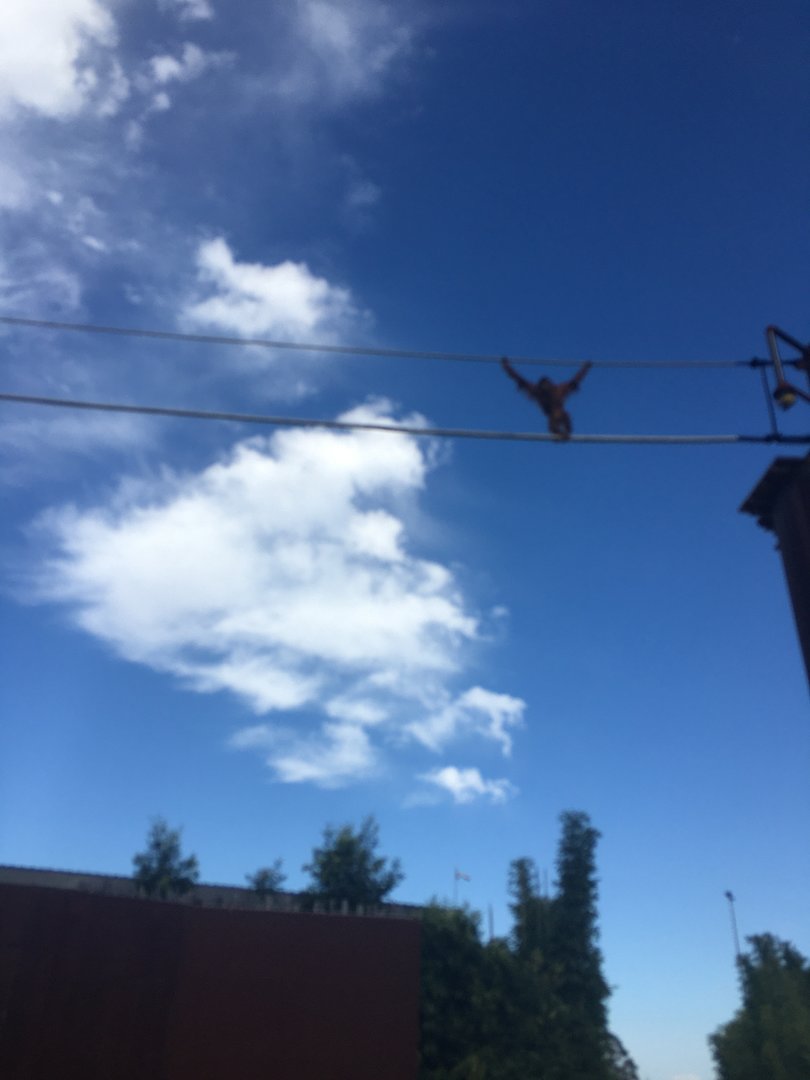
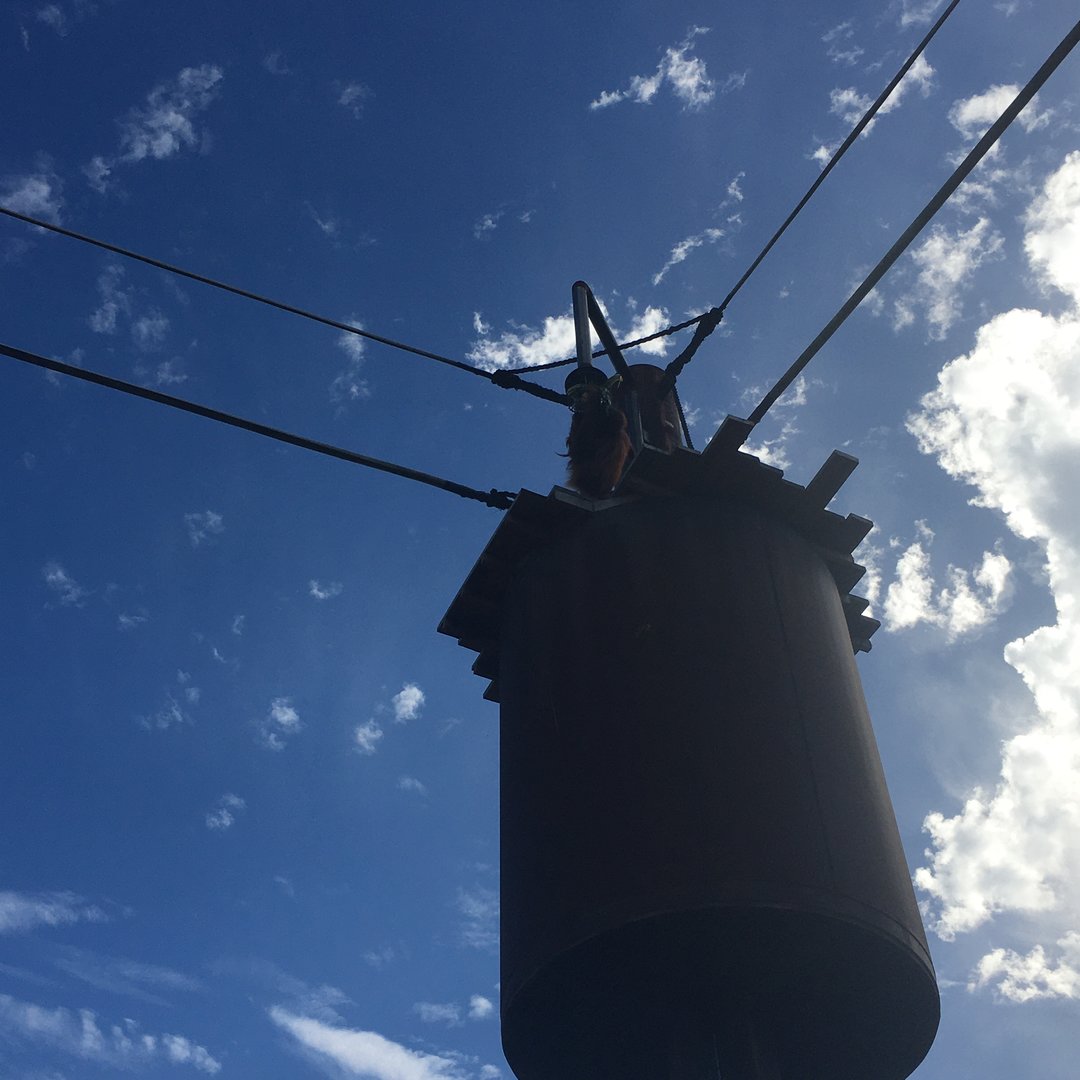
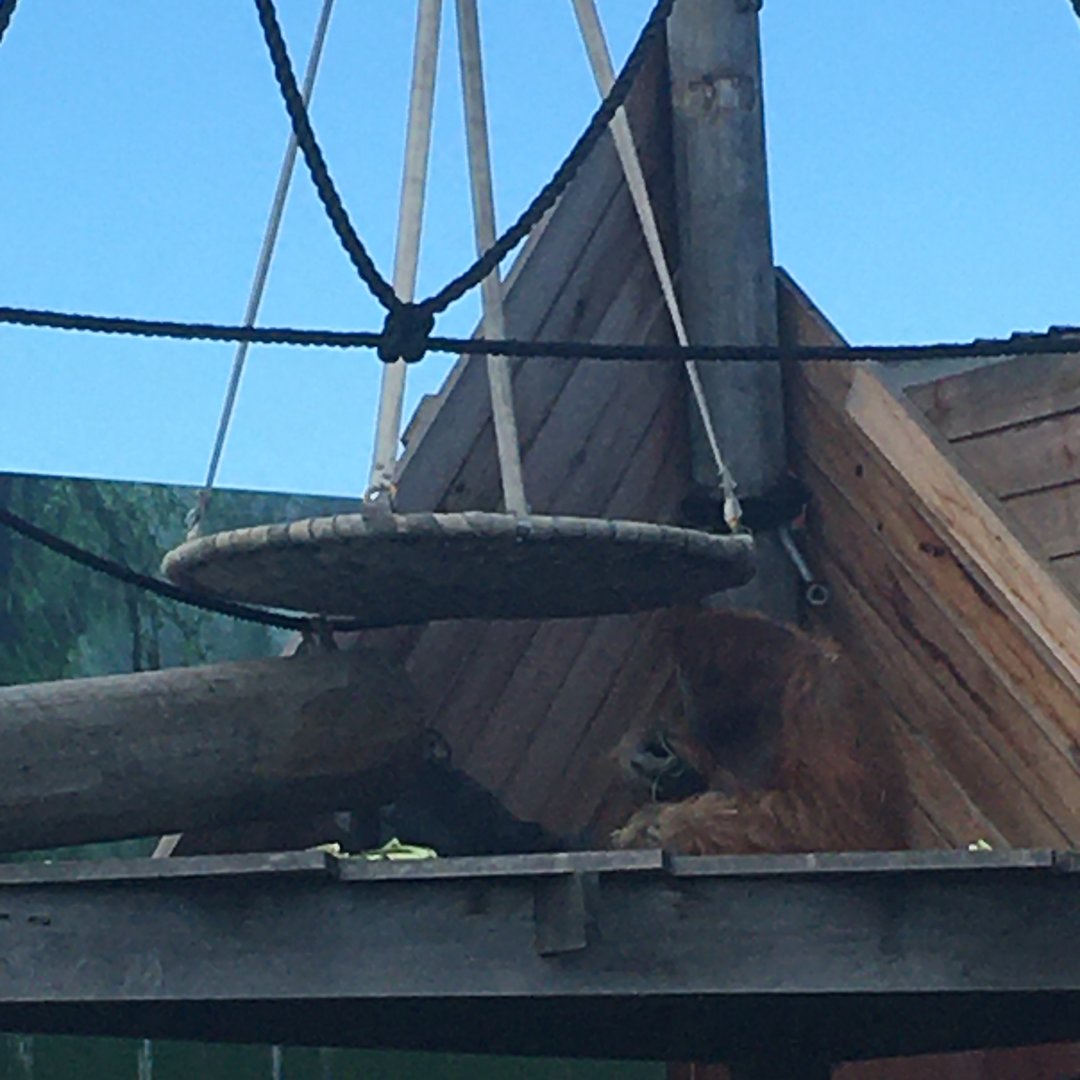
  • The orangutans have been introduced to a short network of aerial pathways which extended across the visitor pathway and along the boundary of the elephant exhibit opposite. It's not as long as that at Auckland Zoo (probably only about 100-200m), but a keeper said they have been tried to get the orangs to use it for about 6 months, but only recently have they taken to the O-Line.


  • There are plans to use Kavi and Ashoka (the bull elephants) for breeding at some stage in the future, but not for at least five years. This was part of the keeper talk, so may have been a more general statement, but the keeper did specifically refer to the bulls being much more valuable genetically within the Australian population than they were in Europe.
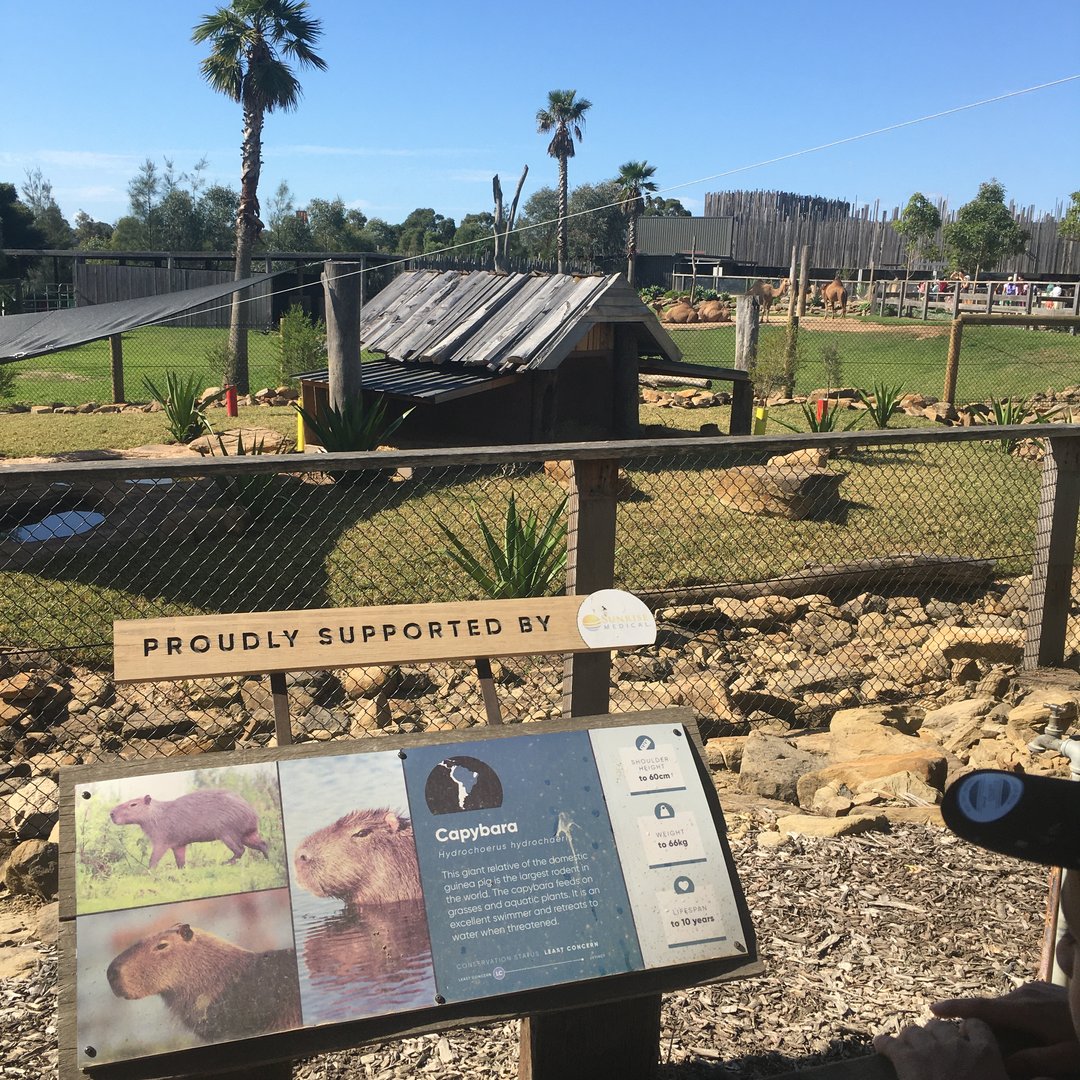
  • The Capybaras have been introduced into a new exhibit, which was in construction during my last visit in January. It is located next to the camels, opposite the tigers. The new exhibit is a bit smaller than the previous one I'd say, but the moat is pebbled, not water, so the animals are closer.

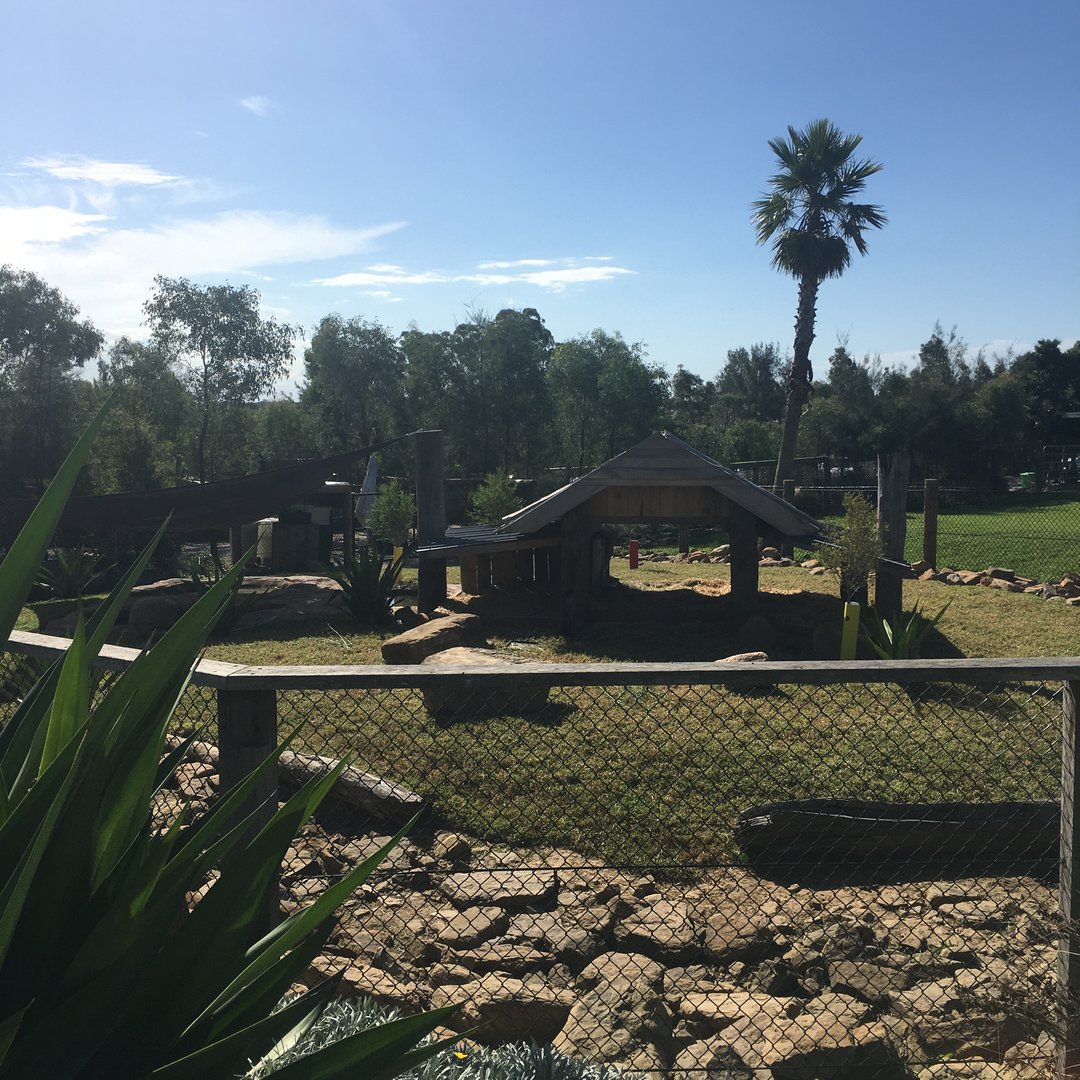
  • The previous Capybara exhibit - the first on the right as you approach the Primate Boulevard from the entrance - is now signed for Ring-Tailed Lemur, which would be a new species for the zoo, but I didn't see any lemurs in the exhibit, so I suspect they are not on display yet.
  • Not sure of spellings, but three of the zoo's pack of seven female African Painted Dogs are named Gadina, Fanta and Emi, in case that information is useful for anyone compiling a population list.

The lemurs are now on display. I saw three when I visited yesterday, although there may be more.
 
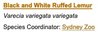
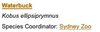
These species are listed on zaa as animals having breeding programs currently operating or in the works. Anyone heard info on these animals?
 

Attachments

  • 9DDA8324-6407-4176-8153-592744A299CB_4_5005_c.jpeg
    9DDA8324-6407-4176-8153-592744A299CB_4_5005_c.jpeg
    18.3 KB · Views: 4
  • 62B3F052-D4DD-4B2C-BD6A-C337DE00E9EB_4_5005_c.jpeg
    62B3F052-D4DD-4B2C-BD6A-C337DE00E9EB_4_5005_c.jpeg
    15.3 KB · Views: 4
  • 8F8F0682-959D-4F43-9BE4-67468A91DFD5_4_5005_c.jpeg
    8F8F0682-959D-4F43-9BE4-67468A91DFD5_4_5005_c.jpeg
    14.6 KB · Views: 3
These species are listed on zaa as animals having breeding programs currently operating or in the works. Anyone heard info on these animals?

It’s not unheard of for a species coordinator to operate from a zoo which doesn’t even hold the species. It’s a voluntary role that often moves with the keeper when they transfer to another zoo for work.

That said, these are all animals which could potentially join the collection. Black and white ruffed lemur can be integrated with Ring-tailed lemur; Siamang (potentially) with Sumatran orangutan; and Waterbuck with Southern white rhinoceros.
 
These species are listed on zaa as animals having breeding programs currently operating or in the works. Anyone heard info on these animals?

To be honest, I don't know, but just because the species coordinator is based at a particular zoo, doesn't mean that zoo has to or will be holding that species - it could mean that the person acting as the coordinator started working at Sydney Zoo (as a new institution, they needed to get their staff from somewhere, and one of their senior primate keepers is ex-Taronga, ex-Mogo).
 
These species are listed on zaa as animals having breeding programs currently operating or in the works. Anyone heard info on these animals?
It’s not unheard of for a species coordinator to operate from a zoo which doesn’t even hold the species. It’s a voluntary role that often moves with the keeper when they transfer to another zoo for work.

That said, these are all animals which could potentially join the collection. Black and white ruffed lemur can be integrated with Ring-tailed lemur; Siamang (potentially) with Sumatran orangutan; and Waterbuck with Southern white rhinoceros.

To be honest, I don't know, but just because the species coordinator is based at a particular zoo, doesn't mean that zoo has to or will be holding that species - it could mean that the person acting as the coordinator started working at Sydney Zoo (as a new institution, they needed to get their staff from somewhere, and one of their senior primate keepers is ex-Taronga, ex-Mogo).
It does make sense for the coordinator to be from a zoo that dosen't hold the species, especially as Sydney is a fairly new zoo and has received a lot of senior keepers from other notable zoos across Australia in the past few years.

An example that comes to mind is Lou Grossfeldt, who was a senior primate keeper at Taronga for over two decades before moving across to Sydney in 2019. She's the chimp studbook coordinator now, and that's why 'Sydney Zoo' is listed as the species coordinator.
 
It does make sense for the coordinator to be from a zoo that dosen't hold the species, especially as Sydney is a fairly new zoo and has received a lot of senior keepers from other notable zoos across Australia in the past few years.

An example that comes to mind is Lou Grossfeldt, who was a senior primate keeper at Taronga for over two decades before moving across to Sydney in 2019. She's the chimp studbook coordinator now, and that's why 'Sydney Zoo' is listed as the species coordinator.

Prior to Lou Grossfeldt, Maria Finnigan (Perth Zoo) was a studbook coordinator for Common chimpanzee - despite Perth not holding the species since the 1990’s. She was previously the curator of Auckland Zoo and before that worked at Taronga Zoo - which I’d assume is where the studbook position began life.

Siamang has also moved around a bit. It was held by Auckland Zoo in the early 2000’s.
 
A few aquarium updates from my visit in January:
- A Spotted Mandarinfish has moved in to the main coral reef tank (the one with the clownfish).
- There are now Banggai Cardinalfish in the seahorse tank.
- The Australian Longfin Eels have moved from their former tank into the Murray Cod tank. The Golden Perch and Lesser Salmon Catfish that used to be mixed with the eels are no longer on display.
- The former eel tank has been converted into the zoo's first exotic freshwater fish tank! It now houses 2 species of Leporinus and at least 29 species of American cichlids.
Banded Leporinus
Clown-spotted Leporinus
Blue Acara
Green Terror Cichlid
Platinum Acara
Jack Dempsey Cichlid
Flowerhorn Cichlid
Redhump Eartheater
Red Horseface Eartheater
Argentine Humphead
Threadfin Acara
Bolivian Ram Cichlid
Bandit Cichlid
Cuban Cichlid
Three-spot Cichlid
Texas Cichlid
Seven-stripe Cichlid
Elliot’s Cichlid
Firemouth Cichlid
Blue-eye Cichlid
Oaxaca Cichlid
Black Belt Cichlid
Coatza Cichlid
Pantano Cichlid
Uaru Cichlid
Oscar Cichlid
Blood-red Parrot Cichlid
Red Bay Snook Cichlid
Flag Cichlid
Quetzal Cichlid
Macaw Cichlid
- The small tank at the end with the tetras and Freshwater Angelfish now also contains Striped Panchax.
 
Via social media, the zoo has also officially announced the new 5 new Ring-tailed lemurs.

They are:
1.0 Bruce
1.0 Garth
0.1 Mimi
0.1 Anja
0.1 Zahra

I’ll be interested to know what zoo/zoos they came from. Halls Gap Zoo had a lemur named Anja born 2021, but he was reported to be a male and since Anja is the name of a reserve in Madagascar, it’s a common lemur name worldwide.

The only Bruce I can find reference to was Hamilton’s old breeding male, but he was described as elderly in 2012 and must be deceased now. Not sure why Bruce is such a popular name for male lemurs.

Sydney Zoo have undertaken several imports from overseas, so that’s a possibility. New genetics are always a welcome addition to the breeding programme.
 
Back
Top