Taman Mini Indonesia Indah Taman Mini Indonesia Indah news

Just went to Jagat Satwa today, went from home at 9 AM and arrived here around 11 AM or so. Thankfully there was a ticket bundle that includes all five Jagat Satwa animal parks (Farmhouse, Burung, Komodo, Air Tawar and Serangga) for a cheap price of 97k rupiahs. I bought the ticket last night at a rather last second moment because I realized that I haven't reserved the ticket.

So without further ado, I went to Farm House first. I spent a very short time there since it was very disappointing and like its name, the collection comprises of domestic animals with the exception for some (Javan binturongs, prairie dogs, chital deers, rusa deers and a lone agile wallaby). The muntjac was off-display. None of the animals previously advertised/teased like ocelots, kinkajous and echidnas were exhibited there.

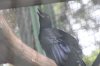
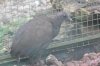
I continued to the adjacent Taman Burung, and it was a refresher after the disappointment that is Farm House. The place was even more spacious and lush than it was back in 2013, my last visit there. The Sunda Besar aviary had some rarities such as the Great Argus, which caught my eye most since it has a very long tail. There were also bronzetail peacock pheasants on its adjacent exhibit too.

Then I took a short break at Bantimurung Resto. The pond that once had kois has been modified into a river-like natural pond that has a lone koi, some mahseers, some sultan fishes and some silver arowanas. There were the free-roaming pelicans too. The adjacent Plaza Puyuh has a small aviary housing some quails/patridges that were unsigned.

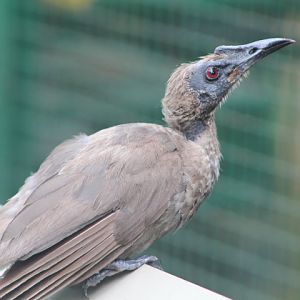
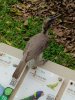
After that, I went to the Wallacea/Sahul aviary. Most of the freeroaming birds are non-native birds, with the exception of the waterfowls (magpie geese, cattle egrets and masked lapwings) and the elusive helmeted friarbird. The pitohui was not there sadly, but I saw some cockatoos and lories.

Onwards to the reptile museum/Taman Komodo, the one thing that caught my eye was the Indochinese box turtle. It was a rarity, and living alongside it was a green skink. There was also the huge Papuan terrarium that has pignose turtles, a redbelly sideneck turtle and a blue tongue skink. The rattlesnake exhibit now has a naturally colored rattlesnake along with the albino one.

In Museum Serangga, the live exhibits were nearly full and the Caucasus beetle was the cherry on top. There were also exhibit for several species of ants too. Dunia Air Tawar was pretty great, though there are some missing animals and new additions like the African arowana and the paroon shark. The mangrove exhibit, Indian barb tank and Amazonian planted tank are still under maintenance and renovation. The nearby Resto Bakau has a splendid natural pond filled with a chockful of predatory fishes including arowanas, golden dorados and even Elopichthys bambusa.

Photos will be uploaded soon!
 
I continued to the adjacent Taman Burung, and it was a refresher after the disappointment that is Farm House. The place was even more spacious and lush than it was back in 2013, my last visit there. The Sunda Besar aviary had some rarities such as the Great Argus, which caught my eye most since it has a very long tail. There were also bronzetail peacock pheasants on its adjacent exhibit too.
Any luck seeing any partridge there? A friend of mine from Belgium saw some ferruginous partridge (Caloperdix oculeus), a huge rarity. I never got the chance to saw them as they're free-roaming in the Greater Sunda Aviary.

The adjacent Plaza Puyuh has a small aviary housing some quails/patridges that were unsigned.
They're a pair of chestnut-breasted partridge (Arborophila javanica javanica) and some farm-bred king quail (Synoicus chinensis), as well an male greater green leafbird (Chloropsis sonnerati) and a trio of very rare orange-billed lorikeet (Neopsittacus pullicauda pullicauda), Jagat Satwa Nusantara is the only known public holder of that species.

After that, I went to the Wallacea/Sahul aviary. Most of the freeroaming birds are non-native birds, with the exception of the waterfowls (magpie geese, cattle egrets and masked lapwings) and the elusive helmeted friarbird. The pitohui was not there sadly, but I saw some cockatoos and lories.
They're also some free-roaming Sulawesi myna (Basilornis celebensis) and some parrots, like the rare sunset lorikeet (Trichoglossus forsteni forsteni).

The pitohui are in the smaller walkthrough aviary prior to the large one, it often hid in the tree but will fly down to eat.

Also, I hope you saw the glossy-mantled manucode and an megapodius megapode (Still IDing which species), those are some of their newer, but very rare birds (As Jagat Satwa is again the current only holder of those both birds).

It was a rarity, and living alongside it was a green skink
Those are leftover from the previous use of this paludarium as an Sulawesi display, I wonder if there are still have the tropidophorus apulus just hiding in there.

though there are some missing animals
They're most likely hide pretty well, their tanks are designed to be as natural as possible.

Elopichthys bambusa
Are you sure about this ID? Got any photos?
 
Any luck seeing any partridge there? A friend of mine from Belgium saw some ferruginous partridge (Caloperdix oculeus), a huge rarity. I never got the chance to saw them as they're free-roaming in the Greater Sunda Aviary.


They're a pair of chestnut-breasted partridge (Arborophila javanica javanica) and some farm-bred king quail (Synoicus chinensis), as well an male greater green leafbird (Chloropsis sonnerati) and a trio of very rare orange-billed lorikeet (Neopsittacus pullicauda pullicauda), Jagat Satwa Nusantara is the only known public holder of that species.


They're also some free-roaming Sulawesi myna (Basilornis celebensis) and some parrots, like the rare sunset lorikeet (Trichoglossus forsteni forsteni).

The pitohui are in the smaller walkthrough aviary prior to the large one, it often hid in the tree but will fly down to eat.

Also, I hope you saw the glossy-mantled manucode and an megapodius megapode (Still IDing which species), those are some of their newer, but very rare birds (As Jagat Satwa is again the current only holder of those both birds).


Those are leftover from the previous use of this paludarium as an Sulawesi display, I wonder if there are still have the tropidophorus apulus just hiding in there.


They're most likely hide pretty well, their tanks are designed to be as natural as possible.


Are you sure about this ID? Got any photos?

  1. Saw some partridges in Plaza Puyuh but unsure of its species
  2. There was a small green bird in Plaza Puyuh so I'm assuming that's the one
  3. The smaller walkthrough aviary only had conures, a crowned pigeon and a silver pheasant, as well as a stand for photos with palm and sulphur crested cockatoo
  4. I think I saw the manucode, it was a small bluish black bird with red eye. No megapodes were seen, not even their maleo. But I saw sand pits intended for them.
  5. I did not see the water skink there, but wasn't aware that it and the green skink were leftovers from the past theming. Hoping they'll move the Chinese crocodile skink there.
  6. You're kinda right on that one. The black sharkminnow tank supposed to be housing a Sumatran knifefish there (as seen in Audrey KotJ's video) and before I went back to the TMII main entrance, a Hoeven's river catfish went out of its hiding.
  7. Well there's a pair of them, and I can tell them by their elongated, yellowish body. Sadly I can't take a pic of them because they're very skittish.
 
Saw some partridges in Plaza Puyuh but unsure of its species
Those are the species I mentioned in the previous reply, chestnut-breasted partridge (Arborophilia javanica javanica).

The smaller walkthrough aviary only had conures, a crowned pigeon and a silver pheasant, as well as a stand for photos with palm and sulphur crested cockatoo
I'm pretty certain that's only the species you saw/recognize. Only two weeks prior to your visit I saw an superb fruit dove (Ptilinopus superbus superbus), wompoo fruit dove (Ptilinopus magnificus puella), and olive-headed lorikeet (Trichoglossus euteles), these are birds that are more active there. Birds like the pitohui (Pitohui sp.), piping crow (Corvus typicus), and helmeted friarbird (Philemon buceroides neglectus) stayed mostly within the trees.

I think I saw the manucode, it was a small bluish black bird with red eye. No megapodes were seen, not even their maleo. But I saw sand pits intended for them.
The manucode is in the same aviary as the Pinon's imperial pigeon (Ducula pinon pinon). Unsigned bird, unfortunately.
IMG_2067.JPG

The megapode is also unsigned, couldn't remember in which aviary sadly. The megapode and maleo could just be hiding within the bushes, or taken off-display for special breeding projects.
IMG_2065.JPG

Well there's a pair of them, and I can tell them by their elongated, yellowish body. Sadly I can't take a pic of them because they're very skittish.
Well, I wouldn't be so sure by just looking at them. From my experience as a species photo collector, sometimes a certain animal could be more or even less than we expected.

For example, I recently found out from an elapid enthusiast that the acanthophis at Gembira Loka Zoo is actually acanthophis ceramensis, not the more common laevis. I always do and recommend to others to research more on the specific animal and compare it with other species, or if the animals are captive, make sure of their origin too.

Would be happy to know if they do have some bambusa there though, but I wouldn't be in Jakarta until December to know for sure.
 

Attachments

  • IMG_2067.JPG
    IMG_2067.JPG
    169.6 KB · Views: 47
  • IMG_2065.JPG
    IMG_2065.JPG
    205.1 KB · Views: 45
Last edited:
IMG-20250817-WA0006.jpg IMG-20250817-WA0007.jpg

During the Indonesian Independence Day celebration, Jagat Satwa brought out their Golden Eagle, Gurkha and a Kookaburra. Whether they will be displayed/exhibited in the future is unknown, but Taman Burung could use a bird of prey section aside from the current Javan Hawk Eagle exhibit.
 

Attachments

  • IMG-20250817-WA0006.jpg
    IMG-20250817-WA0006.jpg
    47 KB · Views: 48
  • IMG-20250817-WA0007.jpg
    IMG-20250817-WA0007.jpg
    58.1 KB · Views: 49
It's already a year since this news was made but, Taman Legenda has been temporarily closed. I went here back in 2016 after hearing that they have dinosaur animatronics, but never been there again after that, mostly because of its expensive ticket price and QBig Mall's Dino Lab was much cheaper at IDR 30k. They also kept a few animals there such as alpacas and sheeps AFAIK. When I passed by Taman Legenda on my way home, the entrance was barricaded.

The Science Museum in TMII has two dinosaur animatronics (Tyrannosaurus and Triceratops) as well as a Varanus priscus animatronic.

Taman Mini Indonesia Indah on Instagram: "Hai #TemanJelajah Untuk sementara, Taman Legenda Keong Emas akan ditutup hingga waktu yang tidak ditentukan. Mohon maaf atas ketidaknyamanannya bagi para pengunjung TMII. Jangan khawatir, karena masih banyak anjungan, museum, dan wahana lainnya yang dapat dikunjungi di TMII! Ditunggu kehadiran Teman Jelajah #TMII #WajahBaruTMII #JelajahCeritaIndonesia #TMIISeruGaAdaHabisnya"
 
Hi, I’m thinking of visiting this place next year and I’m especially enticed with some of the rare birds in the collection.

1) Can anyone give some suggestions on how to spot/observe the following species (e.g. in a smaller cage vs free-roaming in the walkthrough aviary):

- New Guinea Friarbird
- Maleo
- Hooded Pitohui
- Hooded Butcherbird
- Helmeted Friarbird
- Javan Coucal
- Ferrugineous partridge
- Glossy-mantled manucode

Any rarities that I miss?

2) As for the raptors, apart from the one for Javan hawk-eagle - is there any dedicated raptor aviaries?

3) Is Taman Burung the best bird park in Indonesia for local endemics? Any other recommendations of which zoos to visit for endemics (my primary interests are mammals and birds)?

Thanks!
 
Hi, I’m thinking of visiting this place next year and I’m especially enticed with some of the rare birds in the collection.

1) Can anyone give some suggestions on how to spot/observe the following species (e.g. in a smaller cage vs free-roaming in the walkthrough aviary):

- New Guinea Friarbird
- Maleo
- Hooded Pitohui
- Hooded Butcherbird
- Helmeted Friarbird
- Javan Coucal
- Ferrugineous partridge
- Glossy-mantled manucode

Any rarities that I miss?

2) As for the raptors, apart from the one for Javan hawk-eagle - is there any dedicated raptor aviaries?

3) Is Taman Burung the best bird park in Indonesia for local endemics? Any other recommendations of which zoos to visit for endemics (my primary interests are mammals and birds)?

Thanks!

  1. All of the birds you mentioned are in the Wallacea-Sahul Aviary, except the Javan Coucal and the Ferrugineous Partridge. Some of the birds you mentioned are unsigned like the manucode, and some are off-display like the pitohui and maleo. I don't think New Guinea friarbird is there though.
  2. Nope, sadly. The rest of the raptors are show-only, including their Golden Eagle, Gurkha.
  3. It is, as most of their collections are native birds from Indonesia. Aviary Park Bintaro is at 2nd place though.
 
It's unfortunate to hear that the pitohui and male are off-display. :(

So the Javan Coucal and the Ferruginous Partridge are at Sunda Besar and Plaza Puyuh respectively?

re: friarbird. I was checking ZTL and it refers to this link:
 
It's unfortunate to hear that the pitohui and male are off-display. :(

So the Javan Coucal and the Ferruginous Partridge are at Sunda Besar and Plaza Puyuh respectively?

re: friarbird. I was checking ZTL and it refers to this link:

That's the Helmeted Friarbird, I think
 
@honeybadger hello! I'm very happy to see more people getting interested in going to visit and seeing some of the rarities in Indonesian facilities (Atleast one that is not Balinese :p). I'll be very happy to help with your planning.

It's unfortunate to hear that the pitohui and male are off-display. :(
And no, the maleos and pitohuis aren't off-display, they just hide pretty well. I didn't see them on February but they're clear as day during my visit in late July, getting them periodicly off-display seems inefficient if you think about it. So they're likely just hide pretty well (Especially the pitohui, which have the advantage of being free-flying and have access to hide really well in the large tree present in the walkthrough aviary they live in) I'll explain below.

So the Javan Coucal and the Ferruginous Partridge are at Sunda Besar and Plaza Puyuh respectively?
The coucals are no longer on-display sadly. The partridge is free-roaming within the Greater Sunda aviary, and they're very hard to find. A friend of mine was very lucky to spot it lasy year.

1) Can anyone give some suggestions on how to spot/observe the following species (e.g. in a smaller cage vs free-roaming in the walkthrough aviary):

- New Guinea Friarbird
- Maleo
- Hooded Pitohui
- Hooded Butcherbird
- Helmeted Friarbird
- Javan Coucal
- Ferrugineous partridge
- Glossy-mantled manucode

Any rarities that I miss?
  • New Guinea friarbird: Free-roaming in the larger part of the Wallacea and Sahul Aviary, and elevated pathway would make it possible to sight them (I recall there's one or two there).
  • Maleo: In one of the separate aviaries within the Wallacea and Sahul aviary, also living together with a pair of Sulawesi hornbill and an newly-arrived rose-crowned fruit dove, they hide pretty well so you have to be lucky.
  • Hooded pitohui: I'm not sure if it's 100% that species, as there's appears to be an female bird that are entirely brown in plumage (Pitohui dichrorus I believe shows little sexual dimorphism, as both genders have black head). But, they're visible in the smaller walkthrough aviary as part of the park's bird photo interactions, but they hide pretty well between the trees and come down only to feed).
  • Hooded butcherbird: In one of the separate aviaries within the Wallacea and Sahul aviary, should be very easy to spot.
  • Helmeted friarbird: We're talking about the subspecies neglectus? They can be spotted free-flying in the main Wallacea and Sahul aviary, with the New Guinea subspecies.
  • Javan coucal: Sadly appears to be off-display.
  • Ferruginous partridge: Unsigned and live free-roaming within the Greater Sunda aviary, you have to be very lucky ;)
  • Glossy-mantled manucode: An single bird and unsigned, within one of the separate aviaries within the Wallacea and Sahul aviary. It live alongside an Pinon's imperial pigeon, also unsigned.
Other rarities that you would probably love to see are:
  • Orange-billed lorikeet (Neopsittacus pullicauda): Trio of parrots in the Plaza Puyuh aviary, unsigned.
  • Chestnut-breasted partridge (Arborophilia javanica javanica): In the Plaza Puyuh aviary and free-roaming within the Greater Sunda aviary.
  • Javan red junglefowl (Gallus gallus bankiva): Two small groups, one free roaming and another within an separate aviary alongside a trio of bronze-tailed peacock-pheasant, within the Greater Sunda aviary.
  • Indonesian woollyneck (Ciconia episcopus neglecta): A pair of bird in one of the separate aviaries within the Greater Sunda aviary, alongside several waterbirds.
  • Pink-headed fruit dove (Ptilinopus porphyreus): Unsigned single bird, in one the separate aviaries within the Greater Sunda aviary, live alongside the pink-necked green pigeon.
  • Grey-breasted partridge (Arborophila orientalis): A couple of birds in one of the separate aviaries within the Greater Sunda aviary.
  • Ruddy cuckoo-dove (Macropygia emiliana emiliana): A small flock in one of the separate aviaries within the Greater Sunda aviary.
  • Sumatran treepie (Dendrocitta occipitalis): In one for the separate aviaries within the Greater Sunda aviary.
  • Wompoo fruit dove (Ptilinopus magnificus puella): An single unsigned bird, live with the pitohuis in the smaller walkthrough aviary as part of the Wallacea and Sahul display.
  • Western golden myna (Mino anais anais): An single bird in one of the separate aviaries within the Wallacea and Sahul aviary.
  • Southern white-necked myna (Streptocitta albicollis albicollis): An single bird, in one of the separate aviaries within the Wallacea and Sahul aviary.
  • Southern Sulawesi hornbill (Rhabdotorrhinus exarhatus sanfordi): A pair of bird living alongside some maleos and an rose-crowned fruit dove, in one of the separate aviaries within the Wallacea and Sahul aviary.
  • Piping crow (Corvus typicus): A pair of bird in one of the separate aviaries within the Wallacea and Sahul aviary, an single bird also appears in the smaller Wallacea and Sahul walkthrough aviary with the pitohuis.
  • Olive-headed lorikeet (Trichoglossus euteles): A large flock free-flying within both small and main Wallacea and Sahul aviary.
  • Marigold lorikeet (Trichoglossus capistratus capistratus): An single bird, free-flying within the Wallacea and Sahul aviary, unsigned.
  • Sumbawa lorikeet (Trichoglossus forsteni forsteni): A small flock free-flying within the Wallacea and Sahul aviary, unsigned.
  • Moluccan great-billed parrot (Tanygnathus megalorynchos megalorynchos): One or two birds, free-flying within the Wallacea and Sahul aviary, unsigned.
  • Jones' silver pheasant (Lophura nycthemera jonesi): Atleast an single male bird, free-roaming within the Wallacea and Sahul aviary.
These should be all as of August 2025.

2) As for the raptors, apart from the one for Javan hawk-eagle - is there any dedicated raptor aviaries?
Aside for the Javan hawk-eagle, they're all show exclusive. Occasionally some rarer birds, like Rench's eagle (Aquila fasciata renschi), are shown tethered for basking. Most of their exclusive birds-of-prey are off-display, like the New Guinea eagle (Harpyopsis novaeguineae).

3) Is Taman Burung the best bird park in Indonesia for local endemics? Any other recommendations of which zoos to visit for endemics (my primary interests are mammals and birds)?
Absolutely, after the revitalization, they has definitely being focusing on maintaining native faunas more.

For your second question, it depends on how long will you stay and if you only stayed in Jakarta or also planning to go elsewhere as well, if you don't mind :)

If my schedule are flexible, I might be able to help you accompany travel around Jakarta and some other zoos in Java!
 
Last edited:
and some are off-display like the pitohui and maleo.
The pitohuis certainly aren't off-display. They're free-flying, meaning they have much more greater access to places to hide and shelter in. They mostly come down to get some papayas.

If you didn't know where they at, they're in the smaller walkthrough aviary in the Wallacea and Sahul aviary, the one with the occasional parrot interactions (You saw the palm cockatoo there).

That's the Helmeted Friarbird, I think
The New Guinea friarbird (Philemon buceroides novaeguinae) is a subspecies of the helmeted friarbird (Philemon buceroides). TMII have both novaeguinae and the more common neglectus.

This bird you posted few days ago IS the "New Guinea friarbird", a more darker plumage subspecies often showing bald spots on the head and neck.
upload_2025-8-23_16-35-21.jpeg
 

Attachments

  • upload_2025-8-23_16-35-21.jpeg
    upload_2025-8-23_16-35-21.jpeg
    106.6 KB · Views: 40
@honeybadger there's also an unsigned megapode, probably within the megapodius genus. I'm still tryinh to ID which species this is.
upload_2025-8-23_16-59-45.jpeg
 

Attachments

  • upload_2025-8-23_16-59-45.jpeg
    upload_2025-8-23_16-59-45.jpeg
    160.4 KB · Views: 51
The pitohuis certainly aren't off-display. They're free-flying, meaning they have much more greater access to places to hide and shelter in. They mostly come down to get some papayas.

If you didn't know where they at, they're in the smaller walkthrough aviary in the Wallacea and Sahul aviary, the one with the occasional parrot interactions (You saw the palm cockatoo there).


The New Guinea friarbird (Philemon buceroides novaeguinae) is a subspecies of the helmeted friarbird (Philemon buceroides). TMII have both novaeguinae and the more common neglectus.

This bird you posted few days ago IS the "New Guinea friarbird", a more darker plumage subspecies often showing bald spots on the head and neck.
View attachment 817784

  1. You mean the one with the Jones' silver pheasant? Oh yeah I remember that place but maybe I didn't look around carefully. I wish I could contact you at that time but you're not on Discord :(
  2. I never knew that was the New Guinea subspecies. Might need to update the gallery post soon
 
Is that the Sula Megapode (Megapodius bernsteinii)?
I tried throwing your pic into Google Lens and got an eBird link to its page

https://ebird.org/species/sulscr1?siteLanguage=in
Close enough, but a friend of mine has said that the legs coloration is the best indicator on the species. Sadly, I didn't managed to get a full shot of the legs until it hide into the bushes in the back.

From their website, it seems they had mistook the bird as an eulipoa wallacei. But it clearly not that species.
 
@honeybadger hello! I'm very happy to see more people getting interested in going to visit and seeing some of the rarities in Indonesian facilities (Atleast one that is not Balinese :p). I'll be very happy to help with your planning.


And no, the maleos and pitohuis aren't off-display, they just hide pretty well. I didn't see them on February but they're clear as day during my visit in late July, getting them periodicly off-display seems inefficient if you think about it. So they're likely just hide pretty well (Especially the pitohui, which have the advantage of being free-flying and have access to hide really well in the large tree present in the walkthrough aviary they live in) I'll explain below.


The coucals are no longer on-display sadly. The partridge is free-roaming within the Greater Sunda aviary, and they're very hard to find. A friend of mine was very lucky to spot it lasy year.


  • New Guinea friarbird: Free-roaming in the larger part of the Wallacea and Sahul Aviary, and elevated pathway would make it possible to sight them (I recall there's one or two there).
  • Maleo: In one of the separate aviaries within the Wallacea and Sahul aviary, also living together with a pair of Sulawesi hornbill and an newly-arrived rose-crowned fruit dove, they hide pretty well so you have to be lucky.
  • Hooded pitohui: I'm not sure if it's 100% that species, as there's appears to be an female bird that are entirely brown in plumage (Pitohui dichrorus I believe shows little sexual dimorphism, as both genders have black head). But, they're visible in the smaller walkthrough aviary as part of the park's bird photo interactions, but they hide pretty well between the trees and come down only to feed).
  • Hooded butcherbird: In one of the separate aviaries within the Wallacea and Sahul aviary, should be very easy to spot.
  • Helmeted friarbird: We're talking about the subspecies neglectus? They can be spotted free-flying in the main Wallacea and Sahul aviary, with the New Guinea subspecies.
  • Javan coucal: Sadly appears to be off-display.
  • Ferruginous partridge: Unsigned and live free-roaming within the Greater Sunda aviary, you have to be very lucky ;)
  • Glossy-mantled manucode: An single bird and unsigned, within one of the separate aviaries within the Wallacea and Sahul aviary. It live alongside an Pinon's imperial pigeon, also unsigned.
Other rarities that you would probably love to see are:
  • Orange-billed lorikeet (Neopsittacus pullicauda): Trio of parrots in the Plaza Puyuh aviary, unsigned.
  • Chestnut-breasted partridge (Arborophilia javanica javanica): In the Plaza Puyuh aviary and free-roaming within the Greater Sunda aviary.
  • Javan red junglefowl (Gallus gallus bankiva): Two small groups, one free roaming and another within an separate aviary alongside a trio of bronze-tailed peacock-pheasant, within the Greater Sunda aviary.
  • Indonesian woollyneck (Ciconia episcopus neglecta): A pair of bird in one of the separate aviaries within the Greater Sunda aviary, alongside several waterbirds.
  • Pink-headed fruit dove (Ptilinopus porphyreus): Unsigned single bird, in one the separate aviaries within the Greater Sunda aviary, live alongside the pink-necked green pigeon.
  • Grey-breasted partridge (Arborophila orientalis): A couple of birds in one of the separate aviaries within the Greater Sunda aviary.
  • Ruddy cuckoo-dove (Macropygia emiliana emiliana): A small flock in one of the separate aviaries within the Greater Sunda aviary.
  • Sumatran treepie (Dendrocitta occipitalis): In one for the separate aviaries within the Greater Sunda aviary.
  • Wompoo fruit dove (Ptilinopus magnificus puella): An single unsigned bird, live with the pitohuis in the smaller walkthrough aviary as part of the Wallacea and Sahul display.
  • Western golden myna (Mino anais anais): An single bird in one of the separate aviaries within the Wallacea and Sahul aviary.
  • Southern white-necked myna (Streptocitta albicollis albicollis): An single bird, in one of the separate aviaries within the Wallacea and Sahul aviary.
  • Southern Sulawesi hornbill (Rhabdotorrhinus exarhatus sanfordi): A pair of bird living alongside some maleos and an rose-crowned fruit dove, in one of the separate aviaries within the Wallacea and Sahul aviary.
  • Piping crow (Corvus typicus): A pair of bird in one of the separate aviaries within the Wallacea and Sahul aviary, an single bird also appears in the smaller Wallacea and Sahul walkthrough aviary with the pitohuis.
  • Olive-headed lorikeet (Trichoglossus euteles): A large flock free-flying within both small and main Wallacea and Sahul aviary.
  • Marigold lorikeet (Trichoglossus capistratus capistratus): An single bird, free-flying within the Wallacea and Sahul aviary, unsigned.
  • Sumbawa lorikeet (Trichoglossus forsteni forsteni): A small flock free-flying within the Wallacea and Sahul aviary, unsigned.
  • Moluccan great-billed parrot (Tanygnathus megalorynchos megalorynchos): One or two birds, free-flying within the Wallacea and Sahul aviary, unsigned.
  • Jones' silver pheasant (Lophura nycthemera jonesi): Atleast an single male bird, free-roaming within the Wallacea and Sahul aviary.
These should be all as of August 2025.


Aside for the Javan hawk-eagle, they're all show exclusive. Occasionally some rarer birds, like Rench's eagle (Aquila fasciata renschi), are shown tethered for basking. Most of their exclusive birds-of-prey are off-display, like the New Guinea eagle (Harpyopsis novaeguineae).


Absolutely, after the revitalization, they has definitely being focusing on maintaining native faunas more.

For your second question, it depends on how long will you stay and if you only stayed in Jakarta or also planning to go elsewhere as well, if you don't mind :)

If my schedule are flexible, I might be able to help you accompany travel around Jakarta and some other zoos in Java!


Thanks for the thorough response. It’s very helpful! :D

Some additional questions about the aviaries as i’ve been trying to check the park map:
  1. When you mentioned “separate aviaries”, are you referring to the side aviaries that are marked with dark green in the park map?
  2. I understand that there are different domes within an aviary, so for the Wallacea aviary - as you mentioned main/larger vs smaller aviary, does it mean that some of the domes are not connected?
  3. There are some presentation (?) areas around the park, one for wreathed hornbill and one for parrots - are there cages/avaiaries in these areas, tethered to sticks/platforms, or wing-clipped?
And is there any species list that is sorted based on the location or it’s a bit of fool’s errand as they rotate the species pretty often?

I will be visiting Jakarta and Surabaya on two different occasions, so there might be a chance to visit the zoological collections around the area.
 
@honeybadger thanks! Here's my answers:

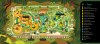
This is also the map provided on their website, hopefully it looks clear for you.
upload_2025-8-24_0-5-6.jpeg

When you mentioned “separate aviaries”, are you referring to the side aviaries that are marked with dark green in the park map?
Correct! :)

The majority of their more interesting birds are held this way. There are some very interesting free-roaming birds, but they're often very hard to spot that you have to wait a little more longer to spot them.

I understand that there are different domes within an aviary, so for the Wallacea aviary - as you mentioned main/larger vs smaller aviary, does it mean that some of the domes are not connected?
The smaller and the main dome of the Greater Sunda as well as Wallacea/Sahul aviaries are connected. So, there are multiple entrances to both walkthrough aviaries. In the Greater Sunda aviary, the main entrance is thru the caged dome with the Javan hawk-eagle, but there's also some few entrances on the sides.

For the Wallacea and Sahul aviary, there's also more than just one entrances. One of this entrances in through an additional smaller walkthrough aviary that directly connect to the main Wallacea and Sahul aviary, as an entrance. This smaller walkthrough is intended to mainly be used to have their parrot interactions, but this walkthrough also have unsigned rarities like the pitohuis, olive-headed lorikeets, piping crow, and others.

There are some presentation (?) areas around the park, one for wreathed hornbill and one for parrots - are there cages/avaiaries in these areas, tethered to sticks/platforms, or wing-clipped?
Nope, no cages or aviaries, just birds that are unfortunately tethered or handled by the staffs. They're only present during certain schedules.

And is there any species list that is sorted based on the location or it’s a bit of fool’s errand as they rotate the species pretty often?
Unfortunately no, I'm honestly wouldn't be able to make a species list at the moment. Because;
  1. Their signages are often wrong or incomplete.
  2. Most often than not their collection might rotate quite a lot, but not significantly.
  3. It's just that you and I just have to be there to make a more accurate list of what you saw, since I last went there on July. Otherwise it most certainly not 100% accurate, Zootierliste aren't known for being fully reliable.

I will be visiting Jakarta and Surabaya on two different occasions, so there might be a chance to visit the zoological collections around the area.
Great! Surabaya Zoo is the only major zoo there, and they're not very good personally. But they still do have several local rarities, remnants to when they used to have the largest species collection in Asian zoos.
  • Bawean deer (Axis kuhlii)
  • Javan warty pig (Sus verrucosus verrucosus)
  • Agile gibbon (Hylobates agilis)
  • Silvery gibbon (Hylobates moloch)
  • Moor macaque (Macaca maura)
  • Booted macaque (Macaca ochreata) - Unsigned, live with the moor macaque.
  • Javan binturong (Arctictis binturong penicillatus)
  • Sumatran binturong (Arctictis binturong niasensis)
  • Javan porcupine (Hystrix javanica)
  • Sunda pangolin (Manis javanica) - In the nocturnal house, with additional fee.
  • Sunda little egret (Egretta garzetta nigripes)
  • Australasian nankeen night heron (Nycticorax caledonicus australasiae)
  • Black-winged lory (Eos cyanogenia)
  • Talaud red-and-blue lory (Eos histrio talautensis)
  • Southern dusky-cheeked fig parrot (Cyclopsitta melanogenia fuscifrons)
  • Sulawesi hanging parrot (Loriculus stigmatus stigmatus)
  • Malayan koel (Eudynamys scolopaceus malayanus)
  • Slender-billed crow (Corvus enca enca)
  • Fawn-breasted bowerbird (Chlamydera cerviniventris)
  • King bird-of-paradise (Cicinnurus regius regius) - Single female
  • Sumatran treepie (Dendrocitta occipitalis) - Signed as the Bornean treepie (D. cinerascens)
  • Grey-cheeked bulbul (Alophoixus tephrogenys tephrogenys) - Unsigned, lived in the aviary near the mouflon exhibit.
Within Jakarta proper, I would say Ancol Dreamland suit you best! Ragunan Zoo is planning for a revitalization next year, so we most likely be unable to visit.

Within the Ancol Dreamland complex, there's two facilities of note, Jakarta Bird Land and Faunaland (The latter is located within an public park called Allianz Ecopark), both located around a minute or two using vehicles.

Compared with the Bird Park of Taman Mini, Jakarta Bird Land only have like one species that Taman Mini don't have, which is the white-faced cuckoo-dove (Turacoena manadensis), as they're currency the only known public holder of that species. Though it do worth noting that they're very hard to find there, though the easiest spot I'd say is between the trees branches, viewable with the park's elevated pathway.

Faunaland have a more extensive collection of rarities, which include:
  • Javan leopard (Panthera pardus melas) - Melanistic
  • Asian golden cat (Catopuma temminckii temminckii)
  • Sumatran dhole (Cuon alpinus sumatrensis)
  • Grizzled tree-kangaroo (Dendrolagus inustus)
  • Dusky pademelon (Thylogale brunii)
  • Javan binturong (Arctictis binturong penicillatus)
  • Sunda porcupine (Hystrix javanica)
  • Javan black giant squirrel (Ratufa bicolor bicolor)
  • Gursky's spectral tarsier (Tarsius spectrumgurskyae)

If you willing to visit places in the outskirt of Jakarta, Aviary Park in Bintaro Jaya is very great!
 

Attachments

  • upload_2025-8-24_0-5-6.jpeg
    upload_2025-8-24_0-5-6.jpeg
    151 KB · Views: 32
The website for Jagat Satwa Nusantara has once again seemingly tease/reveal new inhabitants:

Mammals
The short-beaked echidnas, ocelot, and Sunda pangolins have finally been added to their website "Learning Room" list, pretty much their animal list.

They also have specifically labelled the dhole as the Javan dhole (Cuon alpinus javanicus).

Other additions include:
  • Striped hyena (Hyaena hyaena)
  • Caracal (Caracal caracal)
  • Amur leopard cat (Prionailurus bengalensis euptilura)
  • Meerkat (Suricata suricatta)
  • Prevost's squirrel (Callosciurus prevostii)
Birds
The pitohuis and few other birds have been recognized and added to the list. Other new ones include several great new additions!
  • Little egret (Egretta garzetta)
  • Buff-banded rail (Hypotaenidia philippensis)
  • Australasian grebe (Tachybaptus novaehollandiae)
  • Salvadori's pheasant (Lophura inornata)
  • Lesser fish eagle (Ichthyophaga humilis)
  • Blyth's hawk-eagle (Nisaetus alboniger)
  • Black-eared kite (Milvus migrans)
  • Sulawesi goshawk (Lophospiza griseiceps)
  • Crested goshawk (Accipiter trivirgatus)
  • Walden's hornbill (Rhabdotorrhinus waldeni)
  • Blue-fronted fig parrot (Cyclopsitta gulielmitertii)
  • Yellow-throated hanging parrot (Loriculus pusillus)
  • Grey-cheeked green pigeon (Treron griseicauda)
  • Little cuckoo-dove (Macropygia ruficeps)
  • Asian koel (Eudynamys scolopaceus)
  • Halmahera paradise-crow (Lycocorax pyrrhopterus)
  • Magnificent bird-of-paradise (Cicinnurus magnificus)
  • Flame bowerbird (Sericulus ardens)
  • Fawn-breasted bowerbird (Chlamydera cerviniventris)
  • Chestnut-hooded laughingthrush (Pterorhinus treacheri)
  • Rusty pitohui (Pseudorectes ferrugineus)
  • Spotted crocias (Crocias albonotatus)
  • Black-headed bulbul (Brachypodius melanocephalos)
  • Orange minivet (Pericrocotus flammeus)
  • Black-breasted myzomela (Myzomela vulnerata)
  • Crimson sunbird (Aethopyga siparaja)
 
The website for Jagat Satwa Nusantara has once again seemingly tease/reveal new inhabitants:

Mammals
The short-beaked echidnas, ocelot, and Sunda pangolins have finally been added to their website "Learning Room" list, pretty much their animal list.

They also have specifically labelled the dhole as the Javan dhole (Cuon alpinus javanicus).

Other additions include:
  • Striped hyena (Hyaena hyaena)
  • Caracal (Caracal caracal)
  • Amur leopard cat (Prionailurus bengalensis euptilura)
  • Meerkat (Suricata suricatta)
  • Prevost's squirrel (Callosciurus prevostii)
Birds
The pitohuis and few other birds have been recognized and added to the list. Other new ones include several great new additions!
  • Little egret (Egretta garzetta)
  • Buff-banded rail (Hypotaenidia philippensis)
  • Australasian grebe (Tachybaptus novaehollandiae)
  • Salvadori's pheasant (Lophura inornata)
  • Lesser fish eagle (Ichthyophaga humilis)
  • Blyth's hawk-eagle (Nisaetus alboniger)
  • Black-eared kite (Milvus migrans)
  • Sulawesi goshawk (Lophospiza griseiceps)
  • Crested goshawk (Accipiter trivirgatus)
  • Walden's hornbill (Rhabdotorrhinus waldeni)
  • Blue-fronted fig parrot (Cyclopsitta gulielmitertii)
  • Yellow-throated hanging parrot (Loriculus pusillus)
  • Grey-cheeked green pigeon (Treron griseicauda)
  • Little cuckoo-dove (Macropygia ruficeps)
  • Asian koel (Eudynamys scolopaceus)
  • Halmahera paradise-crow (Lycocorax pyrrhopterus)
  • Magnificent bird-of-paradise (Cicinnurus magnificus)
  • Flame bowerbird (Sericulus ardens)
  • Fawn-breasted bowerbird (Chlamydera cerviniventris)
  • Chestnut-hooded laughingthrush (Pterorhinus treacheri)
  • Rusty pitohui (Pseudorectes ferrugineus)
  • Spotted crocias (Crocias albonotatus)
  • Black-headed bulbul (Brachypodius melanocephalos)
  • Orange minivet (Pericrocotus flammeus)
  • Black-breasted myzomela (Myzomela vulnerata)
  • Crimson sunbird (Aethopyga siparaja)

I have a feeling that Jagat Satwa is building a fifth park somewhere around the area, focusing on wild animals. Either that or an expansion of Taman Burung that will include wild animals.
 
Back
Top