
Today whilst surfing the New Zealand forums and checking out the New Zealand galleries it only appeared to me now just how few terrestrial invertebrates, both native and exotic are displayed in both large and small zoos. Thought I’d go through some of the species that are held, and explain my thoughts on why so few species are held which to summarise is mainly due to a lack of supply and lack of interest from the public.
Diplopoda
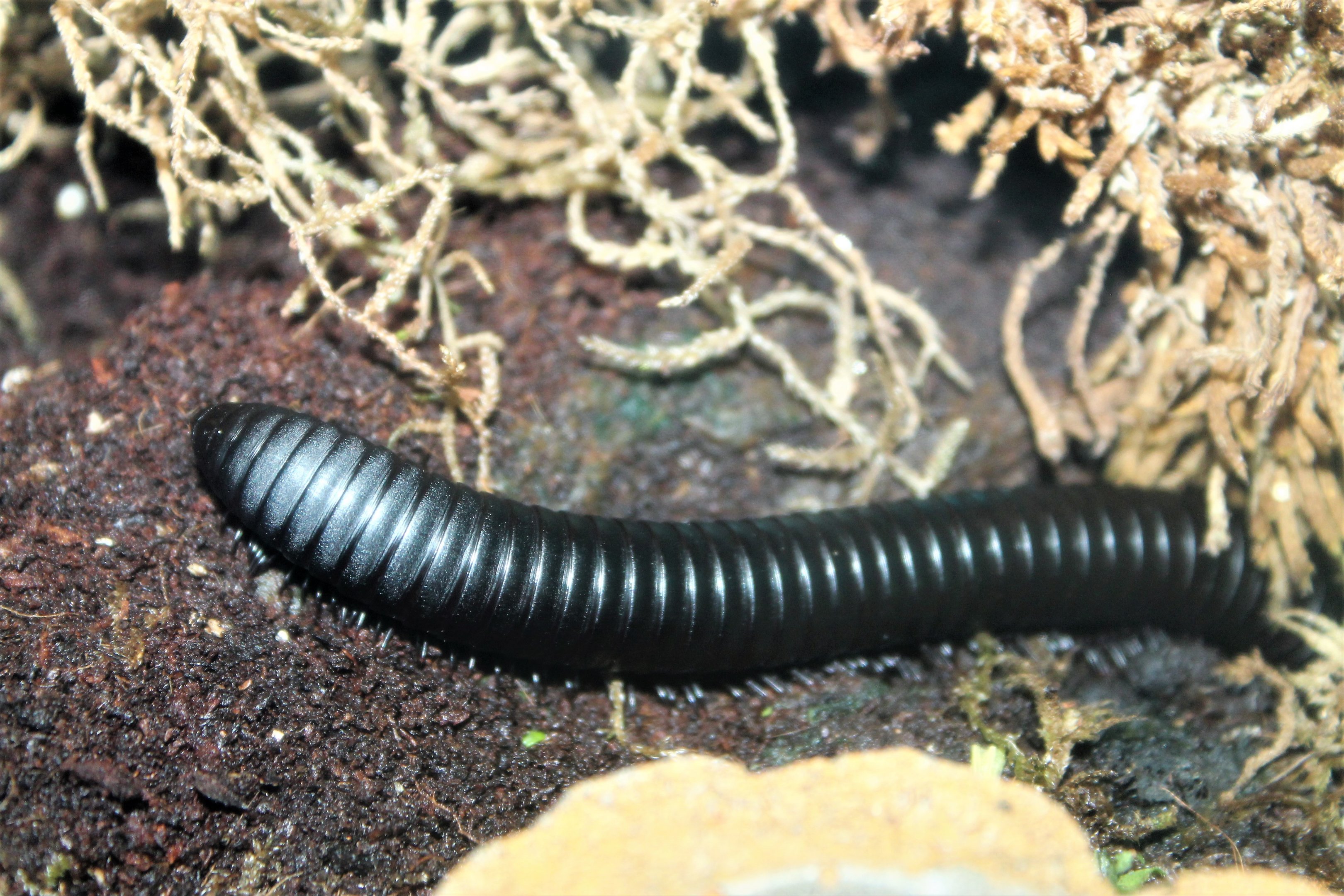
There is just one species of millipede in New Zealand Zoos, that being the African Giant Millipede at Wellington Zoo.
African Giant Millipede (Archispirostreptus gigas) at the Wellington Zoo by @Chlidonias
Araneae
The most well represented group of terrestrial invertebrates displayed in New Zealand zoos are spiders, specifically tarantulas with at least four zoos and seven species of Tarantula held across the country. Auckland Zoo have/had Australian Redback Spider (Latrodectus hasselti) and Social Huntsman Spider (Delena cancerides) although I am unsure if they still do.
My theory as to why tarantulas are the most well represented and why they are more well represented than they are in Australia is that because New Zealand has no large, native spiders that are fit for public display, zoos would go through the effort and documents required to obtain one, whereas in Australia there are other alternatives available that do not require such paperwork or effort such as huntsmans, golden orb weavers and native tarantulas.
Andean Striped-knee Tarantula (Lasiodorides striatus) at Ti Point Reptile Park by @Zoofan15
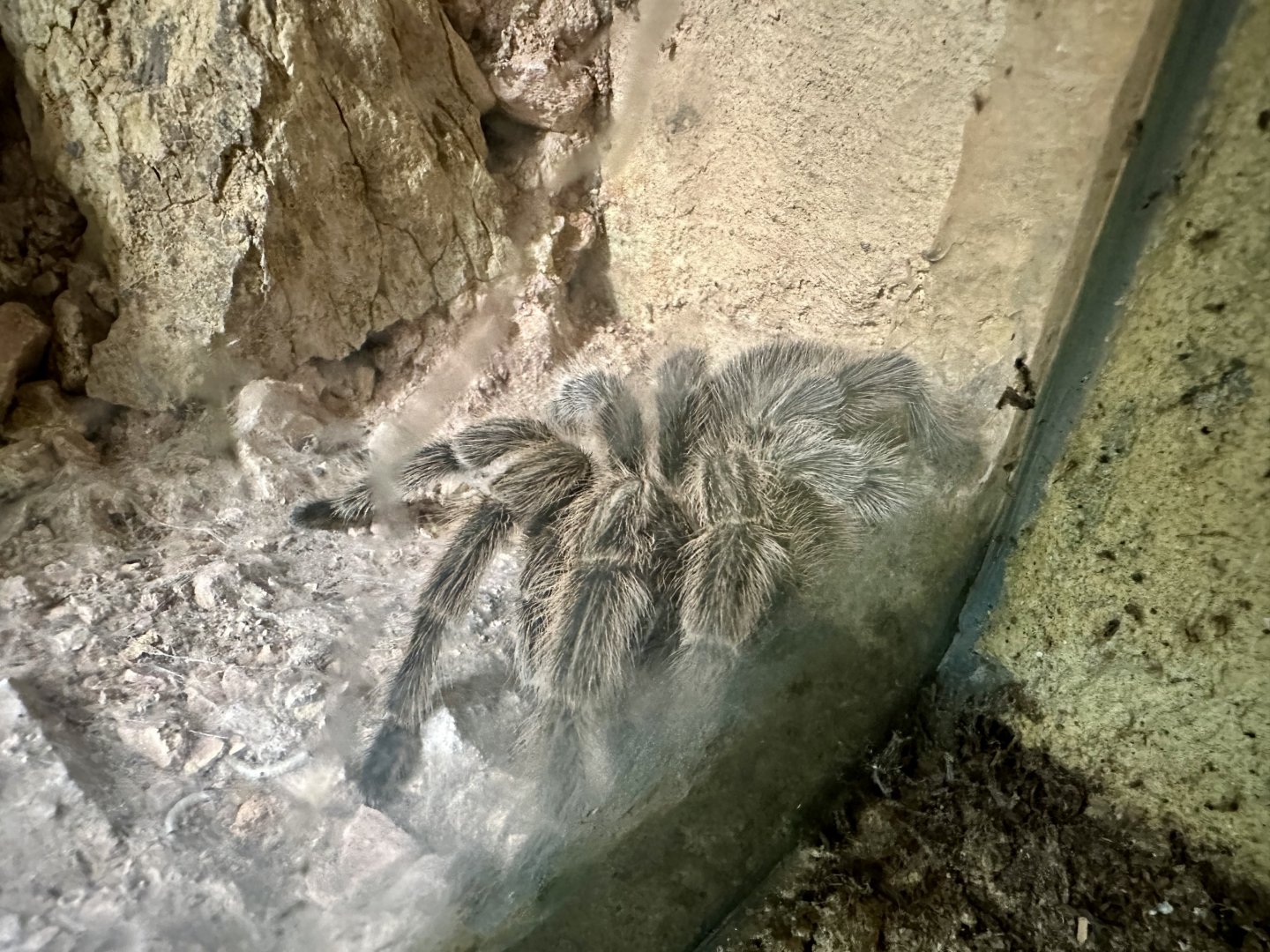
Chilean Rose Tarantula (Grammostola rosea) at Butterfly Creek by @Zoofan15
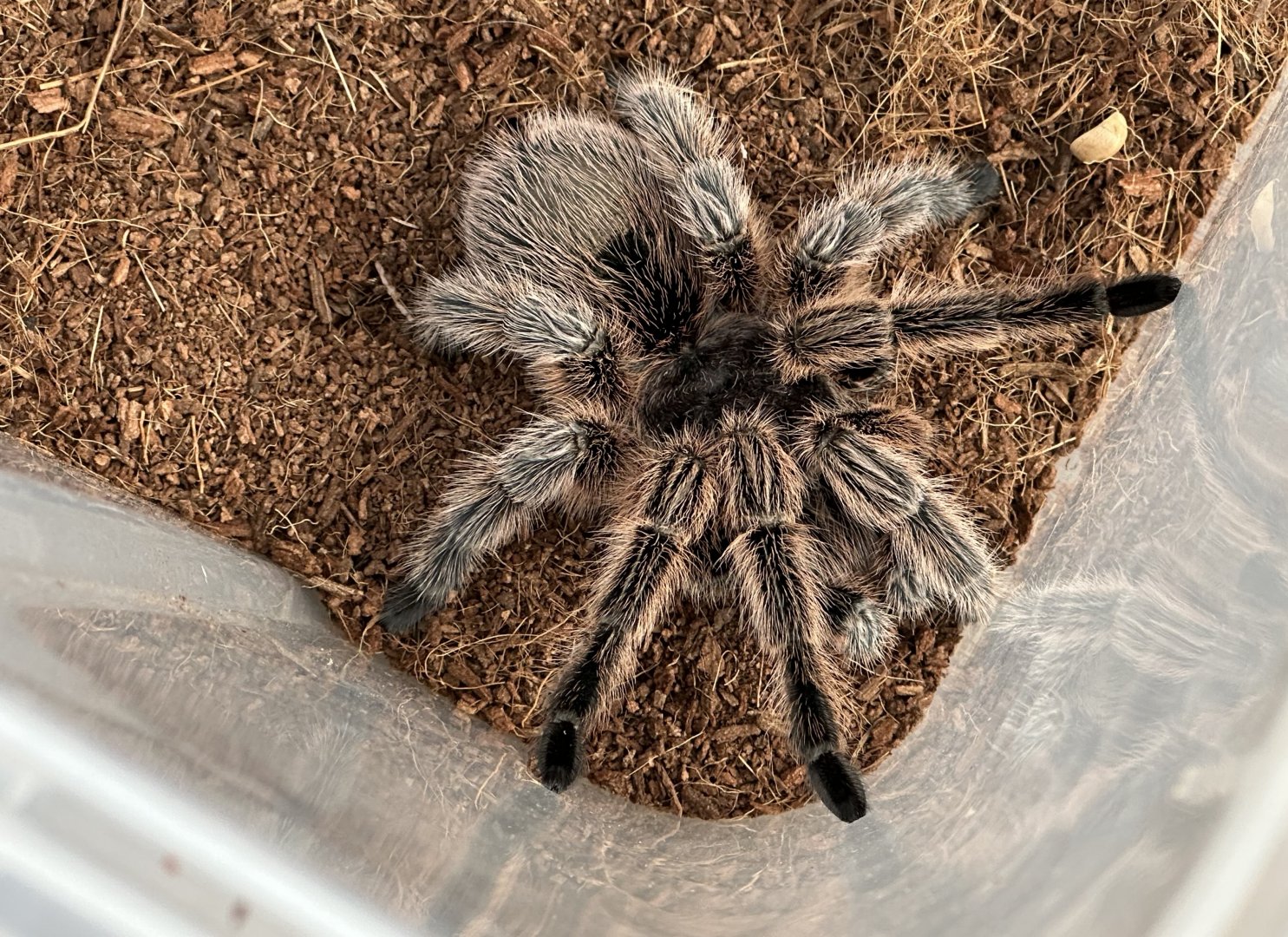
Brazilian Black Tarantula (Grammostola pulchra) at the Wellington Zoo by @Cassidy Casuar
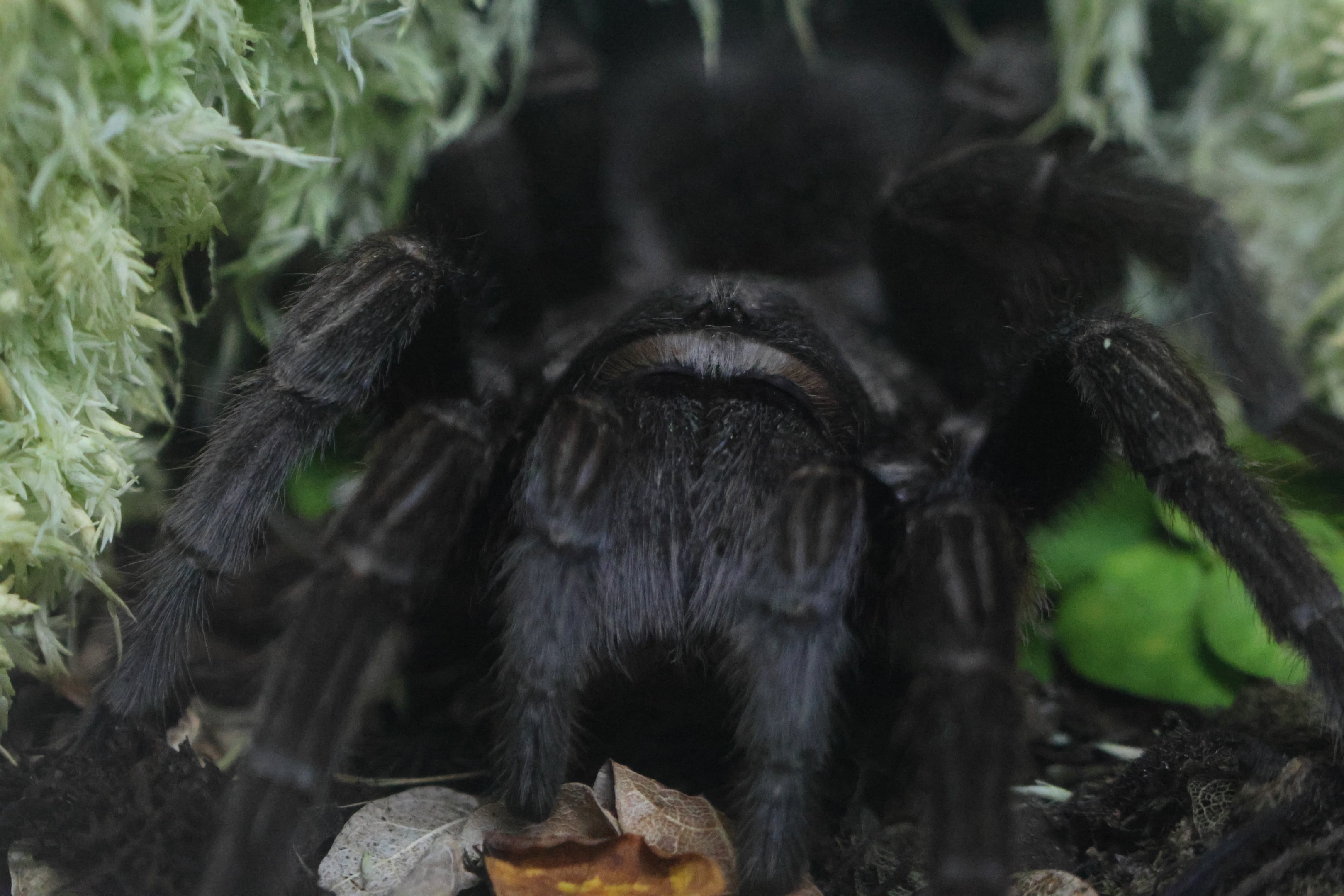
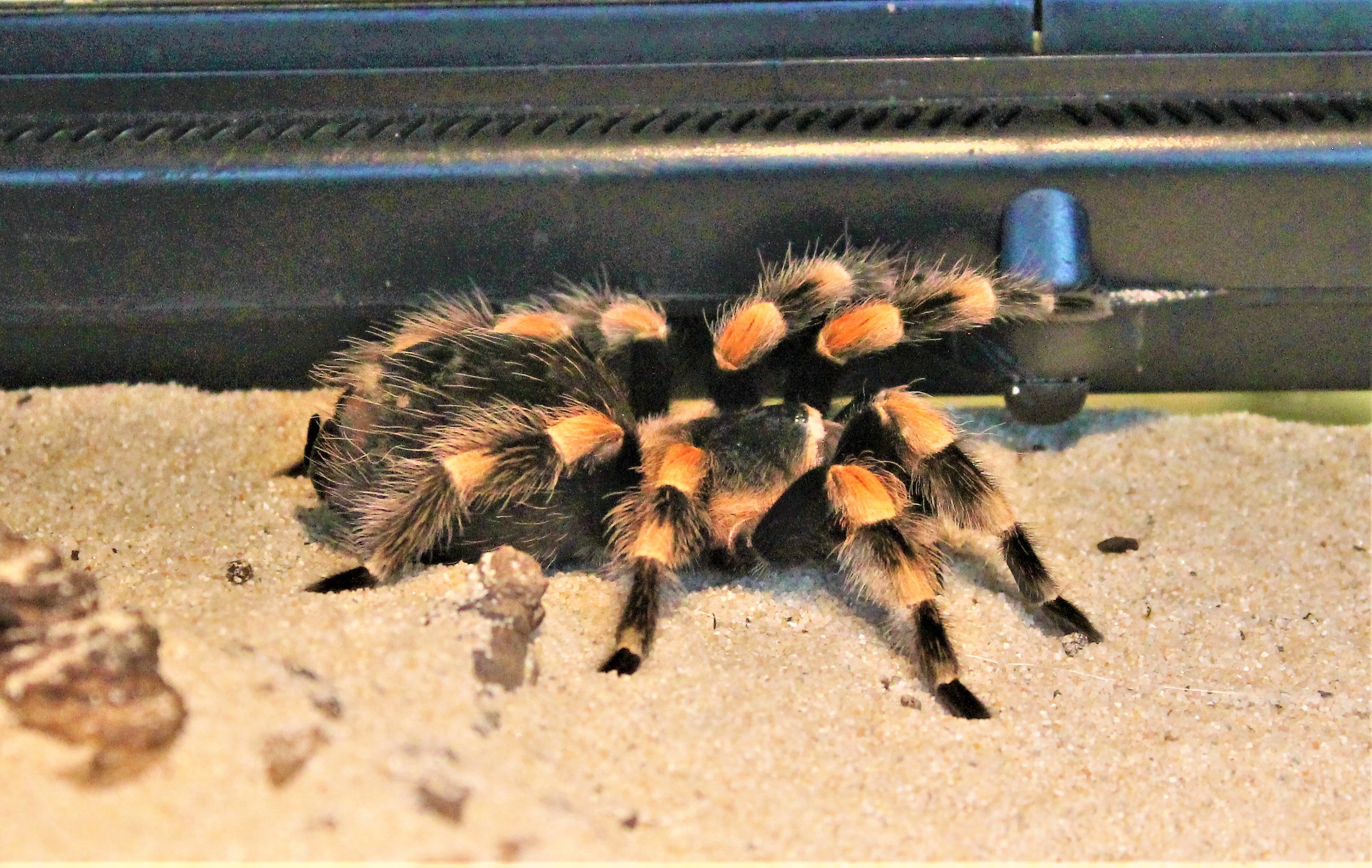
Mexican Red-kneed Tarantula (Brachypelma smithi/hamorii) at the Wellington Zoo by @Chlidonias
Goliath Bird-eating Spider (Theraphosa blondi) by @Chlidonias
Scorpiones
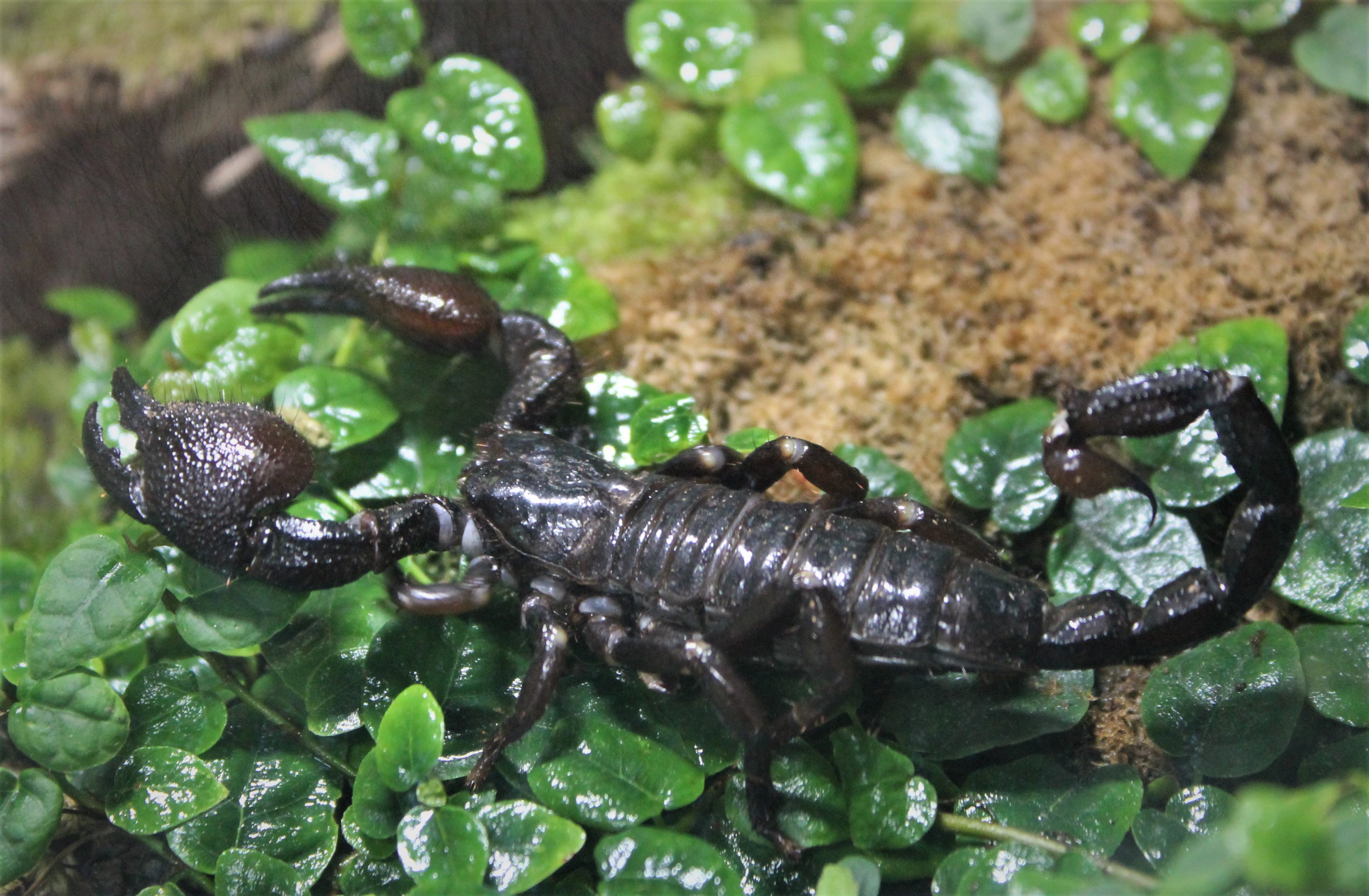
Only one species of scorpion is present in New Zealand zoos and it is the Common Emperor Scorpion at Wellington Zoo which houses every (legal) scorpion in New Zealand with around fifteen or so individuals.
Common Emperor Scorpion (Pandinus imperator) at the Wellington Zoo by @Chlidonias
Mantodea
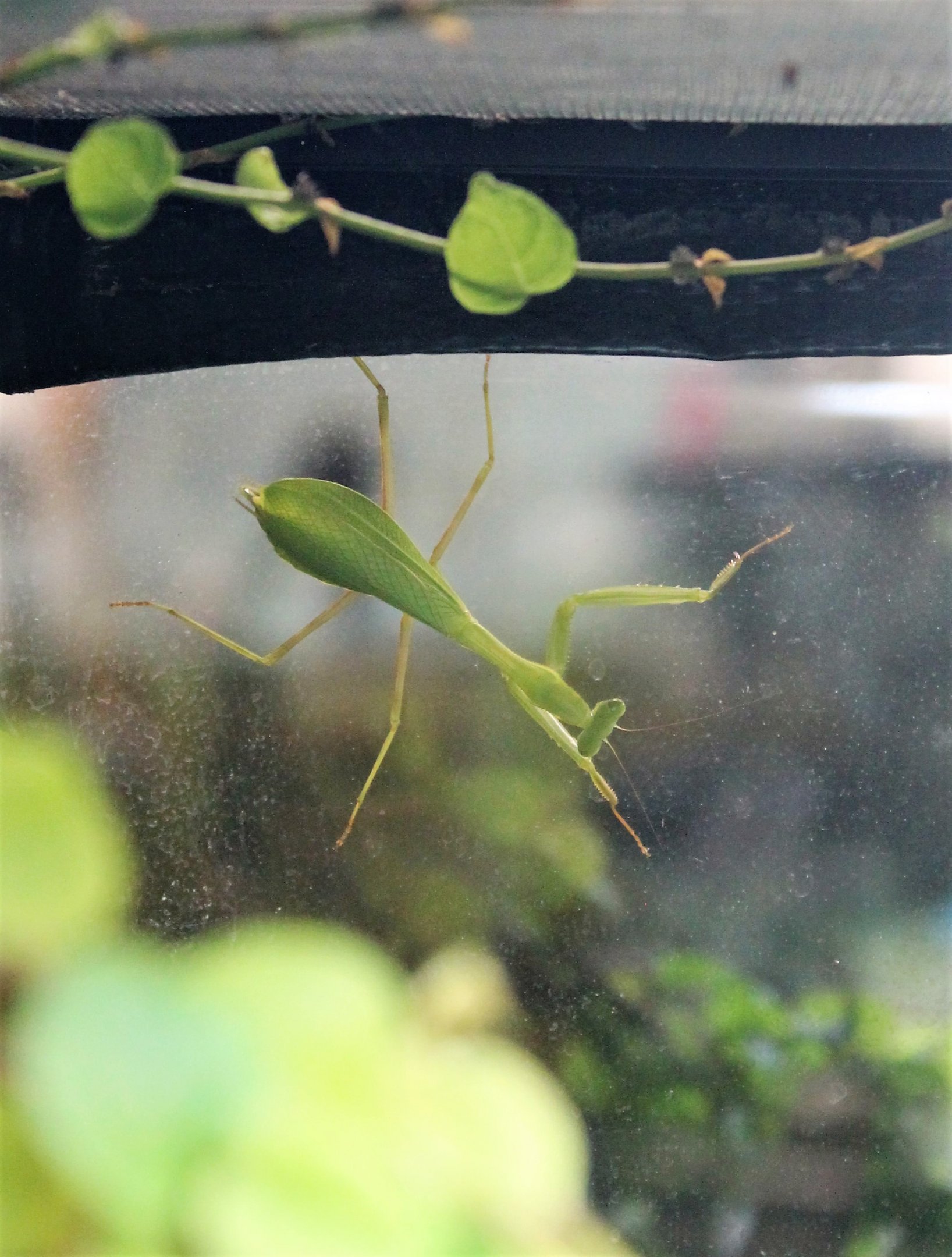
The presence of mantids in zoos in New Zealand is uncertain. Wildlife Foxton Trust had a New Zealand Mantis (Orthodera novaezealandiae) before it closed its doors and Wellington Zoo have/had South African Mantis (also called Springbok Mantis) although the last mention of it was in 2021 when they first acquired them. South African Mantis is also held at the Melbourne Museum in Australia where it is also present as an invasive species.
South African Mantis (Miomantis caffra) at the Wellington Zoo by @Chlidonias
Phasmatodea
The stick insects are represented by just one species in New Zealand Zoos, that being the charismatic Goliath Stick Insect of Australia. Wellington and Auckland both hold this species.
Goliath Stick Insect (Eurycnema goliath) at the Auckland Zoo by @WhistlingKite24
Orthoptera
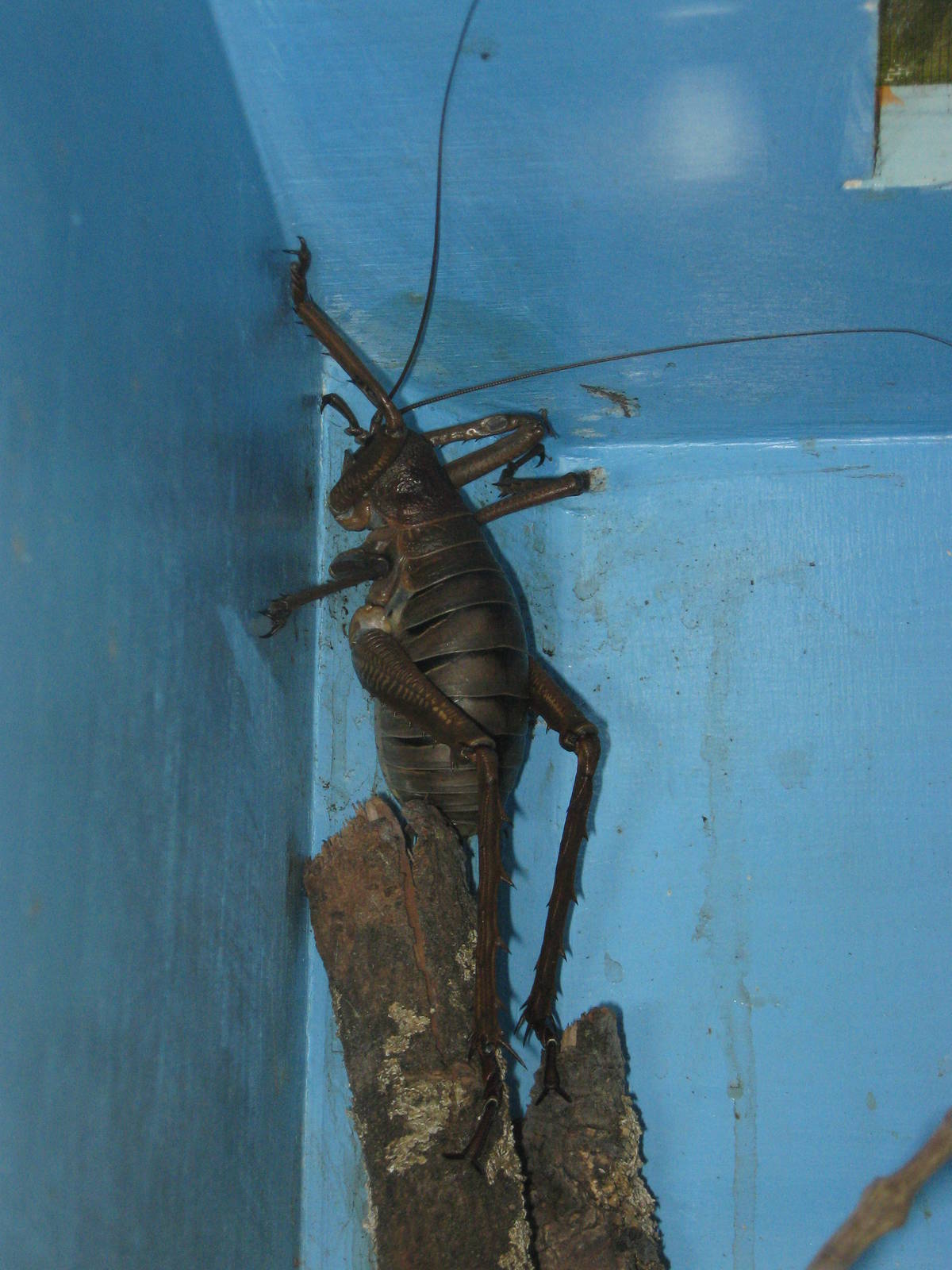
The only species of Orthoptera held in New Zealand zoos are of course, the native Wētā. Wētā are seldom held and make poor display animals due to their secretive habits and preference for nocturnal enclosures thus are usually either off display or very hard to see. Currently, Auckland Zoo has Wētāpunga, Butterfly Creek also had this species but all animals were released, other collections may also have them. Wellington Zoo had Wellington Tree Wētā (Hemideina crassidens), Wildlife Foxton Trust had a Tree Wētā species before it closed. Ōtorohanga Kiwi House have an off-show breeding program for the Mahoenui Giant Wētā (Deinacrida mahoenui). There may also be various Cave Wētā species held at museums or nature centres.
Wētāpunga (Deincida heteracantha) at Butterfly Creek by @Chlidonias
Summary and Thoughts
New Zealand’s terrestrial invertebrate fauna in zoos only comprises a mere six orders and some fifteen species. Other than terrestrial species there are also the two native crayfish species that are widely held across the country as well as some ten or so species of butterfly kept at Butterfly Creek along with various marine taxa. Invertebrates clearly aren’t at the forefront of the minds of New Zealand zoos due to firstly, a lack of supply. New Zealand’s native species, with the exception of a few, are not suited towards life in captivity and either have specialised care requirements or are poor display animals and exotic species are few and far between and not worth the painstaking import process. The second issue is one that zoos all around the world face and that is a lack of interest, why put a lot of time, effort and money into invertebrates when most guests will just walk past them.
Invertebrate Exhibitry 101
I’ve always been fascinated by invertebrate exhibits, ever since I was a little kid. I’d say a big part of that has to do with Melbourne Museum’s spectacular Bugs Alive! with its strange shaped terrariums, open air spider exhibit and informative live and dead displays of invertebrates but the most important aspect of it, what really got me hooked was the sense of wonder and exploration it instilled in me. Although never having visited it myself, I’d imagine that Wellington, who are the clear leader in this space and their ‘superhero’ theme with its spectacular artwork, could also bring out the same in a child, invertebrate exhibitry and theming should be creative, it should be fun and it should be educational. A ‘backyard to bush’ style exhibit with Tree Wētā, a native Stick Insect species and New Zealand Mantis would create a cool little slice of the garden into a guests eyes and potentially inspire them to plant natives. Or even a dark cave with Cave Wētā, Giant Wētā, reptiles and fish with fake glow-worms lighting up the path to create a spooky, atmospheric feel. Even with so few options, the possibilities are endless.
Anyway, thanks for reading, if you’d like to see a similar thread for native freshwater fish let me know, I’ve been doing a bit of a deep dive into the more niche aspects of New Zealand fauna recently.
Diplopoda
There is just one species of millipede in New Zealand Zoos, that being the African Giant Millipede at Wellington Zoo.
African Giant Millipede (Archispirostreptus gigas) at the Wellington Zoo by @Chlidonias
Araneae
The most well represented group of terrestrial invertebrates displayed in New Zealand zoos are spiders, specifically tarantulas with at least four zoos and seven species of Tarantula held across the country. Auckland Zoo have/had Australian Redback Spider (Latrodectus hasselti) and Social Huntsman Spider (Delena cancerides) although I am unsure if they still do.
My theory as to why tarantulas are the most well represented and why they are more well represented than they are in Australia is that because New Zealand has no large, native spiders that are fit for public display, zoos would go through the effort and documents required to obtain one, whereas in Australia there are other alternatives available that do not require such paperwork or effort such as huntsmans, golden orb weavers and native tarantulas.
Andean Striped-knee Tarantula (Lasiodorides striatus) at Ti Point Reptile Park by @Zoofan15
Chilean Rose Tarantula (Grammostola rosea) at Butterfly Creek by @Zoofan15
Brazilian Black Tarantula (Grammostola pulchra) at the Wellington Zoo by @Cassidy Casuar
Brazilian Black Tarantula (Grammostola pulchra)
This photograph was captured on the 29th of April 2025.
Mexican Red-kneed Tarantula (Brachypelma smithi/hamorii) at the Wellington Zoo by @Chlidonias
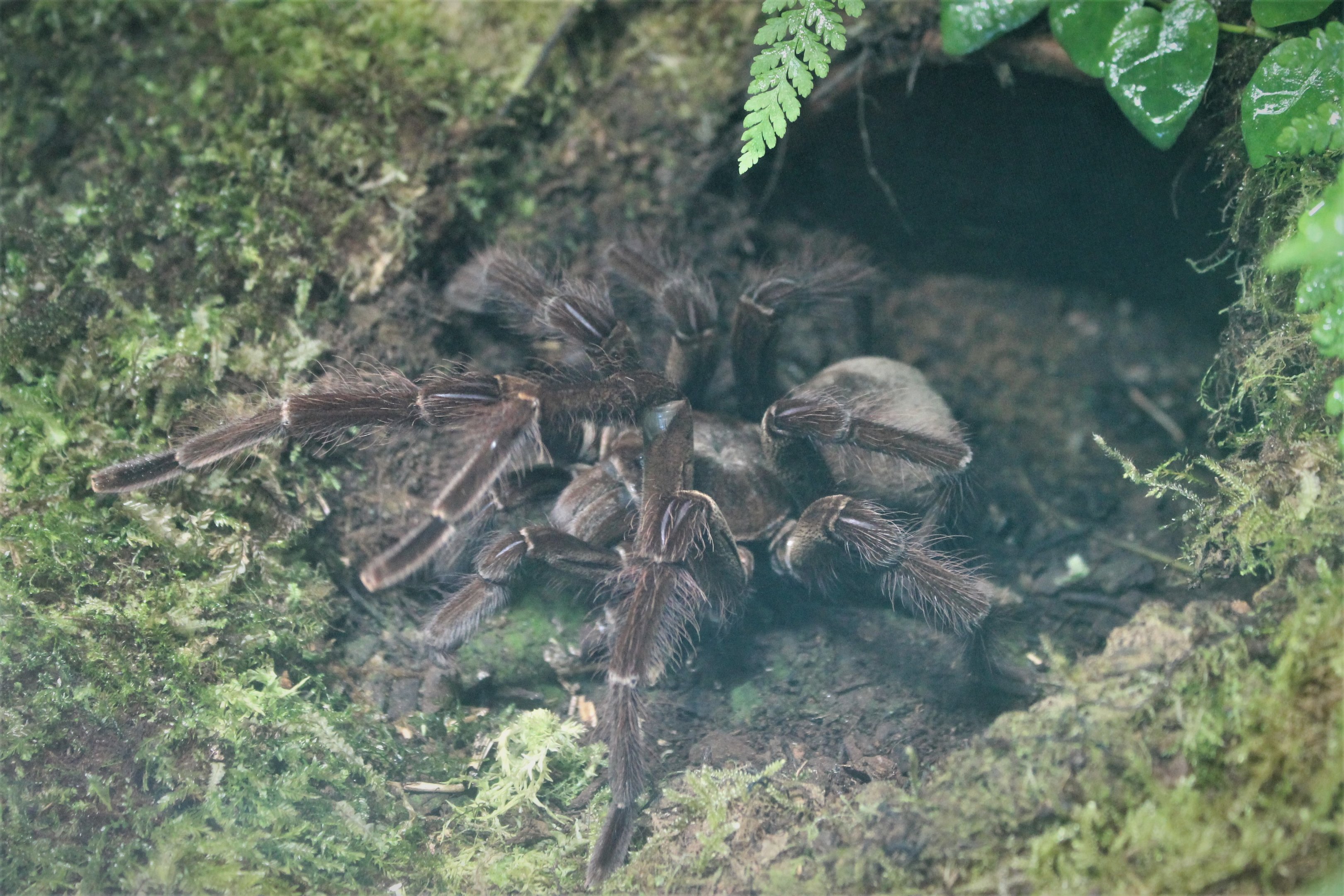
Goliath Bird-eating Spider (Theraphosa blondi) by @Chlidonias
Scorpiones
Only one species of scorpion is present in New Zealand zoos and it is the Common Emperor Scorpion at Wellington Zoo which houses every (legal) scorpion in New Zealand with around fifteen or so individuals.
Common Emperor Scorpion (Pandinus imperator) at the Wellington Zoo by @Chlidonias
Mantodea
The presence of mantids in zoos in New Zealand is uncertain. Wildlife Foxton Trust had a New Zealand Mantis (Orthodera novaezealandiae) before it closed its doors and Wellington Zoo have/had South African Mantis (also called Springbok Mantis) although the last mention of it was in 2021 when they first acquired them. South African Mantis is also held at the Melbourne Museum in Australia where it is also present as an invasive species.
South African Mantis (Miomantis caffra) at the Wellington Zoo by @Chlidonias
South African Mantis (Miomantis caffra)
01 November 2021 - not an easy position for photography, so the photo is heavily cropped and...
Phasmatodea
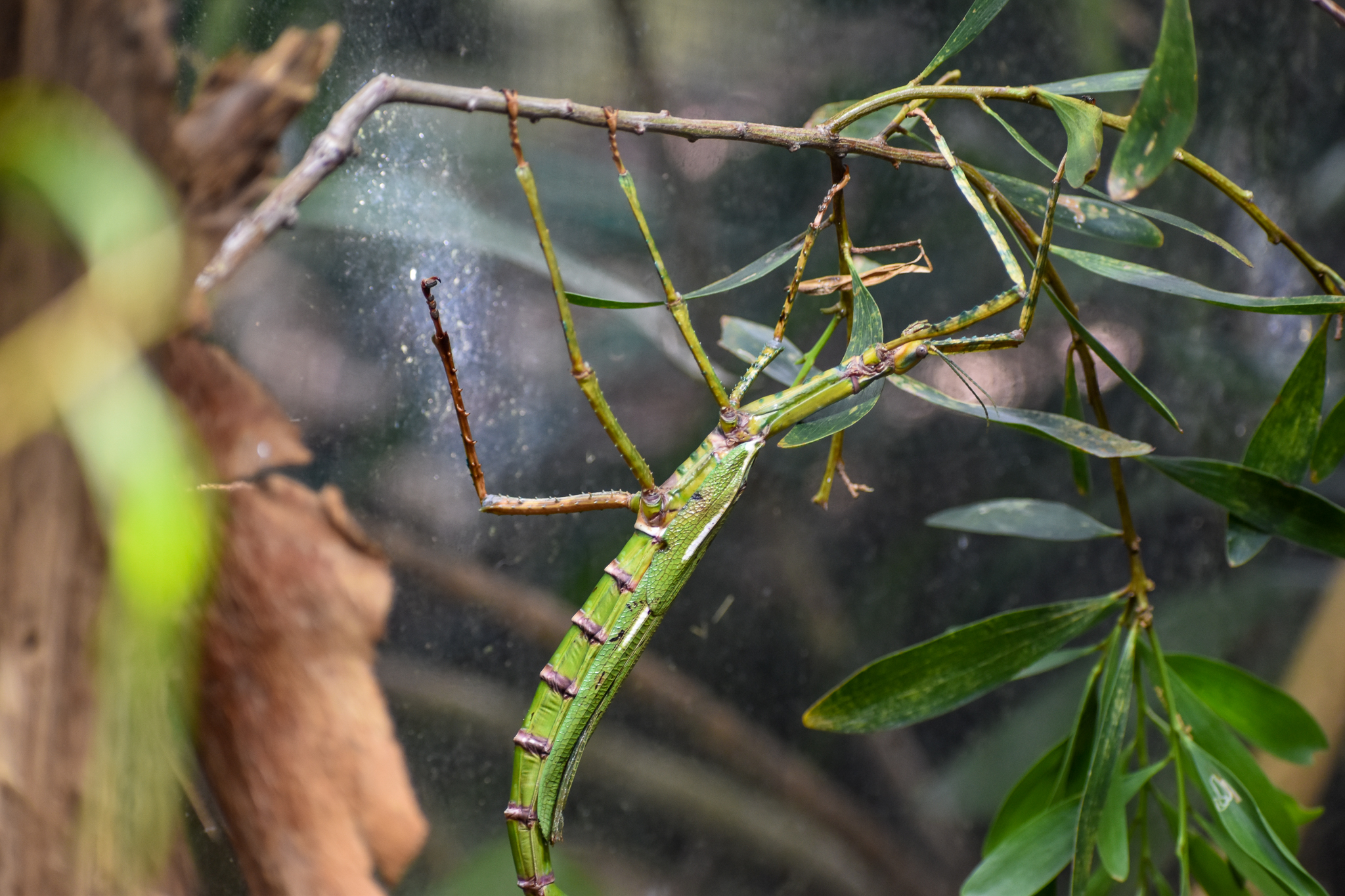
The stick insects are represented by just one species in New Zealand Zoos, that being the charismatic Goliath Stick Insect of Australia. Wellington and Auckland both hold this species.
Goliath Stick Insect (Eurycnema goliath) at the Auckland Zoo by @WhistlingKite24
Orthoptera
The only species of Orthoptera held in New Zealand zoos are of course, the native Wētā. Wētā are seldom held and make poor display animals due to their secretive habits and preference for nocturnal enclosures thus are usually either off display or very hard to see. Currently, Auckland Zoo has Wētāpunga, Butterfly Creek also had this species but all animals were released, other collections may also have them. Wellington Zoo had Wellington Tree Wētā (Hemideina crassidens), Wildlife Foxton Trust had a Tree Wētā species before it closed. Ōtorohanga Kiwi House have an off-show breeding program for the Mahoenui Giant Wētā (Deinacrida mahoenui). There may also be various Cave Wētā species held at museums or nature centres.
Wētāpunga (Deincida heteracantha) at Butterfly Creek by @Chlidonias
Summary and Thoughts
New Zealand’s terrestrial invertebrate fauna in zoos only comprises a mere six orders and some fifteen species. Other than terrestrial species there are also the two native crayfish species that are widely held across the country as well as some ten or so species of butterfly kept at Butterfly Creek along with various marine taxa. Invertebrates clearly aren’t at the forefront of the minds of New Zealand zoos due to firstly, a lack of supply. New Zealand’s native species, with the exception of a few, are not suited towards life in captivity and either have specialised care requirements or are poor display animals and exotic species are few and far between and not worth the painstaking import process. The second issue is one that zoos all around the world face and that is a lack of interest, why put a lot of time, effort and money into invertebrates when most guests will just walk past them.
Invertebrate Exhibitry 101
I’ve always been fascinated by invertebrate exhibits, ever since I was a little kid. I’d say a big part of that has to do with Melbourne Museum’s spectacular Bugs Alive! with its strange shaped terrariums, open air spider exhibit and informative live and dead displays of invertebrates but the most important aspect of it, what really got me hooked was the sense of wonder and exploration it instilled in me. Although never having visited it myself, I’d imagine that Wellington, who are the clear leader in this space and their ‘superhero’ theme with its spectacular artwork, could also bring out the same in a child, invertebrate exhibitry and theming should be creative, it should be fun and it should be educational. A ‘backyard to bush’ style exhibit with Tree Wētā, a native Stick Insect species and New Zealand Mantis would create a cool little slice of the garden into a guests eyes and potentially inspire them to plant natives. Or even a dark cave with Cave Wētā, Giant Wētā, reptiles and fish with fake glow-worms lighting up the path to create a spooky, atmospheric feel. Even with so few options, the possibilities are endless.
Anyway, thanks for reading, if you’d like to see a similar thread for native freshwater fish let me know, I’ve been doing a bit of a deep dive into the more niche aspects of New Zealand fauna recently.




 ️ How can you be scared of these beauties once you’ve seen their morning routine?! We have lots of different species at Te Nukuao Wellington Zoo, including the Bolivian Blue Leg, Brazilian Black, Peruvian Striped Leg, Chilean Rose, Goliath Bird Eater, and Mexican Red Knee. Here is just a little slice of what they get up to... If you want to see them up close, you can book into our Minibeasts Close Encounters at the link here: https://www.wellingtonzoo.com/visit/plan-your-day/things-to-do/close-encounters/minibeasts. Here’s to another day of appreciating all animals, big or small! ️ Keeper Kate #Tarantula #SpidersofInstagram #WorldTarantulaDay #TeNukuaoWellingtonZoo #DIML #Spiders #Wellington | Wellington Zoo Te Nukuao