The Aviculture Thread

Sarus Crane

Well-Known Member
5+ year member
For those of us who really love birds lets see what species of birds you’d love to have in an aviary or series of aviaries if you could! Here are mine for now based on what species I could find are in aviculture:

Amazon Themed Aviary
Orinoco Goose
Rosy Billed Pochard
Cinnamon Teal
Brazilian Teal
Scarlet Ibis
Wattled Jacana
Yellow Knobbed Curassow
Grey Winged Trumpeter
Hawk Headed Parrot
Amazonian Motmot
Pompadour Cotinga
Spangled Cotinga
Blue Grey Tanager
Yellow Rumped Cacique

Argentina Themed Aviary
Ashy Headed Goose
Southern Wigeon
Red Shoveler
Rosy Billed Pochard
Chilean Flamingo
Maguari Stork
Black Faced Ibis
Peruvian Thick Knee
Southern Lapwing
Inca Tern
Austral Parakeet

African Rift Valley Themed Aviary
Maccoa Duck
Yellow Billed Duck
Lesser Flamingo
African Spoonbill
Grey Crowned Crane
Spotted Thick Knee
Crowned Lapwing
Egyptian Plover
Ross’s Turaco
Bruce’s Green Pigeon
Blue Bellied Roller

French Camargue Themed Aviary
Red Crested Pochard
Gadwall
Eurasian Spoonbill
Northern Lapwing
Black Winged Stilt
Common Redshank
Ruff
European Roller
Bearded Reedling

Southeast Asian Themed Aviary
Radjah Shelduck
Plumed Whistling Duck
Masked Lapwing
Mountain Peacock Pheasant
Crested Wood Partridge
Victoria Crowned Pigeon
Thick Billed Ground Pigeon
Nicobar Pigeon
Jambu Fruit Dove
Pink Headed Fruit Dove
 
I currently have the following as indoor pets in a fairly spacious sun room where they are able to fly most of the time:

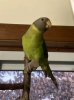
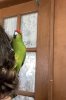
red-crowned kakariki
plum-headed parakeet
white-winged parakeet
budgerigar
cockatiel
fischer's lovebird
scarlet-chested parakeet
domestic canary
nutmeg manakin
java sparrow
society finch
English zebra finch
barbary dove
diamond dove
domestic pigeon

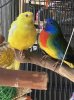
My elegant parrot Neophema elegans, a yellow mutation bird which was acquired as a severely neglected bird from a previous owner, passed away this year. I have also kept king quail, bourke parrots, pacific parrotlets, and a lot of other Estrildid finches in the past.
IMG_3468.jpg IMG_9130.jpg IMG_8903.jpg
 

Attachments

  • IMG_3468.jpg
    IMG_3468.jpg
    105.7 KB · Views: 174
  • IMG_9130.jpg
    IMG_9130.jpg
    65.9 KB · Views: 178
  • IMG_8903.jpg
    IMG_8903.jpg
    62 KB · Views: 181
I would err on the side of caution in regards to the macaws because there is too much potential for them to produce sterile and intergenus hybrids (although they are quite pretty birds). That aside, it's quite refreshing to see them get the flying space they deserve.
 
Other than Pinola Aviary are there any other private flamingo breeders in the US??? Also, compared to other large birds (pelicans, hamerkops, herons, ibises, spoonbills, storks, cranes) are flamingos less expensive to keep since they only eat Mazuri flamingo diet compared to smelt and capelin like other waders? I'd love to have a small flock of about 5.5 Lessers one day housed in an aviary. I'm guessing Lessers are more inexpensive since they aren't as big as the other species. Plus, they're not on the MBTA list.
 
I had the privilege to visit an older gentleman and friend in South Louisiana yesterday, he has drastically downsized his collection in recent years, but still maintains a decent breeding group of exotic doves, quail, and finches. I got to see some of my favorite birds up close and personal, breeding in a private collection, namely Luzon and Mindanao Bleeding Heart Doves.

I could write an article on the short time I spent with this man yesterday, but I can only imagine the books he could author on the history of US aviculture. Sitting around this breeding facility just hearing him tell stories from the past, and realizing that at one point in time over the past sixty years a bird representing almost every genus in captive care had resided in this collection of flights in the Louisiana Bayou. Hearing him tell stories of keeping and breeding turacos and currasows and everything in between made me realize just how important private collections were and still are to zoological institutions, so often overlooked today, the private side of this industry is where so many species thrived before ever going to the public eye at zoos. He had a working relationship with dozens of zoological institutions at the height of his career, and even now you can rarely finish a story between calls from all corners of the country and in some cases the globe asking this guy where to find this, what's going on with that, or advice on the care of something.

I hope that more young people who are interested in the captive care of exotic wildlife take the time to go sit in the shadows of where history was made and listen to the stories told by those who made it. Connecting with these folks is an invaluable resource; the knowledge they have forgotten is equivalent to more than many of us will ever know.
 
Back
Top