South Africa has an unfortunately short and unprosperous history with okapi. The country only ever saw four animals, all of which are, unfortunately, no longer present.
Similarly to the thread about the history of the bongo in South Africa, this shorter thread will follow the events leading to the import of the first okapi to the death of the final male. Most of the information was gathered from former Pretoria Zoo Director Willie Labuschagne's memoir, Of Beast and Man.
The first okapis in South Africa were kept as far back as 1956 when a pair was imported from the Congo to Pretoria Zoo. Unfortunately, neither survived long, and both died just a few months after their arrival in 1957.
The main driving force behind bringing okapis to South Africa again was one man: Willie Labuschagne. An extremely passionate zoo director and enthusiast, who even served as president of WAZA at one time, Labuschagne spearheaded most of the importations of rare and endangered wildlife to Pretoria Zoo. He wrote in his book, Of Beast and Man, that okapi had always been a dream animal for him. However, the cost of the monthly conservation fees and the scarcity of okapis made it an almost impossible task to get them to South Africa.
Fortunately, in the early 2000s, Pretoria Zoo was informed of two surplus male okapis at the San Diego Zoo Safari Park. They then reached out to the studbook keeper to express their interest in the two males. Ann Petric, the then-okapi studbook holder, was invited to South Africa and given a tour of the zoo and its game breeding centres.


The Zoo's okapi enclosure was truly top class and one of the best in the world. It had a area of around 5600 square meters (60 300 square feet)
After the visit, the studbook approved the transfer, and the import could proceed.
The monthly conservation fees for holding okapi would have made it impossible for them to be housed in South Africa due to the weak South African Rand. To address this, Pretoria Zoo was exempted from paying the fees.
A grand enclosure was constructed, fitted with a state-of-the-art stable and a very large forested yard, perfect for the two okapis, who finally arrived in 2006.

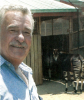
Willie Labuschagne with his praised Okapis shortly after their arrival in 2006. (Credit: Plus50 Magazine, Volume: January/February 2007)
1.0 Melaku and 1.0 Shamba arrived at Pretoria Zoo on the 9th of October, 2006. Unfortunately, after Labuschagne left the zoo, later management never pursued acquiring females. Melaku died in 2015, followed by Shamba in 2022. Melaku never sired any calves, though Shamba sired two calves via in vitro fertilization in Europe.
While Okapi are present in Pretoria's 2021 collection Plan, their enclosure has become occupied by Roan Antelope, which may indicate a shift in priorities.

The Okapi were a fan favourite at the Zoo and often used in the zoo's promotional material. It would be incredibly advantageous for the zoo to invest in attaining this species again. (Credit: Facebook / National Zoological Garden)
Similarly to the thread about the history of the bongo in South Africa, this shorter thread will follow the events leading to the import of the first okapi to the death of the final male. Most of the information was gathered from former Pretoria Zoo Director Willie Labuschagne's memoir, Of Beast and Man.
The first okapis in South Africa were kept as far back as 1956 when a pair was imported from the Congo to Pretoria Zoo. Unfortunately, neither survived long, and both died just a few months after their arrival in 1957.
The main driving force behind bringing okapis to South Africa again was one man: Willie Labuschagne. An extremely passionate zoo director and enthusiast, who even served as president of WAZA at one time, Labuschagne spearheaded most of the importations of rare and endangered wildlife to Pretoria Zoo. He wrote in his book, Of Beast and Man, that okapi had always been a dream animal for him. However, the cost of the monthly conservation fees and the scarcity of okapis made it an almost impossible task to get them to South Africa.
Fortunately, in the early 2000s, Pretoria Zoo was informed of two surplus male okapis at the San Diego Zoo Safari Park. They then reached out to the studbook keeper to express their interest in the two males. Ann Petric, the then-okapi studbook holder, was invited to South Africa and given a tour of the zoo and its game breeding centres.
The Zoo's okapi enclosure was truly top class and one of the best in the world. It had a area of around 5600 square meters (60 300 square feet)
After the visit, the studbook approved the transfer, and the import could proceed.
The monthly conservation fees for holding okapi would have made it impossible for them to be housed in South Africa due to the weak South African Rand. To address this, Pretoria Zoo was exempted from paying the fees.
A grand enclosure was constructed, fitted with a state-of-the-art stable and a very large forested yard, perfect for the two okapis, who finally arrived in 2006.
Willie Labuschagne with his praised Okapis shortly after their arrival in 2006. (Credit: Plus50 Magazine, Volume: January/February 2007)
1.0 Melaku and 1.0 Shamba arrived at Pretoria Zoo on the 9th of October, 2006. Unfortunately, after Labuschagne left the zoo, later management never pursued acquiring females. Melaku died in 2015, followed by Shamba in 2022. Melaku never sired any calves, though Shamba sired two calves via in vitro fertilization in Europe.
While Okapi are present in Pretoria's 2021 collection Plan, their enclosure has become occupied by Roan Antelope, which may indicate a shift in priorities.
The Okapi were a fan favourite at the Zoo and often used in the zoo's promotional material. It would be incredibly advantageous for the zoo to invest in attaining this species again. (Credit: Facebook / National Zoological Garden)