
You are using an out of date browser. It may not display this or other websites correctly.
You should upgrade or use an alternative browser.
You should upgrade or use an alternative browser.
The Meme Thread
- Thread starter Ebirah766
- Start date





Attachments



Attachments


Dr. Wolverine
Well-Known Member
yeah, been in one of those. It’s fun until they drool on you.




Attachments


Dr. Wolverine
Well-Known Member





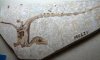
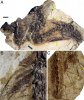
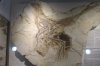
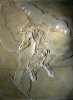
To be fair, we don't always know which dinosaurs had feathers and which ones didn't. It's basically just a guess either way.

To be fair, we don't always know which dinosaurs had feathers and which ones didn't. It's basically just a guess either way.

Except

the

ones

we

know

that

did.
Attachments
-
 upload_2024-4-11_12-23-14.png1.1 MB · Views: 137
 -
 upload_2024-4-11_12-23-25.jpeg134 KB · Views: 134
 -
 upload_2024-4-11_12-23-34.jpeg129.1 KB · Views: 136
 -
 upload_2024-4-11_12-23-49.jpeg151.2 KB · Views: 139
 -
 upload_2024-4-11_12-24-0.jpeg144.2 KB · Views: 138
 -
 upload_2024-4-11_12-24-27.png1 MB · Views: 140
 -
 upload_2024-4-11_12-24-38.jpeg104.9 KB · Views: 138

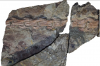
This is like saying “we don’t have very much data about the surface of the other planets in the solar system , so I’m going to assume they’re covered in aliens.” It’s true that when a science is still developing a dearth of data can lead to misunderstandings, and palaeontology is not done developing yet, but we can infer a huge amount from surprisingly less data. We didn’t need to scour every inch of Venus and Mars to realise they were devoid of major life forms, and we don’t need skin fossils from every dinosaur to say what kind of skin they had. Three different tools allow us to infer intregument: phylogenetic bracketing, model king of thermoregulation, AND skin impressions.To be fair, we don't always know which dinosaurs had feathers and which ones didn't. It's basically just a guess either way.
I am well aware we know that some dinosaurs had feathers. But for most species, we simply don't know. It's still debated even for species as iconic as T. rex.

cornu aspersum
Well-Known Member
I'm probably wrong but I thought the consensus was the t rex may have light downy feathers on some places but it won't look like a bird since too much feathering on such a large creature may lead it overheat especially in a warmer region.I am well aware we know that some dinosaurs had feathers. But for most species, we simply don't know. It's still debated even for species as iconic as T. rex.