The population of dhole at worldwide zoos today

dt644

Well-Known Member
5+ year member
First of all, dhole is an animal that has been forgotten by Koreans today, but it was a big pillar of the Korean Peninsula's ecosystem. Many tigers and leopards lived on the Korean Peninsula, and it is believed that wolves began to flow from the continent after hunting began to reduce the number of tigers. In this regard, I think dhole and red fox was the most common wild canids on the Korean Peninsula before the wolf came in.

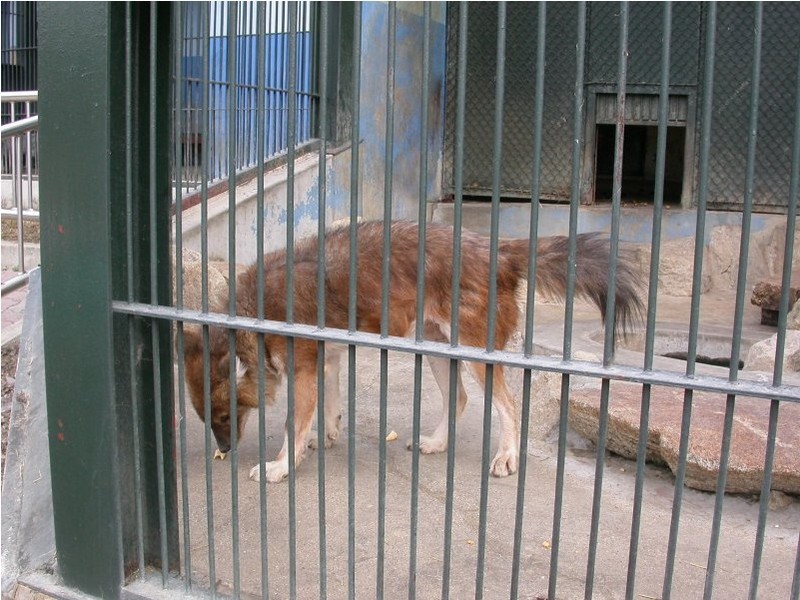
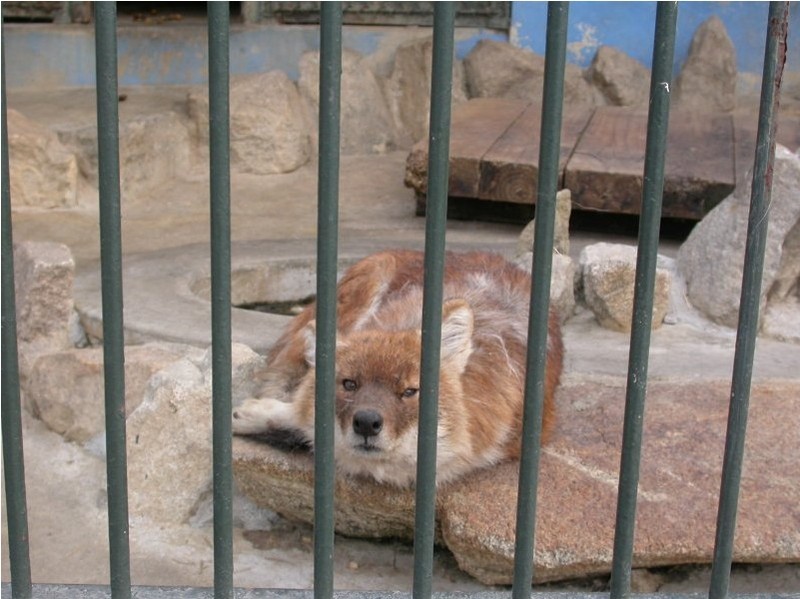
But there are currently no dhole in any zoo in Korea, as I have told Koreans that dhole is a forgotten animal. Photographic data are only confirmed that a pair of dholes were kept at the Cheongju Zoo, which opened in 1997.

1122454027-m.jpg


1122453966-m.jpg


1122453886-m.jpg


The only pictures of the Cheongju Zoo's dhole on the Internet.
source is this site.
In this situation, I would like to find out the number of dholes in zoos around the world to solve my personal curiosity and make it available for reference if the Korean zoo tries to reintroduce dhole. If you have any information you know, please provide that.
 
I know San Diego Zoo Safari Park, Bronx Zoo, and The Wilds have them here in the states, but I'm not sure of the numbers held. I think another facility or two has them but I can't think who at the moment.
 
Most large and many smaller zoos in India hold the species in fair numbers, including packs at Mysore, Madras, and at my local zoo. They are much rarer in the wild I am afraid. There is a inventory of all animals in Indian zoos available on the Internet, but it is outdated, so I won’t link it unless you wish. You can find out how many dholes were held as if 2018.
 
Most large and many smaller zoos in India hold the species in fair numbers, including packs at Mysore, Madras, and at my local zoo. They are much rarer in the wild I am afraid. There is a inventory of all animals in Indian zoos available on the Internet, but it is outdated, so I won’t link it unless you wish. You can find out how many dholes were held as if 2018.
Old data is fine. I'd appreciate it if you could provide it.

And I ask this question because you live in India, the dhole in India seem to be different from the ones in the other countries zoo? I think the india's dholes and other countries dholes somewhat different in terms of fur color and length. But I'm not sure because I've never seen any dhole.
 
I know Yokohama Zoorasia have them,in fact it is my only time of seeing this species. I also think Hangzhou have them but I'm not sure.

Check out zootierliste for European holders.
 
I know Yokohama Zoorasia have them,in fact it is my only time of seeing this species. I also think Hangzhou have them but I'm not sure.

Check out zootierliste for European holders.
Checked on the JAZA website, it seems that in Japan, only zoorasia now has a dhole, and the number is around two to three.

I forgot about zootierliste, thanks for letting me know. It turns out that quite a few places, including Budapest, which HungarianBison told, have dholes.
 
It would be interesting to check the origin of dholes in Western zoos, and eventually start with pure subspecies.
 
Minnesota Zoo also has dhole. I think Smithsonian might have them at the Conservation Institute?

Toronto had them a decade ago.
 
Old data is fine. I'd appreciate it if you could provide it.

And I ask this question because you live in India, the dhole in India seem to be different from the ones in the other countries zoo? I think the india's dholes and other countries dholes somewhat different in terms of fur color and length. But I'm not sure because I've never seen any dhole.
Maybe different sub populations? I use the word as there are multiple subspecies and I don’t know how pure the captive population is.
Here’s the link: http://cza.nic.in/uploads/documents/inventory/Annualinventory1718.pdf
There are seven holdings, Chennai, Mysore, Bangalore, Visakhapatnam, Tirupati, Rangapahar and Aizwal. Most have pairs but Mysore and Aizwal have small packs of 6 to 8 and Visakhapatnam has 35!
 
Maybe different sub populations? I use the word as there are multiple subspecies and I don’t know how pure the captive population is.
Here’s the link: http://cza.nic.in/uploads/documents/inventory/Annualinventory1718.pdf
There are seven holdings, Chennai, Mysore, Bangalore, Visakhapatnam, Tirupati, Rangapahar and Aizwal. Most have pairs but Mysore and Aizwal have small packs of 6 to 8 and Visakhapatnam has 35!
Note that these numbers are old. Bannerghatta Bio Park in Bangalore, my local zoo, has gone from 1.1 to a small pack, and I wouldn’t be surprised if some of the other zoos did as well.
 
I believe Haute-Touche Reserve in France has one of the biggest pack in Europe with more than 25 animals. They breed for more than 10 years. Really interesting to watch them live together.
 
Can we have a breakdown to subspecies level?
I know he Eastern lepturus and the Ussuri alpinus are probably dominant in most Indo-European collections. Dhole in India would be the western Asiatic adjustus?
 
Can we have a breakdown to subspecies level?
I know he Eastern lepturus and the Ussuri alpinus are probably dominant in most Indo-European collections. Dhole in India would be the western Asiatic adjustus?
I guess so.

I think It is difficult to find detailed research on dholes. I don't even know if there's a study yet that compares northern subspecies and southern subspecies. And I think that if subspecies of dhole such as those published in wikipedia were valid, many dholes in the zoos today are likely to be hybridized.
 
Back
Top