Things people do that irritate you when you go to the zoo? #2

That is a very inspirational story! I too am surprised they listened, but I guess it makes sense. The kids likely acted the way they did because they were completely comfortable around their mother. In contrast, they would likely be less inclined to test the boundaries of an imposing stranger who they are completely unfamiliar and uncomfortable with. Next time I find an annoying crowd of children at a zoo, I will test out your technique.

It’s similar to when you’re at a theme park and you see someone cut the line. They know what they’re doing is wrong and will usually back down very quickly if challenged. I won’t hesitate to tell someone to get to the back of the line if it’s going to impact my wait time.

As in any situation, I’d urge all users to use commonsense when tackling challenging behaviour. Be firm, but calm. Don’t be threatening or confrontational (the aim is to diffuse rather than escalate); and don’t put yourself in a situation where you could be putting your safety at risk.

In some cases, people are open to hearing an explanation and can learn from the experience e.g. you’re more likely to see the Fishing cat if you don’t attempt to break the sound barrier while standing outside it’s exhibit.
 
When I was at Zoo Antwerpen earlier this week, in the reptile house I overheard a mother telling her child that reptiles and amphibians are filthy animals that you shouldn't want to have anything to do with or be interested in.

Seriously, are we still teaching this kind of idiotic and damaging prejudice to children? Even parents of the millenial generation?

Hard to be at all optimistic about the future of nature if these kinds of attitudes seem to be so societally ingrained.
 
When I was at Zoo Antwerpen earlier this week, in the reptile house I overheard a mother telling her child that reptiles and amphibians are filthy animals that you shouldn't want to have anything to do with or be interested in.

Seriously, are we still teaching this kind of idiotic and damaging prejudice to children? Even parents of the millenial generation?

Hard to be at all optimistic about the future of nature if these kinds of attitudes seem to be so societally ingrained.

It would be preferable if parents taught their children to be open minded rather than passing on misinformation; but fortunately, children are remarkably good at thinking for themselves and will ultimately make up their own minds about something.

There’s no shortage of children’s stories portraying wolves as villains, but the children who listen to them grow up and have the nous to think critically about the information they have to hand to make their own judgement.

In your example, we can assume the parent doesn’t have a dislike for zoos in general given she’s taken her child to one. The child might gain an appreciation for the species they were allowed to see on their visit, which long term could lead to a curiosity about reptiles and amphibians - as children realise nature doesn’t end with the barnyard.
 
When I was at Zoo Antwerpen earlier this week, in the reptile house I overheard a mother telling her child that reptiles and amphibians are filthy animals that you shouldn't want to have anything to do with or be interested in.

Seriously, are we still teaching this kind of idiotic and damaging prejudice to children? Even parents of the millenial generation?

Hard to be at all optimistic about the future of nature if these kinds of attitudes seem to be so societally ingrained.
This is actually so sad. I don't give my parents credit too much but while they didn't pretend to love the reptiles they'd always go in the reptile room with me as it was one of my favorite things at the zoo. Not only is this mother's attitude extremely narrow minded and bad for conservation and the children's perception of the natural world, I worry about how damaging it can be to the children. It seems to me that the kids were in fact interested in seeing the reptiles, in which case they must feel so ashamed for having that interest. My heart actually breaks for these kids.
 
Hard to be at all optimistic about the future of nature if these kinds of attitudes seem to be so societally ingrained.

True, one encounter does set the example for the whole generation...

If ANYTHING. This generation might just be the most open towards reptiles, amphibians and invertebrate species, just look at the ever growing private trade and market for these animals.

Axolotls, clawed frogs, dart frogs, pacman frogs and pixie frogs are incredible common pets these days. As are species like crested geckos, leopard geckos, bearded dragons, corn snakes and even boa's!

If ANYTHING this one encounter should remind you about the increasing interest into these animals!


Even zoo's aside, how many kids catch frogs when they see them? I still see it happen a lot, I think almost any kid who goes outside has tried to catch frogs if there's any in their area. I don't think they catch frogs cause they would find them to be vile beasts!

herptiles are also gaining immense social media traction, from pets on apps like TikTok or YouTube to memes with cute frogs with hats. Frogs are very popular these days.
As are turtles for similar reason! Or think of the multiple accounts about cute corn snakes or channels like https://www.youtube.com/c/lucasthespider
A YouTube with a little jumping spider as main protagonist in their animations.

So no. I don't think you (or any other ZooChatter) should lose your optimism because of 1 encounter.
 
Last edited:
Number one thing that annoys me is when a parent will push their child up in front of other people, specifically in front of me when I've got my camera out and I've waited patiently to stand where I'm standing. I don't care that your kid is small, wait until I'm done ma'am.

Alternatively, give the kid their 5 seconds they need and then continue on.
 
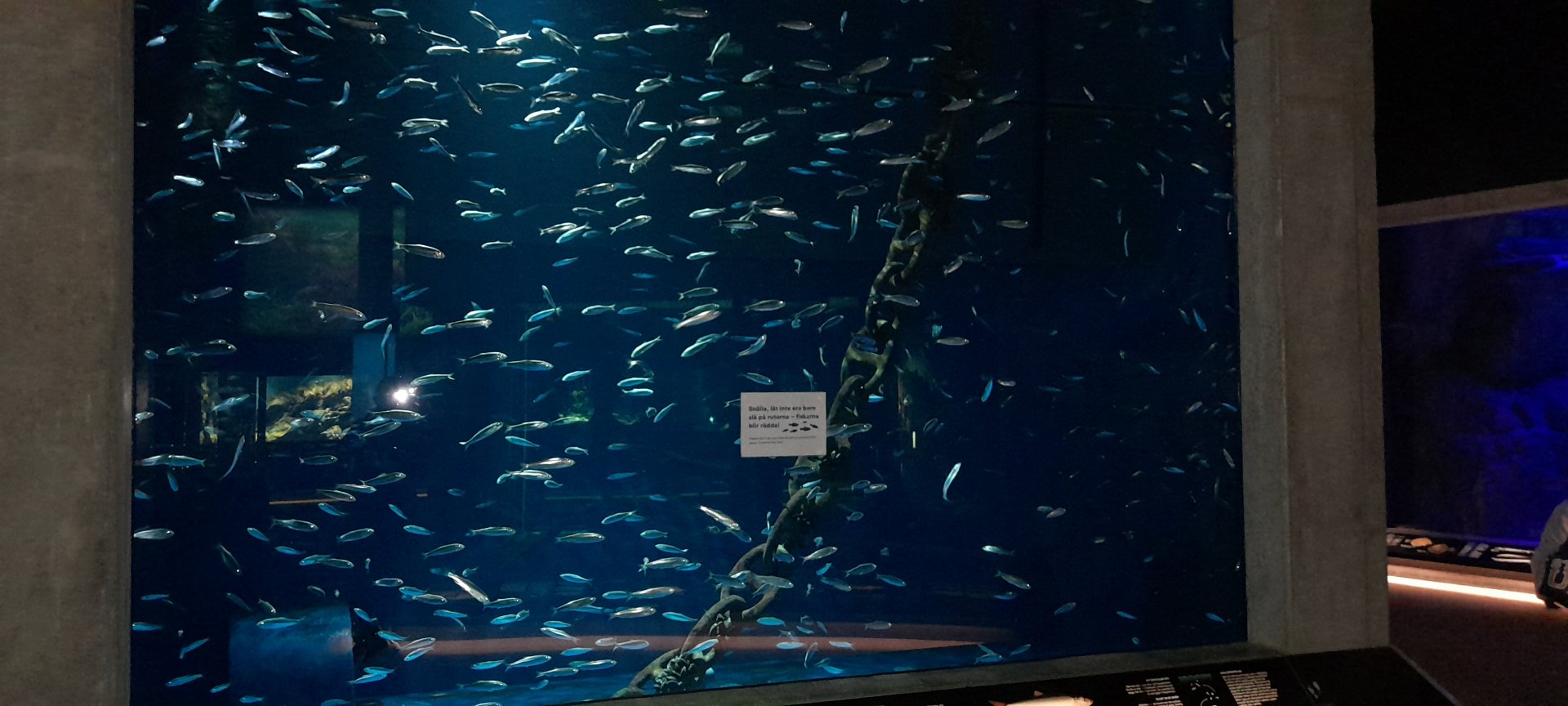
People who say that the animals in a zoo have it bad and that the zoo neglect their animals.When the zoo in fact perfectly accommodates the animals and they are in fact clueless about the habitat,ecology,diet,behaviour etc of said animal.The other day when i was at the zoo, watching the feeding of Atlantic herrings two friends came by and one of them said that she "felt bad for the fish" since accoring to her the tank was to barren.I was about to go on a rant about how she shouldn't speak so negativley of things she clearly knew nothing about.Luckily, a nearby keeper informed her about how that not all fish live in the same environment and that herrings being mostly pelagic fish,a pretty barren tank replicates their natural habitat.
 
I honestly didn't think this was still a thing with grown adults, but last week at Hamerton, this grown adult guy just tapping the window at the tigers constantly, it was ticking me off so bad, but I'm afraid to say anything, because people are so short tempered nowadays I don't want to be crushed with verbal abuse.
Just as I was about to go and find a keeper he stopped.
I wouldn't normally even go find a keeper, but he was doing it for so long, not just one or two taps but for a while.
 
There was a humorous quote on Top Gear (or it may have been The Grand Tour) a while back that the trio would open a pub and it’d be the best pub in the world because nobody would be allowed in. I feel as though a lot of zoochatters jokingly feel the same way about zoos.

I feel like a lot of zookeepers at government funded/non-private zoos would feel the same way. During lockdown, you had management “saying the right thing” about how “super excited” they were to welcome everyone back; but several zookeepers made comments along the lines of how not having visitors gave them more time to focus on the animals - which was no doubt a tactful way of saying how nice it was to do the job they love unhindered by crowds of people.
 
My peeve is a bit petty I'll admit.
Normally when visiting a zoo I love to chat with any keepers or volunteers and get as much detailed information as possible (normally on specific news/plans etc). Normally they are standing by themselves so I make the first move and start chatting with them. It just annoys me when strangers notice us talking and then try to hijack/bully their way into my conversation with a keeper. Normally jumping in with relatively simple/boring questions like "do rhinos eat fruit?". I understand sometimes I may take a while with the keepers (I try to minimize it for others) and getting to chat with keepers is especially good for kids. But that doesn't give other adults the right to rudely interrupt another person's conversation.
 
My peeve is a bit petty I'll admit.
Normally when visiting a zoo I love to chat with any keepers or volunteers and get as much detailed information as possible (normally on specific news/plans etc). Normally they are standing by themselves so I make the first move and start chatting with them. It just annoys me when strangers notice us talking and then try to hijack/bully their way into my conversation with a keeper. Normally jumping in with relatively simple/boring questions like "do rhinos eat fruit?". I understand sometimes I may take a while with the keepers (I try to minimize it for others) and getting to chat with keepers is especially good for kids. But that doesn't give other adults the right to rudely interrupt another person's conversation.

I usually wait until all those silly questions have been asked before I talk with them.:p But then again, some keepers are on tight schedules and only have a bare few minutes to chat with the public following keeper talks ect. And i've found volunteers (especially at Melbourne) lack a lot of inside knowledge about the actual animals themselves besides their names and ages.
 
Last edited:
How good zoological knowledge do volunteers posess in general?

It's variable between facilities.

It can depend on the initiative of the volunteer. A friend of mine volunteers for one of Australia's main zoos and her knowledge is second to none. Conversely, I've met other volunteers who know comparatively little but volunteer because they enjoy engaging with people and have time on their hands.

A large part comes down to the flow of information. Volunteers are the lowest on the information chain after keepers and management, so their info can be outdated or misconstrued by the time they dispense it to the public. Similarly, some zoos trust their volunteers with information othet zoos wouldn't disclose to them e.g. information about events which haven't been disclosed to the public.
 
Heard an Okapi called a half zebra, half giraffe, hald coyote.
And also a cyclops.
Once when I went to the zoo on a class trip, I could not convince a girl in the group I'd been assigned to that the okapis were not "baby zebras". I pointed out the sign saying okapi, and made the logical observations that an okapi was taller than an adult zebra and the male had horns (technically ossicones, but I was dumbing it down for the sake of someone obviously clueless about animals). She still refused to believe they were anything other than baby zebras.
 
Yesterday at ZooParc Overloon, aside from the usual stuff like running and screaming kids, loud adults and people being in the way, there were two worthy of being mentioned:
  • Parents allowing their kid to scratch up one of the dinosaur statues at the zoo with a stick.
  • A 30-something guy encouraging one of the ring-tailed lemurs on the walk-through lemur island to get onto his shoulder/arm. Unfortunately one did soon jump onto him - and he proceeded to take selfies and perhaps some kind of video while acting like the silly idiot he clearly is.
 
Back
Top