Prochilodus246
Well-Known Member
As L7 said, the dingos are gone now - however, from memory there *are* a few exotics in that area still, including raccoon and (I think) striped skunk.
Ah right, thanks @TeaLovingDave
As L7 said, the dingos are gone now - however, from memory there *are* a few exotics in that area still, including raccoon and (I think) striped skunk.


I agree with @elefante, I see farm area/exhibits as generally more childish. If the farm area, let’s say, is about rarer domestic breeds then I may bother to swing past to see that breed. If on the other hand it is just your typical pygmy goats and pigs ect, then I would not bother. On the other hand, it is important for children to see not only wild but also domestic species to learn about the world’s working/domesticated animals. Overall, I tend to miss out farm exhibits as they generally are not worth the time.I generally skip farm exhibits but I think they're good for kids to see. I think a mix of common and rare species would be nice.

On the topic of farm exhibits in Zoos, in my opinion, nobody can beat the Tierpark Nordhorn in Germany. Not only is the Vechthof, a beautifull very accurat reconstruction of a old local farming estate, it is filled with endangered local breeds, with a extrem amount of education about farming, the breeds themselef and the historical life of farmers. But also how the Zoo uses these old breeds to rewild areas in nature reserves. It also uses the old breeds themself as food,which can be locally bought in the zoo. I knew nothing besides the vulture ibex aviary, but this farm area was a suprising highlight for me.
For zoo nerds, farm exhibits are generally a waste of time. For families with young children, farm exhibits are fantastic. That's it in a nutshell.
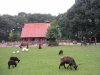
I remember visiting Sedgwick County Zoo (USA) back in 2010 and at that time they had THREE farm areas all together in a row. It was quite remarkable to see and here are two photos of each of the farm zones.
American Farm:


Asian Farm:


African Farm:


I’m not normally too interested in farm areas - though I always at least stroll though them, and certainly understand and appreciate their appeal - but SC is just an exceptionally well done one. The only thing I would have tweaked was incorporating a South American/New World farm with llama, guinea pig, turkey, and Muscovy duck - the concept of the separate domestication of species in the Americas is a fascinating one! I also think it would be fun to try to educate visitors as to why some species were successfully domesticated whereas others were notI really like this idea of farms from different places in one that’s clever and engaging I’d definitely spend time in the farm area that had that.
I’m not normally too interested in farm areas - though I always at least stroll though them, and certainly understand and appreciate their appeal - but SC is just an exceptionally well done one. The only thing I would have tweaked was incorporating a South American/New World farm with llama, guinea pig, turkey, and Muscovy duck - the concept of the separate domestication of species in the Americas is a fascinating one! I also think it would be fun to try to educate visitors as to why some species were successfully domesticated whereas others were not
I always enjoy seeing and being educated by traditional rare breeds, for instance, watching a Shire horse and learning how endangered they are as a breed is critically important to spread the message as well and enjoyable being able to see and feel the animal.I agree that’s really interesting and between that and the rare breed working farm idea those are super engaging ways to show domesticated species.


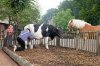
Is that a live cow?On the topic of farm exhibits in Zoos, in my opinion, nobody can beat the Tierpark Nordhorn in Germany. Not only is the Vechthof, a beautifull very accurat reconstruction of a old local farming estate, it is filled with endangered local breeds, with a extrem amount of education about farming, the breeds themselef and the historical life of farmers. But also how the Zoo uses these old breeds to rewild areas in nature reserves. It also uses the old breeds themself as food,which can be locally bought in the zoo. I knew nothing besides the vulture ibex aviary, but this farm area was a suprising highlight for me.
Yes, it is a real cow. They do live demonstartion with animals (even though I only saw work with horses when I was there). I found another image of the same cow horses).Is that a live cow?
I thought it was a statue or facsimile at first before zooming in to see individual hairs and fur qualities...
The farm exhibit in my local zoo in California has always been an excellent draw for guest as they can interact with chickens, goats and sometimes sheep's and once a cow and the signs around it show the importance of animals and produce that California has in feeding the world and I've always liked getting to pet them and I think this is often a big factor as to why so many schools come to the zoo, the parking usually pours out into the street by 12 and why people vote to take small percentage of their tax money to help the zoo pay for expansions and animal care.I've heard some people complain about exhibits of farm animals in zoos and others praise them, so I just wanted to know what the general consensus is for them here. I've never really liked farm exhibits and usually omitted them from all the imaginary zoos I've designed since I entered the "business" around 6-7yo. Does anyone else feel that domestic animals aren't really necessary in zoos, or do you enjoy them and the petting/feeding interactions as a big part of your zoo visit?