Trip to Australia – June and July 2016

What I tend to do is buy books and things, then mail them home.

In this case you could have mailed them to Perth instead, assuming you're not near your weight limit on the flight to Warsaw.

:p

Hix

I could have done that I guess but I decided to just look at the books at the museum and then maybe order some online if I can find them cheaply and get them delivered.

I am well underweight on my flight to Warsaw thanks to Emirates' 30kg weight limit (I think I'm around 25kg).
 
Day 14 – Lone Pine Koala Sanctuary – 20th of June

The storm from the previous day continued throughout much of that night, however we woke up to clear bright blue skies, perfect to visit the Lone Pine Koala Sanctuary. We got there not long after opening to give us plenty of time at the zoo and to hopefully also do some things in the evening that we were unable to do the previous evening due to the rain. Though the zoo is not very big, we spent quite a long time there to see it thoroughly and at a relaxed pace.

The first enclosure that we got to upon entry had a couple of the species I particularly wanted to see there which were a couple of Black and Little Red Flying Foxes mixed with a large group of Grey-headed Flying Foxes in a fairly large aviary.

This was then followed by a row of many aviaries housing the vast majority of the zoo’s bird collection which were mostly a variety of parrot species with my personal highlights being Golden-shouldered Parrot and Gang-gang Cockatoo. The enclosures were all fairly standard, none particularly large or small with nothing special about them at all. At the end of this row of aviaries was the Platypus House which we went into shortly, however I decided first to have a look at the Tasmanian Devil enclosure which was several pit-style enclosures that could be connected or separated. When I was there they were all connected and several devils were lying prominently in the sun. Also next to the Platypus house was another aviary with Bush Stone-curlews and Laughing Kookaburras, though the former seemingly a rather pointless addition because not more than five metres away in a flower bed were two wild Stone-curlews just sitting there in a similar fashion to the Brisbane Botanic Gardens two days ago!

We then went into the Platypus House

which was fairly large and another of the main reasons that I wanted to visit Lone Pine because although I had seen a Platypus on my first day in Queensland at David Fleay Wildlife Park I still wanted to see them again and possibly get a better view. At the entrance to the Platypus House is a skeleton of a Platypus which was rather interesting, and I was pleased to note that this was significantly brighter than in the nocturnal house at David Fleay where they displayed their Platypus so I hoped to try and get some pictures here. There were two Platypus, one young male and one old male and I was told at the Platypus talk (later in the day) that they were both bred at Healesville. Both enclosures were large and natural with rocks and logs and things making them pretty much excellent though I doubt any zoo would be able to get Platypus if the enclosures weren’t any good. Also excellent was the fact that both Platypus were extremely active swimming around the enclosure a lot and foraging in the rocks at the bottom as well as sitting up on the surface and even rolling about in some half submerged palm fronds, seemingly playing. Each enclosure also had several large crayfish which the Platypus were hunting and eating and it was very interesting to watch this behaviour.

Although the Platypus were of course the main highlight here, the opposite wall of the building had a row of snake enclosures which I believe were temporary for a reptile house to be built/refurbished. The enclosures were all very small particularly for a large and active Black-headed Python however several of the species there were new to me including Collett’s Black Snake. A full species list of the zoo can be seen here, and the first six reptiles on that list were in this building.

Continuing on out of the Platypus House we came to two enclosures that seemed fairly standard for their inhabitants however not very aesthetically pleasing, particularly compared to the rest of the zoo which were one for Dingoes and one that I found rather interesting containing both Southern and Northern Koalas (or if split into three subspecies, New South Wales, and Victoria Koalas) which were very different looking when right next to each other.

Continuing past enclosures for Barking Owls, a Golden Brushtail Possum (golden morph of the Tasmanian subspecies of Common Brushtail Possum), a turtle pond signed for Mary River Turtles but containing two species, neither of which was those, and the other side of the Tasmanian Devil enclosures we came up to the main Koala area which had several enclosures, some extremely large in size and others very small with easily over a hundred koalas combined. Though more interesting to me than the many koalas, were three nearby enclosure for monitor lizards, all quite large and seemed to suit the needs of the species that they contained quite well which were Perentie, Merten’s Water Monitor, and Lace Monitor.


We had now seen most of the enclosures in the first half of the zoo, though two further ones of particular note were the Cassowary enclosure and Freshwater Crocodile enclosure which also had several very large Mary River Turtles and what appeared to be hatchling Water Dragons (I saw a large wild Water Dragon near here as I was leaving the zoo). And in the zoo restaurant were enclosures for two frog species and a Broad-headed Snake which could be very easily missed (also worth noting that the restaurant walls were covered in pictures of famous people who had been to Lone Pine and had their pictures taken with Koalas). The other part of the zoo though was pretty much just two huge walkthrough macropod enclosures with some other stuff in them as well. There was a bit of a gap between the two parts of the zoo though which was just a small patch of trees along the Brisbane River which the zoo borders where there were a few fairly common birds, namely Grey Butcherbird, Rainbow Lorikeet, Scaly-breasted Lorikeet, and Noisy Miner. Continuing to the first of the two large walkthrough paddocks, the zoo had quite a different feel here and it was much more open rather than the other part which had enclosures all much closer together. The entrance to this was through the zoo’s domestic area called 'The Barn' which just had a range of typical domestics in an open barn thing, though one field did have a herd of sheep and several domestic dogs which were obviously for the sheep display. Also here I noticed a sign advertising the zoo’s free WIFI, and sure enough there was zoo-wide WIFI access. Going through the barn area came into a huge paddock

with a few macropods free-roaming around, though it seemed to be very sparsely populated with not so many individuals of three species namely Red Kangaroos, Swamp Wallabies and one species that is still unidentified! Though the space provided was huge, there didn’t seem to be as much shade and shelter as there could be. Also of interest to me in this enclosure were three Masked Lapwings, allowing me to finally get a picture of the species which I had so far only seen from cars. Also within this paddock was a pond (that had badly burst its banks and gone into the grass due to the rain) with an island in the middle with an injured Wedge-tailed Eagle that couldn’t fly, and the bird of prey show area was also within this paddock. I wanted to see the show, mainly because these types of show often have species that are not otherwise on display, but there was still a fair bit of time before it started so we decided to explore the rest of the zoo first, mainly the other kangaroo walkthrough. Although the two enclosures shared a fence, there was no direct access between them, so you have to go back out and around to get to it. This enclosure was similar to the other, though with a lot more animals (as in individual animals rather than species) in it of a mixture of Grey Kangaroos, Swamp Wallabies, Red-necked Wallabies, and Emus. And just inside the entrance were enclosures for Southern Hairy-nosed Wombatsand Short-beaked Echidnas and one of the wombats was lying in a rather funny way on its back. Two further things worthy of note from this enclosure were many wild Rainbow Lorikeets stealing food from the Emus and I even got a picture of one riding on an Emu’s back,

and also a huge Eucalyptus plantation on the other side of a fence from this enclosure presumably for the sole purpose of feeding the ridiculous number of Koalas.

A bit later we went to the bird of prey show which I was pleased that I had gone to because there was a White-bellied Sea-eagle which was a new species for me and after lunch that was pretty much the whole zoo done. After lunch I went to check a few bits to make sure I had seen it all thoroughly and also to have another look at some bits I particularly liked including quite a long time watching the Platypus before we left the zoo in the mid afternoon. So I had first seen one captive Platypus in David Fleay, then two in better light in Lone Pine so the next step of course was a wild one… tomorrow maybe?

But I’m getting ahead of myself, tales of wild Platypus will come later. So we headed back to our accommodation in the centre of Brisbane itself and since there was a fair bit of daylight left, we went to the Roma Street Parklands which were just around the corner from us. We would have visited the previous day if it wasn’t for the weather, but these are pretty much a Botanic Gardens thing which apparently are very nice. And they were indeed nice with lots of weird and wonderful plants, viewing decks, raised walkways, and other parky-stuff like that, as well as loads of wild Water Dragons in the water features and a few birds including lots of Australian White Ibis and a new bird for the trip after no new bird species seen the previous day which was a Figbird.

That night we had dinner as early as possible and also went to bed as early as we could because we knew the next day would be a ridiculously long one starting with a 3 AM wake-up to catch a flight to Cairns.

New bird species:
Figbird

Post from the day: http://www.zoochat.com/24/trip-australia-june-july-2016-a-449389/index4.html#post967083
 
LaughingDove said:
And just inside the entrance were enclosures for Southern Hairy-nosed Wombatsand Short-beaked Echidnas and one of the wombats was lying in a rather funny way on its back.
that's just how hairy-nosed wombats sleep. I've never seen one sleeping in any other position.
 
Well it's certainly rather funny! Makes them look like big teddy bears.

Do Common Wombats ever sleep like that?
I thought it was really odd the first time I saw it as well, then I got used to it.

I've only seen common wombats sleeping curled up on their sides.
 
that's just how hairy-nosed wombats sleep. I've never seen one sleeping in any other position.

They don't always sleep like that but certainly they can be seen in that position quite often. Always good for a few Instagram and Facebook posts when a male is in plain sight of the public.
 
Day 15 – A Huge Dose of the Wildlife of Far North Queensland – 21st of June

The day started very early waking up at 3 AM to get to the airport for a very early morning flight from Brisbane to Cairns. The flight isn’t very long and the descent into Cairns was cool and it was nice to walk off the plane and see mountains covered in rainforest and feeling the nice tropical temperatures with humidity to take the edge off the heat. It wasn’t too late in the morning when we landed at about nine and being a domestic flight to a very small airport we got straight out and went to our accommodation. We weren’t able to check in of course but we dropped off our bags and headed straight for the Cairns Botanic Gardens which I was very keen to get to for birding and I knew this would be my only opportunity. We would only have three to four hours and this was in the middle of the day, a terrible time for tropical birding, but I had to take the time I had. On the way to the Botanic Gardens though I was able to add two new birds, both things I would see a lot of the next two days but new then, which were Rainbow Bee-eaters and White-breasted Woodswallows, both sitting on electric wires in the city of Cairns. And I also added a new bird for the trip list (but not year or life) which was also on electric wires – Indian Mynas.

Both my aunt and I started by looking around the formal part of the Botanic Gardens. There wasn’t much bird life around and it was very hot particularly out in the full sun. First I heard a really interesting and weird call that took me a little while to track down hiding in a tree, and this turned out to be a Black Butcherbird. A short while later in a palm tree I found a rather large flock of Metallic Starlings feeding on palm berries. Both really cool species that I was pleased to see. This was still in the formal gardens though and the majority of the Botanic Gardens are taken up by forest and the Centenary Lakes which I thought would be better for birds, so leaving my aunt in the formal garden I went to spend the rest of my time around there. On the boardwalk heading through the rainforest to the Centenary Lakes I passed a group of birders which was a good sign (though they seemed to be bird photographers rather than actual birders) and I also saw several more Black Butcherbirds. I was looking out for Orange-footed Scrubfowl which I really wanted to see to add a third megapode to my lifelist but I didn’t have any luck that day despite the fact that they are supposed to be common. The other thing I was looking for around here were Papuan Frogmouths. The Finding Australian Birds book makes it seem like they are all over the place and I expected to be tripping over frogmouths and having to kick them out the way to get past. That may be a slight exaggeration, but I didn’t see any. I also didn’t see any at their roosting site at Lake Barrine so I completely failed on that species. I was in the range of three different frogmouth species over the trip and I went to places where I knew they should roost, but I didn’t see a single one sadly.

Anyway enough about frogmouths, the first of the Centenary Lakes is the freshwater lake (there is also a saltwater lake) which was very nice and I had heard a lot about the birds that could be seen here. There was a sign as well advertising the possible species. The first things I saw there were Pacific Black Ducks and more interestingly a small group of Magpie Geese which weren’t very shy and sat on top of a viewing area. I was pleased to be able to get some pictures of these after passing many in the car in Gold Coast. I then began to walk around the lake. There didn’t seem to be a huge amount around though I was scanning the lake constantly with binoculars looking at all the small ducks to see if any were whistling ducks or pygmy geese but they were all Pacific Black Ducks joined by a single pelican. Looking a little further up the path though I did see one of the main species I visited for though, as there was a Radjah Shelduck just sitting on the path which allowed me to approach right up to it without it flying off.

I then went over to the viewing deck where the many Magpie Geese were sitting and here I added yet another new bird, a Yellow-bellied Sunbird, which I saw many individuals of around the lakes. Also here I startled a large group of turtles that was sitting on the bank. One of which came up a bit later, though I don’t think I will be able to identify it.

I then continued on to the saltwater lake passing through a small patch of forest where I saw a second Radjah Shelduck sitting up in a tree. To get to this lake I passed over a mangrove-lined creek which looked like it should contain lots of birds and crocodiles and things like that but all I saw there was a Yellow-bellied Sunbird flitting about, but a male this time. I also heard a group of cockatoos which must have been Sulphur-crested but that was pretty much it for the creek.

The other side of the creek, where the saltwater lake was, had a few more birds though. The lake itself had loads of fish in it and there were several egrets sitting in the mangroves on the edge fishing, and around the lake in the grass I added another new bird with several Nutmeg Mannikins sitting the grass hopping about. Though they are introduced it was nice to see them and add a new species and as far as I know they’re not having terrible negative environmental effects like some other introduced species (though please correct me if I'm wrong on that). Also around in the grass were Spotted Pigeons, and a Bar-shouldered Dove. I would soon have to head back to the formal gardens to have a quick bit of food before we left so I walked around the rest of the saltwater lake and headed back stopping at the freshwater lake for another look. There were a few more of the same birds that I had already seen and some momentary excitement at something scratching in the ground turned out to be a Brush Turkey rather than an Orange-footed Scrubfowl. I did, however, add one final bird from the Botanic Gardens as I was crossing the road to go from the natural forest to the formal gardens, which as a Pacific Baza soaring overhead.

We needed to get back to our accommodation quite quickly because we needed to be checked in and ready to go out again by 1:30 so we asked for a taxi to come and pick us up which was of course late, so we had ten minutes to check into the room and be out again. Luckily I always carry around everything I may need, including torches, so that was no problem for me.

So the next part of the day, and probably an even more exciting part than the Botanic Gardens, was a Wait-a-while Rainforest Tour. It is advertised as a Day/Night Tour but the main reason for me doing it was seeing some nocturnal/crepuscular animals that I would never have been able to see for myself with my limited time of only six days in Far North Queensland. It’s not a cheap tour but I felt that it was worth it because it would have taken me a lot more time and a lot more effort to try and find that stuff myself and I suspect I wouldn’t have actually succeeded with many of the species.

We were met by our guide, and owner of the tour company (I believe he is always the guide) Paul at the hotel at 1:30 and we got on our mini bus for the tour. It supposedly can be up to eleven people but luckily it was just the two of us on that tour which is the minimum number. So we headed off in the minibus out of Cairns with me sitting in the front to get the best view and spot things while we drove. Of course the main target was to see as many mammals as possible but I was also looking out for birds, reptiles, amphibians, and generally everything. The mammal total ended up being 13 with 10 being lifers and an additional one being new for the year. First though we stopped by some fields just outside Cairns where there were dozens of Agile Wallabies just sitting in fields which was cool to see.

And two birds of particular note from around here were Peaceful Doves and a Helmeted Friarbird, both lifers, and there were also a few Willie Wagtails around even sitting on the wallabies' backs. The other thing we looked at here were Green Ants crawling on a fence post which apparently taste of citrus, though I didn’t fancy eating them.

We then headed out of Cairns completely and we were told about Cairns and its history along the way and I also asked about different animals that we could see and that were around and Paul, the guide, seemed very knowledgeable. Most of the tour was due to be up in the Atherton Tablelands, however we did make one more stop before heading up into the mountains which was to look at a huge colony of Spectacled Flying Foxes which was very interesting, though there were no Little Red Flying Foxes in the group that day and I would see many Spectacled Flying Foxes in Cairns in later days. We then headed up a very long windy road up into the mountains, the lower part of which was through tropical dry forest however at one specific point correlating to a sign at a corner, the forest suddenly changed to tropical rainforest very noticeably.

Once we were up in the Tablelands we had a series of places to visit starting with a place called the Cathedral Fig, mainly to look at a very large strangler fig that gives the place its name. There were no mammal targets here apart from the possibility of Musky Rat Kangaroos (which we would be looking for again at the next stop) but there were lots of cool birds which Paul was able to save me some time identifying because he could do almost all of them, and I just had to have a quick check in the field guide. The highlight bird from here were the many Grey-headed Robins, but the other new bird was a Black-faced Monarch.

We didn’t spend a huge amount of time at the Cathedral Fig because we had many more places to visit, and I was able to add another new bird out the window while we were stuck behind some road works which was a Leaden Flycatcher. The next stop on the rainforest tour was at the Lake Barrine Crater Lake which I really liked very much. It is a huge crater lake surrounded by rainforest. While here we stopped for tea and coffee and cake (included in the tour) at a picnic area under a little corrugated metal shelter, and roosting in the wooden beams supporting the roof of the shelter were quite a few Gould's Long-eared Bats. This kind of stuff I would never have found for myself. We then did a bit of a walk around the lake, we didn’t have time to go all the way around, but we did a bit of the walk looking for birds with Paul giving general rainforest information and information about the plants as well, however the main purpose of the stop was actually to find a Musky Rat-kangaroo. Before we started looking for the Rat-kangaroos though, the first thing to see on the walk was a Boyd’s Forest Dragon that apparently liked to sit on an exposed tree by the track. I was told that they usually disappear up into the canopy during the winter, only coming down to the ground to sit on tree trunks in the summer but Paul had been given a tip off that one forest dragon had come down and was sitting by the path, and he was right. The dragon was there just sitting right next to the track, yet another thing I would never find for myself.


Quite near to the start of the trail, not long after the Boyd’s Forest Dragon, Paul spotted a Musky Rat-kangaroo that ran across the road, but neither my aunt or I saw it (I was probably looking at a bird or something). Apparently it’s not unusual for him to see a Rat-kangaroo but for none of the people on the tour to see it. About fifteen minutes later though he spotted another one and this time I was able to see it while it foraged around not too far from us. The birds at Lake Barrine were also of interest to me of course. On the lake itself were many Coots and Great Crested Grebes, though sadly there were no Wandering Whistling Ducks, or Pygmy Geese, or anything else like that. There were a few sightings within the forest itself of particular note though, in addition to the many Grey-headed Robins. Of course I heard and saw with very poor views a lot more than I saw properly, but that’s the problem with birding in the dense rainforest. The first thing I saw was the best sighting of Lake Barrine which was a Yellow-breasted Boatbill flitting about and showing really nicely through binoculars. Of course I wasn’t able to get a picture with the photographically-unfriendly rainforest but it was definitely one of the top ten birds of the trip. Google it if you don't know what it looks like.

Around the same time as the sighting of the boatbill was a small brown bird hopping about on the ground quite obviously. Paul had no idea what it was (he knew all the interesting birds, but he didn’t seem to know the little brown jobbies that only serious birders would want to look at) but it was obviously a Scrubwren, and now that I’ve had lots of time to look it up I’m pretty sure it must have been an Atherton Scrubwren, an endemic that I was hoping to see, but I only had time to have a quick flick through the field guide then and not identify it properly so it stays of the list for now. The final notable sighting was an Eastern Whipbird that dashed across the path, enough to identify but not much more. I think I was quite lucky to see that because outside Lamington National Park, apparently it’s quite difficult to see.

So after a bit more walking around and looking at plants and things we left Lake Barrine stopping to look at a roosting site where Papuan Frogmouths were very often seen though my lack of luck with frogmouths continued to here and they were not there. As we walked back to the van though I added another species to the heard-only list – Victoria’s Riflebird.

The next stop on the tour was to find a tree kangaroo. The site for the tree kangaroo was a bit of a longer drive away so we drove for a while to reach it. I added two new birds for the list while we drove though, the first was a very long overdue sighting for the year of a Black-faced Cuckooshrike, and the second one we came perilously close to running over which was a Pheasant Coucal. We actually went back along the same road on the way back after the tree kangaroo, and we nearly ran over the same coucal again! Silly bird.

The tree kangaroo place was actually just a little strip of forest along a road, not exactly the sort of dense rainforest where you would expect to see a tree kangaroo - something that I at least think of as really rare and awesome - but it seemed to be a fantastic place to see them because it was very open on one side with the road allowing clear views all the way up and limited space back away from the road where the kangaroos can go so it's simply a matter of walking down the road and eventually seeing them. So we just parked and walked down the road until one of us spotted one of the tree kangaroos, and this time it was me who spotted it. At first I just saw one curled up in a ball, but looking closer through binoculars we then saw that there were two, a female and its nearly adult offspring. They were only about two trees back from the road and it was still bright with quite some time yet until sunset, so we got fantastic views. They even uncurled from their sleeping positions for a little bit and moved around, I was so incredibly pleased by that sighting which was even a walk-away view meaning I left before the animals did.


There was still quite a lot left of the tour, and the next thing on the list was a platypus. There were two sites that we would be trying, first we stopped at a lily-covered pond that was connected to streams on both ends so was slowly flowing, which apparently was very reliable for platypus in the past but has become much less reliable recently. We didn’t see a platypus there, however it wasn't a wasted stop because out on the lake were two Comb-crested Jacanas walking around on the lilies which was another of my target species. They seemed much smaller than African Jacanas which is the other species I had seen in the wild and especially seemed small when compared to a Pacific Black Duck.

We then continued to the second of the platypus sites which isn’t quite as easily accessible as the first pond which is right by the side of the road, but is very reliable and apparently Paul has managed to see at least one platypus here on every single tour for at least the last six months. This other platypus spot was a slow flowing river with lots of meanders and a very rough track going along the side of it, ideal platypus habitat. We walked along the river very slowly looking out for any bubbles or ripples or any sign of a platypus but these all turned out to be leaves falling into the water or trapped methane or quite commonly a Saw-shelled Turtle of which there were many in the river. We walked down the river until it was very nearly sunset but we didn’t see any platypus so walked back along, still looking for platypus, and still didn’t see anything. By the time we got to the car it was completely dark. I was worried that this may be the first time in six months that we didn’t see the platypus but we would try again later.

So we then went for dinner, which was included in the tour, and discussed more about animals we could see at night and other things that we wouldn’t see on that tour but are about in the Atherton Tablelands. After dinner we went back to the same platypus spot and did the same rough track along the path in the dark which was considerably more difficult than in the day. We went along scanning the torch on the water and also turning it off and turning it back on when we heard movement in case the platypus wouldn’t come up in the light, but we didn’t see anything. What we did see though were many Fishing Bats, or Large-footed Myotis, swooping low along the water and I was able to look at them closure at their roost under a bridge. Also seen swimming in the water right by the bank, which my immediate reaction to was platypus, but once looking at it properly it was obviously not a Platypus and was a large rodent that turned out to be a White-tailed Rat. I also saw my first amphibian of the trip so far (somewhat surprisingly, though I think I’d have had better luck in summer) apart from a tiny and unidentifiable frog in Perth, which was a rather large Northern Barred Frog.

After we turned around and were heading back, when we got quite close to the car we heard something in the water, turned the torch on it and a platypus splashed and dived under and I saw its side and its feet as it turned and went under. I became distracted immediately after that because in the tree above the river was a Coppery Brushtail Possum but I was told not to look at that because we’d look for those later and we concentrated on finding the platypus again. It must have swum around the nearby bend though because it didn’t come back up. Although it was probably good enough to count, I wanted to see it better so we decided to try for a third time after the next stop.

So next we headed to the main possum site and we were told that we would most likely see three species of possum with two more that were possible and one further one that was technically possible but extremely unlikely and that Paul had only ever seen once. I ended up seeing all three likely ones, but didn’t see Striped or Lemuroid Ringtail, which were possible, or a Pygmy Possum which was extremely unlikely. The possum site was around a second national park based around a strangler fig, this time the Curtain Fig which is an oddly shaped strangler fig that has grown over a partially fallen over tree. The first thing we saw immediately upon getting out of the car was a CopperyBrushtail Possum which I got to look at properly as it was very close by and not too high up a tree. We then did the boardwalk around the fig itself where we didn’t see any more possums but saw some fresh possum poo on the boardwalk as well as various large spiders and insects and we also saw two non-possum mammals which were Long-nosed Bandicoot and Red-legged Pademelon, both fleeting views as they disappeared into the forest away from us. Also while we walked around here we heard a very loud bomb whistle call of the Lesser Sooty Owl which I would have loved to see, but a few seconds later we heard the same call again but from further away as I assume the owl was leaving. Chances of finding a smallish grey owl in a big, dark rainforest were, I suspect, less than finding half a needle in a hay factory, but hearing the call was better than nothing. We also saw a considerably flatter Pademelon on the road that cuts through the national park.

So after the boardwalk we walked down that road to look for some more possums. The next thing we saw was another Coppery Brushtail, followed by a Green Ringtail which was a particularly cool possum

followed by another green before the third possum for the day which was a Common Brushtail which was not a lifer but was new for the year, and was also a new subspecies for me after only seeing the South Western Australian subspecies. In the end we saw exactly three of each of the three possum species which wasn’t a bad total, though I’d have liked to see a Striped or Lemuroid. Apparently Paul had seen three striped possums in the last two weeks (doing trips almost every night) but not seen a Lemuroid in a little while.

After we had finished with the possum site it was getting quite late but I was still keen to get a better view of the platypus and Paul also wanted to uphold his reputation of providing consistently good platypus views so we headed back to the same stream for the third and final time. This time we didn’t actually have to go very far before we heard a distinctive splash which apparently was definitely a Platypus splash but probably a startled one so it might have disappeared off. We turned the torch on a very wide beam covering that stretch of the stream in dim but consistent light which was good enough to see, and luckily the Platypus can’t have been that disturbed because it came back up!

It sat on the surface for probably a couple of seconds before diving back down again. It repeated this three times within the range of our torch beam allowing for reasonably good views and very poor pictures without the flash before it dived down again and must have reappeared around the bend. We tried to follow it around but being in a rather muddy and thickly vegetated river bank, we were hardly quiet, and we heard a big splash and it was gone. I’m rather satisfied with that sighting to be honest!


So it was a bit late but I was certainly very pleased to have seen the Platypus properly, and Paul seemed pleased too, so we got back in the van and headed down the mountain. As I mentioned right at the beginning, I was sitting in the front, and having been kept solely awake by adrenaline after waking up at three that morning in Brisbane I was starting to get tired so it took a few seconds for me to register that a rather brown blob on a lamp post was alive and was a bird and then it dawned on me that this was a Rufous Owl, which I confirmed as it flew away when we drove past.

We soon got back into the suburbs of Cairns and we could have a look at the Agile Wallabies in the dark if we wanted to. My aunt was asleep so I said I did, I’m definitely not missing out on any additional animal sightings. So we drove back around the same areas as we saw the Agile Wallabies in the day where they were just lounging around in the fields. At night they were much more active and numerous, bounding around a lot and hopping across the road. So that was the end of the Wait-a-while Tour, and we were taken back to our accommodation and dropped off absolutely exhausted, but I was incredibly pleased with how our first day in Cairns had gone.


New Birds seen from the Botanic Gardens and surrounds:

Rainbow Bee-eater
466)White-breasted Woodswallow

Indian Mynah
467) Black Butcherbird
468) Metallic starling
469) Radjah Shelduck
470) Yellow-bellied sunbird
471) Nutmeg Mannikin
473) Pacific baza


New Species From the Wait-a-while Rainforest Tour:

Birds:

Peaceful dove
Helmeted Friarbird
Grey headed robin
Black-faced Monarch
Leaden Flycatcher
Yellow-breasted Boatbill

Black-faced Cuckoo-shrike
Pheasant Coucal
Comb-crested Jacana
Rufous Owl

Heard only: Lesser sooty owl 'bomb whistle' and Riflebird

Mammals:

Agile wallaby
Spectacled flying fox
Gould's Long-eared bat
Musky Rat-kangaroo
Lumholtz Tree Kangaroo
Fishing bat (Large-footed Myotis)
White-tailed rat
Platypus
Coppery Brushtail Possum
Green Ringtail Possum

Common Brushtail Possum

Herptiles:

Boyd's forest dragon
Saw shelled turtle
Northern Barred Frog


Hopefully this rather long post isn't too boring! Because I saw so much that day I haven't been able to include as many pictures as a would have liked, so check out the gallery.
 
And some attached pictures to go with the above post! First two from the Botanic Gardens, the other four from the Wait-a-while tour.

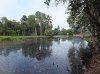
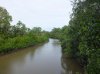
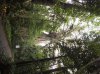
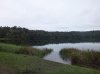
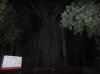
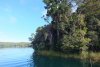
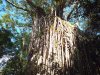
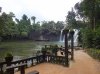
They are: the freshwater lake in the Centenary Lakes, the creek that separates the saltwater and freshwater lake areas, a view of the Cathedral Fig, looking up the Cathedral Fig, part of Lake Barrine, and the Curtain Fig at night.
 

Attachments

  • DSCF1221.jpg
    DSCF1221.jpg
    1.4 MB · Views: 4
  • DSCF1258.jpg
    DSCF1258.jpg
    1.1 MB · Views: 2
  • DSCF1412.jpg
    DSCF1412.jpg
    2.1 MB · Views: 1
  • DSCF1434.jpg
    DSCF1434.jpg
    1.7 MB · Views: 2
  • DSCF1496.jpg
    DSCF1496.jpg
    790.7 KB · Views: 1
  • DSCF1596.jpg
    DSCF1596.jpg
    545.9 KB · Views: 1
I liked that post very much. I need to get back to Queensland! I never saw Radjah Shelducks, and was out of season for Metallic Starlings.

I'd like to find me a Striped Possum too.
 
Very cool blog post! Did you get a sturdy carry bag with their logo as a souvenir from the Cairns tour company? (I gave him that idea a few years ago when I went, and we exchanged a few emails to find a good supplier. I also suggested a thermal camera, but I'm not sure if he invested in that. :D)
 
Thanks for the comments, both of you.

I need to get back to Far North Queensland too! Six days just wasn't enough time, I'd love to spend a couple of weeks over there.

Nope, no souvenir bags or thermal cameras, nanoboy. Both would have been awesome though, especially the thermal cameras. I bet I'd have found a Striped Possum with one of those! :D
 
Day 16 – Back into the Tablelands – 22nd of June

In the morning I had planned to start the day with the Cairns Esplanade, but of course we got in very late the previous night and the tour booked for that day started just after seven rather than just after nine as I thought for some reason. Anyway, the previous day was all stuff that I wanted to do as was, to be honest, every other day of the entire time in Queensland, so this tour was something that my aunt wanted to do. She wanted to visit a place called Paronella Park so we booked a tour that went there as well as a few other places in the Atherton Tablelands which did of course give plenty of time to bird along the way.

So we were picked up by the tour in a largeish bus with a little under a dozen other people, all very annoying people of course, and the bus was equipped with a very annoying driver/tour guide as well who spent most of the time making unfunny jokes and talking rubbish. But it wasn’t supposed to be a wildlife tour anyway and it did allow you to do what you want at each stop, including look for wildlife, so it wasn’t bad.

We headed up into the Tablelands by the same route as on the Wait-a-while tour the previous day which was unsurprising because our first stop was the same, back at Lake Barrine. Not that I was complaining to go back to the same place though, because lake Barrine was really nice.

We were given morning tea here with rather nice scones and jam but I was of course distracted by birds. I was able to walk around a bit just in the café area and spotted a few more birds with it still being early enough for tropical birding. It wasn’t very long before I was able to add three more species to the list – Macleay’s Honeyeater, Atherton Scrubwren, and Dusky Honeyeater. I was especially pleased to find the scrubwren so I wasn’t faced with the dilemma of whether to retrospectively count the scrubwren from yesterday or not. After a short while we had a cruise on the crater lake. I was unsure whether this would be worth doing, it may have been better to spend time in the rainforest, but I decided it would be nice to do the cruise and I’m pleased I did. Out on the lake itself I spotted a Wandering Whistling Duck amongst the Eurasian Coots and Great Crested Grebes and many swallows were swooping around and two even landed on the back of the boat. Cruising around the lake slowly was pretty relaxing and we did the whole perimeter of the lake. There were lots of tilapia swimming around beneath the boat which was pretty sad since they are an introduced species and I don’t know about this lake in particular but generally are pretty bad for the environment. The scenery was absolutely stunning, one of the most beautiful places I’ve ever been to, and I’ve been to quite a few beautiful places, and quite numerous in the trees on the edge of the lake swooping out over the water and back onto the trees were Rainbow Bee-eaters

with the calls of Eastern Whipbirds coming out from the forest.

We passed a couple of cormorants, and then the boat started to pull in to a seemingly random patch of bank, but lying on the grass right on the waterside was a huge Amethystine Python that had apparently been sitting there for a few days digesting its meal.

There were also a few Water Dragons around on the lake which seemed a bit different to me to the ones in Brisbane and Gold Coast. We then pulled up to another patch of lake shore which seemed to be a more sheltered area by overhanging trees, and the boat driver chucked some meat into the water. First came a load of tilapias, followed by several Saw-shelled Turtles as well as a couple of huge eels all scrambling for the meat.


After the cruise there was a bit more time looking around, enough to check that the Papuan Frogmouth roost that was pointed out on the night tour the previous day was still empty, before we got back into the bus and headed off to the next site.

The next place we went to wasn’t far and was the Curtain Fig, the same as the one we visited at night to see the possums. It was quite nice to be able to look at the fig properly in the day, it is a strangler fig grown over one upright tree and one tree fallen over at an angle giving the distinctive shape, We didn’t have a huge amount of time here, not much more than twenty minutes to look at the fig, admire the rainforest, and head off again, but I did have time for some birding, and as well as things seen the previous day I saw a Fernwren. Another Wet Tropics endemic that I was pleased to add to the list. Apparently Saurus Cranes are sometimes seen around here on the edge of the Curtain Fig National Park but there were none that day, sadly.

It wouldn’t be an exaggeration to say that the vast majority of the tour was spent driving around. Although it was slightly annoying to be driving past and through rainforest and national parks rather than stopping to look for birds, it was nice to see the views of many large forested mountains and really cool rainforest and it was also interesting to a certain extent to see the agriculture around which was mostly sugar cane fields, many being harvested, as well as bananas, papayas and tea plantations here and there. On a couple of occasions, we did stop at viewing areas, however this was frustrating because we only stopped for a minute or so. I did see a few birds while we were driving through, the overhead wires were covered in White-breasted Woodswallows huddled up and occasionally flying off, I must have seen hundreds and hundreds of them. I saw a Nankeen Kestrel hovering over a field and there was a lot of road maintenance all over the place and with one lane shut that meant the different directions of traffic had to alternate which really irritated the driver but was good for me to be able to look around (the cars were stopped for a considerable amount of time, often ten minutes or more) particularly when the car was stopped as we drove through the rainforest. At one point the car was stopped in the rainforest but at the perfect vantage point to look down a river in the open and here I saw a Pacific Baza, another unidentified bird of prey, and a White-necked Heron. Awesome. There were also a few Intermediate Egrets around in the fields which was another addition.

Back to a chronological order, after the stop at the Curtain Fig, the next stop was a place called Millaa Millaa Falls which, as you may guess, is a waterfall. This area had the opportunity for swimming for those who wanted to, which I didn’t, but it was surrounded by rainforest so I went to look around. I saw a few birds but nothing new, and I saw what I’m pretty sure was a kingfisher but didn’t get a proper look. I also saw a skink in the toilets there which I was only able to identify for sure to genus level (Carlia sp.). The main attraction here is obviously the waterfalls and they’re pretty cool, but I’ve seen lots of waterfalls before. The tour guide did show me an optical illusion where if you stare at one part of the waterfall the water seems to move up.

We didn’t spend more than fifteen to twenty minutes here before we moved on again, this time heading to Paronella Park via a lunch stop (included in the tour). Paronella Park was the main reason my aunt wanted to do this tour and it’s a rainforest parkland with some Spanish-style castles that once was a hotel/resort thing but is now trying to be a historical site despite not being very old, at least by European standards of old. But there’s nice rainforest and scenery and a big waterfall too.

So the park wasn’t bad but I wasn’t particularly interested in it. There was lots of wildlife around here though that I was interested in. The river had absolutely ridiculous numbers of Saw-shelled Turtles


as well as many huge eels and tilapia, though numbers were inflated by the fact that visitors could buy food to feed them. There was also a colony of Spectacled Flying Foxes here and I was pleased to see that this colony was joined by a couple of Little Red Flying Foxes too. An old disused tunnel in the park was also very interesting because flying around in there were loads of Little Bent-wing Bats. Of course I wasn’t able to actually identify them myslef, but apparently the park had got a bat expert in to identify them because lots of visitors asked what they were.

There were a few interesting birds around, mostly stuff I had already seen, but I did add Little Friarbird to the list as well as another subspecies of Figbird after the ones in Brisbane which did look noticeably different. There was a brochure about the birds of Paronella Park but sadly I didn’t manage to find Orange-footed Scrubfowl or Wompoo Fruit-dove, both of which were advertised and would have been lifers if I had found them. There was also another skink here which I managed to identify this time as a Ragged Snake-eyed Skink. We spent a fair while at Paronella Park allowing me to bird it to my contentment before we headed off to the last stop of the tour, Babinda Boulders, passing through Australia’s wettest town on the way. We were told that when we got there we could have free time to do what we liked and for adventurous people there was a track going all the way down but was quite difficult to do if you thought you could take the challenge. The track was paved all the way, with railings in many places so you would struggle to fall into the water if you tried, and it was nearly all flat… But having said that, the Babinda Boulders are actually pretty cool. It’s a stream that goes through a gorge with sink holes and of course big boulders and rather nice scenery. The Boulders are also in a national park surrounded by rainforest which is a bonus to look out for birds and as well as lots of cool (I really need to find a new adjective, don’t I?) birds that I had already seen, I added Grey Whistler and Spectacled Monarch to the list. A nice place that I quite liked. The guide also told us legends of a ghost that lured people to swim in the water and because of the rapids and swells, this meant that many people had drowned there in the past.

So that was the final stop of the tour, but we still had quite a bit more to drive to get back to Cairns, and it was a little before sunset so the scenery was all in very nice light. And I even managed to add one final bird which was a pair of Forest Kingfishers sitting on a wire.

When we got back to Cairns it was dark, but still fairly early, so we went to find some food and a corner shop before going to bed. And flying around the streets of Cairns were many Spectacled Flying Foxes. There were loads of them leaving their roost trees and flapping about right in the city centre which was fantastic to see. We went to bed quite early that evening because I definitely wanted to be at the Esplanade for sunrise the next day.

New birds seen:

Macleay's Honeyeater
Atherton Scrubwren
Dusky Honeyeater
Wandering Whistling Duck
Fernwren
Intermediate Egret
White-necked Heron
Nankeen Kestrel
Little Friarbird
Spectacled Monarch
Grey Whistler
Forest Kingfisher


New mammals:

Little Bentwing Bat
Little Red Flying Fox


New reptiles:

Amethystine Python
Carlia sp.
Ragged Snake-eyed Skink
 
Attached are:
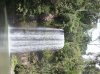
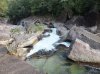
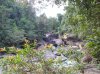
Another view at Lake Barrine, the Curtain Fig, Millaa Millaa Falls, a view at Paronella Park, a view at the Babinda Boulders, and another view at the Babinda Boulders.

Enjoy!
 

Attachments

  • DSCF1715.JPG
    DSCF1715.JPG
    1.9 MB · Views: 1
  • DSCF1811.jpg
    DSCF1811.jpg
    1.9 MB · Views: 1
  • DSCF1839.jpg
    DSCF1839.jpg
    1.8 MB · Views: 0
  • DSCF1971.jpg
    DSCF1971.jpg
    1.2 MB · Views: 0
  • DSCF2111.jpg
    DSCF2111.jpg
    1.6 MB · Views: 0
  • DSCF2157.jpg
    DSCF2157.jpg
    1.7 MB · Views: 0
Day 17 – Michaelmas Cay – 23rd of June

For our final full day in Cairns we had another tour booked, this time to Michaelmas Cay, a sand cay on the outer Great Barrier Reef. Michaelmas Cay has one of the biggest colonies of nesting sea birds in the southern hemisphere and has colonies of several different species of sea birds.

The cruise to visit the cay did of course leave from near The Esplanade which meant that despite the fact that it was another fairly early departure, I could have a bit of time to look at The Esplanade. Rather than a beach or anything like that, the Cairns coastline has an extensive area of tidal mudflats and mangroves and a line of trees behind including some large figs which is an excellent place for birds.

Although it is winter and not the ideal time for seeing waders, there was a fair number of them on The Esplanade as well as many egrets of various species, Masked Lapwings, Australian Pelicans, gulls, and terns. Sadly, I don’t have a scope which made the identification of distant waders more difficult, but through binoculars I was able to identify most species after a little while looking at them. I didn’t have a huge amount of time on the Esplanade in the morning but I managed to identify several species of waders, the best one being the very distinctive Red-capped Plover. Partly because of the ease of identification, but mostly because they’re such cute little things and very prettily marked. As well as the waders, there were also a few Sacred Kingfishers on the mudflats which was a year bird. There were some birds along the shore as well including many Spotted and Peaceful Doves and huge numbers of Indian Mynas. And the sunrise on the Esplanade was stunning too.


The boat that we took to Michaelmas Cay was pretty cool with big sails and plenty of space both inside and out, though for some reason they kept the inside at a ridiculously cold temperature, obviously they had extra fuel to burn and they were burning it off with the air conditioning. It was quite windy and before boarding the boat we were told about the slightly choppy weather, but luckily I don’t have any problem with seasickness so I stood outside at the front of the boat looking out for things. The first thing I saw off the side of the boat was a rather large Leopard Shark at the surface of the water just off the side of the boat. There was a marine biologist on board who I told about my Leopard Shark sighting to confirm that it would be that because I’m no fish expert and that there was no other species that it could be confused with and said that it could be a Leopard Shark, there were no similar species, and that they were not commonly seen at all and she had never seen one before!

I also saw a couple of gulls and terns from the boat but I couldn’t identify any of them for sure. The rest of the boat ride passed without anything else of note, no pelagic sea birds or marine life seen from the boat though I went to the talk with the marine biologist which was interesting. As we started to approach the cay I was able to see it from quite a distance away being a pale yellow speck on the surface of the water, and I was also able to see the different colour water indicating the extensive reef that surrounds the cay and is a national park. There was also a significant number of birds flying around, forming a mass of birds over the cay. The boat set anchor a little distance away in the deep enough water, probably about 500 metres away, and to get to the cay there was a little boat going back and forth from the boat every fifteen minutes that we could use whenever we wanted. Most people went to the cay for snorkeling or diving but I was of course there for birds. I also can’t go in the water because of an ear problem, but I wasn’t hugely bothered. Included in the tour though was a ride in a semi-submersible which I though was worth doing because it would be a shame to go out to the great barrier reef and not actually see the reef so I decided to reserve a place on the first tour in the semi-submersible to get that out of the way and look at the birds later.

While the crew was setting that up though, there was a fish feeding off the side of the boat which mostly attracted huge trevally as well as various other large fish. After the fish feeding we boarded the semi-sub in which the people sat completely underwater with glass below and on all sides, but was not truly a submarine because the top of the vessel stayed on the water line. The coral reefs were quite impressive and mostly unspoilt and very colourful. They had apparently had a coral bleaching incident a few years ago but apparently thanks to a lot of rain that fell soon afterwards most of the coral recovered, though the tips of lots of the corals were slightly white. There were also lots of Giant Clams around which were awesome and of course there was lots of fish, some of which I could identify, some was pointed out, but most I have no idea about. There were lots of different butterflyfish and big wrasses and groupers and things and it was all very pretty. Although I didn’t see any sharks on the reef, there were a couple of Green Sea Turtles cruising about which was cool.

The semi-submersible trip lasted for about 45 minutes and it was nice to actually see the reef before starting to concentrate on the birding so I headed straight out onto the cay when we got back.

Though being winter, it is low season for the birds on the cay with the minimum number of birds, though there are individuals breeding year round, and individuals of species that don’t breed there but just rest there can show up year round. On the cay people are restricted to a small strip of beach to limit the impact to the seabird colony which nest on the ground around rocks and driftwood. The numbers of people who can go to the cay every day are also limited and there were a couple of people from the Queensland National Parks Service who I suspect may have been there to monitor the people on the cay.

(a view of the cay)
When I first got there I was rather overwhelmed by the number of birds, the skies were full of screaming terns and noddies, the ground was also covered in birds and there were chicks everywhere. At first, I thought the distant part of the beach was covered in pebbles but they were all chicks, some of the chicks were even spilling across under the barrier into the people area.

It was very noisy, and manic, and generally awesome. Once I had overcome the initial shock of the sheer number of amazing birds, I got the binoculars out to look at them properly. There were Greater and Lesser Crested Terns all over the place including many chicks. Sooty Terns were also extremely numerous but there were even more chicks than adults and it was the same situation with noddies, though as well as there being pairs feeding their chicks there were huge mats of noddies

just sitting on the beach which were mostly Common Noddies but I was able to locate a couple of Black Noddies amongst the commons so I could add that to the list. The other species breeding on the cay were the Brown Boobies and there were probably a couple of dozen nesting pairs, each with little scrapes in the ground and a couple of sticks which was more than the terns had, with their chicks and eggs just sitting on the ground. As well as the nesting pairs there were also quite a few individuals sitting around and lots flying around over the surrounding ocean too.

Not long after I got to the cay though, I noticed that on one piece of driftwood that stuck up considerably higher than the surrounds was a female Greater Frigatebird which was very nice to see. and it sat there for the entire time that I was at the cay.

It was of course extremely hot and dry at the cay with the only respite from the sun coming with occasional clouds passing over as there was no shade at all. Plenty of water and lots of birds kept me going though, so I was able to stay out on the cay for quite a few hours taking pictures and videos and scanning around with binoculars to watch the birds, and also to look out for different species here and there because although only a few species regularly nest on the cay in large numbers, 36 have been recorded, and I saw twelve there, of which nine were year birds and lifers. I did of course have to leave the cay to go back to the boat for lunch which was included in the tour/cruise but I spent most of the time on the cay and throughout those hours other species that I added were Bridled Tern which took quite a while to add because of ID difficulties, Gull-billed Tern flying nearby over the sea, and a Lesser Frigatebird flying overhead bringing the day to a two frigatebird day, which is pretty good I think. It was a lot of fun watching the tern chicks tottering around and comparing the different ages of the noddy chicks was interesting. There was a funny Crested Tern chick at the waters edge that walked down to the waves as they flowed out and then ran back up the beach when the wave came back in trying not to get wet, though the wave caught it slightly most times. The nest building behaviour of the boobies was another nice thing to watch, as were the adult birds flying back and feeding their chicks as they squabbled over food.

Very awesome. I supposed you can’t have something very awesome, either awesome or not, but I think this cay deserves a grammatical exception

Apart from the rope fence separating the people bit from the bird bit and a small weather tower, there was nothing man made on the cay. It is mostly covered in sand with small pebbles and lots of birds of driftwood here and there along with some sticks and other bits of dead vegetation. Apparently the cay was once covered in live vegetation with salt tolerant grasses and succulents, but this was completely ripped out by a cyclone. It was expected after this that all the noddies would leave the cay because they usually only nest in low vegetation, but the noddy colony stayed and switched to sheltering under the drift wood. The vegetation is starting to slowly recover though, with a couple of patches of grass growing at the other side of the cay. It's only a few square metres now, but hopefully the vegetation should spread.

I say hopefully because who knows about the future of this cay. Rising sea levels could destroy it, global warming may damage the corals, and increasingly violent weather could spell the end for this fantastic place. For now though, it’s definitely worth a visit whether for birds or corals or any kind of marine life.

On the journey back to Cairns, we were going in the direction of the wind so the sails were opened for us to sail back. The sails weren’t all opened and the ones that were opened weren’t even open fully but we went extremely quickly all the way back which shows both how strong the winds were and how big the sails were. Nonetheless I stood at the front of the boat looking out for anything on the water or in the air. Most of the journey back was uneventful, however there was one interesting sighting that was some sort of sea snake sitting at the top of the water which I saw for a split second before the boat went over it. I didn’t see it for long enough to identify but I could see it was quite a slender sea snake with bands of alternating dark and light brown and it was my first wild sea snake of any kind. I think and Elegant Sea Snake is the most likely candidate though, but of course I can't count it.

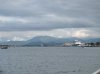
On the way back in, I got a really nice view of Cairns with the city surrounded by mangroves on either side, and forested mountains stretching back behind the city. There were quite a few big boats at Cairns too, including a ridiculously big cruise ship like several large blocks of flats.

When we got back into Cairns and off the boat there was still quite a bit of daylight left so I had another look along The Esplanade, and in addition to more nice views of the many lovely species I saw in the morning, I added two new species to the list. One was a particularly attractive wader, a Black-fronted Dotterel, and I do like waders when they’re easy to identify, at all other times they just frustrate me. And the other was another new honeyeater for the list, a Varied Honeyeater, and there were quite a few of them around though they moved around too much and went into places that were too inaccessible for me to photograph. The sunset over the Esplanade was fantastic too.

And after dark we popped back to the accommodation before going out again for dinner and to look at the many fantastic flying foxes that fly around the city. Then we went to bed fairly early to be able to get to The Esplanade for sunrise the next morning. The next day we were due to head up to a town in the rainforest near Cairns called Kuranda for some particularly exciting birding opportunities, but I wanted some more time at the Cairns Esplanade first to get a few species that I had so far missed before we headed up. Originally our plan to get to Kuranda was to take the scenic railway, but that was very expensive and only runs in the early morning so would only give me an hour or so at the Esplanade. So we looked into other possibilities and found a regular bus service from Cairns to Kuranda that was only $6.70, so we mostly packed up our room so we could head out to The Esplanade for first light.

New birds seen:

Sanderling
Black-tailed Godwit
Whimbrel
Australian Pied Oystercatcher
Red-capped Plover

Sacred Kingfisher
Common Noddy
Sooty Tern
Brown Booby
Greater Frigatebird
Black Noddy
Lesser Crested Tern
Lesser Frigatebird
Gull-billed Tern
Black-fronted Dotterel
Varied Honeyeater


New reptile:

Green Sea Turtle
 
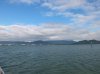
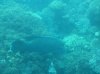
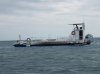
Attached pictures are: the boat that we took to Michaelmas Cay, a view looking back at Cairns as we departed, two views of the reef from the semi-sub (the pictures don't show the colours at all and it was quite difficult to get anything that was acceptably in-focus but they give a bit of an idea), the semi-submersible boat, and a view coming back into Cairns showing some mountains and the huge cruise ship.
 

Attachments

  • DSCF2289.jpg
    DSCF2289.jpg
    479.7 KB · Views: 2
  • DSCF2300.jpg
    DSCF2300.jpg
    1 MB · Views: 1
  • DSCF2399.jpg
    DSCF2399.jpg
    1.6 MB · Views: 4
  • DSCF2452.jpg
    DSCF2452.jpg
    1.2 MB · Views: 14
  • DSCF2649.jpg
    DSCF2649.jpg
    854.2 KB · Views: 1
  • DSCF2997.jpg
    DSCF2997.jpg
    938.2 KB · Views: 0
The fish in picture 3 is a Humphead Wrasse (Cheilinus undulatus).

Picture 4 has yellowtail fusiliers (Caesio cuning) and a Chromis iomelas.

:p

Hix
 
Michaelmas Cay definitely sounds very awesome LD, although I don't know if I would cope in the exposed sun for that long. Did you have an idea of what species would be there in advance, or just check your guide to identify them? Presumably there are not signs there identifying species? Were you able to talk to the Parks service?
 
Thanks for the IDs Hix. I can't even see the Chromis in the second picture! :p


I think if you were swimming as well as just standing in the sun looking at birds it would be easier to cope with the heat. Though in some ways the heat was preferable to the freezing cold interior of the boat because I was expecting heat but of course didn't have a jumper on me for the cold!
I had looked up what species I was likely to see in advance, but I had my field guide with me too of course which was necessary to identify some of the trickier birds like the two species of noddies for example. There are not complete signs identifying everything, but there is one sign giving information about the bird colony and pointing out the more noticeable species.
 
Day 18 – Birds, Followed by Frustration, Followed by more Birds - 24th of June

We had one more place to visit while in Queensland which was a birding lodge in the rainforest near the small but touristy town of Kuranda which is not too far inland of Cairns. First though, I had another opportunity to visit the Cairns Esplanade and to hopefully pick up a few more birds that I was still missing. When we got the Esplanade, again around sunrise, the tide was very far out, exposing a huge expanse of wader-covered mudflats. All of the species that I saw yesterday were there including the egrets, ibis, Masked Lapwings and pelicans and the various other waders, and as I walked up and down looking at each distant wader before spending ages looking through the field guide to work out them out, I was able to add five new waders to the list, some of which I probably saw yesterday but didn’t see close enough to identify. I also got a closer view of the Australian Pied Oystercatcher which was just about close enough to photograph.


As well as the birds out on the mudflats there were lots of great birds in the trees that line The Esplanade too, including the same Varied Honeyeaters, Peaceful and Spotted Doves, and Indian Mynas as yesterday, with the addition of quite a few White-breasted Woodswallows sitting in the trees, and I was pleased to actually get some pictures of them this time after only seeing them from moving vehicles in past times.

There were also a few Nutmeg Mannikins around hopping around in the low grass on the beach as well as some Sulphur-crested Cockatoos calling noisily from lamp posts. The number of Masked Lapwings was also quite surprising and they approached the Indian Mynas in how numerous they were, particularly in a sports field near The Esplanade where they were joined by a few Magpie-larks and a Rainbow Bee-eater

The first really, really, really exciting species that morning though was seen out on the mudflats, where walking regally up and down and occasionally flapping about was a huge Black-necked Stork.

That was a species that was high on the list of stuff that I wanted to see and one that I had missed at the Centenary Lakes a few days ago so I was ecstatic to see this one so prominent and out in the open on The Esplanade allowing me to watch it as much as I wanted. The next highlight bird, and probably even more exciting than the Black-necked Stork was seen right near the end of my time at The Esplanade. I had thought that the stork would be by far the best bird of the morning and I was happy with that. It was starting to get really hot, the tide had come in hugely and was almost completely covering the mud, so we stopped to cool down with a cold drink before heading off to the bus stop to get the bus to Kuranda. There was little point in walking along the edge of the beach itself because all the waders smaller than an egret had disappeared, and it was incredibly hot out in the full sun (there were no clouds that day) so we walked further back under the shade of the big fig trees when I noticed something very small and green fly out onto a branch a couple of trees along. When I got my binoculars onto it, I realised that it was a fig-parrot! I got up closer and managed to get right up to the tree no more than two metres away where I could see that it was a pair of Double-eyed Fig-parrots hopping about in the low branches digging in the bark with their beaks and they seemed not to notice my presence in the slightest. After a couple of minutes the parrots decided they had had enough of posing for me, and decided to fly up into the canopy of the fig where they sat visible for a few seconds before disappearing. And that was certainly the best bird for me out of my three visits to The Esplanade.


The only other thing worthy of note seen before we left to go to the bus stop was a drongo, so we headed back to the hotel where we had left the bags in their luggage room (rather than carry them around while birding) to take them to the bus stop which wasn’t very far away. The bus was a regular bus service that goes from Cairns all around the Tablelands to places like Atherton or, as we were going, to Kuranda. The bus was five minutes late but we got onto the bus with no problems and got the $6.70 tickets on the bus which I think is probably the cheapest way to get from Cairns to Kuranda, and we headed off.

We’d gone what I think was most of the way, and were well out of Cairns where we turned to take a windy mountain road up to Kuranda, one of only three roads that go up into the mountains behind Cairns with the others being at least a four hour detour. There, a traffic warden pulled us over and spoke to the driver for a little while. The bus driver then shouted back something along the lines of, "a truck's turned over halfway up the road blocking both lanes, we’re refunding your tickets and taking you back to central station in Cairns. The road will be blocked for at least three to four hours, sorry about that but there’s nothing we can do.” Should be said in a thick Australian truckie accent of course.

So we turned around and headed back to Cairns where we were dropped off at the Central Station. We asked the driver if he had any suggestions about how we could get to Kuranda, and the only thing we could do is wait to see if any of the later bus services would run. We originally caught the 11:30 service, the next few would definitely be cancelled, but he thought we’d be able to get the 5:00 service if we wanted to wait. And it’s not like we had any other choice. Since we were not actually staying in Kuranda but in a birding lodge a few kilometres away, we had arranged to be picked up and taken there, so we called to say that we would be late due to the blocked road. They of course knew about the blocked road and said that they were actually stuck on the Cairns side of the road block because they were in Cairns for some shopping and they could swing around and pick us up so we’d still be stuck but would be stuck with them and could just wait until the road was cleared in their car which seemed like a better option so we accepted. When they showed up the first thing they asked us was if we were allergic to dogs. We weren’t, but it soon became apparent why they asked – the car was regularly used to carry their two large dogs around and it absolutely stank. I don’t want to sound unappreciative, they didn’t have to come around to pick us up, and we were stranded, so it was extremely nice of them to come back (they were very nice people at Cassowary House) though the smell was terrible, even with the windows open. And it turned out they had also planned to get the car cleaned while in Cairns but never got around to it.

When we got back around to the road block, we were still told that it would still be a few hours so we had to choose whether to wait or to go around the other road via Port Douglas which would add about another four hours to the route, but we would at least get there, so we decided to go with that option. The view over the ocean was very nice, and we passed some Ospreys in nests and a field full of Agile Wallabies, but I did get some bad news as we drove because I found out that Britain had voted to exit the European Union which, as a British citizen living in the European Union with all my money in British Pounds, was terrible news and the Cassowary House people were originally British with a lot of their income coming from British birding tours (which would of course become more expensive with the pound being less valuable) so it was bad news all around. As we were digesting this terrible news we received some slightly better news which was that the road up the mountain had been re-opened so we could now get back by the normal route to Kuranda. And since we were still less than half way round the detour, we turned back around and headed all the way back. There was still a bit of a queue to go up the road, but it wasn’t too bad so we went up and eventually made it to the birding lodge that we were staying at, Cassowary House, at around 5:00, so it was still earlier than if we had got the bus that only left Cairns at 5:00. Once we were in the room and had a bit of food I wanted to see if I could get some new birds on the ground of Cassowary House. There was a very large fig tree on the property which was excellent for birds, and there was also a nice little stream and plenty of rainforest, and there was loads of rainforest surrounding Cassowary House too so plenty to explore. First I headed down to the fig tree and on the way I saw a Macleay’s Honeyeater that darted away and in the vegetation all around were quite a few Rufous Fantails. These were absolutely stunning birds, much more striking than either the Grey Fantails or Willie Wagtails that I had seen, and they were a joy to watch as they darted about. In the fig tree itself, at first there didn’t seem to be anything around there but when I examined the tree closely through binoculars, I noticed there were about half a dozen Wompoo Fruit-doves.

This was a species that I had already missed several times so I was very pleased to see them. It’s amazing how well huge multi-coloured pigeons can disappear into the canopy. There was also another new bird – a Barred Cuckooshrike.

We then walked up to the main road through the forest and walked up and down a bit. The trees were covered in figbirds, and every time I saw a female figbird my first thought was that it was some kind of oriole. But I did eventually find a genuine Yellow Oriole which was noticeably different when I did see it. There were loads of bird calls coming from amongst the trees but in such dense forest I could hardly see anything, and not knowing the bird calls didn’t help either. I did find a Cane Toad though which was interesting to see, but rather sad given how destructive they are.

Because of all the time wasted getting to Kuranda, we didn’t have very long before it got dark, and although there was the possibility of some spotlighting we decided to go to bed because we were both exhausted. Before going to bed though, we did arrange to start the next day with a morning bird walk.

New birds seen:
Little Curlew
Bar-tailed Godwit
Great Knot
Black-necked Stork
Curlew Sandpiper
Eastern Curlew
Double-eyed Fig-parrot
Rufous Fantail
Wompoo Fruit-dove
Barred Cuckoo-shrike
Yellow Oriole


New amphibian:

Cane toad

Post from the day: http://www.zoochat.com/24/trip-australia-june-july-2016-a-449389/index5.html#post967880
 
The attached pictures are: two views of the Cairns Esplanade, the stream at Cassowary House, and the road through the rainforest leading to Cassowary House.
 

Attachments

  • DSCF3142.jpg
    DSCF3142.jpg
    654.3 KB · Views: 0
  • DSCF3195.jpg
    DSCF3195.jpg
    617.1 KB · Views: 0
  • DSCF3455.jpg
    DSCF3455.jpg
    1.4 MB · Views: 0
  • DSCF3457.jpg
    DSCF3457.jpg
    1.4 MB · Views: 0
Back
Top