Yes, this thread is still alive...
January 18, The "River Tern Site", Yingjiang
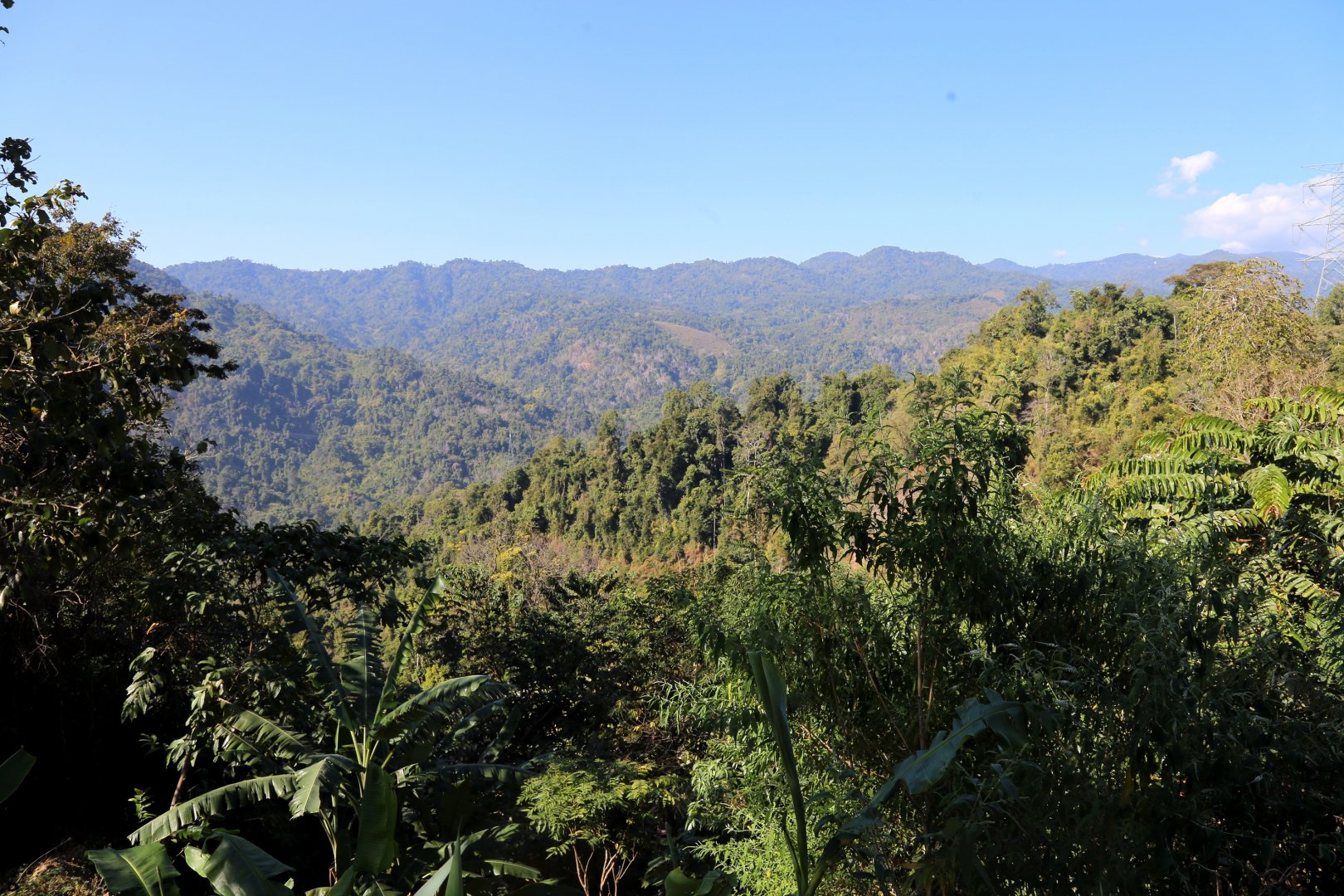
After a late night spent revising my paper, I woke up later than my companions the following morning. They had already gone to Yingjiang Wetland Park for a second round of birdwatching and had quite a fruitful experience, while I stayed behind. By the time I made it downstairs for breakfast, our bird guide had already arrived. For the next three days, we were in the capable hands of our guide in the Hornbill Valley.
The main reason we hired a bird guide was practicality. There are no public buses from downtown Yingjiang to the Hornbill Valley, and even a taxi ride costs around 300 RMB one way. Furthermore, Hornbill Valley is quite expansive, and even once you arrive, you'd still need to drive around. Hiring a guide took care of all these logistics, making the trip far more convenient. Additionally, Hornbill Valley's accommodations mostly consist of homestays, which aren't available for online booking. The guide handled all those arrangements, leaving us with one less thing to worry about. The cost for the first day, which included transportation from downtown Yingjiang to the Hornbill Valley, came to 500 RMB. The second day was 400 RMB for a full day of birding, and the third day, which included a morning birdwatching session followed by a ride to Tengchong Airport, totaled 700 RMB. For a group of four, the average cost per person was 133 RMB per day, which seemed like a reasonable price for the experiences we were about to have.
Our guide was a 29-year-old man from the Lisu ethnic group. His entire family works in the birdwatching industry, and his uncle was the first local to become a bird guide in the Hornbill Valley. However, birdwatching is only a seasonal occupation, so our guide had to take multiple jobs for a living. In addition to guiding, he is also a plantation owner, a part-time forest ranger, and a border patrol assistant. Growing up in the valley, he had an extensive knowledge of the local bird species, and though less extensive, wildlife in general. On the drive to the valley, he shared fascinating stories of his encounters with wildlife, including gibbons, black bears, and gaurs, the last of which are now locally extinct in Yingjiang.
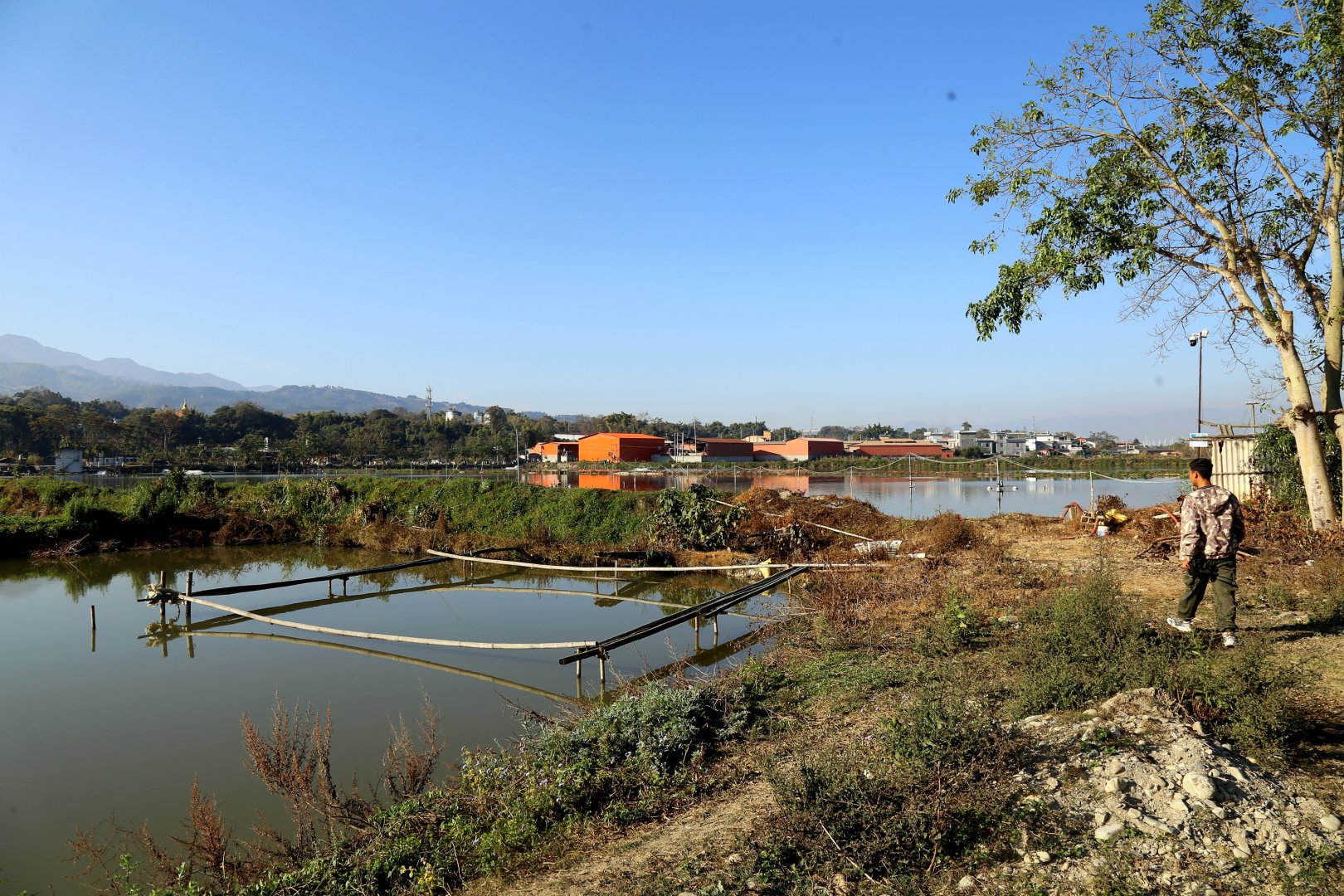
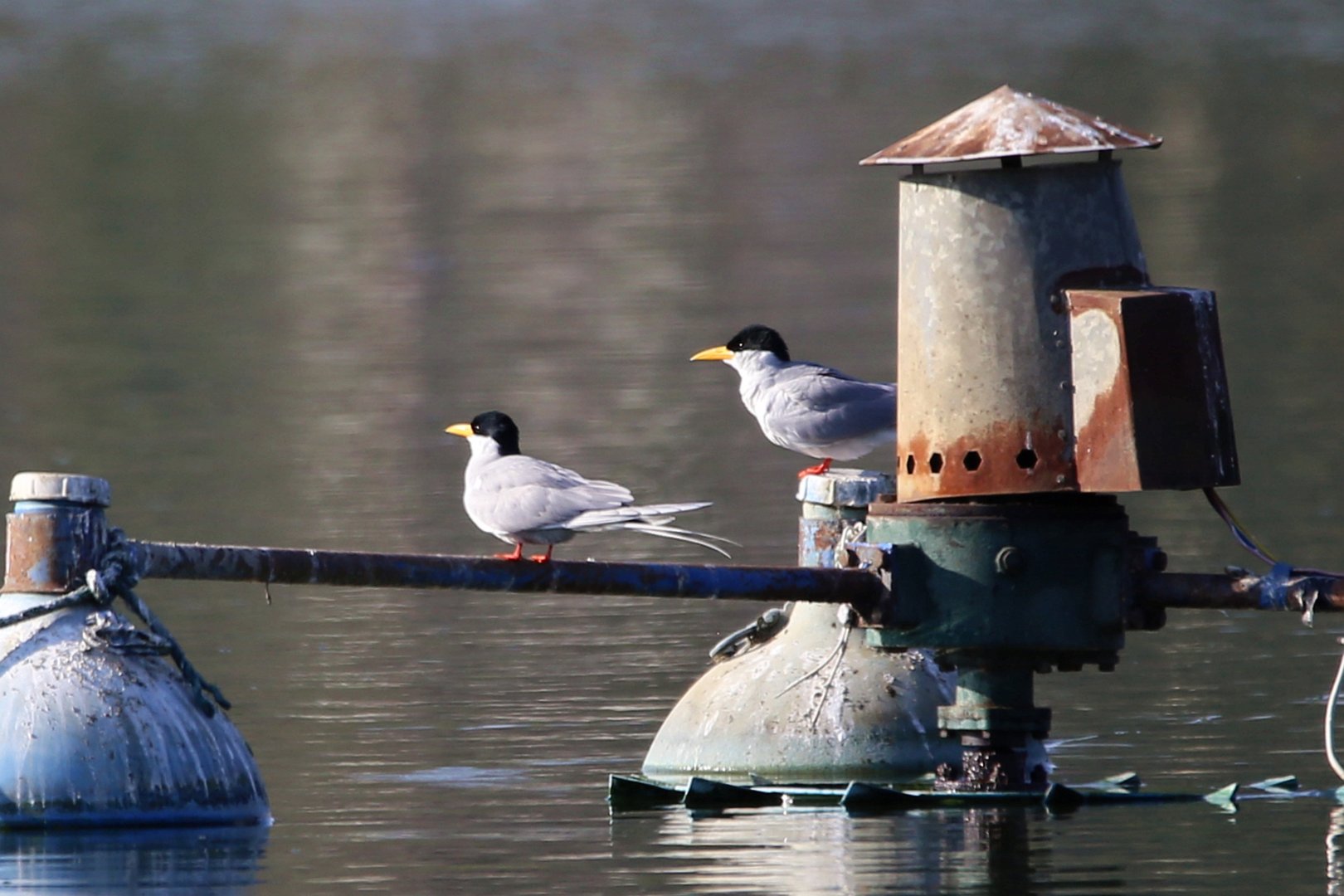
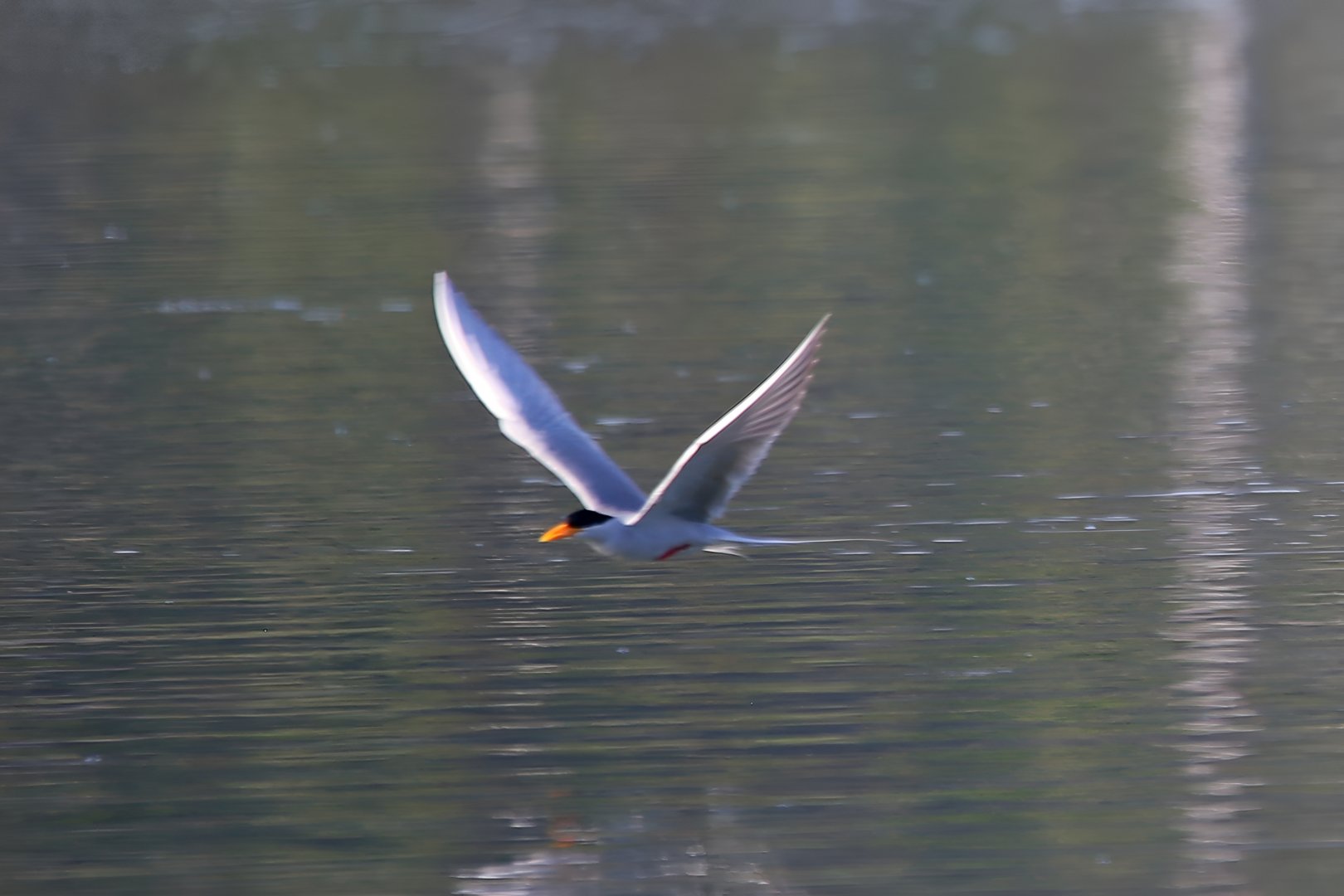
Before we drove to the Hornbill Valley, we stopped to see the river tern, a species that breeds in the Daying River Basin. These birds migrate from Myanmar in late December or early January, and stay in Yingjiang for about half the year, leaving in June or July. Nesting begins in February, and prior to that, the birds are in the courtship and pairing stage. During this period, they mainly frequent three to four fish ponds near downtown Yingjiang (about 10 minutes drive), so if you couldn't spot them in one, you simply move to another pond, and after a round you'll definitely find them. If the pairs successfully mate, they will lay eggs and hatch them on the on sandy islands along the Daying River.
We were lucky to find a pair of river terns at our second fish pond, which was literally 50% of the population in China. Yingjiang is currently the only known stable breeding site for the species in China. The population here is part of the Myanmar population that migrates annually for breeding. The number of river terns was relatively high in the 1980s, to the point that it was even considered a pest for stealing fish from local fisherman. The species was listed as a Class II protected species in 1988 (upgraded to Class I in 2021). However, efforts to monitor the species only began in 2014, and it was not until 2017 that substantial protection measures were introduced by the local government. Unfortunately, by then, the population had dwindled to just a few individuals, and it has remained critically low since. According to our guide, the local government is probably doing its best to save the species, including monitoring of nesting site and coordination with the local water conservation departments to maintain appropriate water levels. Despite the extensive efforts, the population continues to decline. The number of birds that migrated back in January was 7 in 2019 (with 6 successful hatchlings, the highest in a decade), 5 in 2020, 7 in 2021, 8 in 2022 (but only one chick survived), 5 in 2023, 4 in 2024, and 4 again this year. Given that the river tern population in Myanmar is also critically endangered, with only a few dozen birds remaining, the future of the small breeding population in China seems increasingly dire……
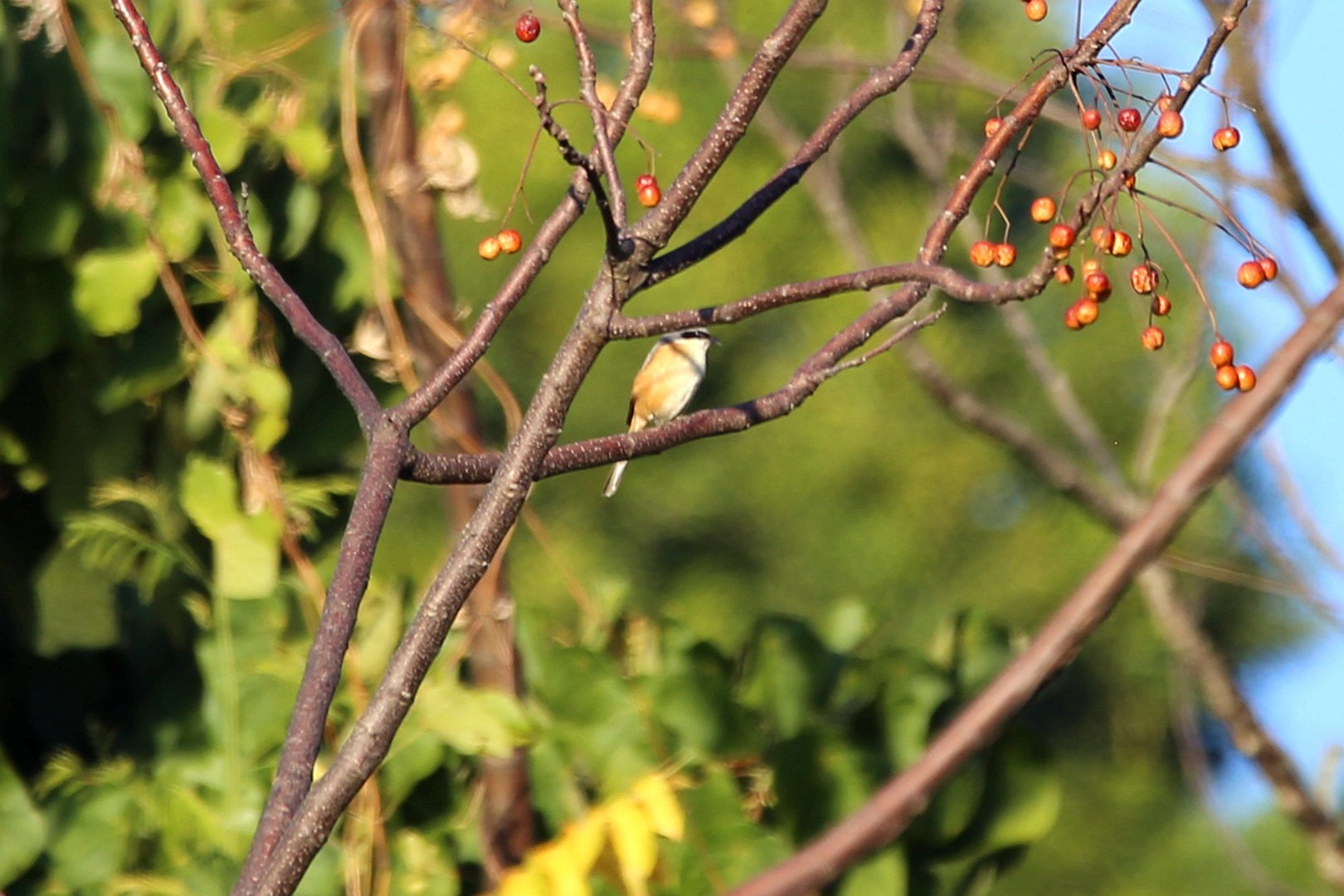
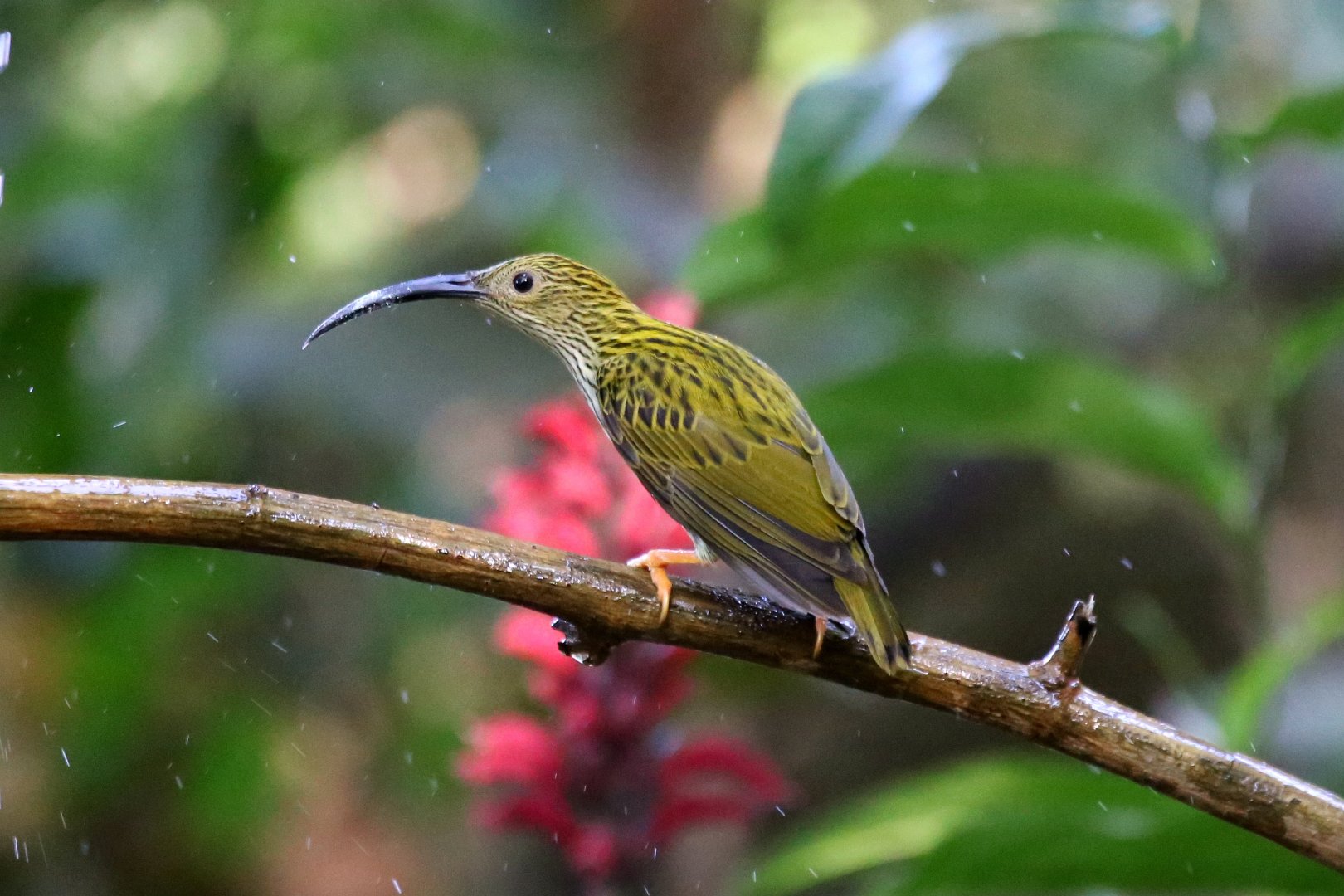
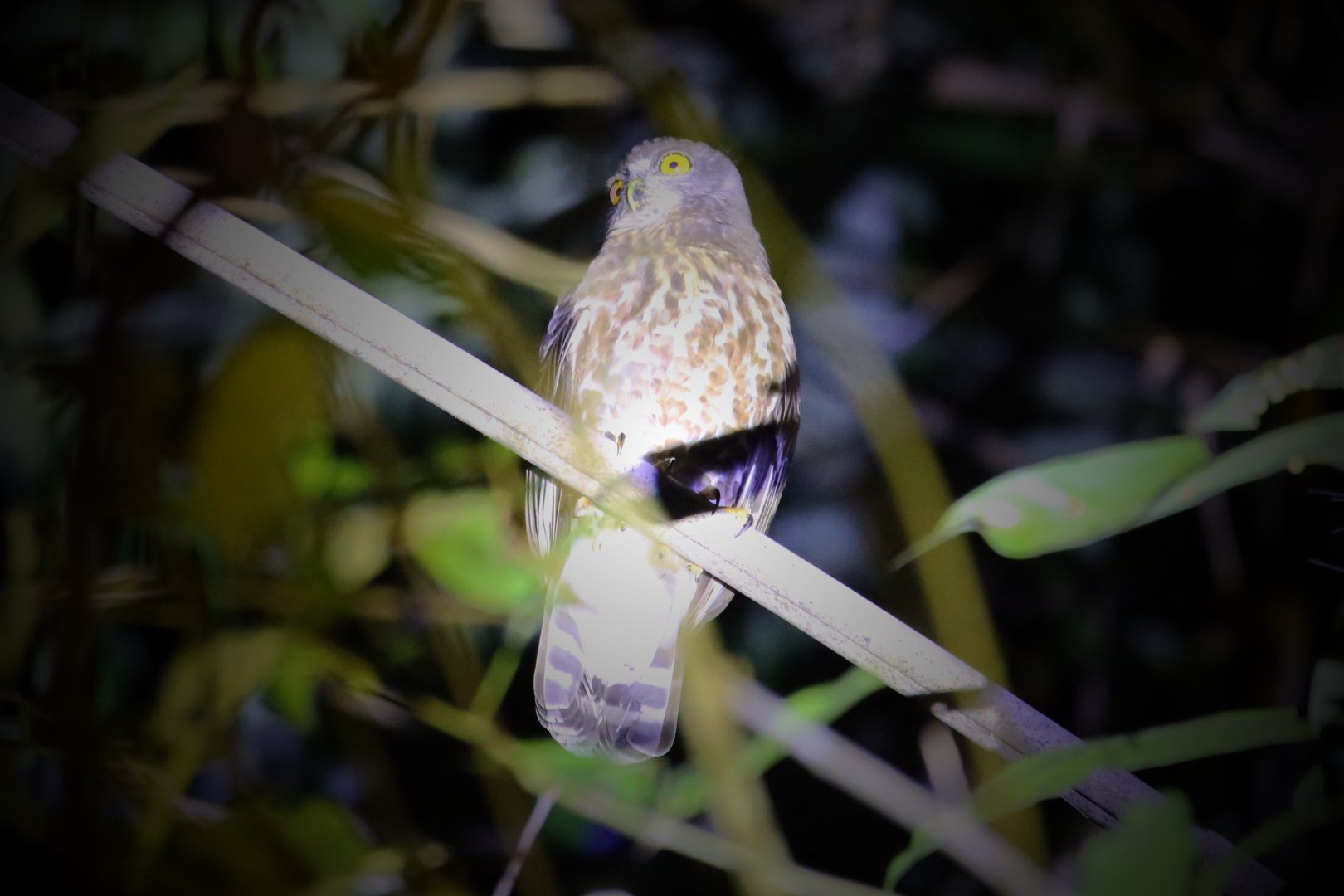
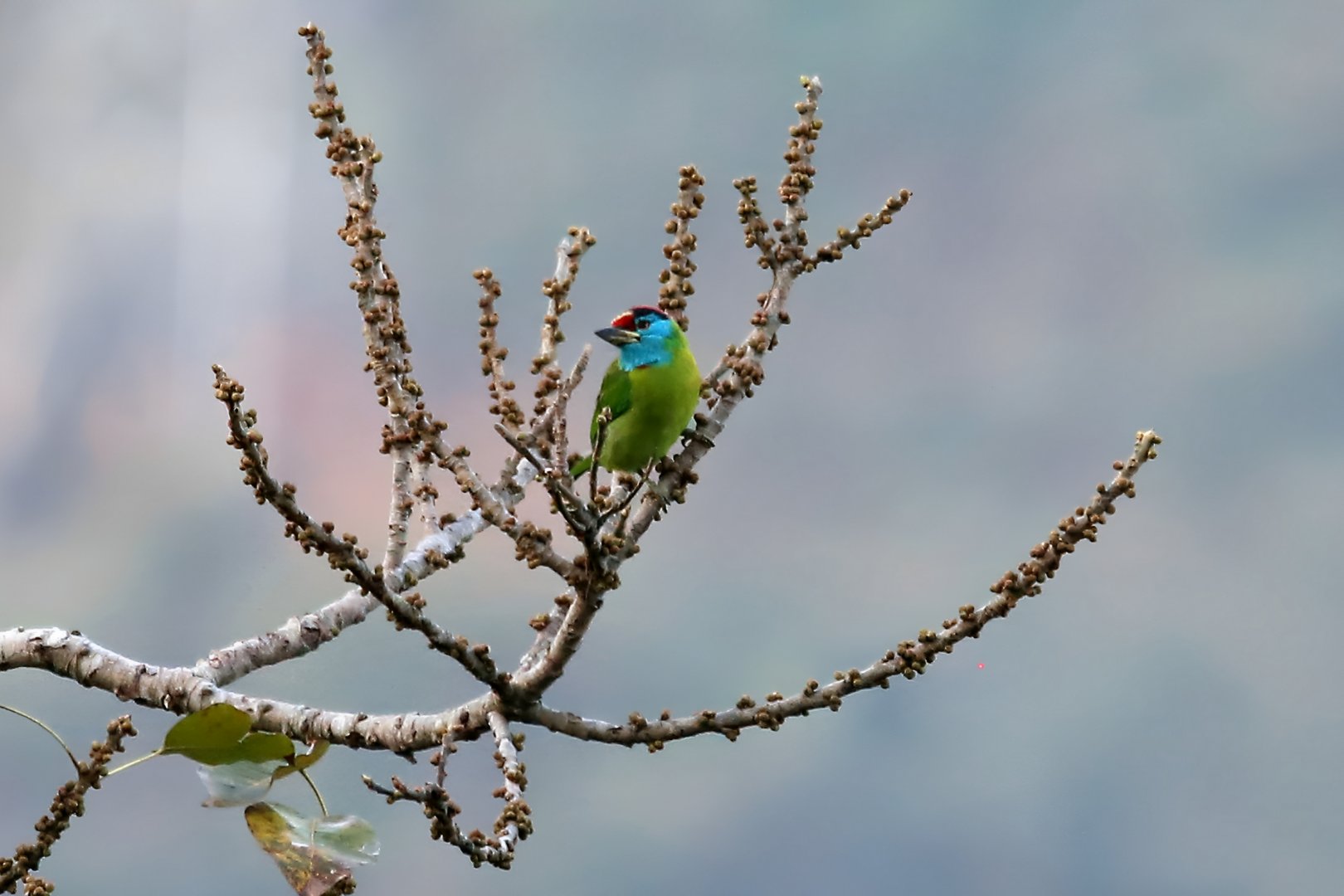
We left the river tern site for Hornbill Valley around 10:30. Below is the bird list of all three sites near downtown Yingjiang:
Zoochat Big Year 2025