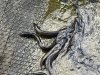
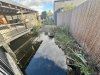
Two Zoos in a Day (Auckland Region)

Zoofan15

Well-Known Member
10+ year member
Two Zoos in a Day (Auckland Region)

Introduction

On 15/05/2025, I visited two zoos in the Auckland region - Ti Point Reptile Park and Butterfly Creek. It was my first time visiting both facilities, so I thought I’d write a review of them.

The time I spent at each facility and the adult admission cost are as follows:

Ti Point Reptile Park - 1.75 hours ($22)

Butterfly Creek - 1.75 hours ($32)
 
Ti Point Reptile Park - Part One

Ti Point Reptile Park was founded in 1968 and is home to the largest and most diverse collection of reptiles of any New Zealand zoo. The park is an approximately one hour drive north of Auckland’s CBD.

The surrounding roads are semi-rural, which is a contrast to the urban city surrounds of Auckland Zoo and Butterfly Creek. The park is accessed by a steep unsealed driveway, which leads to a large carpark (also unsealed). I arrived at opening time and was the first visitor there, with no further visitors arriving between then and when I left around an hour and a half later.

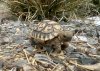
Outside the entrance is an exhibit for juvenile Indian star tortoise. The park breeds and holds this species in large numbers. Stepping inside, a tank on the left of the admissions desk held Southern bell frog and Green and Golden bell frog tadpoles, most of which had recently graduated to a froglets exhibit found later on in the park.

Entrance:

upload_2025-5-21_14-59-54.jpeg

Entrance Exhibit (Indian Star Tortoise):

upload_2025-5-21_15-0-11.jpeg

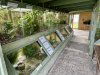
Once admission was purchased, you entered a paved walkway with a tall glass fronted exhibit housing Northland green gecko on the left; and a total of 11 glass fronted tanks on the right housing:

1. Auckland green gecko
2. Falla’s skink
3. Manuka gecko/Small-scaled skink
4. Duvaucel’s gecko
5. Auckland green gecko/Goldstripe gecko
6. Nelson green gecko/Forest gecko
7. Nelson green gecko/Northern brown skink
8. Moko skink
9. Otago skink
10. Rough gecko
11. Jewelled gecko/Central Otago gecko

Gecko/Skink Exhibits:

upload_2025-5-21_15-1-28.jpeg

Otago Skink Exhibit:

upload_2025-5-21_15-0-43.jpeg

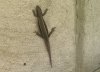
Small-scaled Skink:

upload_2025-5-21_15-1-11.jpeg

Entering the park you have a choice of two tracks that lead around the upper and lower park respectively. I began with the Upper Park Track.

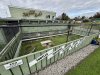
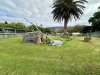
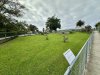
The first exhibit on the Upper Park Track consists of a large fenced grass lawn, with a large tree in the centre, a small pool and two shelters. It houses Spur-thighed tortoise, Eastern water dragon and Red-eared slider turtle. The larger shelter has a glass fronted viewing window and is viewable from a raised boardwalk at the lower boundary of the exhibit.

Spur-thighed Tortoise Exhibit:

upload_2025-5-21_15-1-49.jpeg

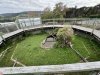
The boardwalk consists of a small loop around an exhibit holding Three-toed box turtle. It gives you an aerial view of an exhibit holding juvenile Hemann’s tortoise; and overlooks the main Indian star tortoise exhibit, which also has a house viewable from the boardwalk. The Indian star tortoise exhibit is similar in design to the Spur-thighed tortoise, consisting of a grass lawn, albeit smaller in size.

Three-toed Box Turtle Exhibit/Boardwalk:

upload_2025-5-21_15-2-7.jpeg

Indian Star Tortoise Exhibit:

upload_2025-5-21_15-2-26.jpeg

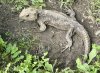
Indian Star Tortoise:

upload_2025-5-21_15-2-43.jpeg

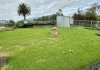
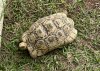
Descending the boardwalk, you walk past an exhibit housing juvenile Leopard tortoise; and then along the perimeter of the aforementioned Indian star tortoise exhibit. Running parallel to this exhibit is the main Leopard tortoise exhibit, which like the others is a spacious grass lawn, this time dotted with cacti. The tortoise house is viewable at ground level via a viewing window. Due to being early morning in May, most of the tortoises were in the semi-heated house when I passed by.

Leopard Tortoise Exhibit:

upload_2025-5-21_15-3-14.jpeg
 

Attachments

  • upload_2025-5-21_14-59-54.jpeg
    upload_2025-5-21_14-59-54.jpeg
    220.4 KB · Views: 32
  • upload_2025-5-21_15-0-11.jpeg
    upload_2025-5-21_15-0-11.jpeg
    255.7 KB · Views: 35
  • upload_2025-5-21_15-0-43.jpeg
    upload_2025-5-21_15-0-43.jpeg
    284.9 KB · Views: 39
  • upload_2025-5-21_15-1-11.jpeg
    upload_2025-5-21_15-1-11.jpeg
    219.2 KB · Views: 35
  • upload_2025-5-21_15-1-28.jpeg
    upload_2025-5-21_15-1-28.jpeg
    252.8 KB · Views: 35
  • upload_2025-5-21_15-1-49.jpeg
    upload_2025-5-21_15-1-49.jpeg
    260.5 KB · Views: 36
  • upload_2025-5-21_15-2-7.jpeg
    upload_2025-5-21_15-2-7.jpeg
    275.1 KB · Views: 35
  • upload_2025-5-21_15-2-26.jpeg
    upload_2025-5-21_15-2-26.jpeg
    245 KB · Views: 35
  • upload_2025-5-21_15-2-43.jpeg
    upload_2025-5-21_15-2-43.jpeg
    269.4 KB · Views: 41
  • upload_2025-5-21_15-3-14.jpeg
    upload_2025-5-21_15-3-14.jpeg
    245.2 KB · Views: 38
Ti Point Reptile Park - Part Two

The Tropical House followed. The interior design was simple and contained four exhibits that ran parallel to each other with dividing fence lines. The exhibits housed:

1. Leopard tortoise
2. Hermann’s tortoise
3. Leopard tortoise
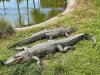
4. American alligator

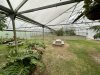
The tortoise exhibits were dotted with the occasional tree/shrub, while the American alligator exhibit was more densely planted and contained a pool, which the single alligator was submerged in. Opposite these exhibits was fifth exhibit, similar in size to the others, but apparently under renovation as it sat empty.

Tropical House:

upload_2025-5-21_15-5-29.jpeg

Tropical House (Interior):

upload_2025-5-21_15-5-47.jpeg

Tropical House - Exhibit 3 (Leopard Tortoise):

upload_2025-5-21_15-6-13.jpeg

Tropical House - Exhibit 4 (American Alligator):

upload_2025-5-21_15-6-31.jpeg

American Alligator:

upload_2025-5-21_15-6-47.jpeg

Leopard Tortoise:

upload_2025-5-21_15-7-12.jpeg

Hermann’s Tortoise:

upload_2025-5-21_15-7-27.jpeg

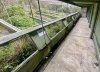
Exiting the Tropical House, you followed the pathway up the hill past the outdoor tortoise exhibits detailed above, this time getting ground level views of the Hermann’s tortoise exhibit (apologies, the photo below is from the boardwalk, but shows the exhibit and pathway). At the top (opposite the upper boundary of the Spur-thighed tortoise exhibit) is an exhibit housing Indian star tortoise on the right; and an exhibit housing Chaco tortoise on the left. This was the only exhibit of this species in the park; and their adjoining house was also viewable on the other side via a glass fronted viewing window at the start of the Lower Park Track.

Hermann’s Tortoise Exhibit:

upload_2025-5-21_15-8-39.jpeg

Indian Star Tortoise Exhibit (Juveniles):

upload_2025-5-21_15-9-24.jpeg

Chaco Tortoise Exhibit (Outside Area):

upload_2025-5-21_15-9-5.jpeg
 

Attachments

  • upload_2025-5-21_15-5-29.jpeg
    upload_2025-5-21_15-5-29.jpeg
    161.9 KB · Views: 37
  • upload_2025-5-21_15-5-47.jpeg
    upload_2025-5-21_15-5-47.jpeg
    245.1 KB · Views: 34
  • upload_2025-5-21_15-6-13.jpeg
    upload_2025-5-21_15-6-13.jpeg
    281.7 KB · Views: 40
  • upload_2025-5-21_15-6-31.jpeg
    upload_2025-5-21_15-6-31.jpeg
    239.6 KB · Views: 42
  • upload_2025-5-21_15-6-47.jpeg
    upload_2025-5-21_15-6-47.jpeg
    290.3 KB · Views: 37
  • upload_2025-5-21_15-7-12.jpeg
    upload_2025-5-21_15-7-12.jpeg
    329.1 KB · Views: 39
  • upload_2025-5-21_15-7-27.jpeg
    upload_2025-5-21_15-7-27.jpeg
    333.5 KB · Views: 32
  • upload_2025-5-21_15-8-39.jpeg
    upload_2025-5-21_15-8-39.jpeg
    306.8 KB · Views: 44
  • upload_2025-5-21_15-9-5.jpeg
    upload_2025-5-21_15-9-5.jpeg
    322.4 KB · Views: 37
  • upload_2025-5-21_15-9-24.jpeg
    upload_2025-5-21_15-9-24.jpeg
    327.9 KB · Views: 38
Ti Point Reptile Park - Part Three

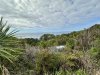
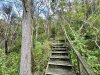
The Lower Park Track consists of a walking trail that descend down a steep hillside. I had always imagined Ti Point as a simple flat field of exhibits, so the picturesque ocean view that preceded a walk through sections of New Zealand native bush was a pleasant surprise.

Lower Park Track (Ocean View):

upload_2025-5-21_15-12-42.jpeg

On the right were a series of six glass fronted exhibits built on a stonewall base. These exhibits housed the following:

1. Chaco tortoise
2. Hermann’s tortoise (hatchlings)
3. Asian box turtle
4. Indian star tortoise (hatchlings)
5. Leopard tortoise (hatchlings)
6. Eastern water dragon/Eastern blue-tongue skink

Considering the inactivity of many of the adults that had preceded them, it was a delight to see multiple hatchlings of those species energetically crawling across their heated exhibits.

Tortoise/Turtle/Lizard Exhibits:

upload_2025-5-21_15-14-50.jpeg

Indian Star Tortoise Exhibit:

upload_2025-5-21_15-15-11.jpeg

Chaco Tortoise:

upload_2025-5-21_15-15-28.jpeg

Asian Box Turtle:

upload_2025-5-21_15-16-5.jpeg

Hermann’s Tortoise (Hatchling):

upload_2025-5-21_15-16-22.jpeg

Leopard Tortoise (Hatchling):

upload_2025-5-21_15-16-43.jpeg

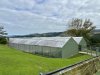
Walking down the slope, I came across a densely planted, glass fronted Eastern water dragon exhibit, which was adjacent to two Tuatara exhibits. The first exhibit was fully enclosed with a wire roof; while the second was open air. I saw a Tuatara that had recently emerged from its burrow to enjoy the morning sun.

Eastern Water Dragon Exhibit:

upload_2025-5-21_15-17-10.jpeg

Tuatara Exhibit (Enclosed):

upload_2025-5-21_15-17-27.jpeg

Tuatara Exhibit (Open Air):

upload_2025-5-21_15-17-45.jpeg
 

Attachments

  • upload_2025-5-21_15-12-42.jpeg
    upload_2025-5-21_15-12-42.jpeg
    232 KB · Views: 35
  • upload_2025-5-21_15-14-50.jpeg
    upload_2025-5-21_15-14-50.jpeg
    265.7 KB · Views: 34
  • upload_2025-5-21_15-15-11.jpeg
    upload_2025-5-21_15-15-11.jpeg
    287.4 KB · Views: 35
  • upload_2025-5-21_15-15-28.jpeg
    upload_2025-5-21_15-15-28.jpeg
    342.5 KB · Views: 34
  • upload_2025-5-21_15-16-5.jpeg
    upload_2025-5-21_15-16-5.jpeg
    243.5 KB · Views: 37
  • upload_2025-5-21_15-16-22.jpeg
    upload_2025-5-21_15-16-22.jpeg
    187.2 KB · Views: 35
  • upload_2025-5-21_15-16-43.jpeg
    upload_2025-5-21_15-16-43.jpeg
    218.6 KB · Views: 37
  • upload_2025-5-21_15-17-10.jpeg
    upload_2025-5-21_15-17-10.jpeg
    302.6 KB · Views: 37
  • upload_2025-5-21_15-17-27.jpeg
    upload_2025-5-21_15-17-27.jpeg
    302.3 KB · Views: 36
  • upload_2025-5-21_15-17-45.jpeg
    upload_2025-5-21_15-17-45.jpeg
    339.9 KB · Views: 37
Ti Point Reptile Park - Part Four

A long flight of wooden stairs took me down to a flat expanse of land, where to the left was the Reptile House. The Reptile House had a spacious interior with numerous exhibits. Other exhibits were outside, but adjoining the Reptile House; and the path led you through the Reptile House, outside and then back in again. One of the exit doors had curved walls that made me think of the winding paths of Taronga’s Serpentaria.

The exhibits were as follows:

1. Western black-bridged leaf turtle/Red-eared slider/Eastern snake-necked turtle
2. Eastern bearded dragon/Eastern blue-tongued lizard
3. Spotted house gecko
4. Painted river turtle/River Cooter/Cumberland slider turtle
5. Andean striped-knee tarantula
6. Andean striped-knee tarantula
7. Lace monitor
8. Smith’s redknee tarantula
9. Chilean rose tarantula
10. Tuatara
11. Southern bell frog/Green and golden bell frog (froglets)
12. Duvaucel’s gecko/Robust skink
13. Three-toed box turtle/Red-eared slider
14. Axolotl
15. Japanese fire-bellied newt
16. Southern bell frog/Green and golden bell frog (adults)
17. Green iguana
18. Eastern water dragon/Cunningham’s skink/Murray river turtle
19. Lace monitor
20. Giant day gecko
21. Giant day gecko
22. Giant day gecko

Lower Track (Continues):

upload_2025-5-21_15-20-12.jpeg

Reptile House:

upload_2025-5-21_15-20-44.jpeg

Reptile House (Interior):

upload_2025-5-21_15-23-19.jpeg

Western Black-bridged Leaf Turtle Exhibit:

upload_2025-5-21_15-23-1.jpeg

Lace Monitor Exhibit 1:

upload_2025-5-21_15-22-35.jpeg

Lace Monitor:

upload_2025-5-21_15-22-19.jpeg

Eastern Water Dragon Exhibit:

upload_2025-5-21_15-21-58.jpeg

Giant Day Gecko Exhibits:

upload_2025-5-21_15-21-42.jpeg

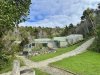
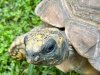
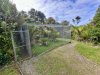
Across from the Reptile House was a wire fenced exhibit housing Yellow-footed tortoise. The exhibit was densely planted and had an indoor house, but the tortoises were outside by the fenceline when I passed by.

Yellow-footed Tortoise Exhibit:

upload_2025-5-21_15-21-20.jpeg

Yellow-footed Tortoise:

upload_2025-5-21_15-21-4.jpeg
 

Attachments

  • upload_2025-5-21_15-20-12.jpeg
    upload_2025-5-21_15-20-12.jpeg
    379 KB · Views: 36
  • upload_2025-5-21_15-20-44.jpeg
    upload_2025-5-21_15-20-44.jpeg
    265.2 KB · Views: 44
  • upload_2025-5-21_15-21-4.jpeg
    upload_2025-5-21_15-21-4.jpeg
    148.2 KB · Views: 39
  • upload_2025-5-21_15-21-20.jpeg
    upload_2025-5-21_15-21-20.jpeg
    299.3 KB · Views: 38
  • upload_2025-5-21_15-21-42.jpeg
    upload_2025-5-21_15-21-42.jpeg
    187.6 KB · Views: 38
  • upload_2025-5-21_15-21-58.jpeg
    upload_2025-5-21_15-21-58.jpeg
    321.4 KB · Views: 35
  • upload_2025-5-21_15-22-19.jpeg
    upload_2025-5-21_15-22-19.jpeg
    207.1 KB · Views: 37
  • upload_2025-5-21_15-22-35.jpeg
    upload_2025-5-21_15-22-35.jpeg
    253.9 KB · Views: 35
  • upload_2025-5-21_15-23-1.jpeg
    upload_2025-5-21_15-23-1.jpeg
    302.6 KB · Views: 35
  • upload_2025-5-21_15-23-19.jpeg
    upload_2025-5-21_15-23-19.jpeg
    166.2 KB · Views: 37
Ti Point Reptile Park - Part Five

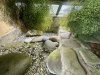
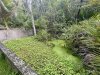
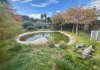
The Lower Park continued through a section of New Zealand native forest to an exhibit signed for Red-eared slider turtle. The exhibit was overgrown with ancient stone walls covered in moss and water that was covered completely with duckweed. Surrounded by vegetation, it looked like the ruins of an exhibit time had forgotten and was a stark contrast to the many well maintained exhibits I saw throughout the park.

Red-eared Slider Turtle Exhibit:

upload_2025-5-21_15-25-48.jpeg

A small bamboo glade followed with the tallest bamboo I’ve ever seen in New Zealand, with the now ascending path leading up to the American alligator complex. The facility contains exhibits for a male and female, with the female occupying the larger exhibit. Each exhibit had a pool, underwater viewing windows and a separation enclosure. Though the exhibits were looking dated, it appeared to be a good set up for facilitating an introduction between a male and female.

Female American Alligator Exhibit:


upload_2025-5-21_15-26-4.jpeg

Female American Alligator Exhibit:

upload_2025-5-21_15-26-35.jpeg

Male American Alligator Exhibit:

upload_2025-5-21_15-26-58.jpeg

Male American Alligator Exhibit:

upload_2025-5-21_15-27-12.jpeg

American Alligator:

upload_2025-5-21_15-27-50.jpeg

A steep hill followed, where to the left was a large, fully enclosed, wire fenced exhibit. It held capuchins in the past, but on my visit was home to a singe rooster. Hens and chicks roamed free-range, so I suspect his containment was in the interests of population control.

Domestic Chicken Exhibit:

upload_2025-5-21_15-28-3.jpeg

The final exhibit was the New Zealand Lizard House. The fully enclosed complex consisted of six open top exhibits, each paired with a smaller adjoining exhibit that was fully contained. The exhibits were as follows:

1. Tuatara
2. Falla’s skink
3. Falla’s skink
4. Robust skink
5. Robust skink
6. Robust skink

1. Duvaucel’s gecko
2. Duvaucel’s gecko
3. Duvaucel’s gecko
4. Forest gecko
5. Duvaucel’s gecko
6. Duvaucel’s gecko

New Zealand Lizard House:

upload_2025-5-21_15-28-20.jpeg

New Zealand Lizard House (Interior):

upload_2025-5-21_15-28-35.jpeg

Tuatara:

upload_2025-5-21_15-28-50.jpeg

The track was a loop that returned to the top of the zoo going past the row of six exhibits at the start of track.

Having completed the two routes, I repeated both again to revisit exhibits whose occupants had been less active at the start of my visit and then exited through the gate at the top of the zoo.

Overall, I was impressed with Ti Point. It had a diverse collection of reptiles and well maintained exhibits. Some of the exhibits were dated, including the Reptile House; but as somebody who enjoys appreciates historical features and architecture in zoos, that increased its appeal for me. My highlights were the American alligator (and the outdoor complex); the Reptile House; seeing the Chaco tortoise (a species I don’t recall seeing before); the various tortoise hatchlings; and of course, the stunning location. If I could make a recommendation for an additional species, it would be Galapagos giant tortoise. Ti Point previously held Auckland’s non-breeding male while their exhibit was renovated. Since his return as a stimulant male, six surviving hatchlings have been produced. Since Auckland would struggle to accomodate 10 adults without a significant expansion of their exhibit, it’s my hope some will transfer to Ti Point long term.
 

Attachments

  • upload_2025-5-21_15-25-48.jpeg
    upload_2025-5-21_15-25-48.jpeg
    363.8 KB · Views: 44
  • upload_2025-5-21_15-26-4.jpeg
    upload_2025-5-21_15-26-4.jpeg
    322.7 KB · Views: 36
  • upload_2025-5-21_15-26-35.jpeg
    upload_2025-5-21_15-26-35.jpeg
    309.9 KB · Views: 39
  • upload_2025-5-21_15-26-58.jpeg
    upload_2025-5-21_15-26-58.jpeg
    288.4 KB · Views: 37
  • upload_2025-5-21_15-27-12.jpeg
    upload_2025-5-21_15-27-12.jpeg
    263.3 KB · Views: 41
  • upload_2025-5-21_15-27-50.jpeg
    upload_2025-5-21_15-27-50.jpeg
    287.8 KB · Views: 37
  • upload_2025-5-21_15-28-3.jpeg
    upload_2025-5-21_15-28-3.jpeg
    337 KB · Views: 41
  • upload_2025-5-21_15-28-20.jpeg
    upload_2025-5-21_15-28-20.jpeg
    289.3 KB · Views: 37
  • upload_2025-5-21_15-28-35.jpeg
    upload_2025-5-21_15-28-35.jpeg
    257.6 KB · Views: 44
  • upload_2025-5-21_15-28-50.jpeg
    upload_2025-5-21_15-28-50.jpeg
    273 KB · Views: 37
Ti Point Reptile Park - Part Five

The Lower Park continued through a section of New Zealand native forest to an exhibit signed for Red-eared slider turtle. The exhibit was overgrown with ancient stone walls covered in moss and water that was covered completely with duckweed. Surrounded by vegetation, it looked like the ruins of an exhibit time had forgotten and was a stark contrast to the many well maintained exhibits I saw throughout the park.

Red-eared Slider Turtle Exhibit:

View attachment 794330

A small bamboo glade followed with the tallest bamboo I’ve ever seen in New Zealand, with the now ascending path leading up to the American alligator complex. The facility contains exhibits for a male and female, with the female occupying the larger exhibit. Each exhibit had a pool, underwater viewing windows and a separation enclosure. Though the exhibits were looking dated, it appeared to be a good set up for facilitating an introduction between a male and female.

Female American Alligator Exhibit:


View attachment 794331

Female American Alligator Exhibit:

View attachment 794332

Male American Alligator Exhibit:

View attachment 794333

Male American Alligator Exhibit:

View attachment 794334

American Alligator:

View attachment 794335

A steep hill followed, where to the left was a large, fully enclosed, wire fenced exhibit. It held capuchins in the past, but on my visit was home to a singe rooster. Hens and chicks roamed free-range, so I suspect his containment was in the interests of population control.

Domestic Chicken Exhibit:

View attachment 794336

The final exhibit was the New Zealand Lizard House. The fully enclosed complex consisted of six open top exhibits, each paired with a smaller adjoining exhibit that was fully contained. The exhibits were as follows:

1. Tuatara
2. Falla’s skink
3. Falla’s skink
4. Robust skink
5. Robust skink
6. Robust skink

1. Duvaucel’s gecko
2. Duvaucel’s gecko
3. Duvaucel’s gecko
4. Forest gecko
5. Duvaucel’s gecko
6. Duvaucel’s gecko

New Zealand Lizard House:

View attachment 794337

New Zealand Lizard House (Interior):

View attachment 794338

Tuatara:

View attachment 794339

The track was a loop that returned to the top of the zoo going past the row of six exhibits at the start of track.

Having completed the two routes, I repeated both again to revisit exhibits whose occupants had been less active at the start of my visit and then exited through the gate at the top of the zoo.

Overall, I was impressed with Ti Point. It had a diverse collection of reptiles and well maintained exhibits. Some of the exhibits were dated, including the Reptile House; but as somebody who enjoys appreciates historical features and architecture in zoos, that increased its appeal for me. My highlights were the American alligator (and the outdoor complex); the Reptile House; seeing the Chaco tortoise (a species I don’t recall seeing before); the various tortoise hatchlings; and of course, the stunning location. If I could make a recommendation for an additional species, it would be Galapagos giant tortoise. Ti Point previously held Auckland’s non-breeding male while their exhibit was renovated. Since his return as a stimulant male, six surviving hatchlings have been produced. Since Auckland would struggle to accomodate 10 adults without a significant expansion of their exhibit, it’s my hope some will transfer to Ti Point long term.

A very interesting review! I've never been to Ti Point, and I'd somehow gained the impression that the park was tired and rundown. This review certainly cleared me of that misconception.

I'm particularly interested in the Asian box turtles, yellow-footed tortoises and Chaco tortoises you saw. How many were there of each? Would Ti Point be able to breed new tortoises to send to other zoos in the country? I've always thought testudines are underrepresented in NZ zoos. Additionally, what kind of Asian box turtles do they have? It makes me wonder why Auckland Zoo didn't ask Ti Point for a couple of Asian turtles for their new tropical dome, since they don't seem to be having any luck importing. Also, does Ti Point not have any more red-footed tortoises? I remember that the park stocked some at one point, but maybe the last one died.
 
A very interesting review! I've never been to Ti Point, and I'd somehow gained the impression that the park was tired and rundown. This review certainly cleared me of that misconception.

I'm particularly interested in the Asian box turtles, yellow-footed tortoises and Chaco tortoises you saw. How many were there of each? Would Ti Point be able to breed new tortoises to send to other zoos in the country? I've always thought testudines are underrepresented in NZ zoos. Additionally, what kind of Asian box turtles do they have? It makes me wonder why Auckland Zoo didn't ask Ti Point for a couple of Asian turtles for their new tropical dome, since they don't seem to be having any luck importing. Also, does Ti Point not have any more red-footed tortoises? I remember that the park stocked some at one point, but maybe the last one died.

Thank you.

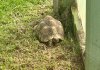
I saw two Asian box turtle; one Yellow-footed tortoise; and two Chaco tortoise. It seems they’ve held two Chaco tortoise for some time and have never bred (they might even both be female?) so I’m not sure if they ever will breed this species. In any case, it was good to see them as I don’t recall seeing the species before.

I didn’t see a Red-footed tortoise, nor was it signed anywhere. It appears to have been absent since at least 2021, suggesting it’s passed.
 
Butterfly Creek - Part One

The first stage of Butterfly Creek opened in 2003, with development continuing over the following years. It’s around a 30 minute drive south from Auckland CBD and less than a two minute drive from Auckland International Airport.

I arrived at Butterfly Creek early afternoon, coinciding with a massive school party leaving, which I was happy about. It had a large sealed carpark, which like Ti Point Reptile Park, offered unlimited time parking to visitors. There’s a cost if you wish to park in Auckland Zoo’s carpark. My expectation being a weekday was that Butterfly Creek would be quiet and I was not disappointed, with around 30-40 people visiting during the time I was there.

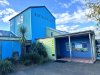
The large entrance building included a cafe to the left, which is adjoined by a playground. These facilities can be accessed free of charge by the general public; with an admission ticket required to enter the rest of the park via the gift shop, which is to the right.

Entrance:

upload_2025-5-22_12-9-25.jpeg

Entrance Foyer:

upload_2025-5-22_12-9-41.jpeg

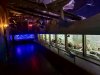
The first room is the the aquarium. It features two large tanks, one freshwater and one saltwater. The following species were signed for the freshwater tank: Oscar cichlid, Jaguar cichlid, Albino tinfoil barb, Silver dollar, Clown loach, Convict cichlid, Sailfin pleco, Royal pleco, Redtail pleco, Clown knifefish, Ghost knifefish, Flagtail characin, Six banded distichodus, Silver arowana and Cigar shark. The saltwater tank was unsigned.

Aquarium:

upload_2025-5-22_12-10-11.jpeg

Giant Gourami:

upload_2025-5-22_12-10-47.jpeg

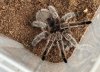
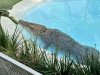
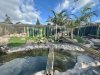
Exiting the Aquarium, I entered an area with a female American alligator named Cheryl on the left; an Eastern water dragon exhibit on the right; and an exhibit housing Red-bellied short neck turtle straight ahead. All three exhibits were well presented, with the water in the American alligator pool crystal clear; and the water dragons having the choice to climb over branches and rocks in their exhibit which had a large rock face as it’s backdrop. Further on were tanks housing butterfly pupae and tarantula, which would have been more insightful if they were signed with the species. Luckily my arrival coincided with one of the keepers brining out a Chilean rose tarantula in a container for myself and the small gathered crowd to have a closer look at.

American Alligator Exhibit:

upload_2025-5-22_12-11-16.jpeg

American Alligator:

upload_2025-5-22_12-11-31.jpeg

Eastern Water Dragon Exhibit:

upload_2025-5-22_12-11-46.jpeg

Eastern Water Dragon:

upload_2025-5-22_12-12-0.jpeg

Red-bellied Short Neck Turtle Exhibit:

upload_2025-5-22_12-12-15.jpeg

Chilean Rose Tarantula:

upload_2025-5-22_12-12-45.jpeg
 

Attachments

  • upload_2025-5-22_12-9-25.jpeg
    upload_2025-5-22_12-9-25.jpeg
    195.8 KB · Views: 35
  • upload_2025-5-22_12-9-41.jpeg
    upload_2025-5-22_12-9-41.jpeg
    112.8 KB · Views: 35
  • upload_2025-5-22_12-10-11.jpeg
    upload_2025-5-22_12-10-11.jpeg
    118.9 KB · Views: 34
  • upload_2025-5-22_12-10-47.jpeg
    upload_2025-5-22_12-10-47.jpeg
    156.5 KB · Views: 45
  • upload_2025-5-22_12-11-16.jpeg
    upload_2025-5-22_12-11-16.jpeg
    270.1 KB · Views: 34
  • upload_2025-5-22_12-11-31.jpeg
    upload_2025-5-22_12-11-31.jpeg
    302 KB · Views: 31
  • upload_2025-5-22_12-11-46.jpeg
    upload_2025-5-22_12-11-46.jpeg
    282.3 KB · Views: 43
  • upload_2025-5-22_12-12-0.jpeg
    upload_2025-5-22_12-12-0.jpeg
    218.3 KB · Views: 34
  • upload_2025-5-22_12-12-15.jpeg
    upload_2025-5-22_12-12-15.jpeg
    269.5 KB · Views: 36
  • upload_2025-5-22_12-12-45.jpeg
    upload_2025-5-22_12-12-45.jpeg
    254.6 KB · Views: 34
Butterfly Creek - Part Two

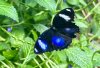
The next exhibit was the Butterfly House. The air was humid and a sound track of a thunderstorm was audible in the background. To the right was a netted enclosure to promote the breeding of the Postman butterfly. The Butterfly House was filled with numerous feeding stations and lush vegetation. One of the bushes in particular was a magnet to the Blue moon butterfly. Species signed were The cracker butterfly, The pink rose, Great yellow mormon, The clipper, Scarlet mormon, Yellow-edged giant owl, Blue moon butterfly, Arcas cattleheart, Golden birdwing, Doris longwing, Blue morpho and Emerald swallowtail. The Blue morpho was particularly stunning, but impossible to take a still photograph of.

Butterfly House:

upload_2025-5-22_12-14-34.jpeg

Blue Moon Butterfly:

upload_2025-5-22_12-14-48.jpeg

Exiting the Butterfly House, there was a view from the alternate side of the aforementioned American alligator exhibit; and three fully enclosed glass fronted exhibits housing Eastern blue-tongued lizard, Madagascan day gecko and Green iguana.

Eastern Blue-tongued Lizard Exhibit:

upload_2025-5-22_12-15-6.jpeg

Green Iguana Exhibit:

upload_2025-5-22_12-16-29.jpeg

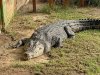
The Saltwater Crocodile Pavilion is arguably the centrepiece of Butterly Creek. Opened in 2009, with the import of two male Saltwater crocodiles (Goldie and Scar) from North Queensland. The exhibit features two exhibits, each containing a central pool and surrounded by grass, astroturf and rocks. The exhibits are viewable from a boardwalk, which overlooks them and is dotted with signage detailing information about the species and the individuals Butterfly Creek holds and their history/import. A cabinet contains a replica Saltwater crocodile skull. Goldie was basking on the land area throughout my visit; while Scar remained submerged in his pool.

Saltwater Crocodile Boardwalk:

upload_2025-5-22_12-17-17.jpeg

Saltwater Crocodile Exhibit 1:

upload_2025-5-22_12-17-48.jpeg

Saltwater Crocodile Exhibit 2:

upload_2025-5-22_12-18-3.jpeg

Goldie (Saltwater Crocodile):

upload_2025-5-22_12-18-46.jpeg

Scar (Saltwater Crocodile):

upload_2025-5-22_12-18-21.jpeg

Turning the corner, you arrive at three exhibits housing:

1. Eastern water dragon
2. Inland bearded dragon
3. Eastern water dragon

Eastern Water Dragon:

upload_2025-5-22_12-19-10.jpeg
 

Attachments

  • upload_2025-5-22_12-14-34.jpeg
    upload_2025-5-22_12-14-34.jpeg
    275.4 KB · Views: 34
  • upload_2025-5-22_12-14-48.jpeg
    upload_2025-5-22_12-14-48.jpeg
    128.1 KB · Views: 35
  • upload_2025-5-22_12-15-6.jpeg
    upload_2025-5-22_12-15-6.jpeg
    216.8 KB · Views: 34
  • upload_2025-5-22_12-16-29.jpeg
    upload_2025-5-22_12-16-29.jpeg
    220.3 KB · Views: 37
  • upload_2025-5-22_12-17-17.jpeg
    upload_2025-5-22_12-17-17.jpeg
    161.4 KB · Views: 33
  • upload_2025-5-22_12-17-48.jpeg
    upload_2025-5-22_12-17-48.jpeg
    234.2 KB · Views: 33
  • upload_2025-5-22_12-18-3.jpeg
    upload_2025-5-22_12-18-3.jpeg
    211.8 KB · Views: 34
  • upload_2025-5-22_12-18-21.jpeg
    upload_2025-5-22_12-18-21.jpeg
    206.3 KB · Views: 32
  • upload_2025-5-22_12-18-46.jpeg
    upload_2025-5-22_12-18-46.jpeg
    361.5 KB · Views: 36
  • upload_2025-5-22_12-19-10.jpeg
    upload_2025-5-22_12-19-10.jpeg
    244.9 KB · Views: 33
Butterfly Creek - Part Three

A walkway leads into the Kiwi Forest, which contains a number of displays showcasing New Zealand pest animals; information on extinct New Zealand species; Moa information (including a femur bone); kiwi information (including a kiwi skeleton and egg); and a Giant weta exhibit. The highlight of the building (at least it would have been if I’d seen the kiwi) is the nocturnal house that houses two North Island brown kiwi named Awatiro and Rangipo. Phones were prohibited in this area, so I have no photos; but the design was typical of other kiwi houses I’ve been in with a path leading through a dimly lit habitat depicting a New Zealand forest.

Extinct New Zealand Species:

upload_2025-5-22_12-21-38.jpeg

Giant Weta Exhibit:

upload_2025-5-22_12-21-22.jpeg

Upon exiting the nocturnal house, I came across two exhibits housing the following:

1. Forest gecko/Northland green gecko
2. Forest gecko/Auckland green gecko

The exhibits had glass windows on the front and back which allowed sunlight to permeate the exhibit, which I thought was an innovative touch.

Forest Gecko/Auckland Green Gecko:

upload_2025-5-22_12-21-56.jpeg

Continuing outside, the first exhibit on the left was for Cotton-top tamarin. It was well planted and similar in design to others I’ve seen such as the one at Brooklands Zoo.

Cotton-top Tamarin Exhibit:

upload_2025-5-22_12-22-13.jpeg

The Asian small-clawed otters have an impressive exhibit with a wooden bamboo facade and four viewing window. The otters made for an active exhibit and I enjoyed watching them explore their pool and the surrounds. Brooklands currently holds a non-breeding group consisting of three siblings (Mai, Charvi and Kiri) that were imported from Perth Zoo.

Asian Small-Clawed Otter Exhibit:

upload_2025-5-22_12-22-27.jpeg


Asian Small-Clawed Otter Exhibit:

upload_2025-5-22_12-22-49.jpeg

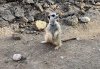
The Cape porcupine/Slender tailed meerkat exhibit was next and like the otter exhibit, was a decent size and well landscaped. The Cape porcupine were typically asleep in their nesting box; and my only criticism is that like most zoos, Butterly Creek fail to account for this. Hamilton Zoo have built an annex to their meerkat/porcupine exhibit (where the porcupine can be found 99% of daytime visitor hours), where you can see them through a large viewing window. I happened upon the exhibit as the keeper was feeding the meerkats and he mentioned the zoo is hoping to breed. They have a female just under a year old and an ageing male I suspect is a littermate of Hamilton’s newly acquired female (who is also nine and came from Butterfly Creek where she’d been on contraception).

Cape Porcupine/Slender-tailed Meerkat Exhibit:

upload_2025-5-22_12-23-43.jpeg

Slender-tailed Meerkat:

upload_2025-5-22_12-23-20.jpeg

The next two exhibits were for American alligator and New Zealand short-fin eel. The alligator exhibit held a pair, which were incubated as females but yielded one of each sex. The size difference between them was particularly striking and interesting to see given Ti Point held its alligators separately; and I’ve only ever seen females at Auckland Zoo. There was a large glut of eels, which were thrashing around in the water and attempting to ascend the wooden ramp leading down into their exhibit.

American Alligator Exhibit:

upload_2025-5-22_12-24-26.jpeg

Texas and Dallas (American Alligators):

upload_2025-5-22_12-24-40.jpeg

The above outdoor exhibits I’ve detailed surround a large lake, which contains a model of a Kraken. As it turns out, this was a sign of things to come…
 

Attachments

  • upload_2025-5-22_12-21-22.jpeg
    upload_2025-5-22_12-21-22.jpeg
    148.4 KB · Views: 33
  • upload_2025-5-22_12-21-38.jpeg
    upload_2025-5-22_12-21-38.jpeg
    176.3 KB · Views: 33
  • upload_2025-5-22_12-21-56.jpeg
    upload_2025-5-22_12-21-56.jpeg
    213.5 KB · Views: 42
  • upload_2025-5-22_12-22-13.jpeg
    upload_2025-5-22_12-22-13.jpeg
    272.4 KB · Views: 35
  • upload_2025-5-22_12-22-27.jpeg
    upload_2025-5-22_12-22-27.jpeg
    228.2 KB · Views: 33
  • upload_2025-5-22_12-22-49.jpeg
    upload_2025-5-22_12-22-49.jpeg
    200.3 KB · Views: 34
  • upload_2025-5-22_12-23-20.jpeg
    upload_2025-5-22_12-23-20.jpeg
    307.5 KB · Views: 40
  • upload_2025-5-22_12-23-43.jpeg
    upload_2025-5-22_12-23-43.jpeg
    206.9 KB · Views: 32
  • upload_2025-5-22_12-24-26.jpeg
    upload_2025-5-22_12-24-26.jpeg
    248.8 KB · Views: 33
  • upload_2025-5-22_12-24-40.jpeg
    upload_2025-5-22_12-24-40.jpeg
    358 KB · Views: 34
Butterfly Creek - Part Four

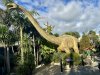
Dinosaur Kingdom followed on, with a series of dinosaur models and animatronics. Though these held little interest for me, my boyhood self would have been captivated by the Diplodocus, whose aesthetics brought back fond memories of the TV series Walking with Dinosaurs. This species was already well known in my birth country of England by virtue of a skeleton cast featuring as an exhibit at the London Natural History Museum from 1905-2017.

Diplodocus:

upload_2025-5-22_12-27-18.jpeg

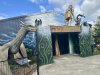
My biggest criticism of Butterfly Creek was the Mythic Creatures Hall, which had exhibits ranging from childish to bizarre. Mermaids, unicorns, dragons, aliens and Bigfoot were all at home here; with an Egyptian exhibit feeling particularly out of place considering it was a real life ancient civilisation. Replacing every exhibit in this building would be a good move in my opinion - ideally with animal exhibits; or if they felt the need, a laser-tag or 3D movie theatre. Any of these would hold a greater appeal for visitors.

Mythic Creatures Hall:

upload_2025-5-22_12-27-33.jpeg

Mythic Creatures Hall - Egyptian Exhibit (Thoth):

upload_2025-5-22_12-27-54.jpeg

Buttermilk Farm followed. A large indoor barnyard housed the following species:

1. Domestic chicken (chicks)
2. Guinea pig
3. Domestic rabbit
4. Domestic rabbit
5. Domestic rabbit
6. Domestic rabbit
7. Domestic rat
8. Domestic chicken (hatchlings)

Barnyard (Interior):

upload_2025-5-22_12-28-24.jpeg

Outside was a set of stables and the following exhibits:

1. Domestic sheep/Domestic goat
2. Domestic chicken (juveniles)
3. Domestic chicken (adults)
4. Kunekune
5. Alpaca
6. Domestic cattle (beef breed calf)

Domestic Sheep/Domestic Goat Exhibit:

upload_2025-5-22_12-28-40.jpeg

Kunekune Exhibit:

upload_2025-5-22_12-29-4.jpeg

A high ropes course passed over the upper section of the farmyard, with terminated in a playground and a large aviary housing Emperor tamarin, Leopard tortoise and Budgerigar.

Emperor Tamarin Aviary:

upload_2025-5-22_12-29-23.jpeg

View Across Park:

upload_2025-5-22_12-29-39.jpeg

The final exhibit was for Lace monitor and is without a doubt the best exhibit for this species I’ve seen in a New Zealand zoo. The exhibit was alive with multiple Lace monitors, including at least one of the Bell’s phase colour, which is uncommon in New Zealand collections (Hamilton Zoo have one also).

Lace Monitor Exhibit:

upload_2025-5-22_12-30-8.jpeg

Lace Monitor:

upload_2025-5-22_12-30-24.jpeg

To finish, I retraced my route to see the Butterfly House with less people and then exited through the gift shop.

Butterfly Creek was largely what I expected in terms of the collection. They don’t have a huge number of exotics and natives, but I thought the ones they did have were held in well presented exhibits, most of which were of equivalent or better quality to those I’ve seen at New Zealand’s main zoos. Butterfly Creek caters mainly to young families of pre-school or lower primary school age and the playgrounds, farmyard animals and animatronic dinosaurs reflect this. It was good to visit a facility I’ve never been to before; but there wasn’t anything there that would make me want to visit regularly like New Zealand’s main zoos.

As detailed in my review, my main recommendations for improvement from a visitor perspective would be an overhaul/redevelopment of the Mythic Creatures Hall and better viewing opportunities of the Cape porcupine. The website notes the facility has continued to expand since opening in 2003 and building exotic animal exhibits on farm paddocks like the domestic cattle field (which holds a single calf and three plastic cows) would be an excellent way to do so. In contrast to Ti Point, I thought the admission cost of Butterfly Creek was high when compared to New Zealand’s main zoos.
 

Attachments

  • upload_2025-5-22_12-27-18.jpeg
    upload_2025-5-22_12-27-18.jpeg
    246.1 KB · Views: 34
  • upload_2025-5-22_12-27-33.jpeg
    upload_2025-5-22_12-27-33.jpeg
    189 KB · Views: 35
  • upload_2025-5-22_12-27-54.jpeg
    upload_2025-5-22_12-27-54.jpeg
    138 KB · Views: 34
  • upload_2025-5-22_12-28-24.jpeg
    upload_2025-5-22_12-28-24.jpeg
    190.9 KB · Views: 35
  • upload_2025-5-22_12-28-40.jpeg
    upload_2025-5-22_12-28-40.jpeg
    215.4 KB · Views: 44
  • upload_2025-5-22_12-29-4.jpeg
    upload_2025-5-22_12-29-4.jpeg
    307.7 KB · Views: 37
  • upload_2025-5-22_12-29-23.jpeg
    upload_2025-5-22_12-29-23.jpeg
    313.2 KB · Views: 36
  • upload_2025-5-22_12-29-39.jpeg
    upload_2025-5-22_12-29-39.jpeg
    198.1 KB · Views: 35
  • upload_2025-5-22_12-30-8.jpeg
    upload_2025-5-22_12-30-8.jpeg
    206.9 KB · Views: 34
  • upload_2025-5-22_12-30-24.jpeg
    upload_2025-5-22_12-30-24.jpeg
    269.7 KB · Views: 33
Butterfly Creek - Part Four

Dinosaur Kingdom followed on, with a series of dinosaur models and animatronics. Though these held little interest for me, my boyhood self would have been captivated by the Diplodocus, whose aesthetics brought back fond memories of the TV series Walking with Dinosaurs. This species was already well known in my birth country of England by virtue of a skeleton cast featuring as an exhibit at the London Natural History Museum from 1905-2017.

Diplodocus:

View attachment 794568

My biggest criticism of Butterfly Creek was the Mythic Creatures Hall, which had exhibits ranging from childish to bizarre. Mermaids, unicorns, dragons, aliens and Bigfoot were all at home here; with an Egyptian exhibit feeling particularly out of place considering it was a real life ancient civilisation. Replacing every exhibit in this building would be a good move in my opinion - ideally with animal exhibits; or if they felt the need, a laser-tag or 3D movie theatre. Any of these would hold a greater appeal for visitors.

Mythic Creatures Hall:

View attachment 794569

Mythic Creatures Hall - Egyptian Exhibit (Thoth):

View attachment 794570

Buttermilk Farm followed. A large indoor barnyard housed the following species:

1. Domestic chicken (chicks)
2. Guinea pig
3. Domestic rabbit
4. Domestic rabbit
5. Domestic rabbit
6. Domestic rabbit
7. Domestic rat
8. Domestic chicken (hatchlings)

Barnyard (Interior):

View attachment 794571

Outside was a set of stables and the following exhibits:

1. Domestic sheep/Domestic goat
2. Domestic chicken (juveniles)
3. Domestic chicken (adults)
4. Kunekune
5. Alpaca
6. Domestic cattle (beef breed calf)

Domestic Sheep/Domestic Goat Exhibit:

View attachment 794572

Kunekune Exhibit:

View attachment 794573

A high ropes course passed over the upper section of the farmyard, with terminated in a playground and a large aviary housing Emperor tamarin, Leopard tortoise and Budgerigar.

Emperor Tamarin Aviary:

View attachment 794574

View Across Park:

View attachment 794575

The final exhibit was for Lace monitor and is without a doubt the best exhibit for this species I’ve seen in a New Zealand zoo. The exhibit was alive with multiple Lace monitors, including at least one of the Bell’s phase colour, which is uncommon in New Zealand collections (Hamilton Zoo have one also).

Lace Monitor Exhibit:

View attachment 794576

Lace Monitor:

View attachment 794577

To finish, I retraced my route to see the Butterfly House with less people and then exited through the gift shop.

Butterfly Creek was largely what I expected in terms of the collection. They don’t have a huge number of exotics and natives, but I thought the ones they did have were held in well presented exhibits, most of which were of equivalent or better quality to those I’ve seen at New Zealand’s main zoos. Butterfly Creek caters mainly to young families of pre-school or lower primary school age and the playgrounds, farmyard animals and animatronic dinosaurs reflect this. It was good to visit a facility I’ve never been to before; but there wasn’t anything there that would make me want to visit regularly like New Zealand’s main zoos.

As detailed in my review, my main recommendations for improvement from a visitor perspective would be an overhaul/redevelopment of the Mythic Creatures Hall and better viewing opportunities of the Cape porcupine. The website notes the facility has continued to expand since opening in 2003 and building exotic animal exhibits on farm paddocks like the domestic cattle field (which holds a single calf and three plastic cows) would be an excellent way to do so. In contrast to Ti Point, I thought the admission cost of Butterfly Creek was high when compared to New Zealand’s main zoos.

This is starting to make me wonder when we'll start seeing alligators appear in other NZ zoos. Auckland's facilities seem to be breeding them up quite well.
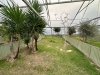
 
This is starting to make me wonder when we'll start seeing alligators appear in other NZ zoos. Auckland's facilities seem to be breeding them up quite well.
It would be great to see more zoos acquire this species.
To my knowledge, New Zealand zoos have never successfully bred American alligator (at least not in recent decades); and all the alligators we currently have in New Zealand are Australian imports.
This is the current New Zealand population:

New Zealand American Alligator Population

Auckland Zoo:

0.1 Dixie (2002)
0.1 Tallulah (2002)

Ti Point Reptile Park:

1.0 Florida
0.1 Dakota (2002)
0.1 Jet

Butterfly Creek:

1.0 Texas
0.1 Dallas
0.1 Cheryl (2005)

Cheryl was imported from Australia in 2009 with four other young Alligators of which she was noted to have been the largest. One of these was named Fiona and was transferred to the National Aquarium where she died. Another two, Texas and Dallas, remain at Butterfly Creek; and I assume (based on the name) that Florida at Ti Point was the fifth, though that’s an assumption. I don’t know the origins of Jet and indeed she may be the fifth alligator. It was the intention of Butterfly Creek to import females - the five imports were incubated as females; but at least one of these (Texas) was later revealed to be a male.

@ApeLadyNZ reported that Auckland Zoo previously had a female (housed with Doris), who was sent to Ti Point. Another possibility is this female is Jet given this species can reach 50 years of age.
 
It would be great to see more zoos acquire this species.
To my knowledge, New Zealand zoos have never successfully bred American alligator (at least not in recent decades); and all the alligators we currently have in New Zealand are Australian imports.
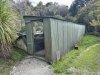
This is the current New Zealand population:

New Zealand American Alligator Population

Auckland Zoo:

0.1 Dixie (2002)
0.1 Tallulah (2002)

Ti Point Reptile Park:

1.0 Florida
0.1 Dakota (2002)
0.1 Jet

Butterfly Creek:

1.0 Texas
0.1 Dallas
0.1 Cheryl (2005)

Cheryl was imported from Australia in 2009 with four other young Alligators of which she was noted to have been the largest. One of these was named Fiona and was transferred to the National Aquarium where she died. Another two, Texas and Dallas, remain at Butterfly Creek; and I assume (based on the name) that Florida at Ti Point was the fifth, though that’s an assumption. I don’t know the origins of Jet and indeed she may be the fifth alligator. It was the intention of Butterfly Creek to import females - the five imports were incubated as females; but at least one of these (Texas) was later revealed to be a male.

@ApeLadyNZ reported that Auckland Zoo previously had a female (housed with Doris), who was sent to Ti Point. Another possibility is this female is Jet given this species can reach 50 years of age.

Huh, I could've sworn Auckland Zoo had started breeding alligators, and that was where Ti Point and Butterfly Creek had gotten them from. Must've misread a post on this site. I suppose one of the reasons why American Alligators are (comparatively) widely held in NZ zoos is that they're much easier to keep than Saltwater Crocodiles and much more easily available than Sunda Gharials, the other crocodilians allowed in this country. I could see, say, Wellington Zoo stocking American Alligators at some point in the future if they wanted, but a saltie would be a much bigger hassle to keep!
 
This thread could be very helpful when deciding whether or not to visit one of these places on my future trip to New Zealand. My initial plan was to visit Ti Point Reptile Park, but I had a lot of doubts about Butterfly Creek. For now, based on this thread, I'd be more inclined to skip Butterfly Creek. What I can help me decide is the list I have of "interesting" species from the area. Could you confirm if you were able to see these species?

Black ghost knifefish (Apteronotus albifrons)
Convict cichlid (Amatitlania nigrofasciata)
Gray's sticky-toed gecko ((Mokopirirakau granulatus )
Leopard cactus pleco (Pseudacanthicus leopardus)
Northern brown kiwi (Apteryx mantelli)
Raphael catfish (Platydoras armatulus)
Short-finned eel (Anguilla australis)

Thank you!
 
This thread could be very helpful when deciding whether or not to visit one of these places on my future trip to New Zealand. My initial plan was to visit Ti Point Reptile Park, but I had a lot of doubts about Butterfly Creek. For now, based on this thread, I'd be more inclined to skip Butterfly Creek. What I can help me decide is the list I have of "interesting" species from the area. Could you confirm if you were able to see these species?

Black ghost knifefish (Apteronotus albifrons)
Convict cichlid (Amatitlania nigrofasciata)
Gray's sticky-toed gecko ((Mokopirirakau granulatus )
Leopard cactus pleco (Pseudacanthicus leopardus)
Northern brown kiwi (Apteryx mantelli)
Raphael catfish (Platydoras armatulus)
Short-finned eel (Anguilla australis)

Thank you!

With the exception of Saltwater crocodile and some domestic species, everything at Butterfly Creek can be seen at Auckland Zoo. I’d recommend Auckland Zoo over both Ti Point Reptile Park and Butterfly Creek; but Ti Point Reptile Park is definitely worth a visit if you have the time to do so. It’s around an hour’s drive north of the CBD, so it’s not as accessible as other Auckland attractions.

I saw Convict cichlid and New Zealand short-fin eel. Butterfly Creek has North Island brown kiwi (as does Auckland Zoo), but I didn’t see them on the day. That’s not to say you wouldn’t on your visit (especially if you made multiple trips back throughout your visit).

Convict cichlid:

upload_2025-5-22_18-58-39.jpeg

New Zealand Short-fin Eel Exhibit:

upload_2025-5-22_18-59-53.jpeg

New Zealand Short-fin Eel:


upload_2025-5-22_18-59-13.jpeg
 

Attachments

  • upload_2025-5-22_18-58-39.jpeg
    upload_2025-5-22_18-58-39.jpeg
    214.9 KB · Views: 37
  • upload_2025-5-22_18-59-13.jpeg
    upload_2025-5-22_18-59-13.jpeg
    296.5 KB · Views: 29
  • upload_2025-5-22_18-59-53.jpeg
    upload_2025-5-22_18-59-53.jpeg
    231.8 KB · Views: 35
With the exception of Saltwater crocodile and some domestic species, everything at Butterfly Creek can be seen at Auckland Zoo. I’d recommend Auckland Zoo over both Ti Point Reptile Park and Butterfly Creek; but Ti Point Reptile Park is definitely worth a visit if you have the time to do so. It’s around an hour’s drive north of the CBD, so it’s not as accessible as other Auckland attractions.

I saw Convict cichlid and New Zealand short-fin eel. Butterfly Creek has North Island brown kiwi (as does Auckland Zoo), but I didn’t see them on the day. That’s not to say you wouldn’t on your visit (especially if you made multiple trips back throughout your visit).

Convict cichlid:

View attachment 794724

New Zealand Short-fin Eel Exhibit:

View attachment 794726

New Zealand Short-fin Eel:


View attachment 794725

Yes, Auckland Zoo is a safe visit, and I think Ti Point Reptile Park is worth it for its good collection of native reptiles. But the idea of wasting time at Butterfly Creek just for a couple of fish species isn't too good, considering I'll be going with my wife, and she'll want to see things other than animals. Spending a little time at Ti Point and the rest of the day on regular sightseeing isn't so bad, but cramming another place with animals that isn't really that interesting into the same day is perhaps a bit much.
 
It would be great to see more zoos acquire this species.

To my knowledge, New Zealand zoos have never successfully bred American alligator (at least not in recent decades); and all the alligators we currently have in New Zealand are Australian imports.

This is the current New Zealand population:

New Zealand American Alligator Population

Auckland Zoo:

0.1 Dixie (2002)
0.1 Tallulah (2002)

Ti Point Reptile Park:

1.0 Florida
0.1 Dakota (2002)
0.1 Jet

Butterfly Creek:

1.0 Texas
0.1 Dallas
0.1 Cheryl (2005)

Cheryl was imported from Australia in 2009 with four other young Alligators of which she was noted to have been the largest. One of these was named Fiona and was transferred to the National Aquarium where she died. Another two, Texas and Dallas, remain at Butterfly Creek; and I assume (based on the name) that Florida at Ti Point was the fifth, though that’s an assumption. I don’t know the origins of Jet and indeed she may be the fifth alligator. It was the intention of Butterfly Creek to import females - the five imports were incubated as females; but at least one of these (Texas) was later revealed to be a male.

@ApeLadyNZ reported that Auckland Zoo previously had a female (housed with Doris), who was sent to Ti Point. Another possibility is this female is Jet given this species can reach 50 years of age.

You probably already know this, but Dakota (2002) at Ti Point was originally imported to Auckland Zoo and then sent to Ti Point at some stage. I believe she's from the same clutch/import as Dixie and Tallulah (alongside some other females who have since died, one of whom I believe was named Georgia).
 
You probably already know this, but Dakota (2002) at Ti Point was originally imported to Auckland Zoo and then sent to Ti Point at some stage. I believe she's from the same clutch/import as Dixie and Tallulah (alongside some other females who have since died, one of whom I believe was named Georgia).

Thanks, I was aware of that. They were from an import of four female alligators Auckland Zoo made in 2010 from Australia. They all hatched 2002 and may have been from the same clutch. Their names were Dakota, Dixie, Tallulah and Georgia. They initially lived with Doris, but conflicts arose (first with Doris, then each other).

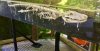
Doris was sent to Ti Point for breeding (and appears to have since died); Tallulah and Dixie remain at Auckland Zoo (they have an exhibit each); and Georgia did indeed die (with her skeleton now on display by the alligator exhibits):

upload_2025-5-22_22-9-19.jpeg

Ti Point currently have no plans to breed their 1.2 alligators. I don’t know about Butterfly Creek; but with all three holders at capacity, I would assume not.
 

Attachments

  • upload_2025-5-22_22-9-19.jpeg
    upload_2025-5-22_22-9-19.jpeg
    123.9 KB · Views: 29
Back
Top