You are using an out of date browser. It may not display this or other websites correctly.
You should upgrade or use an alternative browser.
You should upgrade or use an alternative browser.
What is the most "exotic" animal you have photographed in the wild?
- Thread starter ZoologicallyDepraved
- Start date



Dr. Wolverine
Well-Known Member
@RatioTile, are these really that uncommon? Coming from Japan, I might be exposed to more endemic rarities but I have seen these wandering around in the center of Tokyo. I've also seen them a lot in the countryside at night.Japanese raccoon dog.

There's none outside of Japan. The title says "most exotic", not "rarest".@RatioTile, are these really that uncommon? Coming from Japan, I might be exposed to more endemic rarities but I have seen these wandering around in the center of Tokyo. I've also seen them a lot in the countryside at night.


Polar Bear
Ringed Seal
Muskox
Ringed Seal
Muskox


The penguins in melbourne were probably the animals I photographed furthest away from home.
The rarest animal is probably the Blainville beaked whale.
The rarest animal is probably the Blainville beaked whale.


2023. 01. 18.
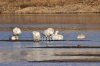
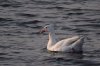
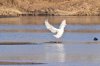
Domestic goose that are generally raising in Korea have orange beaks and feet, but this goose had pink beaks and feet, and it could be seen that it flew with swans from outside the Korean Peninsula because it was following swans around with a strong sense of caution against humans.
You may think why I chose domestic goose as exotic animals, but but as I said earlier, there are no domestic goose with pink beaks and pink feet in Korea. So it was exotic enough. I wonder if this friend will come my hometown again this year.
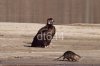
And a very exotic combination rather than an exotic animal:

2023. 02. 05.
Cinereous vultures and a feral nutria. It is a sight that can only be seen in Gyeongsang Province.
Attachments

GalenMarek
Well-Known Member
Considering its location, the most "exotic" animal is the Ross Gull (Rhodostethia rosea) that I photographed in Belgium. It's an arctic bird living in the north of Siberia, Greenland and Arctic part of the America:

Otherwise: Milky Stork and White-Bellied Sea Eagle in the wetlands of Singapore
Otherwise: Milky Stork and White-Bellied Sea Eagle in the wetlands of Singapore

NathanTheAsian
Well-Known Member
Orangutan, Borneo Pygmy Elephant, Proboscis Monkey and Asian Black Hornbill on the Kinabatangan River.
Dr. Wolverine
Well-Known Member
Singapore:
Sunda Colugo
Common Treeshrew
Oriental Darter
Sunda Scops Owl
Brown Boobook
Buffy Fish Owl
Spotted Wood Owl
Blue Eared Kingfisher
Javan Pond Heron
Japan
Japanese Serow
Japanese Green Woodpecker
Japanese Accentor
Crested Ibis
Sunda Colugo
Common Treeshrew
Oriental Darter
Sunda Scops Owl
Brown Boobook
Buffy Fish Owl
Spotted Wood Owl
Blue Eared Kingfisher
Javan Pond Heron
Japan
Japanese Serow
Japanese Green Woodpecker
Japanese Accentor
Crested Ibis

My furthest from home animal pic is perhaps not the most interesting species - a Herring Gull in Bath, UK.
If we're counting animals furthest from their home, the answer is still a gull a vagrant Laughing Gull that turned up in Queensland, Australia - at least 14,000km from it's native range! Most likely ship-assisted I would imagine, but insanely cool to see nonetheless.
If we're counting animals furthest from their home, the answer is still a gull
a vagrant Laughing Gull that turned up in Queensland, Australia - at least 14,000km from it's native range! Most likely ship-assisted I would imagine, but insanely cool to see nonetheless.
I’d be interested to see more photos of this birdMaybe a feral domestic goose. I found this goose on January 1 this year while observing whooper swans coming every winter in the river near my house, and I have been able to observe it a few more times since then.
Domestic goose that are generally raising in Korea have orange beaks and feet, but this goose had pink beaks and feet, and it could be seen that it flew with swans from outside the Korean Peninsula because it was following swans around with a strong sense of caution against humans.
You may think why I chose domestic goose as exotic animals, but but as I said earlier, there are no domestic goose with pink beaks and pink feet in Korea. So it was exotic enough. I wonder if this friend will come my hometown again this year.
And a very exotic combination rather than an exotic animal:
View attachment 666898
2023. 02. 05.
Cinereous vultures and a feral nutria. It is a sight that can only be seen in Gyeongsang Province.
Dr. Wolverine
Well-Known Member
I just photographed 4 wild Black Faced Spoonbill in Tokyo. They are globally endangered and until recently, photographing these in the wild in Tokyo Bay was unheard of. This spoonbill population is steadily growing thanks to the many conservation efforts of institutions worldwide, and they are an annual migrant to Kasai Bird Sanctuary now. 
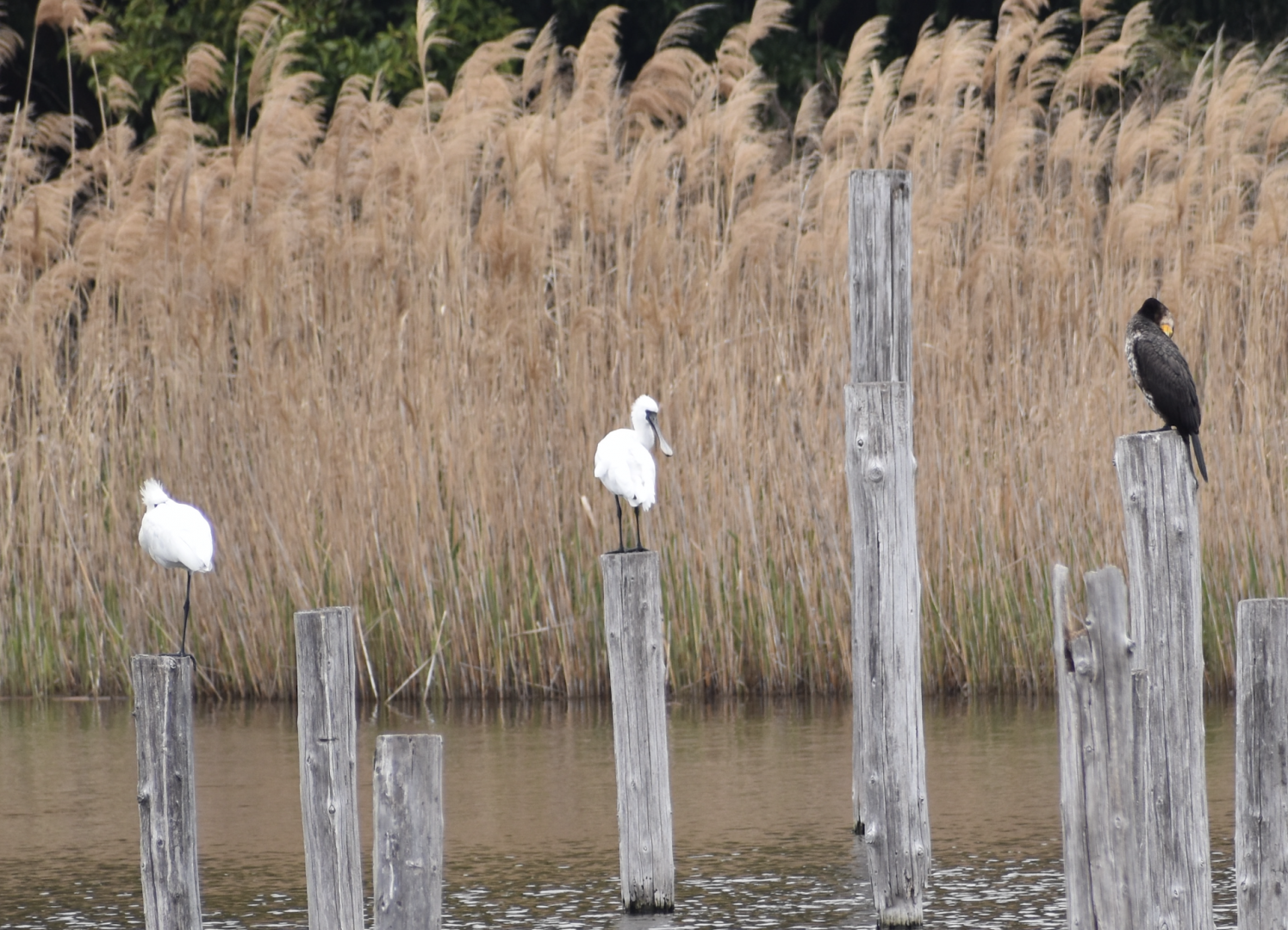
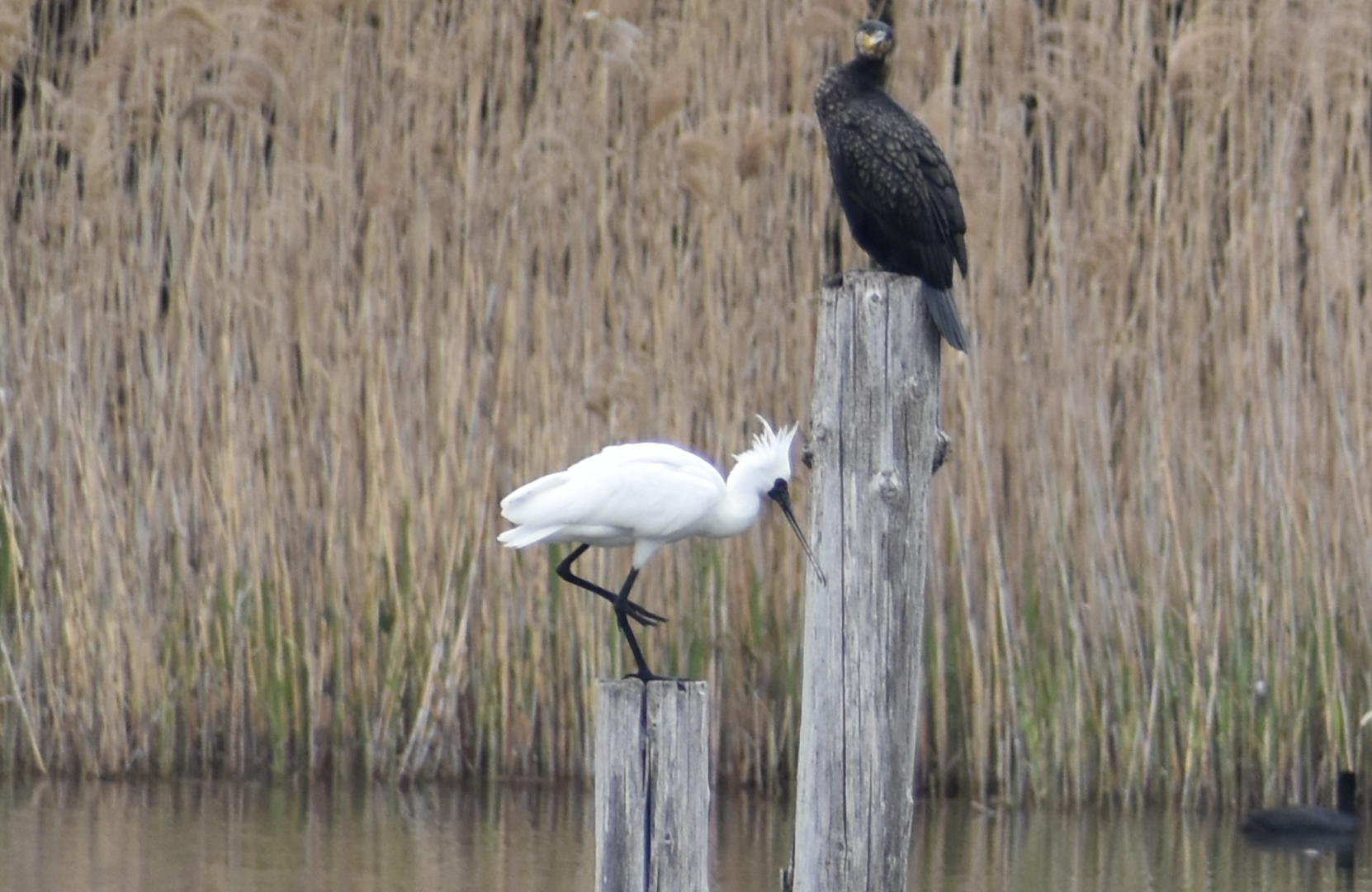
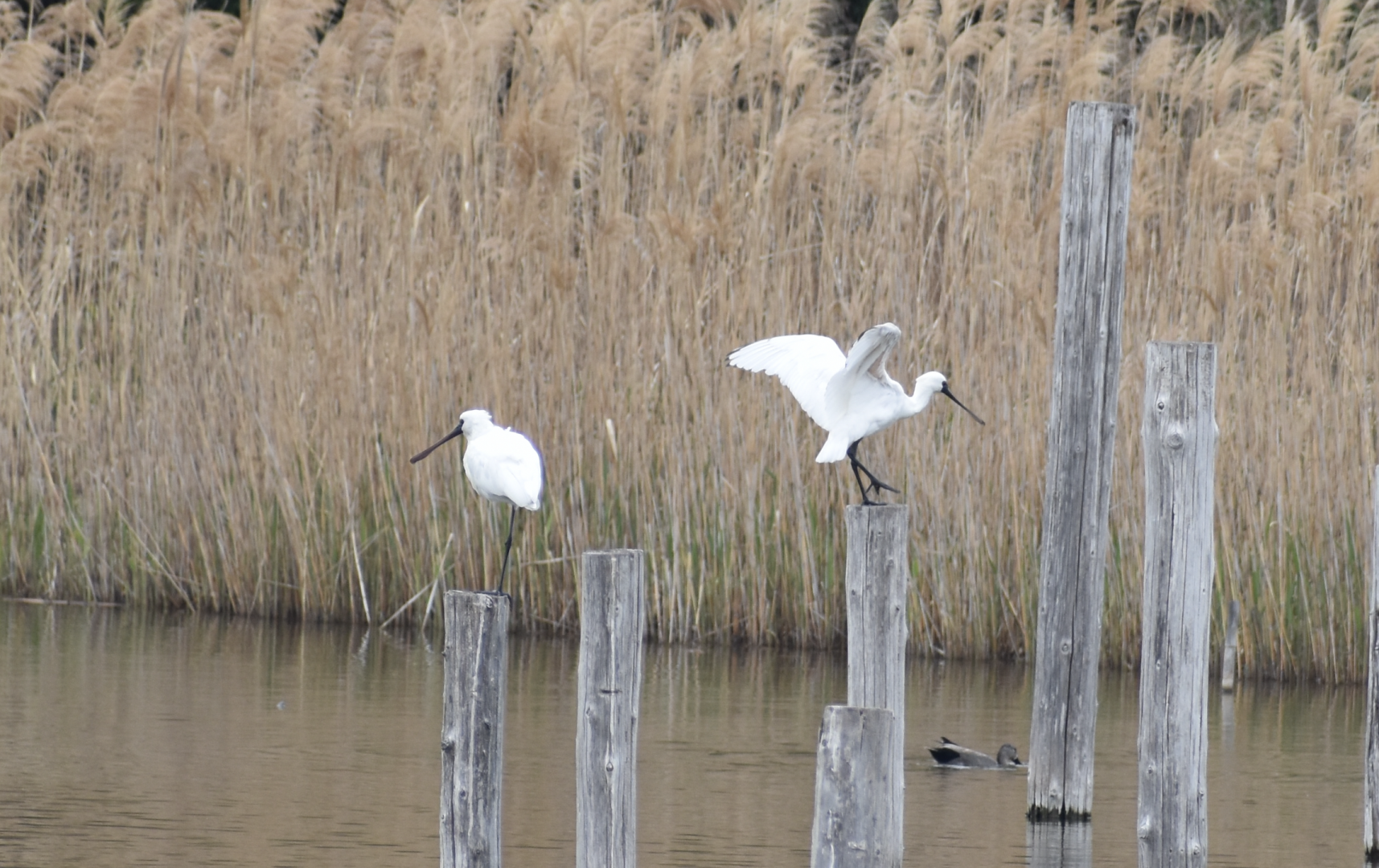
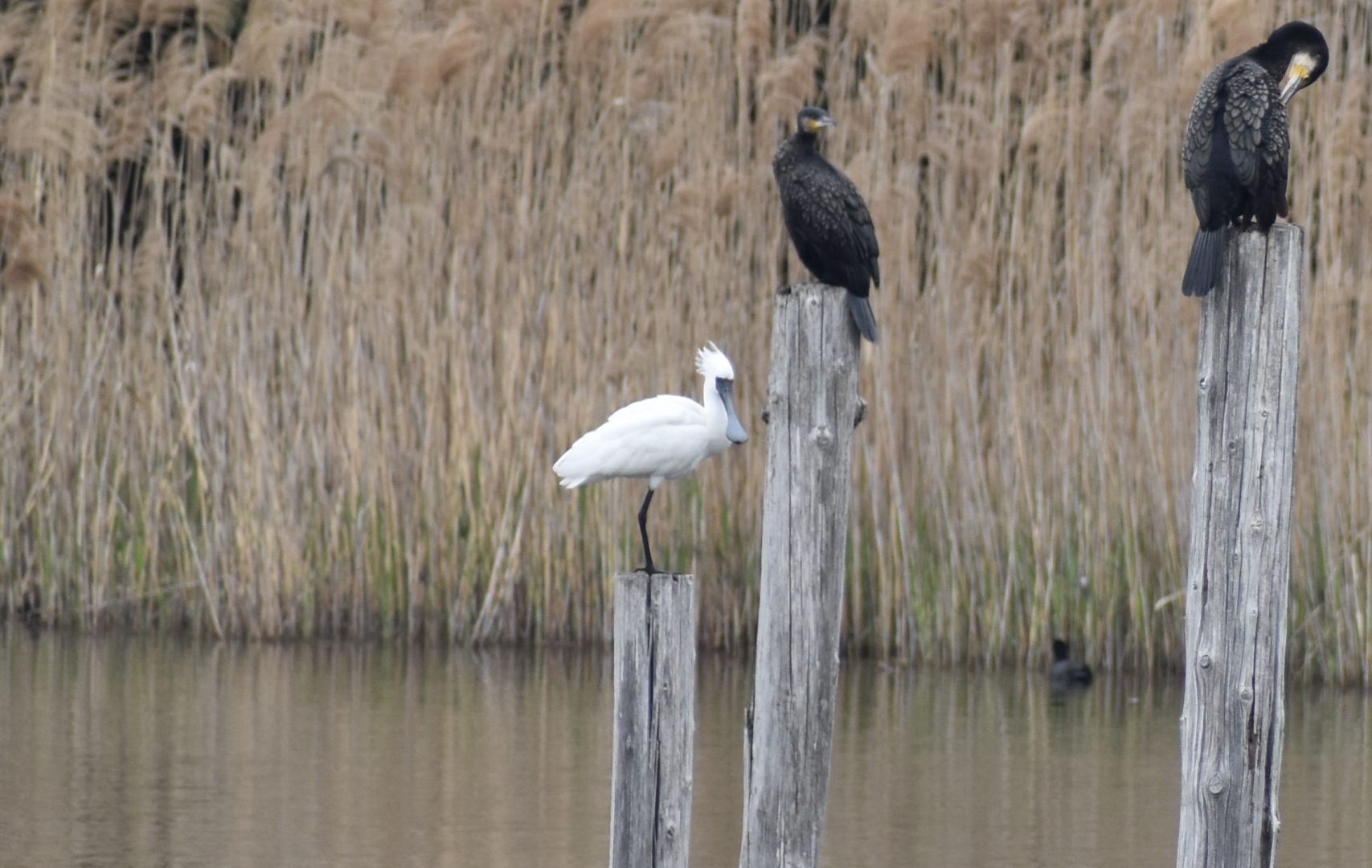
I’d be interested to see more photos of this bird
Yes, I'll show you a few more pictures.

Jan. 01. 2023.
This is a picture from the day I first met this goose.

Jan. 08. 2023.

Jan. 25. 2024.

Jan. 30. 2024.
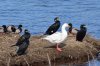
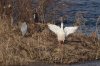
This goose was staying with mallards and cormorants as shown in the first picture, and after that, it did not hang out with swans and went around alone. The area where this goose was located was the territory of a young white-tailed eagle, and seeing as it stayed alone in such a place, this goose seemed to have a strong vitality. I'm hoping to see goose in this winter again.
Attachments
Dr. Wolverine
Well-Known Member
Singapore:
Sunda Colugo
Common Treeshrew
Oriental Darter
Sunda Scops Owl
Brown Boobook
Buffy Fish Owl
Spotted Wood Owl
Blue Eared Kingfisher
Javan Pond Heron
Japan
Japanese Serow
Japanese Green Woodpecker
Japanese Accentor
Crested Ibis
How could I forget, Straw headed bulbul

Dr. Wolverine
Well-Known Member
Yes, I'll show you a few more pictures.
View attachment 698690And even though I haven't been able to tell you, I was able to find the feral goose again this winter near the location where it was observed. the picture is below.
Jan. 01. 2023.
This is a picture from the day I first met this goose.
View attachment 698691
Jan. 08. 2023.
Although observed in almost the same location, the goose had an orange beak color, as shown in the picture. So, I'm not sure if it's the same goose, but I think its beak color may vary depending on its growth process and body condition.
This goose was staying with mallards and cormorants as shown in the first picture, and after that, it did not hang out with swans and went around alone. The area where this goose was located was the territory of a young white-tailed eagle, and seeing as it stayed alone in such a place, this goose seemed to have a strong vitality. I'm hoping to see goose in this winter again.
Could this be a leucistic greylag goose? Idk for sure so don’t quote me on that.
No, you can see the slight knob on the bill, evidence of Swan Goose ancestry.Could this be a leucistic greylag goose? Idk for sure so don’t quote me on that.
Dr. Wolverine
Well-Known Member
Ok, Thank you for the clarification.No, you can see the slight knob on the bill, evidence of Swan Goose ancestry.
Dr. Wolverine
Well-Known Member
I just photographed a beautiful Black Paradise Flycatcher in its nest in the Hachijo Castle Ruins. This is one of the most beautiful birds in Japan in my opinion, and I heard photographing it is very challenging, so I was very excited to capture this lifer!