What to do with the Sacramento Zoo: Chapter II - Revenge of the Rarities

Hipporex

Well-Known Member
5+ year member
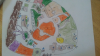
I have too much free time. I'm also a huge Sacramento Zoo fan. Put those two together and this thread is the end results. This zoo exists in a what if society: What if, the Sacramento Zoo had to stay where it was? (For those of you that don't know what I'm talking about: The Sacramento Zoo is a 14.3 acre zoo located in William Land Park in Sacramento, California. The zoo is planning over moving to a much larger location within the next decade or so.) But I asked myself, what if this doesn't/can't happen? How will the zoo innovate and change to keep an AZA accredidation and attract vistors at the same time? Thus I give you the Sacramento Zoo and Aquarium.

Key:
  • Light Brown: Buildings
  • Dark Green: Behind-the-scenes
  • White: Paths or outside the zoo
  • Orange: Exhibit within "New World"
  • Dark Brown: Exhibit within "Giraffic Park"
  • Light Blue: Exhibit within "Madagascar"
  • Purple: Exhibit within "Apes of Asia"
  • Pink: Exhibit within "Birds of the World"
  • Light Blue: Exhibit within "The Catwalk"
  • Red: Exhibit within "Cheetah Crossing"
  • Tan: Exhibit within "Okapi Trail"
  • Peach: Exhibit within "Red Panda Forest"
  • Yellow: Exhibit within "Echidna Outpost," "Reptile House," or for Animal Ambassadors
  • Light Green: Grass and other plants not with an exhibit
  • Black Numbers: Exhibits
  • Blue Numbers: Building, statues, etc.
*map dimensions are very obviously not to scale
*also I messed up at numbering which is why some numbers are seem out of place
*sorry for cruddy coloring
*I'm busy today so I'll have to continue this later or tomorrow

upload_2019-12-15_12-0-21.png
 

Attachments

  • upload_2019-12-15_12-0-21.png
    upload_2019-12-15_12-0-21.png
    760.1 KB · Views: 44
Last edited:
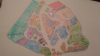
Okay, let's pretend that first map isn't there. This one is slightly more "correct."
  • Light brown: Buildings
  • Grey: Behind-the-scenes
  • Light green: Grass and other plants not with an exhibit
  • Purple: Apes of Asia
  • Largest diamond on the bottom: Big Blue World (aquarium)
  • Orange: Big Cat Row
  • Third building from the left in the bottom right corner: Biodiversity Center (small animal building)
  • Another shade of light green: Birds of the World
  • Red: Cheetah Crossing
  • Yellow: Echidna Outpost
  • Light blue: Giraffic Park
  • Dark brown: Madagascar
  • Dark blue: New World
  • Large building behind "Echidna Outpost": Nightlife (nocturnal house)
  • Tan: Okapi Forest
  • Pink: Red Panda Trail
upload_2019-12-16_18-34-42.png

Here is a map of the current zoo for perspective:

2019-Sacramento-Zoo-Map.jpg
 

Attachments

  • upload_2019-12-16_18-34-42.png
    upload_2019-12-16_18-34-42.png
    687 KB · Views: 49
Last edited:
Zone: Apes of Asia
Theme: Southeast Asia and tropical Oceania
Exhibits: 6
Species: 7

upload_2019-12-16_19-31-19.png

  • The two exhibits on the right: This space is currently home to 3 exhibits, 1 housing mongoose lemur siblings and 2 housing roadrunner siblings. These old exhibits would be demolished and two new exhibits would be home to a male and female Matschie's tree kangaroo.
  • The exhibit on the left: Where the male red river hog currently lives, would be modified and expanded, and become home to a southern cassowary.
  • The big exhibit in the middle: Where the common chimpanzee currently lives, would be modified and expanded, and become home to the Visayan warty pig and the zoo's two white-handed gibbons.
  • The exhibit above the previous exhibit: Current Sumatran orangutan exhibit. Would be modified and expanded and would remain home to orangutans but also become home to Asian small-clawed otters. The circle coming out of the exhibit represents a sky trail to be used by the orangs like at other zoos.
  • Elongated exhibit, next to orang exhibit: The old gibbon exhibit would be demolished and a new aviary would be built to house a rhinoceros hornbill.
 

Attachments

  • upload_2019-12-16_19-31-19.png
    upload_2019-12-16_19-31-19.png
    759.2 KB · Views: 38
Interested to see what you come up with, liking what you've already changed. Looks like several species would return to the zoo after varying periods of absence, and ones I'd be happy to see return.

Only part I'm not currently following is where you're getting the space to 'modify and expand' some of these exhibits in Apes of Asia.
 
Only part I'm not currently following is where you're getting the space to 'modify and expand' some of these exhibits in Apes of Asia.
  • Southern cassowary exhibit: New exhibit would expand a tad bit into the exhibits on either side and maybe take over some of the pathway. Plus the moat would be filled in.
  • Sumatran orangutan/Asian small-clawed otter exhibit: Moat would be filled in and the little alcove with the primate busts would go to the exhibit.
  • White-handed gibbon/Visayan warty pig exhibit: Honestly it would probably stay the same size.
 
Zone: Big Blue World
Theme: Oceans and rivers (it's an aquarium)
Location on map: Largest diamond on the bottom
Exhibits: 7
Species: 14

upload_2019-12-16_18-34-42-png.423562


Having been inside this building when it was the "IKEA Discovery Room" I think there would be enough rooms for these tanks and for visitor viewing

Right side of the room:
  • Blubber jellyfish tank
  • Coral reef tank (fake corals): Blue hippo tang; Chocolate chip sea star; Coral catshark; Cortez ray; Dog-faced puffer; Red lionfish; Snowflake eel; Yellow tang
  • Caribbean reef octopus tank
Left side of the room:
  • Pacific lumpsucker tank
  • Kuda seahorse tank
  • Sea lamprey tank
  • West African lungfish tank
 
Last edited:
Zone: Big Cat Row
Theme: Big Cats (and a canid)
Color on map: Orange
Exhibits: 6
Species: 4

upload_2019-12-17_19-45-37.png
  • Jaguar exhibit #1
  • Jaguar exhibit #2
Tikal and Sasha would rotate on a daily basis. This first exhibit would be the same as the current jaguar exhibit except with different viewing areas (with glass viewing) and the path in between South Lake and the exhibit would be ridded of to expand the exhibit. The second exhibit would take up the current Small Feline Courtyard.
  • Southern lion exhibit
Would stay basically the same except maybe the glass would be pulled forward and maybe the middle wall would be fully pulled down.
  • Japanese raccoon dog exhibit
Current giant anteater exhibit would be modified to hold a pair of raccoon dogs. Glass viewing would be pulled forward.
  • Snow leopard exhibit #1
  • Snow leopard exhibit #2
Misha and Coconut, and Blizzard would rotate on a daily basis. Viewing would be replaced with glass. Current snow leopard exhibit would mainly stay the same. Former hyena exhibit would be heavily modified (including filling in the moat).
 

Attachments

  • upload_2019-12-17_19-45-37.png
    upload_2019-12-17_19-45-37.png
    729.4 KB · Views: 39
Last edited:
Zone: Biodiversity Center
Theme: Reptiles, amphibians, invertebrates, and small mammals
Location on map: Third building from the right in the bottom corner
Exhibits: 56
Species: 70

upload_2019-12-16_18-34-42-png.423562


JeaSW3lJsZBMoN4HXdfOTu-Z87vspxNGcmLord2Bi7LBSEqgFiM1XsDrsAFA-XR6q0sXBuavZBwlOMFTHRvaFzYobe1n9aaIrBrBUFGfIUp1tRXA4SuvYAAnhBR2VUEFg8QMI0sO


Blue: Large exhibit
Orange: Medium exhibit
Red: Small exhibit
Green: Extra large exhibit
*small exhibits are stacked because they are set up on on top of each other.
*no construction would occur, rather the exhibits themselves would be modified to fit their new inhabitants (or in certain cases staying the same as the inhabitants wouldn't change).

  1. Carpet python; Green tree python; White's tree frog
  2. Fleischmann’s glass frog; Red-eyed tree frog
  3. Puerto Rican boa
  4. Cobalt blue tarantula
  5. Giant African millipede
  6. Henkel's leaf-tailed gecko; Sambava tomato frog
  7. Lesser hedgehog tenrec; Standing's day gecko
  8. Gaboon viper
  9. Smallwood anole
  10. Green mantella; Golden mantella
  11. Mexican alligator lizard
  12. Madagascar giant day gecko; Spider tortoise
  13. Black-and-roufous elephant shrew
  14. Curlyhair tarantula
  15. Goliath bird-eating tarantula
  16. Smoky jungle frog
  17. Rio Fuerte beaded lizard
  18. Eyelash viper
  19. Amazon milk frog; Aquatic caecilian
  20. Prehensile-tailed skink
  21. Tanzanian tailless whip-scorpion
  22. Orchid mantis
  23. Green-and-black poison dart frog; Phantasmal poison frog
  24. Giant desert centipede
  25. Giant desert scorpion
  26. Axolotl
  27. Hercules beetle
  28. King cobra
  29. Western pond turtle
  30. Minute leaf chameleon
  31. Western pond turtle
  32. Vietnamese mossy frog
  33. Rhinoceros ratsnake
  34. Phantasmal poison frog; Yellow-banded poison dart frog
  35. Chinese crocodile lizard
  36. Honduran spiny-tailed iguana
  37. Fiji banded iguana; Solomon Island leaf frog
  38. Banded archerfish; Tokay gecko
  39. Common blue-tongued skink; Magnificent tree frog
  40. European legless lizard
  41. Madagascar big-headed turtle
  42. Golden poison dart frog
  43. Tuatara *
  44. Giant horned lizard
  45. San Francisco garter snake
  46. Rubber boa
  47. Northern Pacific rattlesnake
  48. Common chuckwalla
  49. Giant garter snake
  50. Santa Catalina rattlesnake
  51. Unknown **
  52. California banana slug
  53. Foothill yellow-legged frog
  54. California red-legged frog
  55. California newt; California tiger salamander
  56. California tiger salamander; Western toad
*This exhibit would be divided down the middle with a male and female on either side
**Unknown because the zoo plans on putting a new species here but I don't know what it is
 
Last edited:
Zone: Biodiversity Center
Theme: Reptiles, amphibians, invertebrates, and small mammals
Location on map: Third building from the left in the bottom right corner
Exhibits: 56
Species: 70

upload_2019-12-16_18-34-42-png.423562


JeaSW3lJsZBMoN4HXdfOTu-Z87vspxNGcmLord2Bi7LBSEqgFiM1XsDrsAFA-XR6q0sXBuavZBwlOMFTHRvaFzYobe1n9aaIrBrBUFGfIUp1tRXA4SuvYAAnhBR2VUEFg8QMI0sO


Blue: Large exhibit
Orange: Medium exhibit
Red: Small exhibit
Green: Extra large exhibit
*small exhibits are stacked because they are set up on on top of each other.
*no really construction would occur, rather the exhibits themselves would be modified to fit their new inhabitants (or in certain cases staying the same as the inhabitants wouldn't change).

  1. Carpet python; Green tree python; White's tree frog
  2. Fleischmann’s glass frog; Red-eyed tree frog
  3. Puerto Rican boa
  4. Cobalt blue tarantula
  5. Giant African millipede
  6. Henkel's leaf-tailed gecko; Sambava tomato frog
  7. Lesser hedgehog tenrec; Standing's day gecko
  8. Gaboon viper
  9. Smallwood anole
  10. Green mantella; Golden mantella
  11. Mexican alligator lizard
  12. Madagascar giant day gecko; Spider tortoise
  13. Black-and-roufous elephant shrew
  14. Curlyhair tarantula
  15. Goliath bird-eating tarantula
  16. Smoky jungle frog
  17. Rio Fuerte beaded lizard
  18. Eyelash viper
  19. Amazon milk frog; Aquatic caecilian
  20. Prehensile-tailed skink
  21. Tanzanian tailless whip-scorpion
  22. Orchid mantis
  23. Green-and-black poison dart frog; Phantasmal poison frog
  24. Giant desert centipede
  25. Giant desert scorpion
  26. Axolotl
  27. Hercules beetle
  28. King cobra
  29. Western pond turtle
  30. Minute leaf chameleon
  31. Western pond turtle
  32. Vietnamese mossy frog
  33. Rhinoceros ratsnake
  34. Phantasmal poison frog; Yellow-banded poison dart frog
  35. Chinese crocodile lizard
  36. Honduran spiny-tailed iguana
  37. Fiji banded iguana; Solomon Island leaf frog
  38. Banded archerfish; Tokay gecko
  39. Common blue-tongued skink; Magnificent tree frog
  40. European legless lizard
  41. Madagascar big-headed turtle
  42. Golden poison dart frog
  43. Tuatara *
  44. Giant horned lizard
  45. San Francisco garter snake
  46. Rubber boa
  47. Northern Pacific rattlesnake
  48. Common chuckwalla
  49. Giant garter snake
  50. Santa Catalina rattlesnake
  51. Unknown **
  52. California banana slug
  53. Foothill yellow-legged frog
  54. California red-legged frog
  55. California newt; California tiger salamander
  56. California tiger salamander; Western toad
*This exhibit would be divided down the middle with a male and female on either side
**Unknown because the zoo plans on putting a new species here but I don't know what it is

I like this, especially how you've reopened all the exhibits for use again! I'd be very much in favor of the reptile house moving toward this!

7. Lesser hedgehog tenrec; Standing's day gecko

This match might give you some issues though, tenrecs are carnivorous, even if Standing's are pretty large in terms of day geckos...
 
Last edited:
Well according to this, Standing's day gecko. Tropics Trail - Standings Day Gecko and Lesser Hedgehog Tenrec Exhibit - ZooChat. But maybe given the small size of the exhibit, bringing back the Peters' keeled plated lizard, the species the gecko's were originally mixed with would be the best idea.

Huh, didn't see that one, but I did find a mix with Veiled Chameleon. Well, maybe a Standing's/Tenrec mix would work, or could go back to the plated lizard. Your call, your redesign. ;)
 
Zone: Birds of the World
Theme: Avain dinosaurs (AKA birds)
Location on map: Green below vet hospital
Exhibits: 5
Species: 14

upload_2019-12-17_21-17-8.png
  • African pygmy falcon aviary
  • Southern white-faced owl/Spur-winged lapwing aviary
  • Lady Ross’s turaco aviary
  • Plains-coloured amazon aviary
  • Walk-through aviary: African pygmy duck; Crested coua; Hawk-headed parrot; Jambu fruit dove; Luzon bleeding-heart; Northern helmeted curassow; Northern red-billed hornbill; Victoria crowned pigeon
  • Kea
Four independent avaires would go in a line alongside the left side of the walk-through aviary. Each one would be approximately the size of the zoo's current Azure-winged magpie/Himalayan monal aviary. The kea aviary would be the largest independent aviary and would be situated in between the walk-through and the vet hospital. The walk-through aviary would be approximately the size of the African one at the San Francisco Zoo or the generic one at the Sequoia Park Zoo.
 

Attachments

  • upload_2019-12-17_21-17-8.png
    upload_2019-12-17_21-17-8.png
    656.9 KB · Views: 50
Last edited:
Zone: Birds of the World
Theme: Avain dinosaurs (AKA birds)
Location on map: Green below vet hospital
Exhibits: 5
Species: 14

View attachment 423585
  • African pygmy falcon aviary
  • Southern white-faced owl/Spur-winged lapwing aviary
  • Lady Ross’s turaco aviary
  • Plains-coloured amazon aviary
  • Walk-through aviary: African pygmy duck; Crested coua; Hawk-headed parrot; Kea; Jambu fruit dove; Luzon bleeding-heart; Northern helmeted curassow; Northern red-billed hornbill; Victoria crowned pigeon
The four independent avaires would go in a line alongside the left side of the walk-through aviary. Each one would be approximately the size of the zoo's current Azure-winged magpie/Himalayan monal aviary. The walk-through aviary would be approximately the size of the African one at the San Francisco Zoo or the generic one at the Sequoia Park Zoo.

I've long wished Sac would put in a walk-through aviary... Hypothetically they could do it right where you suggest, with fairly little effort I'd think. I like your species lineup too, though you might want to move the Kea, given their predatory nature.
 
I've long wished Sac would put in a walk-through aviary... Hypothetically they could do it right where you suggest, with fairly little effort I'd think. I like your species lineup too, though you might want to move the Kea, given their predatory nature.
Smart idea.
 
Zone: Cheetah Country
Theme: Southern Africa
Color on map: Red
Exhibits: 3
Species: 4

upload_2019-12-17_21-17-8-png.423585


  • Southeast African cheetah exhibit
This exhibit used to hold cheetahs and it would be renovated so it could hold cheetahs again. Where the tawny frogmouth exhibit is would be placed a safari-style vehicle, half in the cheetah exhibit, half out the exhibit. So cheetahs could lay on the bed while people sit in the cab.
  • Rock hyrax/Rosy-faced lovebird exhibit
This exhibit would be built where the Australian "playground" is now.
  • Naked-mole rat exhibit
Where the laughing kookaburra exhibit is now would become an outdoor shed with naked-mole rats.
 
Zone: Echidna Outpost
Theme: Australia
Color on map: Yellow
Exhibits: 3
Species: 4

upload_2019-12-17_19-45-37-png.423581

  • Laughing kookaburra/Short-beaked echidna/Tammar wallaby exhibit
The current river otter exhibit would be expanded (it would be squared out giving the inhabitants more land space) and modified (including put netting over it) for the new species.
  • Ackies dwarf monitor exhibit
  • Woma python exhibit
An outdoor shed with two tanks would be constructed in front of the behind the scenes area for the echidna.
 
Zone: Giraffic Park
Theme: Africa
Color on map: Light blue
Exhibits: 5
Species: 10 + 1 hybrid

upload_2019-12-18_20-5-46.png

In all these instances, the moats would be filled in.
  • Pygmy hippopotamus/Wolf’s guenon/Zebra tilapia exhibit
2/3rds of the current bongo exhibit would be converted into, well, this. It would look like the exhibit at the San Diego Zoo, complete with underwater viewing. It's probable it'd have to take away some of the current pathway.
  • Abyssinian ground hornbill/Eastern bongo (female and calf) exhibit
The remaining 1/3rd of the current bongo exhibit and 1/3rd of the zebra exhibit would go to a new bongo/ground hornbill exhibit.
  • Savanna exhibit: Common ostrich/Eastern bongo (male)/Grévy's zebra/Masai giraffe/Reticulated giraffe-Rothchild’s giraffe hybrid
  • African spurred tortoise exhibit
  • Meerkat exhibit
The remain zebra exhibit would be added to the giraffe exhibit. The current giraffe deck would be demolished in favor of a much less space consuming one. Beneath the deck would be the night housing for the meerkats and spurred tortoise exhibits. The meerkat exhibit would be a tad larger than the current location and the tortoise exhibit would be about the same size. Both exhibits would allow you to see the ungulates behind them.
 

Attachments

  • upload_2019-12-18_20-5-46.png
    upload_2019-12-18_20-5-46.png
    725.9 KB · Views: 52
Last edited:
Zone: Madagascar
Theme: Madagascar (well no duh)
Color on map: Brown
Exhibits: 7
Species: 8

upload_2019-12-16_19-31-19-png.423563


  • Black-and-white ruffed lemur exhibit
  • Coquerel’s sifaka exhibit
Lemur exhibits would remain unchanged
  • Radiated tortoise exhibit
Current Crested coua exhibit would be demolished and a small exhibit for radiated tortoises would be constructed.
  • Lesser hedgehog tenrec/Panther chameleon exhibit
  • Madagascar tree boa exhibit
    Flat-tailed tortoise exhibit
  • Madagascar hissing cockroach exhibit
An outdoor shed with four tanks would be constructed where what is currently a small grass patch.
 
Back
Top